

In a world where human activity has touched virtually every corner of the planet, it’s difficult to imagine what would happen if we suddenly vanished. Forests, in particular, have been profoundly shaped by human presence—through logging, development, recreation, conservation efforts, and climate change. But what if humanity suddenly disappeared? How would forest ecosystems respond to our absence? This question isn’t merely a thought experiment; it offers profound insights into ecological resilience, natural succession, and the deep impacts of anthropogenic influence. By understanding how forests might recover in our absence, we gain valuable perspective on our role within these complex ecosystems and perhaps guidance on how we might better coexist with them while we’re still here.
Immediate Changes: The First Days Without Humans

In the very first days following human disappearance, the most noticeable change would be the sudden silence. The background noise of vehicles, machinery, and human activity would cease, creating an acoustic environment dominated solely by natural sounds—wind through trees, birdsong, and the movements of wildlife. This acoustic shift would have immediate behavioral effects on many forest animals that have adapted to human-generated noise pollution.
Wildlife that typically avoids human presence would begin to venture into previously avoided areas. Deer, which often restrict their movements to dawn and dusk in areas with human activity, would begin moving more freely throughout the day. Predators like wolves, bears, and mountain lions would start patrolling territories previously deemed too risky due to human presence. Even birds would alter their singing patterns, no longer having to compete with human-generated noise that often forces them to sing at higher pitches or during unusual hours.
Infrastructure Breakdown: Nature Reclaims Built Environments

Within weeks, human infrastructure within and around forests would begin to deteriorate. Unpaved forest roads would quickly become overgrown with vegetation, while paved roads would develop cracks as plant roots push upward through the asphalt. Seasonal freeze-thaw cycles would accelerate this process in temperate regions. Water would seep into these cracks, further degrading road surfaces through erosion and frost heaving.
Abandoned buildings would face an onslaught from the elements. Without maintenance, roofs would leak during rain events, accelerating rot and decay. Pioneer plant species—dandelions, grasses, and other wind-dispersed plants—would colonize any available substrate. Vines like kudzu, English ivy, or Virginia creeper would begin climbing walls, their weight eventually contributing to structural collapse. Within a decade, most wooden structures would be unrecognizable masses of vegetation, while concrete and steel would stand longer but gradually succumb to the persistent forces of weather and plant growth.
The Return of Apex Predators

One of the most ecologically significant developments following human disappearance would be the return and expansion of apex predator populations. Throughout human history, large carnivores have been persecuted and eliminated from vast portions of their native ranges due to perceived threats to human safety and competition for game animals. Without this pressure, predator populations would rebound dramatically.
In North American forests, wolf packs would expand their territories and numbers, recolonizing regions where they were historically extirpated. Mountain lions would spread eastward from their current strongholds. In European forests, wolves, lynx, and bears would similarly reclaim their former ranges. The ecological consequences would be profound—these predators would initiate trophic cascades, controlling herbivore populations that, unchecked, can devastate forest understory vegetation. Research in Yellowstone National Park demonstrated how wolf reintroduction transformed the ecosystem, affecting everything from aspen regeneration to beaver populations and even river morphology. Similar transformations would occur globally as predator-prey relationships rebalance without human interference.
Herbivore Population Explosions and Crashes
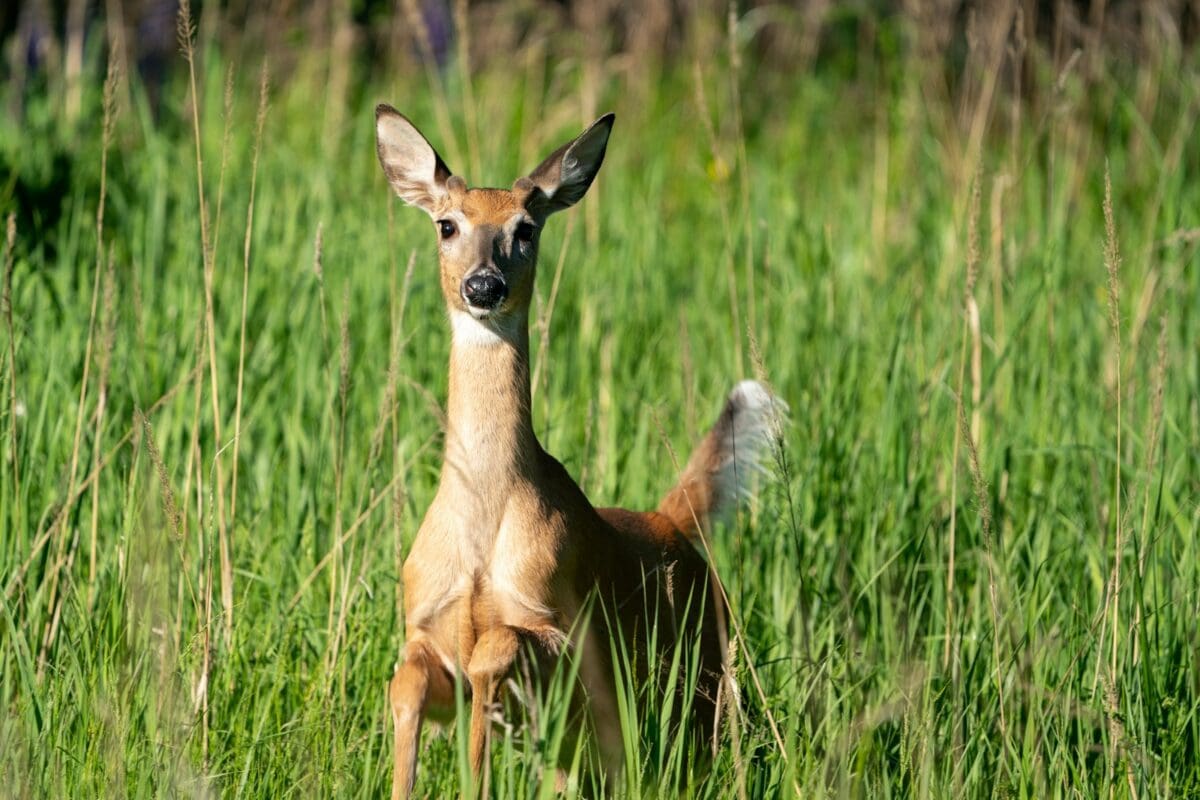
In the immediate aftermath of human disappearance, many herbivore populations would experience rapid growth due to the elimination of hunting pressure. Species like white-tailed deer, which have thrived in human-altered landscapes with abundant edge habitat and reduced predator numbers, would initially experience population explosions. Similarly, wild boar populations in Europe and feral hogs in North America—which have been contained primarily through intensive human management—would spread rapidly.
However, this growth would be temporary. As predator populations recover and expand, and as forest succession reduces the edge habitat and browse-rich early successional forests that many herbivores prefer, these populations would eventually crash and stabilize at lower levels. The process would be cyclical in many regions, with predator and prey populations oscillating as they adjust to new ecological balances. This dynamic would directly influence forest composition, as periods of high browsing pressure would favor unpalatable or browse-resistant plant species, while periods of lower herbivore density would allow more vulnerable plant species to establish.
Forest Succession: From Managed to Wild
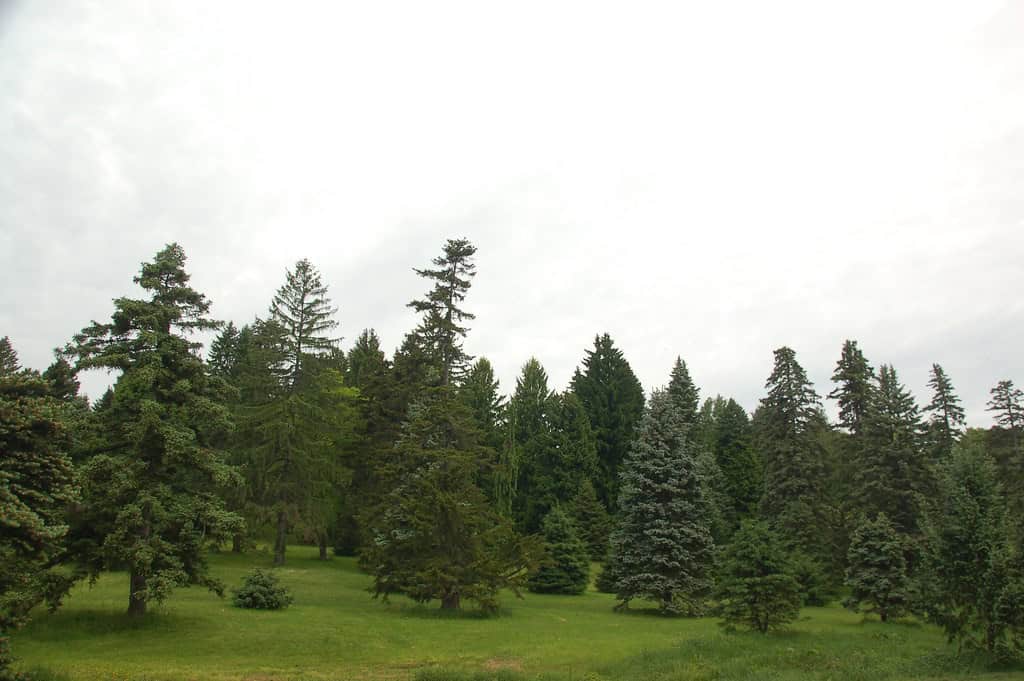
Modern forests are often highly managed ecosystems, with species composition, density, and age structure determined by human objectives ranging from timber production to recreation to conservation. Without human management, these forests would begin transitioning toward more natural states through the process of ecological succession. In plantation forests—where single-species stands of uniform age are common—diversity would gradually increase as natural disturbances create gaps that allow other species to establish.
In temperate regions, pioneer species like birch, aspen, and pine would colonize abandoned agricultural fields and other open areas. These fast-growing, light-demanding species would eventually be replaced by more shade-tolerant species like maple, beech, and hemlock as the forest matures. In tropical regions, similar processes would occur but with different species assemblages and often at faster rates due to year-round growing conditions. The result would be forests with much greater structural complexity—multiple canopy layers, diverse age classes, and abundant dead wood—than those managed primarily for timber production.
Invasive Species: Winners and Losers
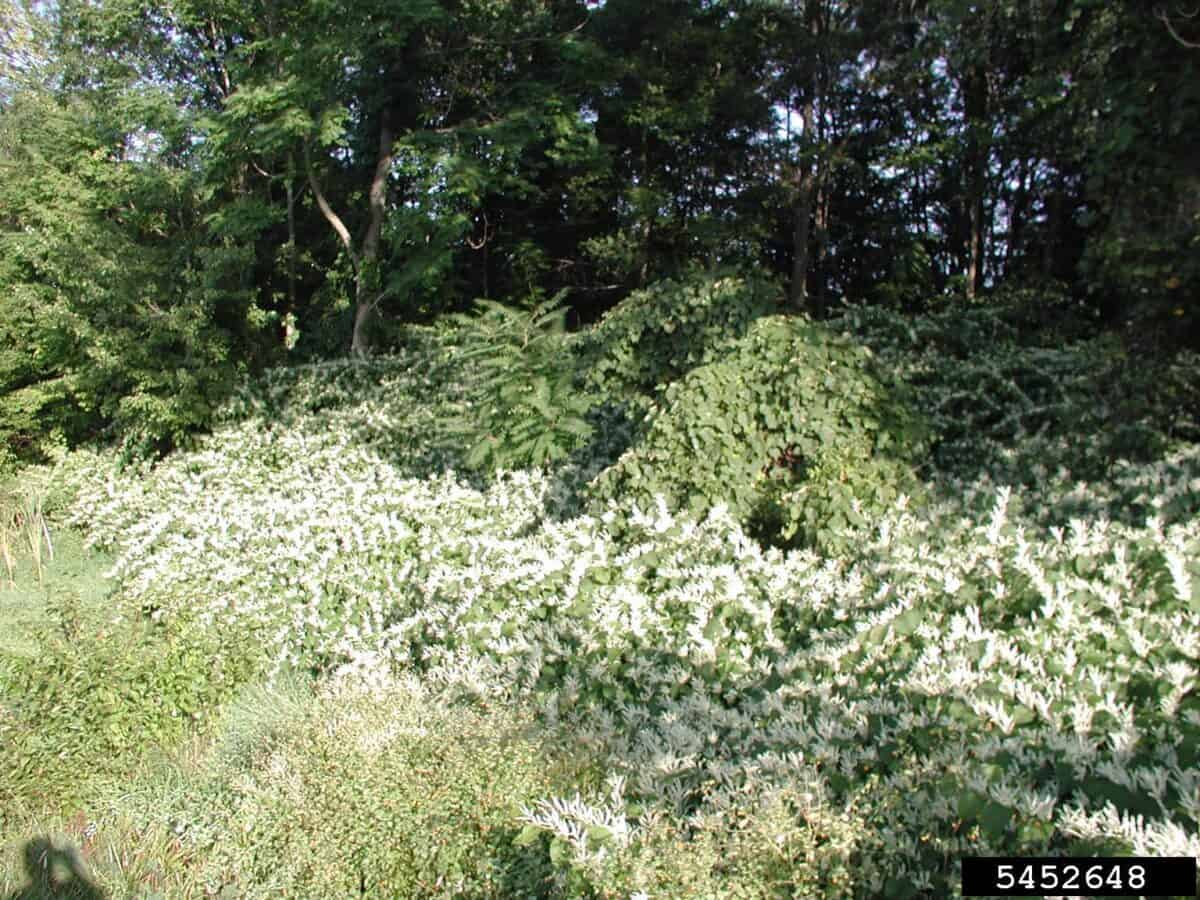
The fate of invasive species following human disappearance would vary dramatically depending on the species and ecosystem. Some invasive plants and animals that require ongoing human disturbance or introduction would gradually decline. For example, many ornamental invasive plants would persist around former human habitations but might fail to spread extensively into intact forest ecosystems.
However, many other invasives would thrive without human containment efforts. Species like kudzu in the southeastern United States, Japanese knotweed in Europe, or lantana in Australia have established self-sustaining populations that would continue to expand in human absence. Animal invaders would show similar variability—European wild boar would likely continue thriving and expanding across North America, while more specialized invasives might struggle as ecosystems revert to more natural states. The long-term trajectory would depend on whether native ecosystems and predators could eventually develop effective responses to these novel species, a process that might take centuries or even millennia.
Fire Regimes: From Suppression to Natural Patterns

Fire is a critical ecological process in many forest ecosystems, but human management has dramatically altered natural fire regimes. In regions where humans have suppressed natural fires—such as much of the western United States—the immediate effect of human disappearance would be an accumulation of fuel loads and eventually larger, more intense wildfires. These fires, while destructive in the short term, would begin resetting forest succession and creating the mosaic of different successional stages that characterized pre-human landscapes.
Conversely, in regions where humans have increased fire frequency beyond natural levels—through agricultural burning or accidental ignitions—fire frequency would decrease to natural levels. Lightning would become the primary ignition source, creating fire patterns determined by climate, topography, and fuel availability rather than human activity patterns. Over time, plant communities would adjust to these more natural fire regimes, with fire-adapted species flourishing in regions where periodic burning is part of the natural cycle.
Climate Change Legacy: Lingering Human Impacts

Even with humans gone, the effects of anthropogenic climate change would continue influencing forest ecosystems for centuries or even millennia. Carbon dioxide levels would gradually decline as oceans and recovering forests absorb excess atmospheric carbon, but this process would take thousands of years to return to pre-industrial levels. In the meantime, forests would continue experiencing the effects of a warmer climate, including shifting precipitation patterns, more frequent extreme weather events, and altered growing seasons.
These changes would drive gradual shifts in forest composition and distribution. Cold-adapted species would retreat to higher elevations and latitudes, while warm-adapted species would expand their ranges poleward. Some forest ecosystems might transform entirely—for instance, parts of the Amazon that have been pushed toward a savanna state might not recover their original forest structure. The pace and extent of these changes would depend on how quickly Earth’s climate stabilizes after human emissions cease, but the forest ecosystems that eventually emerge would differ significantly from their pre-industrial compositions.
Dam Failures and Hydrological Recovery

Dams have dramatically altered river systems flowing through many forest landscapes, affecting everything from floodplain forests to fish migrations. Without human maintenance, these structures would eventually fail—smaller dams within decades, larger ones perhaps taking a century or more. As dams breach, dramatic flooding would initially scour riparian zones, but over time, natural flow regimes would be restored.
This hydrological recovery would have profound implications for riparian forests. Natural flooding cycles would return, depositing nutrients and sediments on floodplains and creating the disturbance patterns that many riverside forest communities depend upon. Fish species that migrate between oceans and forest headwaters—like salmon in the Pacific Northwest—would recolonize watersheds they’ve been excluded from for generations, bringing marine-derived nutrients deep into forest ecosystems. These nutrients, distributed by bears and other animals that feed on spawning fish, would enhance forest productivity in ways that have been diminished or lost in many regions.
Seed Banks: Awakening Dormant Forests
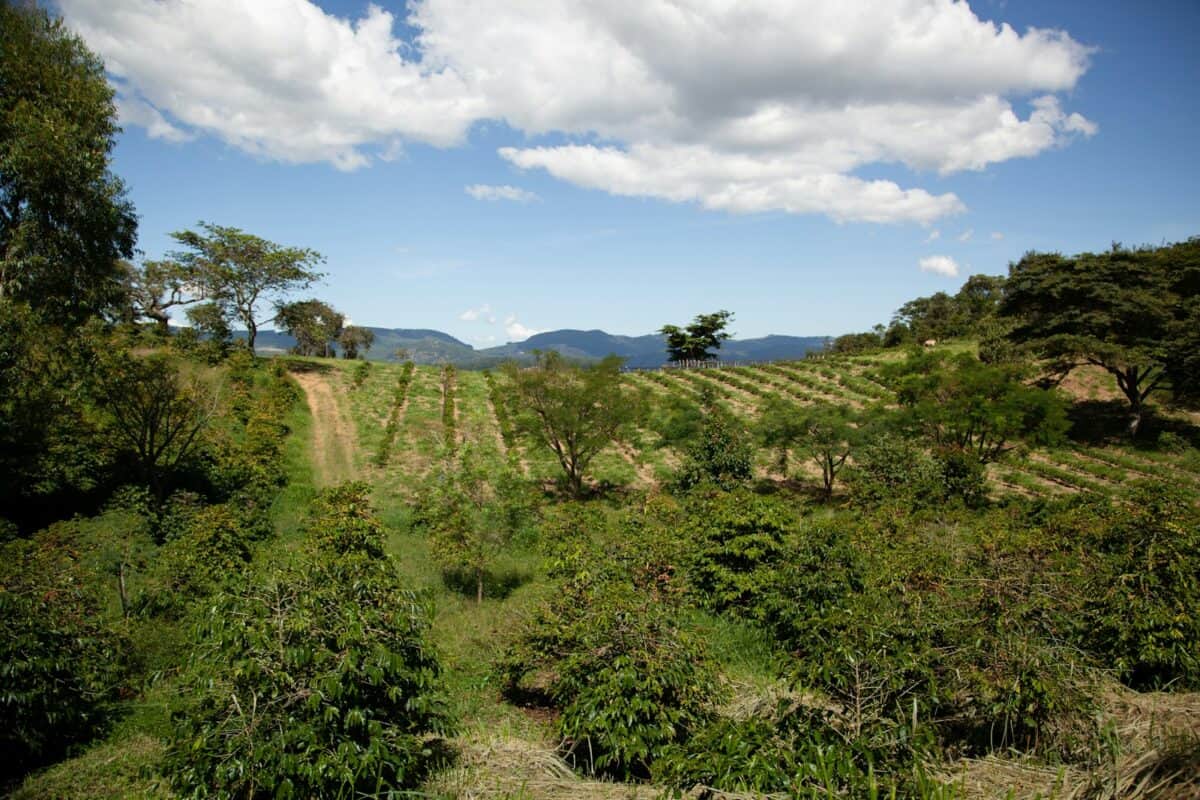
One of the most remarkable aspects of forest recovery would come from the soil itself. Forest soils contain vast seed banks—dormant seeds that can remain viable for decades or even centuries. These seeds represent the forest’s ecological memory, and in human absence, they would begin germinating as conditions become favorable. Even in areas where forests have been completely removed, if the soil remains intact, the potential for forest regeneration persists in this hidden repository.
Research has shown that tropical forest soils can contain thousands of seeds per square meter, representing dozens of species. In temperate forests, seeds of pioneer species can remain viable for 50-100 years or more. As human disturbance ceases, these seeds would drive the initial stages of forest recovery, their germination triggered by changes in light, temperature, and moisture conditions. The composition of these regenerating forests would partly reflect what was present before clearing, creating threads of ecological continuity despite intervening human disturbance.
Long-term Ecological Recovery: Centuries to Millennia
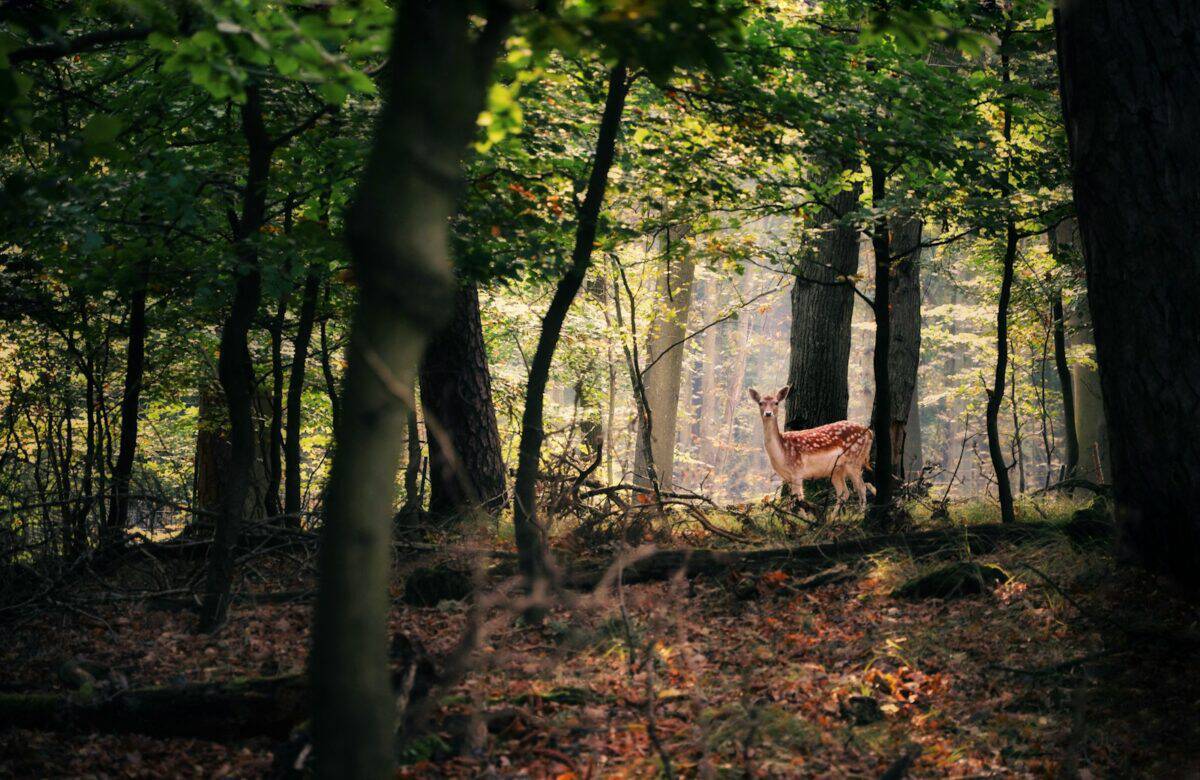
While some changes following human disappearance would be rapid, complete ecological recovery would unfold over much longer timeframes. Old-growth forest characteristics—including large-diameter trees, complex canopy structure, and abundant deadwood—typically require at least 150-200 years to develop in temperate forests and perhaps 75-100 years in tropical systems. The full complement of soil microorganisms, invertebrates, and other less visible components of forest biodiversity might take even longer to recover, especially in areas where intensive agriculture or industrial activity has severely degraded soils.
The most profound forest recoveries would occur over millennial timescales. Research examining forest recoveries following past human civilizations—such as the Maya in Central America or various Amazon Basin cultures—suggests that complete ecosystem recovery can take 1,000-2,000 years, particularly where soil degradation was severe. However, these recovering forests wouldn’t necessarily match their pre-human compositions. Extinct species would remain absent, and novel ecosystems comprising new combinations of native and naturalized non-native species would emerge, shaped by the changed climate and the ecological legacies of the Anthropocene.
Conclusion: Lessons from a Humanless Future

The thought experiment of human disappearance from forest ecosystems reveals both the profound impacts we’ve had on these environments and their remarkable resilience. Forests would not simply “return to normal” but would instead undergo complex transformations reflecting both recovery from human influences and adaptation to lingering anthropogenic changes like climate disruption and invasive species. This imagined recovery process teaches us that nature has tremendous capacity for self-renewal, even after centuries of human modification, but also that some changes we’ve initiated are effectively permanent on human timescales.
Perhaps most importantly, this scenario highlights the pivotal role of time in ecological processes. While we often manage forests on timescales of years or decades, true forest development unfolds over centuries and millennia. The slow pace of complete forest recovery following our hypothetical disappearance serves as a powerful reminder of the need for long-term thinking in forest conservation and management today.
Finally, contemplating forests without humans challenges us to reconsider our relationship with these ecosystems. Rather than seeing ourselves as separate from or opposed to natural processes, we might instead recognize our capacity to work with forest resilience, supporting recovery processes that would occur in our absence while sustainably meeting human needs. In this way, the thought experiment of human disappearance doesn’t advocate for actual human absence but instead helps us envision how we might better align our presence with the remarkable self-organizing capacity of forest ecosystems.
As we face unprecedented environmental challenges, this perspective on forests’ intrinsic capacity for recovery—and the timeframes required—offers both hope and caution: hope that damage can heal given sufficient time and appropriate conditions, and caution that our actions today will echo through forest ecosystems for generations to come.

- A New Rodent Species Found in Appalachian Mountains - July 13, 2026
- 12 Resilient Animals That Could Thrive in Elon Musk’s Mars Colony - July 13, 2026
- Why Some Fish Can Walk on Land—And What That Means for Evolution - July 13, 2026