
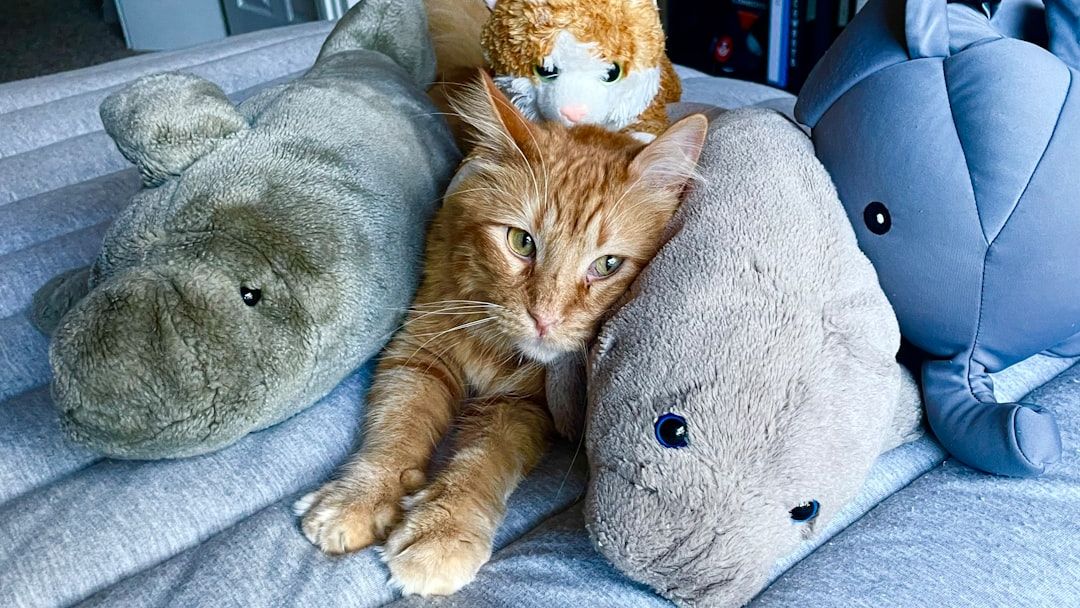
Ever notice how your feline friend suddenly disappears when there’s the slightest change in your home? Maybe it’s the vacuum cleaner, a knock at the door, or even just rearranging the furniture. Cats are fascinating creatures with deeply ingrained survival instincts, and what might seem like minor adjustments to us can feel like major upheavals to them. While we often think of cats as aloof and independent, the truth is they’re surprisingly sensitive to their surroundings. Creating a calm, predictable space for your anxious cat isn’t just about comfort. It’s about their overall health and happiness. So, let’s dive into practical ways you can transform your home into a sanctuary where your cat can truly relax.
Design a Safe Haven Just for Your Cat
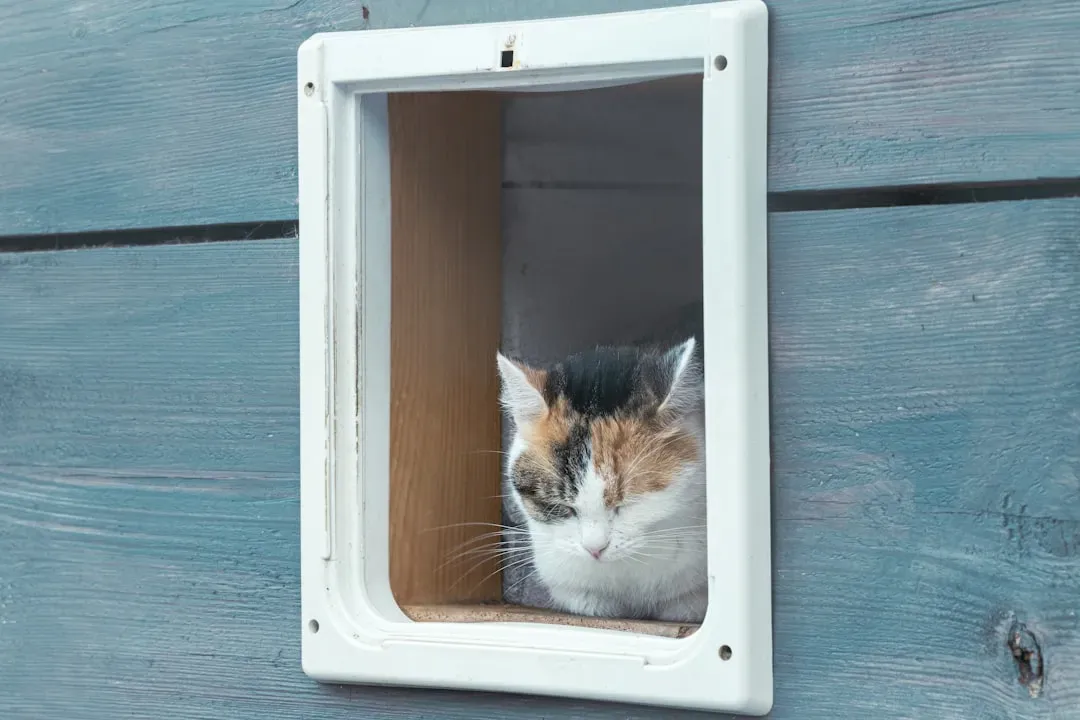
Think of this as your cat’s personal fortress. Your anxious cat needs their own little nook to retreat to when they feel overwhelmed, a quiet, secluded space where they can hide when there is too much disturbance in their environment, with cozy bedding, high hiding spots, stimulating toys, and familiar scents. This isn’t just about throwing a blanket in the corner. It’s about creating a dedicated zone where they feel genuinely secure.
I’ve found that even cardboard boxes work wonders here. Cats like spots where they can relax away from other people and pets, and they enjoy being in small spaces that they perceive as being easy to defend; you can buy kitty condos, but placing empty cardboard boxes throughout your home and rearranging to make spaces behind furniture all open up new spaces where your cat can curl up and relax when they’re feeling anxious. The key is making sure these spaces are accessible but also somewhat concealed.
Consider adding different levels too. Cats naturally feel safer when they can survey their territory from above. A simple cat tree or even strategically placed shelves can provide that elevated vantage point they crave.
Don’t forget about scent. Leaving an old t-shirt or blanket with your scent in their safe space can provide additional comfort. Familiar smells act as emotional anchors for cats, reminding them that they’re in a secure environment.
The beauty of a dedicated safe space is that it gives your cat control over their environment. When everything else feels chaotic, they know exactly where to go to feel protected.
Establish a Predictable Daily Routine
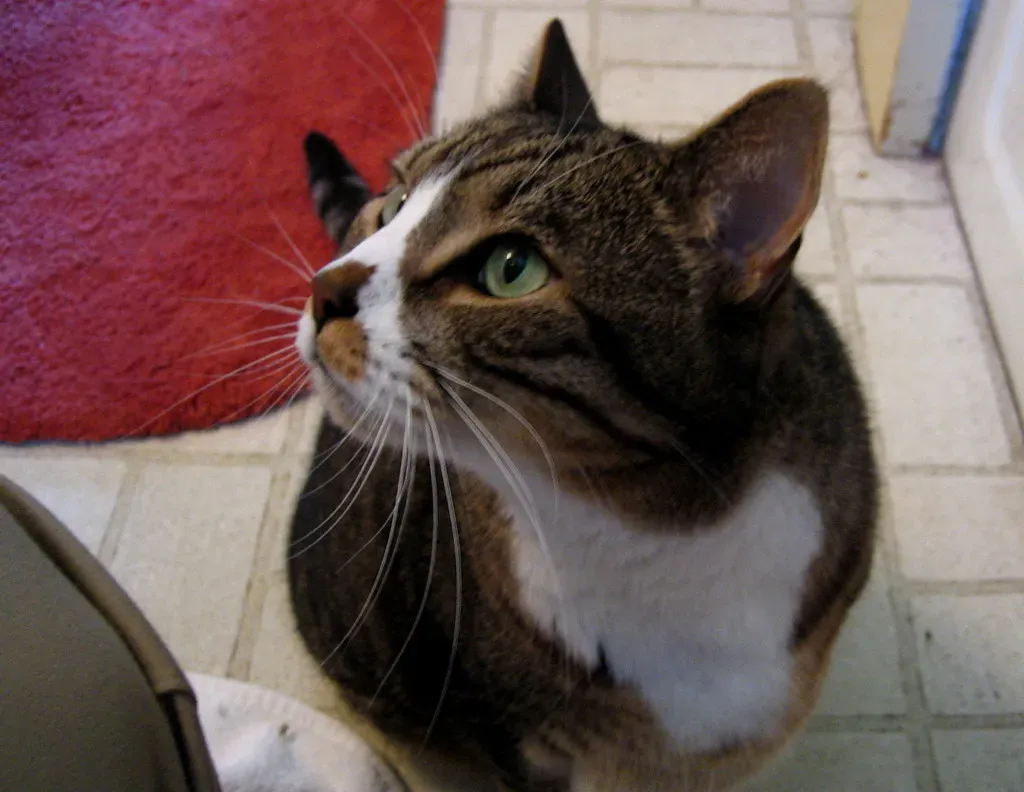
Cats are creatures of habit, far more than most people realize. Cats are creatures of habit, so maintaining a normal routine is very important for decreasing not just their stress and anxiety, but also yours, creating a routine that includes sticking to normal bedtime, wake time, and meal schedules. Honestly, I think this might be one of the most underestimated anxiety reducers for cats.
Establishing a consistent daily schedule provides a stabilizing anchor for your anxious companion by setting regular mealtimes, play sessions, and periods for rest, creating a sense of order and comfort in your cat’s life. It’s similar to how young children thrive on routine. The predictability helps them feel secure because they know what’s coming next.
Meeting your cat’s needs in a predictable way doesn’t leave them on edge waiting for their next meal or time to rest, and this structure taps into their natural instincts of a hunting and resting cycle, allowing them to feel a sense of security that can lessen feelings of anxiety. This natural rhythm is deeply embedded in their biology.
Think about incorporating playtime into this routine as well. Having structured playtime is important for maintaining the overall health and wellbeing of your cat, giving them an outlet to release pent-up energy and strengthening the bond between you and your feline. Even just fifteen minutes of interactive play before bedtime can make a massive difference.
The most important thing is consistency. Try to feed, play with, and interact with your cat at roughly the same times each day. Your cat’s internal clock will adjust, and they’ll start anticipating these moments rather than feeling anxious about when they might happen.
Use Pheromone Products to Promote Calm
Here’s something that might sound a bit like science fiction but actually works. Pheromones are natural chemicals released by cats in response to certain emotions or stimuli, and other cats can smell these pheromones and understand them as messages. It’s their own secret communication system that we can now tap into.
Pheromone sprays and diffusers work by mimicking the positive, or ‘happy cat’ pheromones, and can help to calm stressed or anxious cats by reassuring them that all is well in the nearby environment, and you can use sprays on bedding, scratching posts, and other common areas. Products like Feliway have become increasingly popular for good reason.
Pheromones are like secret messages that comfort and reassure cats and kittens and reduce signs of stress, and the effectiveness of pheromones on cats has been confirmed via numerous scientific studies. This isn’t just marketing hype. There’s actual research backing up their effectiveness.
The diffusers are particularly convenient because they work continuously. Pheromone diffusers release a calming pheromone spray that helps your anxious cat relax, and these chemicals help your cat communicate with other cats, mark their territory, and offer a natural way to calm frayed nerves using manmade pheromones that act just like natural ones, potentially reducing stress-related behaviors like hiding, scratching, and urine spraying.
You can also use sprays for specific situations. If you’re introducing a new piece of furniture or preparing for a stressful event, spraying these areas ahead of time can help ease the transition. The scent is imperceptible to humans but incredibly reassuring to cats.
Create Vertical Territory and Climbing Opportunities
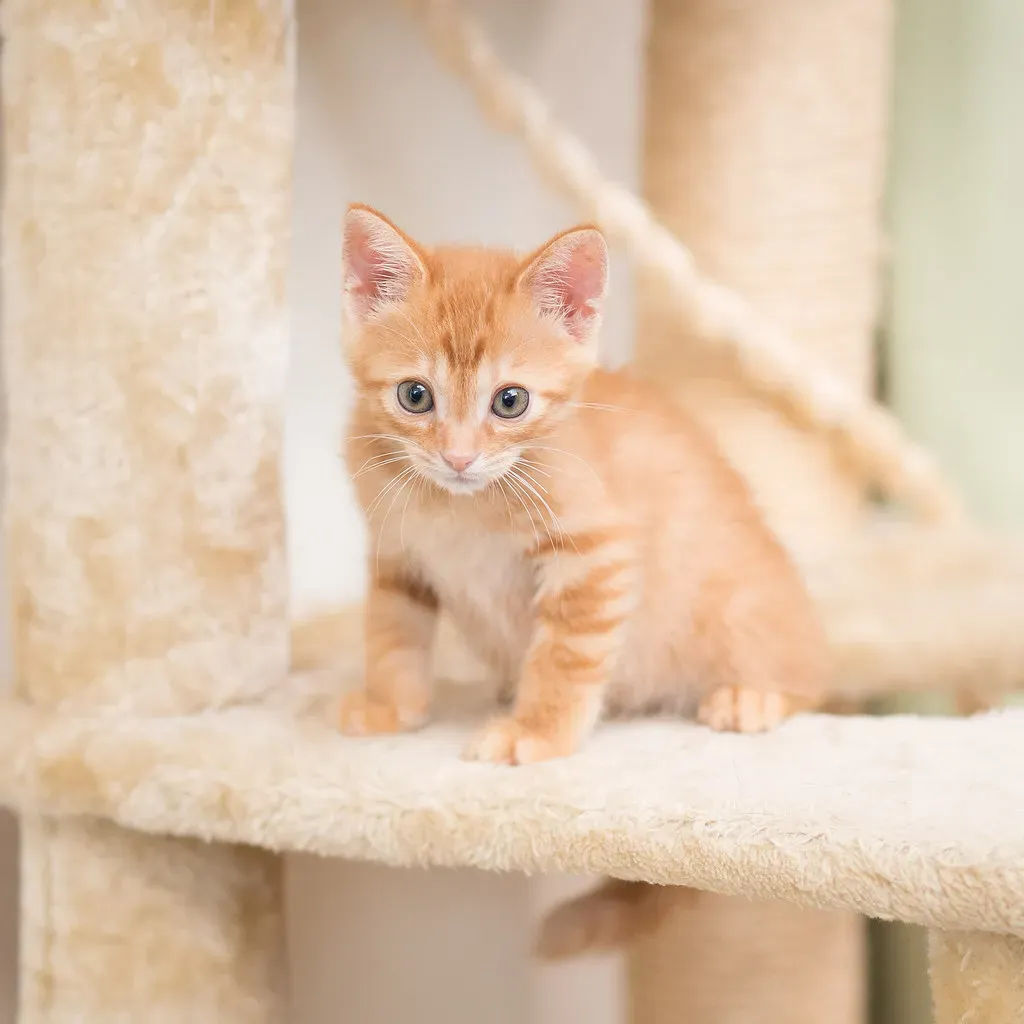
Let’s be real, cats are natural climbers. Cats love to climb, and cat trees, shelves, or window perches allow them to survey their domain from above, which can reduce anxiety. There’s something deeply instinctual about being up high that makes them feel safe and in control.
Cats love climbing, and most feel safest when they have a high perch from which they can look over their surroundings; if you don’t have any high surfaces for your cat to explore in your home, the stress of having nowhere to climb could cause anxiety. It’s actually a pretty significant stressor that many people overlook.
Installing a cat tree is the most straightforward solution. They come in all shapes and sizes, from simple posts to elaborate multi-level structures. The investment is worth it when you see how much your cat uses it. I know it sounds crazy, but some cats spend more time on their cat tree than anywhere else in the house.
You don’t necessarily need expensive equipment though. Wall-mounted shelves arranged in a ladder pattern can work just as well. The idea is to give your cat multiple levels to explore and claim as their own territory.
Window perches deserve a special mention here. Many cats may feel safer if they can escape to somewhere high and elevated from ground level, and for cats with separation anxiety, window perches can provide comfort during alone time. Watching birds and outdoor activity provides mental stimulation while they enjoy their elevated position.
Provide Multiple Resources Throughout Your Home
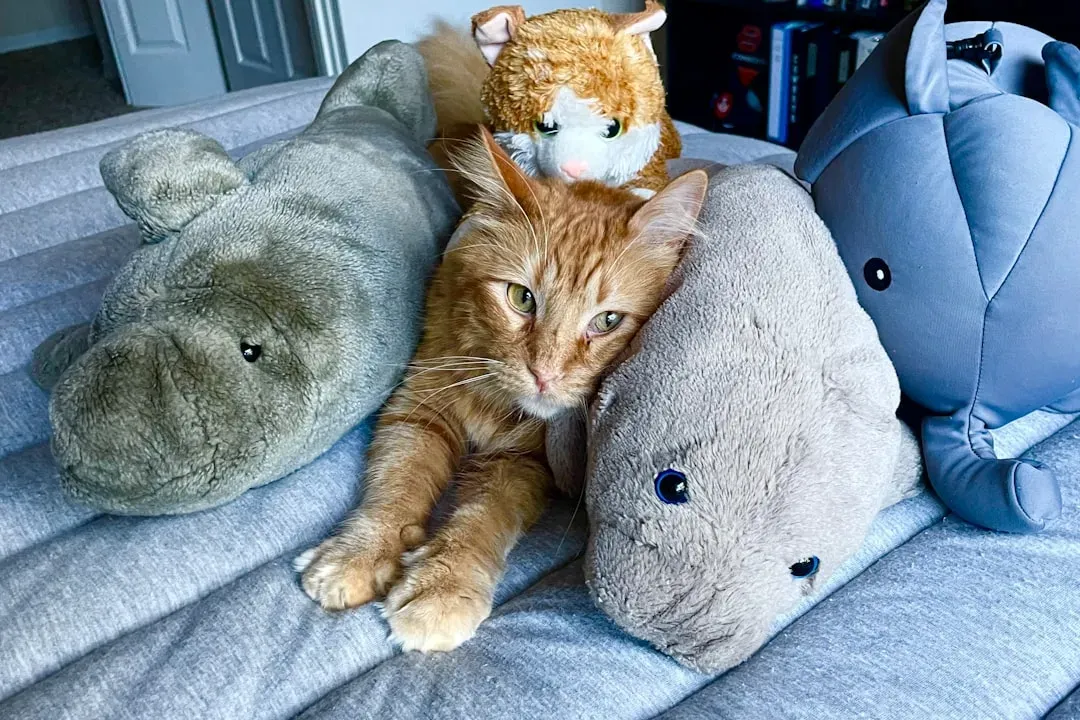
This is especially crucial if you have multiple cats, but it matters even for single cat households. Provide plenty of food, water, toys, and litter boxes; while this is especially important for multi-cat homes, even a cat who doesn’t have any furry siblings in the home may need more than one food bowl, litter box, etc. Competition for resources creates stress, even when there’s no visible conflict.
Think about it from your cat’s perspective. If they’re anxious about another pet potentially blocking their access to the litter box, that’s a constant low-level stress they’re carrying around. Having options eliminates that worry entirely.
The general rule of thumb is one litter box per cat plus one extra. So if you have two cats, you should have three litter boxes spread throughout your home. The same principle applies to food and water stations.
Toys and scratching posts should also be distributed in multiple areas. This prevents territorial disputes and ensures your cat always has an outlet for their natural behaviors nearby. Scratching, in particular, is a major stress reliever for cats.
Distribution matters just as much as quantity. Don’t put all resources in one room. Spread them out so your cat has access points throughout their territory.
Implement Environmental Enrichment Activities
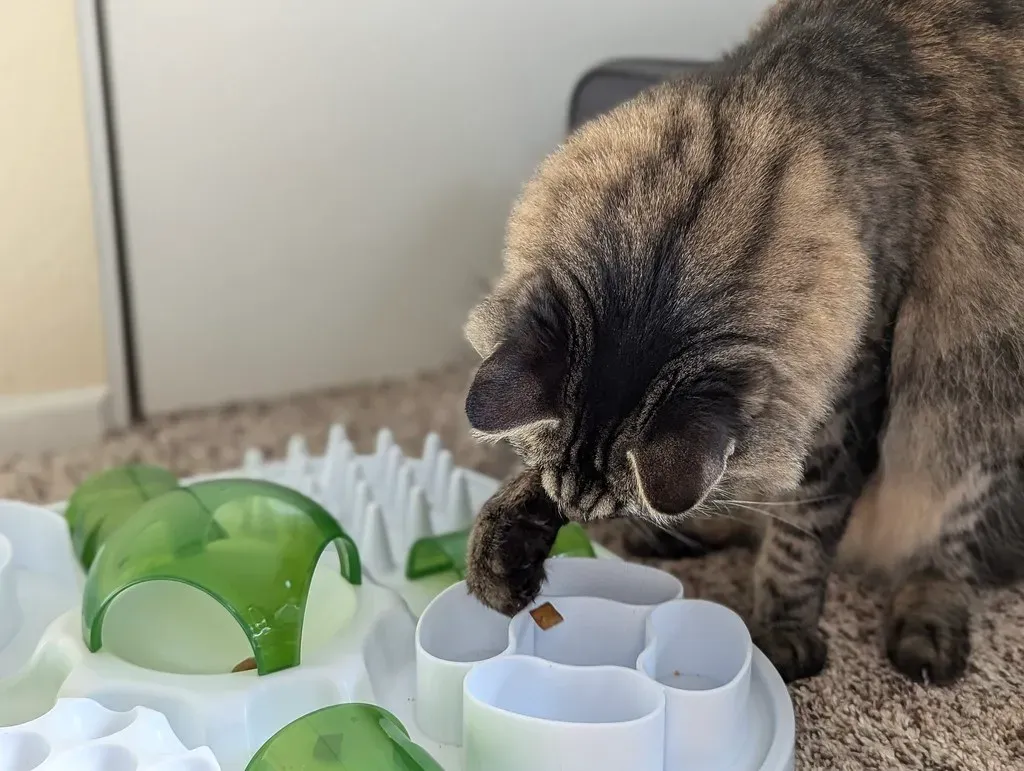
Cats have instinctual needs that, when met properly, can dramatically impact their quality of life and state of mind, and giving them opportunities for play, hunting behaviors, mental stimulation, and a sense of safety and security is a surefire way to alleviate anxiety. Boredom and anxiety often go hand in hand in cats.
Interactive toys, climbing structures, and puzzle feeders help relieve stress and boredom. These aren’t luxury items. They’re actually essential tools for managing your cat’s mental health. Puzzle feeders are particularly brilliant because they tap into their natural hunting instinct.
Consider rotating toys regularly. What seems exciting today might be boring next week. By cycling through different toys, you keep things fresh and engaging. This doesn’t mean buying new toys constantly. Just put some away and bring them back out after a few weeks.
Window access is another form of enrichment that’s often overlooked. If your cat can safely watch birds, squirrels, and outdoor activity, that’s hours of entertainment. Some people even set up bird feeders specifically positioned where their cat can see them from inside.
Food dispensing toys that require your cat to work for their meals combine physical activity with mental stimulation. It slows down eating, prevents boredom, and satisfies their predatory instincts all at once.
Make Gradual Changes to Their Environment
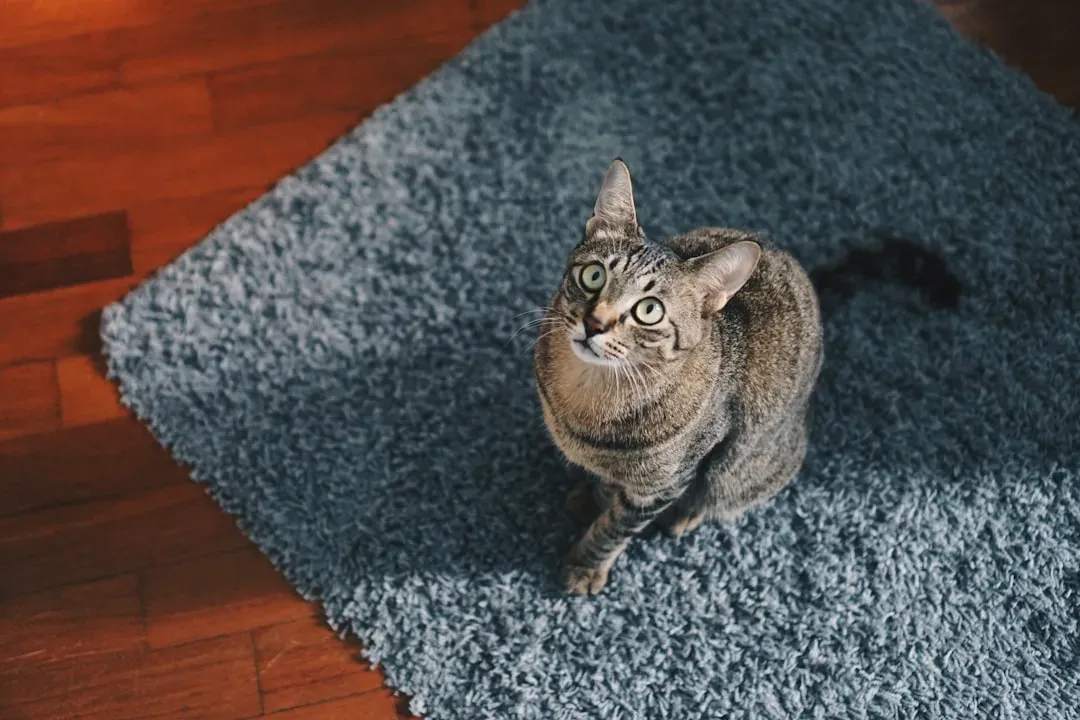
Keep stress at bay by making changes gradually; when your cat needs to accept a new pet or baby, do not just throw the two together and hope for the best, but acclimate slowly so your cat can get used to the idea, and if you’re planning a move, prepare for it slowly. This patience pays off enormously in reduced stress.
Introduce changes to your cat’s environment and routine slowly; if you’re rearranging furniture, do one room at a time, and if moving to a new home, confine your cat to a smaller area and introduce them to other areas over days or weeks. Sudden changes can trigger anxiety that takes weeks to resolve.
I think this is where many well-intentioned cat owners go wrong. We underestimate how sensitive cats are to environmental changes. What seems like a simple furniture rearrangement to us can completely disorient a cat whose mental map of their territory has suddenly been redrawn.
If you’re bringing home a new pet, the introduction process should take days or even weeks. Start with scent swapping, then visual contact through a barrier, and only gradually allow supervised interactions. Rushing this process is one of the most common causes of long-term cat anxiety.
Even changing your cat’s food should be done gradually, mixing increasing amounts of the new food with decreasing amounts of the old over about a week. Cats don’t handle abrupt transitions well, whether it’s food, furniture, or family members.
Minimize Exposure to Stress Triggers
Reduce stress by lessening or preventing exposure to the source of the stress you’ve uncovered; for example, if neighborhood cats are lingering outside your house and causing your cat angst, use humane deterrents to keep them away or block your cat’s view to those areas of your yard. Sometimes the simplest solution is just removing the trigger.
If other pets, a baby, sounds, or things they can see outside are creating stress for your cat, a quiet, dark area away from these stimuli can help. You can’t always eliminate stressors, but you can definitely manage exposure to them.
Pay attention to your cat’s behavior throughout the day. Pay close attention to your cat’s behavior throughout the day and note when and where they display the most symptoms of anxiety, and taking video footage of their behaviors and keeping a log of their activities may help you and your veterinarian to pinpoint the cause. Being a detective about what triggers your cat’s anxiety is half the battle.
Sometimes the triggers are obvious, like construction noise or visitors. Other times they’re more subtle. Maybe it’s the mail carrier’s daily visit or a specific appliance running. Once you identify these triggers, you can work to either eliminate them or create positive associations to counter them.
For unavoidable stressors like thunderstorms or fireworks, preparation is key. Having a designated safe room with white noise, familiar bedding, and maybe some pheromone spray can help your cat ride out these events with less distress.
Build a Strong Bond Through Positive Interactions
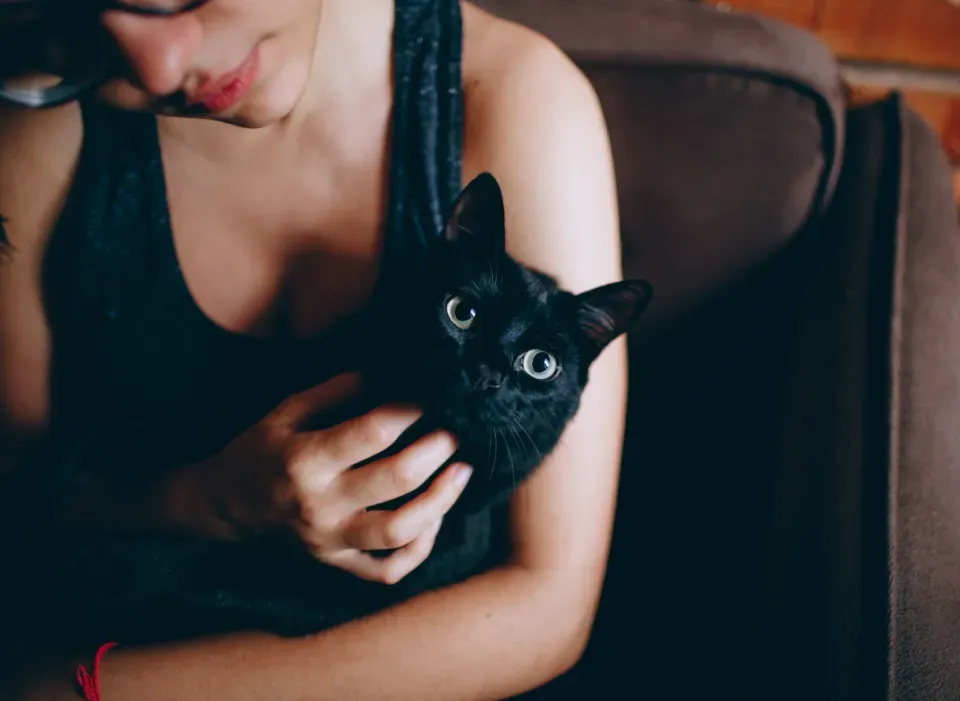
Structured playtime gives them an outlet to release pent-up energy and strengthens the bond between you and your feline which can be used in your favor when dealing with stress and anxiety, and developing a strong bond with your cat can be anxiety reducing in itself, as when you are strongly bonded, your presence can act as a calming influence on your cat. Never underestimate the power of connection.
Schedule a daily time to offer attention, enrichment activities, and playtime, and doing these things as part of a daily routine can alleviate boredom, increase their security, and keep your cat’s stress levels lower. Consistency in interaction builds trust and security.
The type of interaction matters. Some cats love being petted, while others prefer interactive play. Learning your cat’s love language is crucial. Watch how they respond to different types of attention and adjust accordingly.
Play sessions should mimic hunting. Use wand toys to recreate the movements of prey. Let your cat stalk, pounce, and capture. This satisfies deep instinctual needs and provides both physical and mental stimulation. End play sessions by letting them catch the toy, followed by a small treat to simulate eating their prey.
Simply sitting quietly near your cat while they relax can also strengthen your bond. You don’t always need to be actively engaging. Sometimes just your calm presence is enough to help them feel secure. Cats are perceptive creatures and they pick up on our emotional states.
Consider Professional Help and Calming Supplements
When your cat’s anxiety persists despite your best efforts, seeking professional help from a veterinarian or animal behaviorist is a wise decision, as they can conduct a comprehensive evaluation of your cat’s behavior, identify underlying causes, and recommend tailored solutions including medication, behavior modification techniques, or additional therapies. There’s no shame in asking for help.
Not every anxious cat requires medication, but for cat parents seeking alternatives to prescription medications, several evidence-backed supplements may help manage mild to moderate anxiety symptoms. Multiple options exist between doing nothing and prescription medication.
OTC products are also a great option to help with your cat’s anxiety and don’t require a prescription from the vet, but it’s important to discuss any supplements with your veterinarian before adding them to your cat’s diet, as your vet can help you find the best option based on your cat’s health. Always loop your vet into these decisions, even for over-the-counter options.
Sometimes anxiety stems from underlying medical issues. If your cat is showing subtle signs of anxiety or exhibiting behavioral changes, the problem could be related to an underlying health problem that’s causing stress; for example, a cat with a urinary tract infection may avoid the litter box because they are anxious about the pain they’ve come to associate with it. Ruling out physical causes is essential.
One study published in the Journal of Feline Medicine and Surgery found that approximately 70% of cats with anxiety-related behavioral issues showed improvement when treated with appropriate medication combined with environmental modifications. Combining approaches typically yields the best results.
Conclusion
Creating isn’t about implementing every single strategy overnight. It’s about understanding your individual cat’s needs and making thoughtful adjustments that honor their instinctual behaviors and sensitivities. Remember, cats didn’t ask to live in our human world with all its unpredictability and chaos. The least we can do is create pockets of peace where they can feel truly secure.
Start with one or two changes and observe how your cat responds. Maybe it’s establishing a predictable feeding schedule or setting up a cozy hiding spot. Small adjustments often yield surprising results. The goal isn’t perfection but rather continuous improvement in your cat’s quality of life.
What strategies have worked best for calming your anxious cat? Every feline is unique, and sometimes the best solutions come from fellow cat parents who’ve been in the trenches. Share your experiences in the comments below.
