
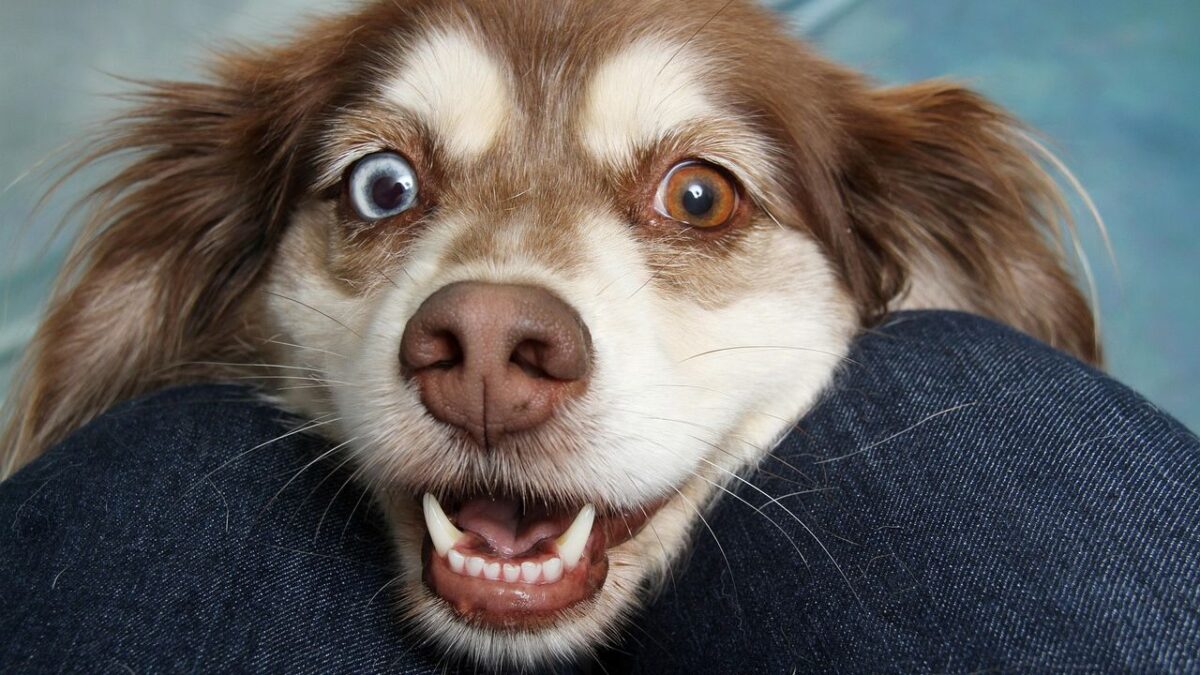
Most of us think we know our dogs pretty well. We notice the tail wags, we hear the barks, and we respond. Simple enough, right? Except, here’s the thing – dogs are constantly sending messages we completely miss. Tiny signals, subtle shifts in posture, a flick of the ear, an unexpected sneeze during playtime. All of it means something.
Our canine companions have been by our sides for tens of thousands of years, and though they may not utter words, every tail wag, ear flick, and furrowed brow speaks volumes, if you know how to read them. The truth is, most of us are only catching a fraction of what our dogs are actually saying. That’s a little humbling, honestly. Let’s dive into the full picture.
1. The Tail Tells a Far More Complex Story Than You Think
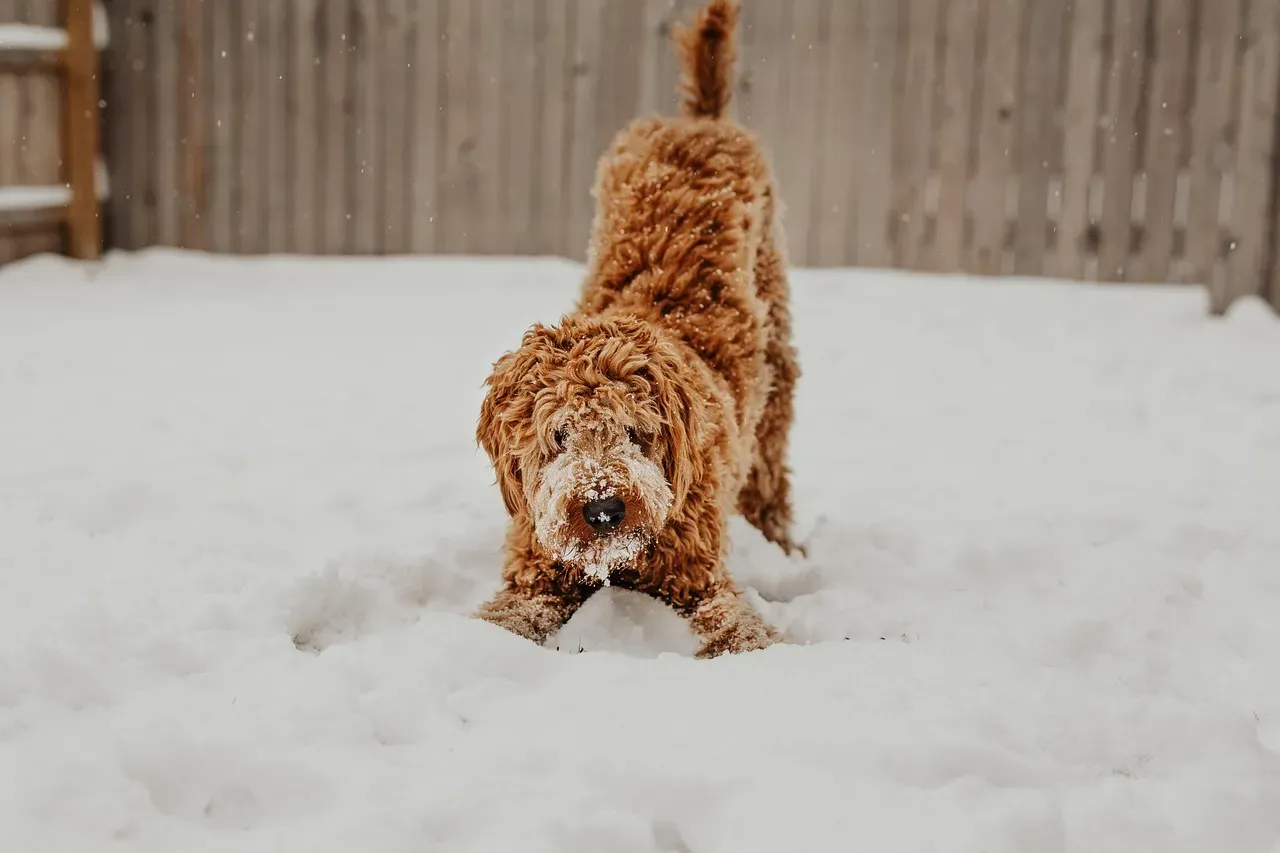
Everyone assumes a wagging tail equals a happy dog. That’s one of the most widespread misconceptions in the pet world, and it leads to real misunderstandings every single day. Think of it like assuming someone smiling in a photo is genuinely happy – not always the case.
A dog’s tail says a lot about how they are feeling. A common misconception is that a wagging tail is a sign of a happy dog, but this is not always the case. A wagging tail simply signals arousal, and that can be good arousal like being excited and happy, or bad arousal like being alert or even aggressive.
If you really want to understand your dog’s tail wagging, try paying attention to the direction of the swish. Research published in the journal Current Biology found that happy dogs tend to wag their tail more to the right from the dog’s point of view, while a less happy dog will have a more left-dominated wag. Who knew left and right could matter so much?
A high, stiff tail, even if it is wagging, can indicate that the dog feels angry. A tail that is low and wagging combined with a lowered body, lip licking, or any other signs of stress tells you that the dog is extremely nervous. So next time your dog’s tail is moving, look at the whole picture before assuming it’s all good news.
2. Eye Contact Is a Secret Language All Its Own
We’re wired as humans to trust direct eye contact. It signals honesty, confidence, connection. For dogs, the rules are almost completely reversed, and that’s where things get interesting.
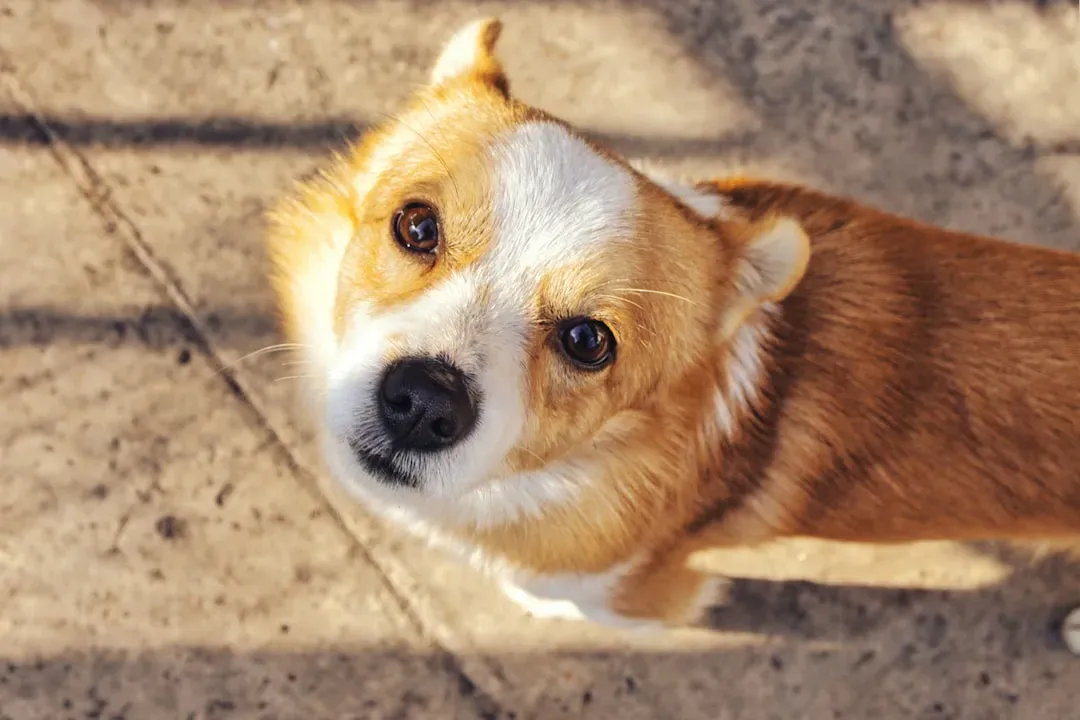
Eye contact is an important signal for dogs. Just as the hard stare can be a precursor to aggression, looking away is meant to calm a situation. When dogs feel stressed, they’ll pointedly look away and avoid eye contact. People often interpret this as their dog ignoring them or being stubborn, but the dog is actually expressing discomfort.
The whites of the eyes are another key indicator. Known as “whale eye,” when a dog shows the whites of the eyes, it’s a signal that they’re feeling anxious or stressed in a situation. You might see this when you make your dog uncomfortable, like when you pat your dog on the head, or when they’re afraid someone will steal a bone or toy. It’s a subtle sign, easy to dismiss, but deeply meaningful.
3. Ear Position Reveals Exactly What’s Going on Inside Their Head

Ears are basically your dog’s emotional antenna. The direction they’re pointing, and the tension around their base, can tell you a staggering amount about your dog’s inner world at any given moment. Honestly, once you start watching ears, you won’t be able to stop.
Dogs have a wide variety of ear types. Although it may be easier for us to see ear position in dogs with erect ears, even floppy-eared dogs like Basset hounds can move the base of their ears forward and back to show different emotions. When a dog is relaxed, their ears may be slightly back or out to the sides. As a dog becomes more aroused, the ears will move forward, pointing toward a subject of interest.
When their mouth closes, their ears perk up and their body stiffens, that tells us that the dog has become alert to something. When their ears go back and their mouth closes, it can be a sign of appeasement, nervousness, or fear. This means we should step away and give them some space. The combination of signals is always more revealing than any one cue in isolation.
4. The Play Bow Is One of the Most Joyful Signals in the Canine World
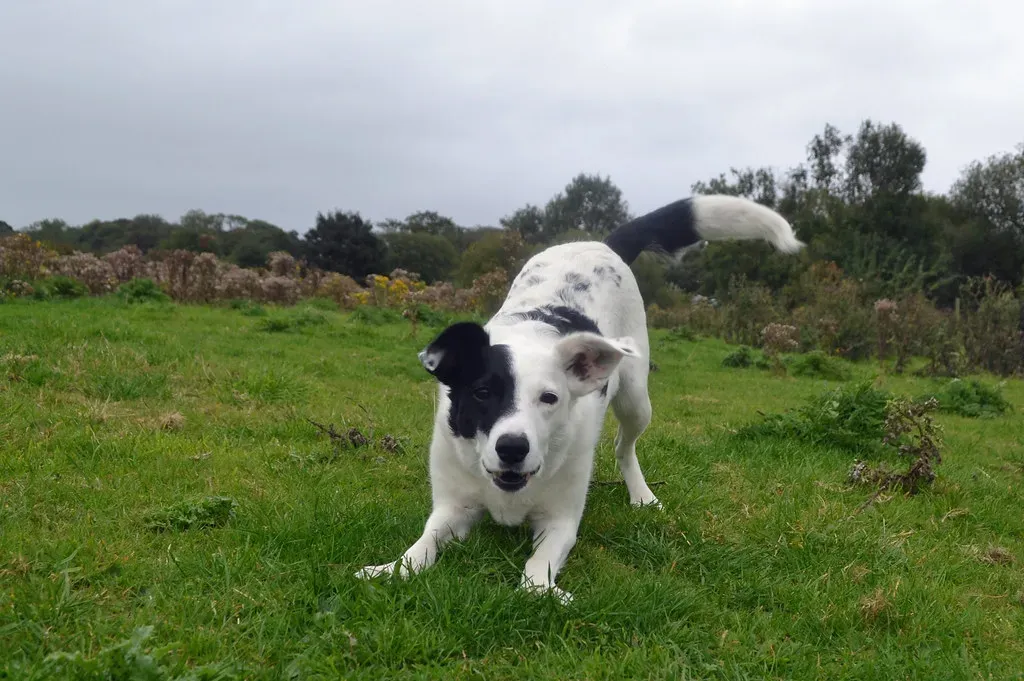
If you’ve ever seen your dog suddenly drop their front legs to the ground while keeping their rear end high in the air, you’ve witnessed one of the most universally clear signals in dog communication. It’s pure, unambiguous joy, and it’s kind of adorable every single time.
When pups lean into the yoga position named after them, butt in the air and chest and front legs stretched out in front, it typically means they’re ready for playtime. Think of it like a dog’s version of saying, “Come on, let’s go!” with absolutely no room for misinterpretation.
Dog play bowing is when the rear end of the dog is up while the front end is down. The play bow often means “I want to play.” Raised hackles mean the dog could be stressed, and a dog placing their chest on the ground and rump in the air means the dog is ready and eager to play with you. It’s one of the rare signals with almost zero ambiguity, a breath of fresh air in the sometimes confusing world of canine communication.
5. Yawning Has Nothing to Do With Being Tired
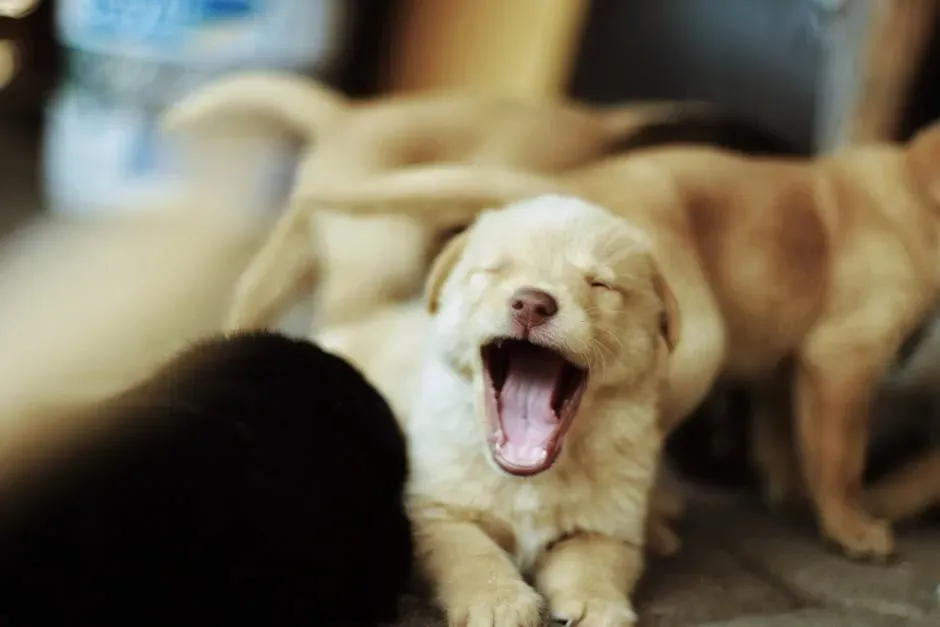
You’re probably thinking, “My dog yawns because they’re sleepy.” Sometimes. Other times, though, that yawn is carrying a completely different message, one that has nothing to do with bedtime and everything to do with stress or social signaling.
When a dog yawns, it can be difficult to understand whether the yawn is positive or negative. Dogs will yawn when they’re stressed but may also yawn when they’re anticipating something fun. Some dogs will yawn around other dogs during playtime to say, “calm down,” and using the context of the situation can generally tell you what the yawn means.
Yawning and nose-licking are considered to be ambivalent behaviors, meaning that the dog is cautious, concerned, stressed, anxious, or has the potential to respond with aggression if the situation escalates or persists. So that big dramatic yawn your dog lets out when the vet enters the room? That’s not boredom. That’s your dog saying they’re really not loving this situation right now.
6. Lip Licking and Nose Licking Are Stress Signals Most Owners Miss
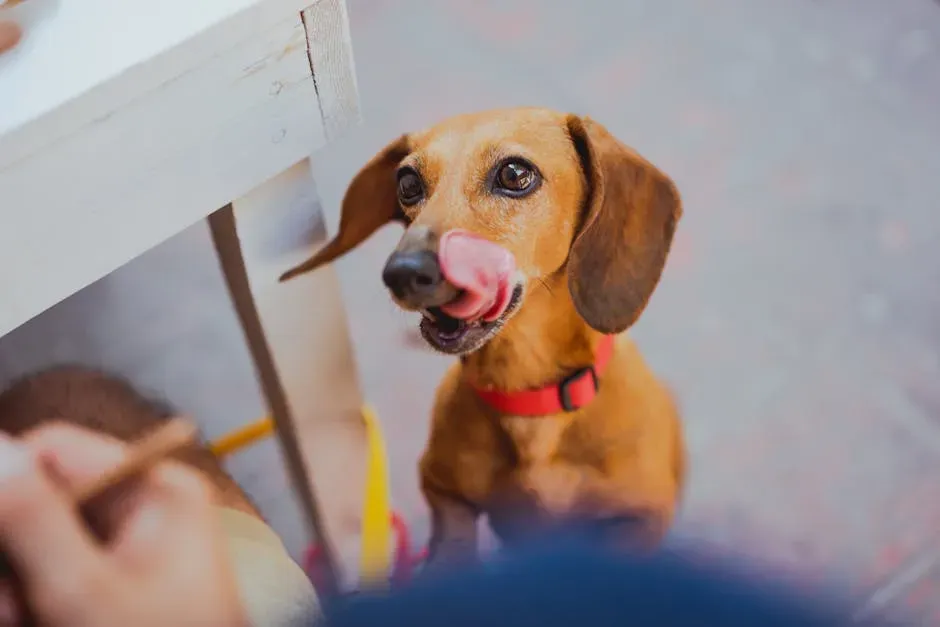
This is one of the most commonly overlooked signals in dog communication, and I think that’s because it looks so ordinary. Of course a dog licks their lips, right? They’re always eating things. Except when it happens away from food, it’s a whole different conversation.
Lip-licking is another bit of dog body language that people often misinterpret. Just like people, dogs will lick their lips after a delicious meal, but they’ll also do it when they feel anxious. Sometimes the tongue flick is so quick it’s tricky to notice. Your dog isn’t signaling a desire to lick your face. Rather, it’s a sign of discomfort with a given situation.
Nose and lip licking, when it’s not mealtime, indicates that your dog is fearful or anxious. Some common signs of stress in dogs that we often miss because we pass them off as just normal behavior include lip licking when there are no food or treats present. Pay close attention the next time someone new enters your home and your dog does this. They might be telling you something important.
7. Growling Is Communication, Not Just a Threat
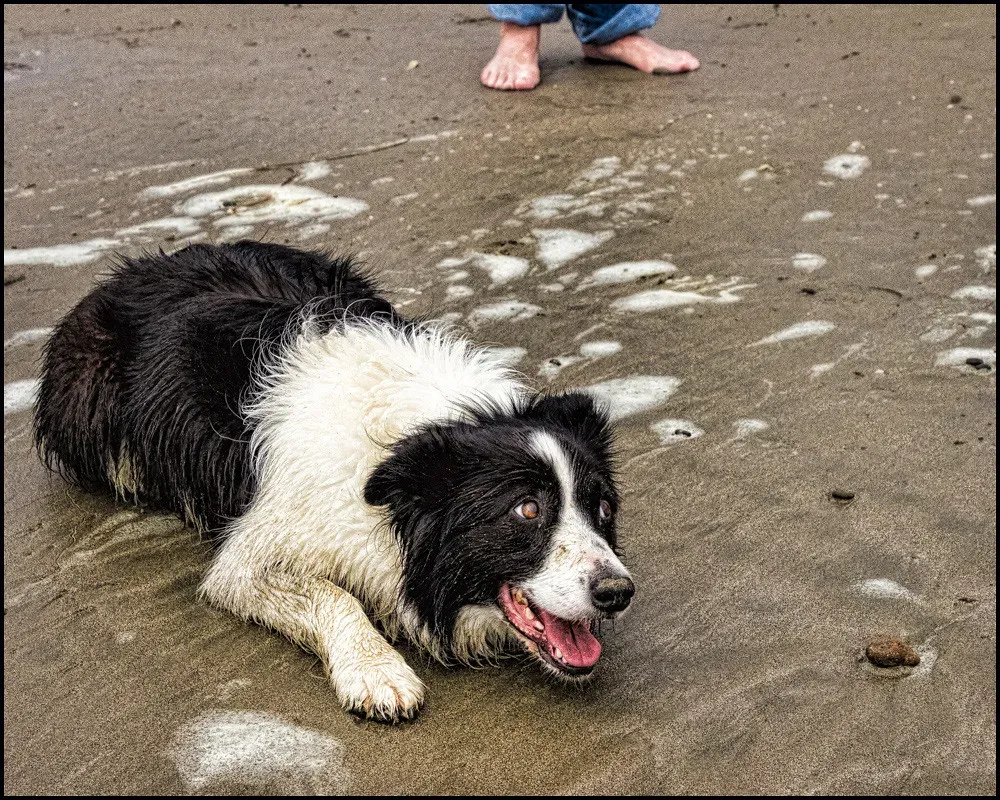
Most people panic the moment their dog growls. The instinct is to scold them or make them stop. Here’s the thing, though – suppressing a growl without understanding what’s behind it is actually dangerous. A growl is your dog’s way of talking, and it deserves to be heard.
A 2017 study looking into the context of dog growls showed that in serious contests where confrontation could be costly, dogs use their growls to honestly communicate their size and inner mental state. Meanwhile, in less certain states such as in play or when threatened by a stranger, they can manipulate their growls to exaggerate aggressive or playful expressions.
A growl is communication. It’s appropriate to create space and address the trigger when your dog growls. Play growls come with loose, bouncy bodies, while warning growls pair with stiffness and hard stares. Learning the difference between those two types of growl could genuinely prevent accidents. Context, as always, is everything.
8. Leaning Against You Is an Act of Deep Trust and Connection

When your dog leans their full body weight against your legs, it can feel like they’re just trying to get comfortable. In reality, it’s one of the most emotionally loaded signals a dog can offer. It means they feel completely safe with you, which is a bigger deal than it might sound.
When your dog knows that you understand them, their trust towards you increases. In turn, your bond becomes stronger. Physical closeness, like leaning or resting against you, is one of the most direct expressions of that trust. It’s your dog choosing you, deliberately, as their safe place in the world.
Has anyone ever had their dog sit on their feet with their back to you? This is a classic body language sign that your dog feels comfortable and wants a good chest rub, which most dogs love and invites a fuss. These quiet moments of physical contact are easy to overlook in the rush of daily life, but they’re your dog’s most honest form of “I love you.”
9. Panting and Stiff Body Posture Signal Anxiety, Not Just Heat
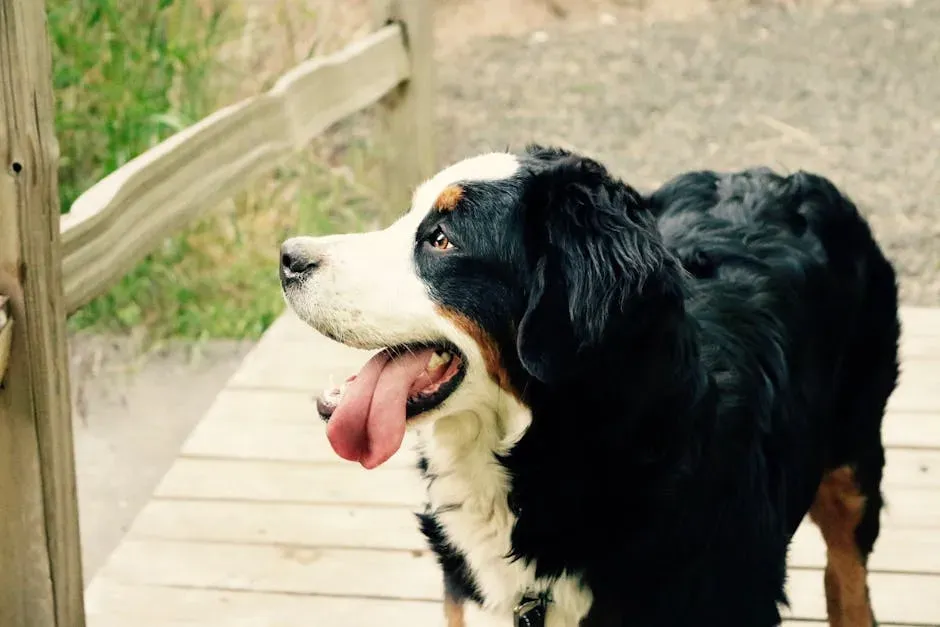
Most people understand panting as a temperature regulation tool. Dogs pant when they’re hot. Fair enough – but that’s only part of the story. Panting in cool environments, or when your dog hasn’t been exercising, is carrying a very different message.
When a dog is panting and it’s not a hot day, it signals that they are stressed or worried. Yes, dogs pant to cool themselves down on hot days, but they also use it as a stress reliever. A constantly panting dog is a dog full of worry. Think of it like nervous fidgeting in humans. The body is doing something because the mind is overwhelmed.
One of the first indicators your dog is about to get aggressive is a full-body stiffening. It’s often paired with alert ears, tall stance, wide eyes, and a closed mouth. Stress and fear signals often appear before growling or biting. Recognizing early signs of discomfort can prevent escalation. That combination of panting plus stiff posture is your dog’s early warning system, and it’s worth paying attention to.
10. Sneezing, Head Tilts, and Gestures Are a Hidden Vocabulary

Some of the most delightful and least understood signals in a dog’s communication toolkit are the little ones. The spontaneous sneeze during a play session. The dramatic head tilt when you ask a question. These aren’t random quirks. They’re a vocabulary.
Playtime sneezing comes from the way dogs interact with each other. Much of dog communication is meant to keep the peace. Sneezing is a way for dogs to tell each other “don’t take it personally, this is playtime.” So when your dog sneezes mid-wrestle or mid-tug-of-war, they’re essentially sending a friendly reset signal.
Dogs tilt their heads because they’re listening more intently. Think of your dog’s ears as an antenna. When something startles them, or they hear a sound they haven’t heard before, they’ll tilt their head to readjust their antenna, their ears, towards the sound. Scientists have discovered dogs use gestures to try and communicate with their human companions. Footage of dogs filmed by their owners during day-to-day tasks showed them using similar movements to express what they wanted. These gestures appear to carry a message, with scientists noting that dogs were often asking for a door to be opened, expressing they wanted to be fed, or hoping their owner would get a toy. Every little quirk is worth a second look.
Conclusion: Your Dog Is Always Talking. Are You Listening?
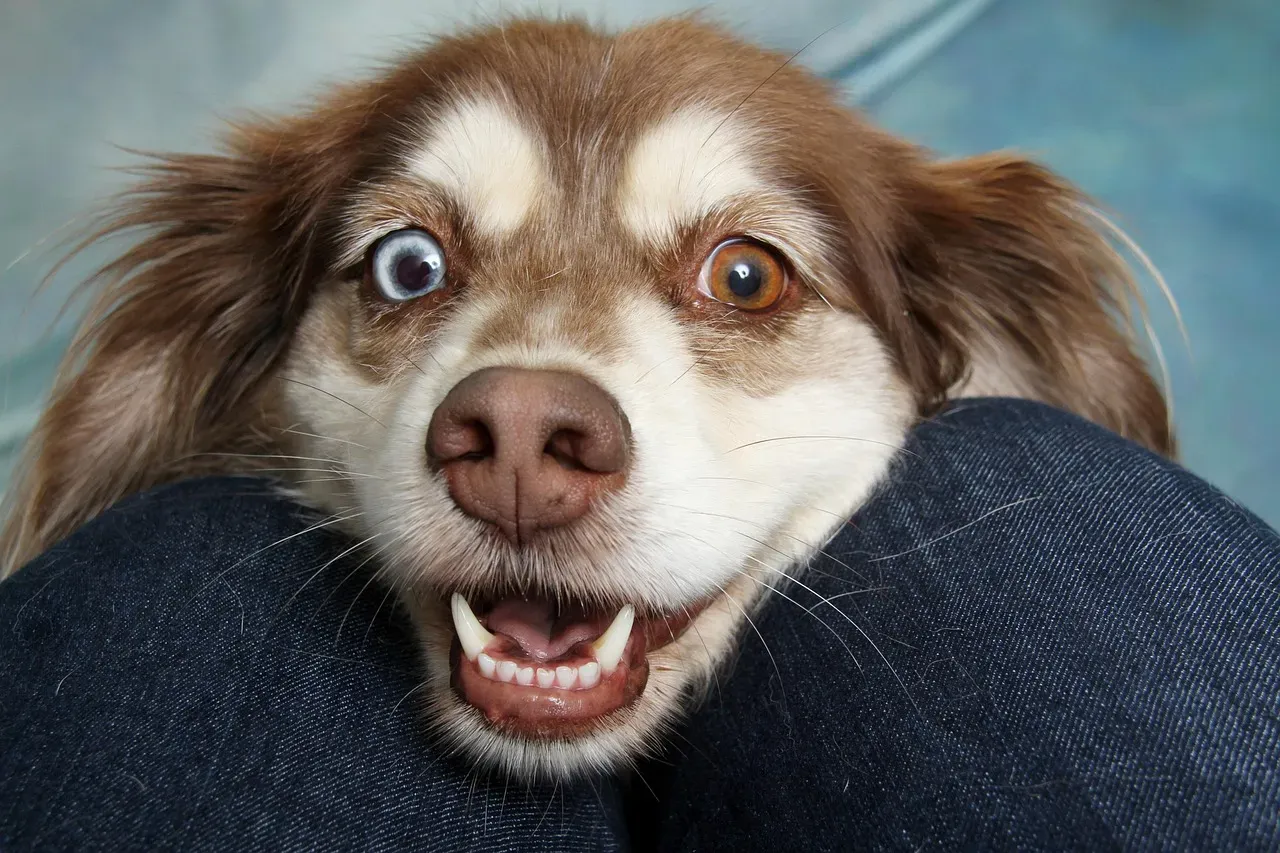
Here’s the remarkable truth: your dog has never gone a single day without trying to communicate with you. Every sneeze, lean, growl, yawn, tail position, and ear flick is part of an ongoing conversation that most of us are only just beginning to understand.
Reading, understanding, and responding to your dog’s body language is a key part of the companion-to-owner relationship. By understanding their cues and appropriately advocating for your dog, owners can continue to ensure their dogs remain happy, comfortable, and safe.
Because dogs don’t speak human language, the only way to truly comprehend and communicate with them is for us to learn what they’re telling us through their body and vocal language. Dogs communicate using a complex language of body signals that reflect what they’re thinking and feeling. They use these signals to communicate intent, as an attempt to increase or decrease distance from something or someone, and as a way of showing their comfort or discomfort.
Think of learning your dog’s communication style like learning a second language. It takes patience, observation, and a willingness to look beyond the obvious. The reward? A bond with your dog that runs deeper than most people ever experience with their pets. So the next time your dog yawns unexpectedly, leans into your leg, or tilts their head just so – what do you think they’re really trying to say?

- Has Your Rescue Dog Finally Chosen You? 14 Signs It Sees You as Home. - July 22, 2026
- 8 of the World’s Rarest Raptors and Where You Might See Them - July 22, 2026
- The Rarest Bird in North America – Can It Still Be Saved? - July 22, 2026