
Before anyone understood atmospheric electricity or how light bends through ice, the sky was a pretty unnerving place. A glowing mast, a hum from nowhere, or a ring around the moon could easily be read as a message, a warning, or a visit from something unseen. Sailors, farmers, soldiers, and pilots all left accounts of such moments.
Most of those experiences now have tidy explanations, though the explanations don’t make the sights any less strange. Some of them still catch modern observers off guard. Here are ten weather phenomena that once passed for the supernatural, and what’s actually going on behind them.
St. Elmo’s Fire
🔥 Would you like to save this?
We'll email this post to you, so you can come back to it later!
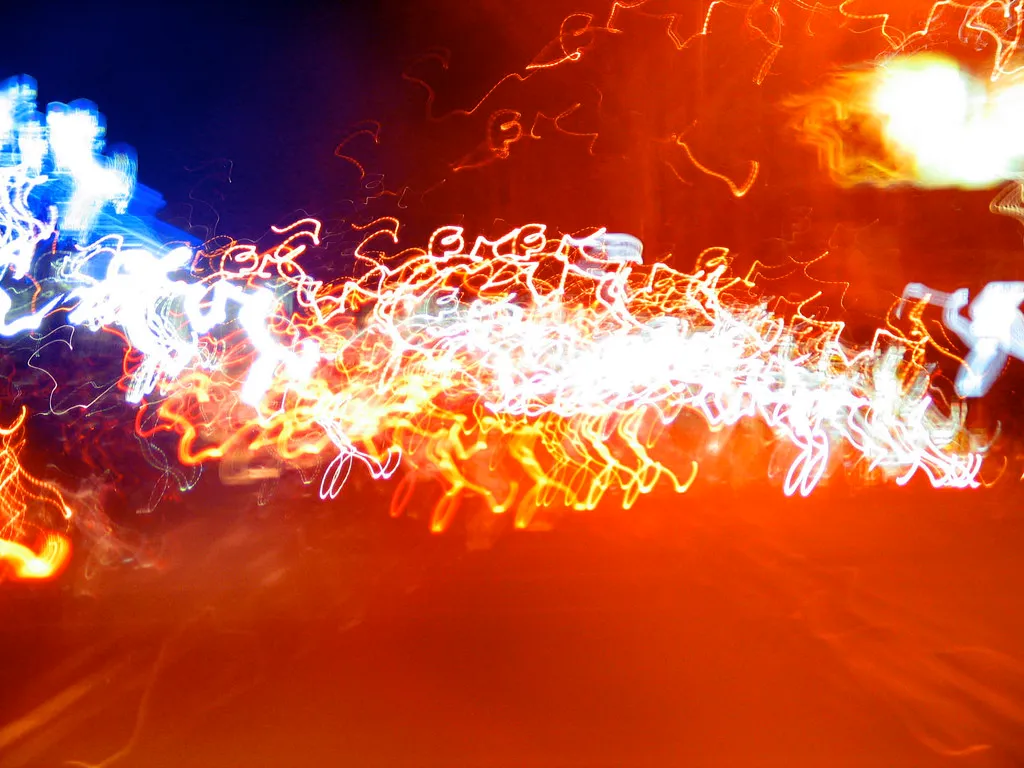
Sailors long reported a pale glow crowning masts and rigging during storms. It was often taken as a sign of divine protection, which is where the name comes from, since St. Elmo was a patron saint of seafarers. The sight could be comforting or terrifying depending on who was watching.
The glow is a plasma discharge. When a strong electric field builds up near a pointed object, the surrounding air ionizes and gives off a faint light. Pilots occasionally see it on windshields and wing edges too, so it isn’t just a thing of old sailing ships.
Ball Lightning
🔥 Would you like to save this?
We'll email this post to you, so you can come back to it later!
Reports describe glowing spheres drifting through rooms, along fields, or even inside aircraft cabins. For centuries these were blamed on spirits or omens. They’re also hard to dismiss as folklore, because the descriptions are remarkably consistent across many accounts.
Here the science is honestly unsettled. Researchers have proposed several ideas, and a 2012 observation in China captured a spectrum from a natural event that pointed to vaporized soil material, but there’s still no single accepted explanation. It’s one of those rare cases where “we’re not entirely sure” is the accurate answer.
Aurora Borealis and Australis
🔥 Would you like to save this?
We'll email this post to you, so you can come back to it later!
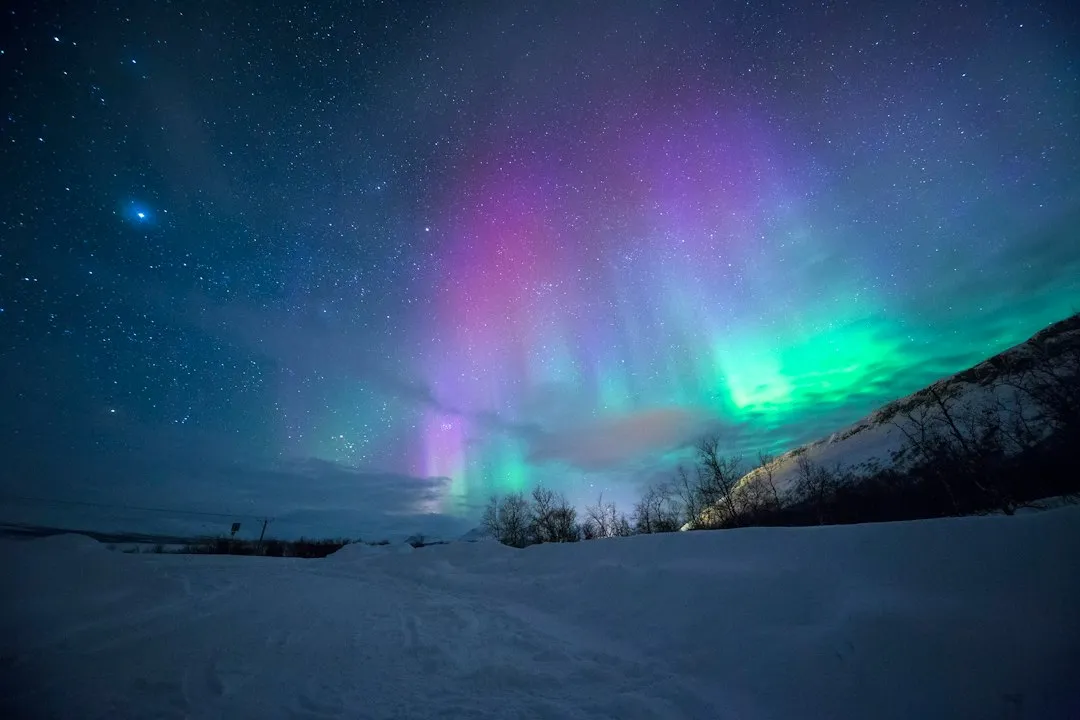
Curtains of green, red, and violet light rippling across the night sky have been read as armies in battle, spirits of the dead, and omens of war in different cultures. Given how silent and enormous they appear, those readings aren’t hard to understand. Plenty of northern traditions wove the lights into their stories.
Today we know that the aurora comes from charged particles from the sun interacting with gases in Earth’s upper atmosphere. Oxygen and nitrogen produce the different colors, depending on the type of gas and altitude. Solar activity has been strong in this part of the solar cycle, so sightings have reached unusually far from the poles in recent years.
Sun Dogs and Halos
🔥 Would you like to save this?
We'll email this post to you, so you can come back to it later!
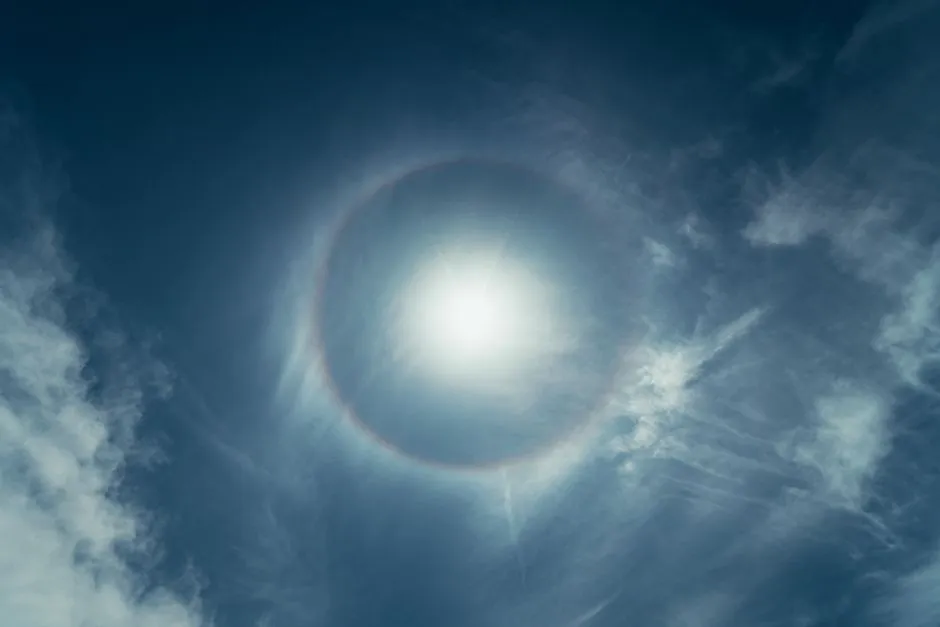
Bright spots flanking the sun, or glowing rings around it, show up in historical chronicles as signs of impending trouble. Several suns in the sky would understandably rattle anyone. Medieval writers often recorded them as portents.
Ice crystals are responsible. Flat, hexagonal crystals in thin high clouds refract sunlight at specific angles, creating the rings, bright spots, and sometimes arcs. The same optics work around the moon, which is why lunar halos have also spooked people over the centuries.
The Brocken Spectre
🔥 Would you like to save this?
We'll email this post to you, so you can come back to it later!
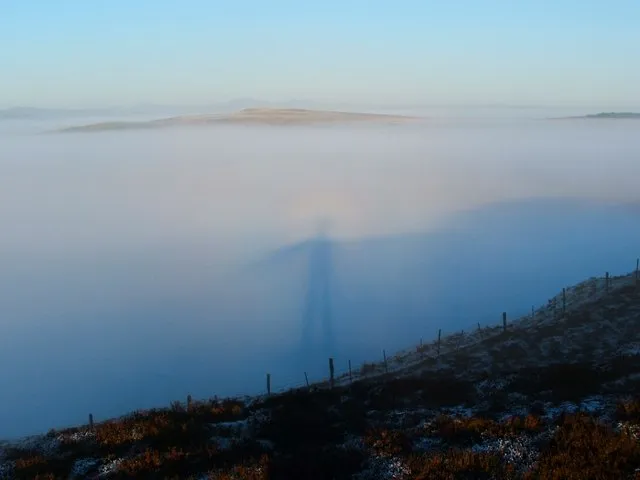
Climbers in misty mountains, particularly in Germany’s Harz region, once reported giant, shadowy figures surrounded by colored rings. Seeing an enormous silhouette of yourself, floating on cloud, is bound to feel eerie. The effect is named after the Brocken peak.
It happens when the sun is low behind you and your shadow falls onto fog or cloud below. The shadow looks huge because there’s no reference for scale, and the rings are a type of glory caused by light scattering off water droplets. Pilots see a similar effect around their plane’s shadow.
Fata Morgana Mirages

🔥 Would you like to save this?
We'll email this post to you, so you can come back to it later!
Sailors in polar waters have described floating castles, cliffs, and phantom ships hovering over the horizon. Some of these sightings may have fed legends such as ghost ships and vanished lands. The name itself nods to Arthurian sorcery.
A Fata Morgana is a complex superior mirage. It appears when layers of air with sharply different temperatures bend light, stretching and stacking distant objects into odd shapes. A ship far away can look like a towering structure, which is a bit unnerving until you know why.
Thunder and the Sounds of the Sky
🔥 Would you like to save this?
We'll email this post to you, so you can come back to it later!
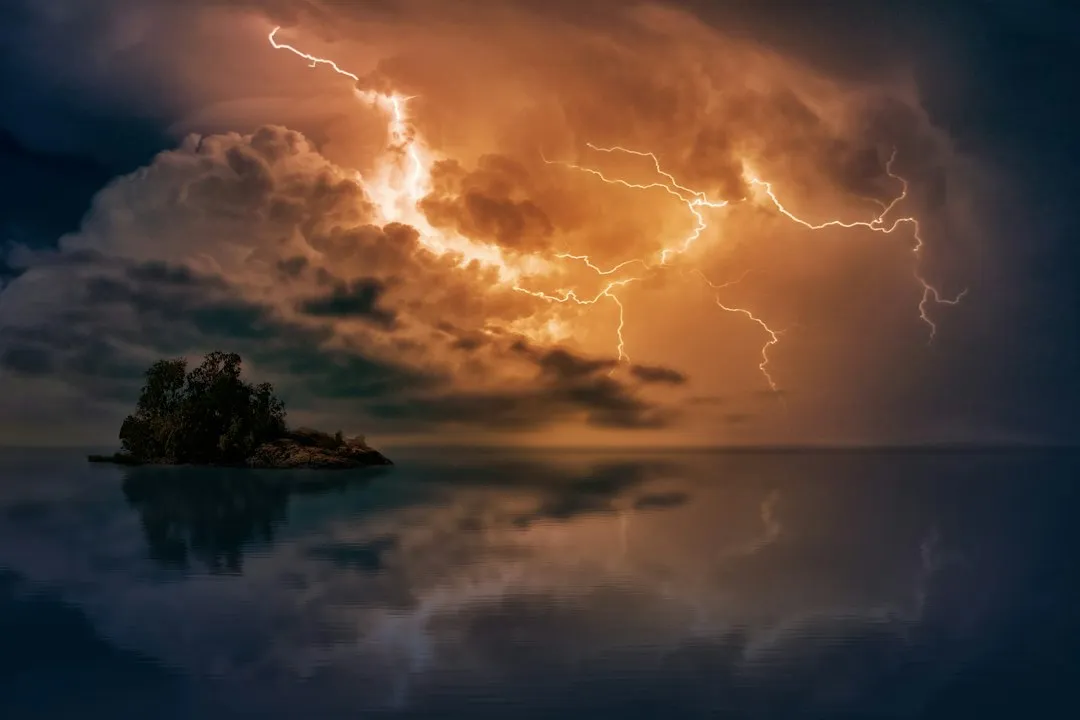
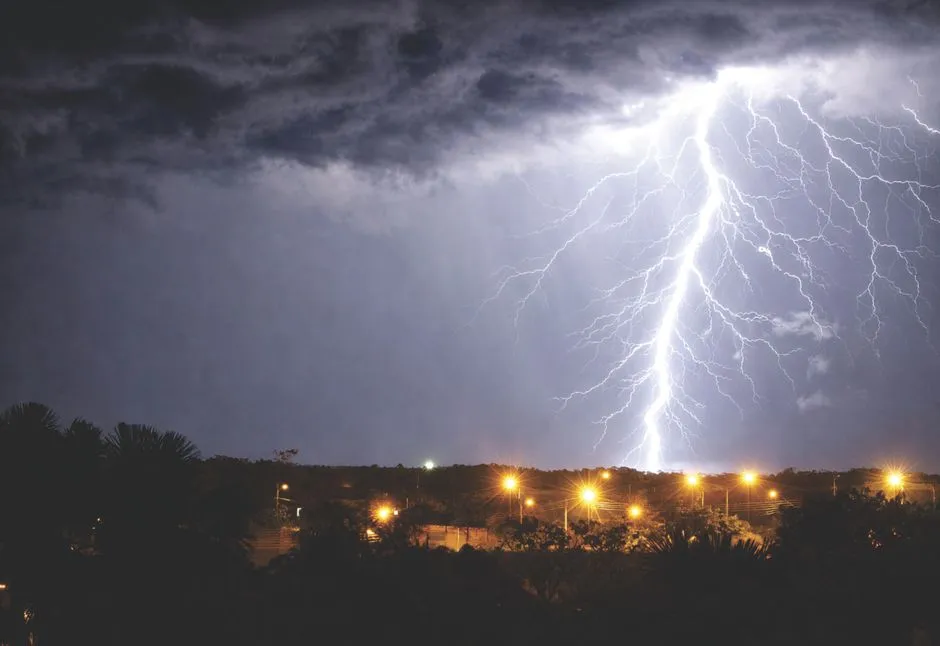
To many ancient cultures, thunder was the voice or weapon of a god. That’s a sensible reading when a deafening crack arrives right after a flash from a cloudless-looking patch of sky. Lightning heats the surrounding air extremely fast, and the rapid expansion creates a shock wave we hear as thunder.
The rumble, meanwhile, comes from sound arriving at different times along the length of the bolt, and echoing off terrain. Distance also changes what you hear, from a sharp crack nearby to a long roll far away. Knowing this doesn’t make a close strike any less startling.
Sky Quakes and Mystery Booms
🔥 Would you like to save this?
We'll email this post to you, so you can come back to it later!
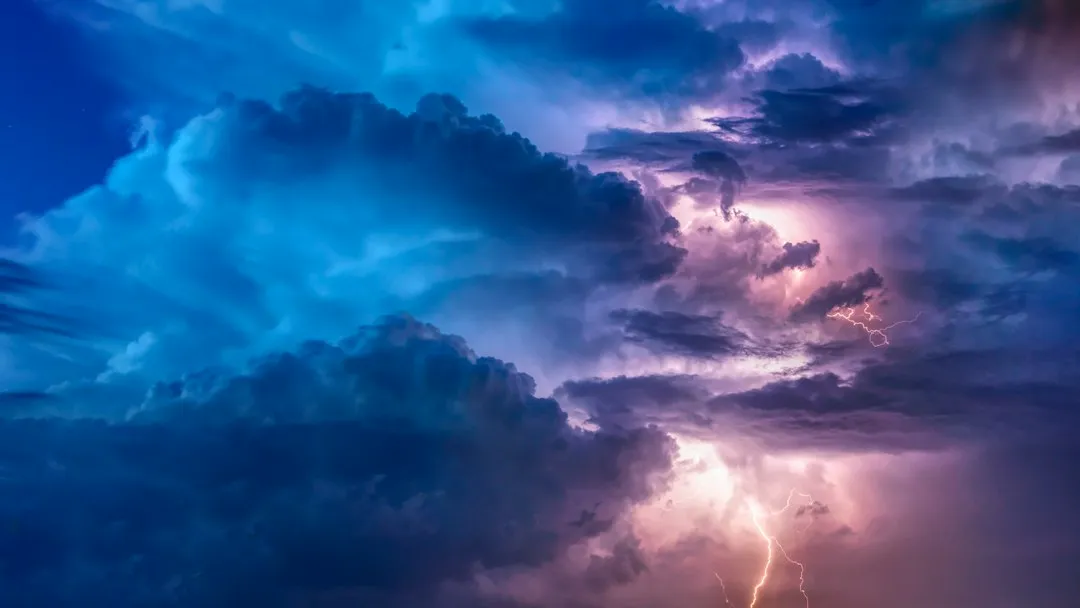
Across the world, people occasionally report loud booms with no obvious source, sometimes called skyquakes. They’ve been blamed on everything from trumpets of the apocalypse to hidden military tests. Because the sounds can seem to come from everywhere, they’re disorienting.
Some such booms have turned out to be sonic booms, meteors breaking up, or distant thunder carried unusually far by temperature layers in the air. Others remain unresolved, and it’s fair to say many individual cases are never pinned down. Careful investigators tend to avoid claiming one cause fits them all.
Whirlwinds and Dust Devils

🔥 Would you like to save this?
We'll email this post to you, so you can come back to it later!
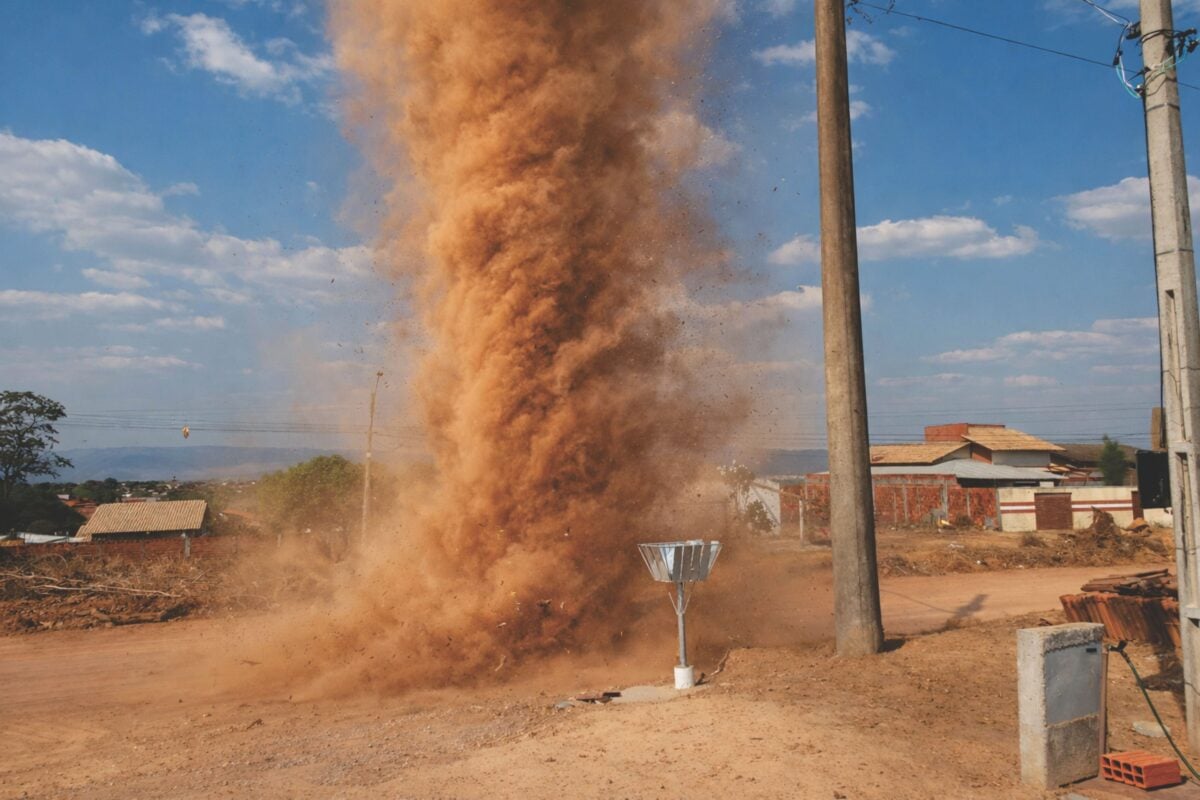
A spinning column of dust crossing a dry field has long been interpreted as a spirit, a djinn, or a restless ghost in various folk traditions. Seeing it move with seeming purpose, in otherwise still air, would give anyone pause. Some cultures developed customs to deal with them.
Dust devils form when the ground heats the air above it unevenly, creating a rising, rotating column. They’re usually small and short lived, and unlike tornadoes they typically form in fair weather rather than from a thunderstorm. They can still toss around light debris, so they deserve a little respect.
Noctilucent and Nacreous Clouds
🔥 Would you like to save this?
We'll email this post to you, so you can come back to it later!
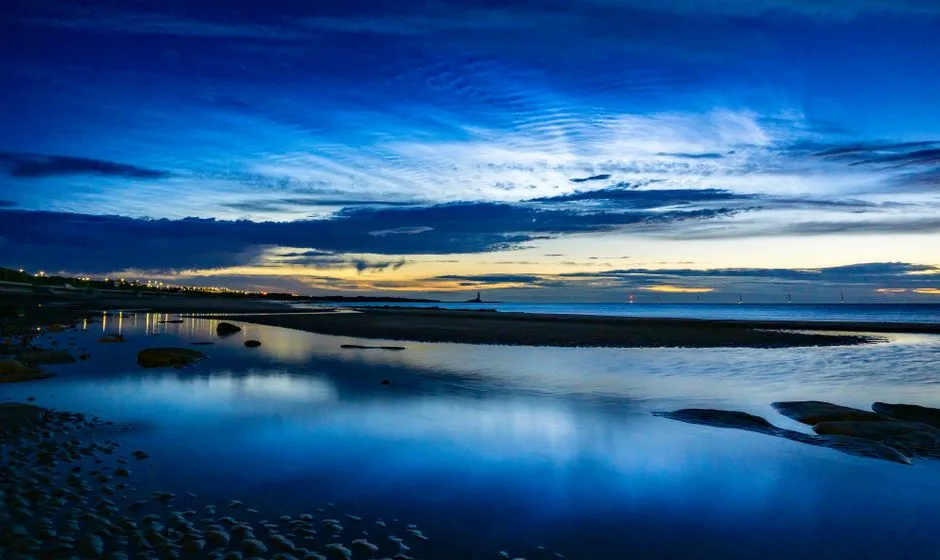
Some clouds glow in ways that feel unnatural. Nacreous clouds shimmer with pearly rainbow colors high in polar stratospheres, while noctilucent clouds appear electric blue near twilight. Both have drawn startled reactions from people who’d never seen anything like them.
Nacreous clouds form in very cold stratospheric conditions, and their colors come from tiny cloud particles diffracting sunlight. Noctilucent clouds sit much higher, in the mesosphere, made of ice that stays lit by the sun after the ground has gone dark. Both are real, and both look like they shouldn’t be.
Final Thoughts
🔥 Would you like to save this?
We'll email this post to you, so you can come back to it later!
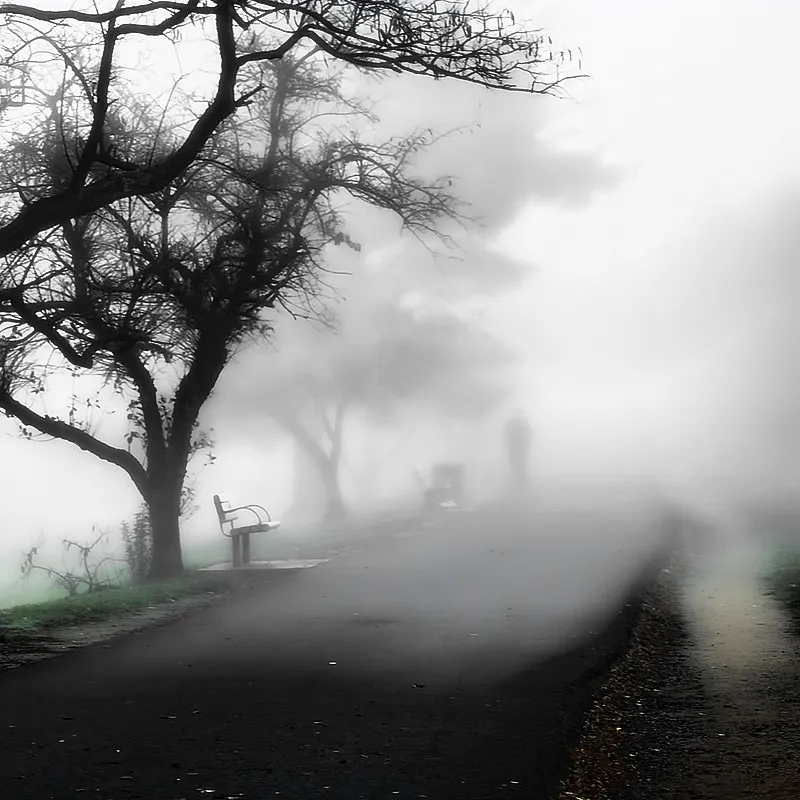
I find it hard to look down on anyone who saw ghosts in these displays. Without the physics, a glowing mast or a giant shadow in the mist really does look like something else, and the instinct to explain it with stories is deeply human.
Still, I think the real explanations are better than the myths. They show that the atmosphere is stranger and more inventive than anything we’d have made up, and a few cases, like ball lightning, remain open. Keep looking up, and stay a little suspicious of anyone who says it’s all figured out.

- 7 Everyday Habits That Can Make Your Senior Dog Happier - November 5, 2026
- 10 Enigmatic Structures That Continue to Puzzle Scientists Today - November 5, 2026
- 10 Strange Ruins in the Americas That Challenge What We Know About Early History - November 5, 2026