

There’s something deeply unsettling about . Sure, they look peaceful from the shoreline, maybe even inviting on a hot day. Yet they hide secrets beneath those glassy surfaces, secrets that sometimes refuse to stay buried. We’re talking about places where science scratches its head, where local legends carry an eerie weight, and where nature does things that honestly seem impossible.
From waters that literally calcify creatures into stone statues to skeleton-filled tarns hidden high in the Himalayas, our planet’s blur the line between natural wonder and something that feels almost supernatural. Let’s dive in.
Lake Vostok: Antarctica’s Hidden Time Capsule
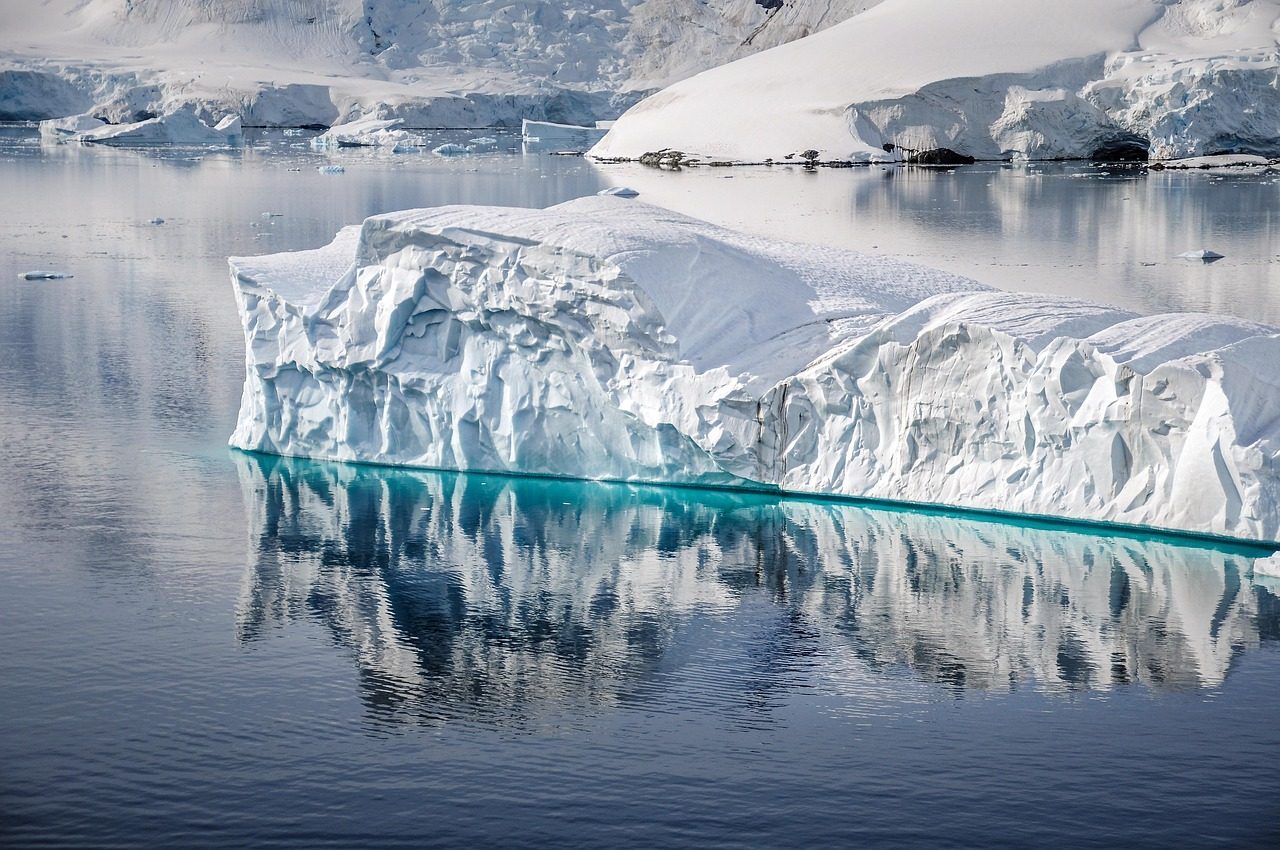
Buried beneath more than two miles of Antarctic ice, Lake Vostok is the largest of Antarctica’s subglacial , roughly the size of Lake Ontario, trapped under ice at around 13,000 feet above sea level, with the lake surface itself approximately 1,600 feet below sea level. It’s hard to wrap your head around that. This massive body of water has been completely sealed off from the outside world for an estimated 15 million years.
Biologists are fascinated because they expect the lake harbors microorganisms that may have entered when it formed and have since adapted to extreme conditions, completely isolated from the rest of the planet for potentially millions of years, undergoing an independent course of evolution. Think about it: life evolving in total darkness, under crushing pressure, with virtually no nutrients. Russian scientists announced they found life in Lake Vostok, including previously unidentified bacteria, which they called unidentified and unclassified life. The implications for astrobiology are staggering. If life can exist here, what might thrive in the ice-covered oceans of Europa or Enceladus?
Roopkund: The Skeleton Lake That Refuses to Give Up Its Secrets
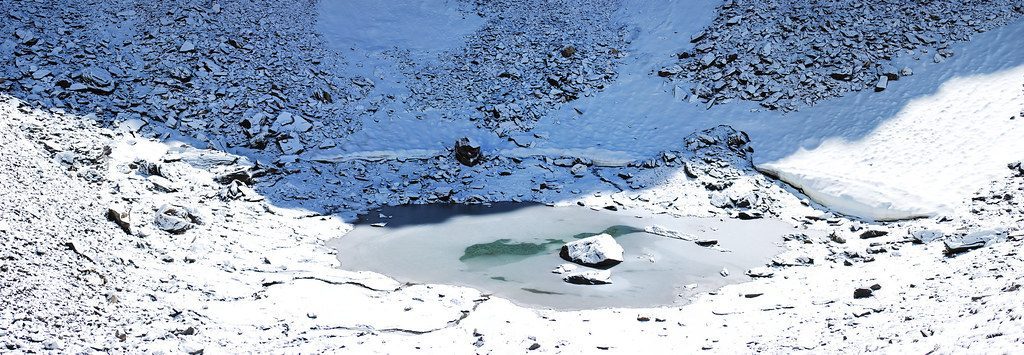
Roopkund, locally known as Mystery Lake or Skeleton Lake, is a high-altitude glacial lake in the Himalayas at an altitude of 16,470 feet, between Trishul peak and Nanda Ghunti peak in Uttarakhand, India. When the snow melts each summer, hundreds of human skeletons appear scattered around this remote glacial tarn. We’re not talking about a few bones. We’re talking about the remains of roughly 800 people.
Local legend says that the King of Kanauj, with his pregnant wife, servants, a dance troupe and others went on a pilgrimage to Nanda Devi shrine, and the entire party perished near Roopkund Lake when they faced a storm with large hailstones. For decades, that was the accepted theory. Recent genome-wide analysis of 38 skeletons found they cluster into three distinct groups: 23 individuals with South Asian ancestry from around 800 CE, 14 with ancestry typical of the eastern Mediterranean from around 1800 CE, and one with Southeast Asian ancestry, with radiocarbon dating indicating these remains were not deposited simultaneously.
What were Mediterranean travelers doing at 16,000 feet in the Himalayas in the 19th century? The mystery deepens rather than resolves with each scientific study.
Lake Natron: Where Animals Turn to Stone
Lake Natron in Tanzania has salty, alkaline waters that can be deadly, with the lake standing out for its blood-red waters, colored by salt-loving bacteria. The lake is extremely alkaline, due to high amounts of natron in the water, and its pH has been measured as high as 10.5, nearly as high as ammonia. Temperatures can soar past 140 degrees Fahrenheit. Most creatures would die within moments of contact with this caustic brew.
Photographer Nick Brandt came across calcified animals preserved by the highly basic waters, and when he saw those creatures for the first time alongside the lake, he was completely blown away. Migrating birds frequently crash into the lake’s surface, with Brandt theorizing that the highly-reflective, chemical dense waters act like a glass door, fooling birds into thinking they’re flying through empty space. The sodium carbonate then calcifies their bodies, essentially mummifying them into eerie statues. It’s like nature’s twisted art gallery.
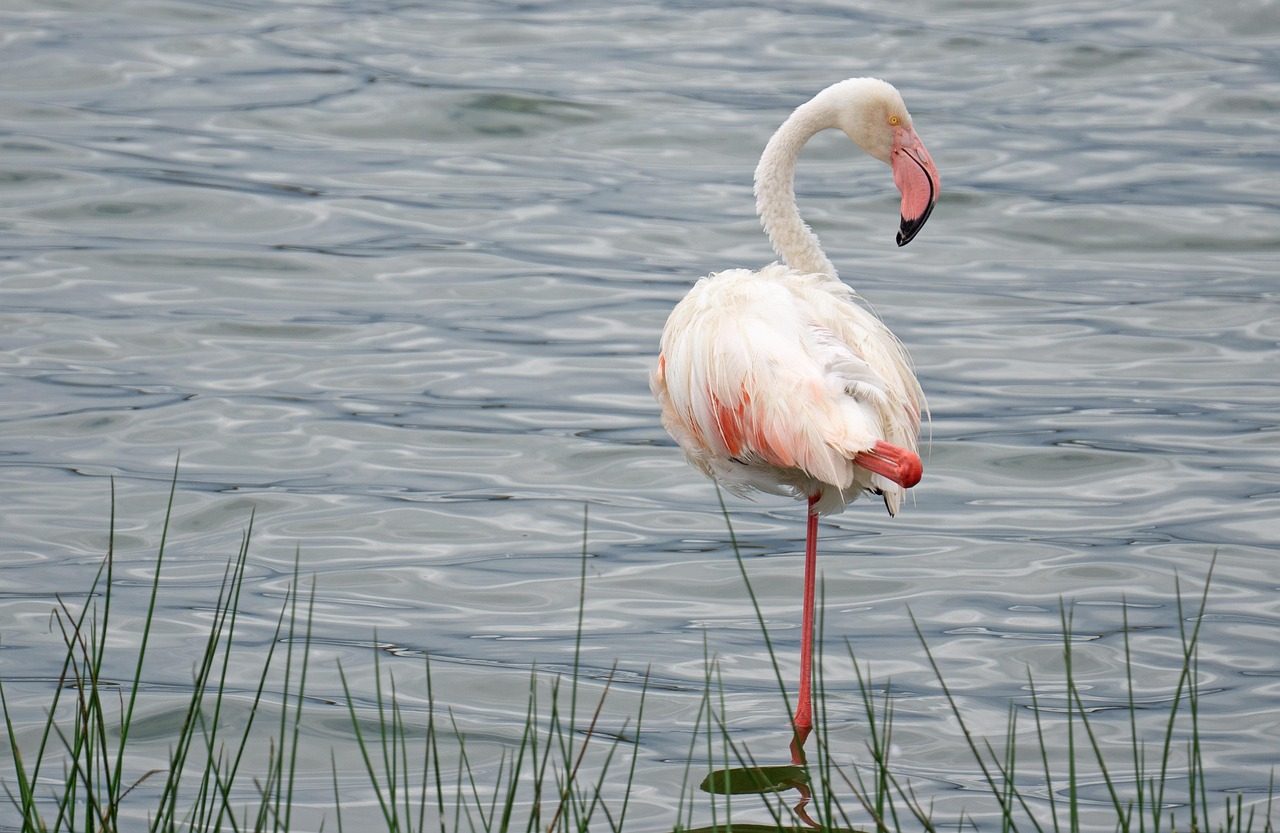
Here’s the thing: despite this deadly environment, Lake Natron is actually the primary breeding site for lesser flamingos. Life finds a way, even in the most inhospitable places.
Lake Nyos: The Lake That Exploded
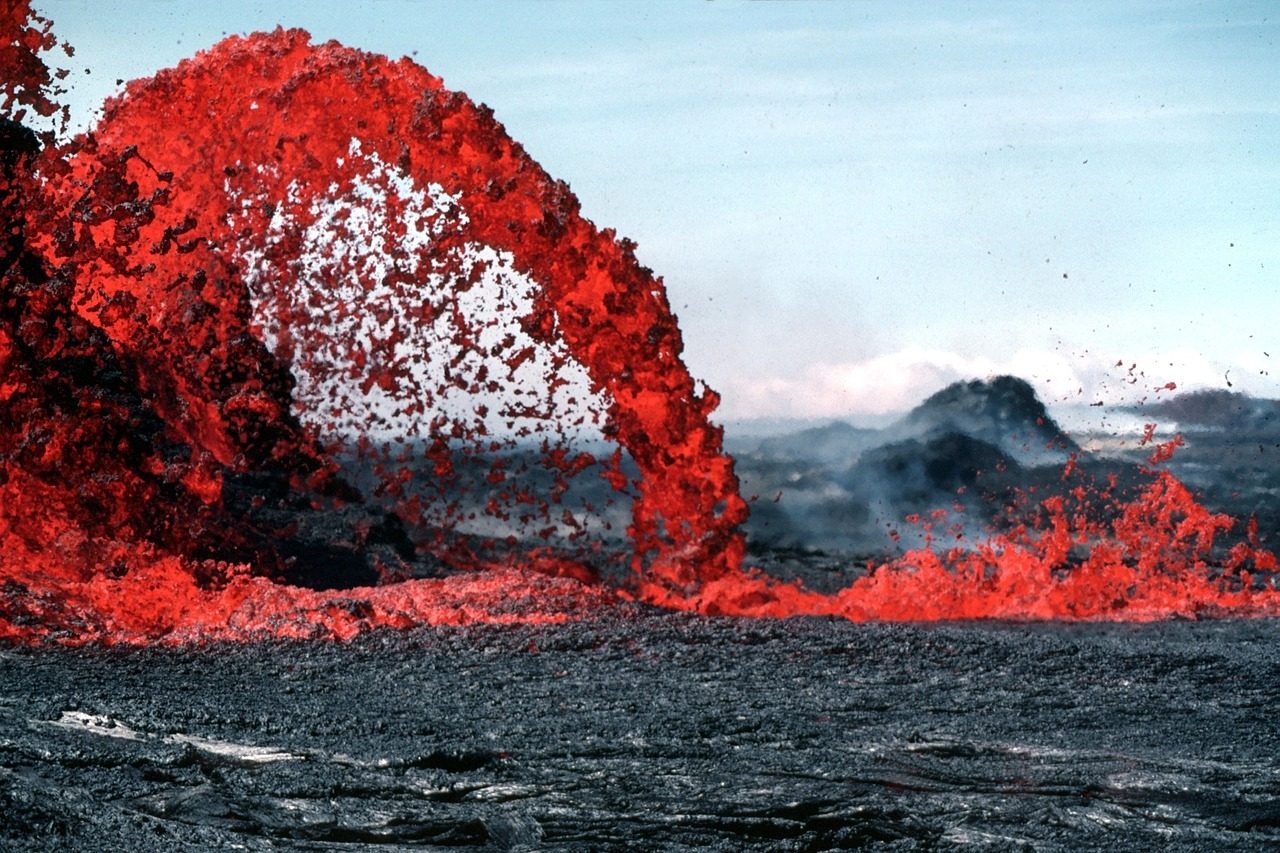
In 1986 in Cameroon, as locals lay in bed, Lake Nyos quietly released a gigantic bubble of CO2, like the Earth was exhaling, and the effect was immediate and horrific. A cloud of carbon dioxide suffocated 1,700 people and livestock overnight. Imagine coming home to find entire villages full of corpses, faces frozen in expressions of terror, with no visible wounds, no signs of struggle.
Lake Nyos was formed from a CO2-rich volcanic crater, and while similar crater usually released small doses of CO2 over time, Nyos was so freakishly still that the gas became trapped until something agitated the water, releasing its deadly payload and ending nearly two thousand lives. Scientists have since installed degassing tubes to prevent another catastrophe. Still, Lake Nyos remains a ticking time bomb, a reminder that even the most peaceful-looking waters can harbor lethal secrets.
Pitch Lake: Trinidad’s Liquid Asphalt Mystery
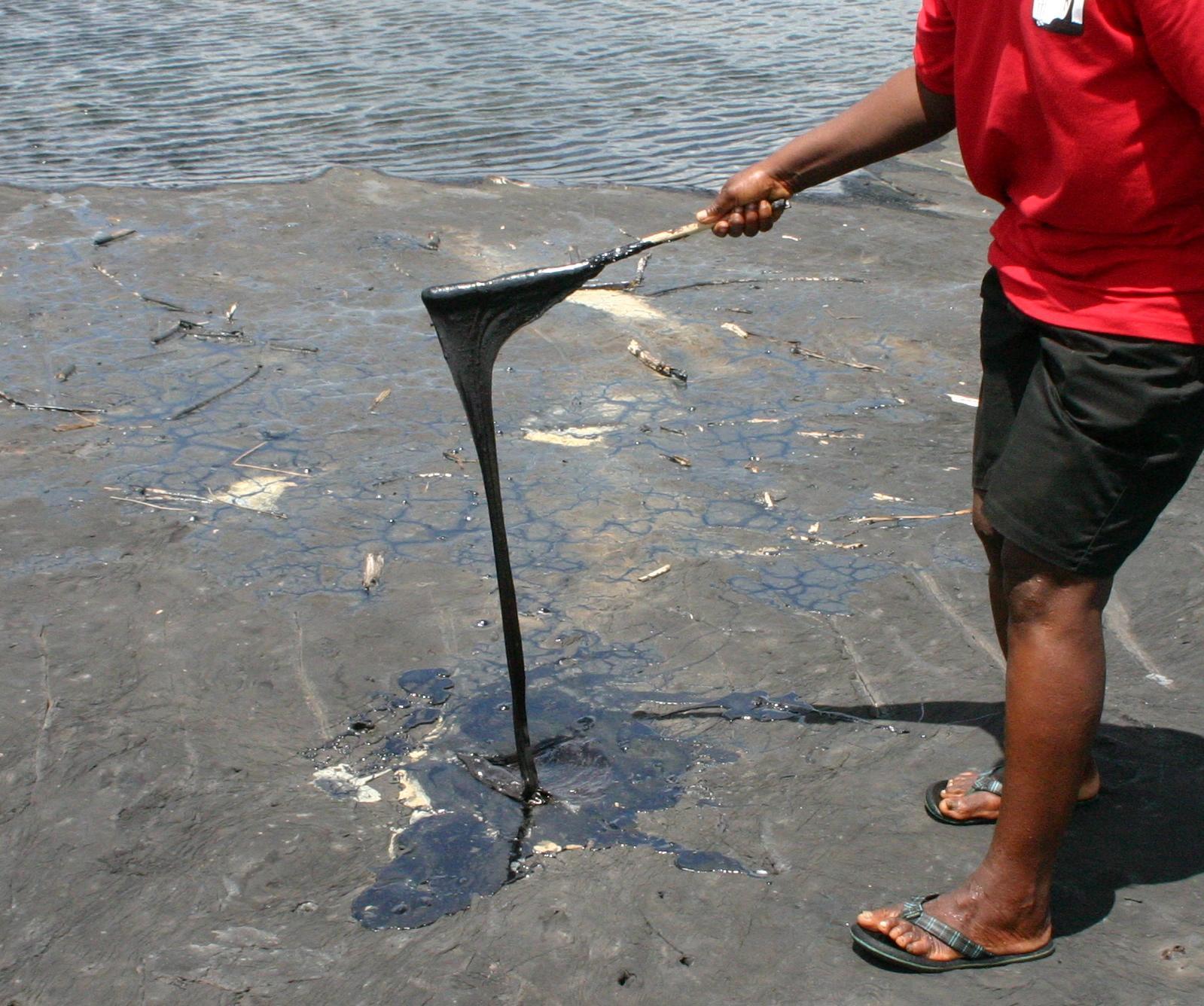
Pitch Lake in Trinidad plays fast and loose with the definition of a lake, because this liquid-containing body is full of bitumen, the black highly viscous liquid frequently used to coat roads, and containing 10 million tons of the sticky stuff, it’s the world’s largest natural deposit of bitumen. Seriously, this isn’t water. It’s a lake made entirely of asphalt.
The lake is so thick in places that you can walk across it, and so dangerously thin in others that you can slip through its surface, vanishing forever into the murky depths below, with the surface ranging in texture from being as thick and solid as rock to as springy as an eraser to as squidgy and terrifying as quicksand. Trees and boulders that fall in get stuck to the surface where the pitch hardens around them. You’re basically walking across a graveyard of dead things turned to stone by liquid road material. Let’s be real, that’s absolutely bizarre.
Jellyfish Lake: Swimming Among Millions
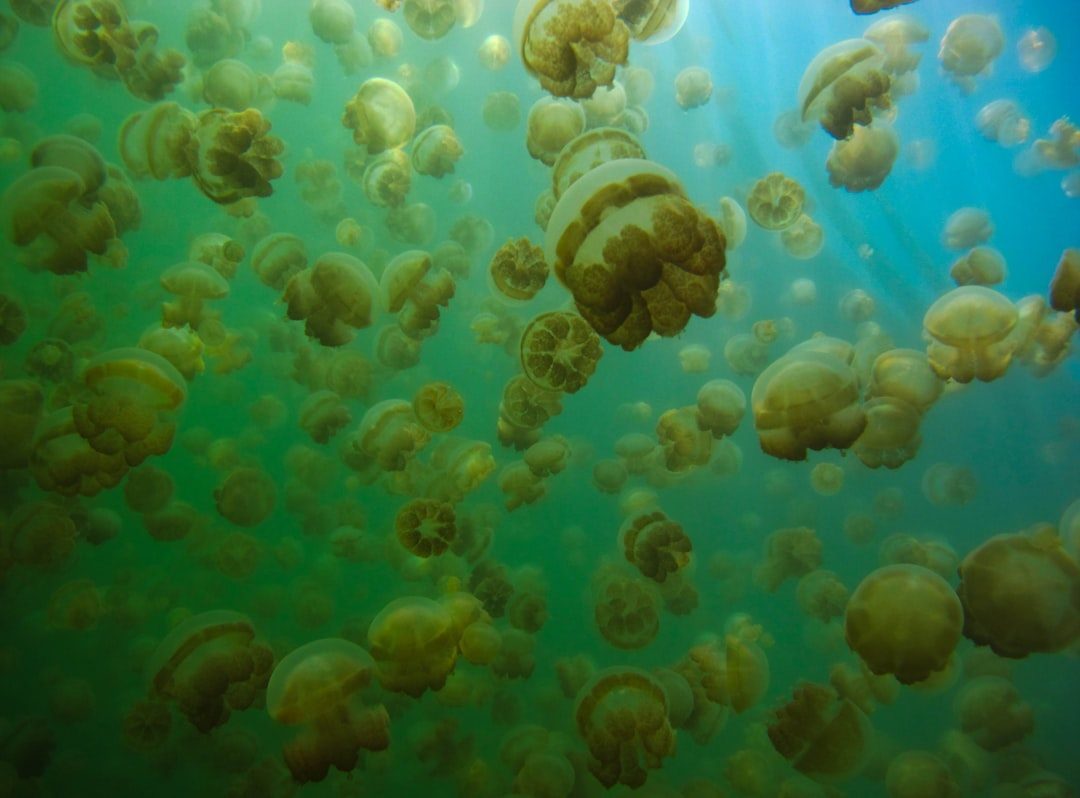
In Palau’s Jellyfish Lake, no jellyfish will sting you when you swim or snorkel. This isolated marine lake became cut off from the ocean thousands of years ago. Without predators, the golden jellyfish that inhabit it evolved to lose their sting. Millions of them pulse through the water in a mesmerizing daily migration, following the sun across the lake.
It’s surreal to float among clouds of jellyfish, their translucent bodies glowing in the filtered light. The experience feels otherworldly, like drifting through an alien aquarium. Honestly, I think this might be one of the most peaceful yet utterly strange swimming experiences on the planet. What other place lets you commune with millions of creatures that should be dangerous but have simply forgotten how to hurt?
Medicine Lake: Canada’s Disappearing Act
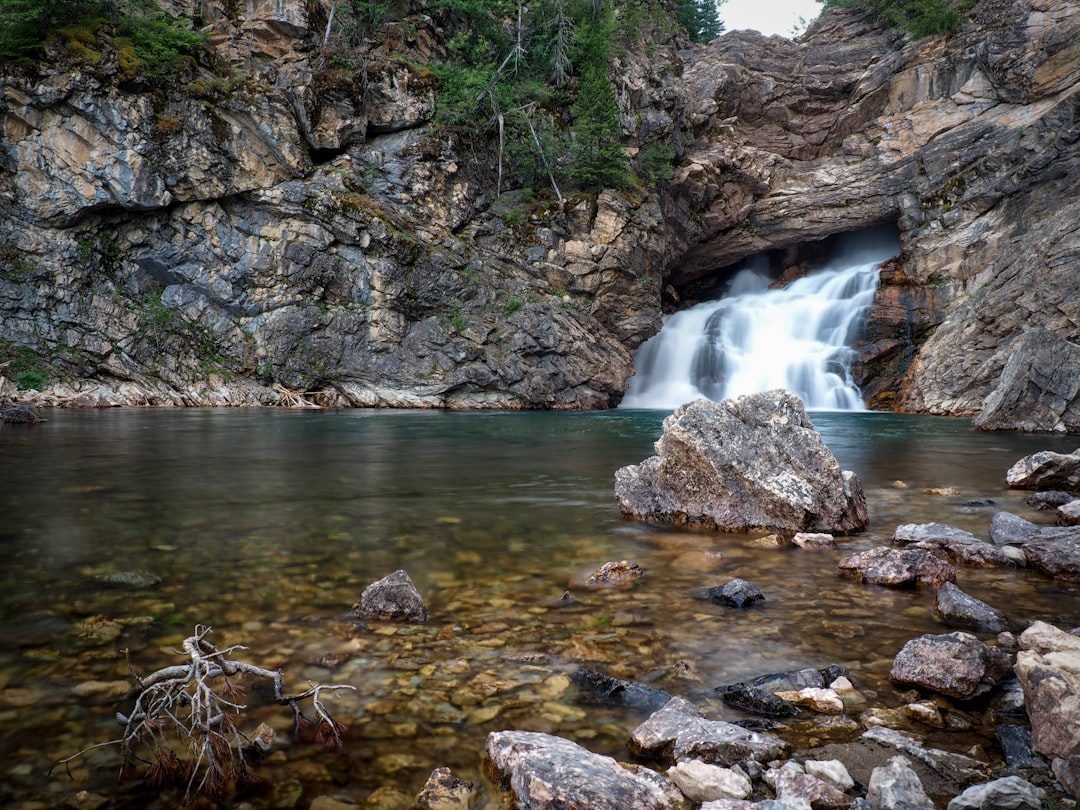
Medicine Lake in Canada simply disappears every winter, and the mystery wasn’t solved until the 1970s, with the water draining from the bottom as if it were a gigantic bathtub. The lake is actually a flood caused when melting glaciers meet with the Maligne River, and it happens to be located directly on top of a series of sinkholes that absorb the river, sending it through a 10-mile course of underwater caves before appearing above ground again in Maligne Canyon.
Indigenous residents used to call it Magic Lake. You can see why. One season it’s a massive body of water, the next it’s completely gone, leaving behind a dry lakebed. The disappearing act remained a mystery until the 1970s, when biodegradable dye revealed the true nature of its sortilege. Nature’s plumbing at its finest.
Lake Hillier: Australia’s Bubblegum Mystery
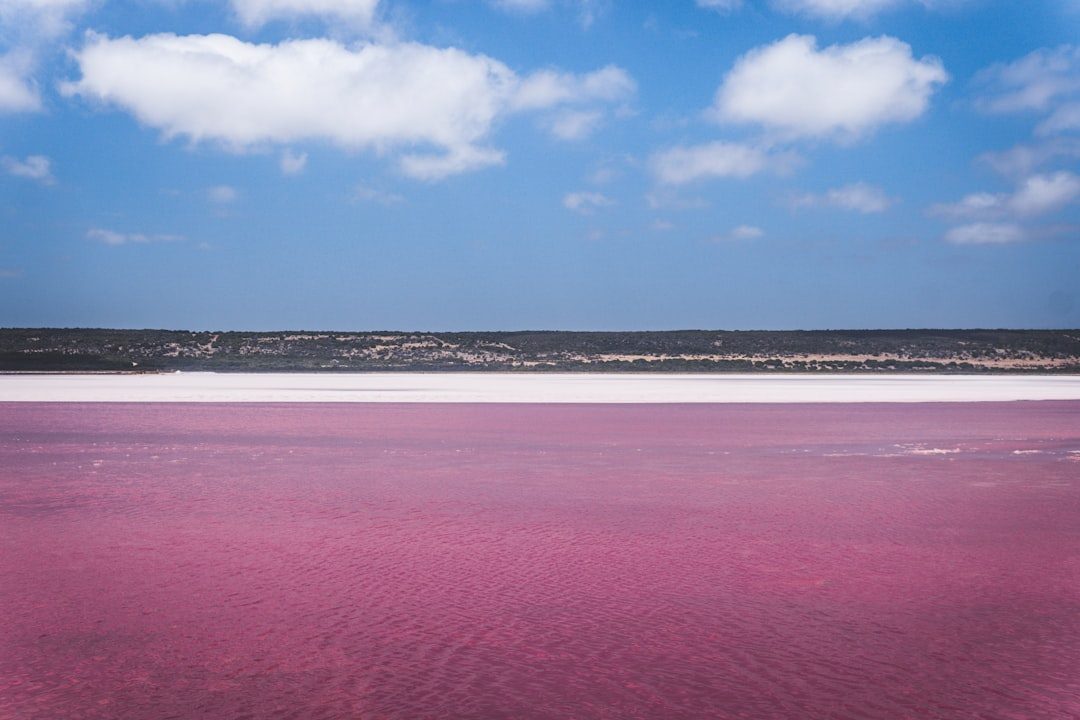
Located on Middle Island in Western Australia’s Recherche Archipelago, Lake Hillier’s vivid pink hue stands out boldly against the surrounding dense green forest and turquoise Southern Ocean, and while similar pink exist, Lake Hillier is unique because its water retains the pink color even when scooped into a container. Most pink lose their color when you remove the water. Not this one.
The exact cause of its strange bubblegum pink color is not known for sure, but scientists think the coloration is due to the presence of a specific species of microalgae, Dunaliella Salina, that lurks in its waters. From aerial views, it looks like someone spilled a giant bottle of Pepto-Bismol in the middle of a lush forest. The contrast is so stark it almost seems photoshopped. Yet there it is, a permanently pink lake defying all expectations.
Crater Lake: Oregon’s Haunted Depths
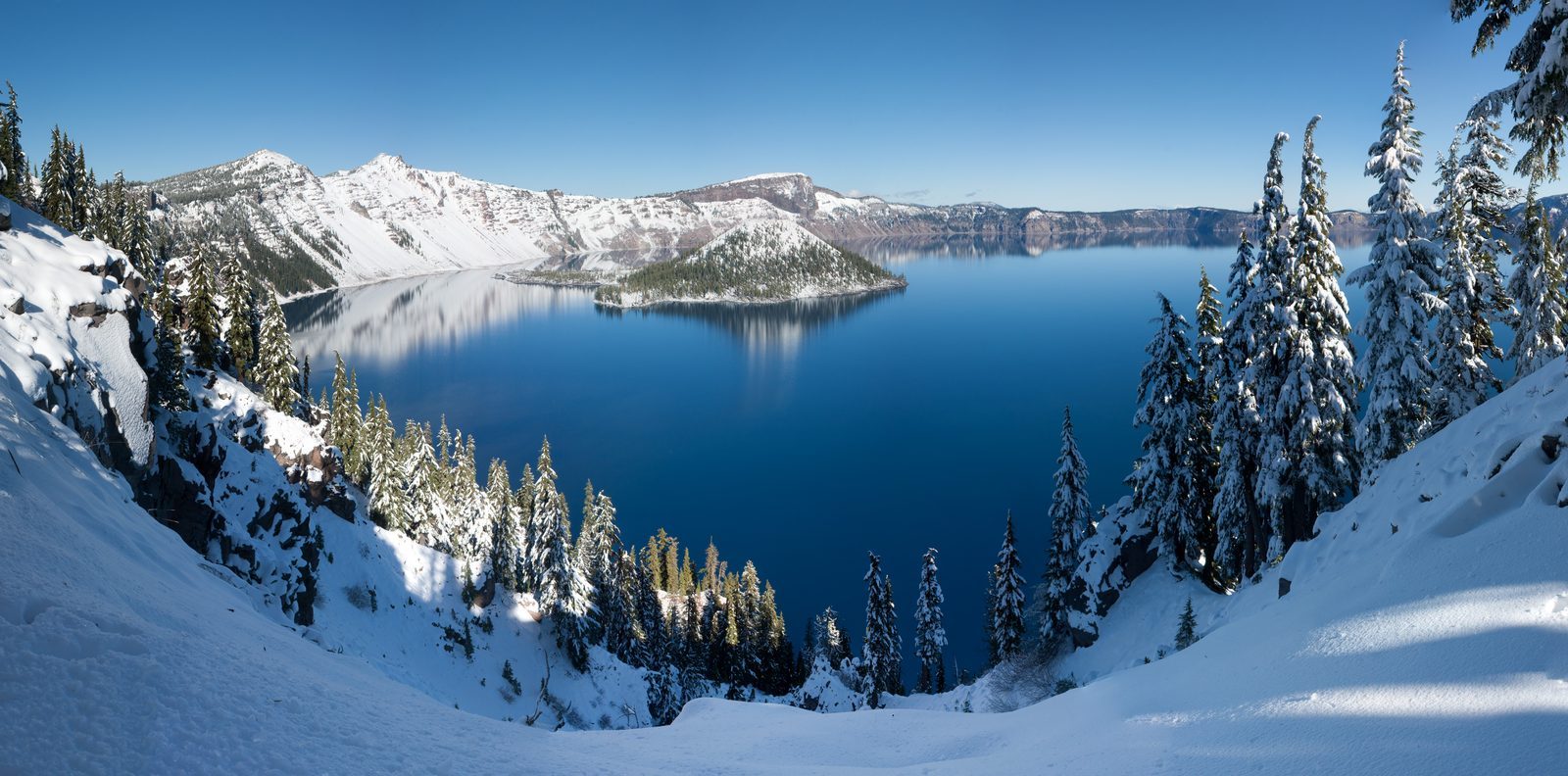
Crater Lake is the deepest lake in the U.S. with depths reaching 1,949 feet, and it’s not just the depth that’s impressive but the clarity too. The water is so pure and blue it looks artificial. Formed by the collapse of Mount Mazama nearly 8,000 years ago, this caldera lake holds secrets beyond its stunning beauty.
Reports include sightings of flying discs and mysterious lights, with pilots and park visitors reporting seeing unidentified flying discs speeding across the sky, sometimes with jet interceptors in hot pursuit. There’s also the Old Man of the Lake, an actual tree stump bobbing upright in the water for over 100 years, talk about a stubborn piece of wood. The lake doesn’t give up its mysteries easily. What else lurks in those impossibly deep, impossibly clear waters?
Lake Gafsa: Tunisia’s Miracle That Appeared From Nowhere
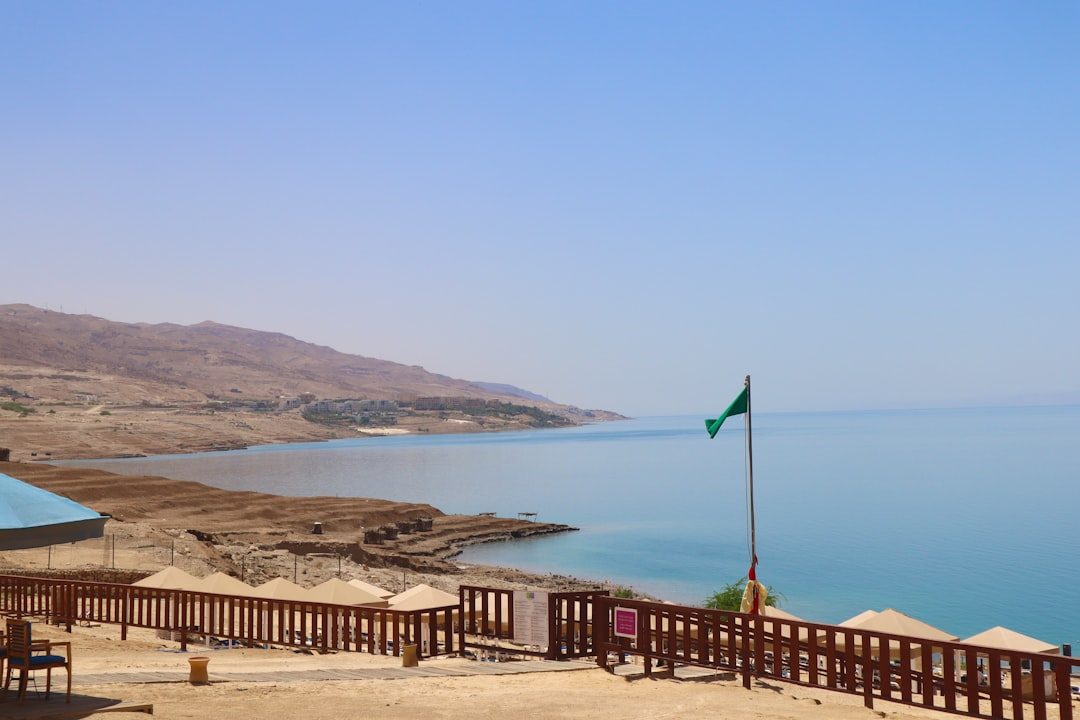
In 2014, a group of Tunisian shepherds were making their way to a familiar patch of land when Gafsa Lake in Tunisia seemingly appeared from nowhere. Scientists think that some rupture in the rock above the water table resulted in the sudden appearance of Lake Gafsa, as below-ground water was sucked up onto the surface, and whatever the cause, it happened quickly, with one local resident saying he’d passed the remote area only three weeks beforehand and it had been dry as a bone.
Although Gafsa Lake started out a cool inviting blue, it quickly became full of algae and possibly toxic to humans, but that didn’t stop locals from bathing in it because in the heat of Tunisia, even a lake full of green sludge is better than no lake at all. The lake just appeared. Full stop. Where did all that water come from? Why there? Why then? Sometimes nature decides to rewrite the landscape overnight, and we’re just left standing there scratching our heads.
Conclusion
These ten remind us that our planet still holds mysteries science struggles to explain. Some turn creatures to stone. Others vanish without a trace only to reappear months later. A few harbor ancient life forms sealed away from the world for millions of years.
What strikes me most is how these places challenge our understanding of what’s possible. They blur the boundaries between the natural and the supernatural, between scientific explanation and folklore. Maybe that’s what makes them so compelling. They’re proof that Earth still has the capacity to surprise us, to terrify us, and to fill us with wonder.
So what do you think? Would you dare to visit any of these mysterious waters? Or are some secrets better left undisturbed at the bottom of a lake?

- What It Means When You See a Red-Tailed Hawk at a Significant Moment According to Native American Tradition - July 14, 2026
- The Bird That Shares Your Zodiac Sign's Most Defining Characteristic – According to Both Astrology and Ornithology - July 14, 2026
- 21 Signs the Wildlife Around Your Home Has Started to Trust You - July 14, 2026