
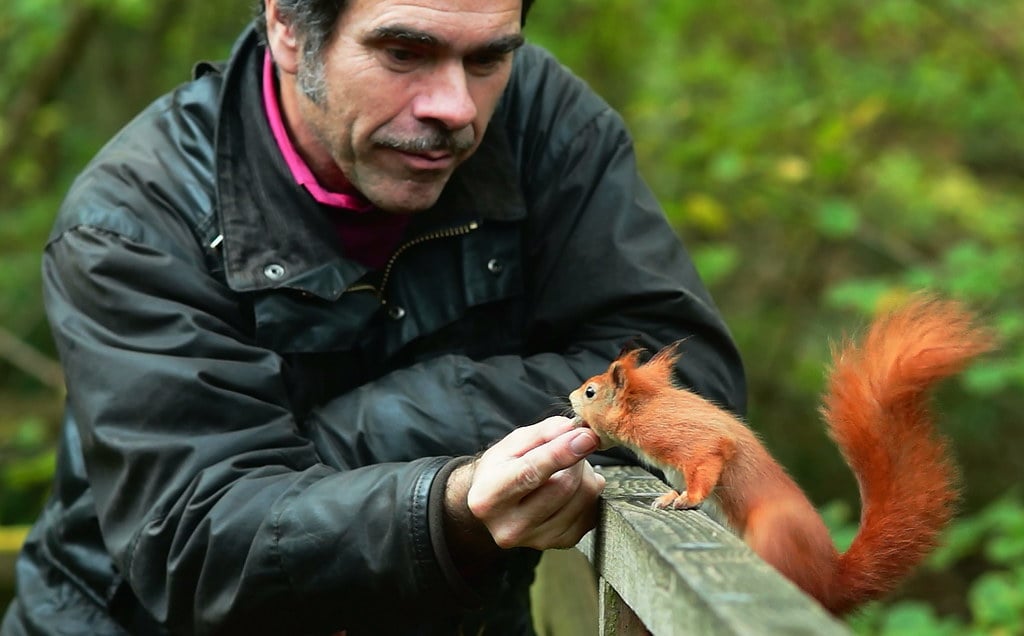
Every wildlife documentary tells you the same thing: wild animals see humans as a threat, full stop. Run first, ask questions never. So what does it mean when a rabbit stops running, a fox stops watching from the tree line, or a doe decides your backyard is safe enough to nap in?
It turns out trust between wild animals and the humans who feed, garden, and quietly coexist with them is a real, documented thing, and it shows up in small, specific behaviors most people miss completely. Once you know what to look for, you may realize the wildlife around your home has been trying to tell you something for a while.
21. Birds Perch Closer Than Ever Before
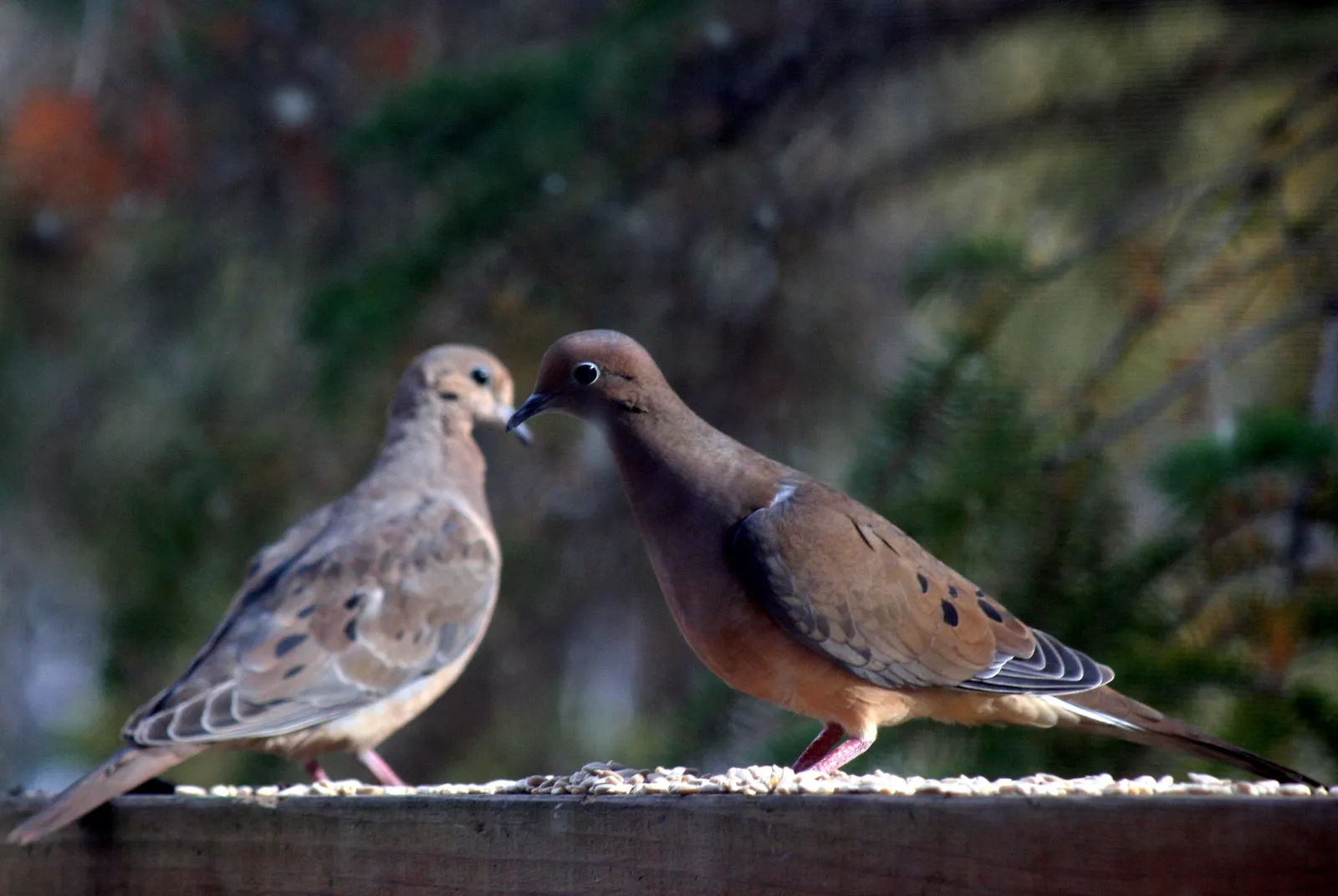
When a wild bird starts landing on your porch railing or the branch right outside your window instead of the treetops way back in the yard, that’s not random. Birds are constantly calculating risk, and choosing to sit within a few feet of you means they’ve already run the math and decided you’re not a threat.
Some go a step further and start singing or chirping while you’re standing right there, which is basically a bird’s version of relaxing completely in your company. That kind of comfort doesn’t happen overnight. It’s built through weeks or months of you simply existing nearby without ever giving them a reason to bolt.
20. Squirrels Stop Bolting the Moment They See You
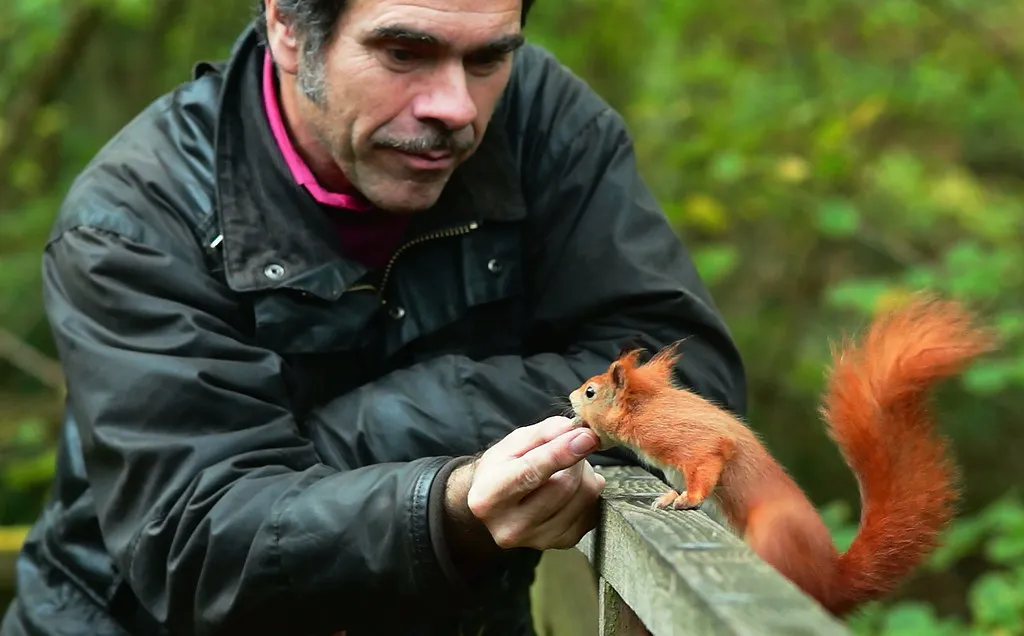
Squirrels are jumpy by design, wired to treat every sudden movement like a potential predator attack. So when one casually forages a few feet away, or lingers instead of launching into a full sprint up the nearest tree, something has shifted in how it sees you.
The most striking version of this is a squirrel taking food directly from your hand. That’s not a cute coincidence, it’s the end result of repeated, calm, non-threatening encounters where the squirrel learned you’re predictable and safe. Trust like that gets earned one quiet afternoon at a time.
19. Deer Graze in Your Yard Without Flinching
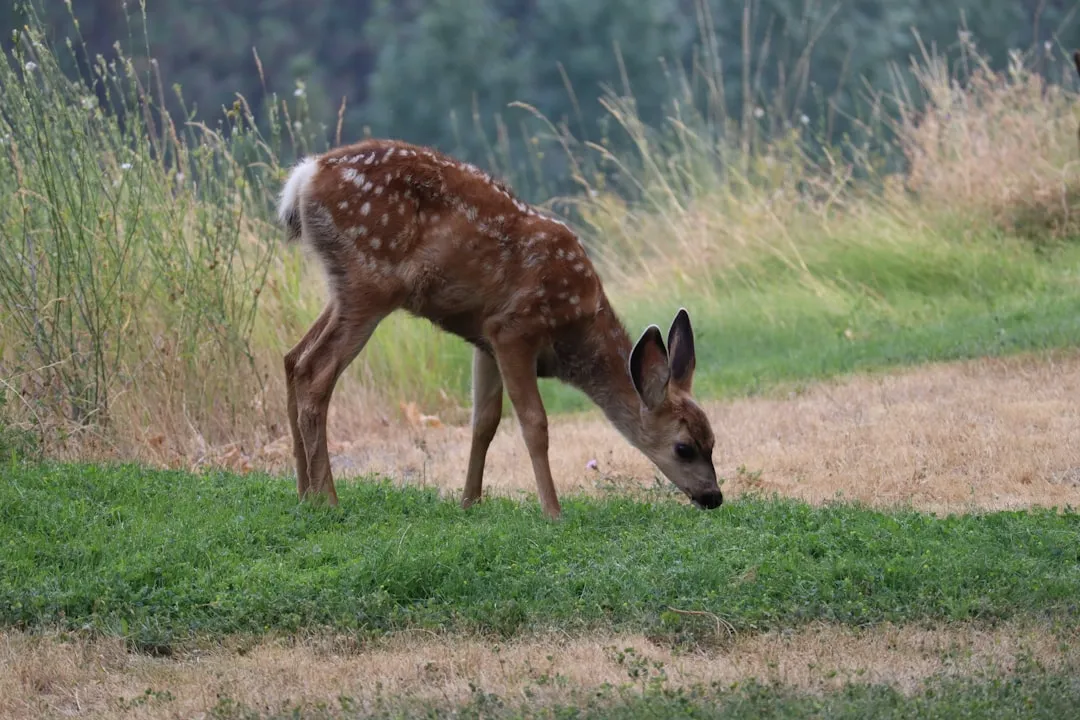
Deer survive by staying alert, ears up, muscles ready to bolt at the smallest snap of a twig. A deer that grazes calmly in your yard, ignoring you as you move around outside, has essentially decided your property is a no-danger zone.
This usually doesn’t happen after one peaceful encounter. It builds over repeated visits where nothing bad ever happens to them near your home. Eventually, some deer get comfortable enough to approach on their own, especially if they’ve connected your presence with an easy meal.
18. Rabbits Stay Loose and Relaxed Instead of Freezing
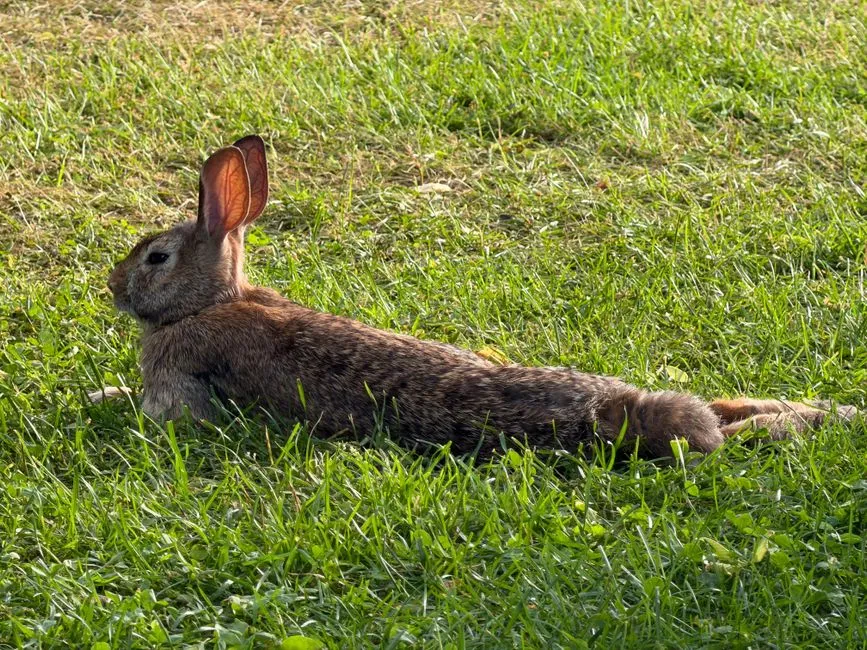
A wild rabbit’s entire survival strategy is built around speed and hypervigilance. So when one keeps nibbling grass instead of freezing or darting for cover the second you step outside, you’re witnessing a real behavioral shift.
The clearest sign is a rabbit lying down with its legs stretched out flat, a posture that leaves it completely unable to make a quick escape. Rabbits only do this when they feel genuinely safe, which means your yard has become one of the rare places where their guard is fully down.
Fast Facts
- Most wild rabbits freeze or flee within seconds of spotting a person, so a longer pause is a real outlier.
- A stretched-out lounging position exposes a rabbit’s vital organs, a risk only a relaxed animal will take.
- Wild rabbits rarely nap out in the open, so doing it near a home usually points to an established, low-threat routine.
- Loose, twitching ears (instead of pinned flat) are another subtle comfort cue worth watching for.
17. Foxes Linger and Watch Instead of Vanishing
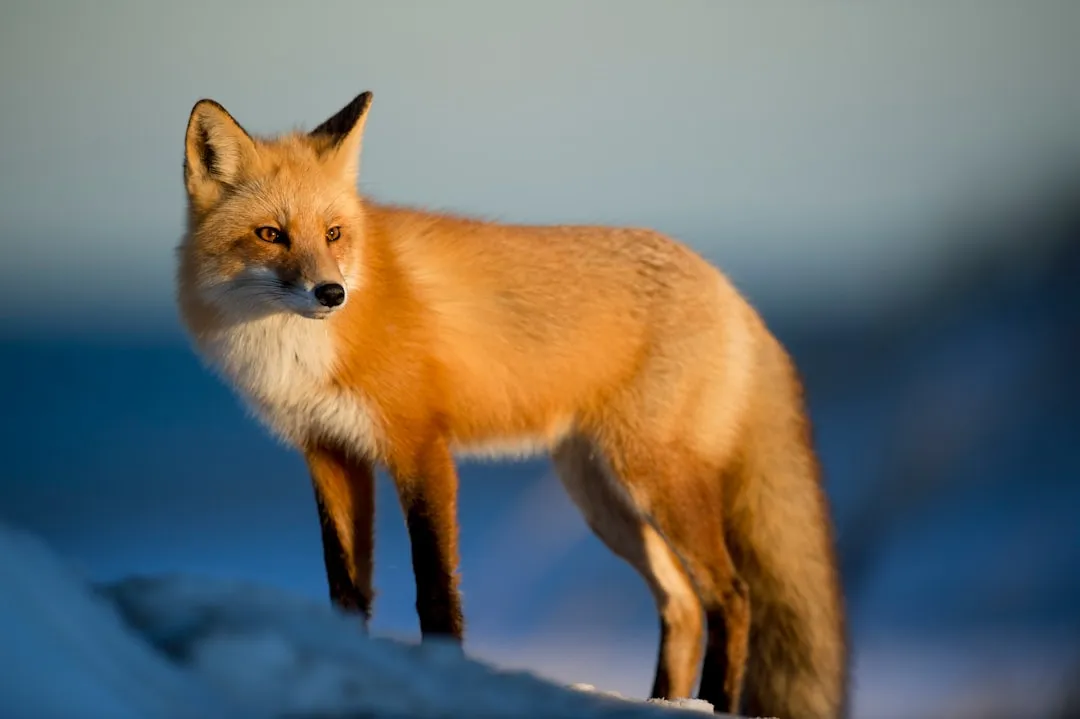
Foxes are famously elusive, the kind of animal most people only ever see as a blur disappearing into the tree line. A fox that stays put and watches you, instead of immediately fleeing, is showing a level of curiosity that replaces fear.
Look for relaxed body language, a loosely wagging tail, ears forward instead of pinned back. Those are the tells of an animal that has decided you’re worth observing rather than escaping from, which for a naturally cautious fox is a genuinely big deal.
16. Birds Build Nests Right on Your Property
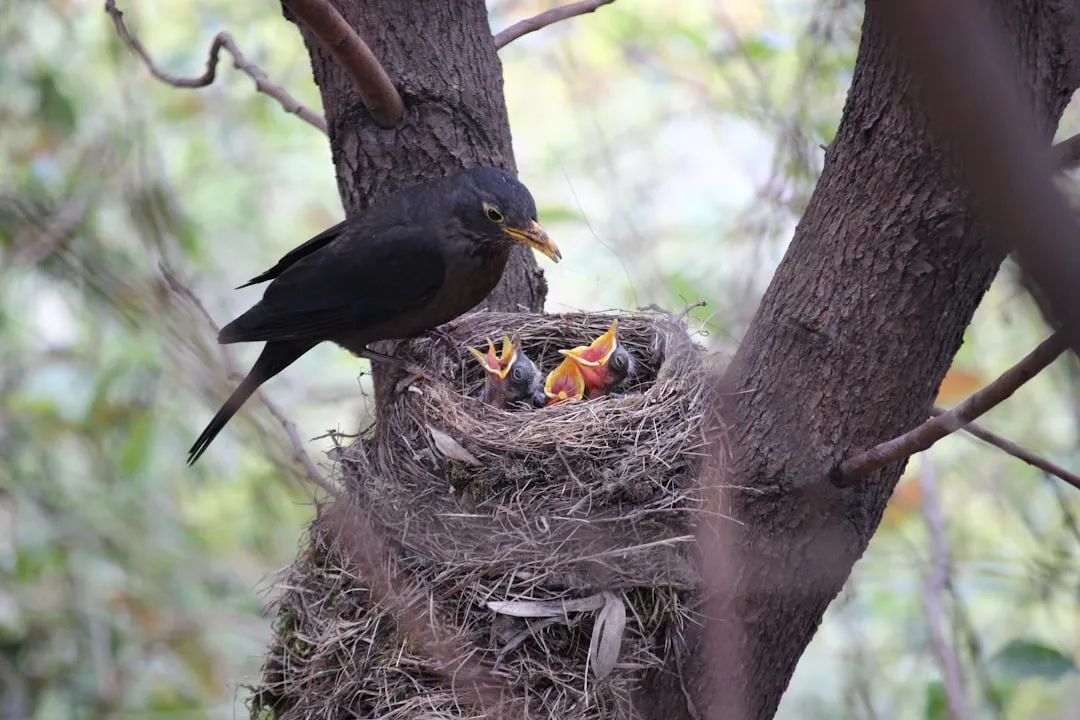
Birds don’t nest just anywhere. They scout for safety, shelter, and low disturbance before committing to a spot to raise their young. A nest tucked into your gutter, eaves, or a tree in your yard means they’ve judged your home as one of the safer places around.
That decision carries real weight. Nesting is the single most vulnerable thing a bird does all year, and choosing your property to do it on is about as strong a trust signal as wildlife gets.
15. Geese Approach Without Hissing or Puffing Up
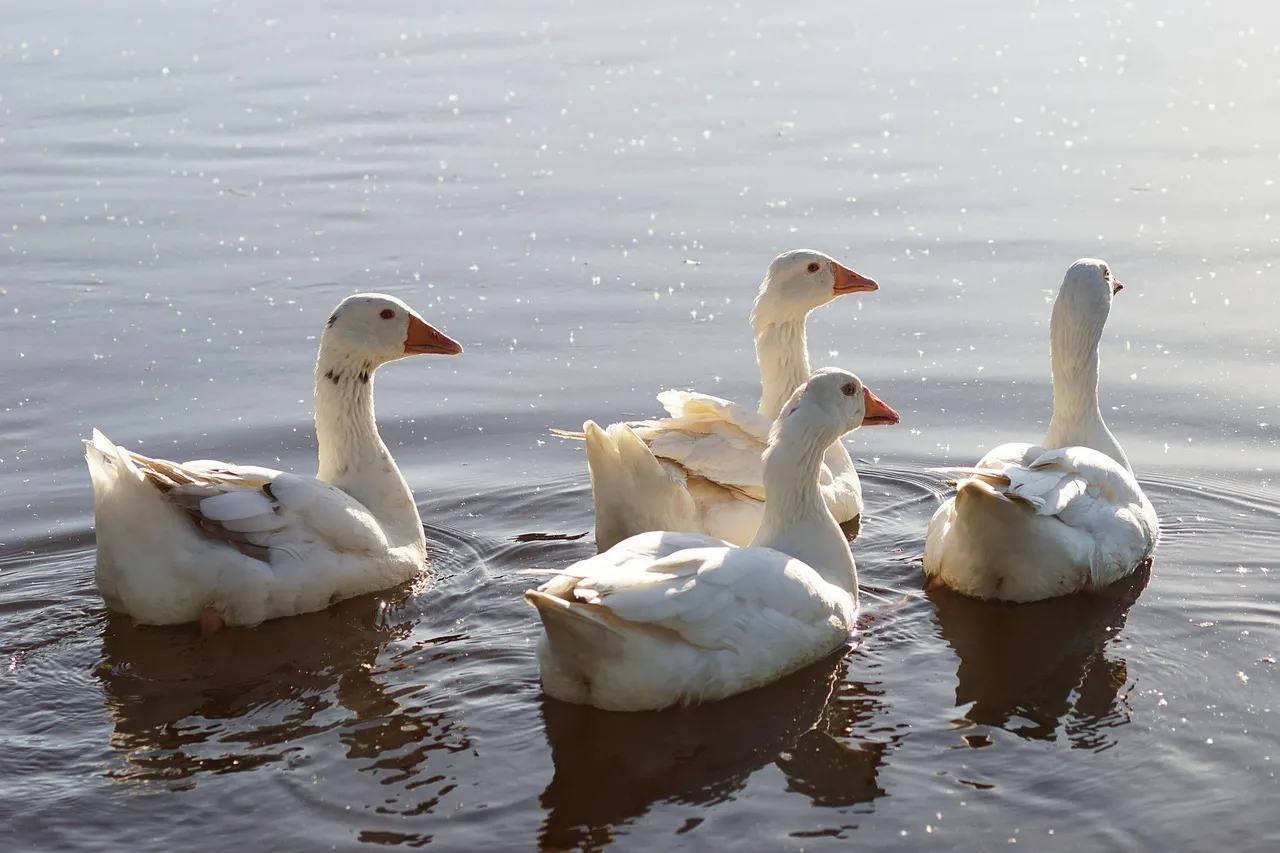
Geese have a reputation for aggression, and for good reason, they’ll hiss, charge, and flap at anything that feels like a threat. A goose that walks up to you calmly, without puffing its chest or lowering its head in warning, has taken you off its threat list entirely.
Some geese go further, following people around or honking gently rather than aggressively. That shift from defensive to social is a clear sign they’ve folded you into their sense of a safe environment.
14. Raccoons Forage While You’re Standing Right There
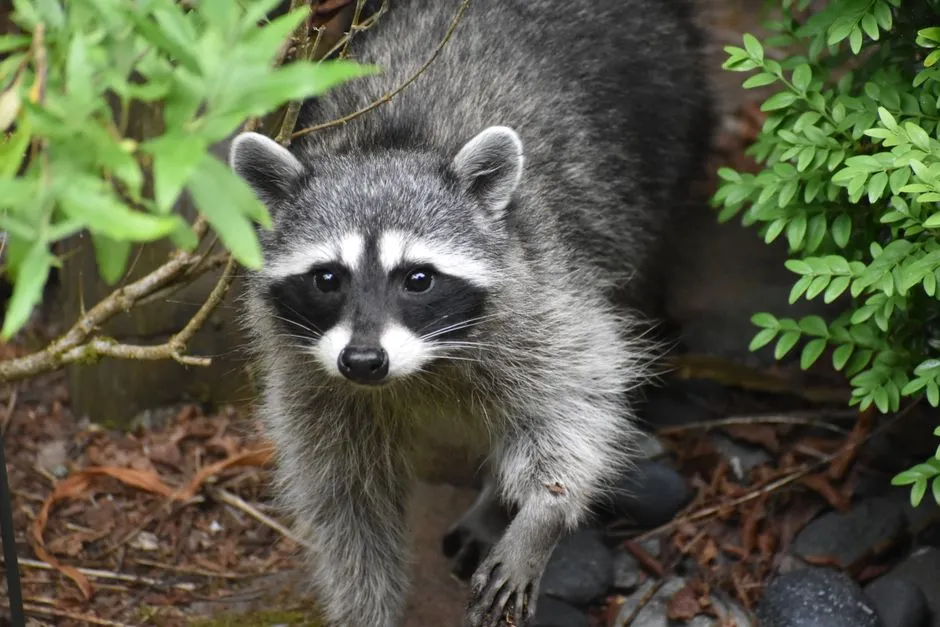
Raccoons are nocturnal, cautious, and built to avoid humans whenever possible. If one starts digging through your yard for food while you’re outside, rather than scattering the moment it spots you, that’s a real change in how it perceives the risk you pose.
Some curious raccoons will even sniff the air in your direction or pause to study you before going back to foraging. It’s a small, strange kind of trust, but it’s trust nonetheless, built on the fact that you’ve never given them a reason to run.
13. Owls Choose to Roost Close to Your Home
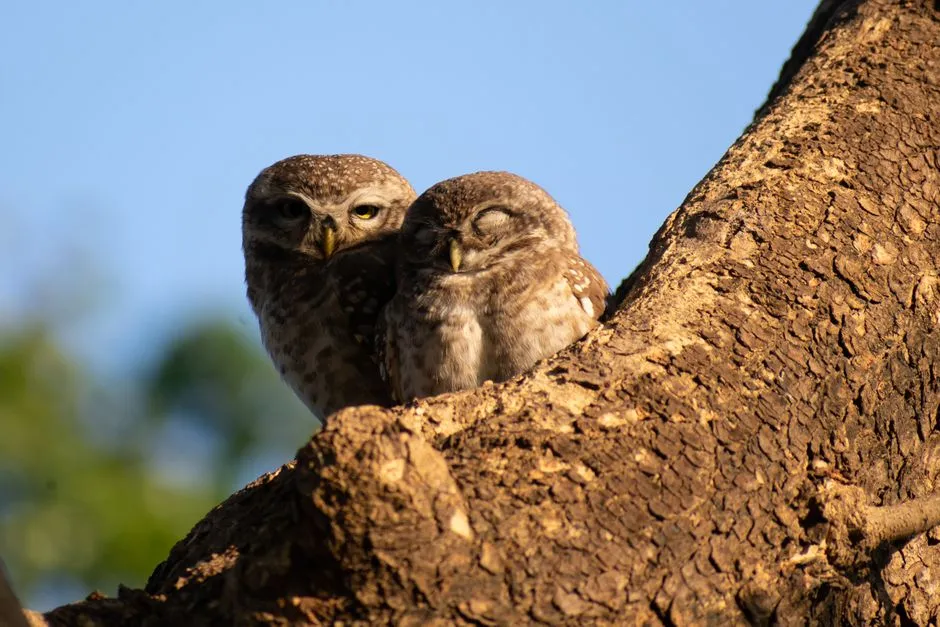
Owls are secretive by nature, seeking out quiet, undisturbed spots to rest during the day. An owl roosting in a tree near your house isn’t a coincidence, it’s a vote of confidence in how calm and low-disturbance your property actually is.
Their presence suggests they’ve assessed the area and found it free of the noise, activity, and threats that would normally push them elsewhere. For a creature this private, that’s a meaningful stamp of approval.
12. Chipmunks Stop Darting Away and Start Watching Instead
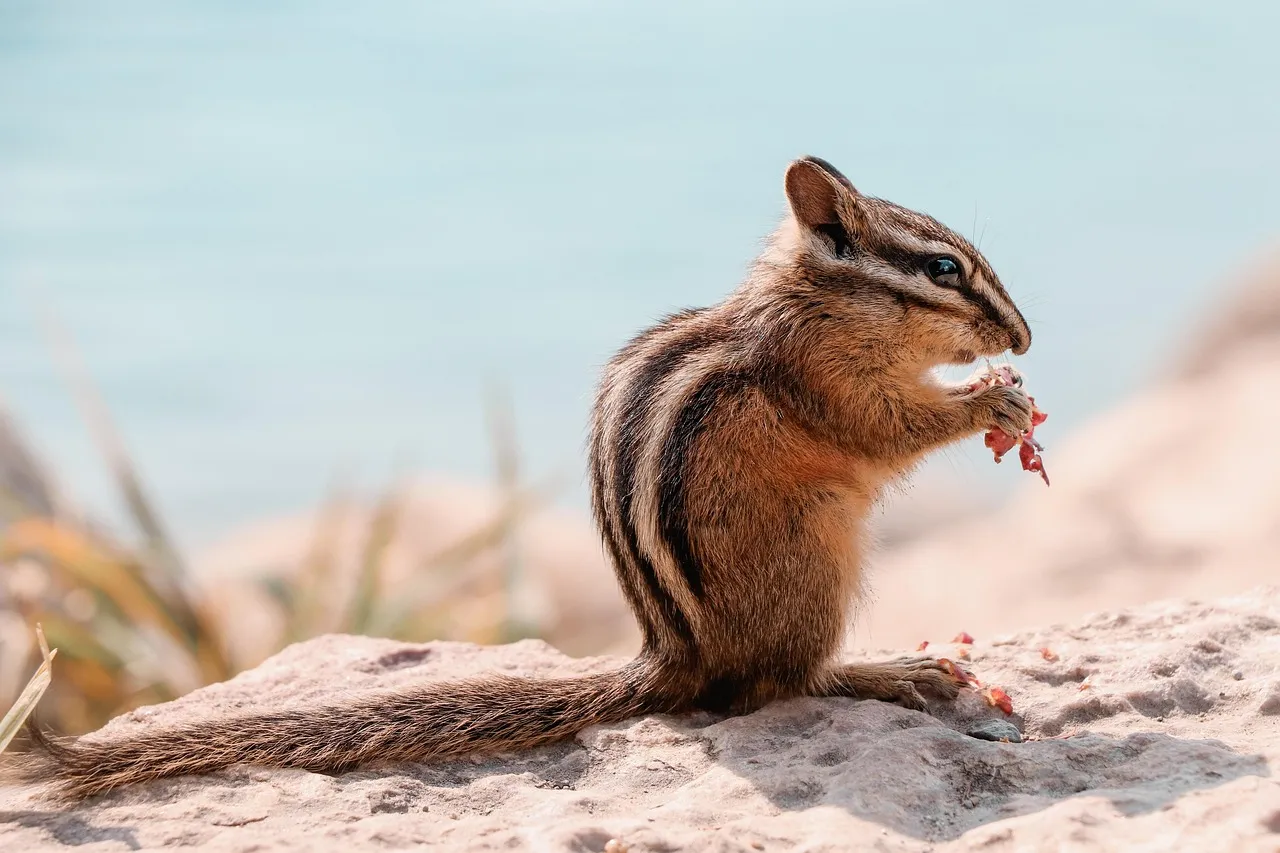
Chipmunks are twitchy and quick, usually gone in a blur at the first sign of movement. When one starts scurrying around your yard without immediately fleeing at the sight of you, it’s a small but telling shift.
Some will even pause mid-activity to watch you before going back to whatever they were doing, gathering seeds, digging, exploring. That pause is the tell. It means they’ve stopped treating you as an immediate threat and started treating you as background noise.
11. Butterflies Keep Coming Back to Your Garden
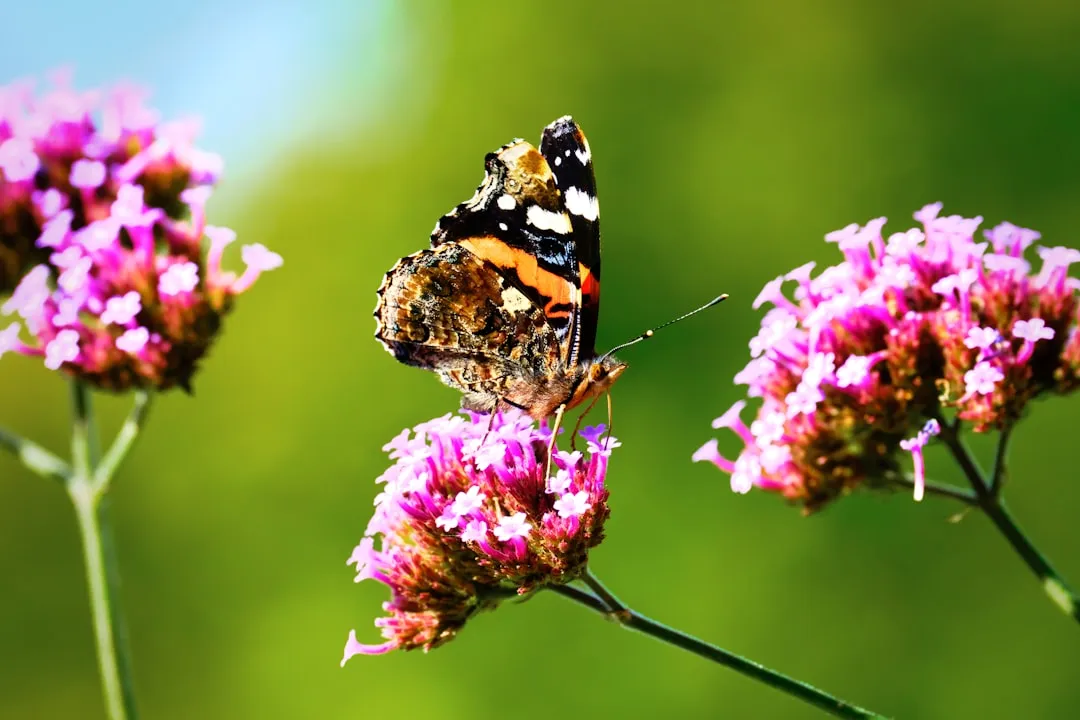
Butterflies aren’t exactly fearful of people to begin with, but their consistent presence still says something important about your space. A garden that draws them back again and again is a garden that’s stable, chemical-free enough, and rich in the right plants.
Their return visits are really a signal about the health of your entire yard. Where butterflies feel safe enough to feed and linger, other, more cautious wildlife usually aren’t far behind.
10. Frogs and Toads Settle In and Stay Put
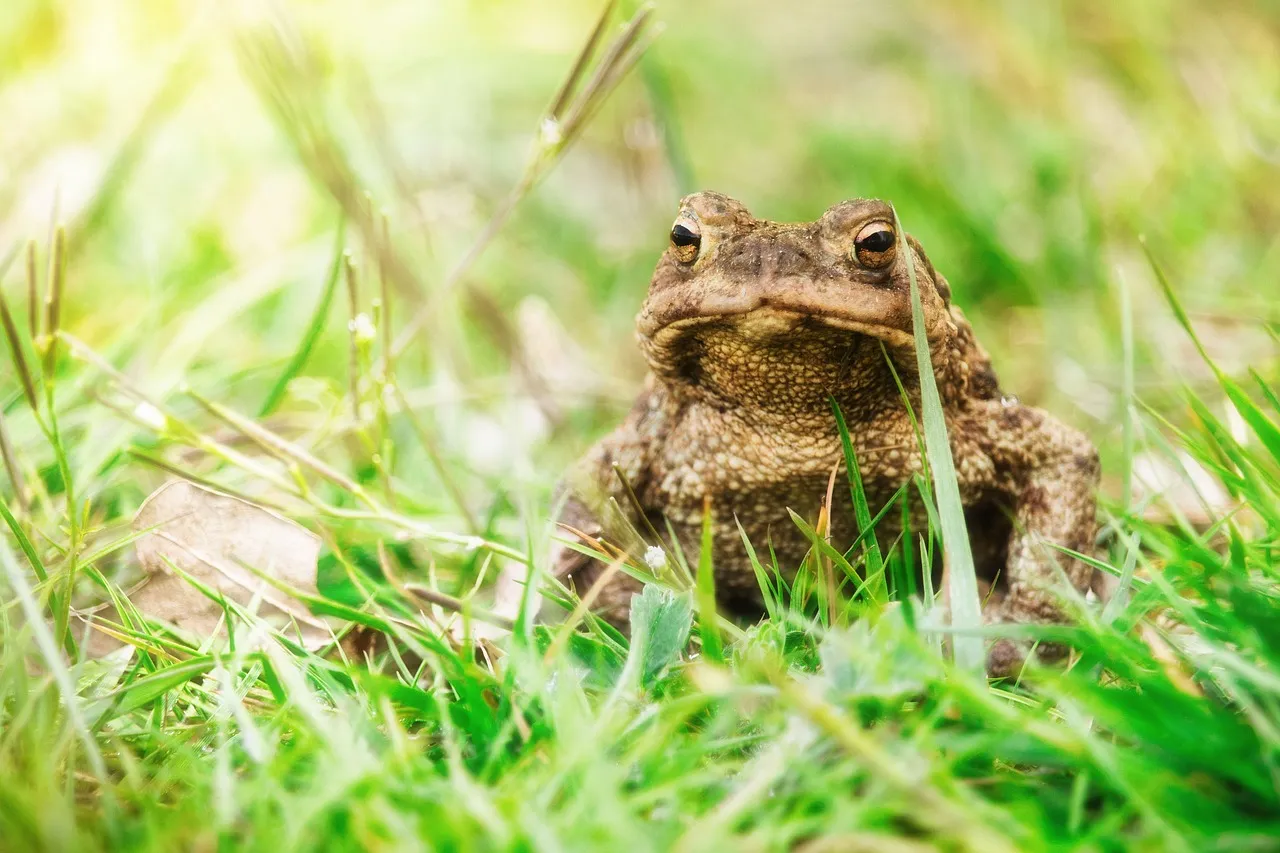
Amphibians are notoriously sensitive to disturbance, human activity, chemicals, noise, foot traffic, all of it can push them out fast. A yard where frogs and toads consistently show up and stay, rather than disappearing after one encounter, is telling you something about how undisturbed that space really is.
Frogs in particular tend to settle near the same pond, birdbath, or damp corner night after night once they’ve decided it’s safe. That kind of site loyalty from an animal this cautious is a quiet but real endorsement of your yard.
Worth Knowing
- Amphibians breathe partly through their skin, which makes them unusually sensitive to pesticides and chemical runoff.
- Frogs and toads are often called indicator species because their presence reflects the overall health of a local ecosystem.
- A toad returning to the same burrow night after night shows a site loyalty that takes weeks to build.
- Consistent moisture, shade, and undisturbed cover are the main draws that keep amphibians coming back.
9. Opossums Wander Through at Dusk Without Hesitating
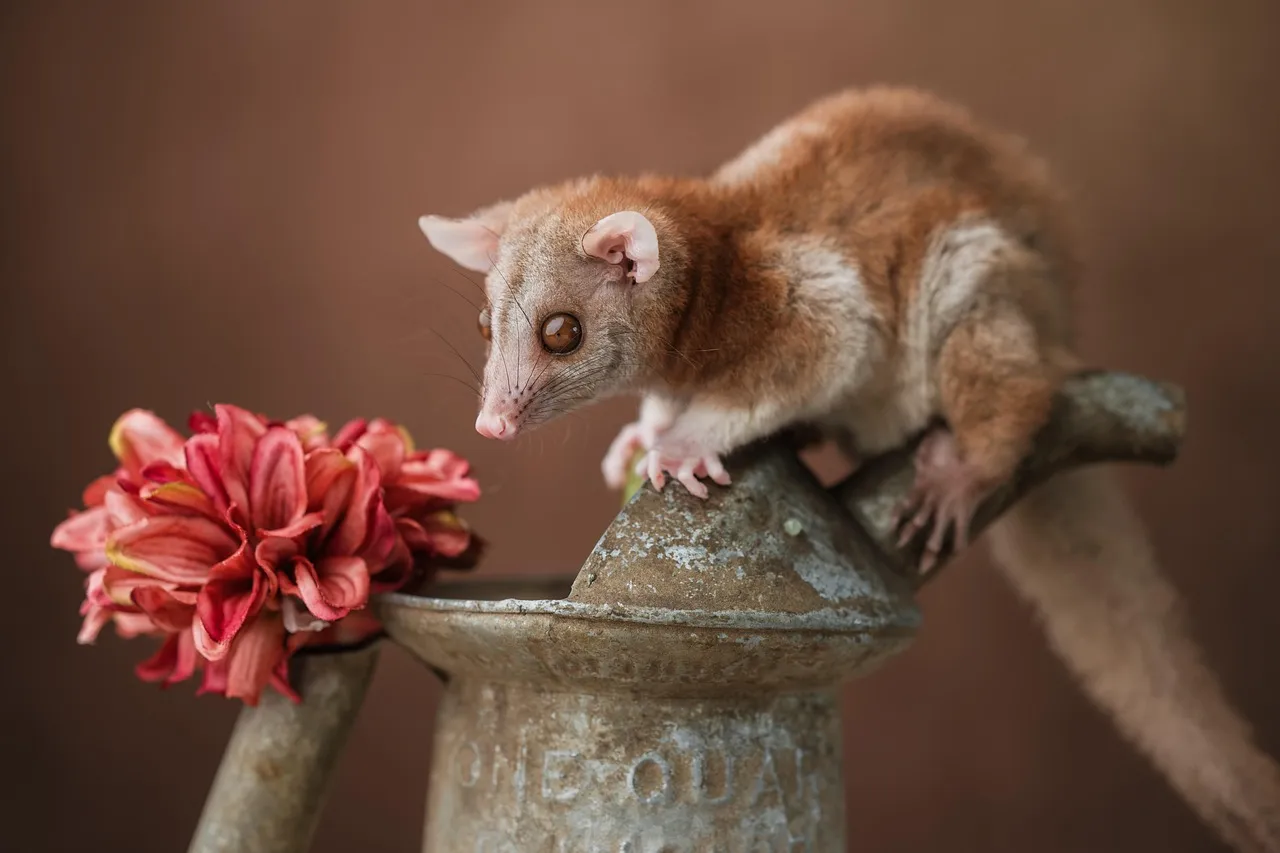
Opossums are shy, slow-moving, and generally do everything they can to avoid being seen. An opossum that ambles across your yard at dusk without freezing or hissing at the sight of you has stopped treating your presence as an emergency.
Because opossums have poor eyesight and rely heavily on scent and routine, their comfort usually builds through repeated exposure to your smell and habits. Once they’ve logged you as familiar and harmless, they’ll often keep the same relaxed route through your property night after night.
8. Coyotes Watch You From the Open, Not the Shadows
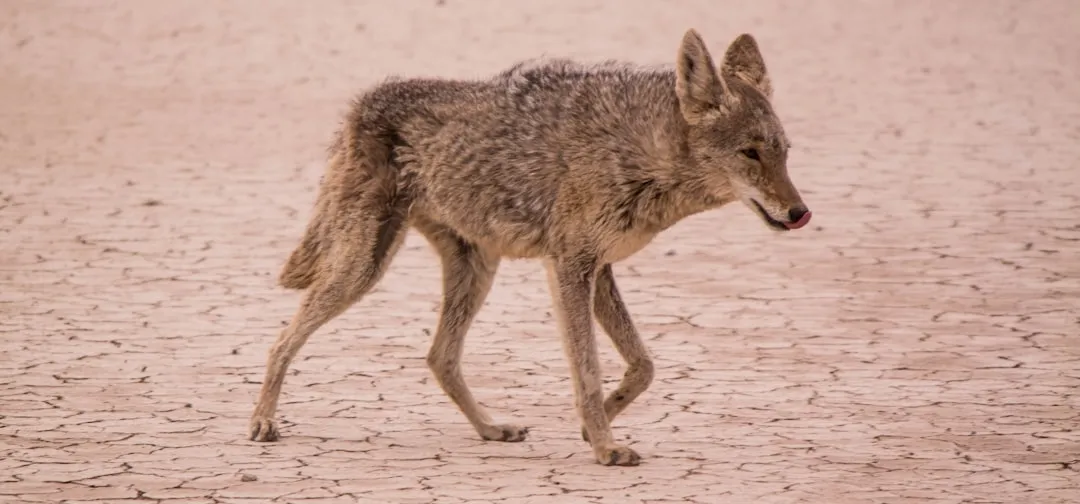
Coyotes are typically masters of staying unseen, sticking to cover and moving mostly at night. A coyote that sits in open view, watching you from a distance instead of slipping away, is showing an unusual level of comfort, and it’s worth taking seriously.
This one comes with a caveat: too much comfort in coyotes isn’t necessarily a good thing, since it can lead to bolder behavior around pets and property. It’s still a genuine trust signal, just one that’s smart to manage rather than encourage.
7. Turtles Bask in Your Yard Without Ducking for Cover
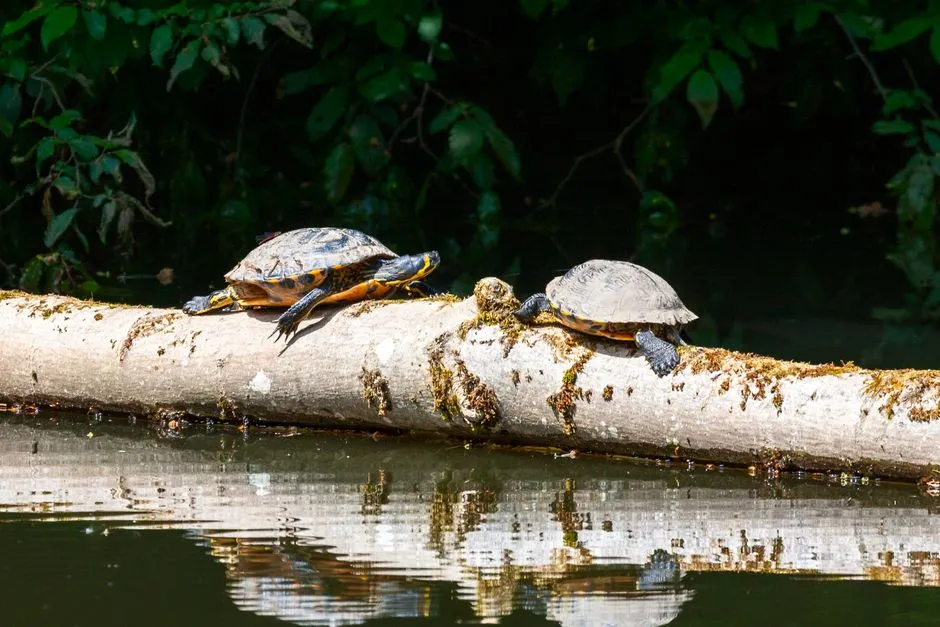
Turtles are cautious by nature, quick to pull into their shells or slide into water at the first hint of danger. A turtle that keeps basking in the open, sun on its shell, even as you move around nearby, has decided your yard poses no real threat.
This kind of ease usually develops in yards with a consistent water source and minimal disturbance. Turtles are creatures of habit, and once they find a safe basking spot near your home, they tend to return to it again and again.
6. Hawks Perch Nearby While You Go About Your Day
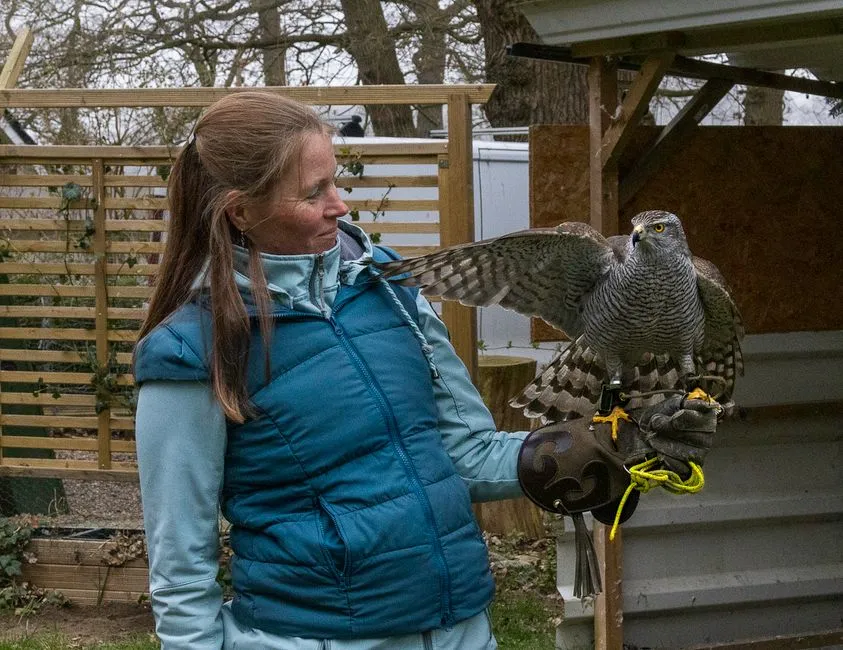
Birds of prey are normally hyper-aware of humans, keeping their distance from anything that resembles activity or noise. A hawk that perches in a tree close to your house while you’re mowing the lawn or puttering around outside is showing a surprising level of tolerance.
Hawks are also intelligent enough to associate certain properties with reliable hunting, mice, voles, small rodents drawn to bird feeders or gardens. If a hawk keeps returning to the same perch near your home, it’s likely learned that your yard is both safe and worth the visit.
Why It Stands Out
- Hawks have sharp enough eyesight to spot prey from a long distance, so a repeat perch means they’ve mapped your yard as reliable hunting ground.
- Birds of prey typically avoid areas with heavy foot traffic or loud, unpredictable noise.
- A hawk lingering through daytime chores signals it has ranked the activity in your yard as low-risk.
- Bird feeders and unmowed edges often attract the small rodents hawks hunt, indirectly drawing them closer to home.
5. Skunks Amble By Without Ever Raising Their Tail
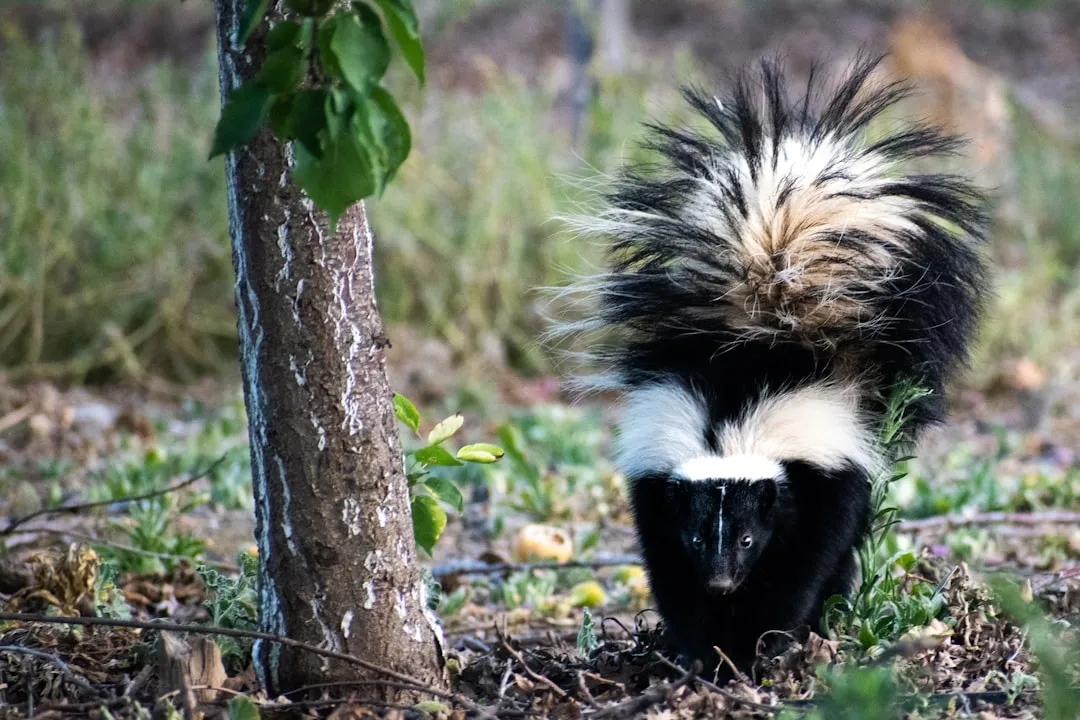
Skunks only spray as an absolute last resort, and their body language gives plenty of warning before it happens, stomping, hissing, tail raised. A skunk that wanders through your yard with its tail down and relaxed, completely unbothered by your presence, has already decided you’re not a threat worth defending against.
That calm is notable because skunks are otherwise deeply cautious animals, given how much energy that defense mechanism costs them. A skunk that skips the warning signs entirely and just goes about its business near you is about as clear a trust signal as this animal gives.
4. Groundhogs Dig Their Burrows Close to Your Porch
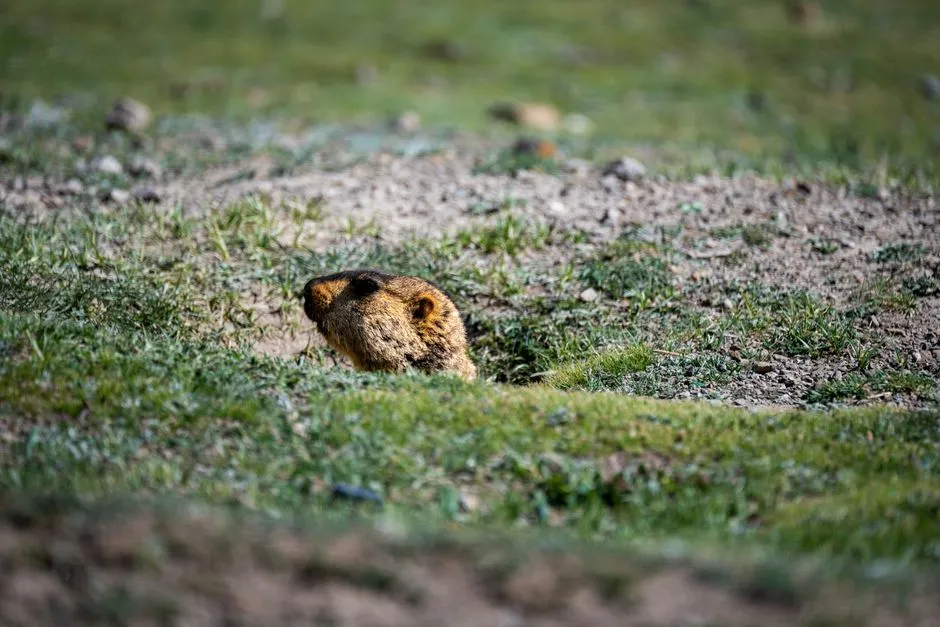
Groundhogs are careful about where they set up shop, usually avoiding high-traffic areas near human activity. A burrow dug close to your porch, shed, or garden means the groundhog has judged that spot safe enough to raise a family in.
Once settled, groundhogs tend to stick around for years, often becoming familiar sights that barely react to your comings and goings. That long-term commitment to living a few feet from your daily routine is a strong, sustained form of trust.
3. Bats Roost in Your Eaves Summer After Summer
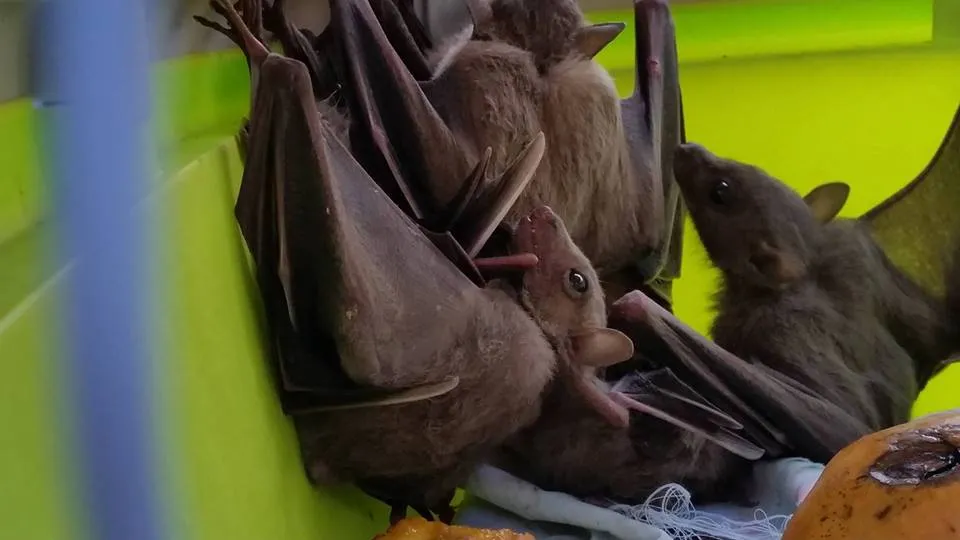
Bats are extremely selective about roosting sites, prioritizing shelter, warmth, and safety from predators and disturbance. A colony that chooses your eaves, attic vents, or barn year after year has essentially decided your home is one of the better options available to them.
This kind of site loyalty is rare and hard-won, since bats will abandon a roost quickly if it feels unstable or unsafe. Their return each season is a quiet, recurring vote of confidence in your property, even if most homeowners never fully appreciate it.
2. Garter Snakes Sun Themselves in Plain Sight
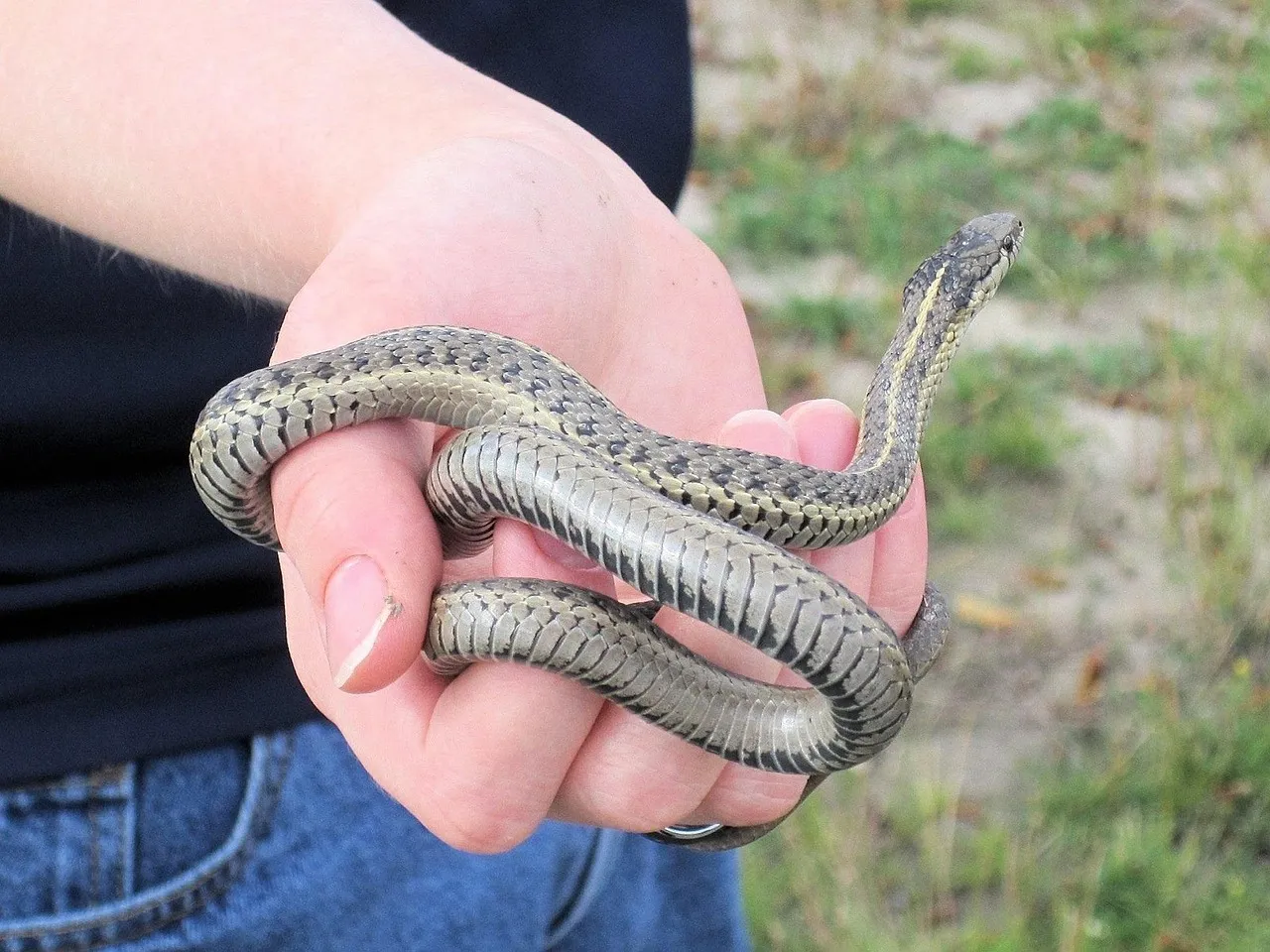
Snakes are among the most skittish creatures in any yard, usually vanishing into grass or brush the instant they sense movement. A garter snake that stays stretched out in the sun on your patio or garden path, even as you walk past, has stopped treating you as an immediate danger.
This kind of boldness usually shows up in yards with consistent, low-disturbance routines, the same mowing schedule, the same foot traffic, nothing erratic. Snakes learn patterns fast, and a snake that’s stopped fleeing from yours has essentially memorized you as harmless background.
1. A Doe Leaves Her Fawn Sleeping in Your Yard
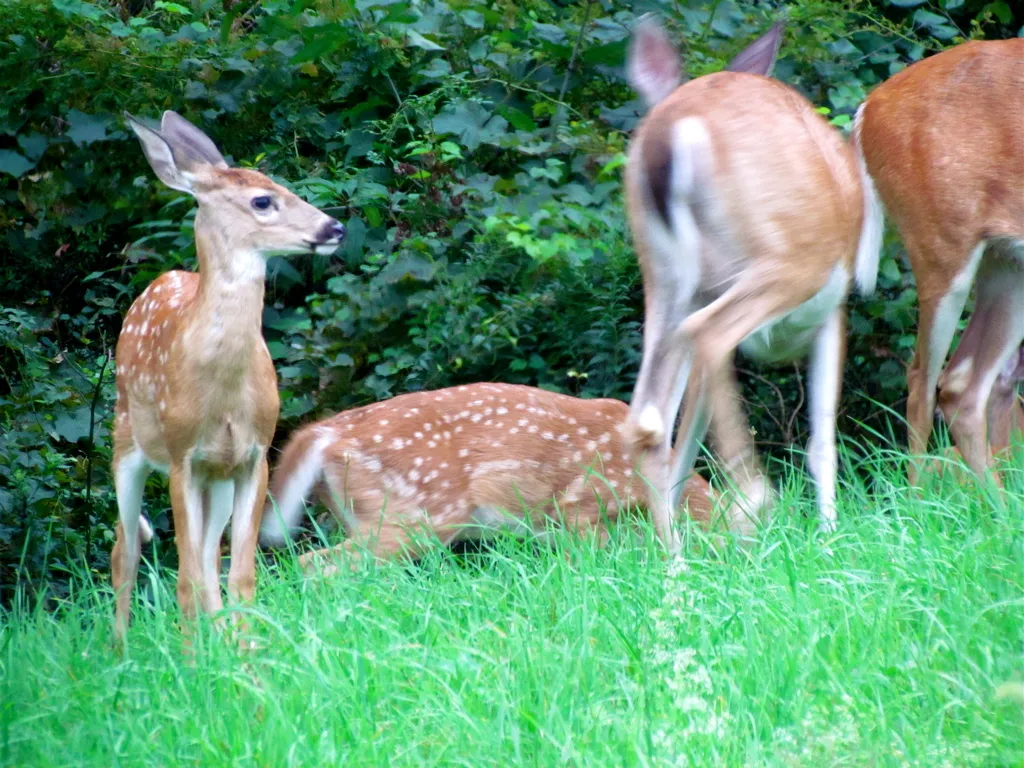
This is the sign that stops people in their tracks. Female deer hide their fawns in what they judge to be the safest available spot while they forage nearby, and if that spot is your yard, it means the doe has ranked your property above almost everywhere else within reach.
It’s one of the most vulnerable decisions any wild animal makes near a human home, trusting a stranger’s yard with a newborn that can’t yet run or defend itself. If you ever find a fawn curled up in your grass, quiet and still, resist the urge to move it. The mother is almost always close by, and your yard, whether you realized it or not, has already earned her trust.
At a Glance
- Fawns are born with very little scent, which is why mothers leave them hidden and still instead of staying close by.
- A resting fawn may stay put for hours at a time, and that’s normal behavior, not a sign of abandonment.
- Leaving a found fawn untouched, and keeping pets and people at a distance, is the standard, widely recommended approach.
- Does typically return to nurse a few times a day, most often around dawn and dusk.
Here’s the part most people get wrong: none of this happens by accident, and it definitely doesn’t happen fast. Wild animals don’t trust convenience, they trust consistency, the same quiet mornings, the same predictable movements, the same absence of threat, repeated until it becomes proof. If your yard has become a place where deer nap, birds nest, and foxes linger without fear, that’s not luck. That’s a track record you built one ordinary day at a time, and honestly, it’s one of the quieter, more meaningful compliments nature can pay you.
