
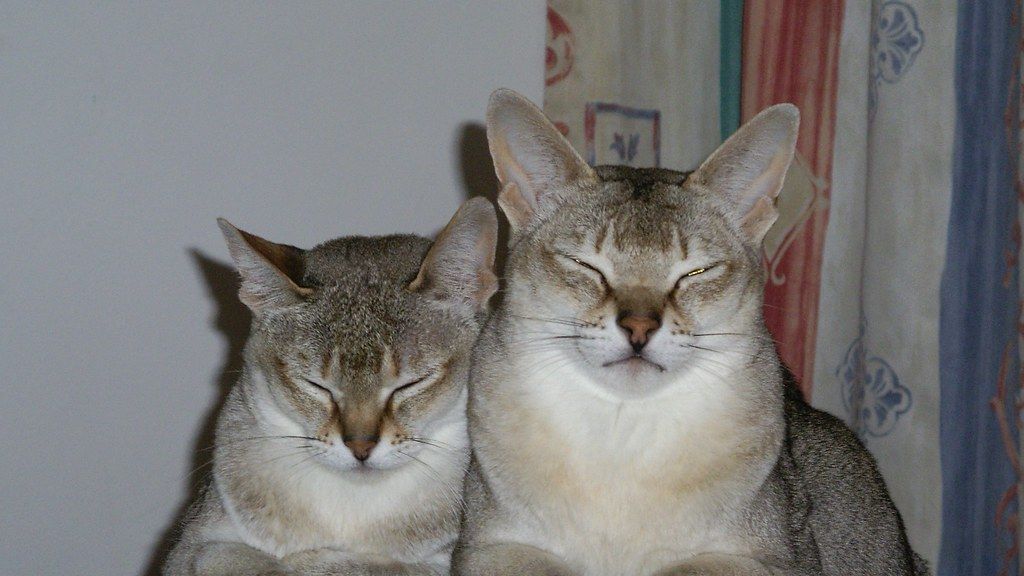
Cats have a reputation for being the easier pet choice. No daily walks, no obedience training, no barking at the neighbors. For many people, that assumption is what kicks off the whole journey of cat ownership. The reality, though, is a little more nuanced. Cat breeds can be just as varied as dog breeds, with considerable variations in temperaments and maintenance levels. Some cats are genuinely easygoing. Others will test your patience, your furniture, your sleep schedule, and maybe even your skin.
The tricky part is that the breeds most likely to overwhelm a first-time owner are also often the most visually stunning or uniquely charming. That combination of beauty and complexity is a trap many new owners fall into. Bringing a cat into your home is a big commitment, and choosing the right breed can make all the difference, especially for first-time cat owners. While all cats have unique personalities, some breeds are more challenging to handle due to their energy levels, grooming needs, or independent nature. Here are the ten breeds that consistently make experienced cat owners raise an eyebrow when they hear a newcomer has taken one home.
#1. Bengal
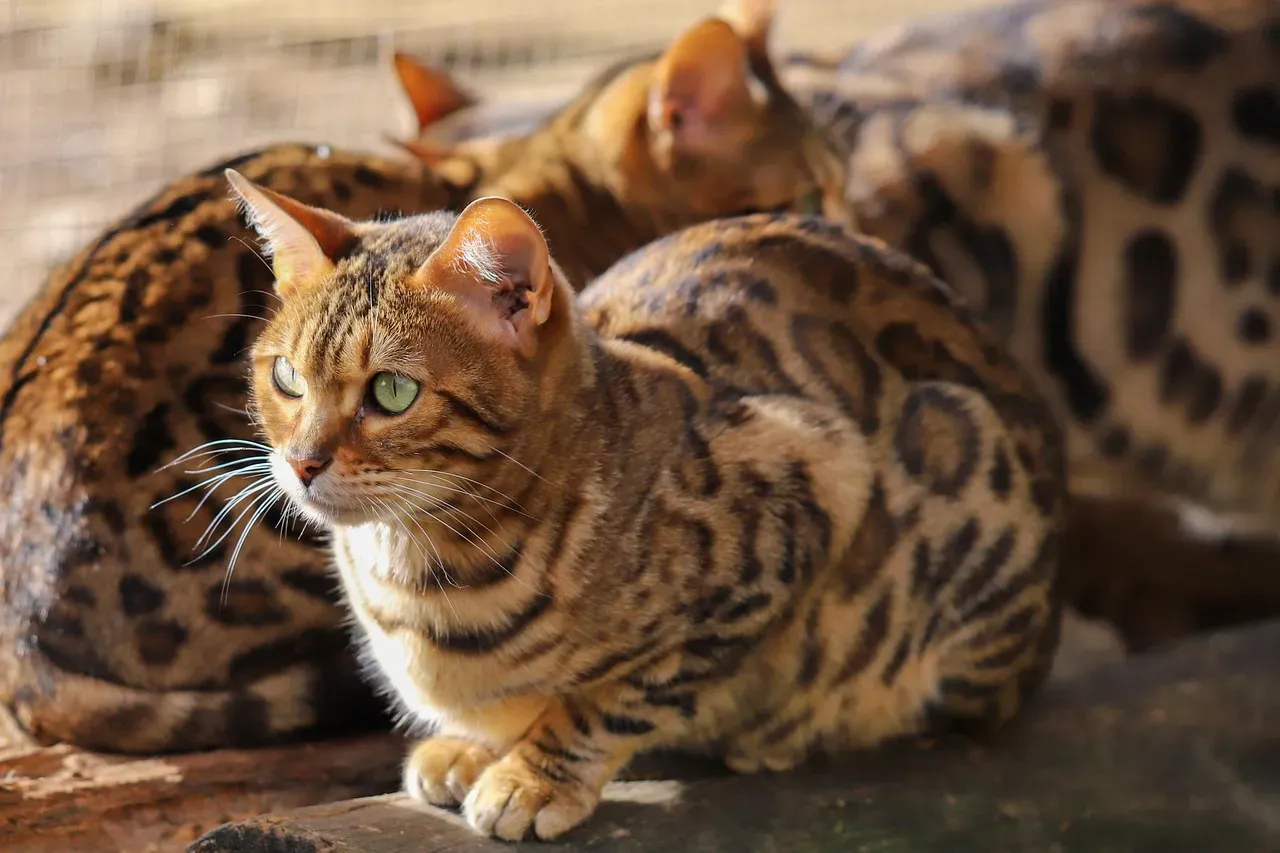
The Bengal cat is an exotic and beautiful feline that often catches the eye of just about anyone who sees them. Owning a Bengal cat requires more than admiring the tiny leopard in your home. Bengals are high-energy kitties that require lots of playtime and attention. They’re not the type to curl up quietly on the sofa while you watch TV. They want to be part of everything, and they’ll make that known.
These cats are highly energetic, intelligent, and prone to destructive behavior if they don’t receive enough mental and physical engagement. Without proper enrichment, they may develop behavioral issues, making them a challenge for inexperienced cat owners. Bengals are affectionate and curious cats who spend most of their waking hours playing, climbing, and chasing things. They also do not do well alone for a long time, so be prepared to have another pet to keep them company, or you’ll need to spend more time with them when at home.
#2. Savannah
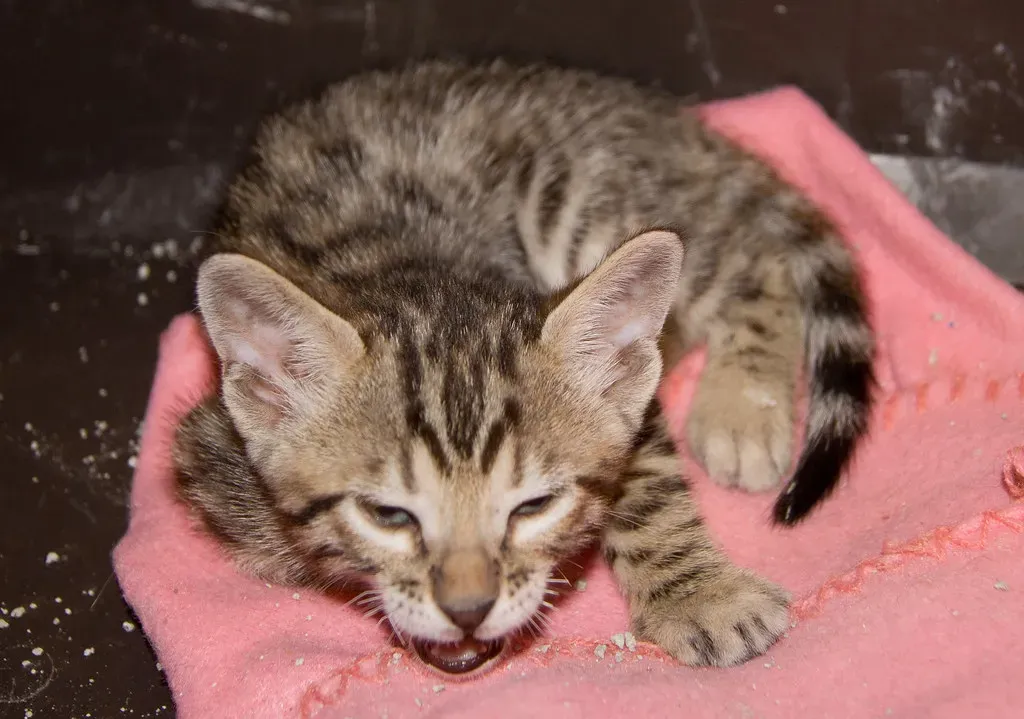
The Savannah cat is a hybrid of the domestic cat and the wild African Serval, boasting striking coats that give them an exotic appearance. While they may resemble their wild ancestors in some ways, Savannahs can be sweet-natured and family-friendly when well-socialized. However, before you fall in love with this lively breed, you should know that Savannahs aren’t fans of being held, and they’ll make it clear when they’re not happy about it.
The first consideration with the Savannah cat is that they are not legal to own in all areas due to their close relation to the African Serval. On top of the legal complexity, they’re independent and aloof, and they’re best suited for owners who know how to give cats plenty of space. If you’re a newbie, you may not have the patience to wait for the Savannah to warm up to you, and you may find yourself buying Band-Aids in bulk as a result.
#3. Siamese
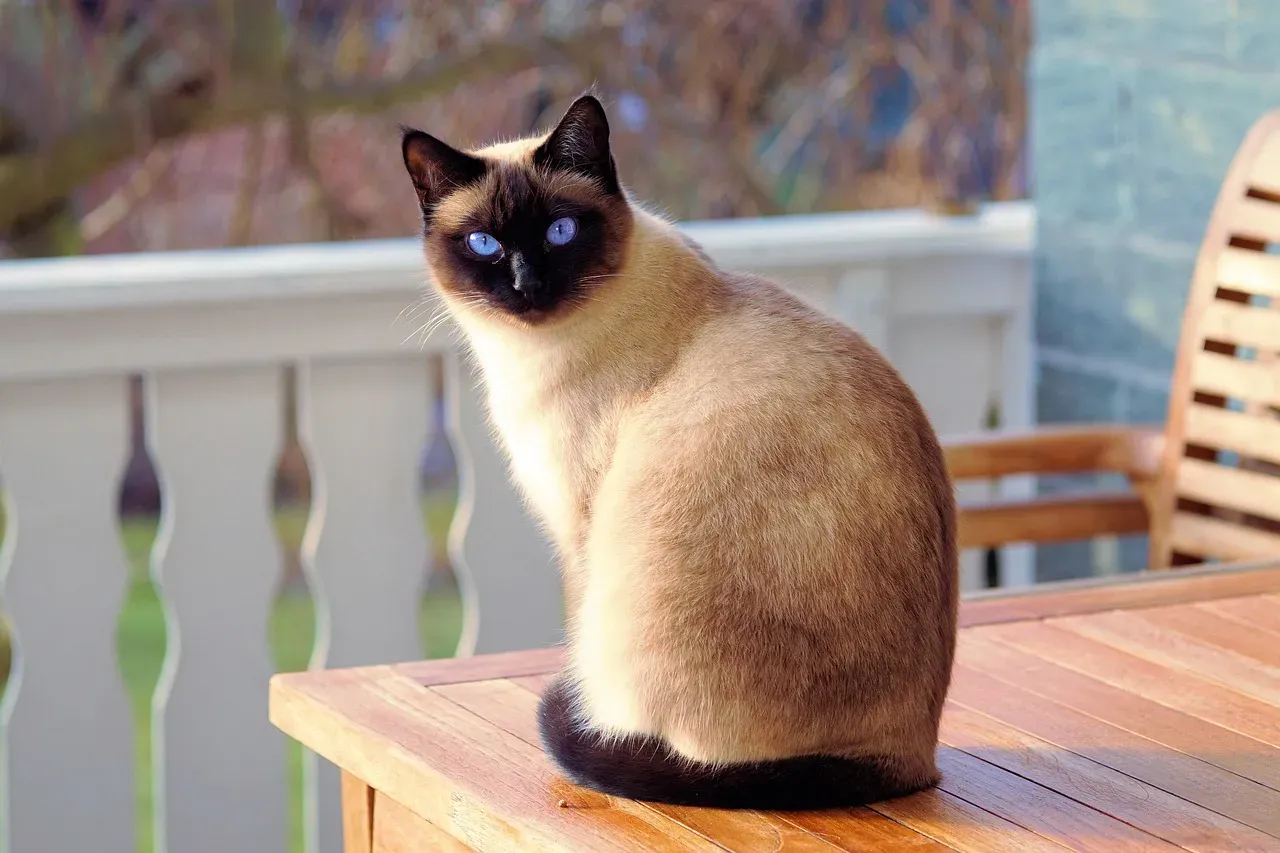
Siamese cats have short coats requiring minimal grooming but compensate with very high social needs. They are highly vocal and crave constant interaction, following their owners around and often “chatting” loudly. These cats are not happy when left alone for extended periods and can become anxious or demanding. For someone living a busy, on-the-go lifestyle, that’s a recipe for a very unhappy cat and a very stressed owner.
Siamese tend to form strong attachments to one family member and can become aggressive if someone else tries to interrupt their cuddles. This can be tricky if you have children or if you’re not the chosen person. Leaving a Siamese cat alone for long stretches of time will likely mean destruction and irritation once you return home. They’re loving animals, but that love comes with conditions and volume.
#4. Sphynx
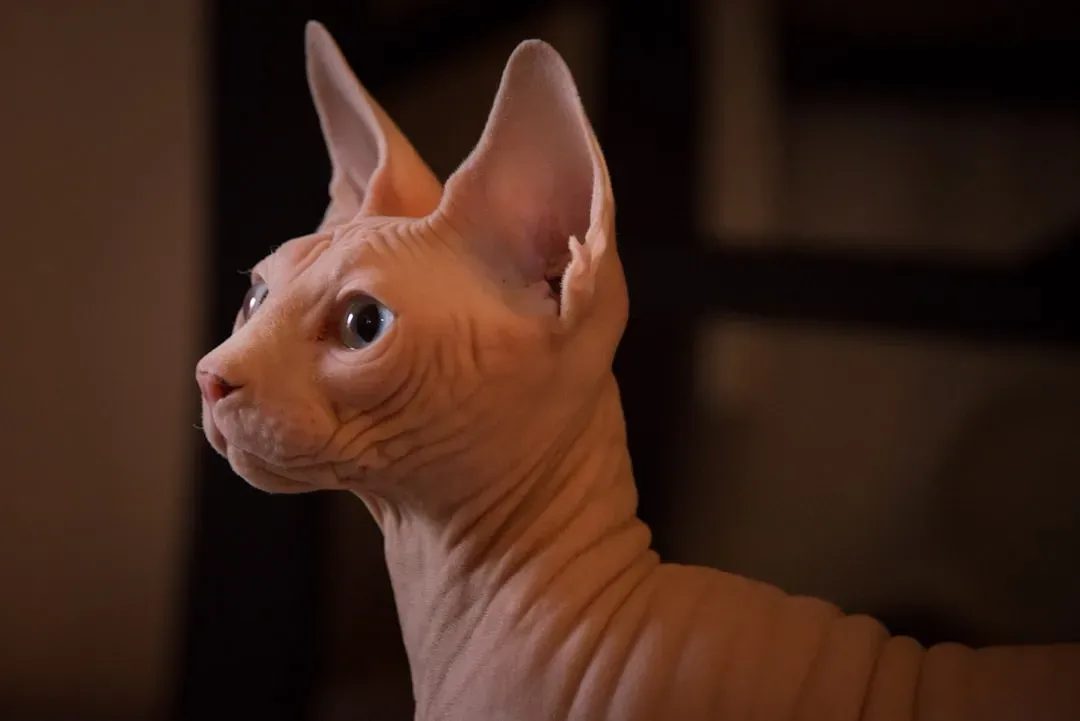
When it comes to the Sphynx, don’t let their lack of a fur coat fool you; these kitties are the epitome of high-maintenance. Their skin requires regular bathing to prevent oil buildup, which can be quite the grooming challenge for any cat owner, let alone a first-timer. The assumption that a hairless cat equals zero grooming effort is one of the most common misconceptions in all of cat ownership.
Without fur, Sphynx cats need regular bathing to remove the buildup of oils on their skin, which can otherwise cause skin problems. Beyond the bathing routine, they have a higher metabolism and may require more food than other cats to maintain their energy levels. They often produce more earwax and may require more frequent ear cleanings. Regular dental hygiene is also important. Sphynx cats are very social and demand a lot of attention and interaction from their pet parents.
#5. Persian
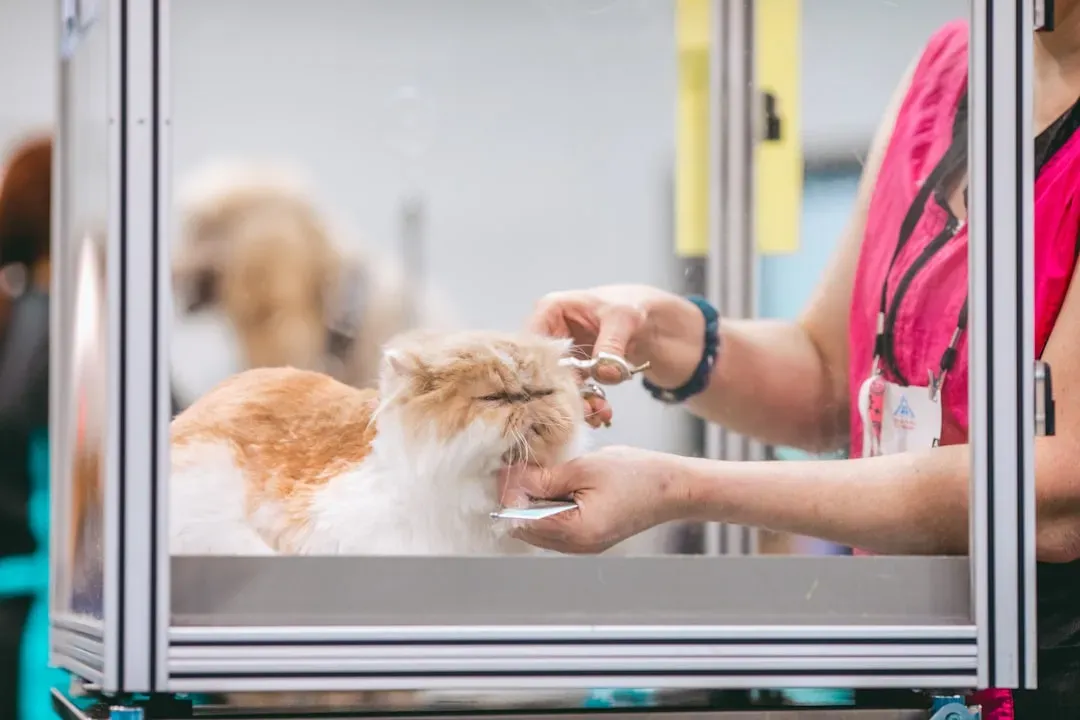
Persians are known for their luxurious long coats, but that beauty comes at a cost. They require daily grooming to prevent matting and excessive shedding. Additionally, they are prone to respiratory issues due to their flat faces, requiring extra health monitoring and care. The image of a Persian lounging like royalty is accurate, but behind that serenity is a care routine that demands daily commitment.
Persians are prone to a host of health issues, from kidney and heart conditions to others such as brachycephalic airway syndrome. Then there’s the allergy factor. If you are slightly allergic to cats, a Persian will make sure you find out the hard way. They have more of the protein responsible for allergic reactions in their coat than any other breed, so don’t be surprised if you’re constantly red-eyed and sniffling. Beautiful, yes. Straightforward to own, not quite.
#6. Scottish Fold
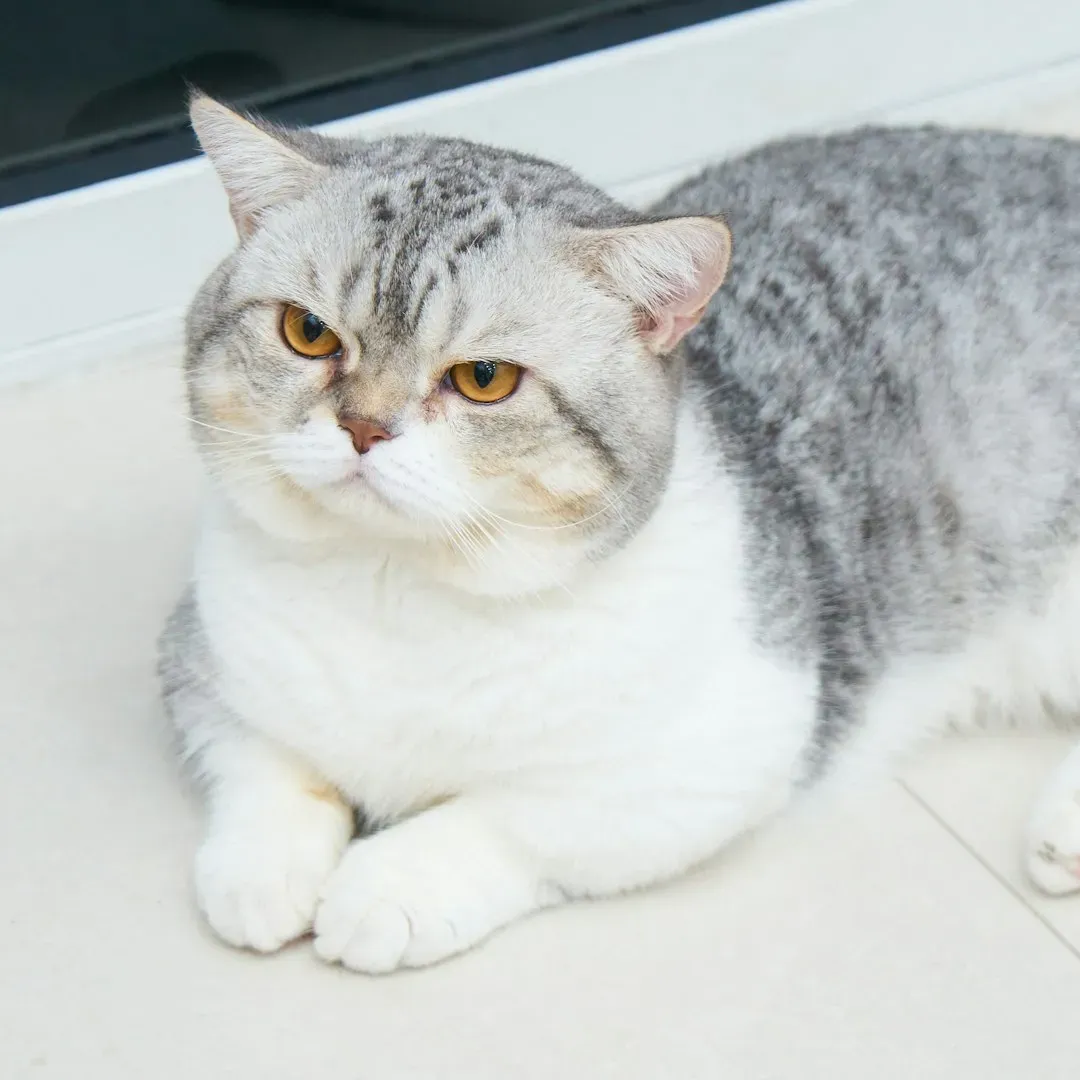
Many have fallen in love with Scottish Folds due to their folded-over ears and smushed faces, but more than a few of those have later regretted it. The biggest downfall of these cats is that they tend to bond with only one or two people, showing extreme preference toward these people and avoiding others. They are unsuitable for homes with other pets and have a low tolerance for the shenanigans of high-energy housemates.
Scottish Folds are adorable with their folded ears, but they are prone to genetic health issues, particularly joint and cartilage problems. Owning one may lead to expensive vet bills and extra care needs, making them a difficult choice for someone without prior experience with cats. The combination of a one-person loyalty system and underlying health vulnerabilities makes this breed a genuinely tricky choice for someone just starting out.
#7. Himalayan
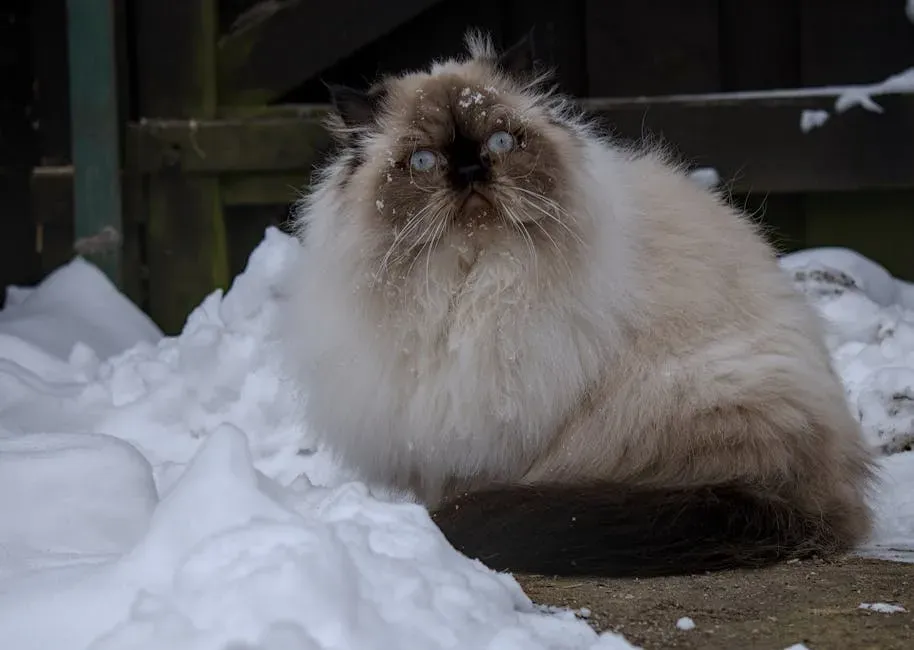
The Himalayan is a devoted, loving cat that can be suitable for many homes, especially those where someone is home most of the day. They are quiet cats that enjoy the companionship of their people. The issue with Himalayans that most first-time cat owners are not prepared for is the high level of grooming maintenance required by the breed. That flowing coat is stunning in photos, but it comes with daily responsibilities that can’t be skipped.
This popular pet requires daily grooming as the short, dense undercoat and long, luscious top coat can easily mat. They are heavy shedders, too. A brachycephalic breed, Himalayans can be prone to breathing difficulties that need careful management, as well as misaligned teeth and eye conditions. Himalayans have similar needs as Persians, with daily brushing being necessary and routine cleaning of the face and eyes due to their flat faces. It’s essentially a Persian with a Siamese personality layer, and that combination requires real experience to manage well.
#8. Devon Rex
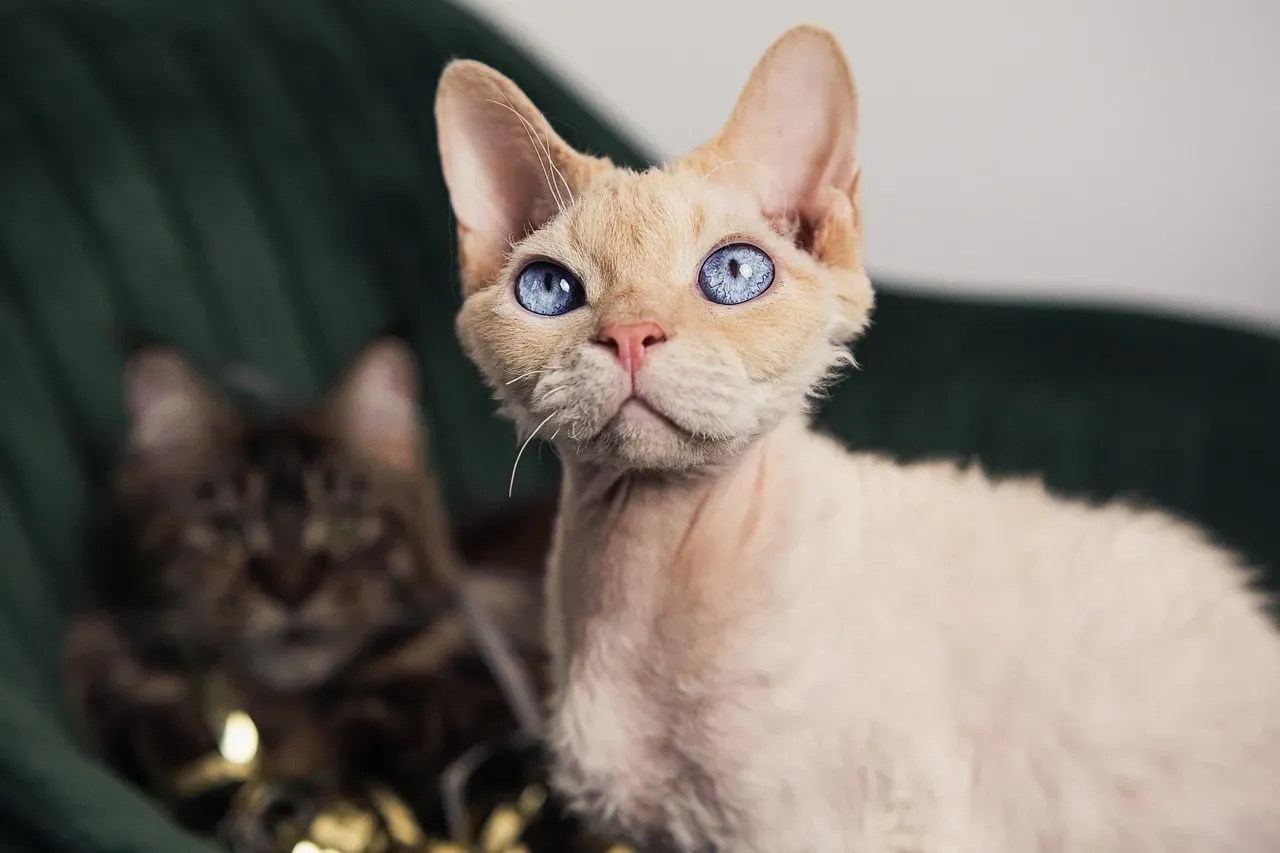
The Devon Rex is an incredibly energetic breed that requires lots of attention and stimulation; otherwise, unwanted behaviors can pop up. The Devon Rex is tremendously social and needs a lot of time and attention from their owners. If you work several hours outside of the home, you will need to consider bringing another cat into the household. Leaving a Devon Rex to its own devices for long stretches is a gamble most first-timers don’t expect to lose.
They require quite a bit of playtime every day and may become mischievous and rambunctious when bored. The Devon Rex is one of the strongest willed cats around. These kitties are known for begging for food off your dinner plate and meowing at you as though you’ve neglected their appetites completely. Devons will try to wear you down with their big, pleading eyes and intensely devoted dispositions. Charming and funny, yes. Easy to manage as a first cat, not particularly.
#9. Korat
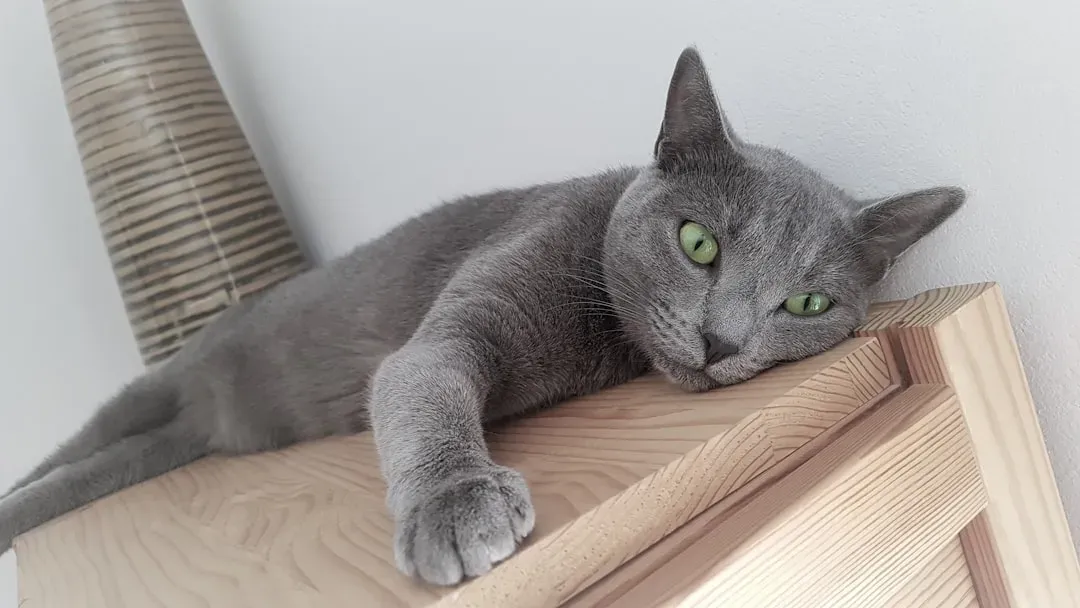
The Korat cats are renowned for their stunning blue coat with silver tips and are recognized for their intelligence. On average, a Korat weighs up to 10 pounds and measures between 15 and 18 inches in length. While Korats are relatively rare and cherished for their striking color and bright green eyes, they shouldn’t be selected as a pet based solely on appearance. Not all owners are prepared for this breed’s needs.
Korats thrive in peaceful environments and will demand tranquility, potentially reacting aggressively if they don’t get it. Because of this, they may be a better match for single owners who prefer solitude. However, bringing a Korat into a home with children might lead to challenges. The Korat breed is also known to suffer from gangliosidosis, an inherited enzyme deficiency that affects the nervous system causing paralysis. That’s a level of health vigilance most beginners aren’t immediately prepared for.
#10. Singapura
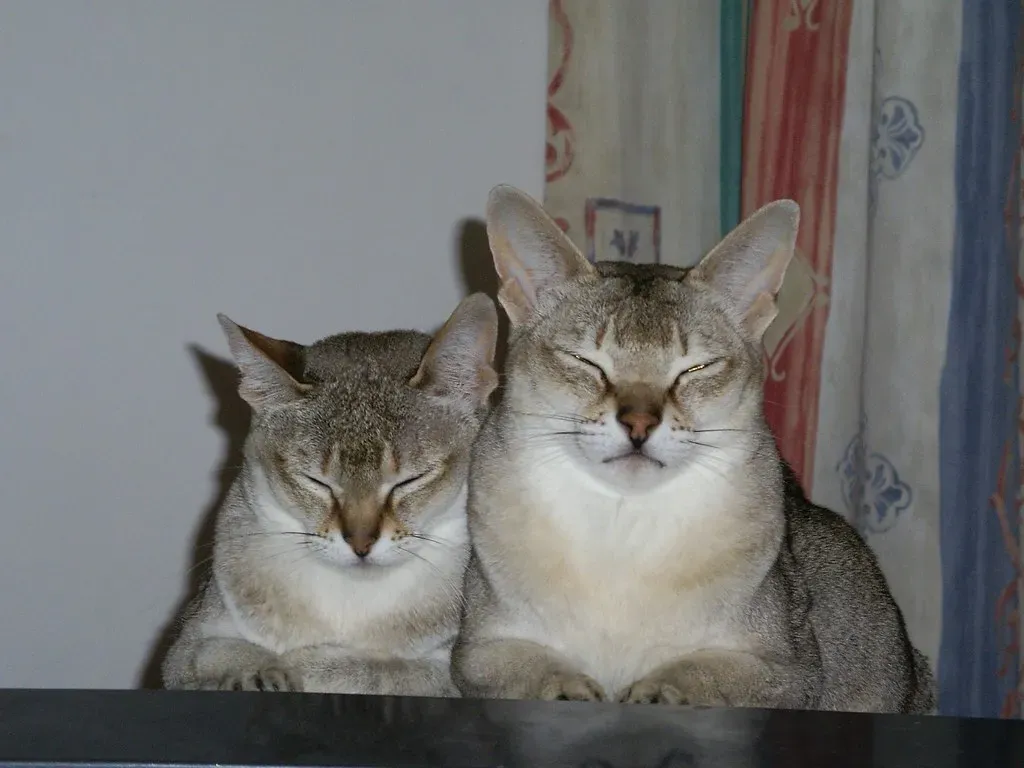
With their unique, almost alien-like look, Singapuras can be tempting to adopt. However, they’re known for their strong will and skittish nature, and surprising them can result in a quick flash of claws and teeth. They also have a tendency to hide if not properly socialized, so you could find yourself owning a cat that you never actually see; the only way you’ll know that they’re still alive is because their food disappears regularly.
Interacting with people and other pets is their favorite activity. Known for being one of the smallest cat breeds, Singapuras have enough energy to fill a cat three times their size. They learn quickly and never give up. That relentless energy, paired with a skittish streak, means socialization and patience are non-negotiable. Without them, the Singapura becomes a ghost in your home rather than the lively companion they were meant to be.
The Right Match Makes All the Difference
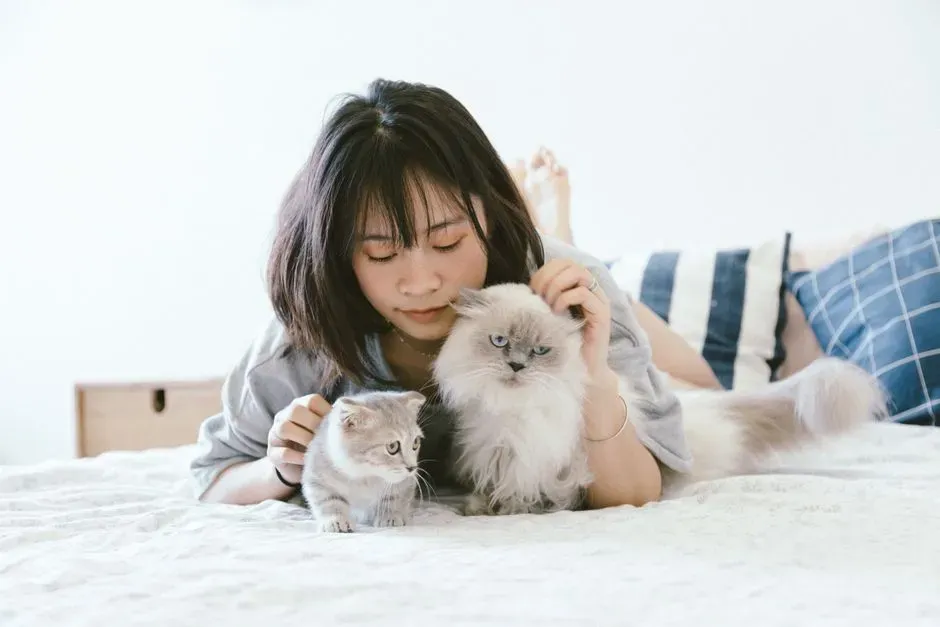
Choosing the right cat involves more than simply choosing one that you find aesthetically interesting. Some cats have substantial grooming or exercise requirements, which can lead to issues when their needs are not met. If you choose a high-energy breed that requires lots of playtime every day, but you work 12 hours a day, your cat is likely to end up bored and unhappy.
None of the breeds on this list are bad cats. They’re complex, demanding, and often deeply rewarding, but they tend to be best appreciated by people who already understand what cats actually need. Not all breeds are as easy to own as others, and if you’ve never owned a cat before, it is probably in your best interests to avoid any of the breeds on this list. They are all good cats, but each has traits that can be overwhelming to inexperienced owners.
Starting your cat ownership journey with a breed that matches your lifestyle, patience level, and available time sets everyone up for a better outcome, the cat included. The bond you build with the right companion will always outlast the novelty of the most beautiful breed in the room.
