
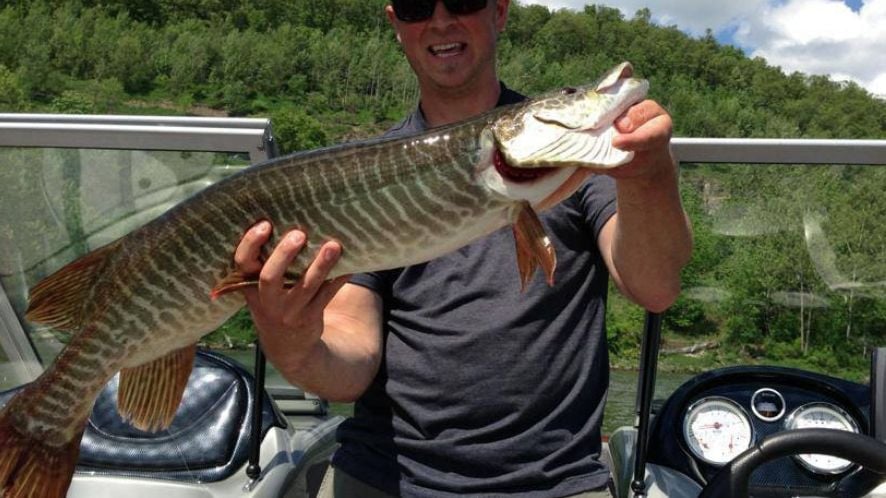
Most people picture oceans when they think of incredible wildlife encounters. Yet some of the most fascinating creatures on the planet are quietly living in the freshwater lakes scattered across the United States. From ancient giants that predate dinosaurs to tiny jellyfish drifting through Midwestern waters, American freshwater lakes hold far more biological wonder than most people ever realize.
Below the glimmering surface and along the shore of the Great Lakes alone, over 3,500 plant and animal species make their home. Multiply that across thousands of lakes in every corner of the country, and you begin to appreciate just how alive these waters truly are.
1. Lake Sturgeon: A Living Fossil
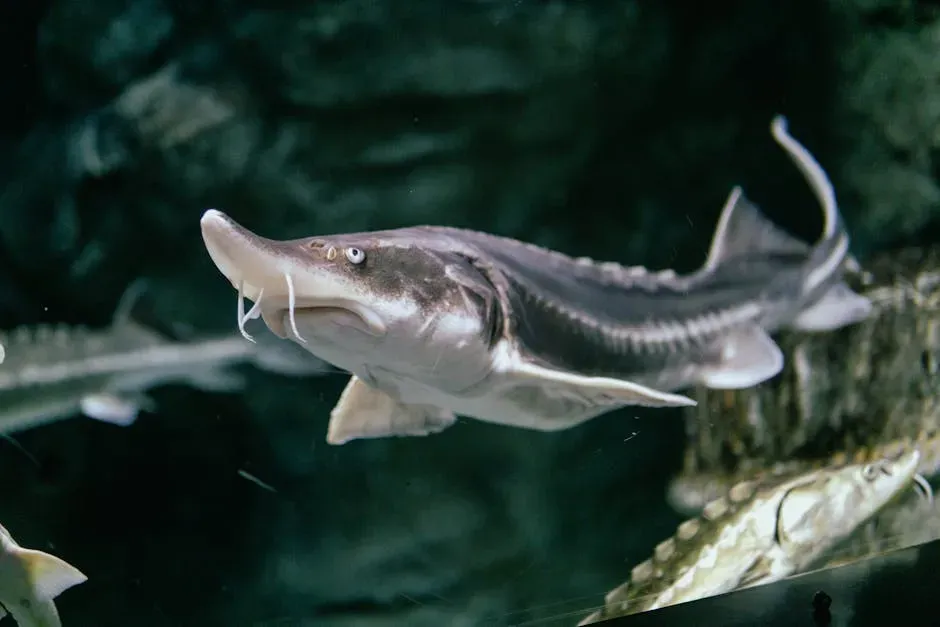
The lake sturgeon is one of those creatures that makes you stop and rethink time. These fish can grow over seven feet long and weigh up to 240 pounds, with males living up to 55 years and females reaching between 80 and 150 years. That means there are individual sturgeons swimming in US lakes today that were alive during the Civil War era.
Four barbels spring from the sturgeon’s snout, helping it detect insects, crustaceans, and small clams along the lake bottom, and it contributes to a balanced ecosystem by keeping invasive species populations at bay.
Once almost eradicated from North America, the lake sturgeon is now seeing a resurgence across its home waters, with Wisconsin, Minnesota, Michigan, and Canada offering the best opportunities to encounter one. It’s a genuine conservation success story, though the work is far from finished.
2. Alligator Snapping Turtle: The Ambush Master
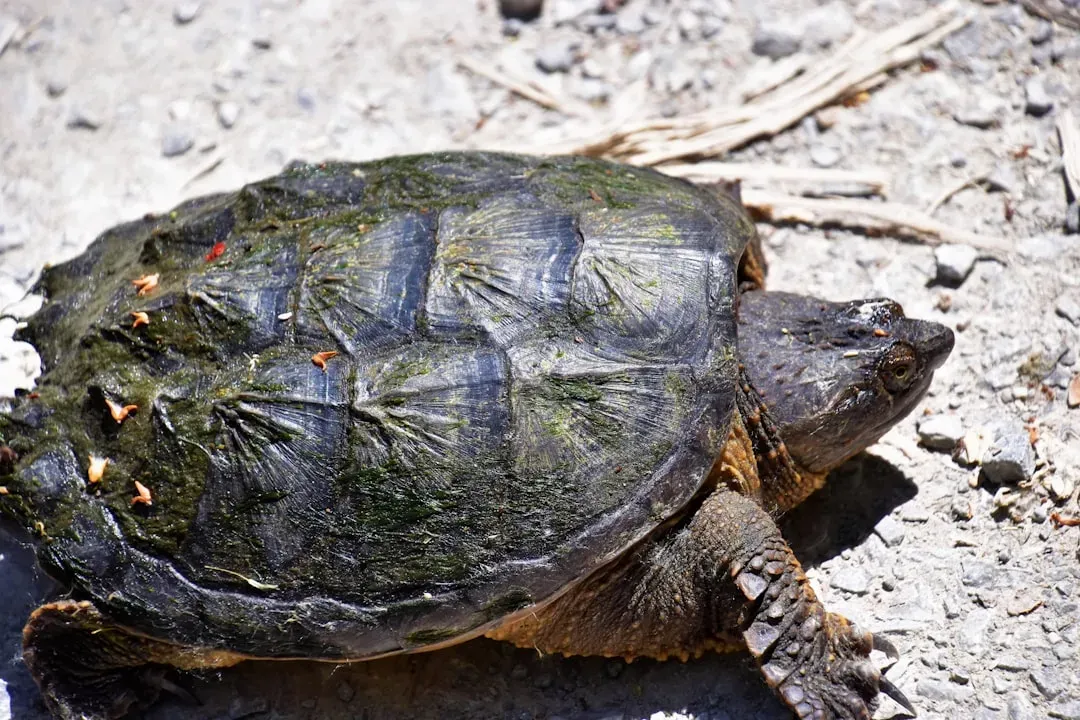
The alligator snapping turtle is one of the largest freshwater turtles in North America, found primarily in the rivers and lakes of the southeastern United States, with a rugged, heavily armored shell that can weigh over 200 pounds. Nothing about this animal is subtle.
Its powerful snapping jaw easily traps prey, and to lure in an unsuspecting animal, the turtle opens its mouth and uses its worm-like tongue to trick fish into swimming inside, resulting in a quick meal and a balanced fish population.
These turtles have a slow growth rate and can live for over 50 years, but they face real threats from habitat loss and overharvesting, leading to ongoing conservation efforts aimed at protecting their populations. In Illinois, hunting has already pushed them to endangered status.
3. Common Loon: The Haunting Diver
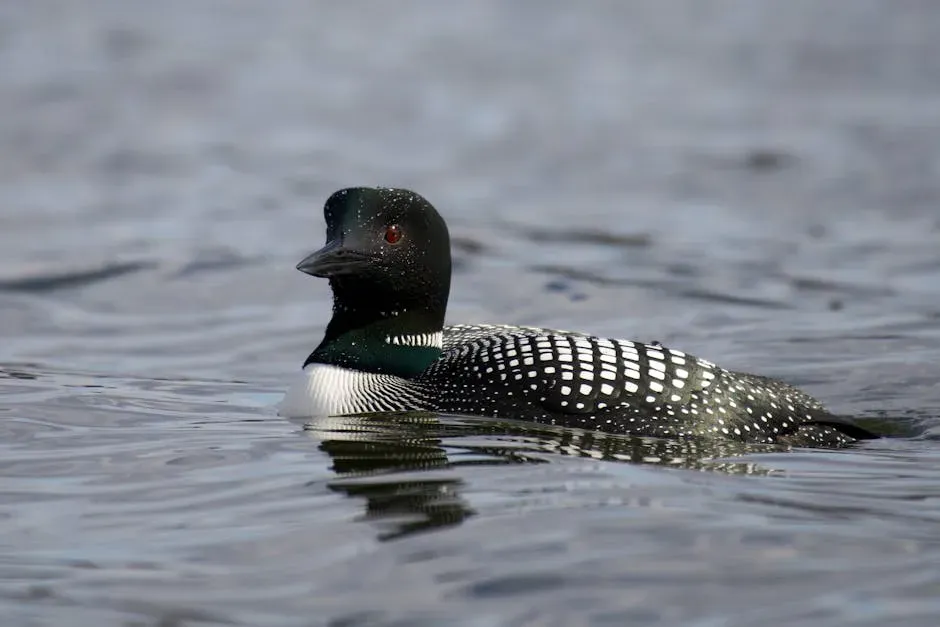
The common loon is a striking bird known for its haunting calls and exceptional diving abilities, found in northern lakes across North America during summer months, easily recognizable by its black-and-white plumage and red eyes, which enhance its sharp vision underwater.
It can dive up to 200 feet and hold its breath for several minutes while searching for food, and during breeding season, loons are territorial, using their distinctive calls to communicate and ward off intruders. Few sounds in nature are quite as memorable as a loon calling across a still northern lake at dusk.
As summer wanes, loons migrate to coastal waters for the winter, showcasing their adaptability and connection to both freshwater and marine environments. They are genuinely dual-world animals, equally at home in a quiet Minnesota lake or along the Atlantic coast.
4. North American River Otter: The Playful Hunter
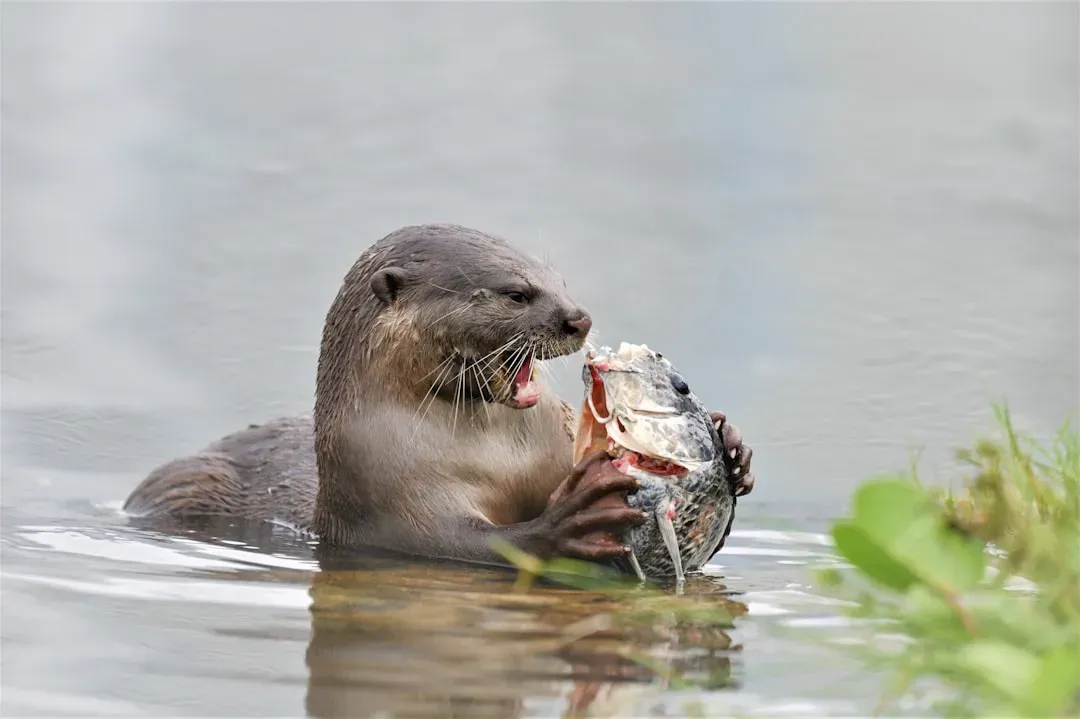
Although the word “river” is in its name, river otters also live in lakes, and you can actually find them in most waterways in North America. They’re far more widely distributed than most people assume.
Their sleek bodies make it easy to swim through the water, their strong tails and webbed toes propel them efficiently, they have two layers of fur with guard hairs that help repel water, and their ears and noses close while underwater while a third eyelid helps them see and navigate. The engineering of this animal is quietly impressive.
Despite their adorable appearance, river otters are great hunters, consuming fish, reptiles, crustaceans, birds, and insects, and although rare, they also consume small mammals like muskrats and eastern cottontails. Cute, certainly. Ruthless when hungry, absolutely.
5. Mudpuppy: The Eternal Larva
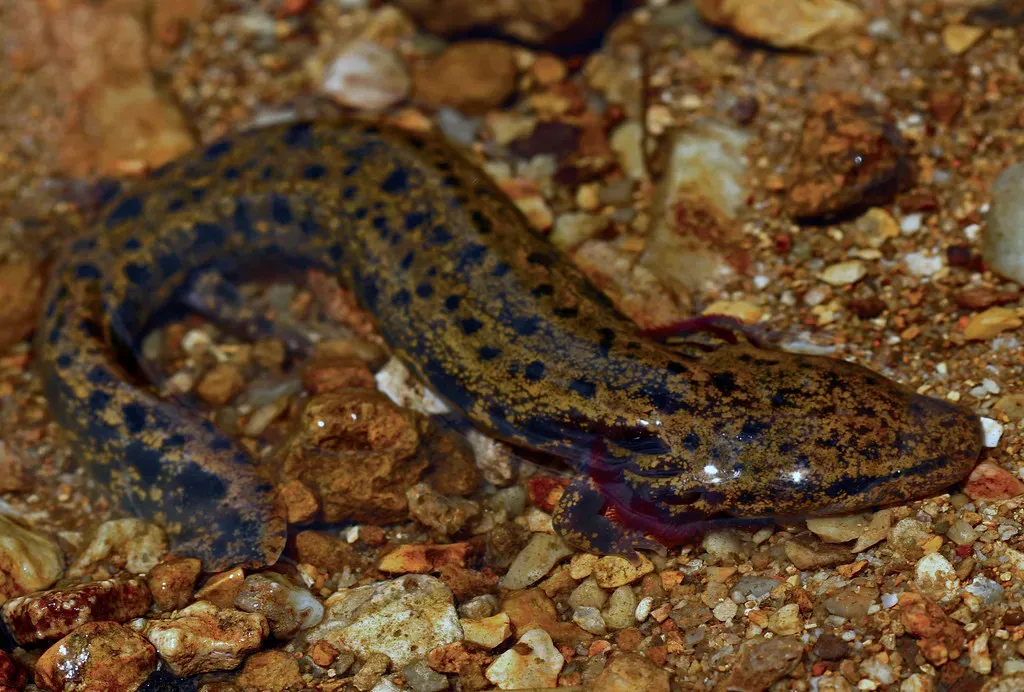
Mudpuppies are completely aquatic salamanders that never undergo metamorphosis, retaining their external, feathery red gills throughout their lives, and growing up to 16 inches long, these nocturnal amphibians inhabit lakes across eastern North America, particularly in the Great Lakes region.
Their name comes from the squeaking sound they sometimes make when removed from water, which early settlers thought resembled a dog’s bark, and mudpuppies prefer cool waters, becoming most active during winter, even swimming under ice when many other lake creatures are dormant. Winter activity under a frozen lake is not what most people picture from an amphibian.
They have four stubby legs, a flattened tail for swimming, and can live up to 30 years, feeding as opportunistic predators on crayfish, insect larvae, small fish, and even other amphibians, and despite persistent myths, mudpuppies are completely harmless to humans and fish populations.
6. American Eel: The Extraordinary Traveler
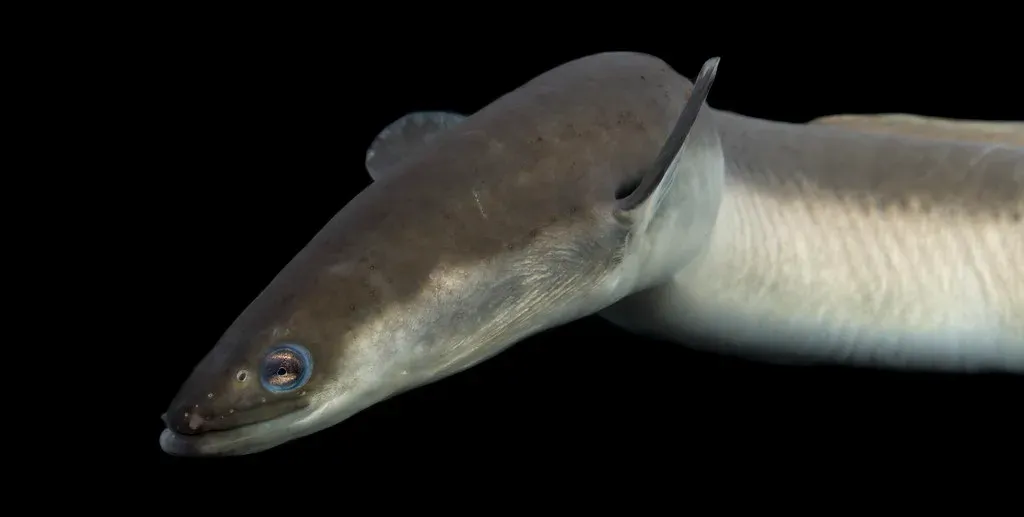
The American eel has one of the most remarkable life cycles of any creature in US lakes. Unlike salmon that are born in freshwater and migrate to the ocean, eels do the opposite: all American eels are born in the Sargasso Sea, a region of the North Atlantic.
After hatching, the transparent leaf-shaped larvae drift with ocean currents for up to a year before transforming into “glass eels” as they approach North American shores, then migrate upstream into lakes and rivers where they spend 5 to 20 years maturing, before eventually making the incredible journey back to the Sargasso Sea to spawn and die.
These snake-like fish can absorb oxygen through their skin and can even travel short distances over land when damp, and they can be found in lakes from Maine to Florida and throughout the Mississippi River basin. The full arc of this animal’s life is genuinely one of nature’s more astonishing journeys.
7. Freshwater Jellyfish: The Surprise of Still Waters
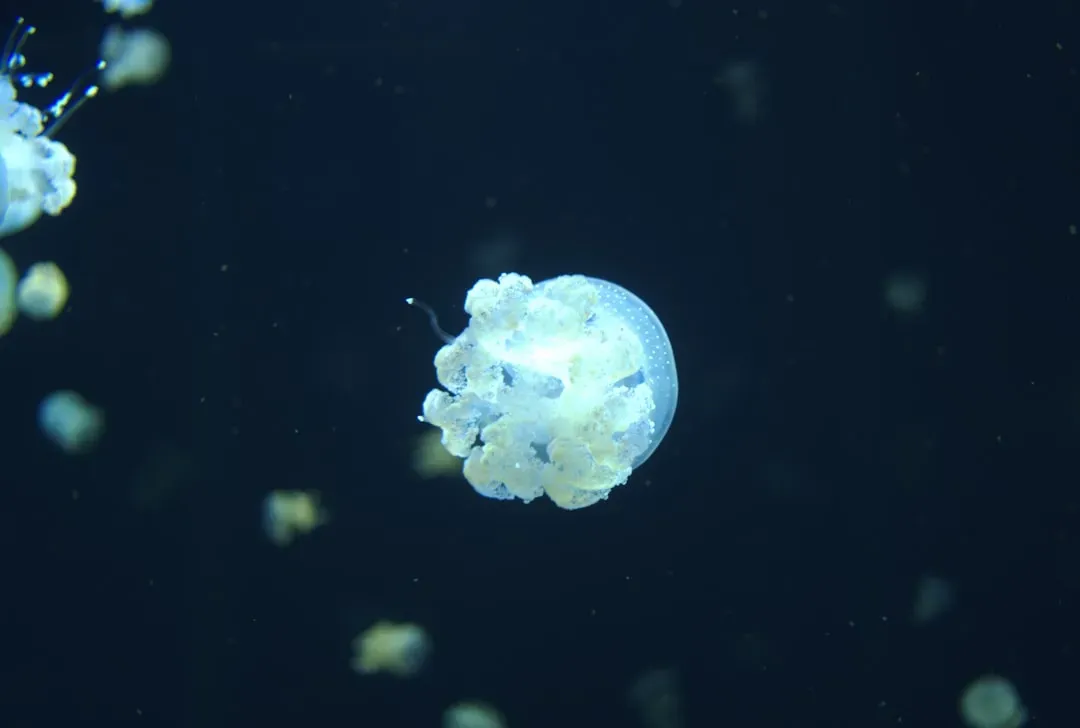
Most people would be shocked to learn jellyfish exist in landlocked lakes, far from any ocean. Freshwater jellyfish, scientifically known as Craspedacusta sowerbii, have been documented in lakes across at least 44 US states, and these translucent, coin-sized invertebrates are native to China’s Yangtze River basin but have spread globally, likely through the aquarium trade or on aquatic plants.
Unlike their marine relatives, their sting is completely harmless to humans, and these jellyfish alternate between a sessile polyp stage attached to surfaces and a free-swimming medusa stage that appears during warm summer months.
Most lake visitors never spot them due to their small size and transparent bodies, despite populations occasionally blooming into the thousands. There may be thousands floating just below the surface of a lake you’ve swum in, and you’d never know.
8. Painted Turtle: The Coast-to-Coast Basker
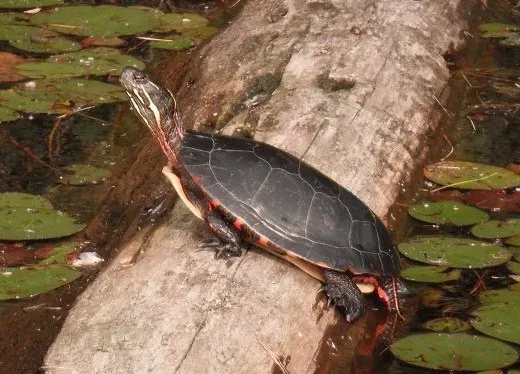
The painted turtle is a vibrant and adaptable species commonly found in ponds, lakes, and slow-moving rivers across North America, named for its striking markings, with a smooth dark shell adorned with colorful stripes and patterns that vary by region.
Painted turtles are unique because they are the only turtles found from the Atlantic to the Pacific. That kind of range is genuinely rare among freshwater reptiles. They are excellent baskers, often seen sunning themselves on logs or rocks to regulate body temperature, and are primarily herbivorous, feeding on aquatic plants, algae, and some insects.
They breed from March to mid-June, and the temperature of the nest actually determines the sex of the hatchlings: cooler temperatures result in more males, and warmer temperatures produce more females. It’s one of the quieter biological quirks you’ll find in a lakeside habitat.
9. Freshwater Mussels: Silent Water Keepers
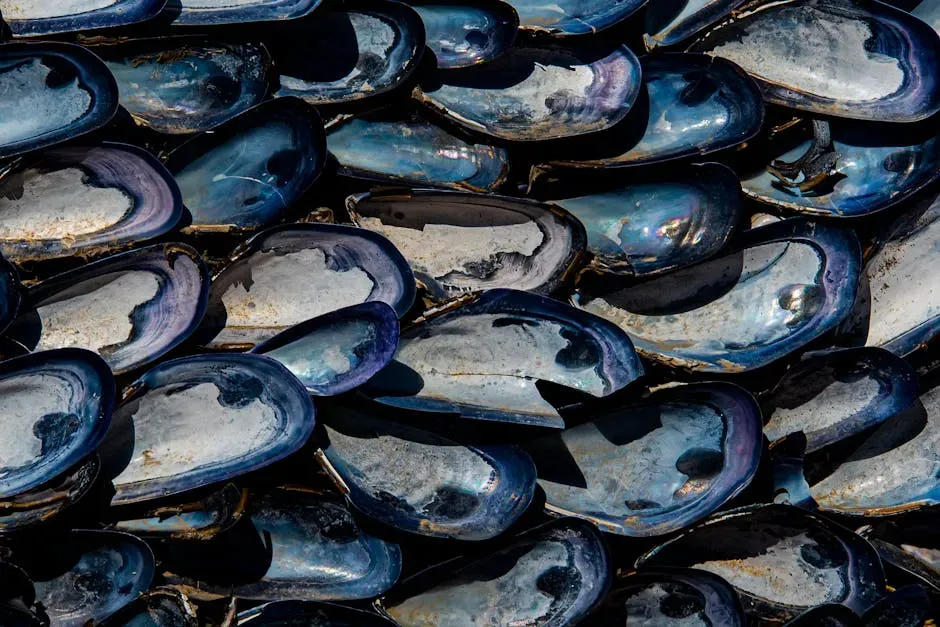
Freshwater mussels are fascinating mollusks that play a crucial role in aquatic ecosystems across North America, found in rivers, lakes, and ponds, where they filter water through their siphons and extract tiny particles of food such as plankton and organic matter, helping to maintain water quality.
Many species of freshwater mussels have complex life cycles, requiring specific host fish to reproduce. This tight dependency makes them surprisingly vulnerable when fish populations shift. Unfortunately, many populations are threatened due to habitat loss, pollution, and invasive species, but their presence remains a sign of a healthy environment, as they contribute to biodiversity and the overall balance of aquatic life.
10. American Beaver: The Lake Builder
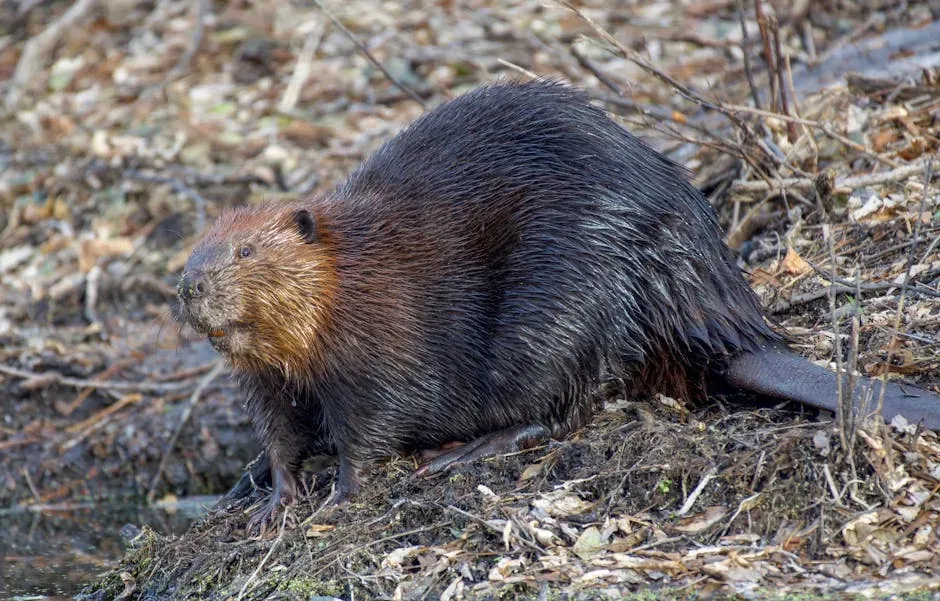
Beavers don’t just live in lakes; they also build them. These large, semi-aquatic rodents are known for their dam-building behavior and are excellent swimmers, found in a variety of freshwater habitats including rivers, streams, ponds, and lakes.
The American beaver is a remarkable builder and one of North America’s most skilled engineers, using its strong, sharp teeth to cut down trees to construct dams and lodges. The ecosystems they create behind their dams often support dozens of other species that would otherwise have no suitable habitat.
These large animals are the second-largest rodents in the world, and some can weigh up to 110 pounds. For an animal that largely works in silence and out of sight, the environmental footprint of a beaver is enormous.
11. Muskellunge: The Fish of Ten Thousand Casts
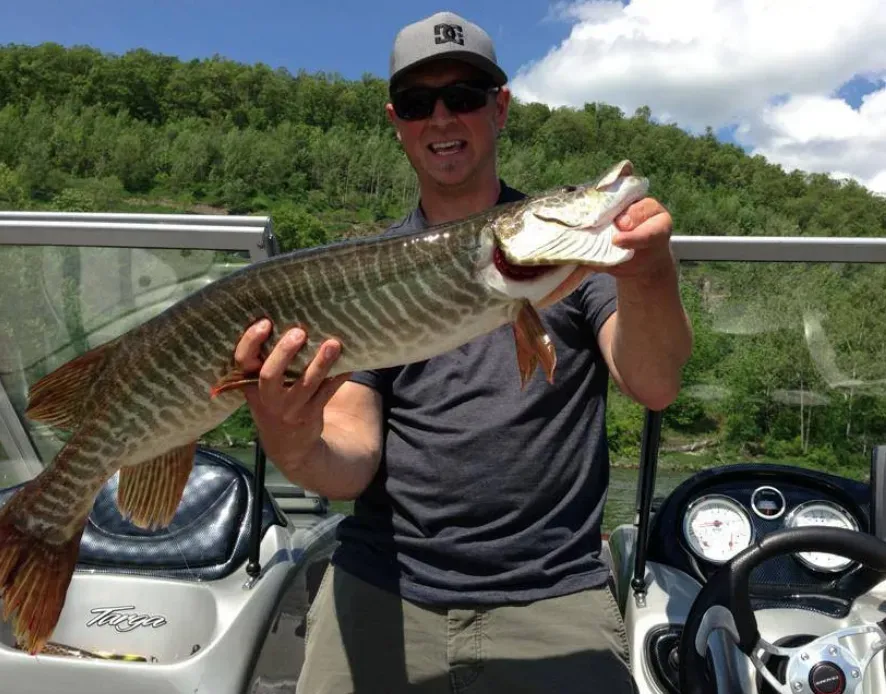
The Muskellunge, commonly known as a Muskie, is a large, predatory freshwater fish found in lakes and rivers in North America, and anglers prize it for its size and the challenge it presents when caught. Among serious freshwater fishers, landing a Muskie is something close to a rite of passage.
Muskies are known as the “fish of 10,000 casts” due to their difficulty in catching, making them a sought-after trophy fish, and they are ambush predators, often lying in wait near vegetation or structures before striking quickly at prey, with sharp teeth and powerful jaws that allow them to capture and hold onto slippery prey.
The Great Lakes and surrounding waters are home to muskellunge, lake whitefish, walleye, and trout, making the region one of the richest freshwater sport-fishing destinations on earth. The Muskie, though, tends to attract a particular kind of obsessive devotion that few other freshwater fish can match.
Conclusion: What Lives Beneath Matters
American freshwater lakes are easy to take for granted. They sit at the edges of towns, trail maps, and summer memories, looking peaceful and uncomplicated from the surface. The reality below is something else entirely.
North America’s lakes are clearly more than scenic landscapes; they are complex ecosystems that sustain extraordinary biodiversity, from massive inland seas like Lake Superior to highly unique environments such as Crater Lake, each sustaining vital species and habitats both regionally and globally.
As threats like pollution, habitat loss, and invasive species continue to impact freshwater environments, understanding and appreciating these hidden lake dwellers becomes more important than ever. The animals on this list don’t ask for much. Clean water, stable habitat, and a little breathing room. Knowing they exist is a reasonable first step toward making sure they still do.
