
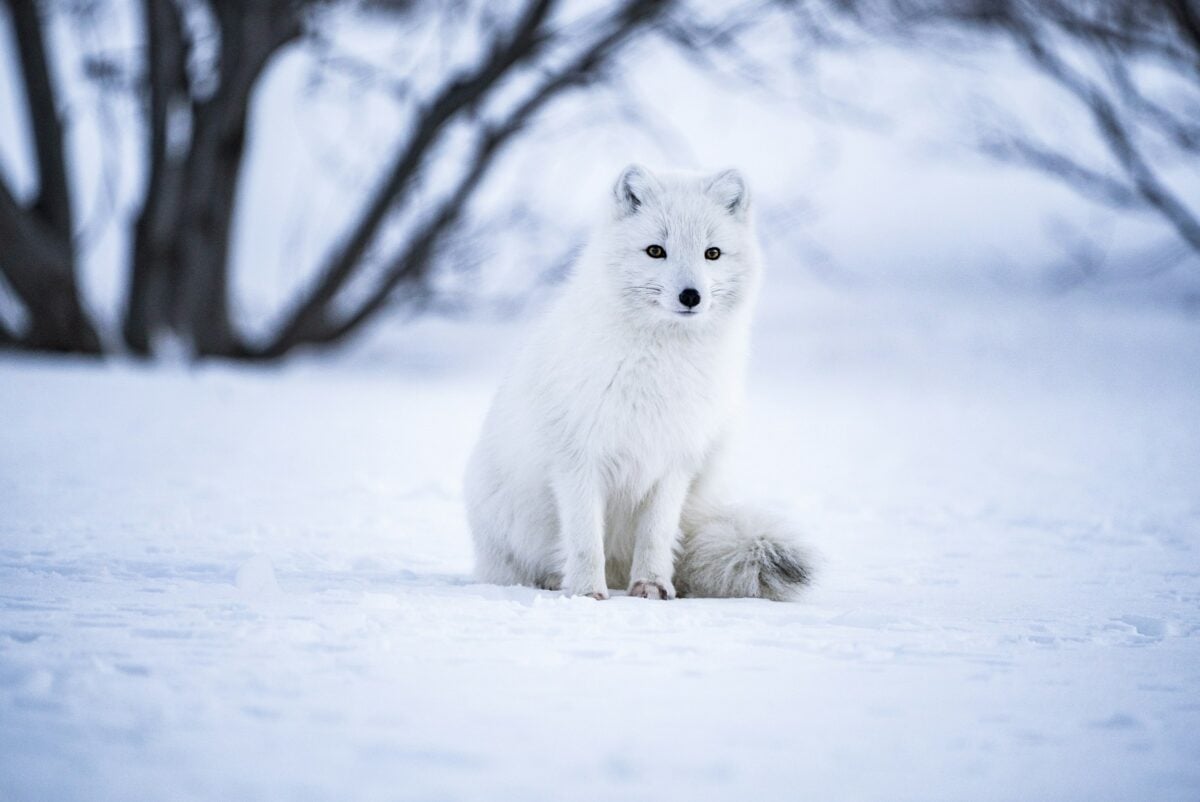
There’s a certain image that comes to mind when people think about arctic foxes in America: snowy trails cutting across the northern tier of the country, maybe a sighting near the Canadian border in Montana or Minnesota. It’s a tidy mental picture. It’s also almost entirely wrong.
The real story of where these small, thick furred canines actually live in the United States is narrower and, honestly, a lot more interesting than the assumption suggests. Before getting into the specific places worth knowing about, it helps to understand just how concentrated this animal’s American range truly is, and why that concentration tells you something about both the species and the land it depends on.
Alaska: America’s only wild arctic fox state

Here’s the fact that resets the whole conversation. Wild arctic foxes in the United States exist in exactly one state, and that state is Alaska. The arctic fox is found in treeless coastal areas of Alaska from the Aleutian Islands north to Point Barrow and east to the Canada border. There is no established, self sustaining wild population anywhere else in the country.
This isn’t a case of the species being rare and scattered thin across many states. It’s a case of geography and climate drawing a hard line around one place. The Arctic fox has a circumpolar distribution and occurs in Arctic tundra habitats in northern Europe, northern Asia, and North America, with its range including Iceland, Fennoscandia, Svalbard, and other islands in the Barents Sea, northern Russia, islands in the Bering Sea, Greenland, Alaska, and Canada as far south as Hudson Bay. Of all those places, Alaska is the only piece of that map that carries a US state name, which means the real question isn’t which seven states host arctic foxes but which seven regions of Alaska matter most for them.
The Arctic coastal plain and the North Slope
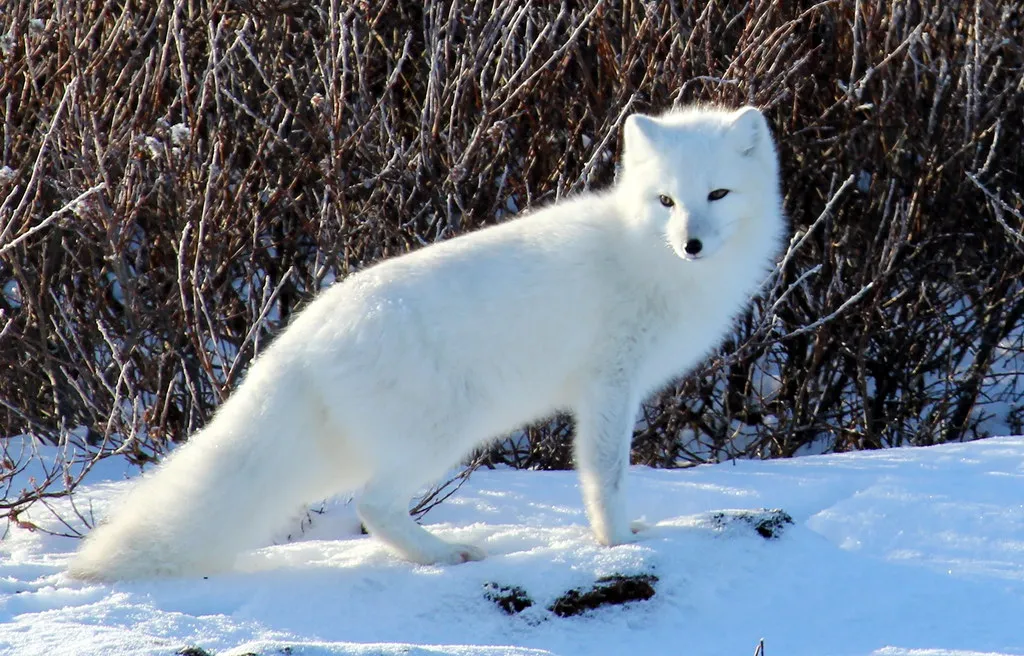
If Alaska is the country’s arctic fox headquarters, the North Slope is the main office. This is the treeless tundra stretching from Point Barrow eastward toward the Canadian border, and it’s where the species shows up most consistently across generations. They prefer tundra habitat, usually near rocky shores, and have been observed ranging far out onto pack ice in winter. Denning here follows a predictable pattern shaped by the ground itself.
Arctic fox pups are born in dens excavated by the adults in sandy, well drained soils of low mounds and river cutbanks, extending six to twelve feet underground. Many of these den sites aren’t new discoveries by the current occupants. Families have used the same burrows for generations, passing down real estate that took considerable digging to establish in permafrost adjacent ground, which says something about how limited good denning terrain actually is up there.
The Yukon Kuskokwim Delta
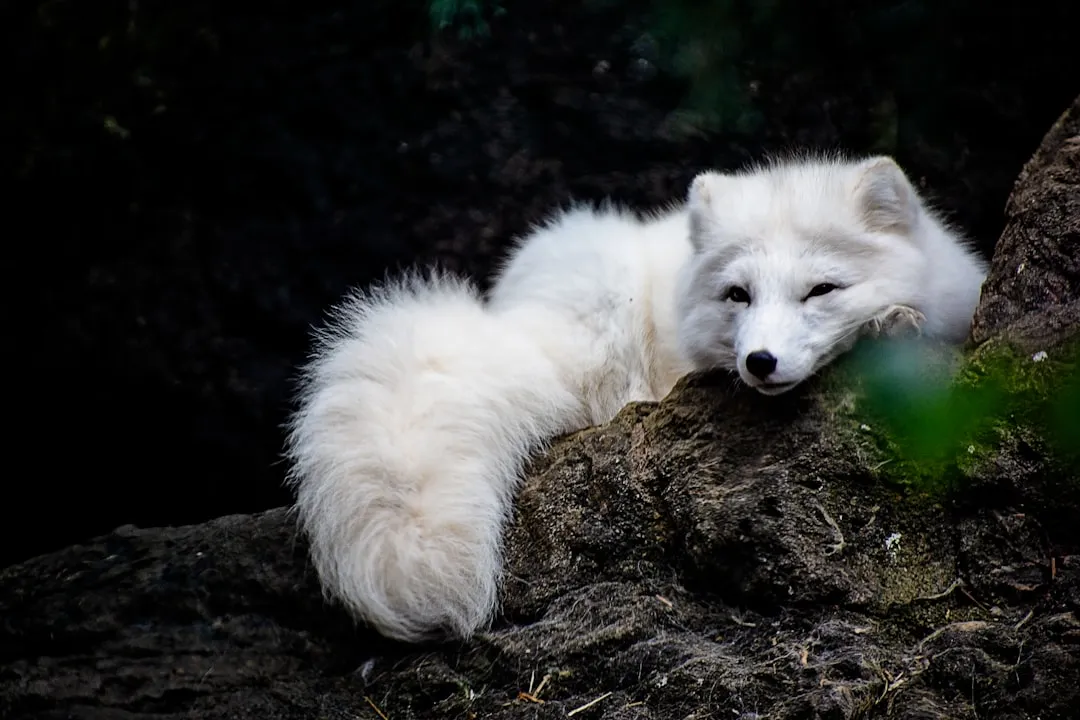
Move south and west along the coast and you reach one of the most studied arctic fox populations in the state, largely thanks to a multi year research effort in the 1980s. During the period from 1985 to 1990, radio collars were attached to 61 arctic foxes in the coastal region of the Yukon Kuskokwim Delta in western Alaska, with radio tracking conducted to determine daily and seasonal movements of foxes. What researchers found reshaped some assumptions about how these animals actually use their territory.
Intensive radio tracking indicated that males used larger areas than females, regardless of breeding status. The delta also turned out to be a place where human activity, not predation or disease, was the leading cause of mortality among tracked animals. Of twenty four confirmed deaths of collared foxes, sixteen were caused by shooting or trapping by local residents, and eight had unidentified causes. It’s a reminder that in this particular corner of Alaska, the fox’s biggest challenge often walks on two legs.
St. Paul Island
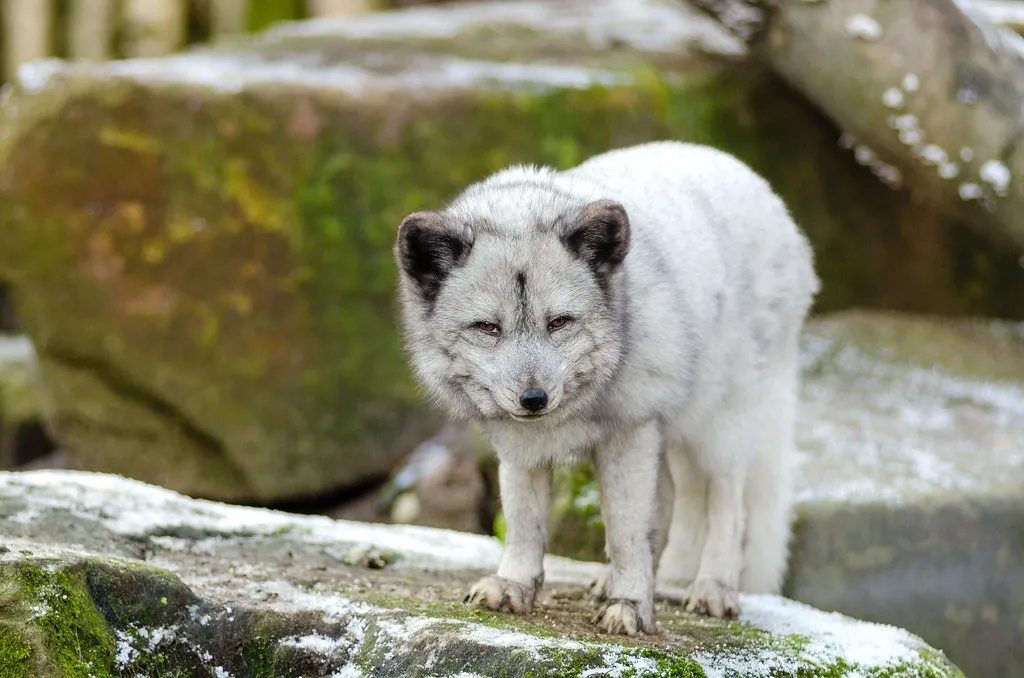
Out in the Bering Sea sits St. Paul, part of the Pribilof group, and it hosts one of the more precarious arctic fox stories in the country. This population is not thriving in the way the North Slope’s is. Exceptions are Fennoscandia and islands in the Bering Sea, including the Pribilof Islands such as St. Paul, where populations are at critically low levels and appear to be declining further. The reasons aren’t simple, and part of the problem is cultural as much as biological.
Misinformation as to the origin of Arctic foxes on the Pribilofs continues to foster negative attitudes, and the long term persistence of this endemic subspecies is in jeopardy. That last detail matters. These aren’t generic transplants; they’re a distinct, locally evolved lineage, and the fact that many residents may not realize that has real consequences for how the population is treated and protected going forward.
St. George Island
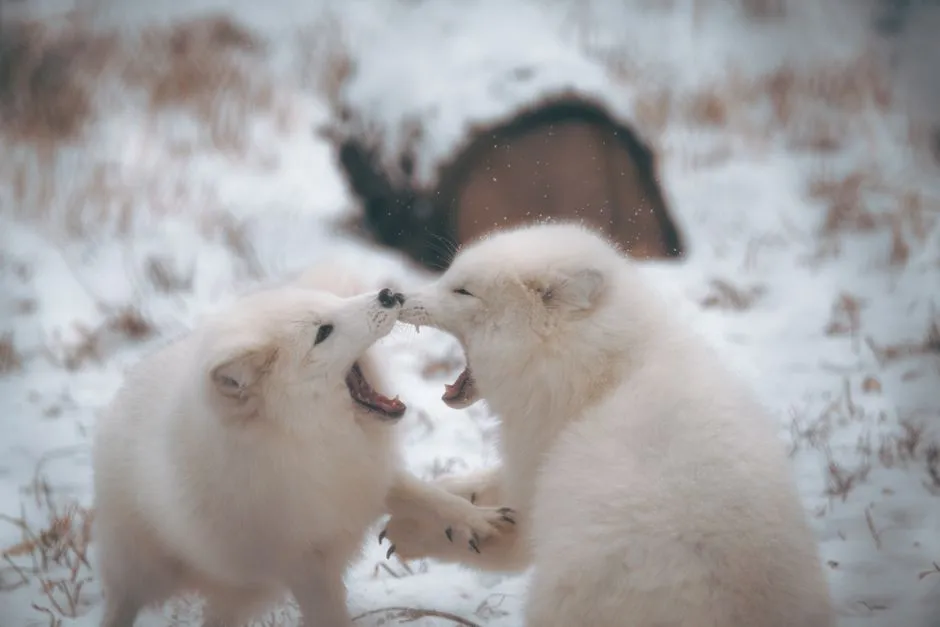
A short distance from St. Paul, St. George rounds out the Pribilof pairing, and it shares both the appeal and the vulnerability of its neighbor. Arctic foxes occur naturally on some islands off the coast of Alaska such as St. Paul and St. George in the Pribilofs, part of the now submerged Bering Land Bridge and far enough north to be surrounded by sea ice in winter. That geologic history explains why foxes reached these remote dots of land in the first place, long before any human introduced fur trade ever touched Alaska.
Foxes on St. George belong to the same distinctive subspecies found across the Pribilofs. Scientists classify this population as the Pribilof Island Fox, Vulpes lagopus ssp. pribilofensis. The blue color morph, prized historically for its fur, tends to show up more often here than in mainland populations, giving these island foxes a look that’s slightly different from their North Slope relatives even though they’re the same species.
St. Matthew and St. Lawrence Islands
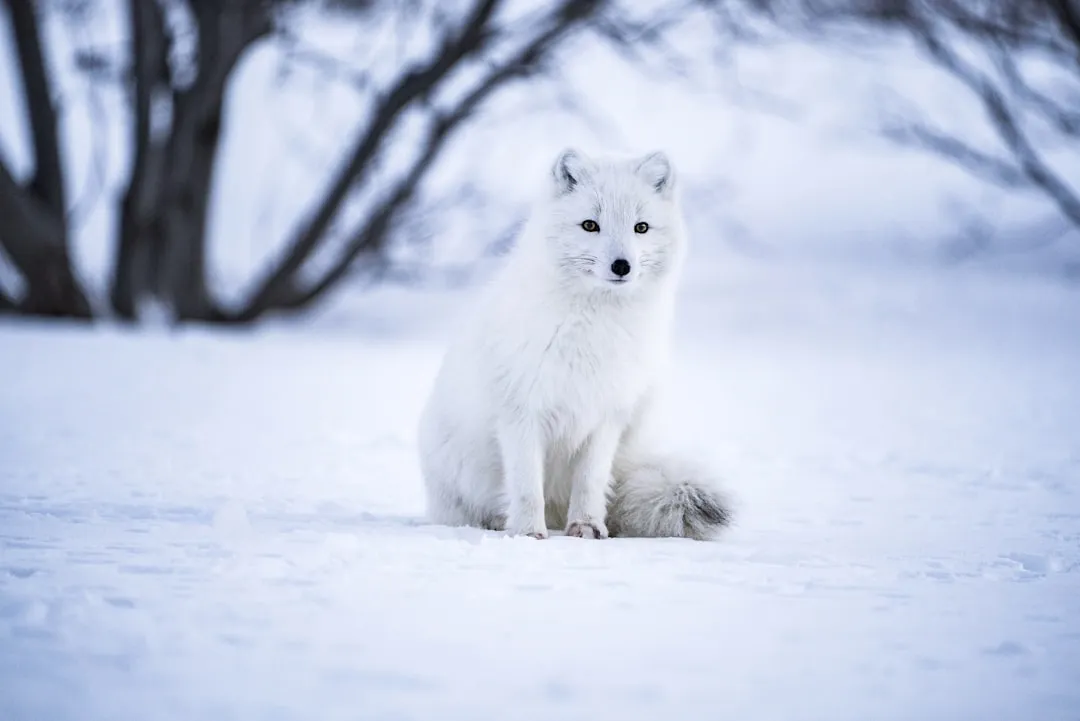
Farther north in the Bering Sea, closer to the Russian coastline than to mainland Alaska in some cases, sit St. Matthew and St. Lawrence Islands. These are among the few places where arctic foxes arrived naturally rather than through human introduction. Arctic foxes occur naturally on St. Matthew and St. Lawrence Island in the Bering Sea, land that was once part of the now submerged Bering Land Bridge and remains far enough north to be surrounded by sea ice in winter. That frozen bridge, gone for thousands of years, is essentially how the species got there in the first place.
Life on these islands revolves heavily around the seasonal rhythm of seabirds and the sea itself. On these islands, foxes feed on and cache native birds and eggs during the summer, which they use in addition to tidal life and debris during winter. It’s a lean, opportunistic existence, one built almost entirely around what the ocean and its nesting birds happen to provide each season.
The Aleutian Islands: an introduced population in retreat
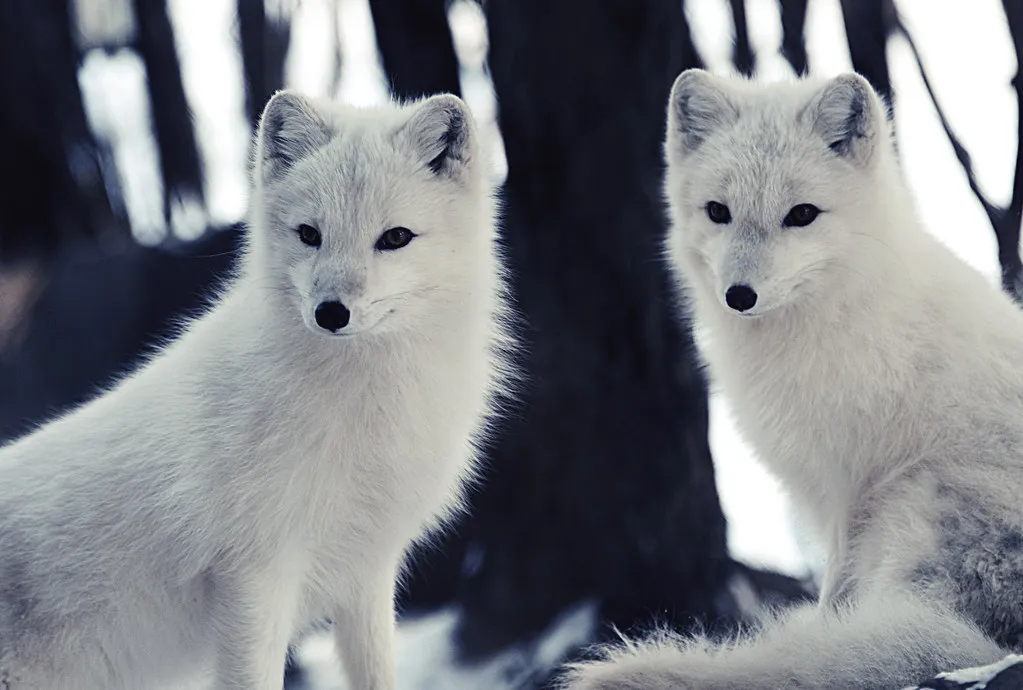
The Aleutian chain tells a very different story from the rest of the list, and it’s worth understanding why. Unlike the Pribilofs or St. Matthew, arctic foxes were never native here. The first recorded introduction of foxes to the Aleutians occurred in 1750, when arctic foxes from the Commander Islands were released by the Russians on Attu. The motive was fur, not ecology, and the fox farming era that followed reshaped these islands for nearly two centuries.
That history is now being actively undone. As of 2017, more than 40 islands, totaling 1.4 million acres, were scrubbed fox free. Introduced in the late 19th century into the Aleutian Islands southwest of Alaska, this population is currently being eradicated in conservation efforts to preserve the local bird population. So while the Aleutians once held large numbers of arctic foxes, the trend line here points firmly downward, and that’s by deliberate design rather than accident.
Final thoughts
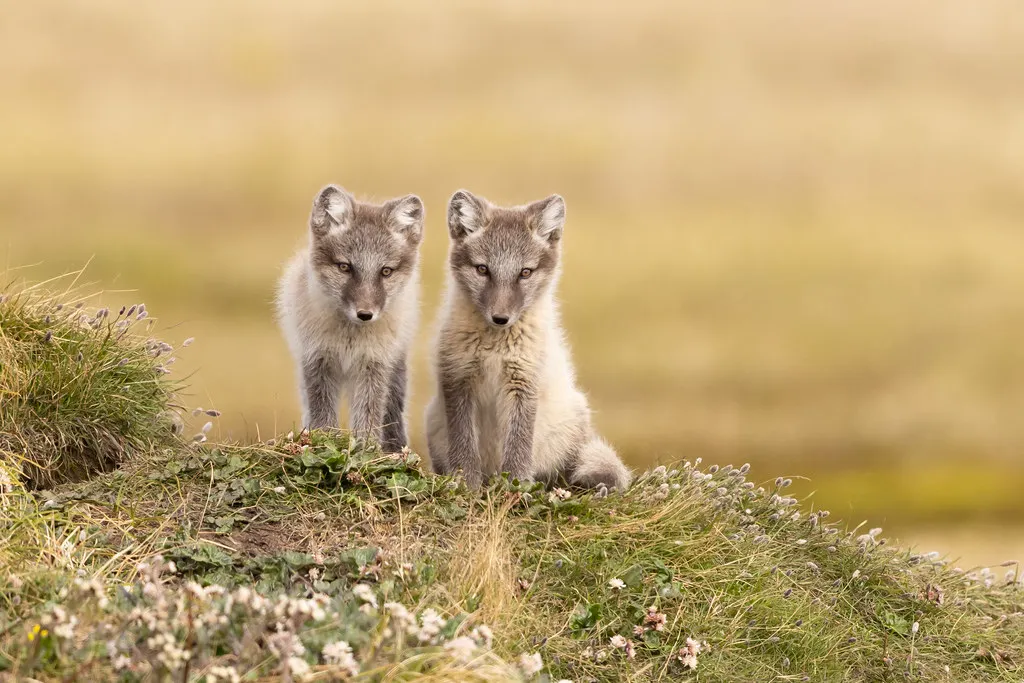
The tidy premise of seven different states each hosting notable arctic fox numbers simply doesn’t survive contact with the facts. Alaska stands alone as the only US state where these animals live wild, and honestly, that’s a more compelling story than a spread across seven states would have been. It shows how tightly this species is bound to a very specific kind of cold, treeless, often storm battered landscape that most of the country simply doesn’t have.
What strikes me most, looking at these seven Alaskan regions together, is the contrast between them. The North Slope population feels relatively secure, the Yukon Kuskokwim Delta fox faces mostly human pressure, the Pribilofs are quietly struggling, and the Aleutians are watching their fox population disappear on purpose for the sake of seabirds. That’s not a uniform picture of a thriving species spread evenly across a map. It’s a patchwork of very different fates, all happening within the borders of a single state, and that patchwork deserves more attention than a simple ranking of numbers ever could.
