


The world is a fascinating place, filled with creatures that have stood the test of time. These ancient beings are like living fossils, offering us a glimpse into a past that predates human existence. Imagine sharing the planet with giants and mysterious beings that have survived mass extinctions, climate changes, and the relentless march of evolution. They are nature’s time capsules, and their existence is a testament to the resilience of life. From the depths of the oceans to the dense forests, these creatures continue to roam the Earth, each with its own intriguing story. Let’s embark on a journey to discover these 11 ancient creatures that still walk among us.
Coelacanth The Living Fossil Fish

The coelacanth is often referred to as a “living fossil” because it was once thought to be extinct for over 65 million years. This intriguing fish was rediscovered off the coast of South Africa in 1938, much to the surprise of scientists. Coelacanths are large, lobe-finned fish that can grow up to six feet in length. They have unique limb-like fins, which suggest a link to the first land-dwelling creatures. These nocturnal hunters dwell in deep-sea caves, feeding on smaller fish and squid. Despite their ancient lineage, coelacanths have remained relatively unchanged, making them a remarkable window into the past.
Horseshoe Crab Nature’s Ancient Armor

Horseshoe crabs have been scuttling across the ocean floor for over 450 million years, long before the dinosaurs roamed the Earth. These hard-shelled creatures are not true crabs but are more closely related to spiders and scorpions. Their blue blood contains a unique substance used in medical research to detect bacterial endotoxins. Horseshoe crabs play a vital role in the ecosystem, providing food for migratory birds and other marine life. Their resilient design, with a helmet-like shell and spiked tail, has allowed them to survive for eons, illustrating nature’s ingenuity.
Tuataras The Reptilian Relic

Tuataras are unique reptiles found only in New Zealand, resembling lizards but belonging to an ancient lineage that dates back 200 million years. These creatures have a “third eye” on their forehead, a light-sensitive organ that helps regulate their circadian rhythms. Tuataras are slow-growing and can live for over a century, making them one of the longest-lived reptiles. They primarily feed on insects, but their diet can include birds and small mammals. With their spiny crests and prehistoric appearance, tuataras are living relics of a bygone era.
Sturgeon Ancient Giants of the Rivers

Sturgeons are large, bony fish that have existed for over 200 million years, often referred to as “living dinosaurs.” These bottom-dwelling giants inhabit freshwater rivers and coastal waters across the northern hemisphere. Some species can grow over 20 feet long and weigh up to 2,400 pounds. Sturgeons are known for their roe, which is processed into the delicacy known as caviar. Unfortunately, overfishing and habitat loss have threatened their populations. Despite these challenges, sturgeons continue to endure, a testament to their ancient lineage.
Alligator Gar The Armored Predator

The alligator gar is a formidable fish with a lineage stretching back over 100 million years. Native to the freshwater habitats of North America, these fish have a distinct torpedo-shaped body with thick, armored scales. Their elongated jaws, lined with sharp teeth, make them efficient predators. Alligator gars can grow up to 10 feet long and weigh over 300 pounds, preying on fish, birds, and small mammals. Despite their fearsome appearance, they are mostly passive towards humans. Their ancient traits and resilience have allowed them to thrive in varied environments.
Giant Freshwater Stingray The River Titan

The giant freshwater stingray is one of the largest freshwater fish in the world, with origins tracing back over 100 million years. Found in the rivers of Southeast Asia, these gentle giants can reach up to 16 feet in length, including their tail. They possess whip-like tails with venomous barbs, which they use for defense. Despite their size, giant freshwater stingrays are elusive and often remain hidden in muddy riverbeds. Their survival is threatened by habitat destruction and pollution, yet they continue to be a symbol of the mysterious depths of our rivers.
Komodo Dragon The Island Beast

The Komodo dragon is the largest living lizard, a fearsome predator native to the Indonesian islands. These dragons can grow over 10 feet long and weigh more than 150 pounds. Their sharp claws and serrated teeth make them formidable hunters, capable of taking down large prey such as deer and buffalo. Komodo dragons rely on their keen sense of smell to detect carrion from miles away. Despite their predatory prowess, they face threats from habitat loss and human encroachment. Their ancient lineage and survival instincts make them a fascinating subject of study.
Chinese Giant Salamander The Amphibian Anomaly

The Chinese giant salamander is the world’s largest amphibian, with a history dating back over 170 million years. These remarkable creatures can grow over 5 feet long and weigh up to 140 pounds. They inhabit the cool, fast-flowing streams and rivers of China, feeding on fish, insects, and crustaceans. Despite their size, they are elusive and primarily nocturnal. The Chinese giant salamander is critically endangered due to habitat loss and overexploitation for food and traditional medicine. Their ancient origins and unique biology make them a critical focus for conservation efforts.
Nautilus The Chambered Wonder

Nautiluses are marine cephalopods with a lineage that dates back over 500 million years. These remarkable creatures have coiled shells with multiple chambers, which they use to regulate buoyancy. Nautiluses inhabit the deep waters of the Indo-Pacific region, rising to shallower depths at night to feed. They have poor eyesight but rely on their sense of smell to locate prey. Despite their ancient origins, nautiluses face threats from overfishing and habitat destruction. Their unique adaptations and long evolutionary history make them a symbol of marine resilience.
Red Panda The Forest Enigma

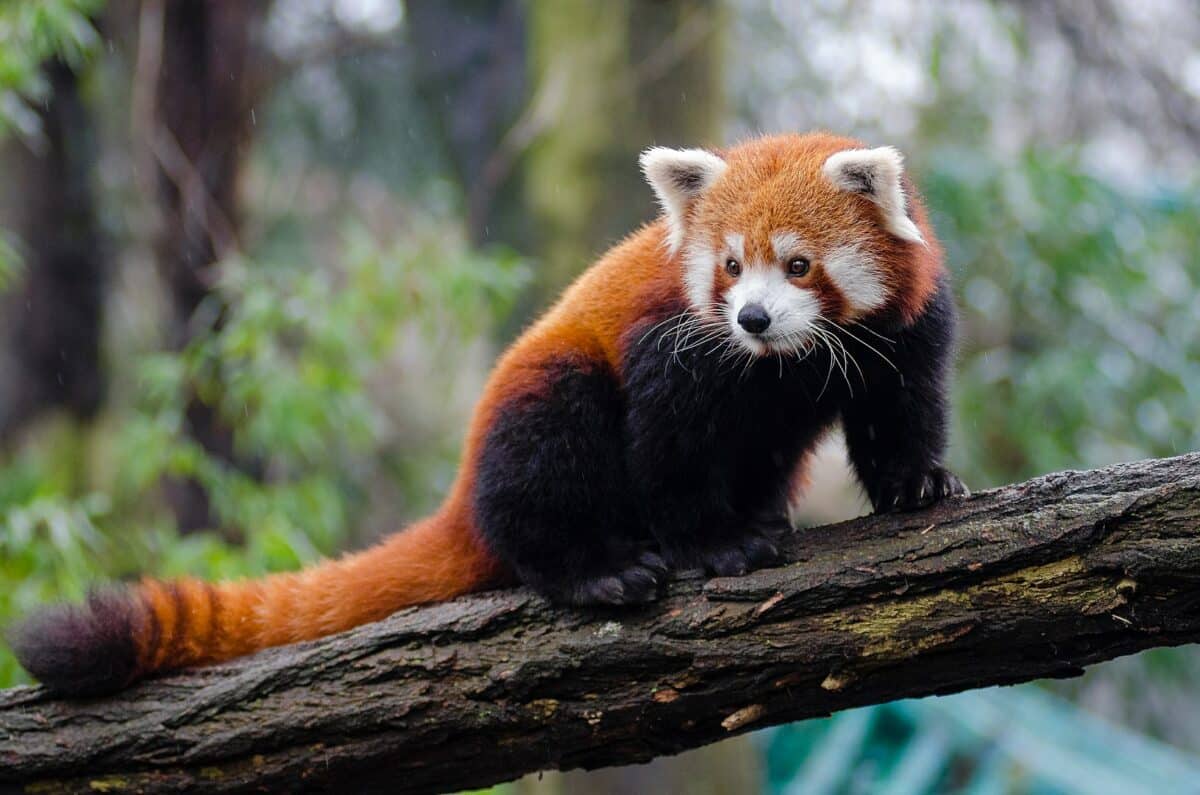
The red panda is a small, tree-dwelling mammal native to the forests of the Himalayas and southwestern China. With its distinctive reddish-brown fur and bushy tail, the red panda is often compared to a raccoon. Despite its name, the red panda is not closely related to the giant panda but belongs to its own unique family. These solitary animals primarily feed on bamboo, supplemented by fruit, eggs, and small mammals. Red pandas are threatened by habitat loss and poaching, with fewer than 10,000 individuals remaining in the wild. Their charming appearance and gentle nature make them a beloved symbol of wildlife conservation.
Gharial The Snouted Survivor

Gharials are large, fish-eating crocodilians with a lineage dating back over 100 million years. These reptiles are easily recognized by their long, narrow snouts lined with sharp teeth. Gharials inhabit the rivers of the Indian subcontinent, using their specialized jaws to catch fish with precision. Despite their impressive size, gharials are gentle creatures, posing little threat to humans. Habitat loss, pollution, and human disturbances have led to a drastic decline in their populations. Conservation efforts are underway to protect these ancient reptiles and preserve their unique place in the ecosystem.
Comclusion
As we journey through the world of these ancient creatures, we gain a deeper appreciation for the resilience of life on Earth. Each of these beings offers a unique glimpse into the past, reminding us of the intricate web of life that has persisted through the ages. The survival of these species is a testament to the adaptability and strength of nature, and their continued existence enriches our world in countless ways.

As a little kid, I fell in love with nature, wildlife, and animals. Living in the USA, South Africa, Italy, China and Germany gave me the opportunity to discover the world's Wildlife. My favorite animals are Mountain Gorillas, Siberian Tigers, and Great White Sharks.
I'm a certified PADI Open Water Diver, went to Everest Base Camp and Trekked Gorillas in Uganda. I hold a Master of Science in Economics and Finance.
Please send any feedback to feedback@animalsaroundtheglobe.com
- How the Shark as a Spirit Animal Represents Personal Power and Survival - June 14, 2026
- The Top 11 Most Googled Animal Hybrids - June 14, 2026
- 15 States Where Bears Are Thriving Again - June 14, 2026