
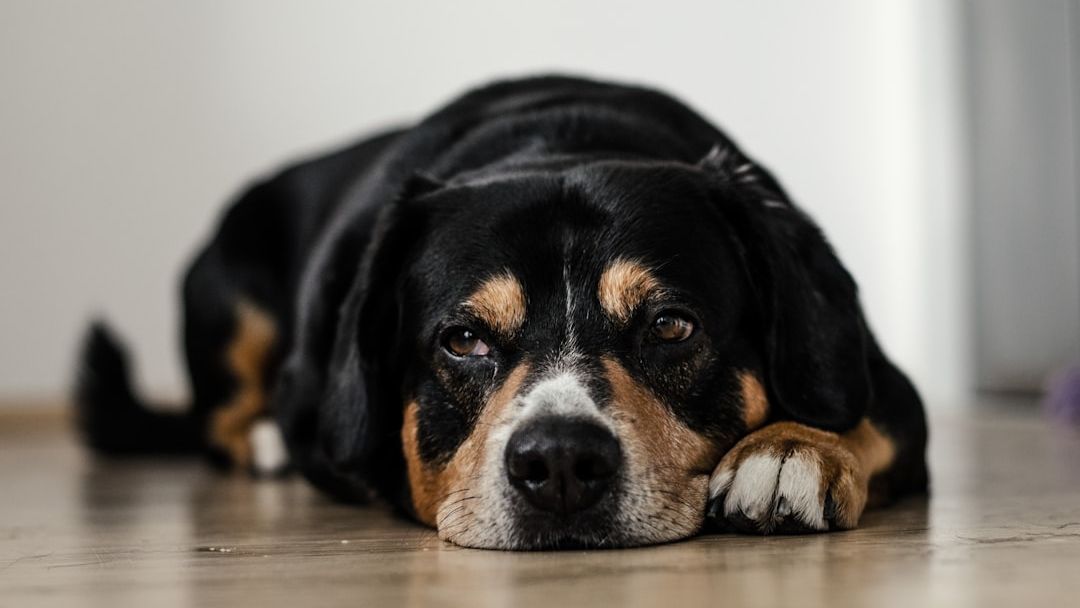
Most people expect a dog’s final months to announce themselves clearly – a dog that stops eating, can’t walk, or cries in obvious pain. But that’s rarely how it actually happens. For countless families, the signs were already there, quiet and easy to dismiss, hiding inside behaviors that looked like nothing more than getting older. It’s only after the loss, when the mind replays every detail, that the picture comes into focus.
What you’re about to read isn’t a checklist to make you feel guilty. It’s the honest pattern that emerges when you talk to grieving owners, experienced vets, and long-time caregivers – the behaviors that, in hindsight, were never random at all. Some of these will feel familiar in a way that stops you mid-scroll. That feeling matters. Keep reading.
#1 – Seeking Out Strange, Quiet Resting Spots
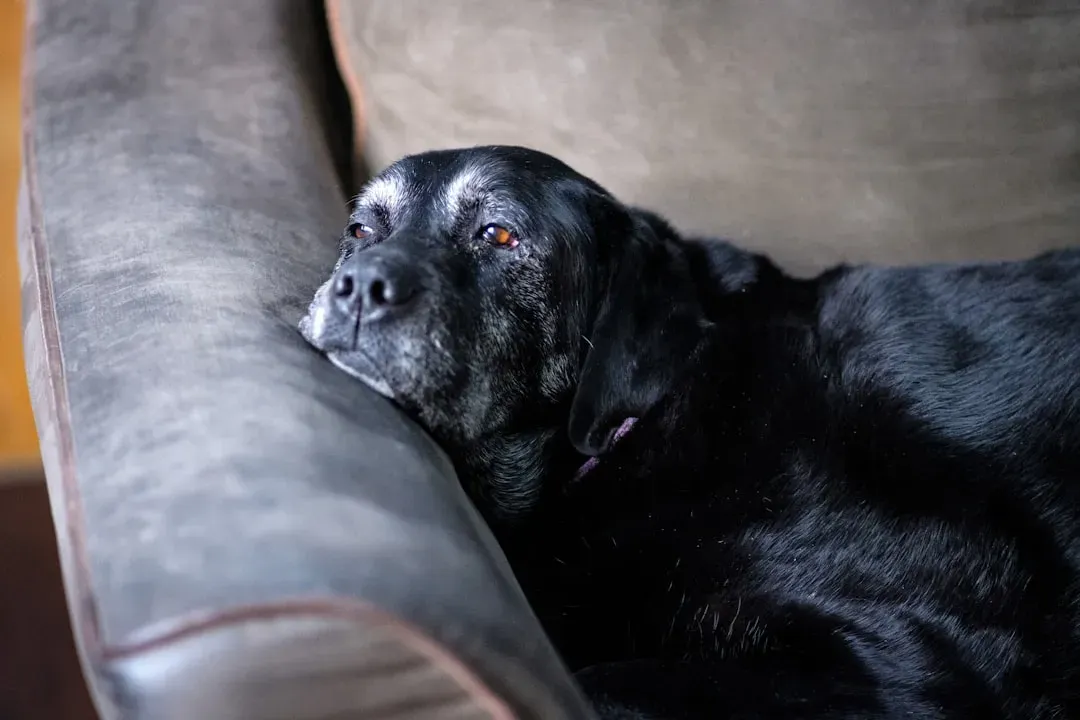
Months before anything else changes, a dog might abandon its favorite bed and start settling in odd corners – behind the couch, inside a closet, under a table it never noticed before. It looks like quirky senior behavior at first, easy to smile at and move on from. But many owners, looking back, realize their dog had started retreating to spaces that felt safer or more contained as its body began to feel less reliable. The familiar open living room suddenly felt like too much.
Some dogs seek out cooler floors or spots near airflow without any obvious reason, which vets now recognize as a response to low-grade breathing difficulty or discomfort that the dog can’t verbalize. The bed it slept on for ten years gets passed over. The dusty corner behind the armchair becomes the new favorite. At the time it seems harmless. In hindsight, it’s one of the earliest quiet signals the body was already changing.
Fast Facts
- Retreating to enclosed spaces is one of the earliest behavioral shifts vets observe in dogs entering decline.
- Cool floor-seeking can signal low-grade breathing difficulty or internal discomfort, not just a temperature preference.
- This behavior often begins weeks or even months before more obvious physical symptoms appear.
- Dogs may cycle between isolation and clinginess within the same week as their comfort needs shift.
#2 – A Sudden Surge of Clinginess
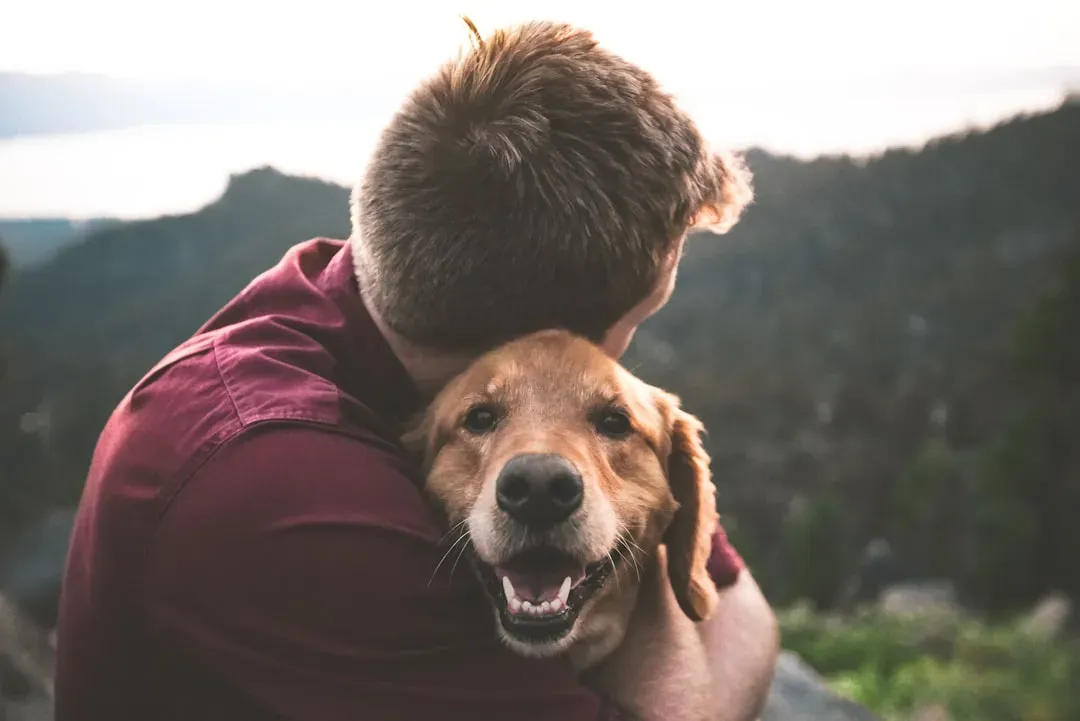
A dog that spent years doing its own thing – sleeping in another room, greeting you casually – starts following you from the kitchen to the bathroom to the bedroom without explanation. Owners almost always describe this phase as sweet. It feels like a second honeymoon with the dog, a renewed closeness that gets cherished in the moment. What most don’t realize until later is that the dog wasn’t just being affectionate. It was seeking reassurance from the one thing it trusted most: you.
The harder part to sit with is that this clinginess can flip to withdrawal within the same week, sometimes the same day. The dog presses against your legs one afternoon and disappears to a back room the next morning. That inconsistency is part of what makes the pattern so easy to miss – it doesn’t hold still long enough to feel like a pattern at all. Most owners only connect the dots when they’re looking backward through grief, wishing they’d sat on the floor a little longer.
#3 – Losing Interest in the Things That Used to Light Them Up

The leash jingle that once sent the dog into a full-body celebration starts getting a slower response. The favorite squeaky toy sits untouched for days, then weeks. Families pour energy into coaxing the dog back – new toys, shorter routes, different parks – and sometimes it works briefly, which is exactly why the decline is so easy to rationalize away. “She just doesn’t like that toy anymore.” “He’s probably sore from yesterday’s walk.”
What vets describe as a withdrawal from joy is the dog’s system quietly pulling resources inward. The enthusiasm isn’t gone because the dog is bored or depressed in the human sense – it’s gone because generating it costs more than the body can comfortably afford. The dog isn’t being stubborn when it turns away from the ball. It’s protecting itself from exertion it can no longer handle. That realization, once it arrives, tends to hit owners hard.
#4 – Getting Picky About Food in Small, Easy-to-Miss Ways
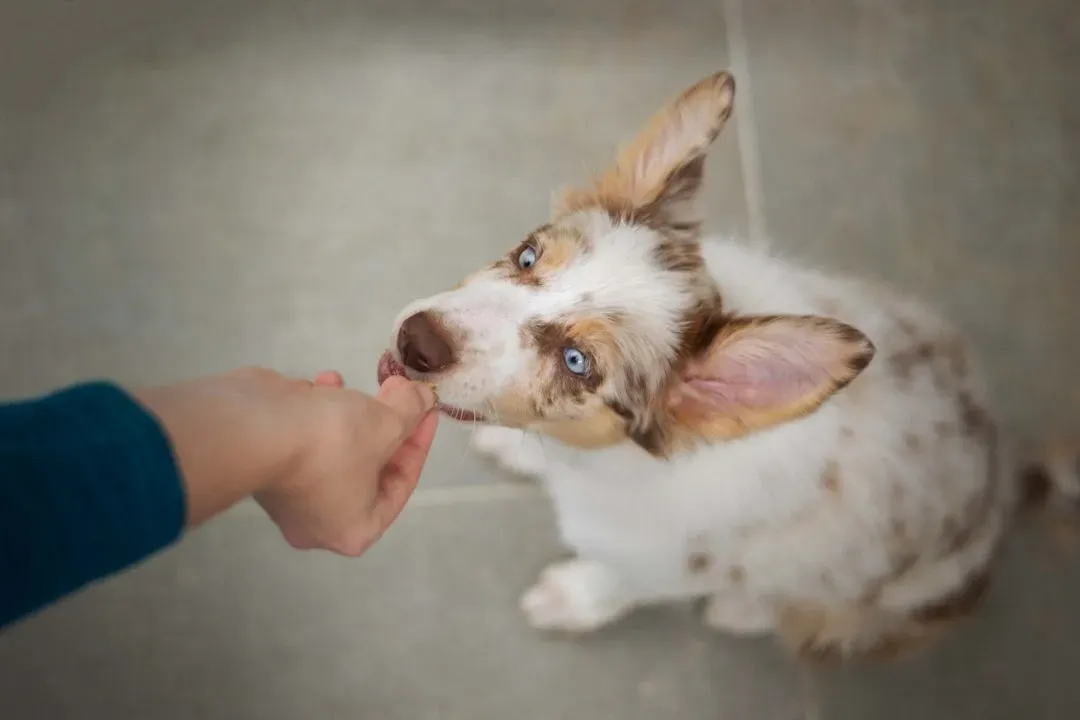
It doesn’t start with refusing the bowl entirely. It starts with leaving a few kibbles behind, or turning up a nose at the treat it begged for every single day for eight years. Families swap the brand, try toppers, warm up the food, or assume it’s a dental issue. For a while, those adjustments seem to work. The dog eats again, and the concern fades. Then the pattern returns, slightly more pronounced than before.
What stands out across so many owner stories is the hand-feeding detail: the dog refuses the bowl but will eat gently from an open palm. That shift – from eating independently to needing the comfort of closeness just to get food down – says something about where the dog is emotionally and physically at the same time. It’s not manipulation. It’s a dog that needs more than just the food. In hindsight, those hand-feeding sessions become some of the most treasured memories families hold onto.
Worth Knowing
- Appetite changes are one of the key markers on the HHHHHMM Scale vets use to assess a dog’s quality of life near end of life.
- A dog refusing its bowl but eating from your hand is a dual signal – physical discomfort and emotional need happening at once.
- Gradual food reduction often begins weeks or months before a complete appetite loss sets in.
- Warming food or adding toppers can temporarily restore interest, masking how persistent the underlying change actually is.
#5 – Deep Daytime Sleep Paired With Nighttime Restlessness
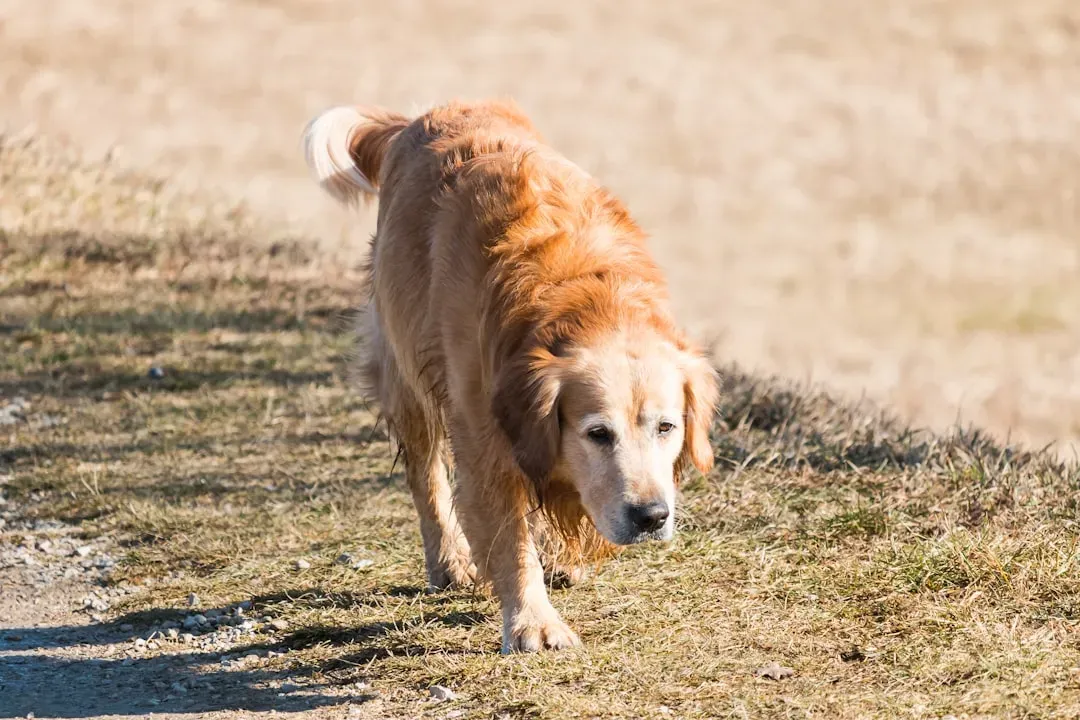
Senior dogs sleep more – everyone knows that. So when the dog starts clocking 16, 18, even 20 hours of sleep a day, it barely registers as alarming. The piece that eventually catches families off guard is the nighttime flip: the dog that slept peacefully for years suddenly paces the hallway at 2 a.m., circles its bed without lying down, or lets out soft, confused vocalizations in the dark. The days go quiet while the nights grow strange.
This pattern can point to cognitive changes, pain that worsens with the body’s natural nighttime drop in cortisol, or simply the body conserving everything it has for its most critical functions. The household adapts – lighter sleepers get up to check, routines shift – but it rarely gets flagged as the significant signal it is. Looking back, the families who lived through it often describe those nighttime moments as the point where they sensed, even before they were ready to say it out loud, that something had fundamentally changed.
At a Glance: Senior Dog Sleep vs. End-of-Life Sleep
- Normal senior sleep: 14–18 hours daily, peaceful, wakes refreshed and engaged.
- Concerning pattern: 18–20+ hours of daytime sleep combined with nighttime pacing or vocalizing.
- Key red flag: Sleeping more than 20 hours a day consistently can signal underlying illness.
- CCD connection: Disrupted sleep-wake cycles are a hallmark symptom of canine cognitive dysfunction, which affects an estimated 28% of dogs aged 11–12 and rises to 68% by ages 15–16.
#6 – Indoor Accidents That Feel Like Embarrassment to the Dog

A house-trained dog of many years has an accident on the floor, and the immediate assumption is bladder weakness or a UTI. Both are reasonable guesses. But in the final months, these incidents can start clustering in ways that go beyond simple leakage – happening during moments of confusion, sudden weakness, or when the dog simply couldn’t make the connection between the urge and the door fast enough. The dog’s own reaction is often the detail that stays with people longest.
Many owners recall the dog coming to find them immediately after, tail low, eyes soft, hovering in a way that looked unmistakably like an apology. Whether or not dogs experience shame the way humans do, that instinct to seek the owner out – to close the distance right after something went wrong – speaks to the depth of the bond and the dog’s awareness that something wasn’t right. Those moments feel minor in the moment. They do not feel minor in memory.
#7 – Breathing That Changes When the Dog Is Just Lying Still
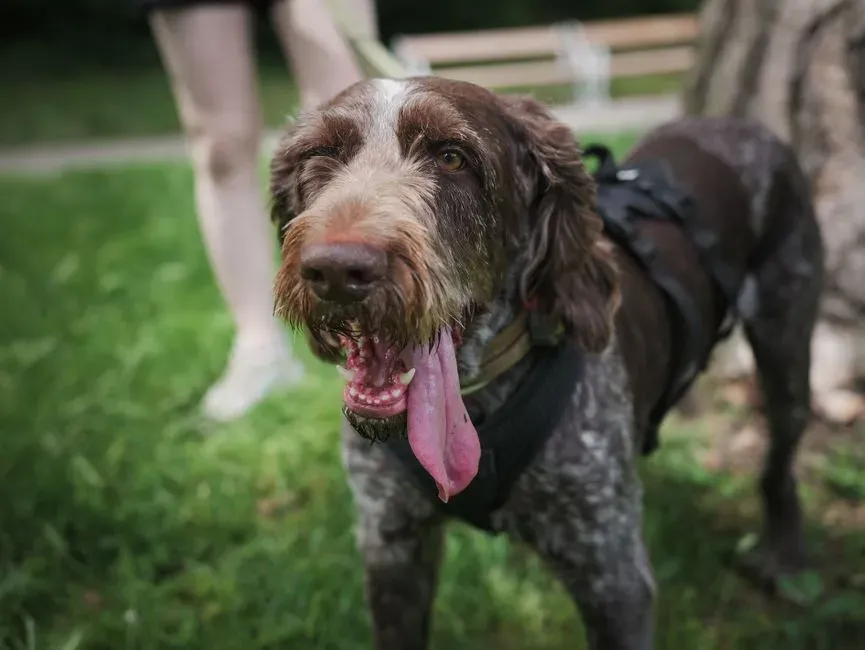
A dog panting lightly while resting on a cool floor, breathing faster than usual without having moved in an hour – it’s the kind of thing that registers as slightly odd and then gets forgotten when the dog gets up and seems fine. Families often catch these moments on video without realizing what they’re documenting, filming a funny sleeping position or a cute snore, only to watch the footage months later and notice the chest moving too fast, too shallow.
Changed breathing at rest can reflect cardiac strain, fluid buildup, anemia, or the quiet work of lungs that are no longer doing the job efficiently. The dog doesn’t cough dramatically. It doesn’t gasp. It just breathes a little faster, a little harder, for no visible reason – and then it stops, and the moment passes. That’s exactly why it takes so long to register as significant. The body was already compensating. The dog had already learned to manage it quietly.
#8 – Staring at Nothing or Pausing in the Middle of Familiar Rooms
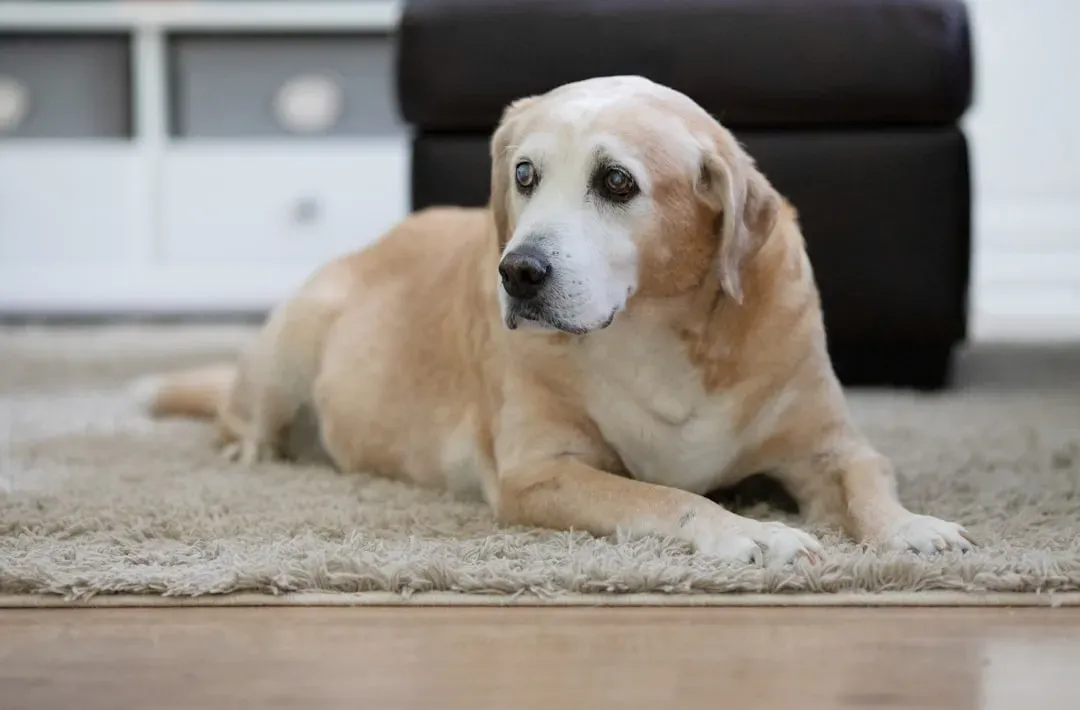
The dog stops in the center of the hallway and just stands there, facing the wall, for thirty seconds or a full minute. Or it stares at a corner of the ceiling in a room it has navigated perfectly for a decade. It looks like the dog heard something, or is watching something invisible, and families usually laugh it off or tap the floor to snap it out of the moment. The dog comes back to itself quickly, which makes the episode easy to file away as harmless.
But these pauses – especially when they become more frequent over weeks – point to cognitive and sensory changes that compound the rest of the body’s decline. The dog’s internal map of the world is getting harder to read. The quick recovery when called creates a false sense of normalcy, because it makes every individual episode look like a one-off. It takes stepping back and noticing the frequency to see the pattern, and most owners only do that in retrospect, when they’re trying to reconstruct the timeline.
Quick Compare: Normal Senior Quirk vs. Cognitive Warning Sign
- Occasional pause, recovers fast: Likely a momentary sensory distraction – monitor but don’t panic.
- Repeated blank staring, escalating frequency: A recognized symptom of Canine Cognitive Dysfunction (CCD).
- Standing in corners or facing walls: Listed among CCD’s diagnostic signs alongside sleep disruption and house soiling.
- Who’s most at risk: CCD symptoms typically begin appearing after age 10 and affect roughly 50% of dogs over age 10 to some degree.
#9 – A Coat That Starts Looking Different Without Obvious Cause
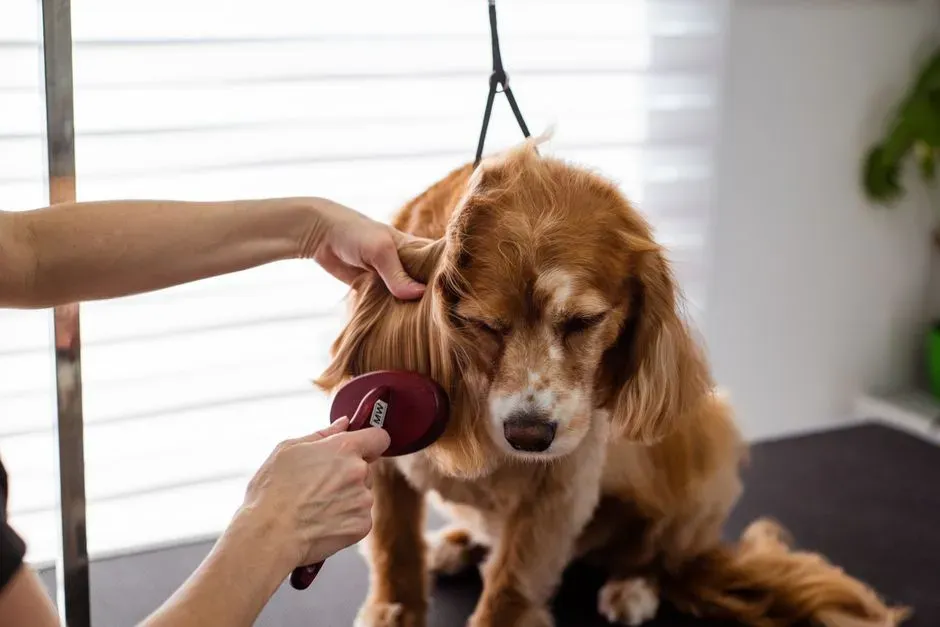
The dog’s fur loses its shine. Mats appear in places that were never a problem before. The coat that used to gleam in photos starts looking dull and slightly disheveled no matter how much brushing gets done. Owners usually blame the weather, seasonal shedding, or reduced mobility making it harder for the dog to reach certain spots. All of those things can be true. But reduced self-grooming – the dog simply not cleaning itself the way it used to – tells a different story.
Dogs are meticulous about certain areas when they’re healthy. When grooming those areas stops, it often signals that the spot is painful, uncomfortable, or that the energy required to maintain the habit has been quietly redirected. The coat becomes a visible map of what the dog has been managing internally. Many owners increase brushing and mistake the dog’s tolerance for contentment, not realizing until much later that they were filling in for something the dog could no longer do on its own.
#10 – Trembling or Panting That Comes Out of Nowhere
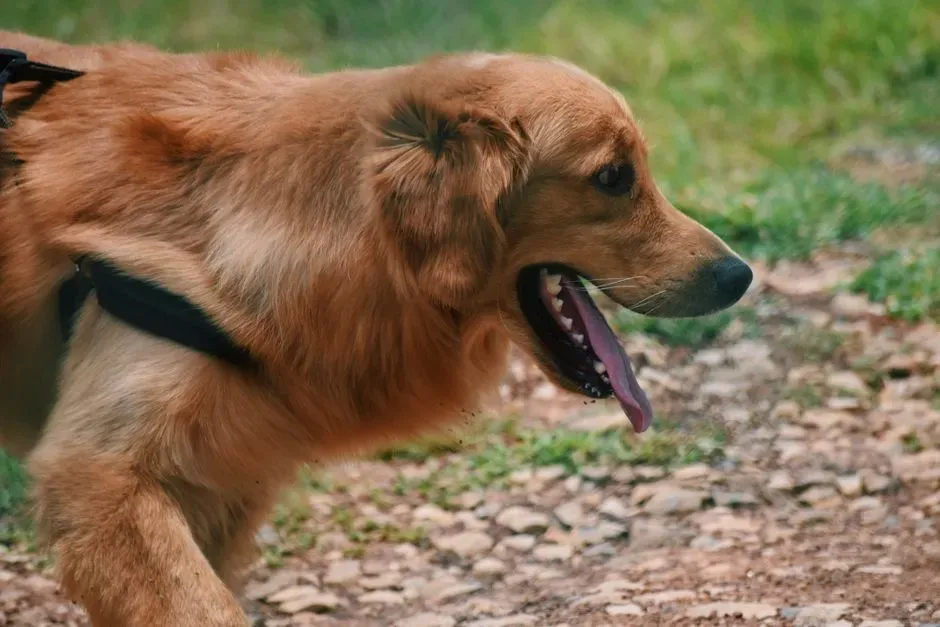
The dog shakes slightly while lying on its bed in a comfortable room at a normal temperature. Or it starts panting heavily during a calm evening when nothing has changed – no storms, no strangers, no obvious trigger. Families try the usual things: a calming voice, a hand on the back, moving to a quieter space. Sometimes it helps. The episode passes, and the next day the dog seems completely normal, which makes it easy to write off as an anxiety quirk or an age-related nerve thing.
What those episodes can actually reflect is pain cycling through the body, temperature regulation breaking down, or organ stress that spikes and recedes without warning. The fact that gentle touch or a soft voice sometimes stops the trembling is real and meaningful – it suggests the dog is not beyond comfort, that connection still reaches it. But it also means the episodes are easy to soothe into invisibility in the moment. In hindsight, owners count those nights differently than they did when they were living them.
#11 – New Sounds: Soft Whines, Long Sighs, Low Groans
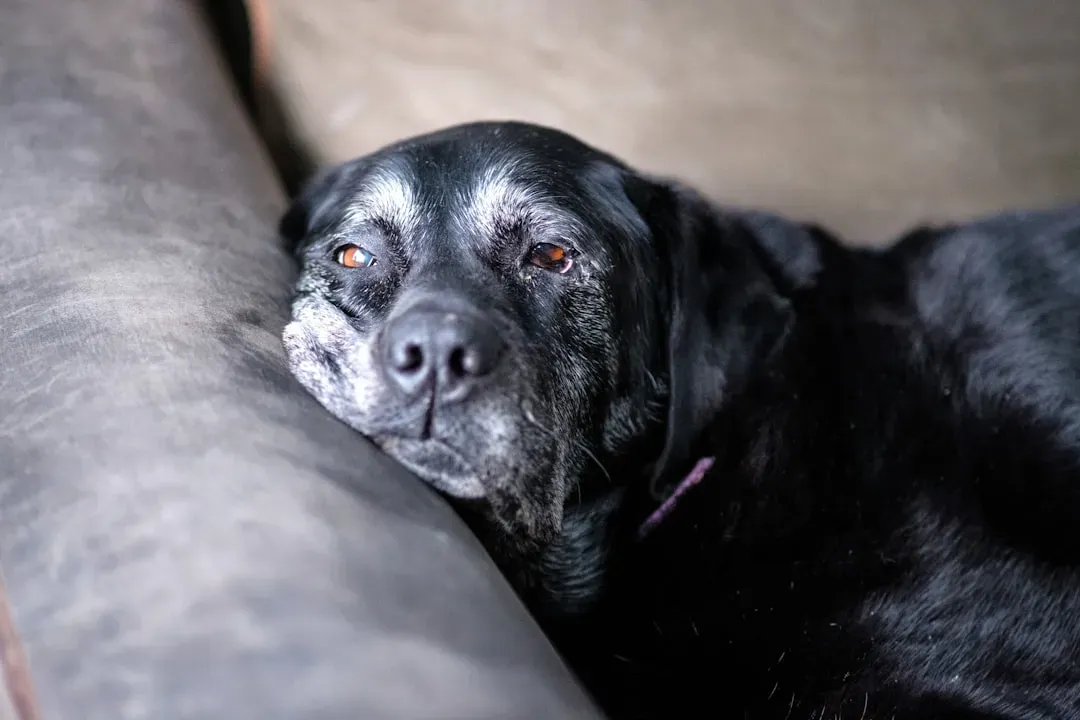
Not dramatic crying. Not the kind of vocalization that makes you pick up the phone and call the vet. Just new, quiet sounds appearing during rest or when the dog shifts position – a low groan when lying down, a soft whine during a dream, a long exhale that sounds more weighted than it used to. These sounds blend into the background of a household easily, especially in a busy home, and get filed under “old dog noises” without much further thought.
What makes this one linger in hindsight is how the sounds can gradually replace other forms of communication. A dog that used to bark to signal wants and needs may stop barking almost entirely, relying instead on these quieter, more intimate sounds – a shift in vocabulary that reflects a shift in what the body can manage. Owners who learned to listen more closely often describe a quality to those sounds that felt like conversation. Like the dog was still talking, just in a different register than before.
#12 – Gravitating Toward One Person With Unexpected Intensity
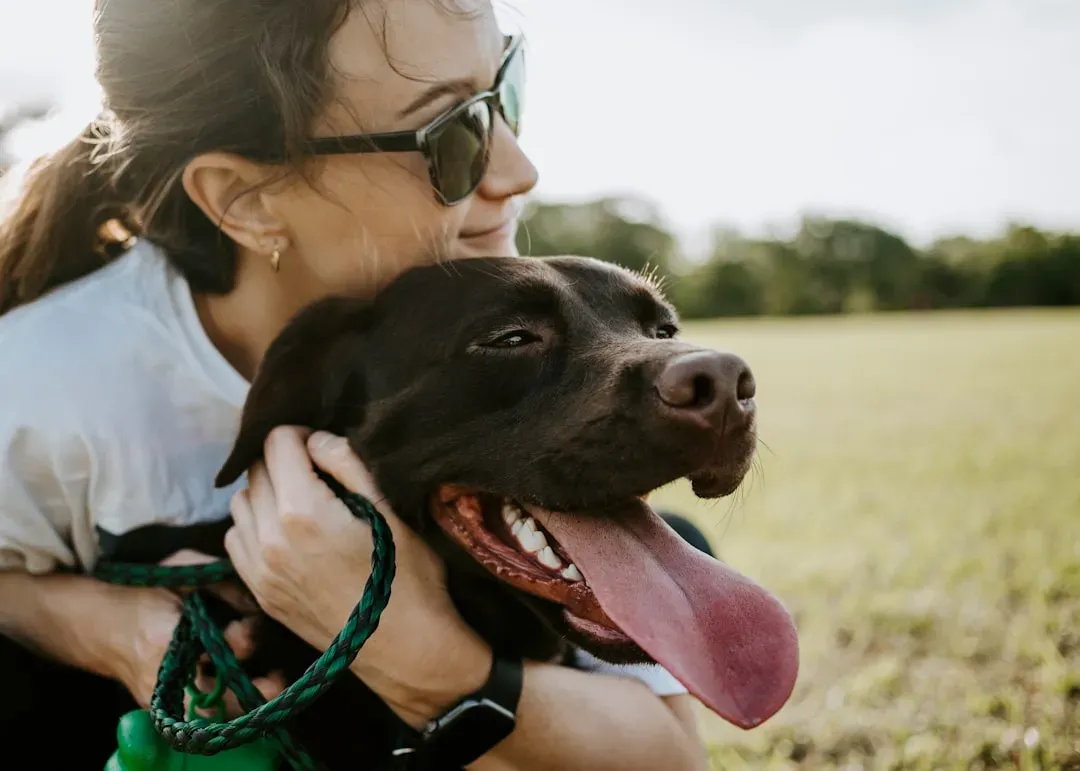
In a multi-person household, the dog starts choosing one person – not necessarily the one who fed it most, walked it most, or was always considered “the dog’s person.” It might be the quietest family member, the one who moves slowly, the one who tends to sit still for long stretches. The dog circles that person’s chair, sleeps pressed against their feet, and follows them with a focus that feels almost solemn. Other family members notice and find it sweet, sometimes even a little funny.
Looking back, many families identify this gravitational pull as the dog finding its safe harbor – the presence that felt calmest, steadiest, and most able to simply be there without demanding anything in return. The dog wasn’t playing favorites out of emotion. It was navigating its own vulnerability with a kind of wisdom. The person chosen often carries that knowledge gently for a long time afterward, feeling the specific weight of having been trusted with something they didn’t fully understand until it was over.
Why It Stands Out
- This hyper-attachment to one person is distinct from everyday preference – it carries a stillness and intensity that feels different to everyone in the home.
- The chosen person is often the calmest presence, not necessarily the primary caregiver – dogs in decline navigate toward steadiness.
- Altered social interactions are a recognized clinical sign of cognitive and physical decline in aging dogs.
- Family members who weren’t “chosen” sometimes feel overlooked in the moment but later recognize it as the dog seeking exactly what it needed.
#13 – Long, Deliberate Eye Contact in Ordinary Moments
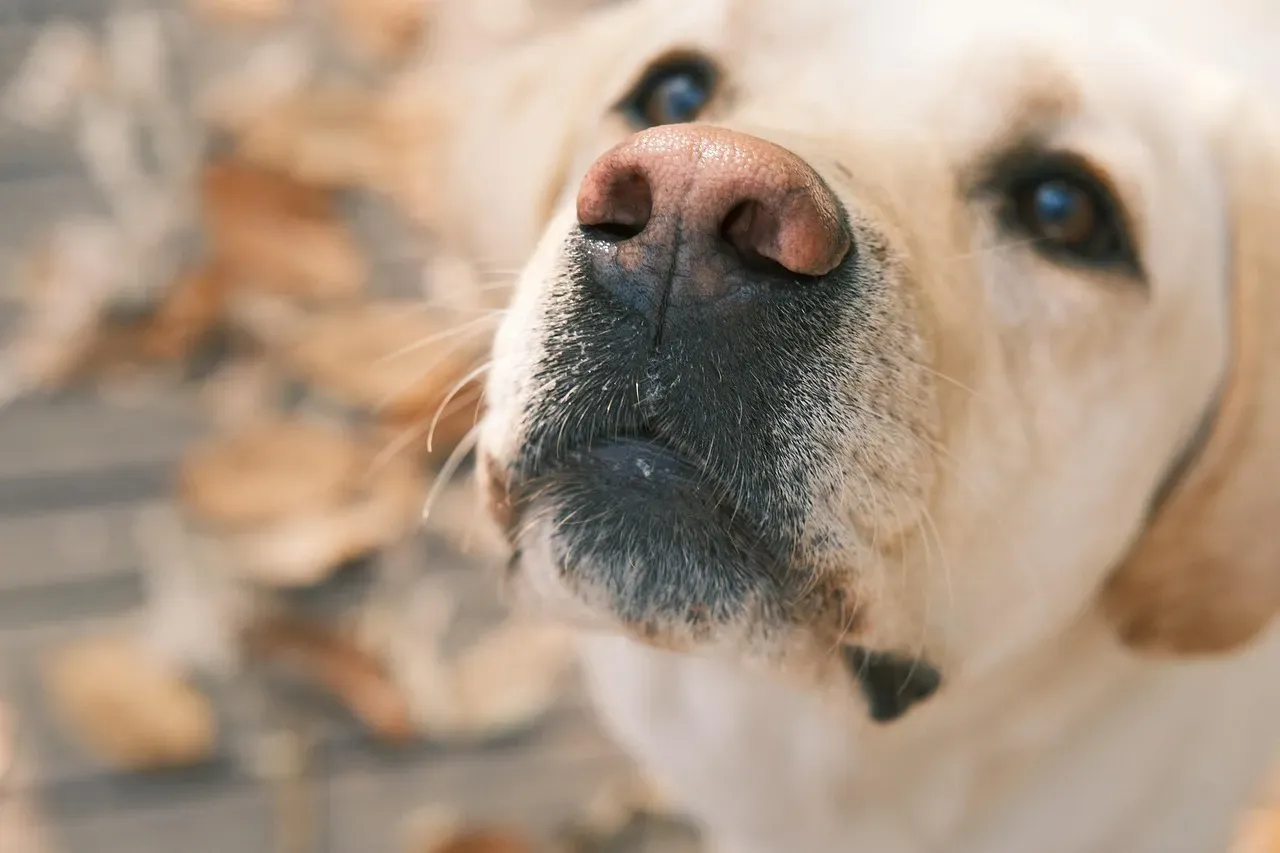
Not during a walk or a game or a training session. During a Tuesday evening on the couch. The dog looks up and holds the gaze – really holds it – for longer than it ever used to. There’s no ask behind the eyes, no request for food or a walk. Just a steady, quiet look that feels like it means something, even if you can’t name what. Most owners describe it as one of the most vivid memories they carry, and also one of the ones they understood least at the time.
In those final weeks, when withdrawal and clinginess have both run their course, some dogs settle into a kind of presence that feels almost deliberate – staying in the same room, positioning themselves where they can see their people, locking in for those long quiet moments of eye contact that feel like a conversation happening below language. Owners describe it, almost universally, as the dog saying goodbye. Whether or not that’s what it is, it becomes the memory that replays most often, the one that arrives without warning months later and takes the breath away completely.
“Dogs may not know they are dying the way humans do, but they experience the changes in their bodies, their comfort, and their people – and they respond to all of it.”
PetMD Veterinary Editorial Team
Here’s what I believe, having absorbed hundreds of these stories: dogs do not just fade quietly into the end. They communicate the whole way through. The tragedy isn’t that the signs weren’t there – they almost always were. The tragedy is that we live in a culture that teaches us to normalize decline, to explain away the unusual, to wait for something dramatic before we call it significant. These 13 behaviors are not exotic or rare. They are the ordinary language of a dog winding down, spoken in a dialect most of us only become fluent in after we’ve lost them. If your dog is older and something feels different – trust that feeling. Sit on the floor with them. Put the phone down. You may not be able to change what’s coming, but you can be more present inside it than most people allow themselves to be. That presence is the only thing, in the end, that doesn’t need to be understood in hindsight.
