
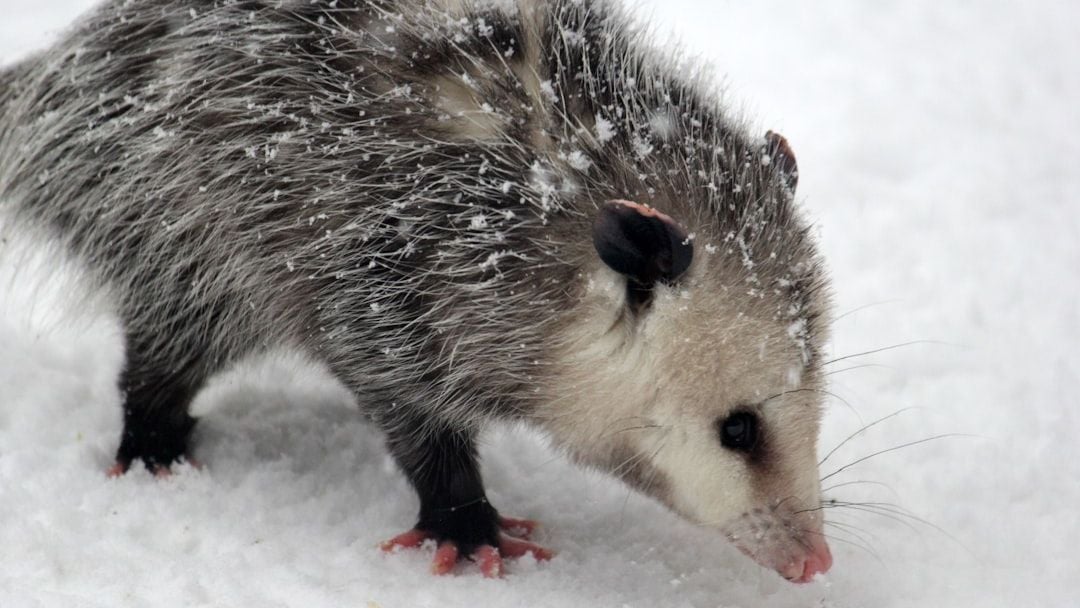
Most people picture Midwest wildlife as something you’d find deep in a forest or along a remote river bend, not padding through a suburban lawn at dusk. The reality is more interesting. Research has found little difference in wild mammal diversity between suburban areas and more natural settings, with most animals that lived in the wider region also found in suburban spaces. That quiet backyard of yours? It may be far more alive than you think.
Urban and suburban spaces provide habitat and support migratory pathways and stopovers that link wildlife populations across places. From opportunistic mammals to patient birds of prey, the Midwest’s wild residents have quietly adapted to life alongside us. Here are eleven animals doing exactly that, often just beyond your back door.
The Coyote: The Midwest’s Most Adaptable Neighbor
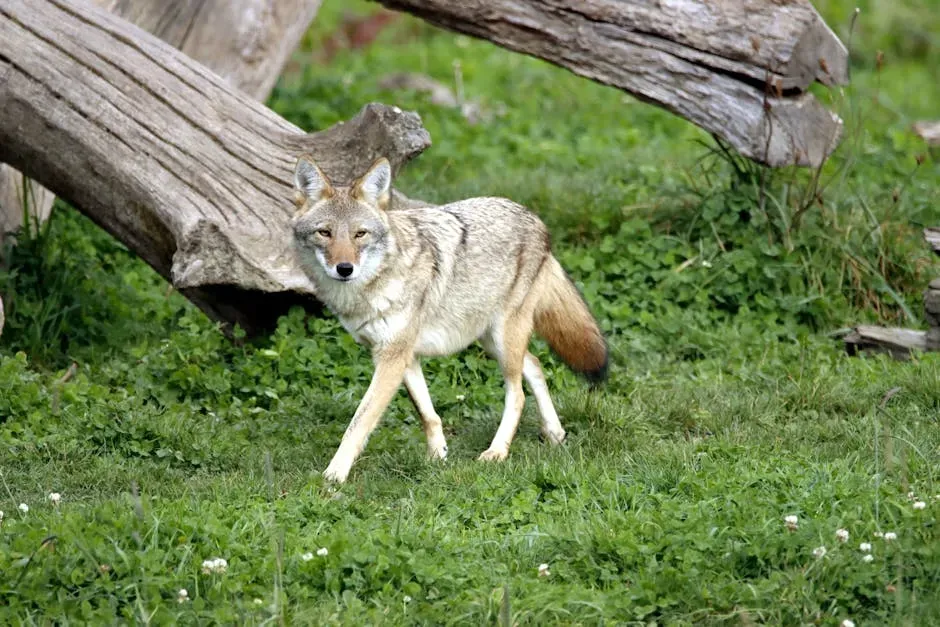
Once limited to the western United States, coyotes now thrive nationwide, from wild prairies to urban centers. Their presence in Midwest suburbs is no longer a novelty. It’s a well-established pattern.
Their remarkable adaptability comes from an omnivorous diet and high intelligence, traits that allow coyotes to adjust their behavior to virtually any environment. They eat rodents, berries, insects, and yes, occasionally whatever is left unsecured in a trash bin.
Rodents make up the bulk of the coyote’s diet in both urban and rural areas, and research has shown that removal of coyotes from an area results in a dramatic increase in rodent abundance. In other words, having a coyote around quietly serves the neighborhood. They are generally nocturnal, though daytime sightings are not uncommon.
The Red Fox: Small, Stealthy, and Closer Than You Think
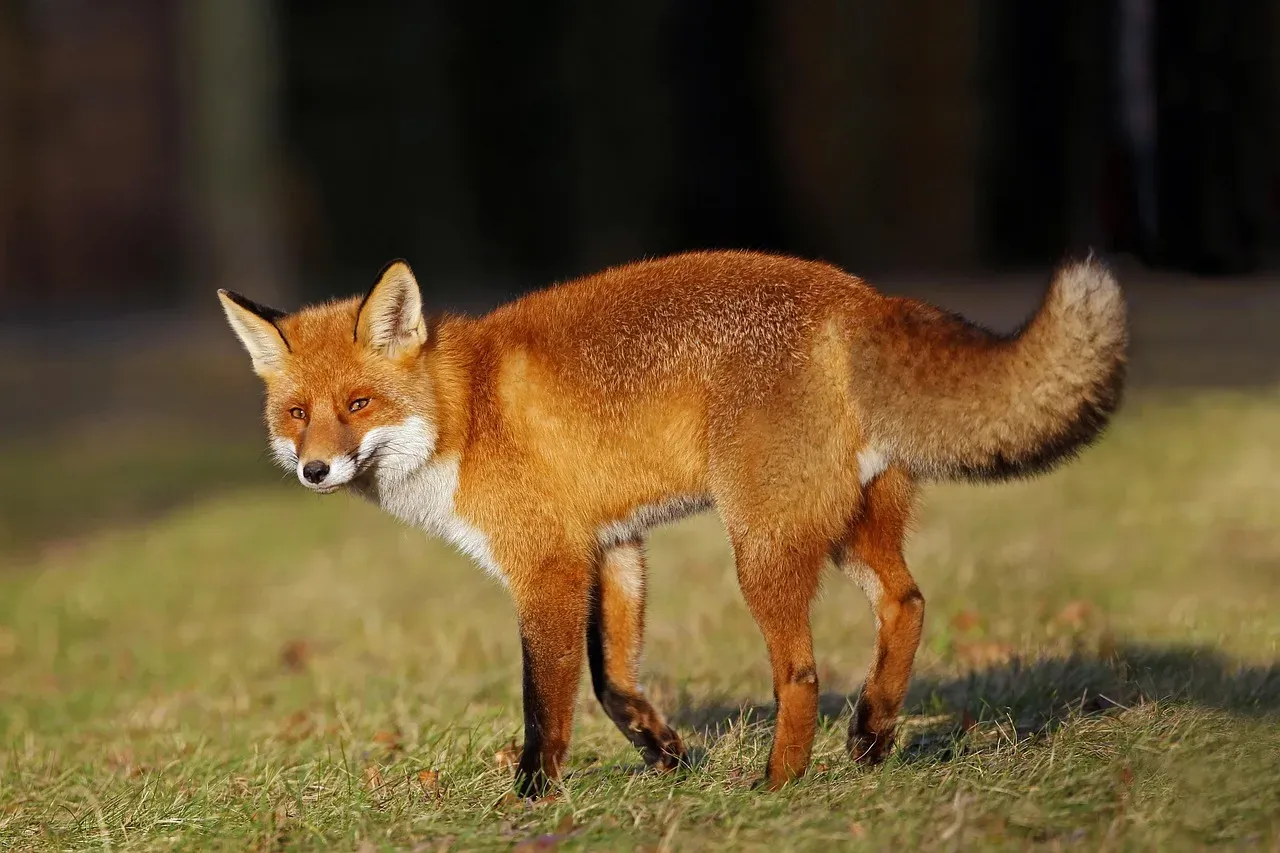
Red foxes are highly adaptable and can be found in rural, suburban, and urban areas across the Midwest. They move through neighborhoods with a lightness that makes them easy to miss, slipping along fence lines and through garden edges after dark.
They are opportunistic feeders, generally eating small mammals, rabbits, squirrels, and birds, and tend to be solitary animals that only use dens to raise young. A red fox curled up under a deck in spring is almost certainly a nursing mother.
Red foxes are among the most urban-adapted carnivores, and have been frequently detected in residential yards by wildlife camera studies. Their bright coats and pointed ears make a striking sight against a winter lawn, though most people never notice them until a kit starts playing in the garden.
The Raccoon: Masked and Magnificently Resourceful
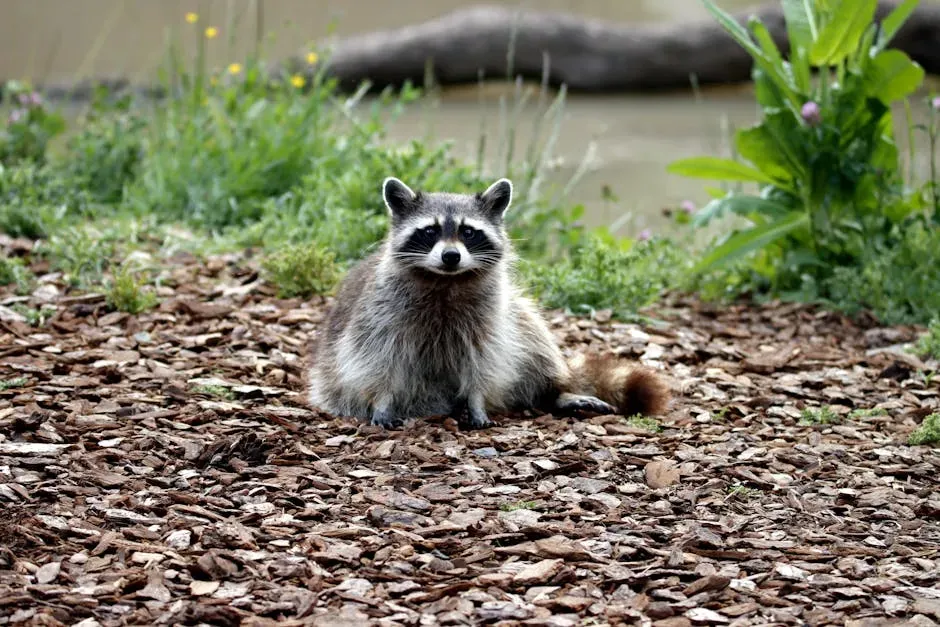
Raccoons are common and well-known across the Midwest, recognizable by their distinctive black masks and ringed tails. As generalists, they can live almost anywhere and eat almost anything. That combination of traits makes them one of the most successfully urbanized mammals in North America.
Raccoons are among the more common wild creatures seen almost as much in urban as in rural settings, and they are remarkably adept at making themselves at home in neighborhoods that used to be their territory. Attics, crawl spaces, and storm drains all serve as denning sites.
Their manual dexterity is genuinely impressive. Raccoons can manipulate latches, pry open containers, and wash food in shallow water before eating it. Living alongside them requires some adjustment, but their intelligence is hard not to admire.
The Virginia Opossum: North America’s Only Marsupial
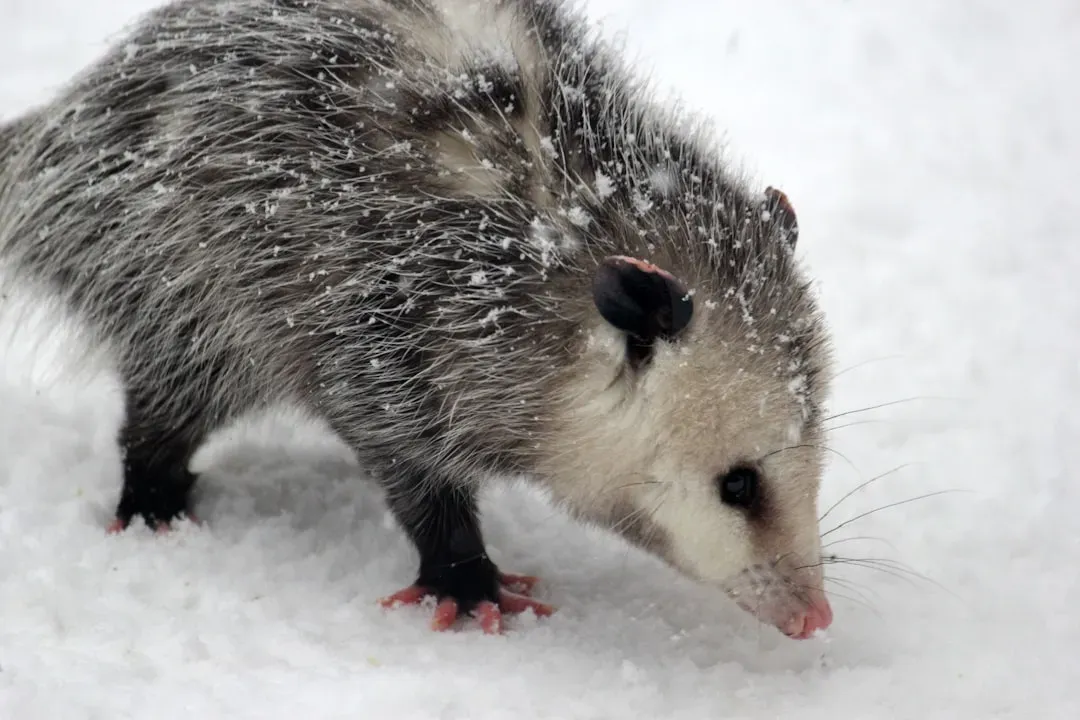
The opossum is the only marsupial in Wisconsin and across much of the Midwest, with a hairless prehensile tail used to grasp branches and the most teeth of any North American mammal, totaling fifty. That last fact alone tends to surprise most people.
Opossums are omnivorous, meaning they will eat any plant or animal material they encounter. This makes them excellent scavengers in suburban environments, quietly cleaning up fallen fruit, insects, and small rodents from yards and gardens.
Research in Cleveland found that a single den complex created by a woodchuck can provide shelter for opossums, foxes, and raccoons, supporting the idea that urban wildlife communities are more interconnected than they appear. The slow-moving opossum is often the last animal people expect to find sharing space with foxes, yet it manages just fine.
The Woodchuck: The Engineer Hiding Under Your Garden
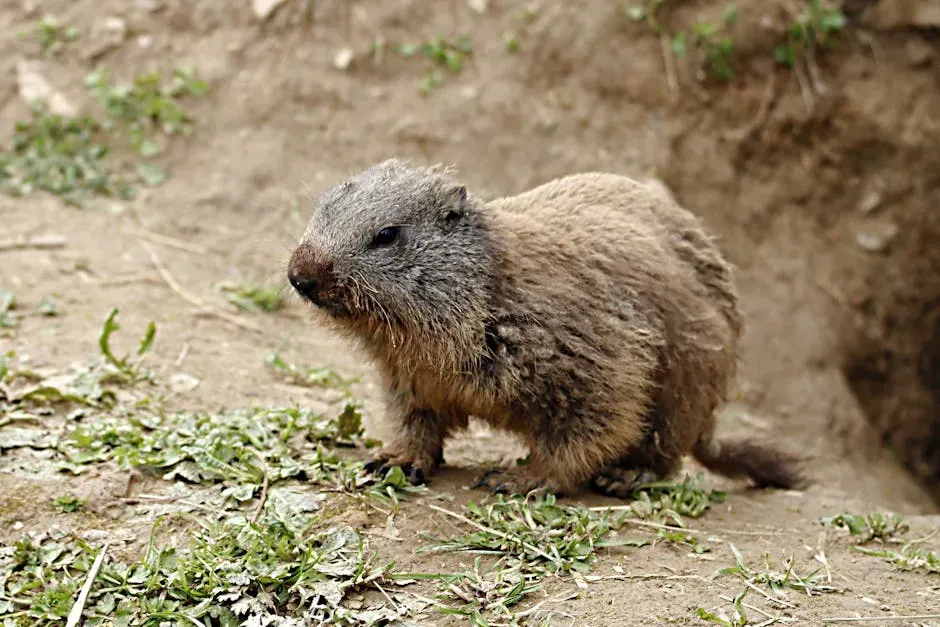
Woodchucks, also known as groundhogs, are rodents in the squirrel family found throughout the Midwest. They are true hibernators that rely entirely on body fat reserves during their winter sleep, which runs from late October through March or April.
Woodchucks can actually be beneficial to other wildlife, because their abandoned burrows provide homes for small game such as rabbits, foxes, and weasels. A single woodchuck den effectively becomes shared housing for multiple species over time.
Studies in Ohio confirmed that woodchucks likely construct the original den that other species then occupy, with dens consisting of a large round hole in a steep hillside along with a smaller entrance farther up the slope. Gardeners may curse them for nibbling vegetables, but ecologically, they punch well above their weight.
The White-Tailed Deer: The Graceful Grazers of the Suburbs
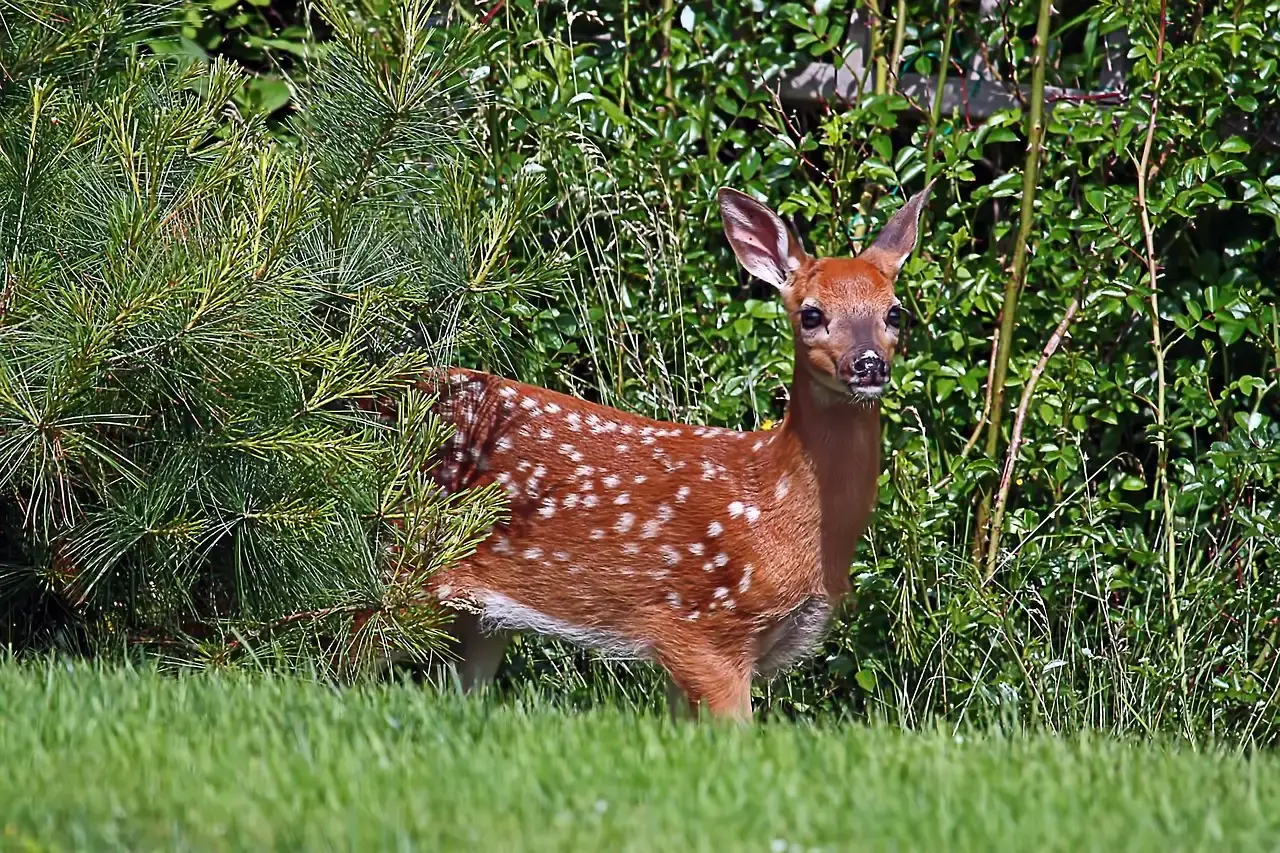
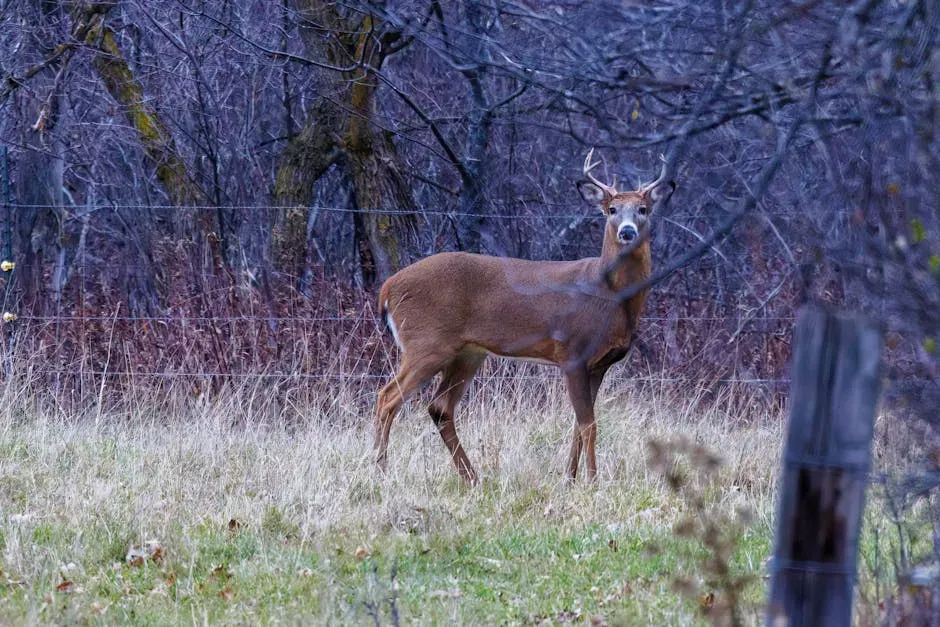
The white-tailed deer is one of the main species of the Midwest, found in meadows, forests, and even suburban areas. Their adaptable behavior enables them to flourish in a wide variety of settings. Spotting one at the edge of a neighborhood yard at dawn is a quietly common experience across the region.
During the past century, logging and farming caused dramatic changes in forest structure, which actually created ideal habitat for white-tailed deer. They now thrive especially along the edge where forest meets open field, where food sources and forest cover are both easily accessible.
Research has shown that white-tailed deer, while having positive associations with housing development, shift to more nocturnal activity in suburban regions, suggesting they adjust behavior to limit interactions with humans. They’re far more aware of you than you might realize.
The Great Blue Heron: The Prehistoric Patience of the Backyard Pond
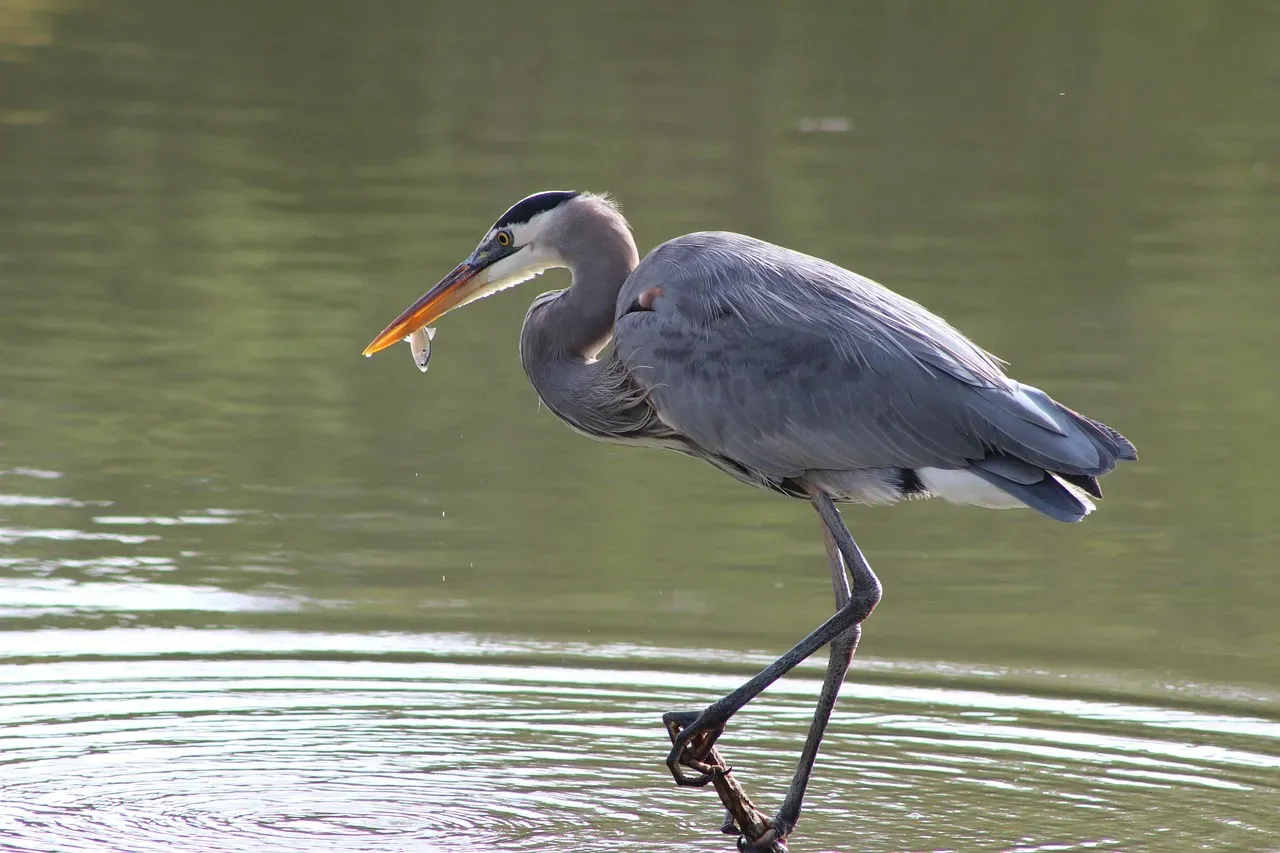
The Great Blue Heron is the largest heron in North America, often seen standing silently along inland rivers or lakeshores, or flying high overhead with slow wingbeats and its head hunched back onto its shoulders. If you have a backyard pond, a retention basin nearby, or live near any slow-moving water, chances are good one visits regularly.
Highly adaptable, the Great Blue Heron thrives around all kinds of waters from subtropical swamps to desert rivers, and its variable diet allows it to spend the winter farther north than most herons, even in areas where most waters freeze. That’s a remarkable range of tolerance for a bird of its size.
The Great Blue Heron forages in any calm fresh waters or slow-moving rivers and nests in trees or shrubs near water. Seeing one stand motionless for twenty minutes before striking at something in a koi pond is both impressive and slightly costly, if it’s your koi.
The Striped Skunk: Misunderstood and Actually Useful
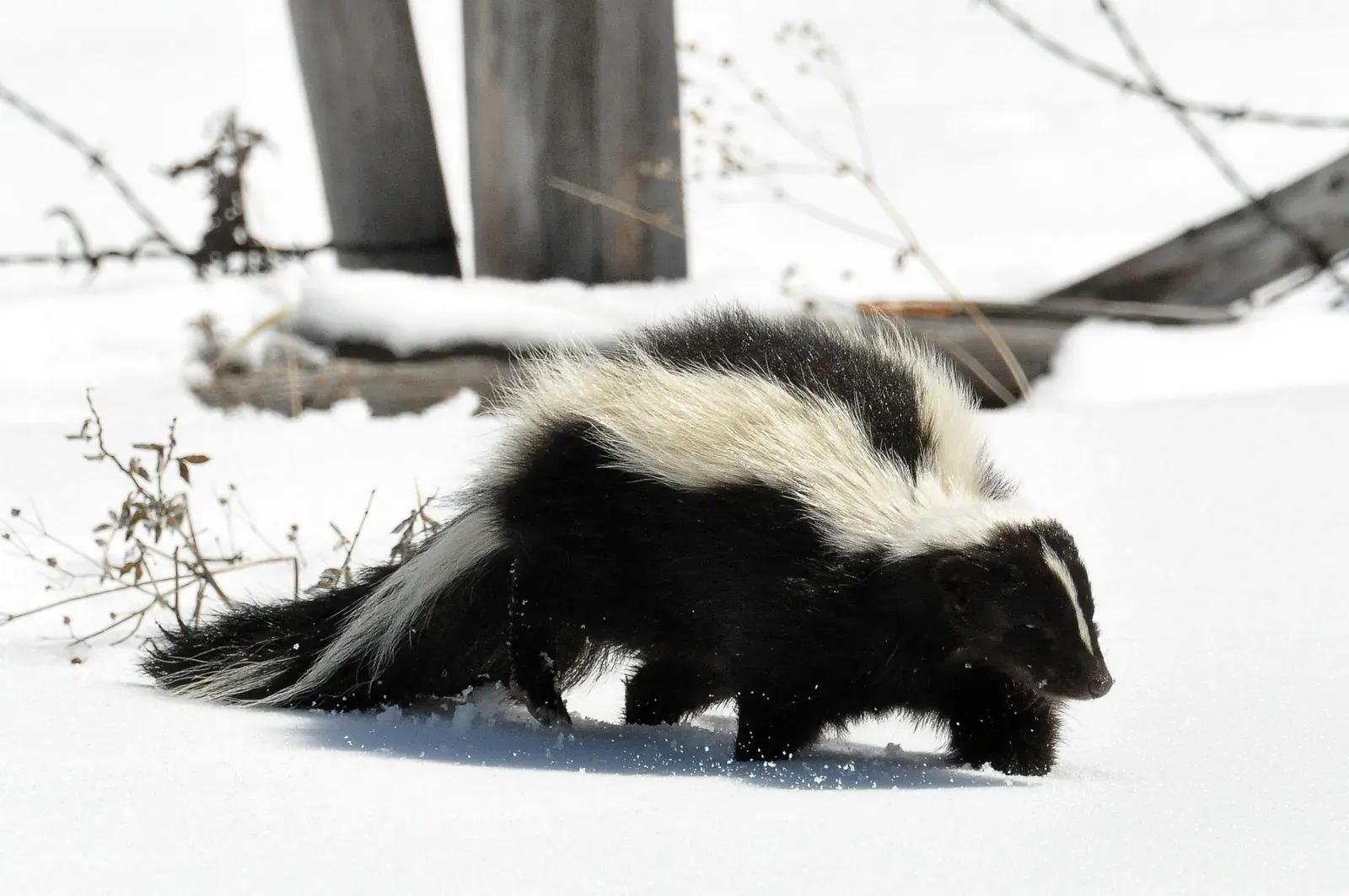
The striped skunk is one of the species found across every central Midwest state. Most homeowners know a skunk has been through by the lingering smell alone. Fewer stop to consider what the animal is actually doing in the yard.
Striped skunks are insectivores at heart. They dig small, neat conical holes in lawns while hunting for grubs, beetles, and earthworms. That light pitting in the grass after a summer rain is often the work of a skunk doing exactly what it’s supposed to do.
They are slow to spray and give multiple warnings first, including stamping feet and raising the tail. Given space and calm, they rarely cause problems. The reputation for being a nuisance is largely a product of surprise, not temperament.
The North American Beaver: Quietly Reshaping Midwest Waterways
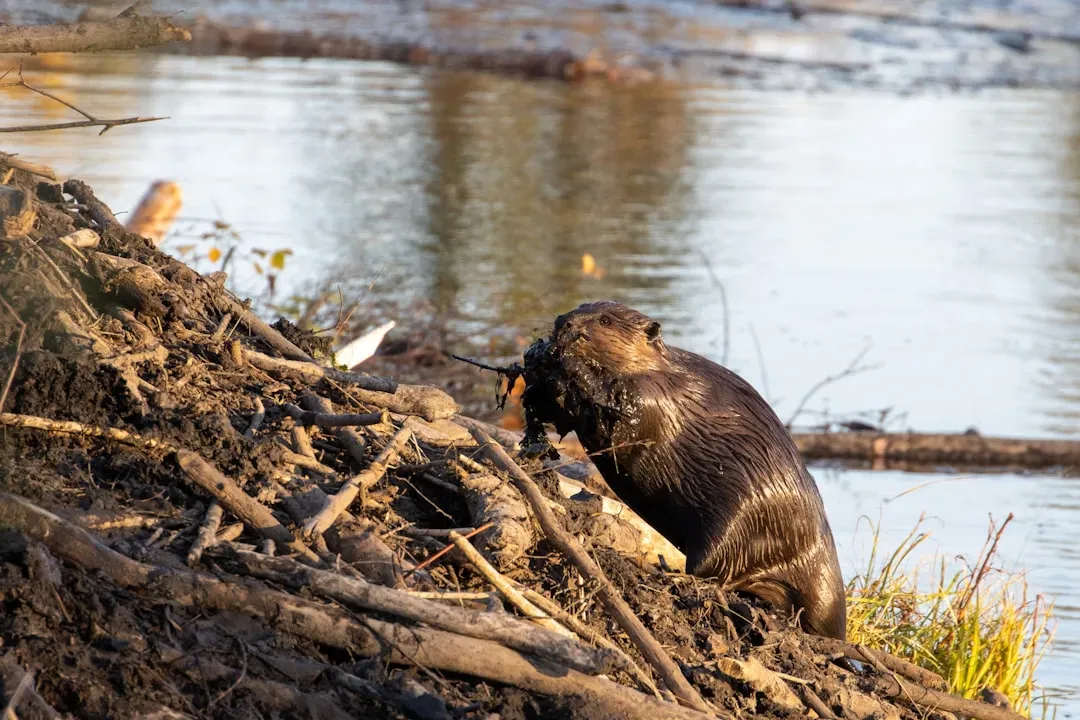
The American beaver is found in every central Midwest state. Most people associate beavers with deep wilderness, but they’ve established themselves along drainage channels, suburban creek systems, and retention ponds throughout the region with impressive consistency.
Beavers are master engineers that transform waterways with their dam-building activities. Known for their flat tails and sharp teeth, they create wetlands that support diverse wildlife and play a significant role in maintaining aquatic ecosystems by regulating water flow and creating habitat for other species.
A beaver dam on a local creek can slow floodwaters, raise the water table, and create a small wetland where none existed before. That’s an outsized environmental benefit from an animal that mostly works at night and draws little attention from the neighbors.
The Sandhill Crane: An Ancient Bird Walking Through Modern Suburbs
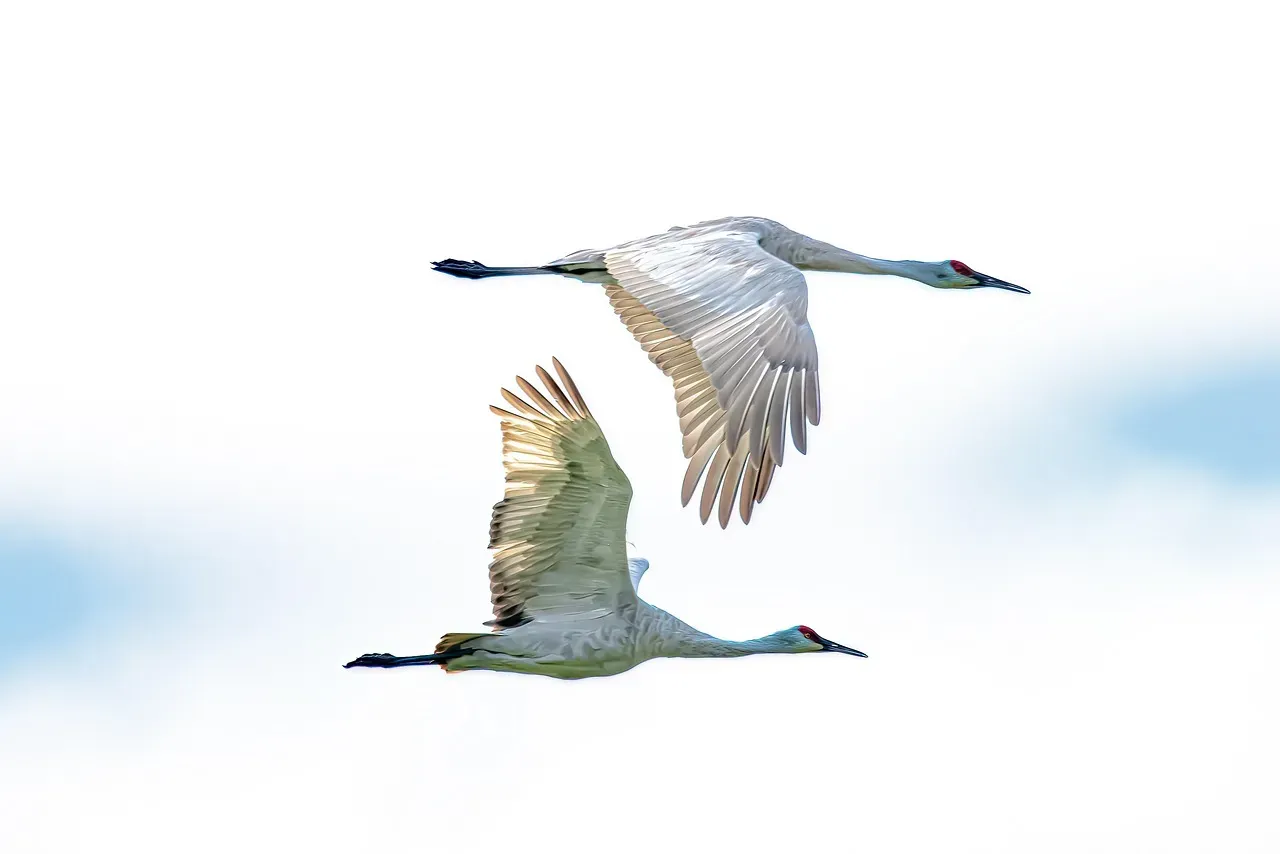
Sandhill Cranes are a captivating sight in the Midwest skies, known for their impressive migration journeys that signal the change of seasons. These large cranes are integral to wetlands, where they forage and nest, contributing to the vitality and diversity of aquatic ecosystems.
Each spring, Nebraska hosts one of the planet’s great wildlife spectacles as the sandhill crane migration unfolds along the Platte River. From late February through mid-April, roughly 750,000 cranes gather there for a pit stop on their northward journey. That’s nearly the entire world population of the species in a single corridor.
Outside of migration, sandhill cranes have become familiar visitors to Midwest golf courses, farm fields, and even suburban parks. They walk with a slow, deliberate stride that makes them look like they’re assessing the neighborhood. In a sense, they probably are.
The Northern Cardinal: A Year-Round Backyard Resident Worth Noticing
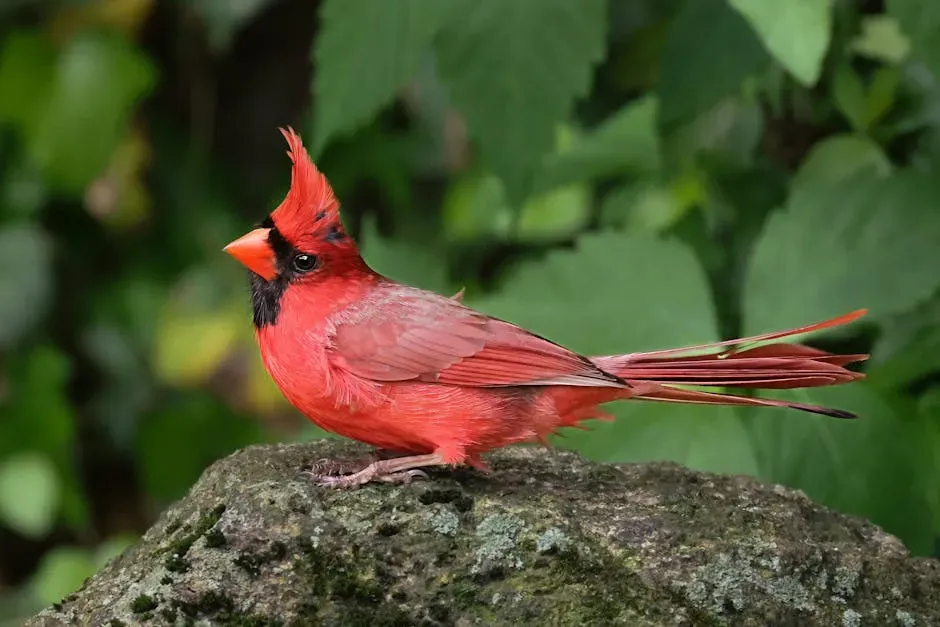
Birds like the Dark-eyed Junco, Northern Cardinal, and Black-capped Chickadee dominate the North American charts in annual backyard bird counts. The cardinal, in particular, has become one of the most reliably spotted birds in Midwest suburbs across all four seasons.
Cardinals play a significant role in seed dispersal, helping plants thrive in the region’s ecosystems, and are often considered symbols of vitality, bringing a distinct splash of color to any landscape. The male’s vivid red coat is one of the few reliable bursts of color in a gray Midwest winter.
When natural food sources are buried under snow, resilient species like the Northern Cardinal flock to backyard feeders, making them easier for observers to spot and document. A simple sunflower seed feeder in January can turn any backyard into a reliable cardinal watching spot within days.
Conclusion: The Wild is Closer Than You Realize
There’s something quietly reassuring about learning that the Midwest’s wildlife hasn’t gone anywhere. The region is home to incredible wildlife with what might seem like extraordinary adaptations that have evolved over time, helping common species survive and thrive in their native environments.
As scientists continue to show, nature can and does find a way to adapt to urban spaces. By taking a social and ecological approach to planning and yard management, communities can create environments where people thrive and wild animals roam.
The eleven animals in this list haven’t survived in spite of Midwest suburbs. In many cases, they’ve found ways to work with them. Planting native trees and plants, converting turf grass to native habitat, and rethinking traditional lawn care can all support improvements in biodiversity and wildlife population sizes. A little intentionality in how we manage our outdoor spaces goes a long way. The wildlife is already there. It’s simply waiting for the invitation.
