
Most of us have experienced the unpleasant sting of frostbite and know, even from that mild brush with extreme cold, just how dangerous ice is to living tissue. When water freezes inside cells, the expanding crystals act like tiny shards of glass, shredding membranes and destroying everything in their path. For almost every creature on Earth, being frozen solid is simply death. No debate, no exceptions.
Yet nature, as always, had other plans. A small but utterly extraordinary group of animals has cracked the code on something that should be biologically impossible. They freeze, stop breathing, stop their hearts, and wait. Then spring arrives and they simply get back up. It sounds like science fiction. Honestly, it’s better than any science fiction. Let’s dive in.
1. The Wood Frog: Nature’s Most Famous Frogsicle
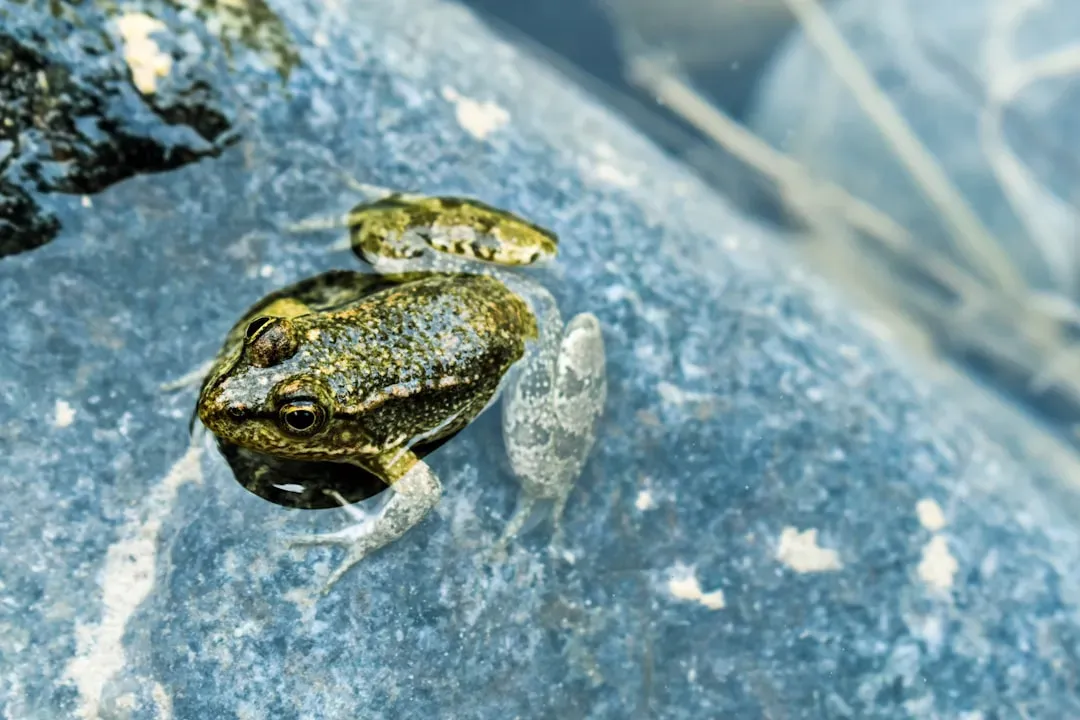
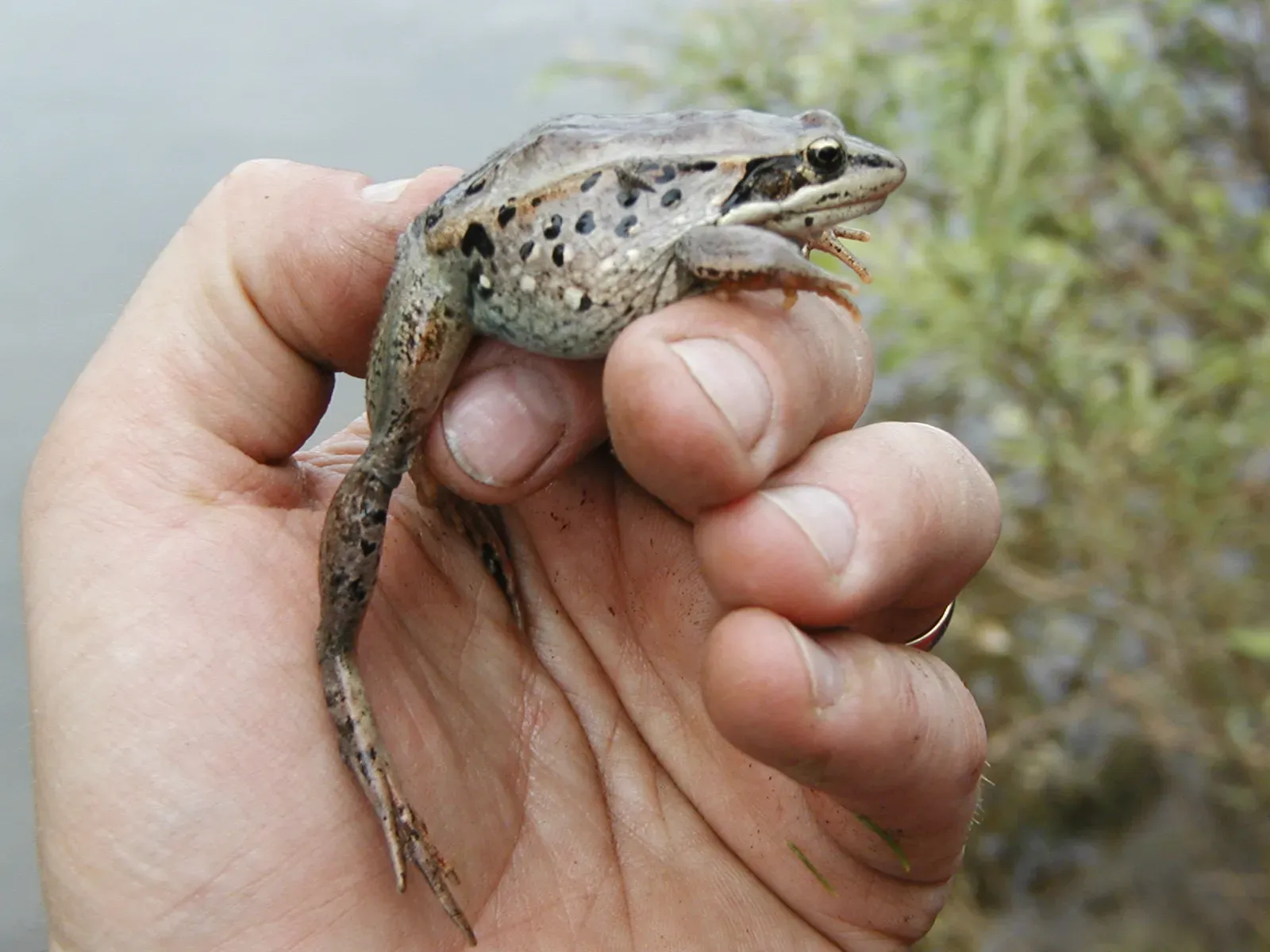
If there is one poster animal for freeze survival, it’s the wood frog. During winter, the wood frog can be easily mistaken for a dead animal: it is frozen, motionless, including the brain and the eye lens, and has no detectable heartbeat or breathing activities. Think about that for a second. No heartbeat. No breathing. Completely solid.
The frogs survive this state and thaw back to life in spring, and the cycle repeats for several years during the frog’s lifetime. They do this not once, not twice, but over and over throughout their lives. It’s like a recurring superpower they never lose.
Special nucleating proteins remove the majority of the water from the frog’s cells so the ice, when formed, could not tear them apart. Then the frog’s liver produces glucose, which fills the cells with fluid that is resistant to being fully frozen. Essentially, the frog floods its own cells with a biological antifreeze. Think of it as the frog pouring sugar syrup into itself before the storm hits.
Wood frogs in Alaska will freeze down to negative 5 degrees Fahrenheit. As the ice melts in spring, the frog’s heart starts beating again, and the glucose that protected them during the freeze is reabsorbed and metabolized. Within hours, the frog is fully revived and ready to continue its life, as if it had merely taken a long nap.
2. The Tardigrade: The Indestructible Moss Piglet
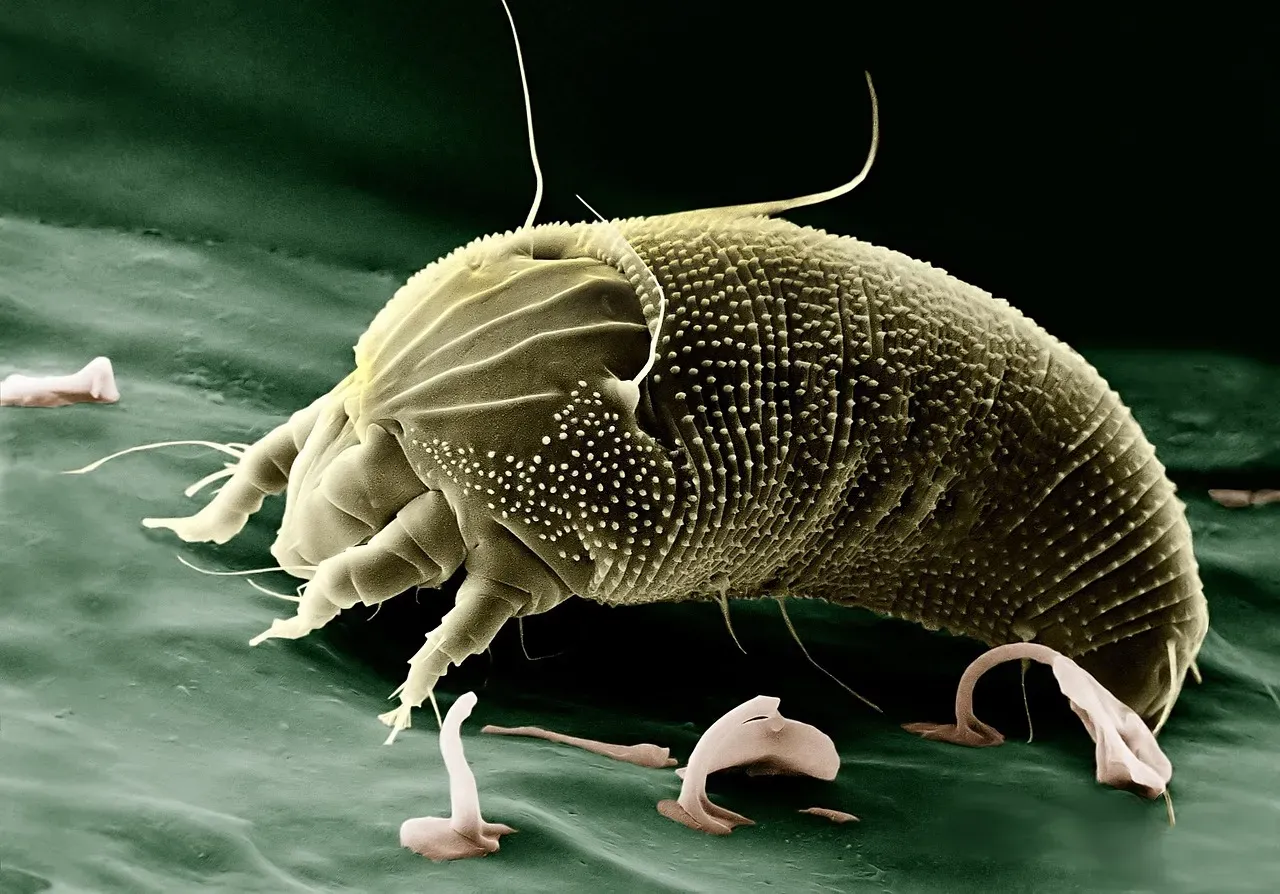
The tardigrade, also known as the water bear or, more endearingly, the moss piglet, might be minuscule, with most no bigger than 1mm in length, but these creatures are positively revelling in their own indestructibility. I think tardigrades might be the most casually terrifying animal on this list.
Tardigrades, the microscopic invertebrates found in Earth’s most extreme environments, have found an inventive way to prevent water in their cells from freezing: they just expel it. Humans can’t do that. If a person lost even five percent of their water, they would die. Tardigrades offload water until they’re almost completely dry.
Their brains shut down, their eight legs pull in, and they ride out the cold. Despite its looks and size, the tardigrade is the world’s ranking winner at cold survival, and it can stay alive at temperatures approaching absolute zero. Just as quickly though, tardigrades bounce back. Give them water and they rehydrate and come back to what we know as life.
3. The Arctic Woolly Bear Caterpillar: A Life Spent Mostly Frozen
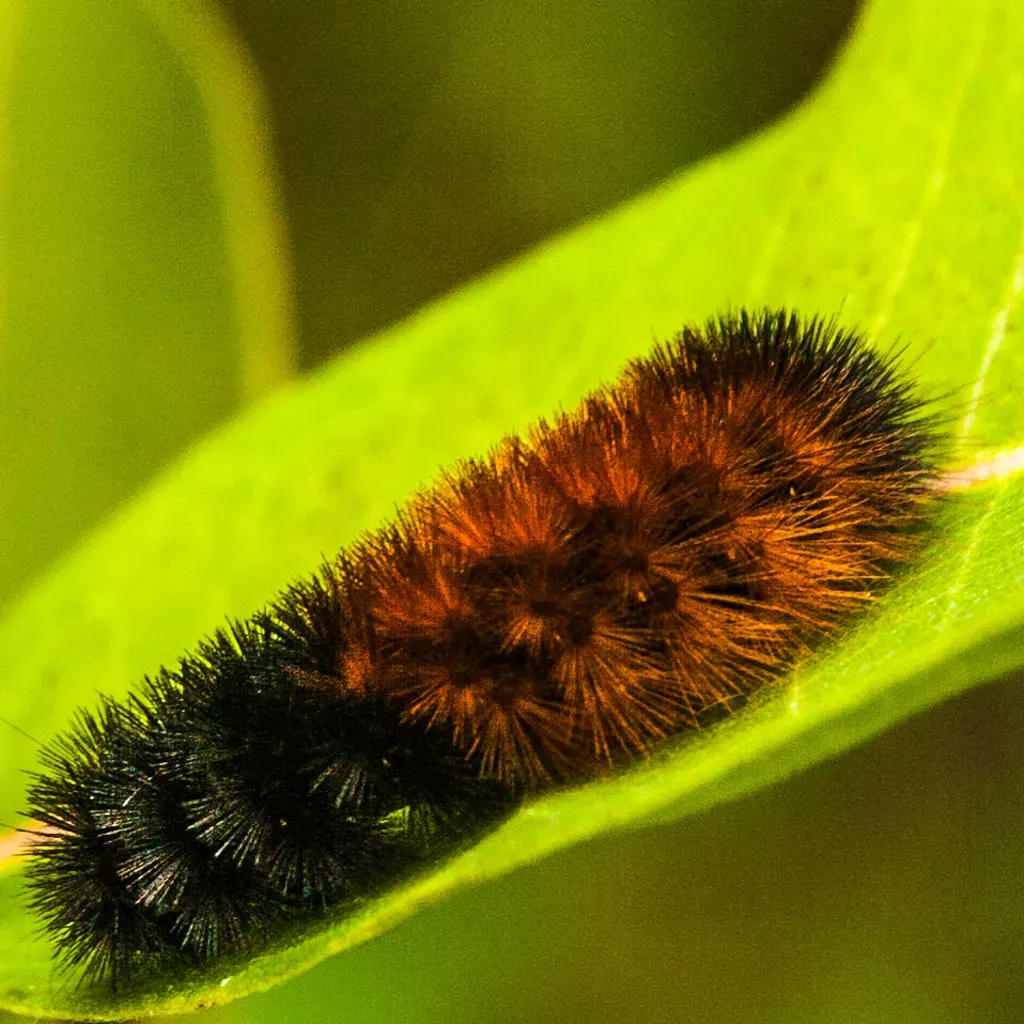
Most caterpillars live a brief, sun-drenched life of eating and transforming. The Arctic woolly bear caterpillar took one look at that plan and went in a completely different direction. Found in many cold regions including the Arctic, banded woolly bears are just like any other small, hairy caterpillars that spend most of their time eating their way to pupation, except they are so much more awesome. Out in the polar extremes of the Arctic, these amazing little creatures actually spend about 90 percent of their lives in a frozen state.
Unlike caterpillars in other parts of the world, woolly bears in the Arctic don’t pupate after a season’s gorging. Instead, they can survive for years, some reports say up to 13, alternating between freezing, thawing and feeding. Thirteen years of repeatedly dying and coming back. It’s absurd, and I mean that as the highest compliment.
The Arctic woolly bear can last the polar heights of the Arctic Circle, Greenland, and Canada because it can alternate between feeding, freezing, and thawing. There is sugar in the blood of Arctic woolly bears that functions like antifreeze and safeguards the cells in frozen temperatures. They are, for all intents and purposes, tiny biological ice cubes that walk away when summer arrives.
4. The Painted Turtle Hatchling: Frozen Babies Under the Ice
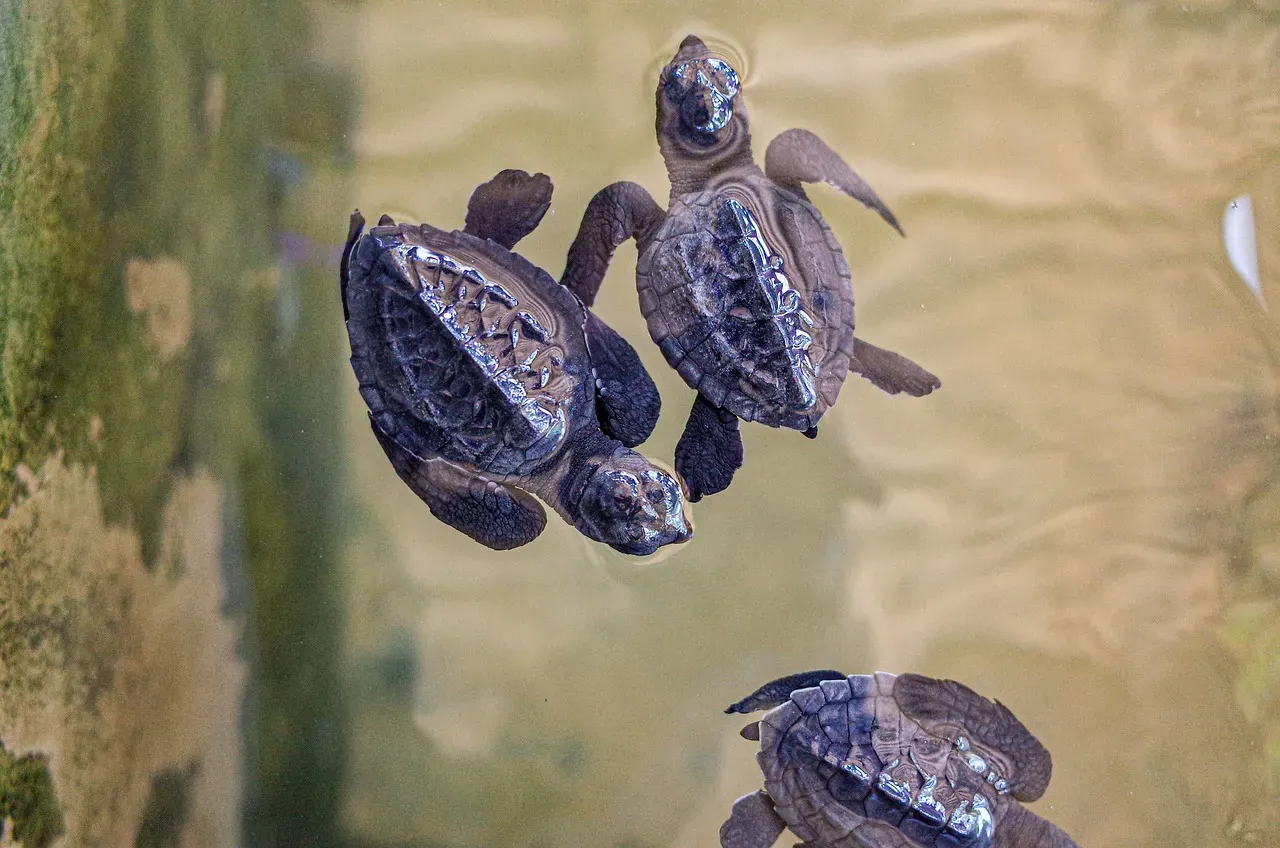
Here’s the thing about painted turtles. The adults hibernate in mud at the bottom of frozen ponds, where they can survive up to four months without breathing. That alone is wild. Yet somehow, their hatchlings have managed to one-up them entirely by doing something even more extreme.
Scientists have found that painted turtle hatchlings can survive with roughly half of their body water as ice. Hatchlings of the painted turtle have more than one trick up the sleeve for overcoming the big winter chill. The hardy youngsters are the supercooling superstars of the vertebrate world, and they can also endure partial freezing, surviving even substantial ice formation within their tissues.
According to research published in the journal Science of the Total Environment, painted turtle hatchlings freeze as microRNA reorganize their metabolism in a way that requires significantly less glucose than wood frogs. Scientists are still piecing together exactly how they do it, which, in a way, makes them even more fascinating. Some nature secrets are stubborn that way.
5. The Upis Beetle: Alaska’s Frozen Warrior
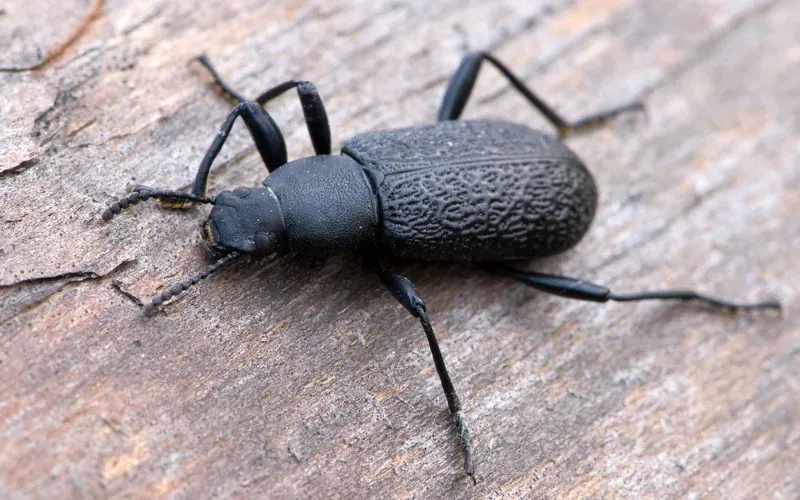
Alaska is not exactly known for being gentle on its inhabitants. The winters are brutal, the temperatures plunge to extremes that would end most life on contact, and yet the Upis beetle does not just survive there. It thrives. Alaskan winters can get as cold as negative 100 degrees Fahrenheit. At about negative 19 degrees Fahrenheit, the beetle freezes. However, it is not deadly to it the way it would be to any other creature, thanks to a substance called xylomannan. It facilitates a slower freezing process, which allows ice crystals to form without damaging the beetle’s tissues.
Unlike other animals and organisms that make use of proteins as antifreeze agents, this darkling beetle creates a sugar-based antifreeze known as xylomannan. Coupled with the aid of oily combinations, this antifreeze stops ice from producing in the cells of the beetle.
When spring comes, the beetle defrosts and continues its lifecycle. It’s almost mundane the way it’s described, isn’t it? As if waking up after being a frozen beetle is just a normal Tuesday morning. For this species, honestly, it kind of is.
6. The Spring Peeper Frog: Tiny, Loud, and Impressively Tough
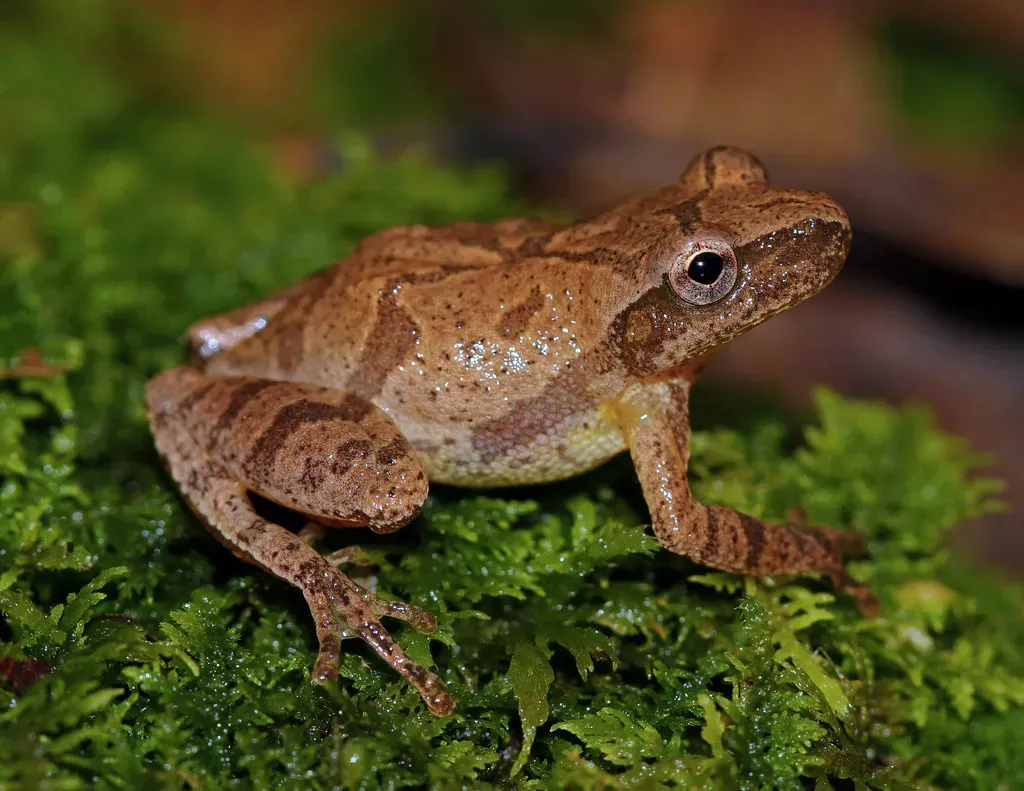
If you’ve ever stood near a pond in early spring and heard that high-pitched chorus rising from the darkness, you’ve heard the spring peeper announcing its return. What most people don’t realize is just how dramatic that return actually is. Spring peepers possess a remarkable freeze tolerance adaptation, surviving temperatures as low as minus 8 degrees Celsius in northern regions. Their bodies can freeze solid without damage, a rare trait among amphibians.
These tiny tree frogs produce glucose antifreeze so quickly they can survive rapid freezing that would kill other freeze-tolerant species. They can handle being frozen solid, thawing out, then freezing again multiple times as winter temperatures fluctuate. The ability to survive repeated freeze-thaw cycles is actually harder on organisms than staying frozen continuously, but spring peepers have adapted to manage this challenge.
By selecting stable microclimates near water sources, they maintain minimal metabolic activity, relying on glucose-based antifreeze to survive until spring’s warmth triggers their emergence. For a frog that barely reaches the size of a large coin, that resilience is genuinely staggering.
7. The New Zealand Alpine Weta: The Largest Freezing Insect on Earth
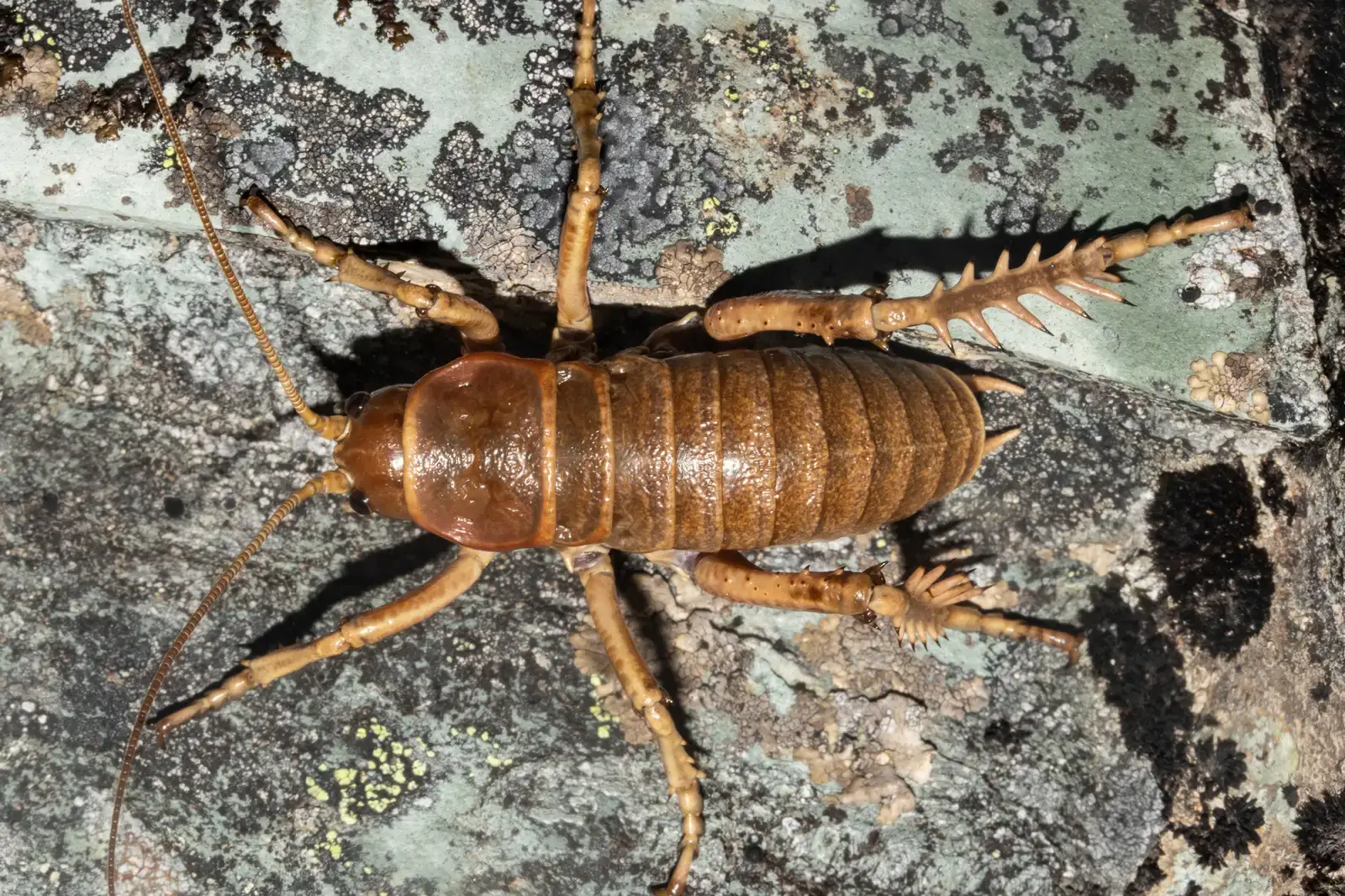
New Zealand has a reputation for strange and ancient wildlife, and the alpine weta is perhaps its most spectacular proof of concept. New Zealand alpine weta are by far the largest insects that can freeze solid in winter and thaw out and crawl away in spring. We’re talking about an insect large enough to fill a human palm, completely iced over, then walking away as if nothing happened.
Mountain stone weta can survive being frozen solid over winter and are estimated to be inactive for at least five months of the year. During winter they are often immobile with ice crystals on their cuticle. When touched, the individuals appear to be frozen solid. On warm days however, they can be found thawed and active under rocks.
While the weta are immobile they are in a state of suspended animation, and they can survive up to 17 days in temperatures of about minus 10 degrees Celsius. At temperatures below minus 10 degrees Celsius, approximately 85 percent of their body water is crystallized, one of the highest ice contents known for any animal. Nearly all of their body water turned to ice, and they still wake up. Remarkable doesn’t quite cover it.
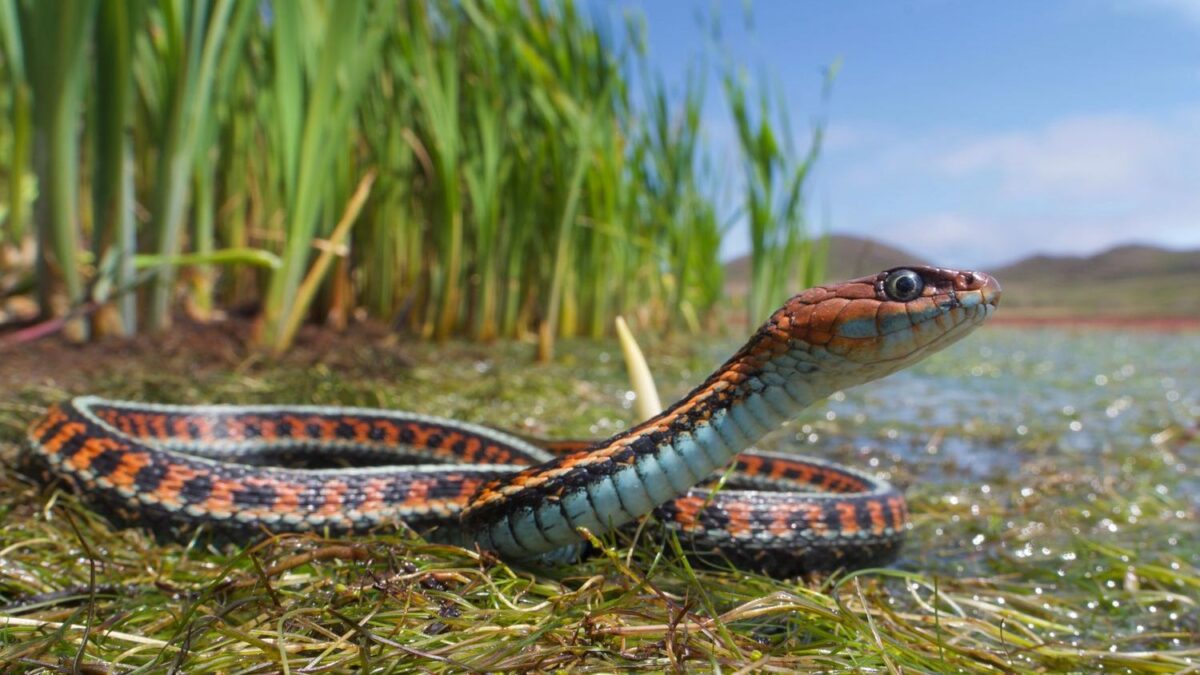
8. The Garter Snake: A Limited but Real Freeze Tolerance
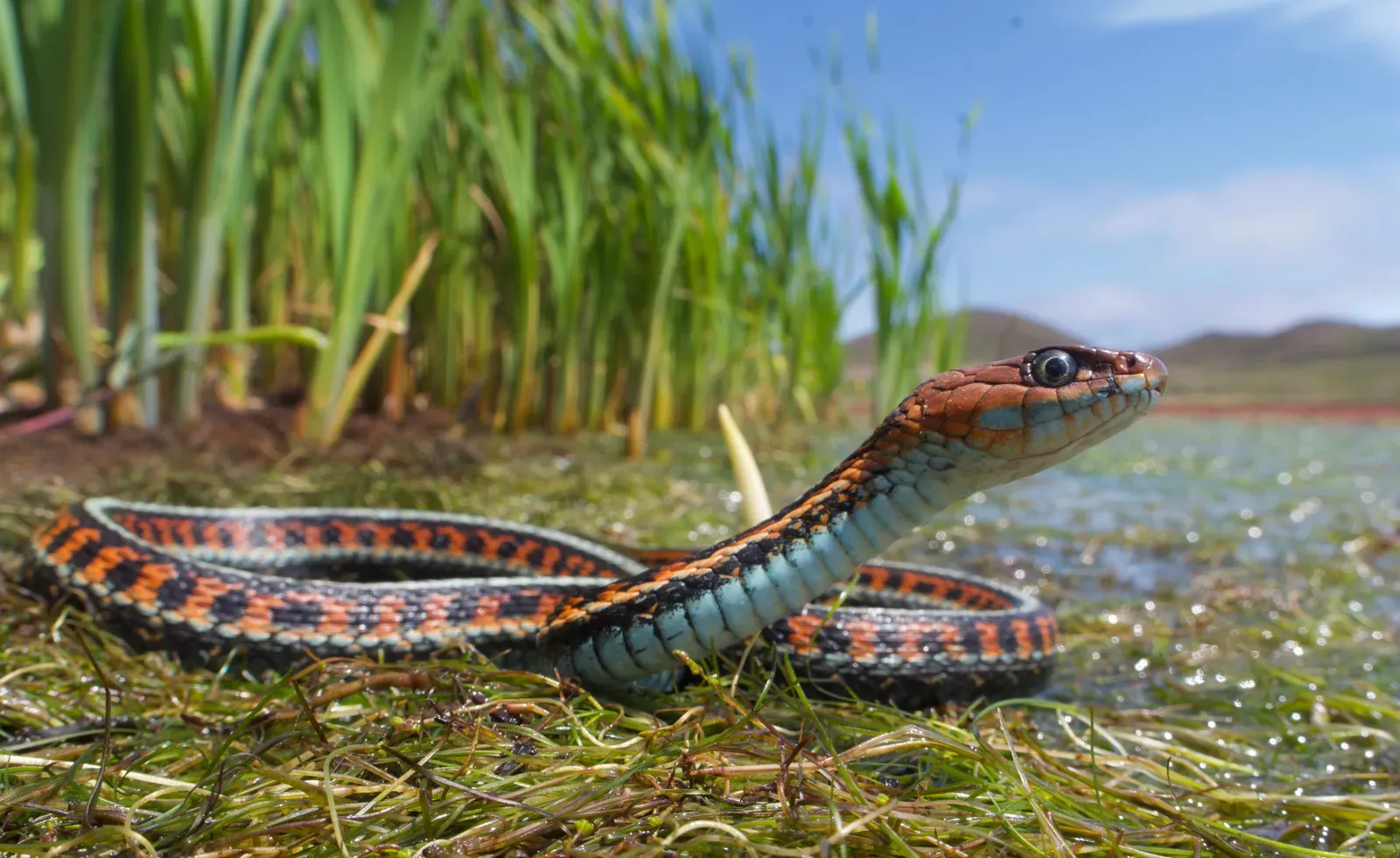
Snakes and freezing temperatures make for an uncomfortable pairing in most cases. Cold-blooded and physically delicate, most snake species would simply not survive being encased in ice. The garter snake, however, is a different story, even if its freeze tolerance is more modest than some others on this list.
Some northern populations of garter snakes have evolved freeze tolerance that lets them survive if caught out during sudden temperature drops. Cold hardiness was evaluated for the red-sided garter snake, and snakes collected in autumn near communal den sites showed an ability to supercool.
Snakes recovered fully after freezing exposures of three hours or less that produced ice contents of up to roughly 40 percent of total body water. It’s hard to say for sure whether this counts as full freeze survival in the same league as the wood frog, but it’s a genuine and documented cold tolerance that no other snake species can match. Sometimes being partially remarkable is still remarkable enough.
9. The Siberian Salamander: The Ultimate Cold Champion Among Vertebrates
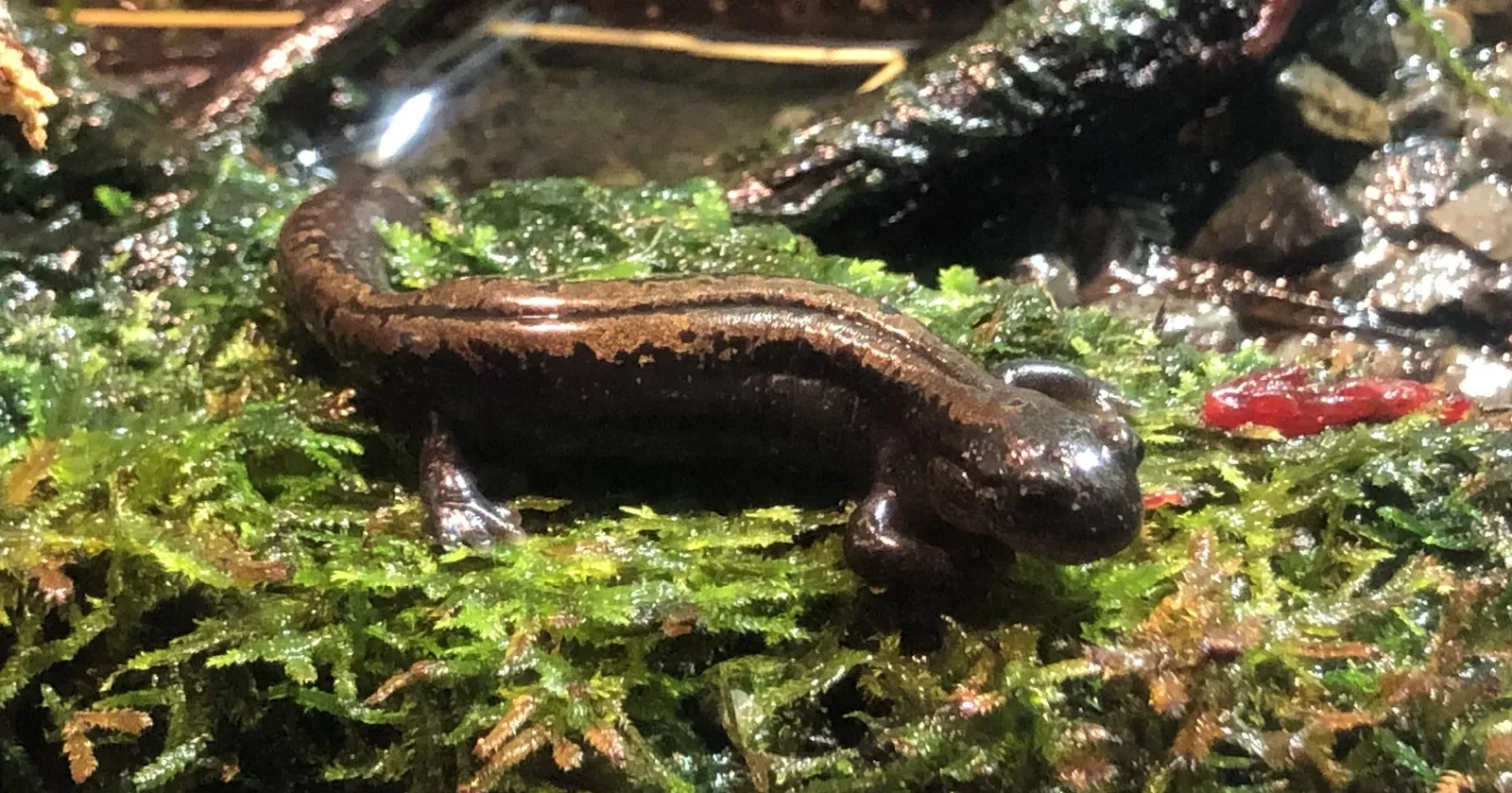
If you thought the wood frog was impressive, the Siberian salamander is here to quietly and completely shatter your expectations. Although species like the wood frog and red-sided garter snake are incredibly hardy, there is one species which can out-do them all: the Siberian newt. Temperatures in Siberia can reach as low as minus 45 degrees Celsius, and it seems impossible that much life could thrive here, yet the Siberian newt does.
Incredibly, it can survive being frozen to minus 35 degrees Celsius for 45 days, or minus 50 degrees Celsius for three days. Those are not typos. Forty-five days frozen solid. That is longer than most people’s work quarter. The sheer duration involved makes this one of the most mind-bending survival feats in the entire animal kingdom.
It is not entirely clear how this remarkable species survives such hostile temperatures, but it seems likely that they produce a cryoprotectant to protect their cells and key organs from freezing, although the specific compound is not yet known. Science is still catching up to what this little salamander has been quietly perfecting for millennia.
10. The Freeze-Tolerant Nematode: Worms Revived After Thousands of Years
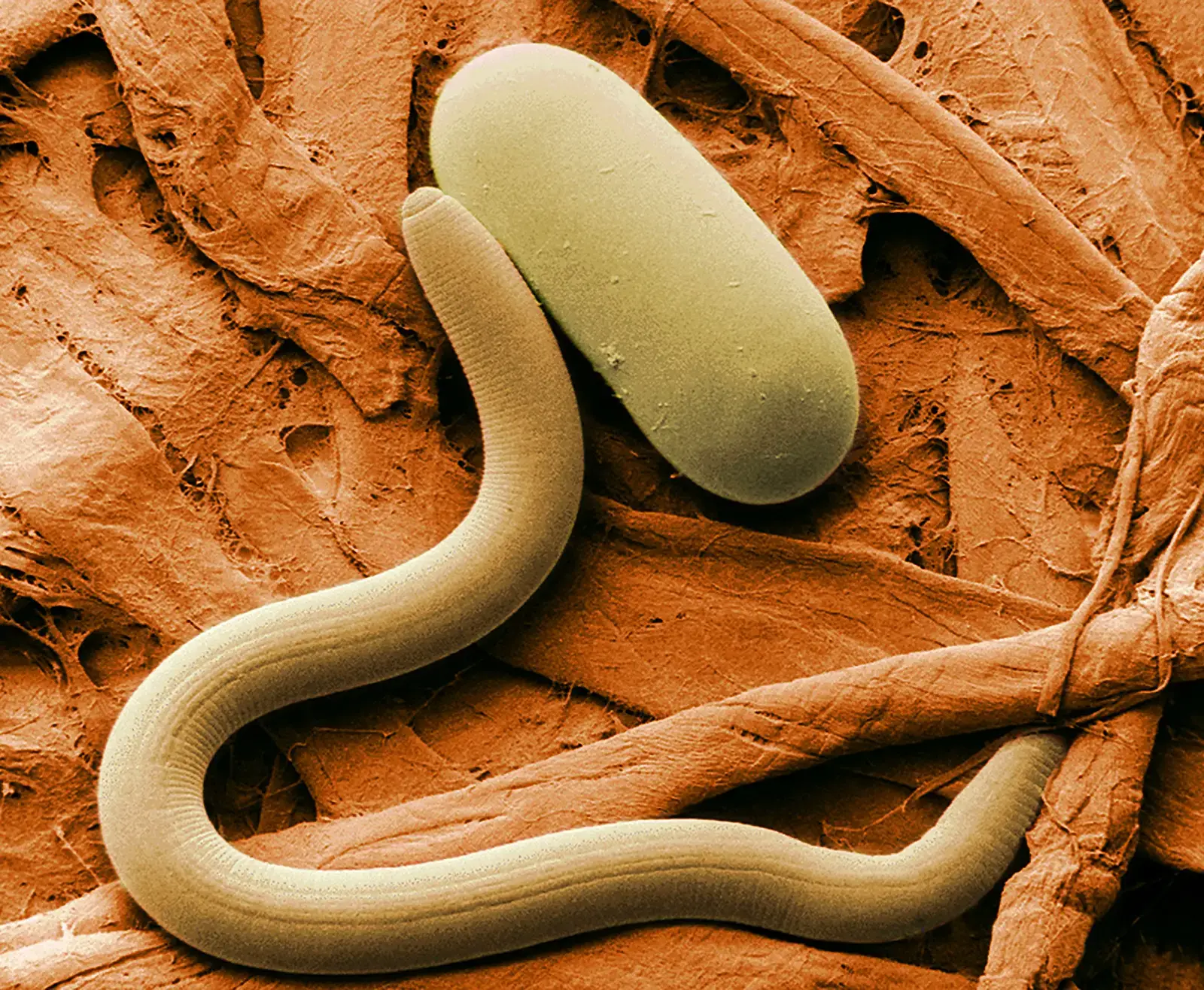
Everything else on this list is impressive, but the freeze-tolerant nematode exists in a category that borders on the incomprehensible. Microscopic roundworms found in Arctic permafrost have been revived after being frozen for over 40,000 years, showing that freeze tolerance can preserve life almost indefinitely. These worms replace most of their cellular water with trehalose, a sugar that protects proteins and cell membranes during freezing. They essentially turn themselves into a glass-like state that can withstand extreme cold for geological timescales.
Forty thousand years. To put that in perspective, that predates the existence of most modern human civilizations by tens of thousands of years. These worms were frozen before humans had written language. They woke up fine.
A worm called the Antarctic nematode goes a step further, letting the fluid within its cells freeze, though the cell nuclei remain unfrozen. Exactly how they pull this off without dying remains unknown. The fact that science still cannot fully explain this in 2026 makes it all the more extraordinary. Nature has secrets it guards jealously, and this worm is one of them.
11. The Box Turtle: An Underrated Freeze Survivor
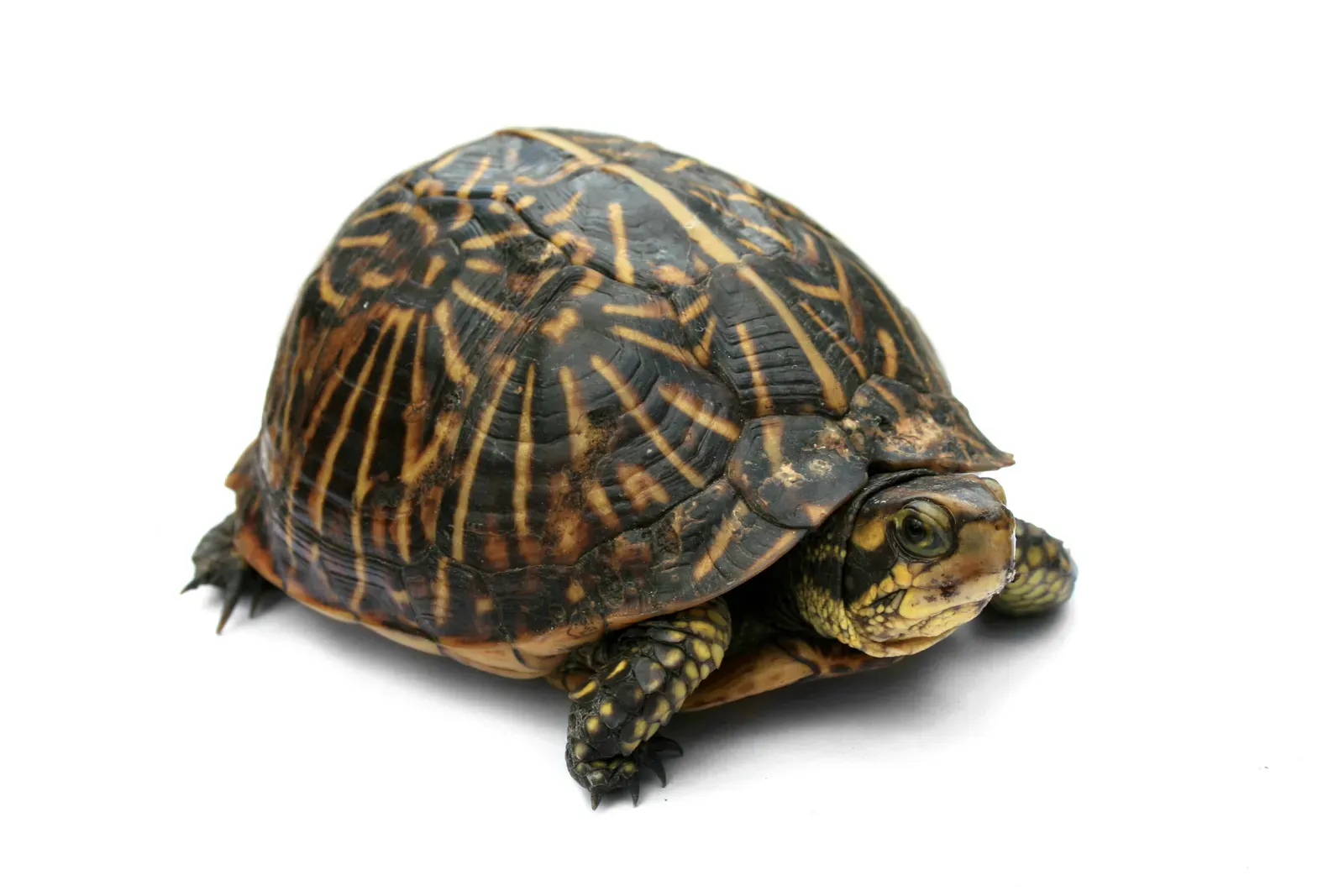
Box turtles tend not to get the dramatic headlines that wood frogs or tardigrades attract. They’re familiar, seemingly ordinary, and easy to overlook. Yet they belong squarely on this list, with a freeze survival ability that would astonish most people who have ever seen one plodding through a garden.
Unlike their aquatic relatives, box turtles hibernate on land in shallow burrows where they’re exposed to freezing temperatures. Up to half of their body fluids can freeze solid while cryoprotectants keep their cells intact through the winter. They produce urea and glycerol that work together to prevent ice crystals from destroying tissues, and they can remain frozen for weeks at a time.
Freeze tolerance is an amazing winter survival strategy used by various amphibians and reptiles living in seasonally cold environments. These animals may spend weeks or months with up to roughly 65 percent of their total body water frozen as extracellular ice and no physiological vital signs, and yet after thawing they return to normal life within a few hours. The box turtle, humble and patient, epitomizes this quiet, extraordinary persistence.
What It All Means for Science and for Us
There is a reason researchers are paying serious attention to these animals beyond pure biological curiosity. Wood frogs and other animals that survive extreme conditions in nature have many applications in medicine, especially in the world of organ transplants. A human heart, for example, can only exist outside the body for about four hours. Understanding how a frog’s liver floods its body with protective glucose could one day change how surgeons preserve organs for transplantation.
The biochemical mechanisms involved in natural freeze tolerance include the regulation of extracellular ice formation by proteinaceous ice nucleators in body fluids, the accumulation of high concentrations of low molecular weight carbohydrates as cryoprotectants, and a well-developed ischemia tolerance that supports the survival of individual organs while frozen. In other words, these animals have cracked a multi-layered biological puzzle that human science is still working to replicate.
A scientific understanding of freeze tolerance in insects was first achieved in the 1930s, but it wasn’t until 1982 that scientists discovered it also exists in vertebrates, wood frogs in particular. That discovery fundamentally changed what scientists believed was possible. Understanding freeze tolerance strategies in animals provides insight into how species may adapt or struggle with the ongoing climate shift. Future research will likely delve deeper into the genetic and molecular underpinnings of freeze tolerance, seeking to apply these learnings to conservation efforts and biotechnological advancements.
Conclusion: Nature’s Most Audacious Survival Strategy
Freeze, stop your heart, turn your body to ice, and wait. It is the most audacious survival strategy nature has ever produced, and eleven animals in this article pull it off with varying degrees of astonishment. From a microscopic worm sleeping for 40,000 years to a Siberian salamander enduring nearly two months frozen, these creatures redefine what the word “alive” even means.
What strikes me most is not just the biology, but the sheer stubbornness of it. Life, it turns out, is far less fragile than we assume. It bends into ice crystals. It empties itself of water. It stops its own heart. Then it comes back.
The next time you walk past a frozen pond or a frost-covered log, think about what might be sleeping underneath. Something small, something frozen solid, something very much alive. What creature on this list surprised you the most? Drop your thoughts in the comments below.

- Marine Biology Says When Dolphins Suddenly Go Silent in Open Water It's Not Rest – They've Detected a Predator You Cannot See and Their Survival Strategy Reveals How They Read Danger - July 20, 2026
- What It Means When Cardinals Appear During Major Life Transitions (Based on 300 Years of Documented Sightings) - July 20, 2026
- 12 Backyard Animals That Can Sense When a Storm Is Coming Hours Before Your Weather App (And How They Warn You) - July 20, 2026