

In the quiet hours when most humans retreat indoors, something remarkable is happening in the natural world. Wildlife researchers have been documenting a fascinating behavioral shift among various animal species across the globe. Many animals that traditionally operated during daylight hours appear to be shifting their activities to the cover of darkness. This phenomenon raises an intriguing question: Are animals becoming more nocturnal specifically to avoid human presence? The evidence suggests this temporal shift might represent one of the most widespread but least recognized impacts of human civilization on wildlife behavior.
The Emerging Pattern of Nocturnal Shifts
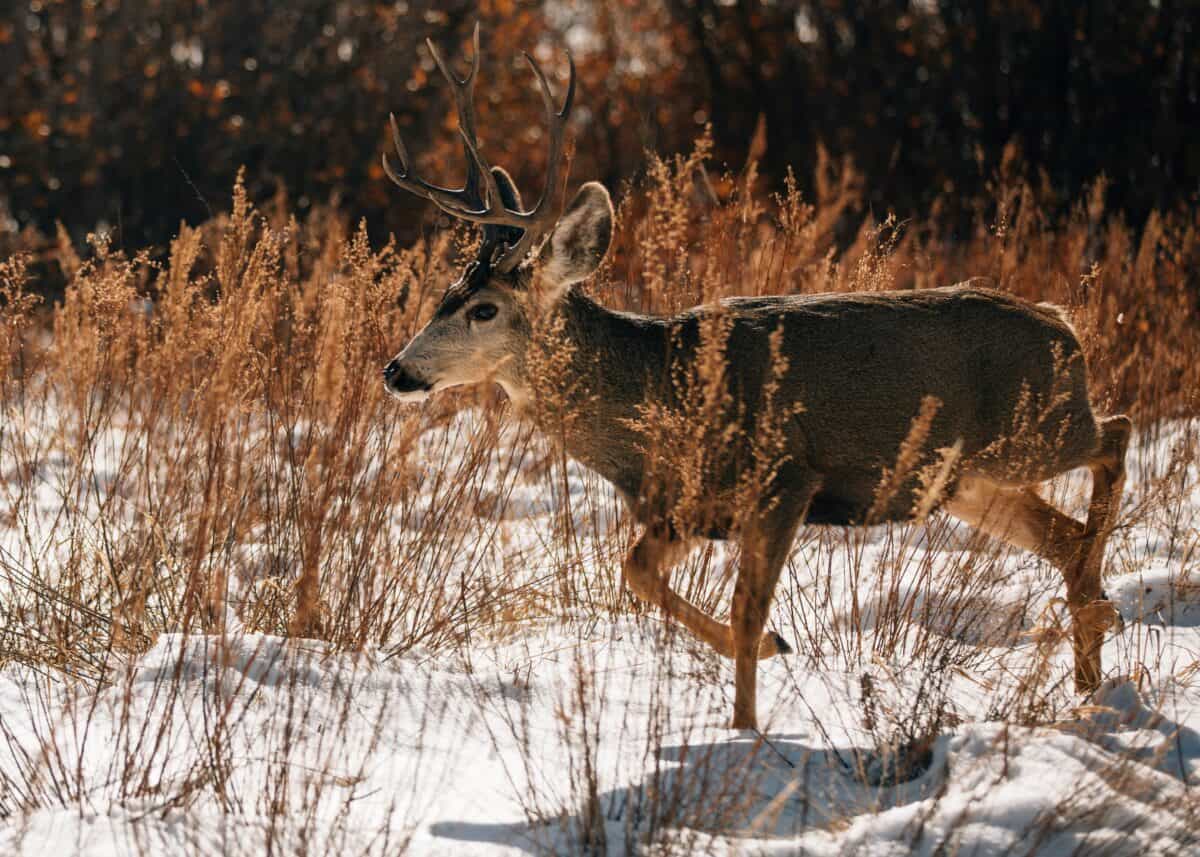
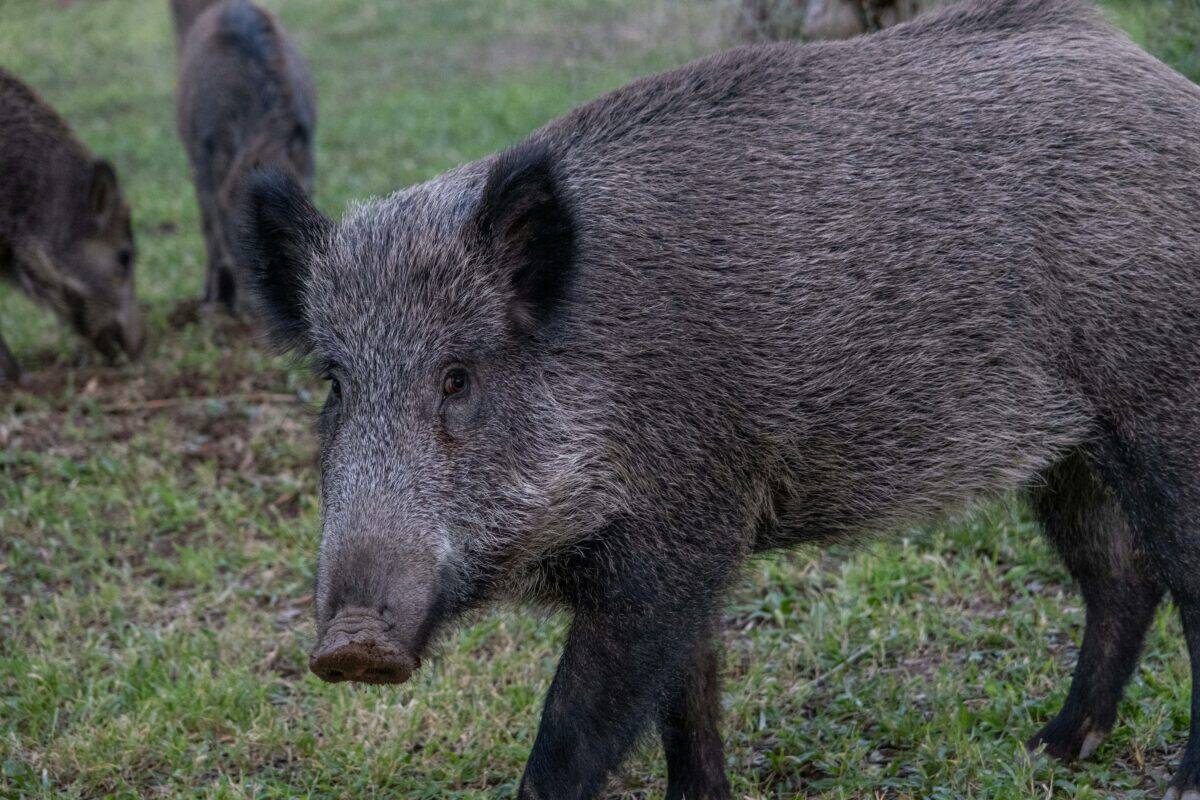
Research published in the journal Science in 2018 provided compelling evidence of this behavioral adaptation. The meta-analysis examined 76 studies of 62 mammal species across six continents and found that animals increased their nighttime activity by an average of 36% in areas with high human presence compared to areas with minimal human disturbance. This shift occurred regardless of whether human activities were lethal (hunting) or non-lethal (hiking, urban living). From deer and coyotes to tigers and wild boar, mammals across taxonomic groups displayed this tendency to become more active during nighttime hours when sharing habitats with humans.
Understanding Temporal Partitioning
Ecologists refer to this phenomenon as “temporal partitioning”—when species adjust their activity patterns to avoid competition or threats. In this case, animals are partitioning their time to minimize overlap with humans. This strategy allows wildlife to continue utilizing valuable habitat while reducing potentially dangerous encounters with people. Rather than abandoning resource-rich areas entirely, many species have found that shifting their activity schedule offers a compromise that enables coexistence. This temporal flexibility demonstrates the remarkable adaptability of wildlife in response to anthropogenic pressures.
The Human Factor: Beyond Direct Persecution
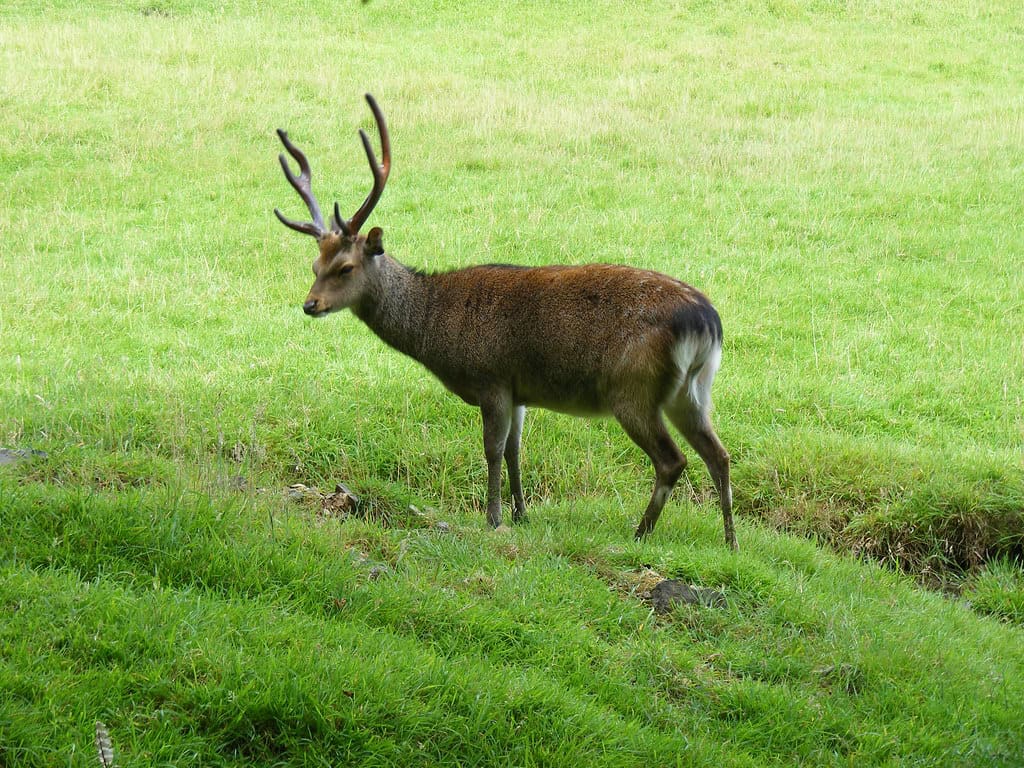
What’s particularly notable about these nocturnal shifts is that they occur not just in response to hunting or direct persecution, but also to apparently benign human activities. Even in protected areas where animals are not hunted, species show increased nocturnal behavior when exposed to hikers, mountain bikers, or simply human settlements. A sika deer in a Japanese park or a leopard in a well-protected reserve may shift its activities to nighttime despite facing no immediate threat from humans. This suggests animals perceive human presence itself as risky, regardless of our actual behavior toward them.
Urban Adaptors Leading the Way

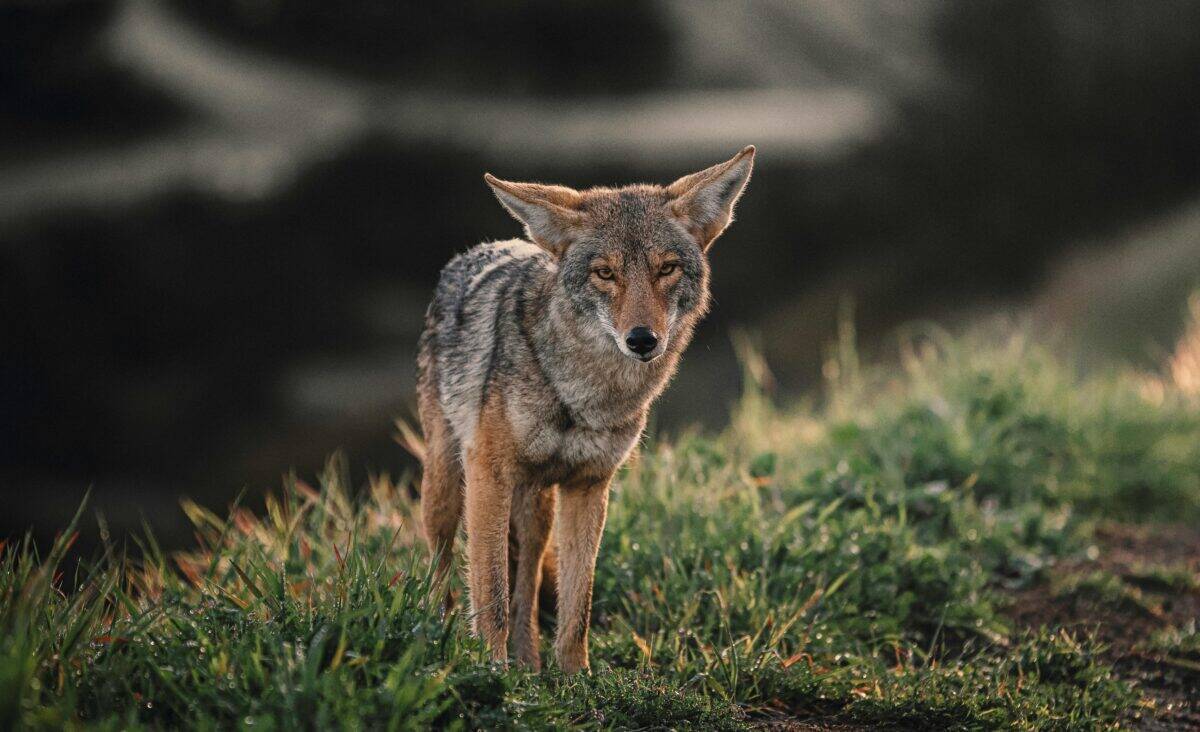
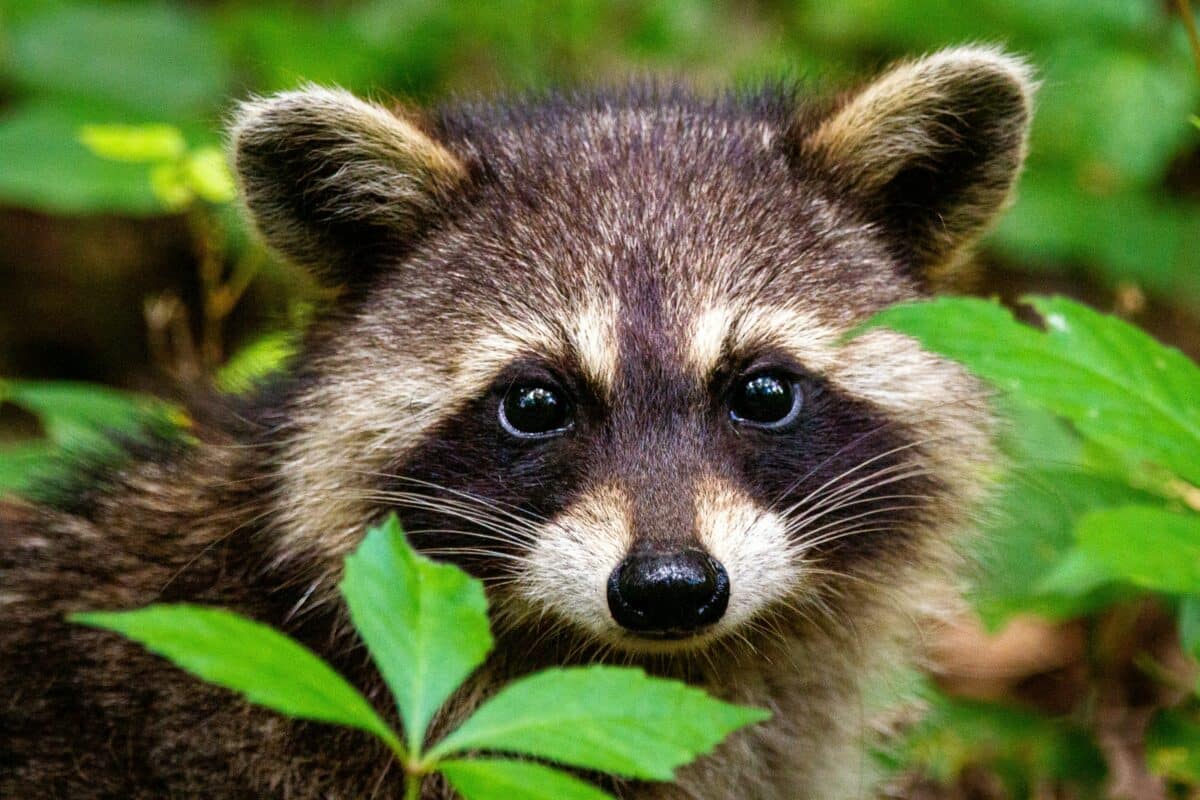
Some of the most dramatic examples of nocturnal shifting occur in urban and suburban environments. Species like coyotes, raccoons, and foxes that have successfully colonized cities have largely done so by becoming predominantly nocturnal. Studies tracking urban coyotes with GPS collars reveal they often spend daylight hours hidden in small patches of vegetation, emerging after dark to travel through neighborhoods when human activity subsides. Researchers in Chicago documented that urban coyotes increased their nocturnal activity to 70% of their total activity, while their rural counterparts distributed their activity more evenly between day and night.
The “Landscape of Fear” Concept
Ecologists explain this behavior through the “landscape of fear” theory—the idea that prey species perceive their environment as a terrain of varying risk, altering their behavior accordingly. For many wildlife species, humans have become the apex predator creating this fearscape. Even when we don’t actively hunt animals, our presence triggers fear responses similar to those caused by natural predators. This perception of risk drives temporal avoidance, with animals shifting activities to times when the perceived threat (humans) is less active. Studies using camera traps reveal that even protected areas experience this effect when recreational activities are permitted.
Measurable Physiological Changes

The stress response associated with avoiding humans goes beyond behavioral changes. Researchers have documented physiological changes in animals forced to become more nocturnal, including altered stress hormone profiles. Animals that evolved as diurnal species may experience physiological challenges when shifting to nocturnal activity patterns. Their visual systems, metabolism, and circadian rhythms are optimized for daytime function. The energetic costs of this adaptation aren’t fully understood, but could potentially affect animals’ overall fitness, reproductive success, and long-term population viability.
Cascading Ecological Effects
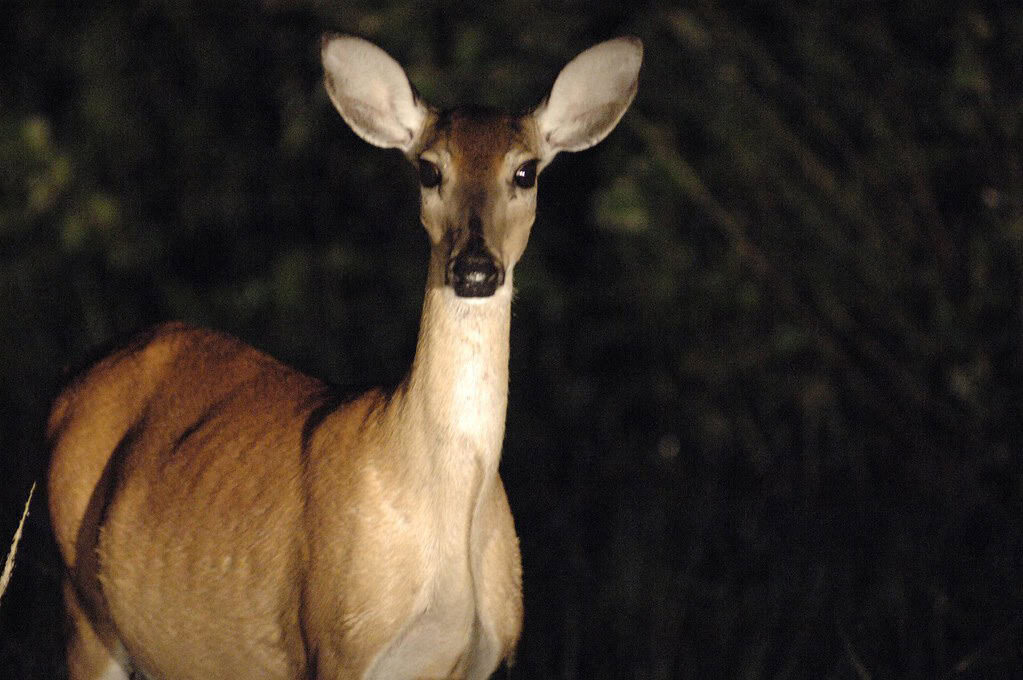
When species shift their activity patterns, ecological ripple effects can follow. Predator-prey relationships may be altered when one species changes its activity schedule. For example, if deer become more nocturnal to avoid humans but their predators don’t make the same adjustment, this could reduce predation pressure. Conversely, if both predator and prey shift to nighttime activity, predation rates might increase. These temporal shifts can also affect competition between species, plant-animal interactions like pollination and seed dispersal, and even evolutionary trajectories over longer timeframes. The full ecological consequences remain an active area of research.
Case Study: The European Brown Bear
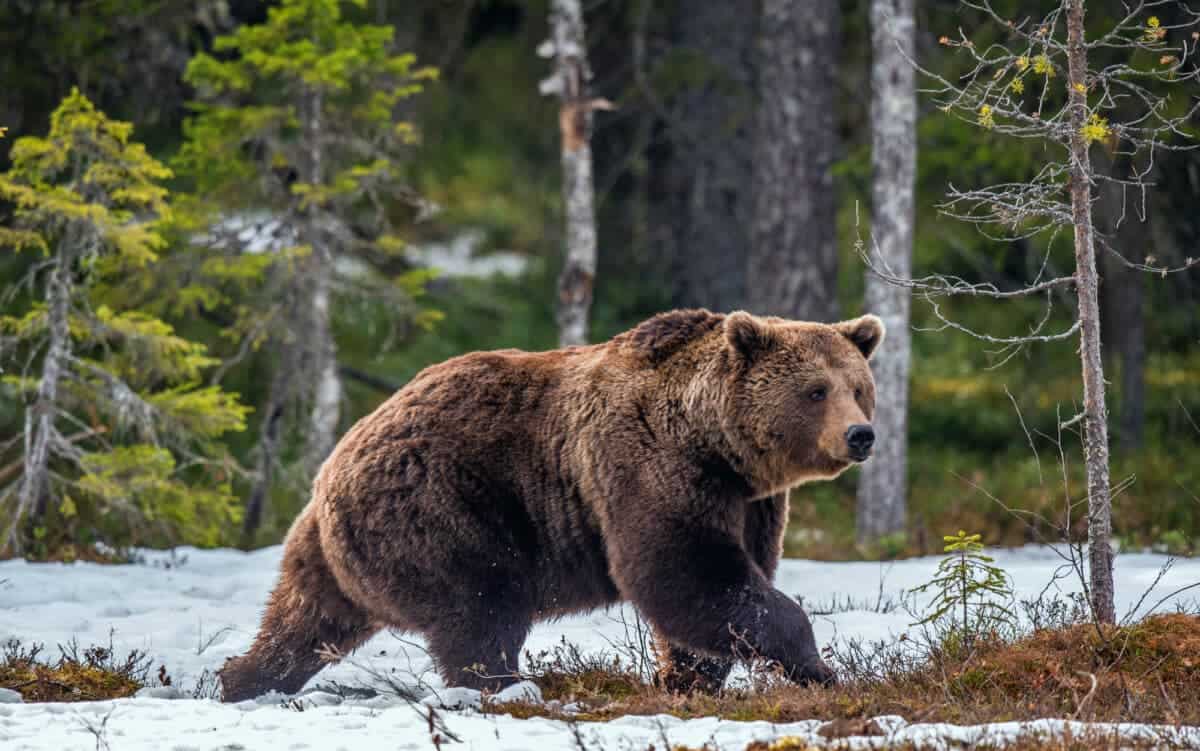
The European brown bear offers a compelling case study of human-induced nocturnality. Historically active throughout the day, bears in human-dominated landscapes of Europe have become predominantly nocturnal. Research in Slovenia tracked bears fitted with GPS collars and found that in areas with higher human presence, bears restricted almost 90% of their activity to nighttime hours. Remarkably, during hunting season, bears became even more strictly nocturnal. In contrast, bears in remote areas maintained more natural activity patterns spread throughout the day and night. This dramatic behavioral shift represents a significant adaptation that allows these large carnivores to persist in landscapes shared with humans.
Global Impact Across Ecosystems

The temporal shifting phenomenon has been documented across vastly different ecosystems and continents. From African lions in tourism areas becoming more nocturnal to avoid safari vehicles, to tapirs in Neotropical forests shifting their activity to avoid hunters, the pattern repeats worldwide. This global consistency suggests the response is a fundamental adaptation strategy rather than a localized or species-specific reaction. As human activities expand into previously remote habitats, researchers expect this trend to accelerate. Even wilderness areas are experiencing increased visitation, potentially driving further temporal shifting among sensitive species.
Technological Insights: How We Track the Night Shift

Advancements in wildlife monitoring technology have been crucial in documenting these nocturnal shifts. Motion-activated camera traps with infrared capabilities can now record wildlife activity 24 hours a day without disturbing natural behaviors. GPS collars with accelerometers provide detailed activity patterns for individual animals across seasons and landscapes. These tools have revolutionized our understanding of wildlife activity patterns and revealed behavioral adaptations that were previously difficult to observe. The growing database of camera trap studies worldwide has been particularly valuable in identifying broad patterns across species and ecosystems.
Conservation Implications and Coexistence Strategies

Understanding animals’ temporal responses to humans has important conservation implications. Protected areas might need to consider not just where human activities occur but when they take place. Temporal zoning—restricting human access during critical times—could complement spatial protections. In some cases, creating “temporal refuge” by ensuring periods with minimal human disturbance might be as important as creating physical wildlife corridors. For species particularly sensitive to human presence, conservation planning might need to incorporate activity patterns and ensure sufficient undisturbed time for natural behaviors. This temporal dimension adds complexity to conservation but also offers new opportunities for human-wildlife coexistence.
Future Research Directions
While the evidence for human-induced nocturnality is compelling, many questions remain. Researchers are now investigating whether these temporal shifts affect animals’ fitness and long-term population viability. The genetic basis of adaptability to different activity patterns is another frontier, as is understanding whether these behavioral changes might lead to evolutionary changes over time. Climate change adds another layer of complexity, as rising temperatures in many regions may make daytime activity more energetically costly for some species. The interaction between thermal constraints and human avoidance could further drive nocturnal shifts. Finally, researchers are exploring whether some species might be reaching the limits of their adaptability to human presence.
Conclusion: The Night Shift in the Anthropocene

The growing evidence that animals are becoming more nocturnal to avoid humans represents one of the most widespread behavioral adaptations to human presence on our planet. This temporal reshuffling of wildlife activity may allow many species to persist in human-altered landscapes, representing both a troubling disruption of natural patterns and a remarkable demonstration of wildlife resilience. As humanity’s footprint continues to expand across the globe, we may be inadvertently pushing more of the natural world into the darkness. Understanding these shifts is essential for effective conservation and raises profound questions about our relationship with the other species sharing our increasingly human-dominated planet. The next time you venture outdoors after dark, remember that the night has become a refuge for many creatures seeking to avoid our daytime dominance of the landscape.

- The Secret Language of Dolphins Decoded by Researchers - July 20, 2026
- 7 Animals That Can Survive Extreme Environments You Couldn’t - July 20, 2026
- The Longest Snake Ever Found in the U.S. - July 20, 2026