
Stories from earthquake prone regions often mention something odd in the days leading up to a major shake. Yards that usually buzz with activity suddenly fall quiet, as if the usual residents have packed up and left without warning.
These reports span cultures and centuries, focusing on common backyard creatures that seem to sense trouble long before instruments do. The pattern raises questions about what animals might notice that humans miss.
1. Dogs

Many accounts describe dogs growing restless or disappearing from familiar spots in the hours and days before seismic activity. They may slip away from yards or refuse to return home, seeking shelter elsewhere instead.
Owners sometimes notice their pets pacing or whining without obvious cause, only to find the animals have vanished by the next morning. Such behavior aligns with broader observations of heightened sensitivity in canines ahead of tremors.
2. Cats

Cats have a reputation in folklore for sensing shifts in their environment well in advance. Reports frequently mention household cats leaving yards or hiding in unusual places as if preparing for disruption.
Neighbors in affected areas have shared tales of feline companions vanishing from porches and gardens two days prior to noticeable quakes. This withdrawal often coincides with other subtle changes in local wildlife patterns.
3. Squirrels
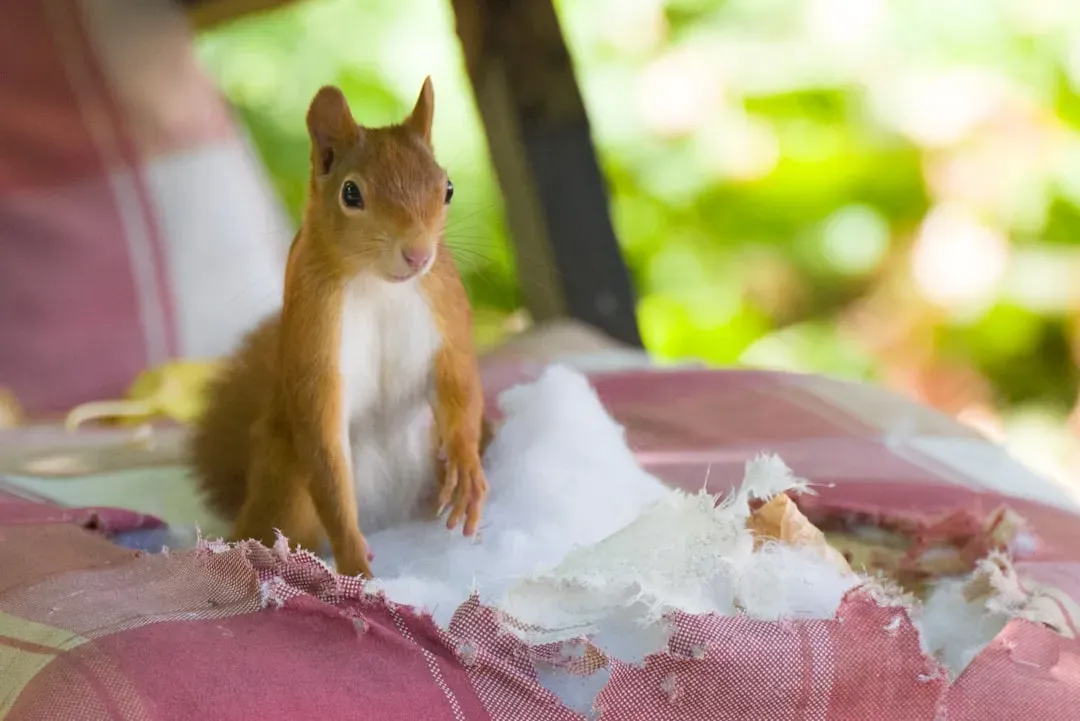
Squirrels typically dart across lawns and trees with predictable energy. In certain documented cases, these rodents clear out of suburban backyards entirely in the lead up to earthquakes.
Residents report empty bird feeders and silent branches where squirrels once played. The absence stands out because these animals rarely stray far from reliable food sources under normal conditions.
4. Birds
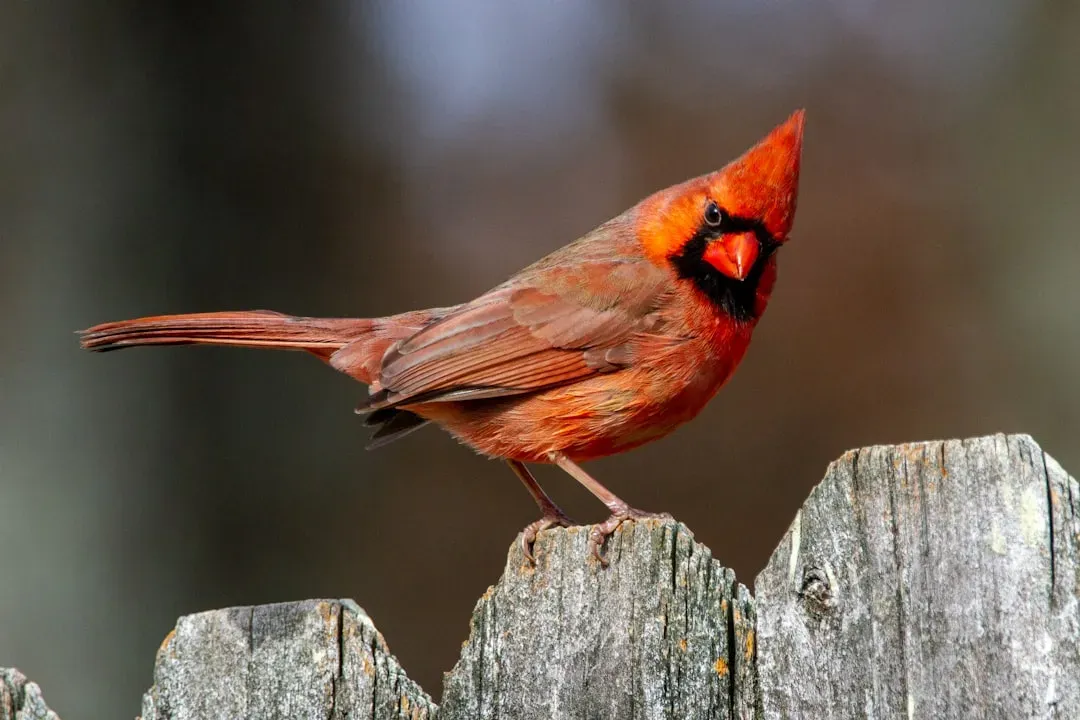
Common backyard birds such as sparrows and robins fill mornings with song and movement. Anecdotal evidence points to flocks abandoning feeders and nests well before ground movement begins.
People have observed sudden silence in gardens that usually host constant chirping. The birds appear to relocate to safer or higher ground, returning only after the event passes.
5. Rabbits
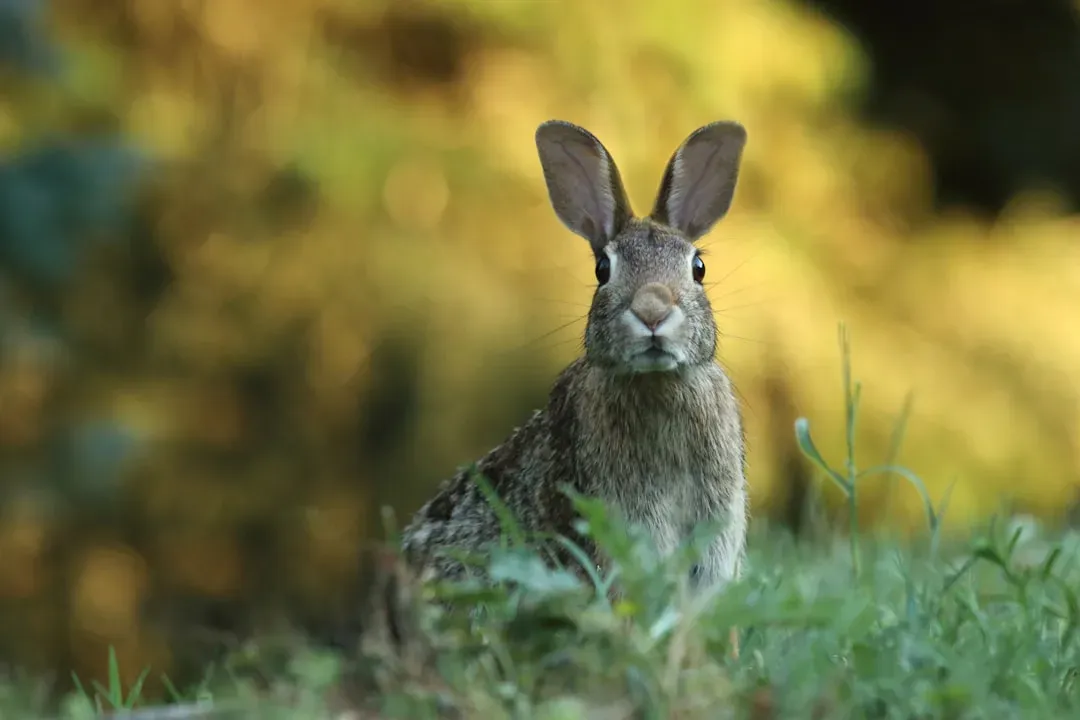
Wild rabbits often graze in open yards during twilight hours. Accounts from seismic zones note these animals retreating underground or leaving the area days ahead of quakes.
Gardeners have remarked on the sudden lack of tracks or droppings in spots that once showed regular activity. This shift suggests an instinctive response to impending vibrations or pressure changes.
6. Snakes
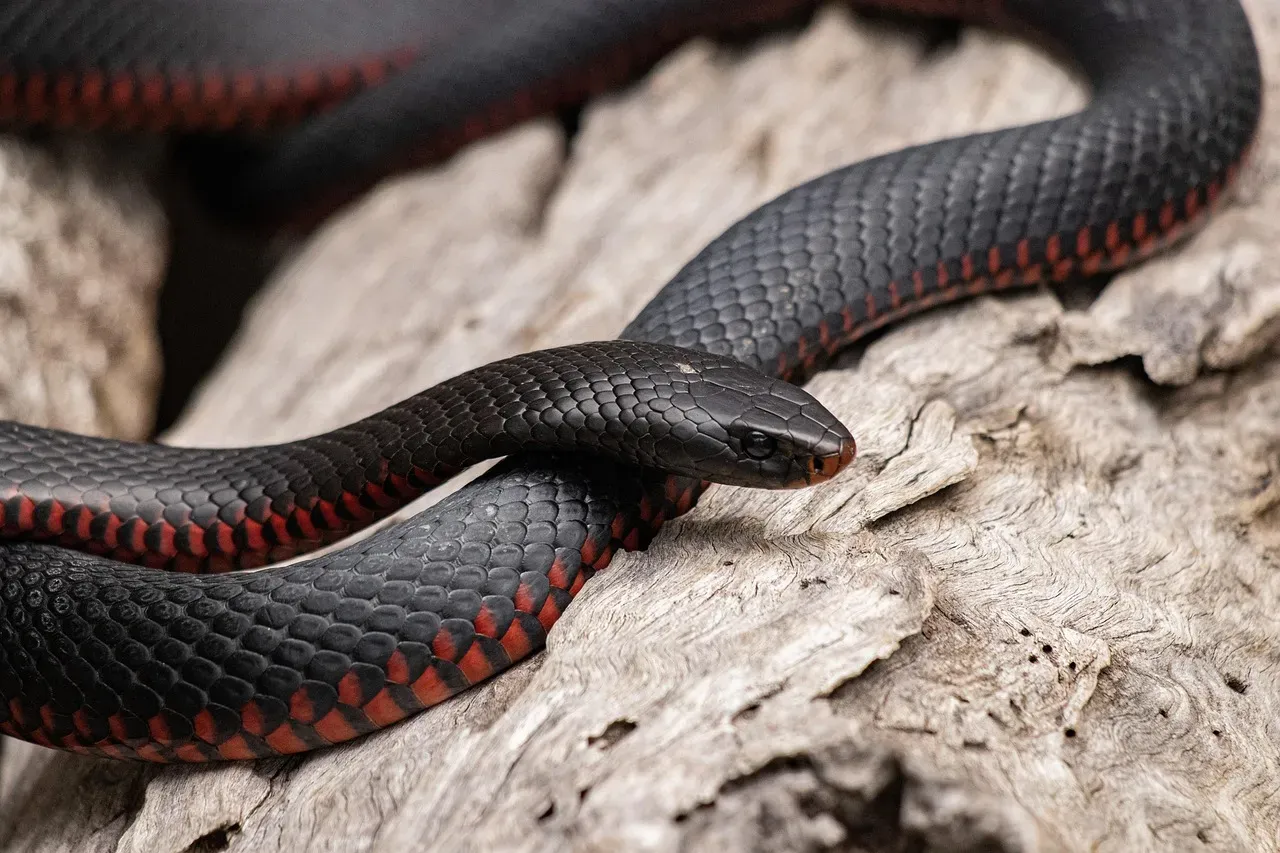
Snakes frequent garden edges and rock piles in many backyards. Historical and modern reports describe them abandoning these haunts and moving to new locations before tremors strike.
Observers note fewer sightings of these reptiles in the 48 hours leading up to events. The behavior echoes ancient descriptions of snakes leaving their usual shelters in advance of danger.
7. Frogs

Frogs gather near ponds or damp corners of yards after rain. Some stories highlight their complete disappearance from these spots prior to earthquakes.
Evening choruses that normally echo through neighborhoods go quiet without explanation. The amphibians seem to seek drier or more protected environments during this window.
8. Mice
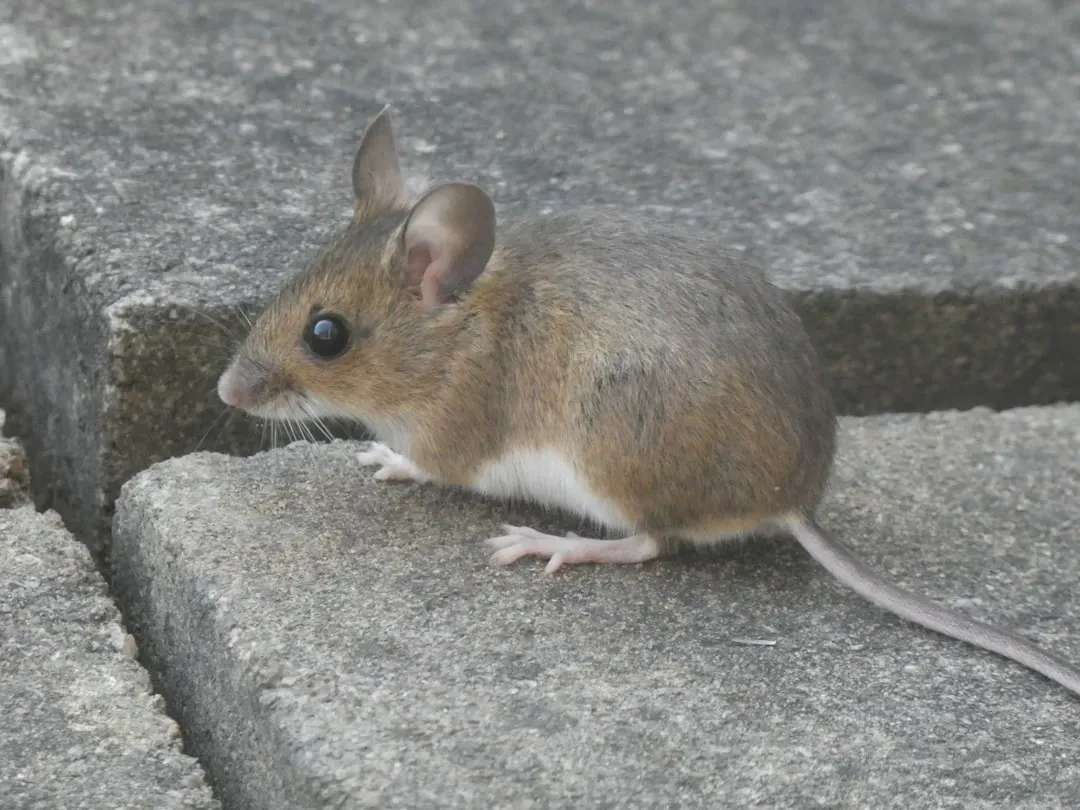
Mice scurry through basements, sheds, and garden beds on a regular basis. Reports indicate these small rodents clear out of human spaces in noticeable numbers ahead of seismic activity.
Homeowners sometimes find traps empty and droppings absent in the days before a quake. The pattern suggests a coordinated movement away from familiar territories.
9. Ants
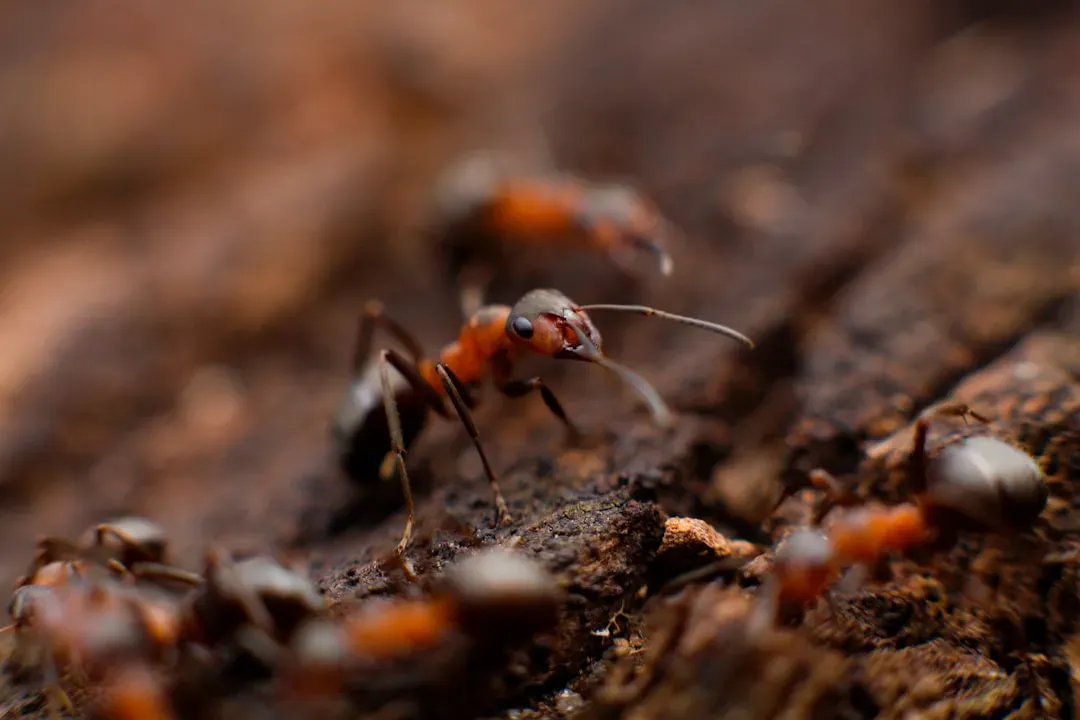
Ant colonies maintain steady trails across patios and lawns. In select observations, these insects abandon surface paths and seal entrances to their nests well in advance.
Yards that once showed constant ant traffic appear still and undisturbed. This withdrawal may reflect sensitivity to subtle ground shifts or atmospheric alterations.
10. Bees
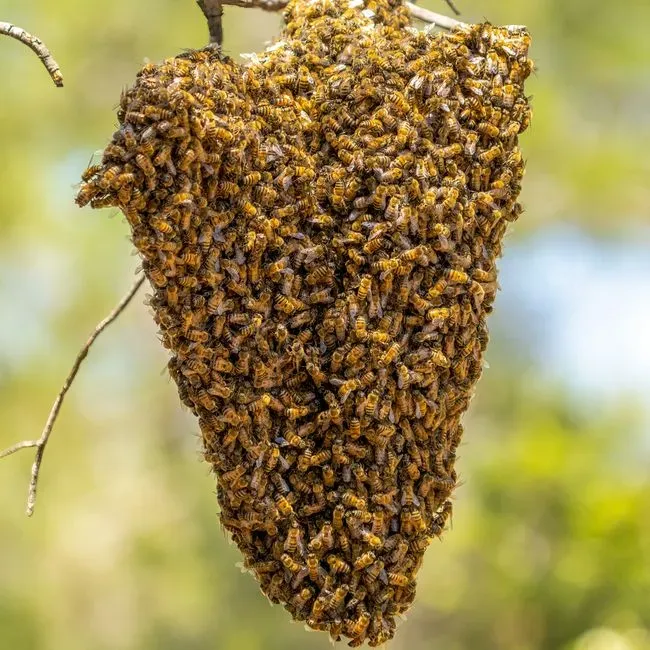
Bees visit backyard flowers and hives with reliable schedules. Accounts mention hives going quiet or swarms relocating as if sensing an approaching disturbance.
Gardeners have noted fewer buzzing visitors around usual foraging spots in the critical period before events. The change disrupts normal pollination activity in the area.
11. Raccoons

Raccoons prowl yards at night for food scraps and water. Several narratives describe these adaptable mammals vanishing from suburban settings days before earthquakes occur.
Trash bins that usually attract nightly raids stand untouched, and tracks disappear from soft soil. Their absence highlights how even larger backyard visitors may respond to unseen cues.
Conclusion

These stories offer a window into how animals might respond to their surroundings in ways that still puzzle researchers. While the patterns intrigue many, they remain rooted in personal observations rather than consistent scientific proof.
Paying attention to such changes could encourage greater awareness of natural signals around us. In the end, the real value lies in respecting both the limits of current knowledge and the quiet intelligence animals display every day.

- 8 Ways Bobcats Move Through Suburbs Without Being Seen - August 9, 2026
- 7 Reasons Black Bears Return to the Same Food Source - August 9, 2026
- Animal Cognition Says Horses Remember People Who Treated Them Well and Those Who Did Not - August 9, 2026