


Nature has equipped many creatures with fascinating adaptations for survival, and among the most impressive of these features is natural armor. These biological shields serve multiple purposes, from defense against predators to combat in mating rituals. In this article, we will explore 13 extraordinary creatures that possess unique natural armor, each designed to increase their chances of survival in the wild. Join us on this journey of exploration, where science meets the marvels of evolution.
Armored Armadillos Nature’s Living Tanks
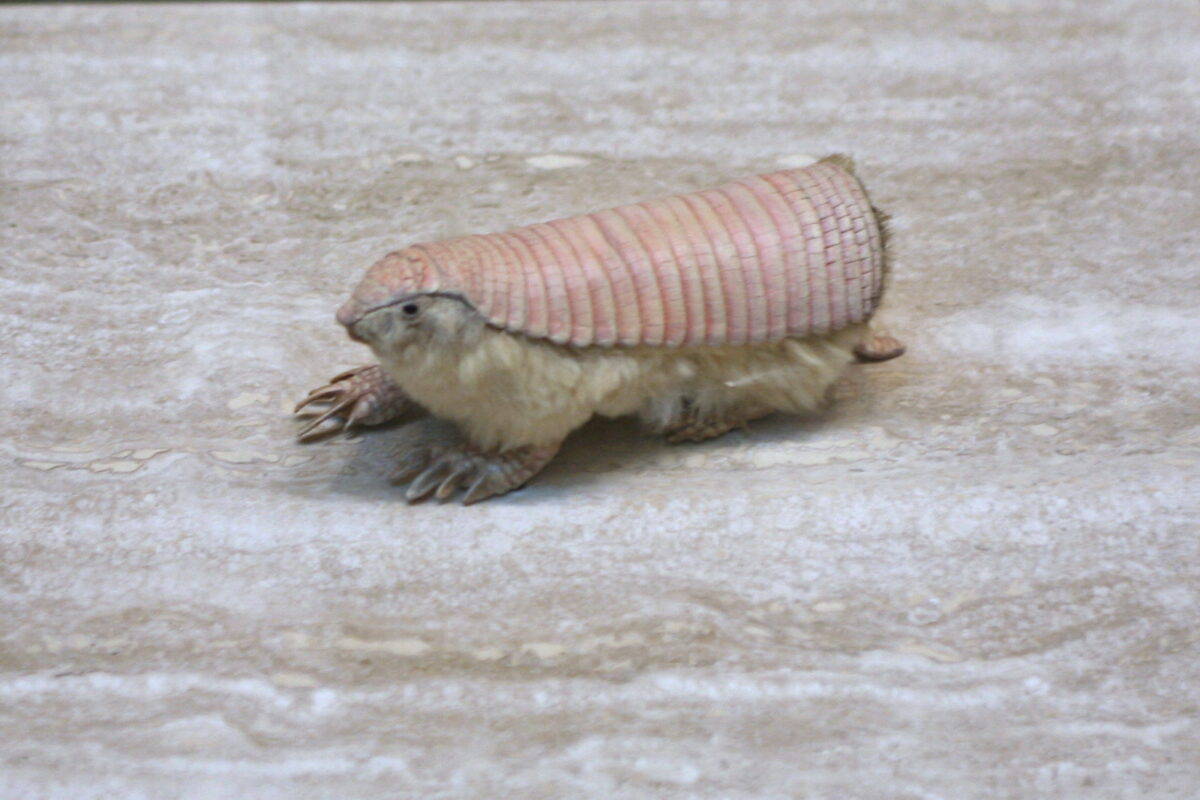
The armadillo, a symbol of resilience in the animal kingdom, is well-known for its formidable armored shell. Composed of bony plates covered with leathery skin, the armadillo’s armor provides excellent protection against predators. This evolutionary trait not only shields the armadillo from physical attacks but also allows it to curl into a ball—a defensive maneuver that leaves little to no vulnerable areas exposed. Armadillos are primarily found in the Americas and are fascinating creatures to observe in terms of both their behavior and defense strategies.
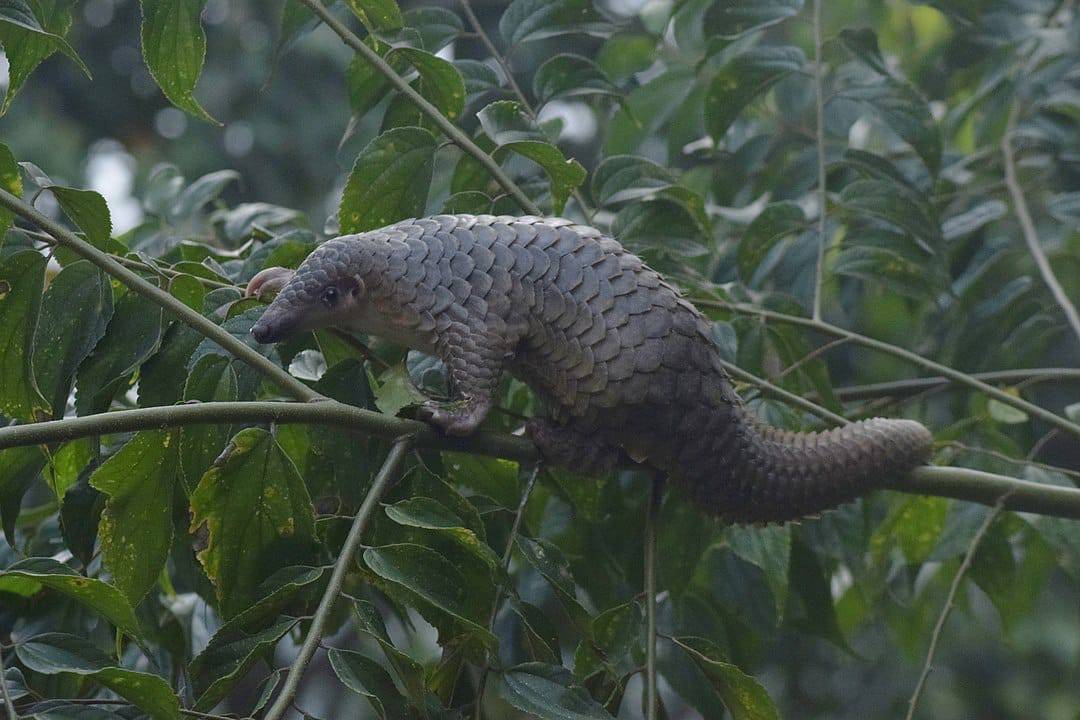
Pangolins Scaled Sentinels

Pangolins, often mistaken for reptiles due to their scaly appearance, are mammals. Their unique armor consists of large, hardened scales made of keratin, the same protein found in human nails. When threatened, pangolins curl into a tight ball, using their sharp-edged scales as a deterrent to predators. Despite this natural protection, pangolins are critically endangered due to illegal poaching for their meat and scales.
Horseshoe Crabs Ancient Armored Mariners

A living fossil, the horseshoe crab has remained relatively unchanged for over 450 million years. Their hard, horseshoe-shaped carapace serves as effective armor against a variety of threats. These creatures play a vital role in coastal ecosystems, and their blue blood is used in medical research, underscoring the importance of their conservation. Horseshoe crabs are an excellent example of evolutionary success achieved through natural armor.
Turtles and Tortoises Protective Shell-dwellers

Turtles and tortoises, distinguished by their protective shells, have captivated humans for centuries. Their shells are a combination of the ribcage and spine, hardening into a rigid dome or flattened disk that aids in protection. While turtles are more aquatic, tortoises are land-dwellers. Both rely heavily on their shells for defense, retracting their limbs and heads inside when threatened.
Alligator Snapping Turtles Predatory Armor
Among the most formidable turtles, the alligator snapping turtle boasts a powerful, spiked shell and a fearsome bite. The shell functions not only as protection but also aids in camouflage among the murky waters of the rivers and swamps they inhabit. Known for their unique hunting method of luring prey with a worm-like appendage on their tongue, these turtles are both fascinating and intimidating.
Beetles Lilliputian Tanks

Beetles, with over 350,000 known species, are masters of diversity and adaptation. Many beetles possess hardened forewings called elytra that protect the delicate flight wings and the beetle’s body. These elytra provide defense against predators and environmental hazards. Beetles demonstrate how natural armor increases an organism’s adaptability and survival in various ecosystems.
Porcupines Quill-Equipped Quadrupeds

Porcupines are easily recognizable due to their sharp quills, which serve as a deterrent against predators. These quills are modified hairs coated with thick plates of keratin. When threatened, porcupines present their quills, making it exceedingly difficult for predators to attack without injury. This natural armor provides an effective defensive mechanism, allowing porcupines to forage with less fear of predation.
Crustaceans Shell-covered Creatures

Crustaceans such as crabs and lobsters possess hard exoskeletons that serve as protective armor. These shells, primarily composed of chitin, provide a sturdy defense against predators and environmental challenges. Crustaceans undergo molting to grow, temporarily leaving them vulnerable as they shed their old shell and grow a new one—a process that highlights the balance between growth and protection.
Rhinos Thick-skinned Giants

Rhinoceroses, with their thick skin and massive stature, are imposing figures in the animal kingdom. Their skin, combined with a formidable horn, acts as a natural defense mechanism against predators. Often perceived as symbols of strength and resilience, rhinos face significant threats from poaching, which underscores the urgent need for conservation efforts to protect these remarkable creatures.
Armadillidiidae (Pill Bugs) Tiny Tactical Rollers
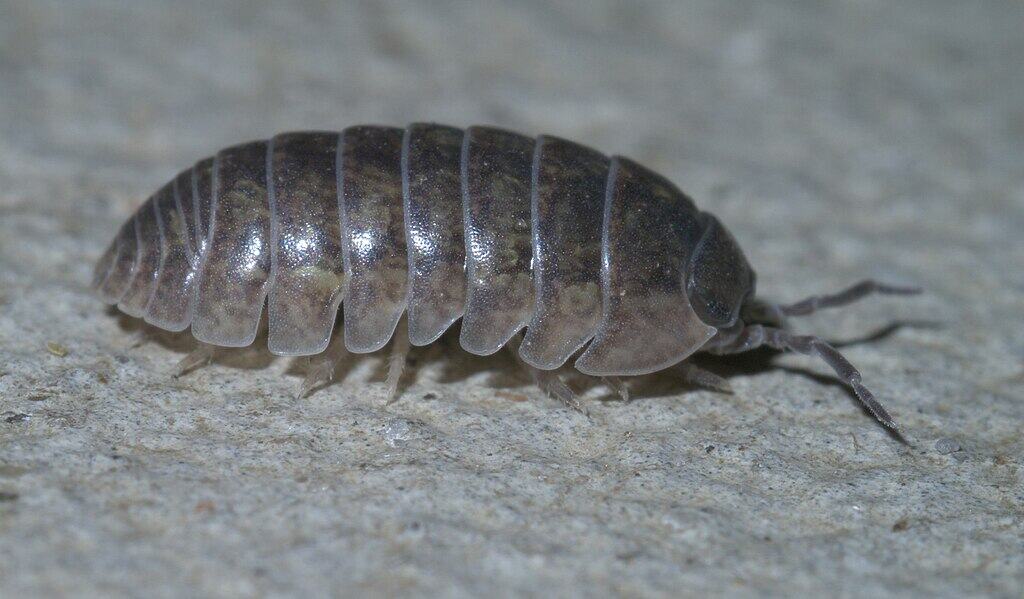
Commonly known as pill bugs or roly-polies, these creatures possess a unique ability to roll into a ball as a defensive strategy. Unlike their crustacean counterparts, pill bugs can be found in terrestrial environments. Their segmented exoskeleton allows for flexibility and protection, enabling them to escape predators and survive in diverse habitats.
Scaly-foot Snails Deep-sea Defenders
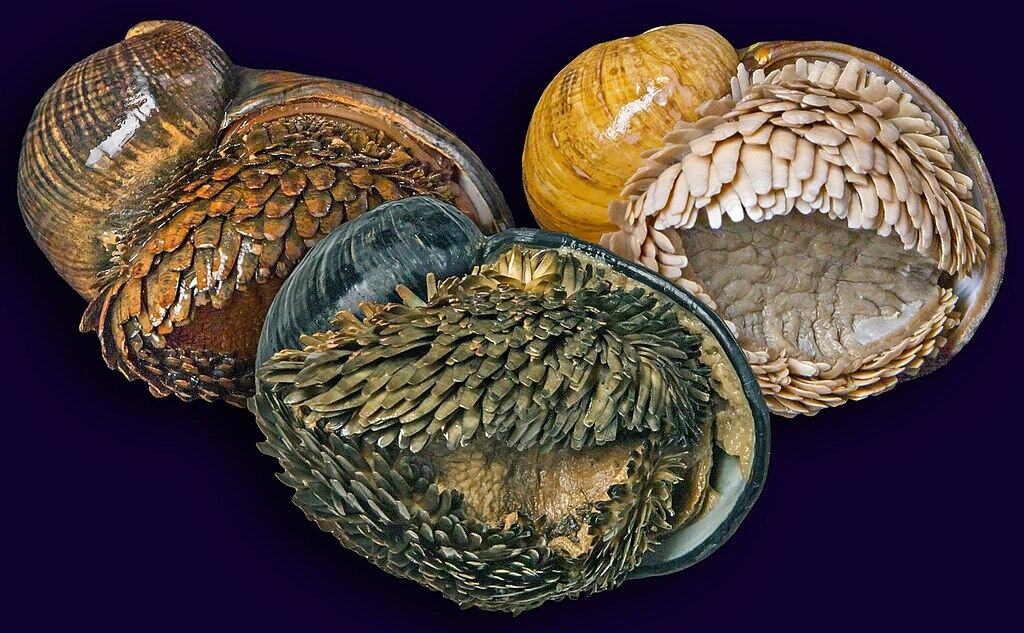
In the depths of the ocean, the scaly-foot snail exemplifies the extremes of natural armor. These snails have a unique iron-coated shell and scales made of iron sulfide, protecting the severe environments of hydrothermal vents. This remarkable adaptation demonstrates the extraordinary ways life thrives under challenging conditions.
Ankylosaurus The Armored Behemoth of the Past
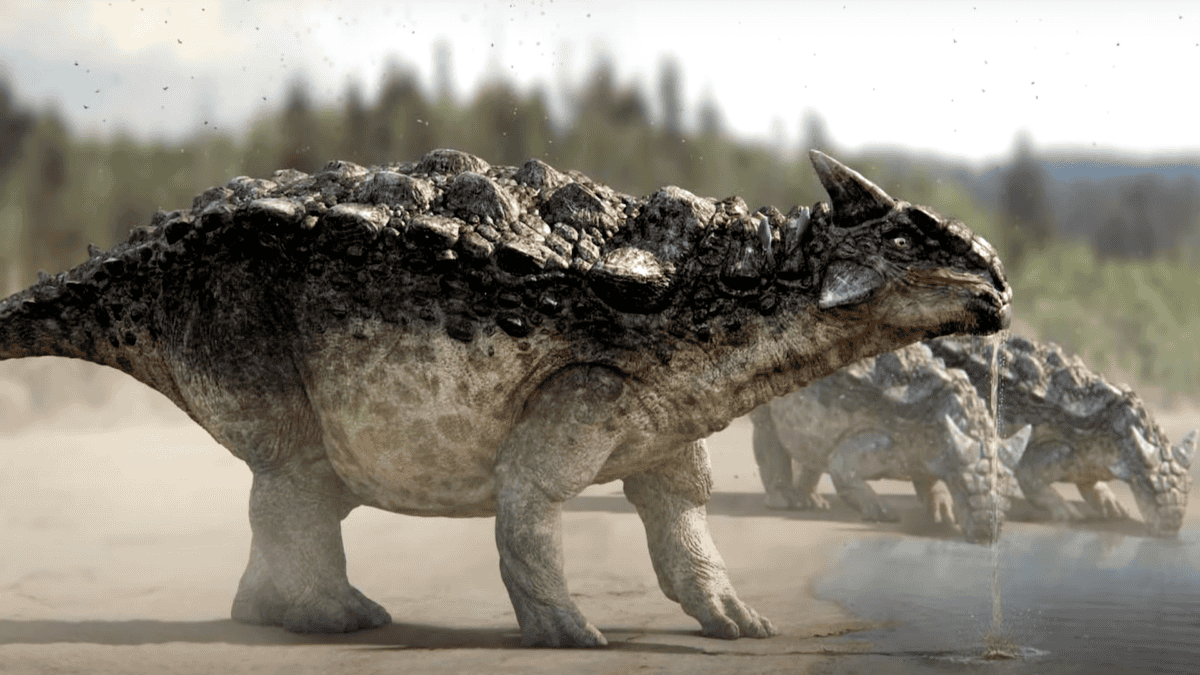
The Ankylosaurus, a dinosaur renowned for its robust armor, roamed the Earth millions of years ago. Featuring massive plates and a club-like tail, this dinosaur was well-equipped to defend against predators. Its impressive natural armor serves as a testament to the enduring power of evolutionary design, symbolizing a pinnacle in the development of defensive adaptations in prehistoric creatures.
Summary: The Legacy of Natural Armor
The diversity of creatures with natural armor showcases the ingenuity of evolutionary adaptations existing across various ecosystems. From land to sea, past to present, the array of armored beings highlights nature’s creativity in preserving life through powerful defensive mechanisms. Understanding these creatures not only inspires awe but also compels us to recognize the importance of protecting biodiversity. Preserving these armored wonders ensures that future generations can continue to marvel at the extraordinary solutions nature has crafted for survival.

As a little kid, I fell in love with nature, wildlife, and animals. Living in the USA, South Africa, Italy, China and Germany gave me the opportunity to discover the world's Wildlife. My favorite animals are Mountain Gorillas, Siberian Tigers, and Great White Sharks.
I'm a certified PADI Open Water Diver, went to Everest Base Camp and Trekked Gorillas in Uganda. I hold a Master of Science in Economics and Finance.
Please send any feedback to feedback@animalsaroundtheglobe.com
- 13 Creatures With Incredible Natural Armor - August 9, 2026
- How the Koala Keeps Its Fur Clean in the Wild - August 9, 2026
- 16 Things You Never Knew About Eagle Nesting Habits - August 9, 2026
Leave a comment
You must be logged in to post a comment.