
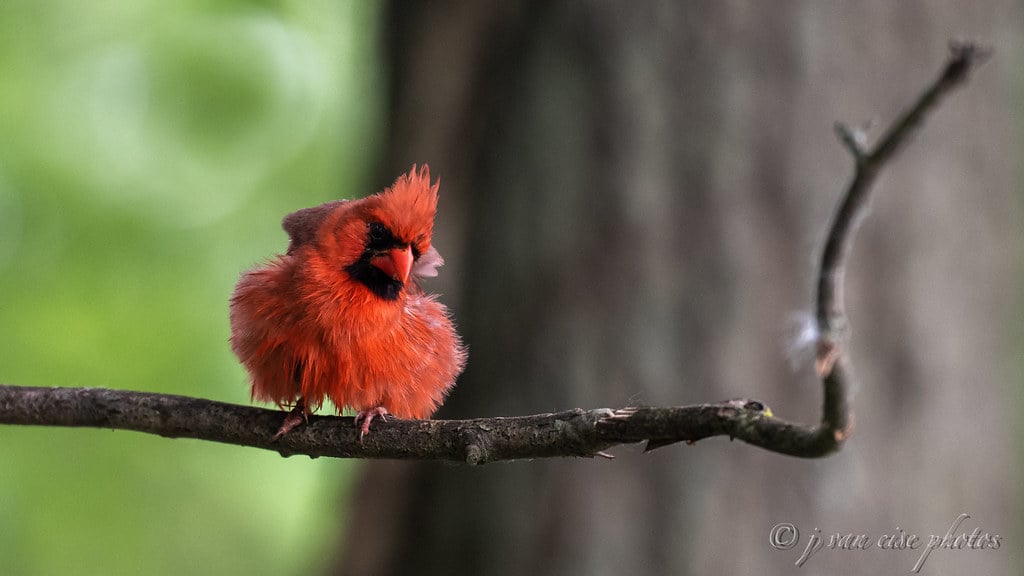
1. Purple Coneflower (Echinacea purpurea)
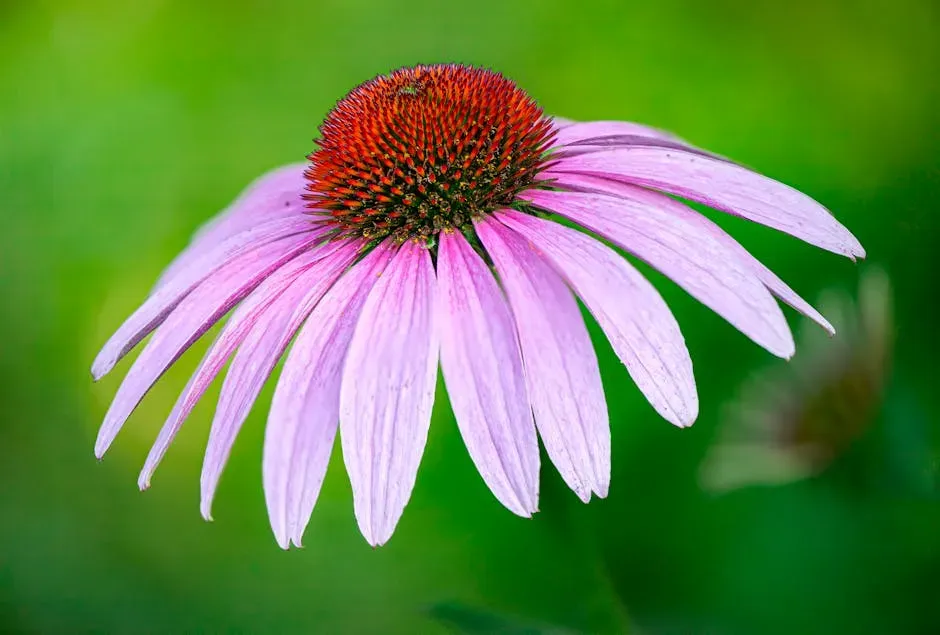
Goldfinches absolutely adore purple coneflowers, especially when the blooms turn into seed heads in late summer. Cardinals also visit these sturdy plants, though they tend to prefer foraging for fallen seeds on the ground below. The plant essentially works on two levels at once, feeding birds both above and below.
Planting coneflowers and keeping their stalks through fall and winter almost guarantees a visit from bright yellow finches. Plant them once and they return year after year as reliable perennials. Plant them in groups of five or more for the biggest impact, since finches prefer dining where multiple plants cluster together, creating a natural buffet.
2. Black-Eyed Susan (Rudbeckia hirta)
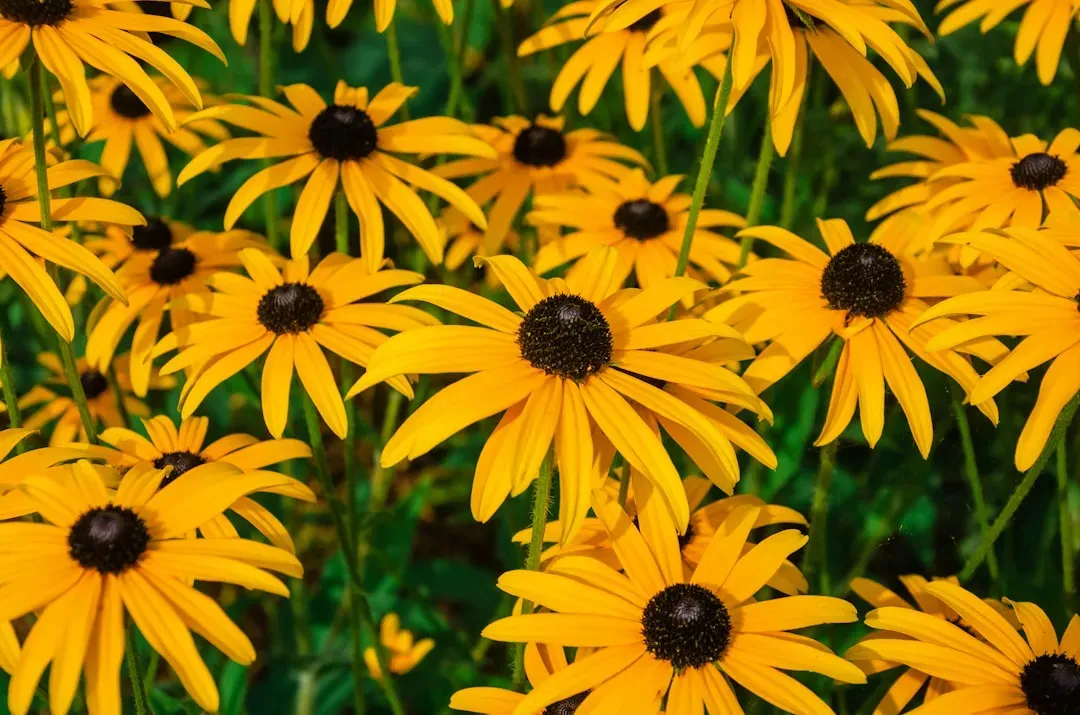
Bright golden petals surrounding chocolate-brown centers make black-eyed Susans impossible to miss in any landscape. Cardinals and finches flock to these cheerful flowers from midsummer through fall, feasting on the abundant seeds packed into those dark centers, while the sturdy stems hold up well under the weight of visiting birds, creating perfect perches for dining.
Their seed-packed centers are something cardinals and other songbirds simply can’t resist, and they’re also a host to seventeen butterfly and moth species, meaning plenty of caterpillars for cardinals to snag during nesting season. Leave the seed heads standing through winter instead of cutting them back in fall. Finches continue visiting throughout the cold months, and cardinals join them on milder winter days, scratching through snow to reach fallen seeds below.
3. Sunflower (Helianthus annuus)
There are few pleasures greater than watching birds pluck nutrient-rich seeds from the center of enormous yellow sunflowers. Sunflowers attract a wide variety of bird species and are practically bird feeders that you can grow in your yard. Cardinals, in particular, are well built for this task.
Cardinals are known to be attracted to sunflowers, verbena varieties, and coneflowers, some of the easiest flowers to grow from seed. Whether you consider goldenrod a wildflower or a weed, sunflowers remain among the most broadly loved seed-providing flowers, though not all types produce edible seeds for wild birds. Look for varieties like Mammoth Grey Stripe, Paul Bunyan, or Aztec Gold when planting specifically to attract birds.
4. Serviceberry (Amelanchier sp.)
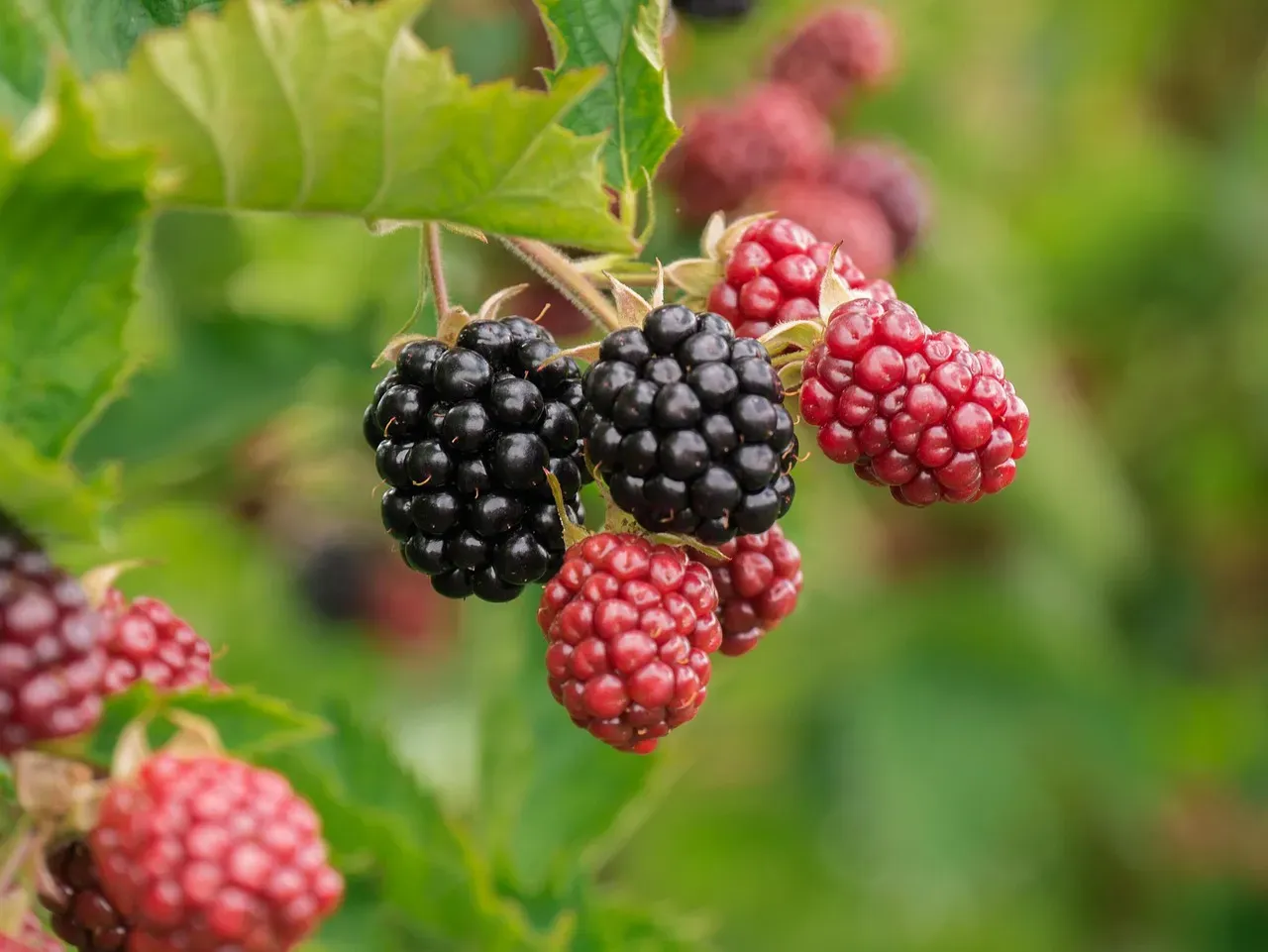
Serviceberries offer something special for birds during every season. White flowers appear in early spring before most trees leaf out, followed by sweet berries that ripen in June. Cardinals gobble up these purple-red fruits as fast as they ripen, often competing with robins and catbirds for the tastiest specimens.
In springtime, the serviceberry tree blooms with beautiful snowy white flowers that attract insects which in turn attract wild birds. By early summer, the tree produces purple and red berries that are nutrient-dense and appeal to a wide variety of bird species. Serviceberry is widely regarded as a cardinal magnet, alongside the berries of sumac and dogwoods.
5. Eastern Red Cedar (Juniperus virginiana)
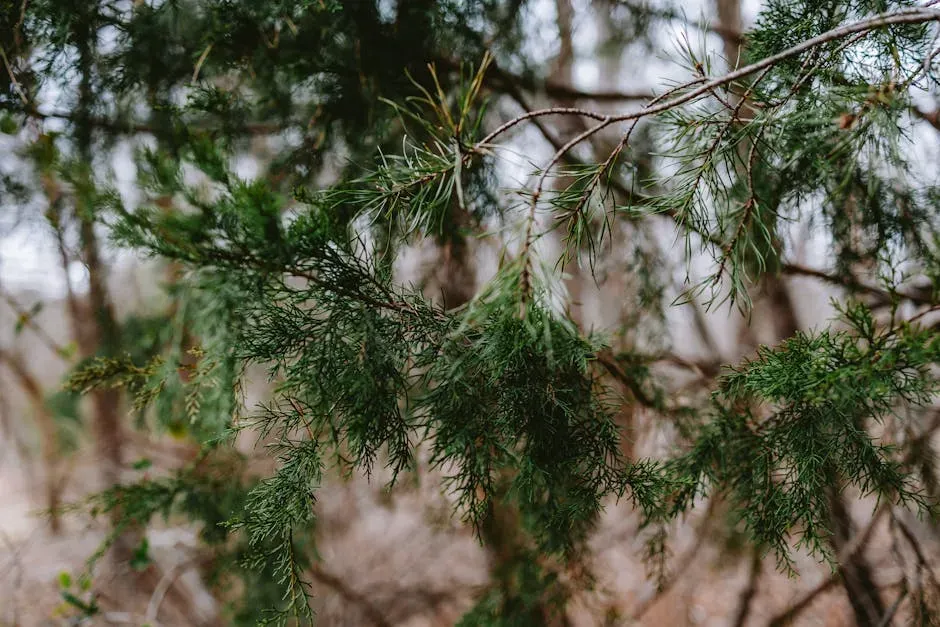
Cardinals choose eastern red cedars as their favorite nesting and shelter spots. These evergreen trees provide year-round protection from harsh weather and predators, making them essential for any bird-friendly landscape, with dense, scale-like foliage that creates perfect hiding spots where cardinals feel safe raising their young.
Female eastern red cedars produce small blue berries that ripen in fall and persist through winter. Both cardinals and finches eat these berries, and the waxy coating on each berry prevents them from spoiling quickly, ensuring food availability during the coldest months. Few plants work this hard year-round for such little attention from the gardener.
6. Hawthorn (Crataegus spp.)
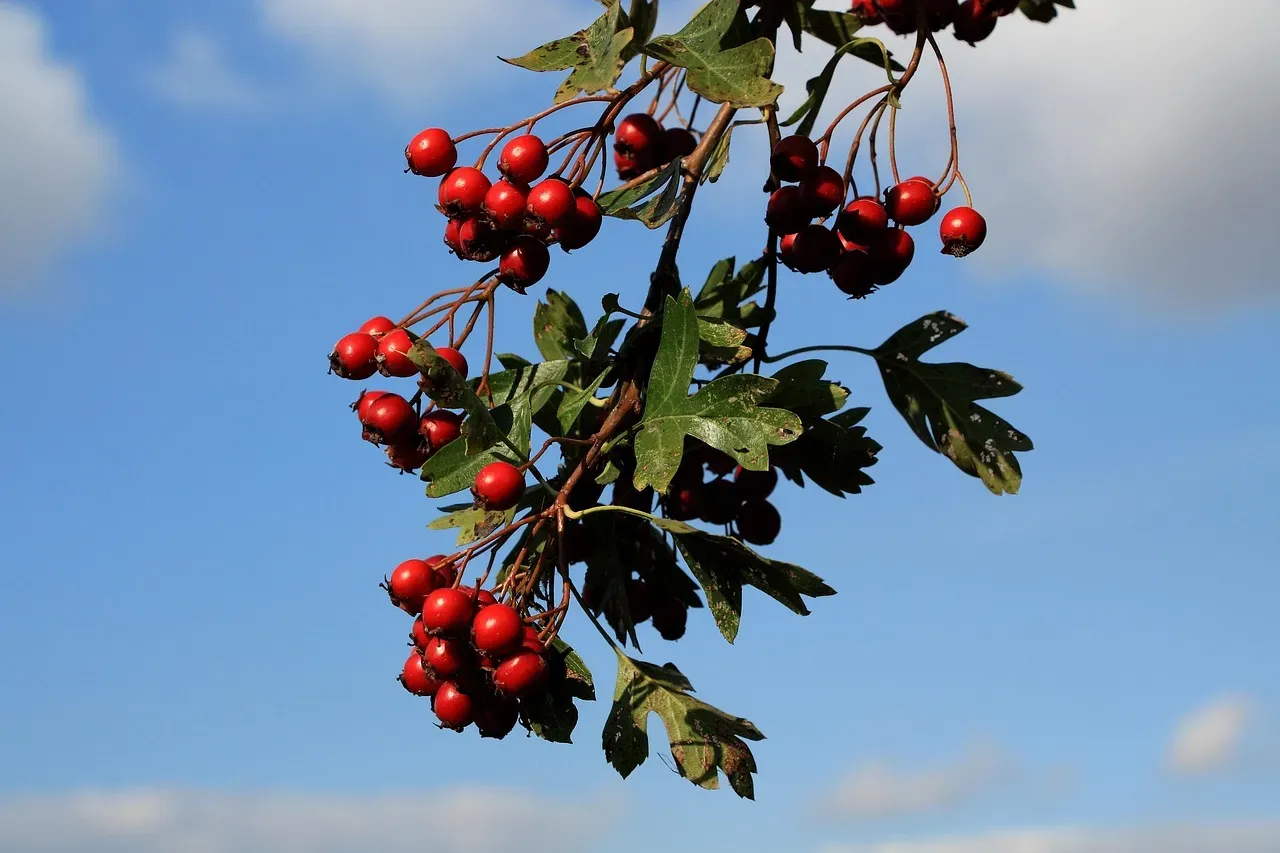
Hawthorns don’t just attract cardinals. In spring, their clusters of white or pink flowers draw bees, butterflies, and other insects, creating a buzzing, vibrant garden ecosystem. By late summer and fall, the trees bear small red berries, known as haws, that provide essential nutrition for birds including cardinals, finches, and robins.
Those thorny branches make a natural fortress against predators, while dense foliage gives birds a quiet place to build nests. Males are especially drawn to berry-rich shrubs, using bright berries to feed their mates during breeding season. Hawthorns thrive in USDA zones 4 through 8 and most varieties reach between fifteen and thirty feet at maturity, making them suitable for medium-sized yards, mixed borders, or a dedicated wildlife corner.
7. Goldenrod (Solidago sp.)
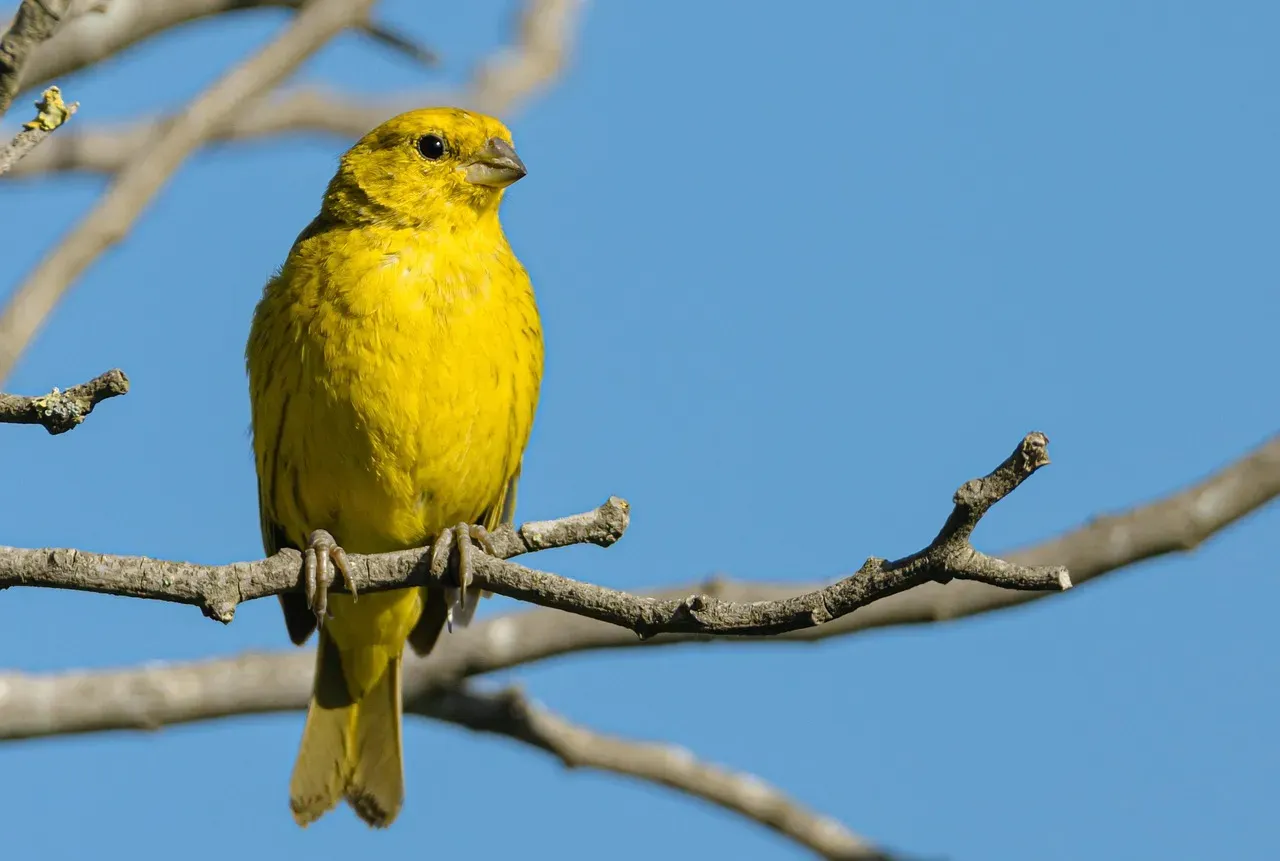
Goldfinches earned their name partly because of their love for goldenrod seeds. These bright yellow birds match the golden flower plumes perfectly, creating a beautiful sight in yards during late summer and fall. Cardinals also visit goldenrod patches, though they stick to ground-level foraging for dropped seeds.
The plants bloom from August through October, providing crucial food sources when many other plants have finished flowering. Their tall plumes of tiny yellow flowers produce abundant seeds that sustain birds preparing for migration or winter. The plants require virtually zero maintenance beyond occasional division, and leaving the dried seed heads standing through winter lets finches continue feeding during cold months when fresh food becomes scarce.
8. Staghorn Sumac (Rhus typhina)
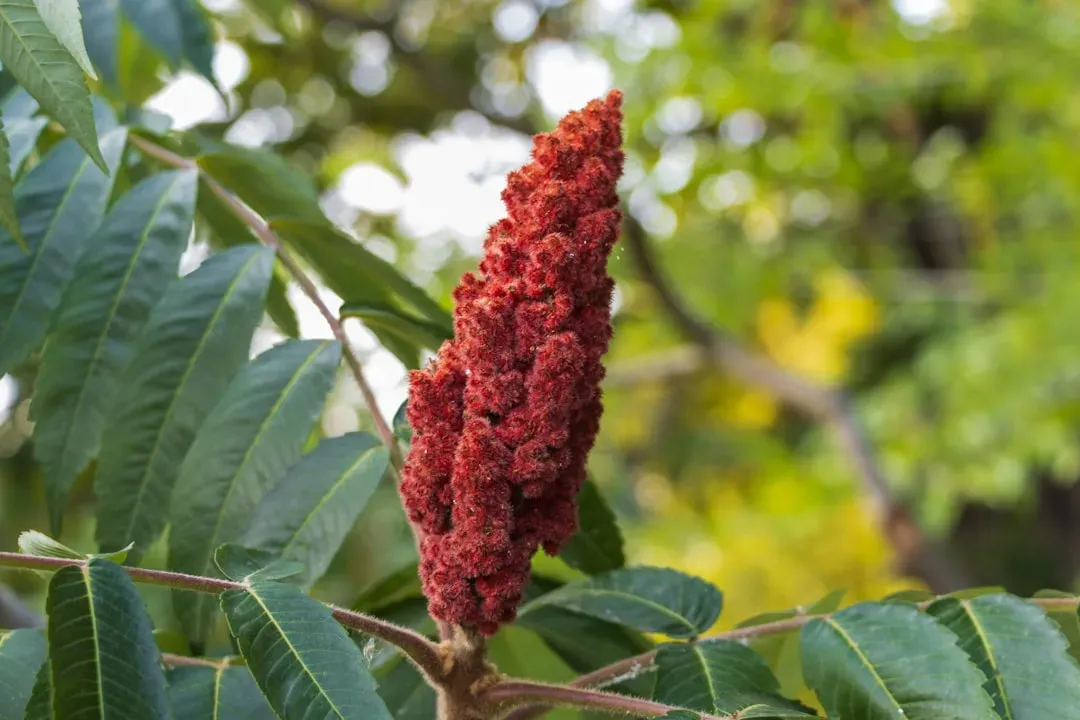
Sumac is a wonderful shrub with red fall leaves and clusters of red fruit, which attract many birds including bluebirds, thrushes, catbirds, cardinals, chickadees, robins, woodpeckers, and others. The visual drama it adds to a winter garden is genuinely hard to match.
Staghorn sumac’s fuzzy red berry clusters stand out dramatically against winter snow, providing critical food for cardinals when other sources disappear. The berries persist on branches all winter long, offering reliable nutrition during the toughest months. Finches also nibble these tart fruits, especially during late winter when their preferred seeds become harder to find.
9. American Holly (Ilex opaca)
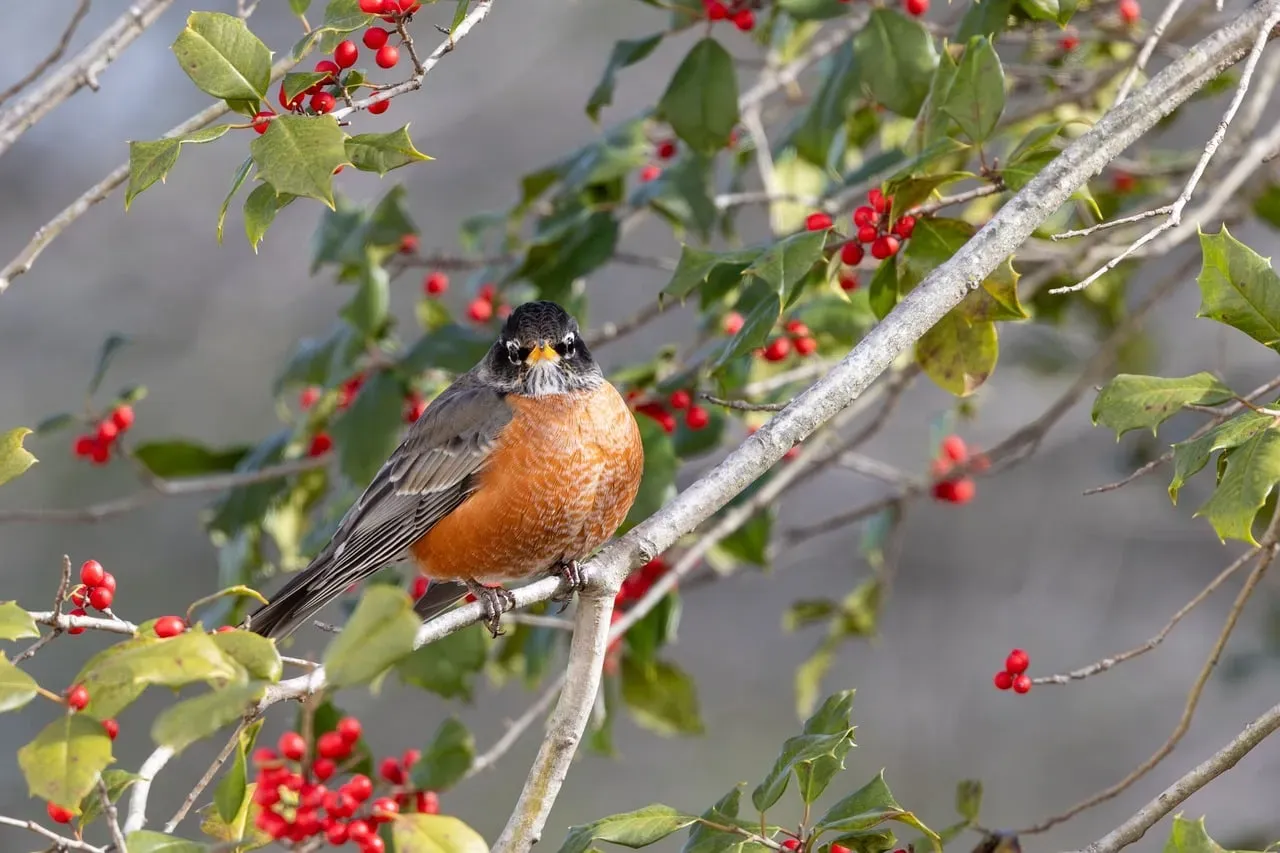
American holly is a native evergreen species that produces small, bright red berries that serve as an important food source for cardinals. It can grow to be a large shrub or small tree, reaching heights of fifteen to twenty feet. That size makes it a genuine structural anchor for any bird-friendly planting plan.
Holly is a hardy shrub with red berries that are highly valued by winter birds. Only the female plants have berries, so consider planting several females alongside one male holly to ensure a reliable berry crop. Native holly species, including American holly and winterberry, hold their berries well into winter, providing emergency food for cardinals during harsh weather.
10. Elderberry (Sambucus canadensis)
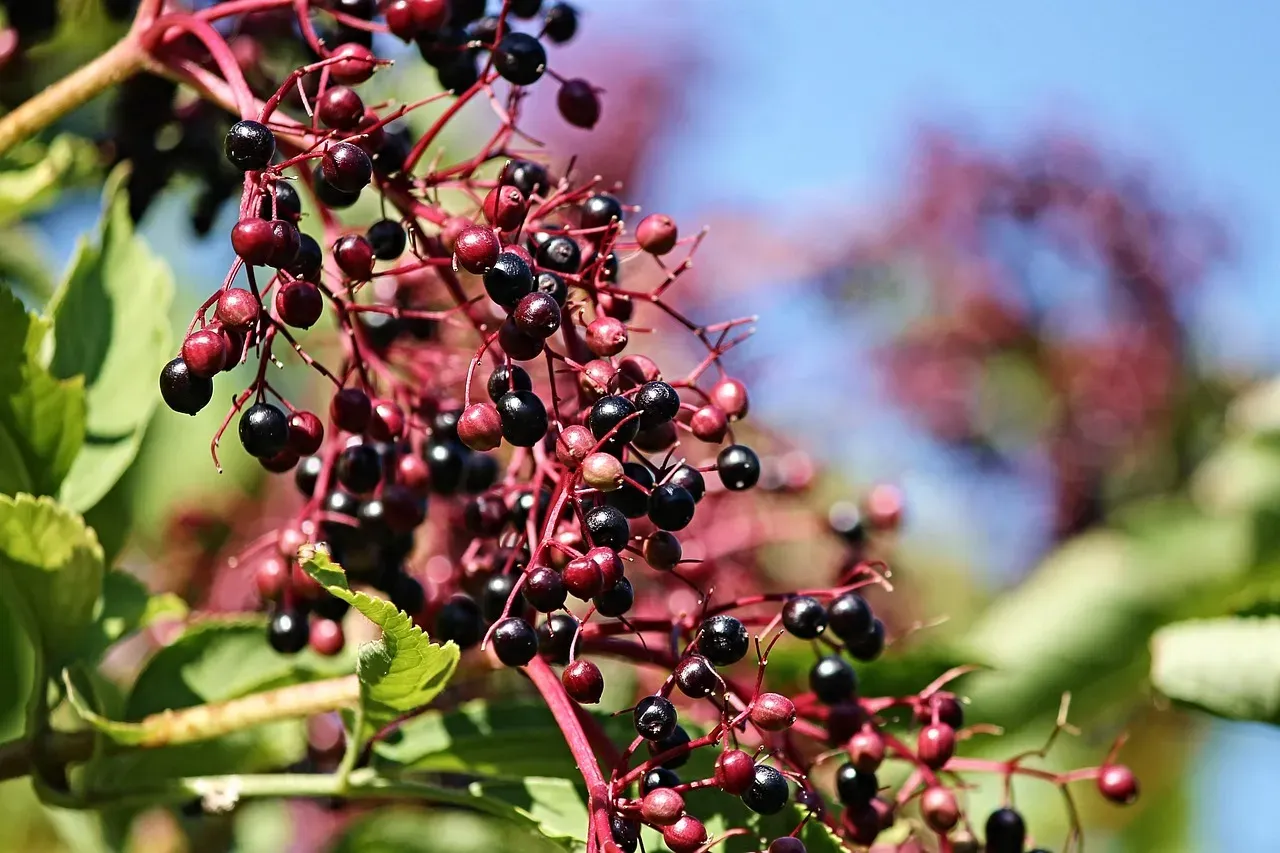
The American Elderberry is a handsome shrub that produces both bright white flowers and small, dark berries. Elderberry flowers bloom in spring, which brings insects that attract omnivorous wild birds. That double contribution, first insects, then fruit, makes it one of the most productive plants per square foot in a bird-friendly garden.
Elderberry flowers attract insects, which in turn attract even more birds in spring. Elderberry shrubs provide both fruit for cardinals and support massive insect populations that feed nestlings. Highly nutritious fruits prized by cardinals drip from the branches of these small trees or large shrubs, depending on their size. Cardinals rarely pass an elderberry in good fruit without stopping.
11. Crabapple (Malus sp.)
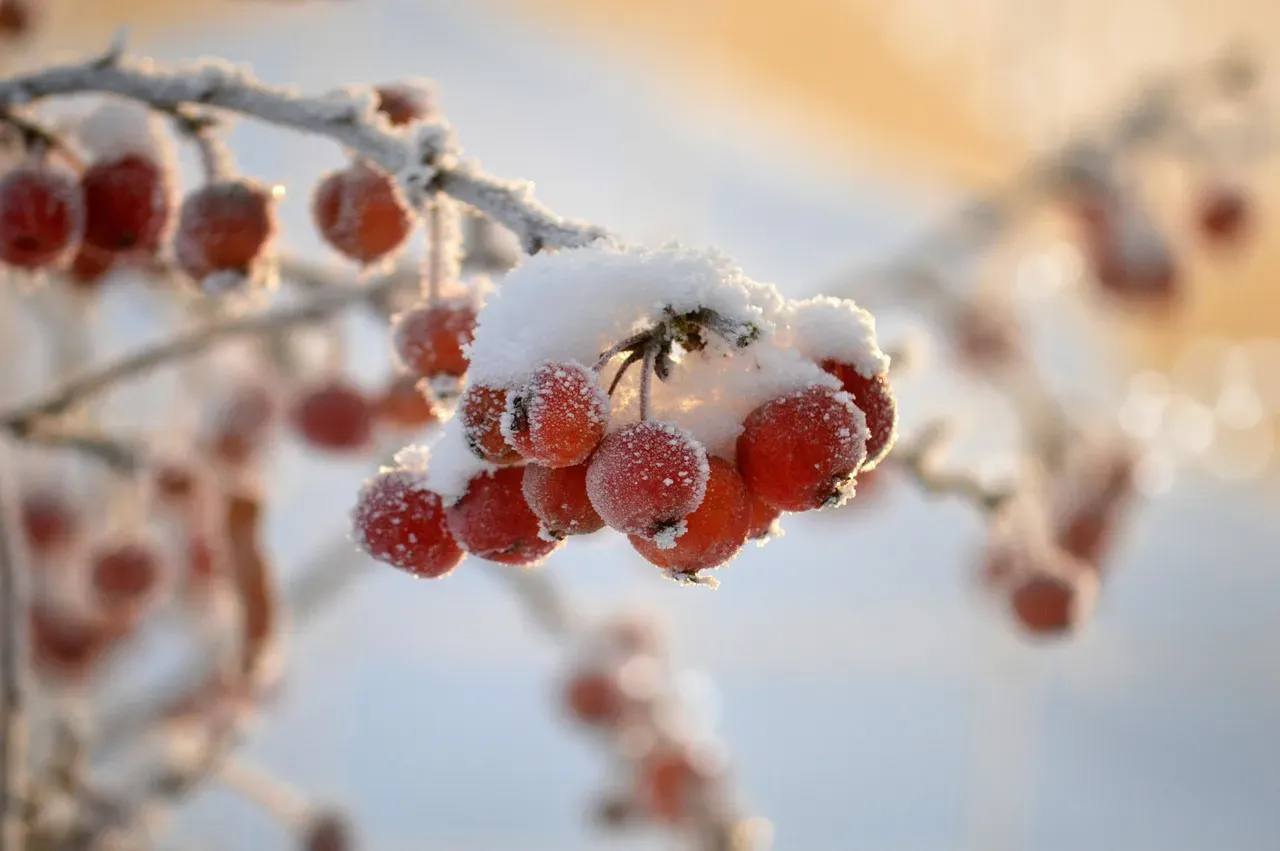
The crabapple attracts robins, bluebirds, thrushes, cardinals, waxwings, finches, and many other birds, while also providing nest sites and cover. Few small trees earn their place in a garden quite as completely as this one does through all four seasons.
Crabapples grow on small trees or shrubs and produce fruit that ripens in fall, serving as an important food source for birds, especially during winter months when other sources are scarce. In addition to providing food, crabapple trees offer shelter and nesting sites, with dense branches and leaves creating a safe place for birds to rest and raise their young. Plant one in a sunny, well-drained spot and it’ll quietly host more bird activity than almost anything else in your yard.
A Yard That Works for Birds, Not Just Humans
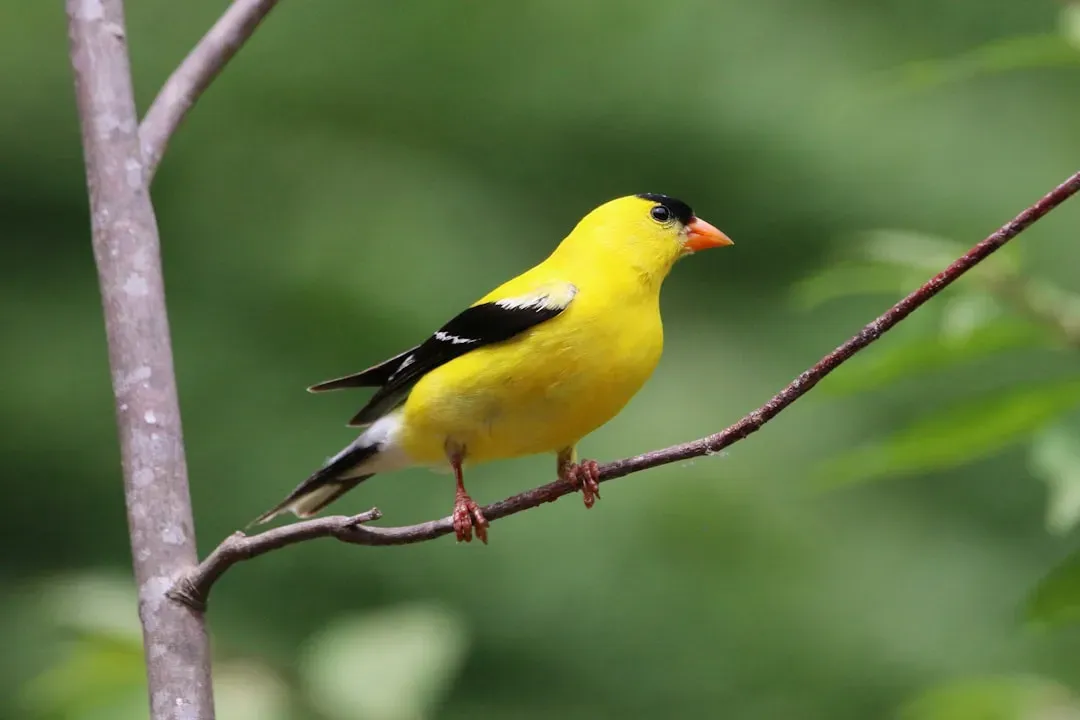
The honest truth about attracting cardinals and finches is that it asks something most gardeners aren’t quite used to: patience, and a willingness to leave things a little rough around the edges. Native plants are important hosts for protein-rich native insects like butterfly and moth caterpillars, which nesting birds need to feed their growing chicks. Birds have shaped their entire life cycles around plant communities, and these bird-plant relationships are so intertwined that gardeners can attract specific birds by cultivating the right plants.
A thriving native garden isn’t just about what you plant. It’s also about what you don’t use. Pesticides and herbicides don’t just target weeds and pests; they wipe out essential food sources for birds, including caterpillars and insects. Without these, birds simply won’t stick around. The gardeners who see the most bird activity tend to be the ones who plant deliberately and then step back.
There’s something quietly satisfying about watching a male cardinal go to work on a dried coneflower head in January, or a goldfinch swaying on a goldenrod stalk in October. No feeder required. No refilling, no mold, no squirrels. Just a garden that has become something genuinely alive. That’s the real payoff, and the eleven plants on this list are your most direct path to it.

- The Most Suitable Small Pet For You According to Your Zodiac Sign - July 15, 2026
- The Spirit Animals That Represent Each Zodiac Sign’s Shadow Side - July 15, 2026
- How to Develop Trust and Strengthen Your Bond With Your Horse - July 15, 2026