

#1. They Remember Your Feeder Better Than You Do
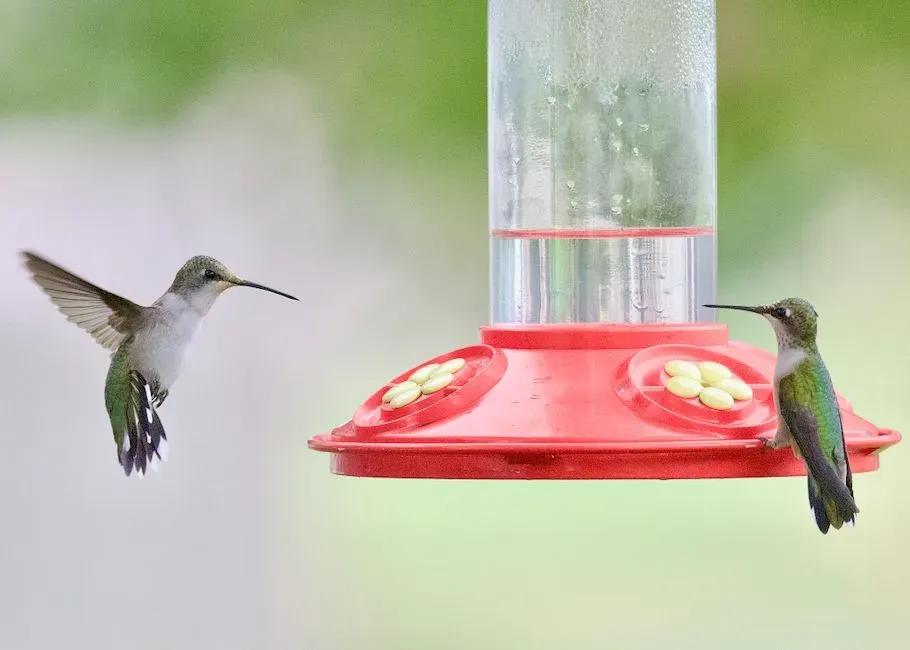
Hummingbirds can remember every flower and feeder they’ve ever visited, along with how long it takes each one to refill with nectar. Their remarkable spatial memory helps them forage with surprising efficiency. This isn’t a minor quirk. It’s a sophisticated cognitive ability that shapes how they interact with your entire yard, season after season.
Research on banded birds has documented strong “site fidelity” among these tiny travelers. Not only will hummingbirds fly hundreds or even thousands of miles to return to the same feeder, they may show up on or very close to the same date each year. Birding club members who’ve tracked this behavior for a decade will tell you it’s one of the most humbling things a hummingbird can do – arrive within days of the same window, year after year, entirely on their own terms.
#2. That “Upside-Down” Bird Isn’t Dead – It’s in Torpor
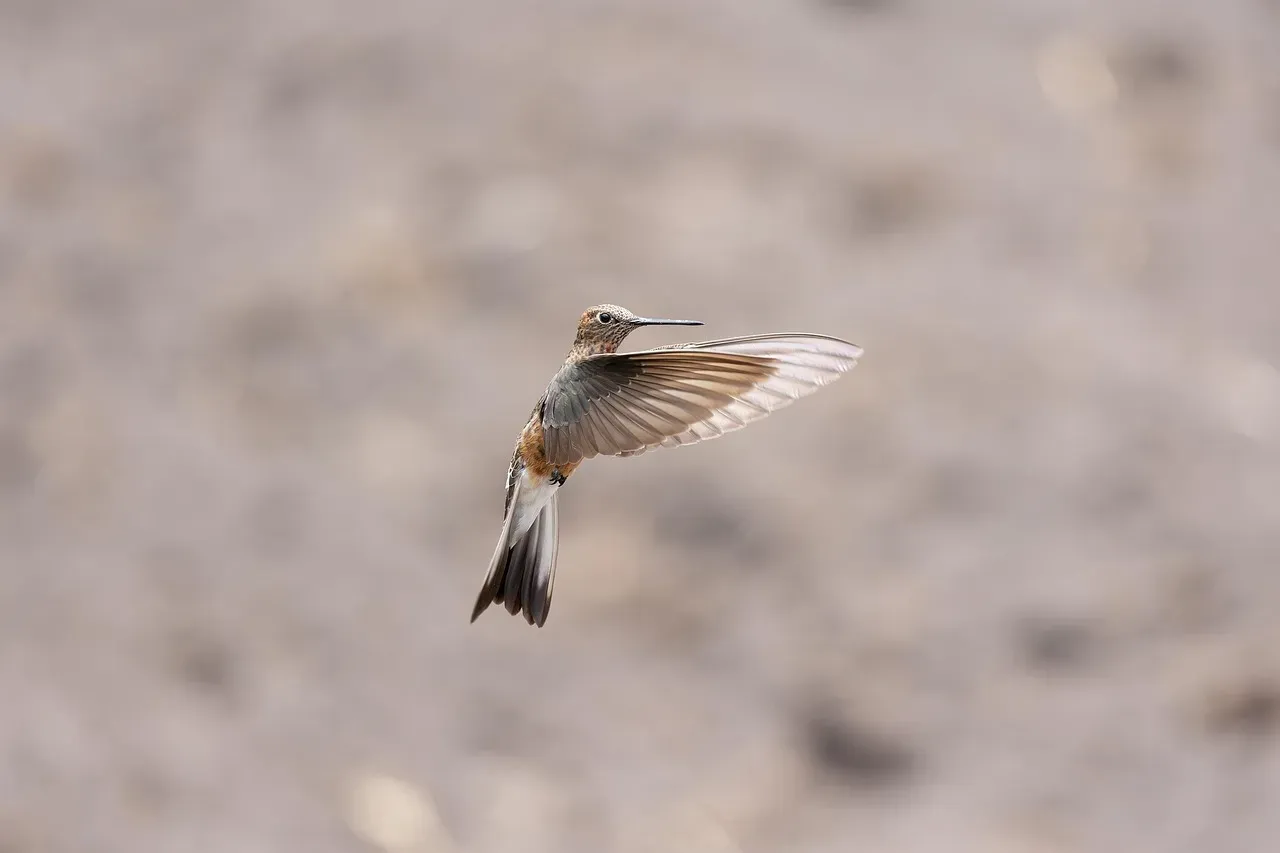
Usually at night, during periods of cold, and sometimes when perched at a feeder, hummingbirds can enter a deep sleep-like state known as torpor, when all body functions slow dramatically. Metabolism slows by as much as 95 percent, and heart rate and body temperature drop significantly. Torpor allows them to conserve precious energy and survive surprisingly low temperatures. New backyard birders who stumble upon a motionless hummingbird dangling from a perch often panic. Experienced club members know better – they’ve seen it dozens of times.
To survive cold nights or food shortages, hummingbirds enter torpor, a state where their metabolism slows dramatically, reducing their heart rate and body temperature. This allows them to conserve energy when food is scarce or temperatures drop too low. Their body temperature can drop from 104°F to as low as 48°F, effectively putting them in a mini-hibernation until conditions improve. Torpor can last anywhere from 20 minutes to an hour, so if you see a hummingbird hanging upside-down for a long period of time, leave them alone and they will eventually awaken in search of nectar to recover.
#3. Your Feeder Placement Is Probably Wrong
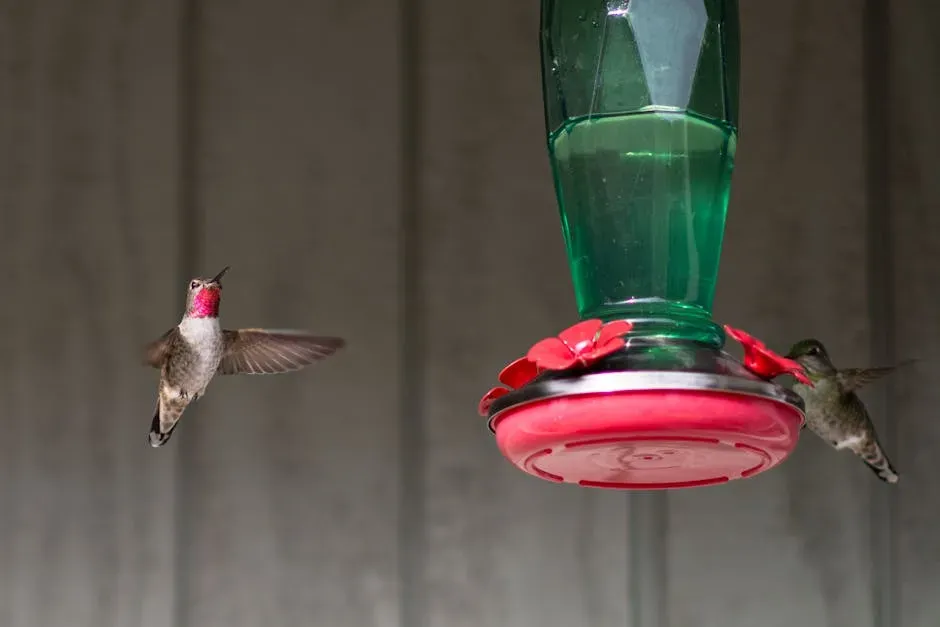
The ideal location for a feeder is in partial shade, or an area that receives sun in the cool of the morning and shade in the heat of the afternoon. Most people simply hang a feeder wherever it looks nice from the kitchen window, which often means full afternoon sun. That mistake quietly ruins nectar within hours and causes birds to stop visiting altogether.
Position feeders in an area with shade, especially one that gets afternoon shade to protect it from the hottest temperatures. Nectar can spoil quickly on hot days, and if a feeder is in full sunlight all day long, it may not be suitable for hummingbirds for more than a day or two. Hanging your feeder on the north or east sides of the house will offer protection from the hot afternoon sun while also providing access to the morning sun, which helps hummingbirds warm up to start the day. This is one of those details that experienced club members mention in passing but that changes everything.
#4. One Bully Can Block an Entire Yard
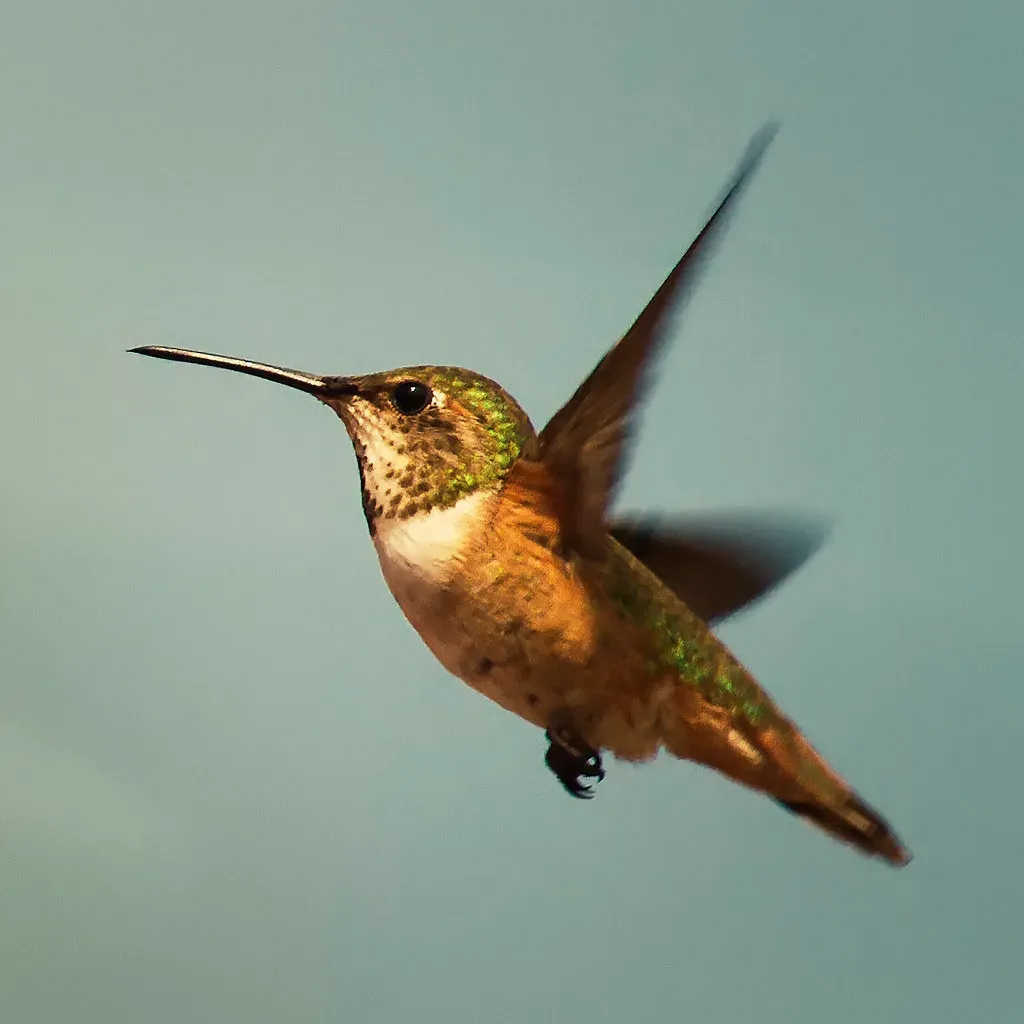
Despite their tiny size, hummingbirds are highly aggressive. They will defend their feeding territories against much larger birds and even chase off other hummingbirds to protect their food sources. Males, in particular, engage in dramatic aerial battles, diving and chirping loudly to establish dominance over prime feeding areas. If you have one feeder and you’re wondering why you only ever see one bird, this is almost certainly why.
Hang several feeders far enough apart that the hummingbirds cannot see one another; this will prevent one bird from dominating the rest. Often, a single dominant male will drive other birds away from “his” feeder. By spacing multiple feeders 10 to 20 feet apart, or even out of view from one another, you can create separate feeding zones that will encourage more birds. This single strategic move can double the number of birds visiting your yard almost immediately.
#5. Window Collisions Are More Dangerous Than You Think
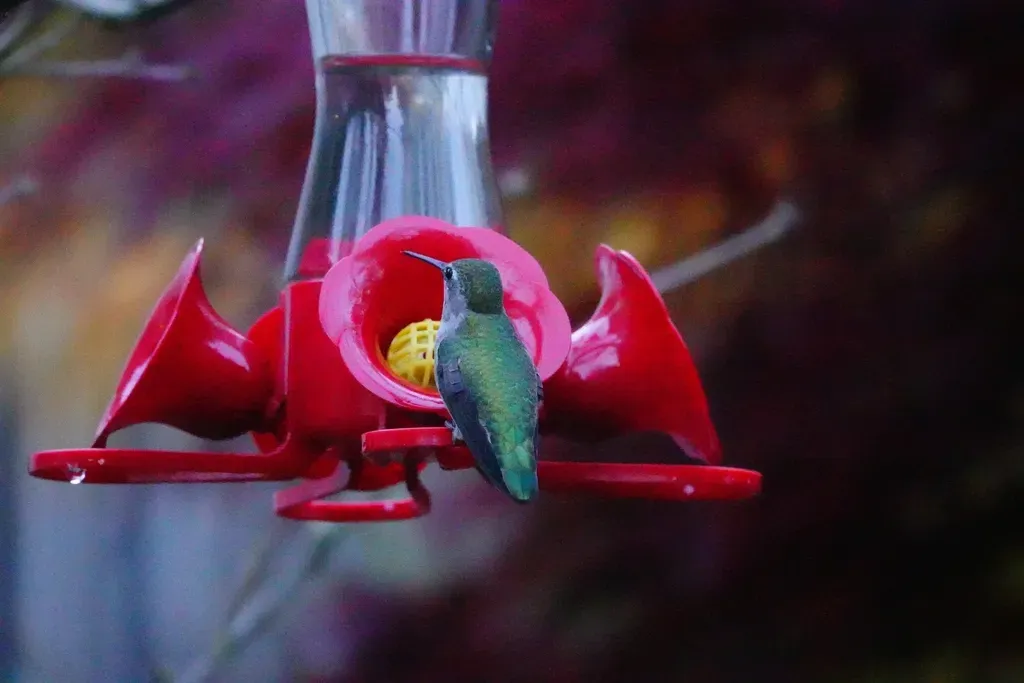
Window collisions are one of the major killers of hummingbirds, so place the feeder at least 25 feet from the window or adjacent to the window, not in-between. This is the kind of specific detail that rarely gets communicated in general advice, yet it’s one of the first things experienced birding club members will bring up when a newcomer mentions hanging a feeder near a picture window.
Placing hummingbird feeders very close to windows or more than 30 feet away can help reduce dangerous window collisions. Hummingbirds have excellent vision but they don’t understand the concept of glass. They also tend to mistake reflections of trees and sky for the real thing. To prevent potentially fatal window strikes, place your feeders either very close to your windows, within three feet, or at a significant distance of more than 30 feet. The middle range is the danger zone, and most casual birders never learn this until it’s too late.
#6. Nectar Doesn’t Need to Be Red
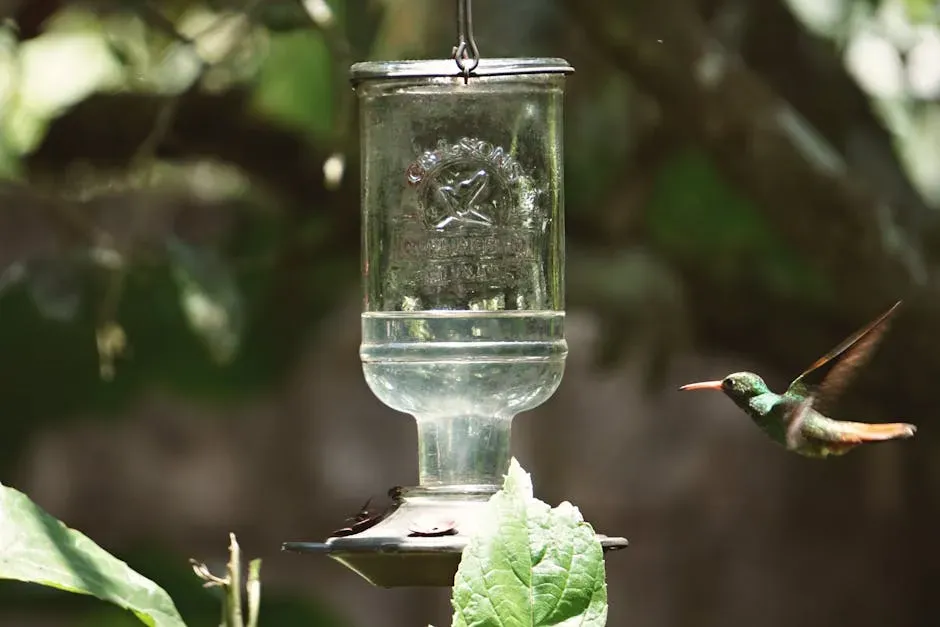
Nectar in flowers is clear, and red food coloring may be harmful for hummingbirds. It’s the flowers that are brightly colored, not the nectar – and that’s why hummingbird feeders are typically designed with red parts to attract the attention of hummingbirds. The red dye habit has persisted for decades, quietly passed down by well-meaning people who assumed that if red attracts birds, red liquid must be even better. It isn’t.
Red coloring is not necessary and the reddening chemicals could prove harmful to the birds. Natural nectar itself is a clear solution. The best hummingbird nectar recipe uses one part white granulated sugar to four parts water. This 20% sugar concentration best mirrors the sugar concentration naturally found in flowers preferred by hummingbirds. Clear, simple, and effective – that’s what the most experienced feeders have been using for years.
#7. Brown Sugar and Honey Are Not Kind Alternatives
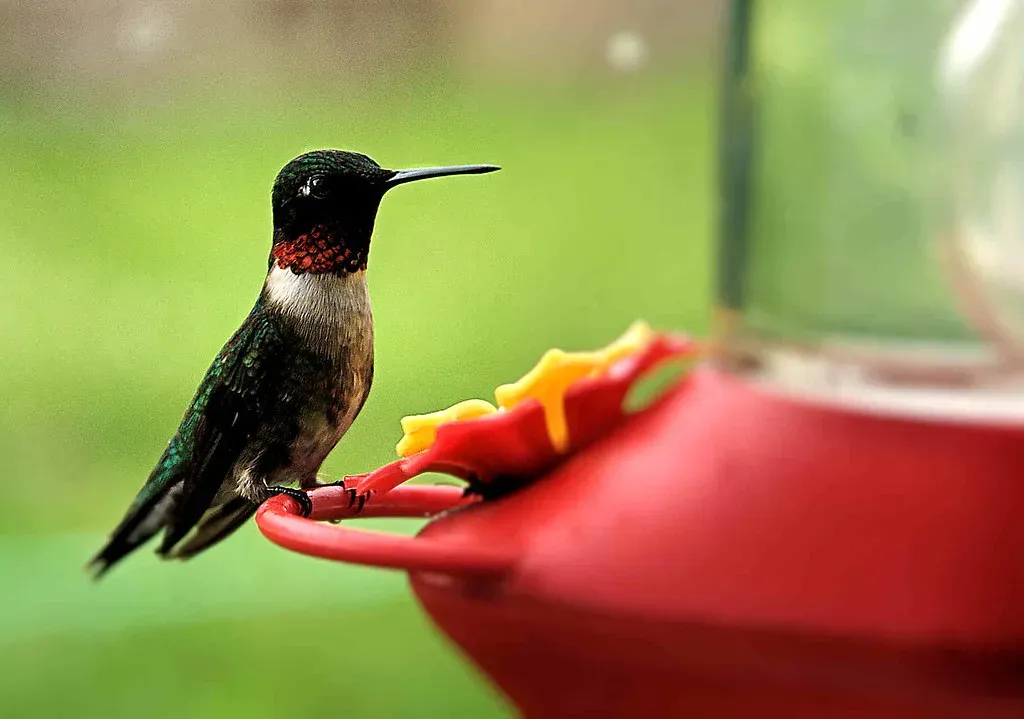
The cane sugar should be pure white, not brown, raw, or organic. These may not have been sufficiently purified to remove trace amounts of molasses. Molasses is rich in iron, which is helpful to humans but is a toxin to hummingbirds in all but the tiniest, tightly monitored amounts. This is the secret that trips up conscientious, well-intentioned people who assume that anything more “natural” must be better for wildlife. With hummingbirds, the biology simply doesn’t work that way.
Only use refined white sugar. Other sweetening agents have additional ingredients that can prove detrimental to the hummingbirds. Never use artificial sweeteners to make hummingbird nectar. Honey in particular can harbor bacteria and fungi that thrive in warm water, potentially causing deadly infections in the very birds you’re trying to help. The two-ingredient recipe – plain white sugar and plain water – is not a shortcut. It’s the correct one.
#8. They’re Eating Insects, Not Just Nectar
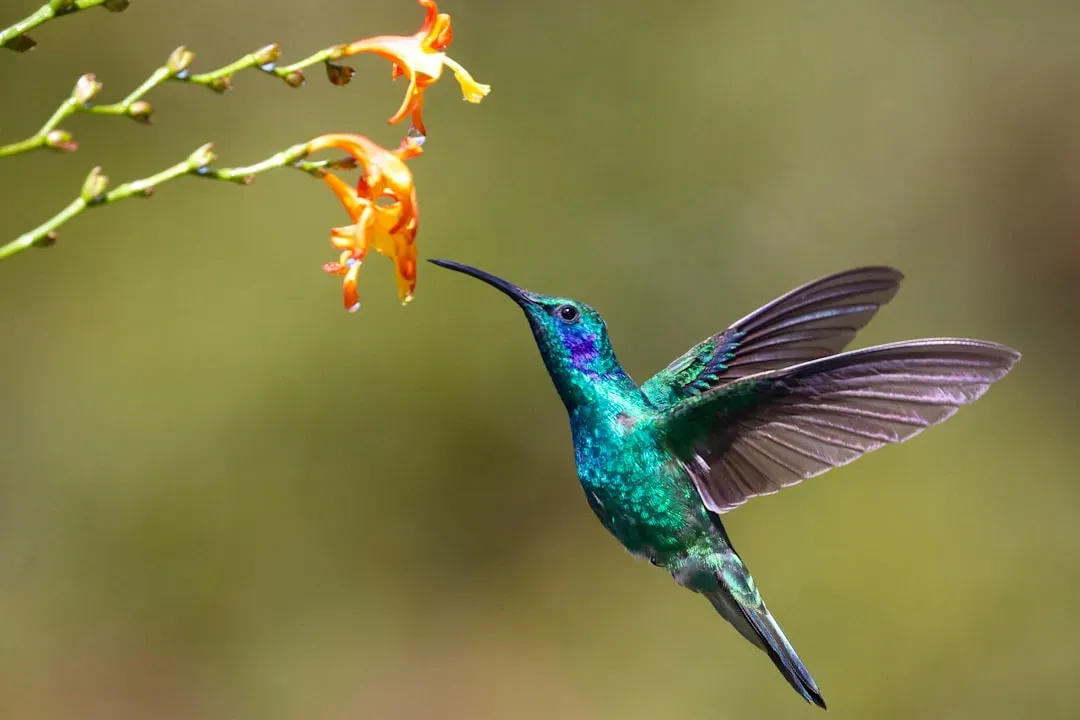
Hummingbirds are specialized for nectar-eating, evident by long bills and grooved tongues ideal for probing flowers. Sugary nectar supplies fast energy and makes up roughly 90 percent of a hummingbird’s diet. That remaining portion, though, is critical. Many backyard birders who focus entirely on feeders and flowers miss this piece of the puzzle entirely.
Hummingbirds need protein from pollen and insects to maintain their bodies and grow new feathers. Like swifts, hummingbirds are specialized aerial hunters and can snatch small insects from the air. Hummingbirds also glean insects from leaves and from spider webs. Eliminating pesticides from your yard matters precisely because spiders and insects are an important part of an adult bird’s diet, and young hummingbirds still in the nest are almost exclusively fed arthropods. A yard free of pesticides isn’t just good philosophy – it’s a protein-rich table setting.
#9. They’re Using Your Spider Webs as Building Material
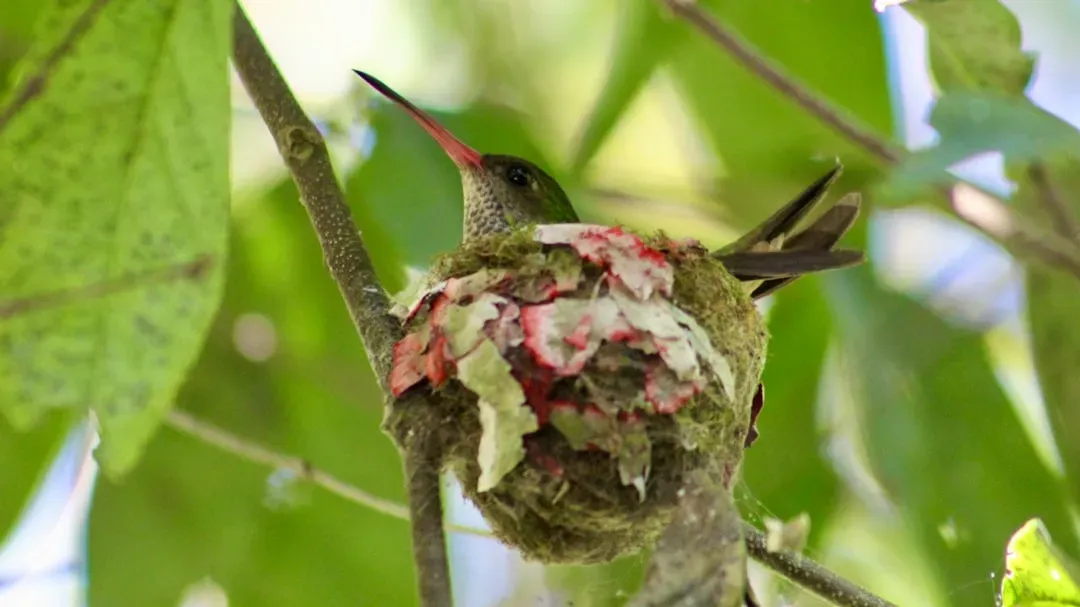
A ruby-throated hummingbird nest is built with plant fibers, spider webs, and moss, then camouflaged with lichen on the outside. Spider webs aren’t just a food source for hummingbirds – they’re a key construction material. The silk acts as a binding agent that holds the nest together and, crucially, allows it to expand as the chicks grow inside.
The ruby-throated hummingbird is the most common species in eastern North America. These hummers prefer to nest in deciduous trees, often selecting a thin, downward-sloping branch 10 to 40 feet off the ground. The nests are so well camouflaged that even seasoned birders rarely find them without actively searching for them. Removing spider webs from your porch or garden corners removes something the nesting female actively needs – a fact that tends to surprise even longtime bird enthusiasts.
#10. Leaving Feeders Up Won’t Stop Migration
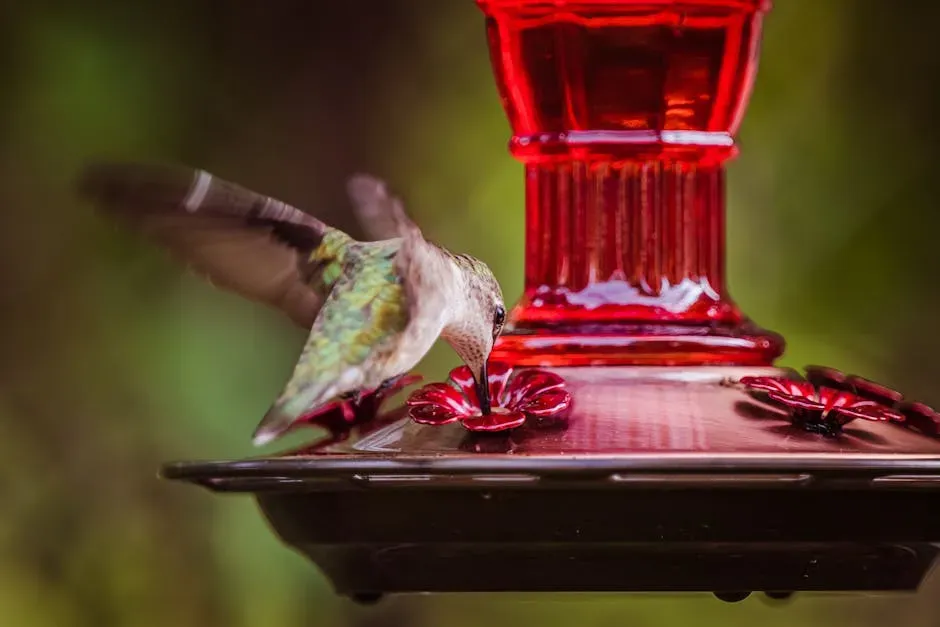
One of the top questions birding clubs are asked is: “If I have my feeder out in fall, will it keep the hummingbirds from migrating?” The answer is no – feeding hummingbirds will not stop them from migrating. They’ll migrate when they’re ready, whether or not feeders are available. It’s instinct. This myth has been circulating so long that some people take their feeders down early as a precaution, inadvertently removing a critical fuel source for late migrants.
Hummingbirds pay attention to things like sunshine and shorter days, not when you take your feeder down. Fall migration includes such a wide range that there is really no exact cutoff date. You can leave your feeders out for as long as you have hummingbirds around. You can even continue to provide the feeder after your hummingbirds disappear – late migrants or out-of-range species can show up into early winter. Keeping feeders up late is not the problem. Taking them down early very well could be.
#11. Migration Is a Solo Journey
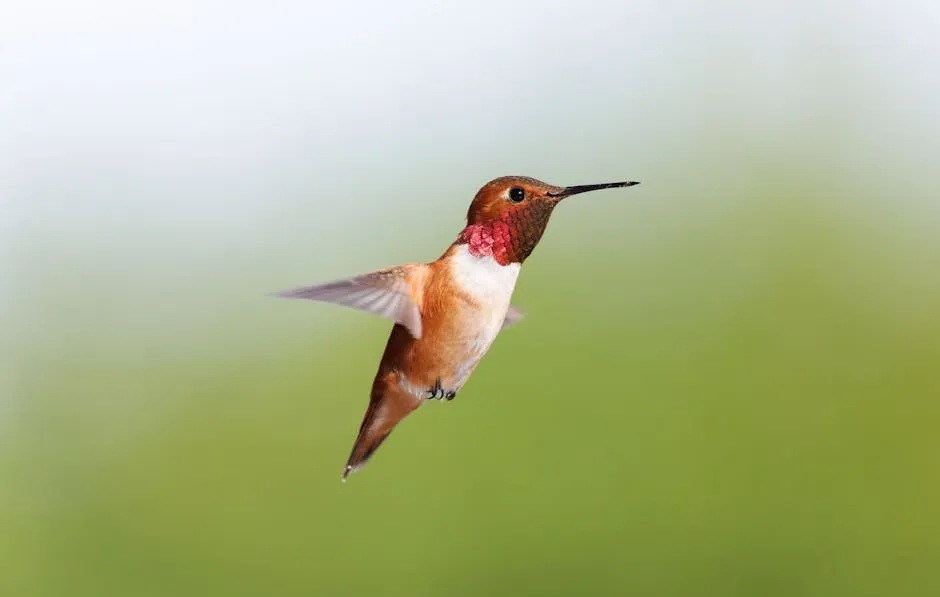
What’s unusual about hummingbird migration is that those that do migrate travel individually, rather than in groups or flocks like other birds. Most people picture bird migration as a great communal movement, geese in formation, songbirds moving in waves. Hummingbirds don’t operate that way. Each one plots its own route, on its own schedule, fueling up and resting independently.
During the regular season, hummingbirds already eat about twice their weight in food between nectar and insects. During migration, they have to increase their intake even more, storing extra fat for days before they take off on their journey. This process is called hyperphagia. The Rufous Hummingbird undertakes the longest avian migration in the world, if based on distance traveled in proportion to body size. A creature smaller than your thumb, traveling alone, navigating thousands of miles – that context makes a freshly filled feeder feel like something worth maintaining.
#12. Some Hummingbirds Don’t Migrate at All
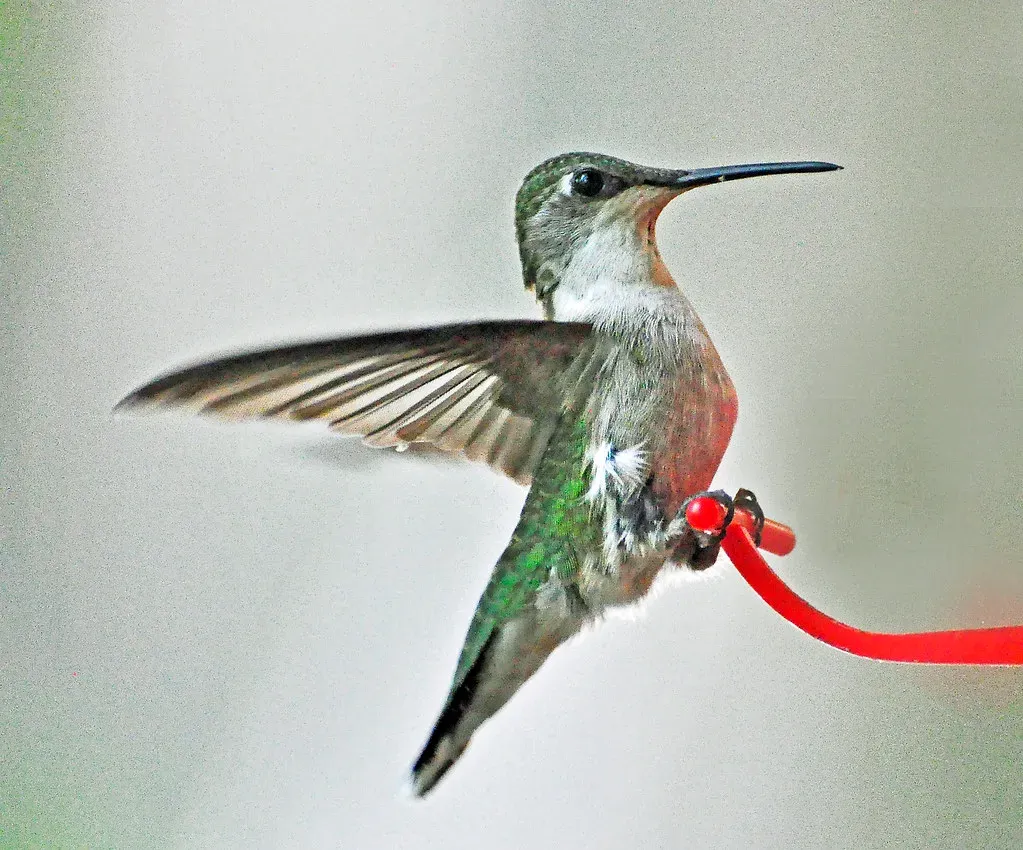
Most hummingbirds never migrate at all. There are more than 320 hummingbird species in the world, and most of them live in lush tropical regions that are well able to support thriving populations of these nectar-loving birds year-round, so there is no need for them to migrate. Even within North America, the picture is more varied than most people realize.
Even in the United States and Canada, not all hummingbirds migrate from more temperate areas – Anna’s hummingbirds are year-round residents of southwestern Arizona and along the Pacific Coast as far north as British Columbia. The Costa’s hummingbird enjoys year-round life in southern California and southwestern Arizona as well. In eastern Texas and along the Gulf Coast, buff-bellied hummingbirds can easily be found year-round. If you live in any of these regions, there’s no off-season. Your feeder matters every single month.
#13. They Have the Largest Brain-to-Body Ratio of Any Bird
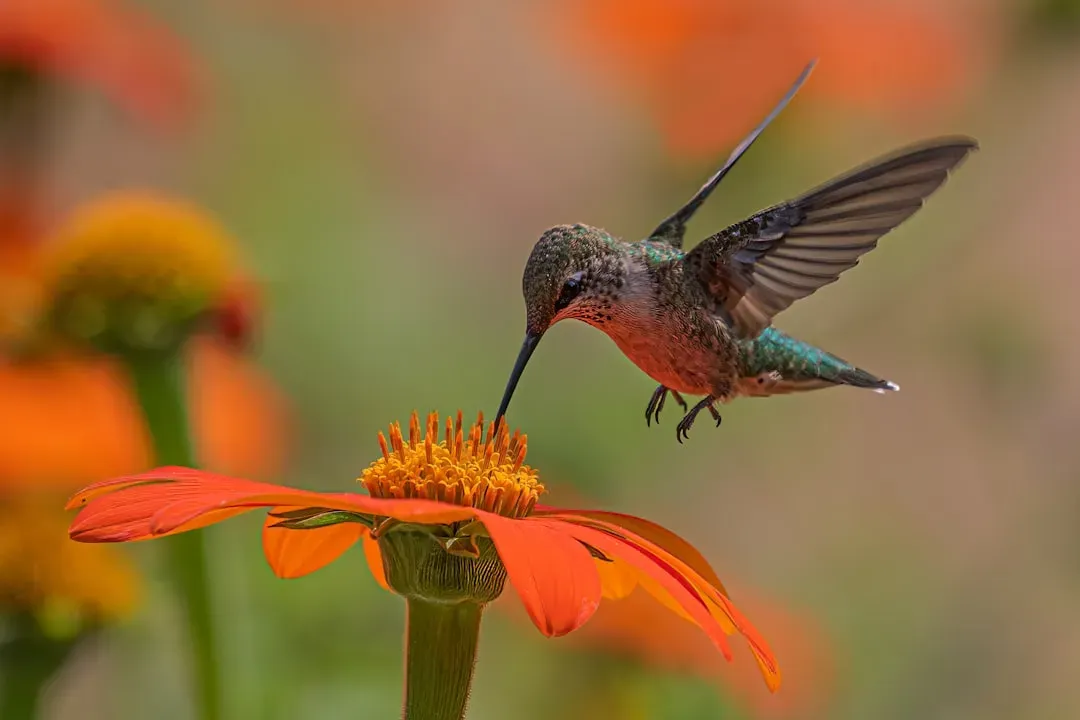
Hummingbirds have a great memory – they remember every flower and feeder they’ve been to, and how long it will take a flower to refill. The hummingbird brain is 4.2% of its body weight, the largest in proportion of the wild bird group. This isn’t just a trivia fact – it explains behaviors that otherwise seem almost uncanny. A hummingbird that appears to be “waiting” near an empty feeder may genuinely be timing its return based on remembered refill patterns.
Studies suggest that their brain-to-body size ratio is among the largest in the avian kingdom, giving them extraordinary cognitive abilities, including the ability to recognize human faces and recall feeder locations over long periods. Birding club members who’ve been maintaining feeders for years often describe an unmistakable sense that particular birds recognize them. Based on the cognitive science, that instinct isn’t entirely wrong.
#14. Males and Females Behave Very Differently at Your Feeder
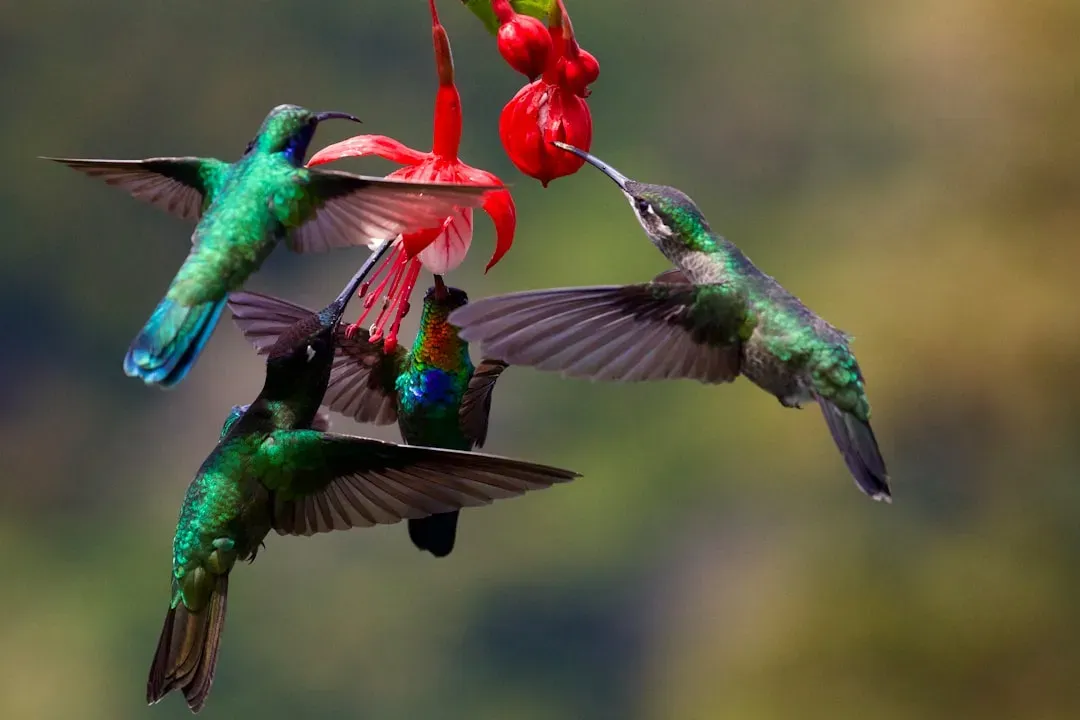
Males have somewhat different behavior from females. They often perch higher so they can watch for rivals and visit feeders only briefly, while females spend a longer time at feeders while they’re facing the demands of raising young without the help of the males. This behavioral split confuses a lot of casual observers who wonder why some birds dash in and out while others linger.
In late summer, adult males are far outnumbered by all the newly independent young hummers, which look almost the same as adult females. When the males are gone, you will see multiple hummingbirds, often juveniles, feeding at a single feeder. This doesn’t usually happen during the regular season because the male will be standing guard and will chase others away. That sudden late-summer feeding frenzy at your feeder isn’t random. It’s the juveniles moving through after the territorial gatekeepers have already left.
#15. The Time of Day You Watch Matters More Than You’d Expect
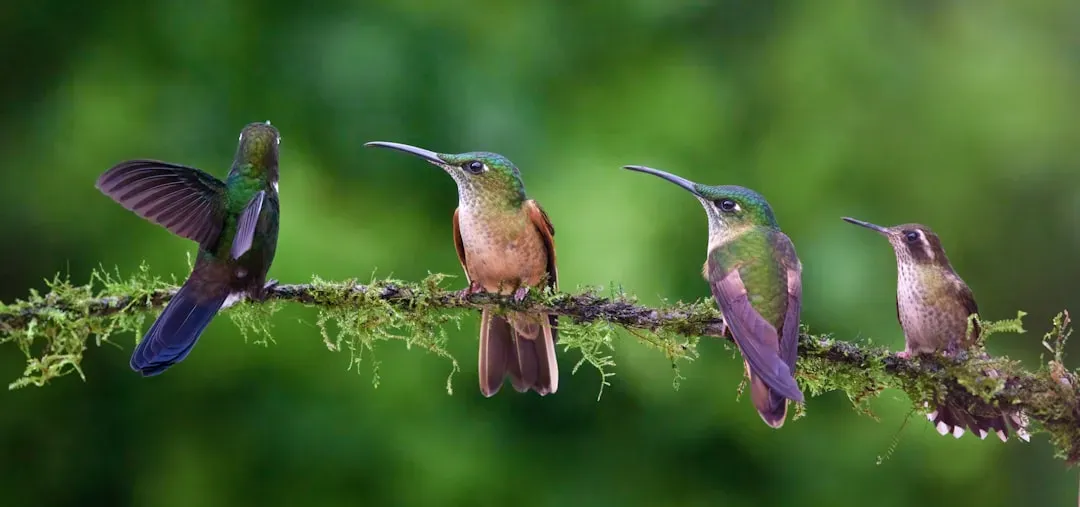
Like other wild birds, hummingbirds are most likely to come out and visit a feeder around dawn and dusk, or early in the morning and late in the afternoon before sunset. Since they have one of the highest metabolic rates of all backyard birds, hummingbirds need to eat almost constantly to keep their energy up. That means hummingbirds can be seen feeding at various times throughout the day. Still, experienced watchers know that the most dramatic activity tends to bookend the day.
To sustain their supercharged metabolisms, hummingbirds must eat once every 10 to 15 minutes and visit between 1,000 and 2,000 flowers per day. That relentless schedule means the early morning window, when they’re breaking their overnight fast after emerging from torpor, is often the most active and observable period. Settle in with your coffee before the sun gets too high. The birds will already be working.
Conclusion: The Best Hummingbird Knowledge Is Still Shared in Person
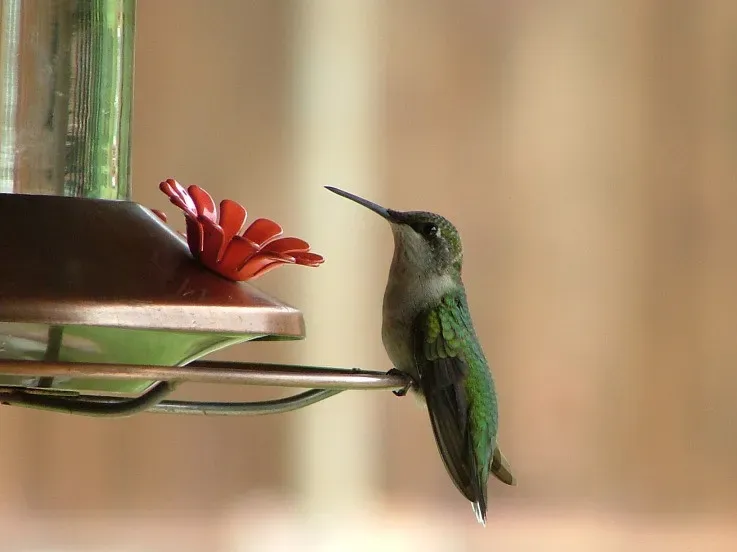
What’s striking about all of this is how much of it gets filtered out of the mainstream conversation. Online content tends to reward simplicity and speed. The result is that a lot of the nuance – the torpor, the site fidelity, the territorial psychology, the danger of that middle-distance window placement – quietly disappears.
Backyard birding clubs preserve this kind of knowledge not because they’re secretive, but because real understanding develops through seasons of observation and honest conversation. These aren’t hacks or tricks. They’re accumulated truths about a genuinely remarkable creature that most of us have been underestimating for years.
The hummingbird doesn’t ask for much from us. Clean nectar, a thoughtfully placed feeder, some native plants, and a pesticide-free yard is most of what it needs. The payoff for getting those details right is an animal that will remember your yard, return to it across hundreds of miles of migration, and spend its incredibly vivid life in the one small corner of the world you’ve made welcoming. That’s a reasonable trade by any measure.

- 5 US States With the Most Grizzly Bears - July 15, 2026
- 10 Wild Cat Breeds Vets Say You Should Never Keep as Pets - July 15, 2026
- Dogs Can Understand Human Emotions With Startling Accuracy, Study Reveals - July 15, 2026