
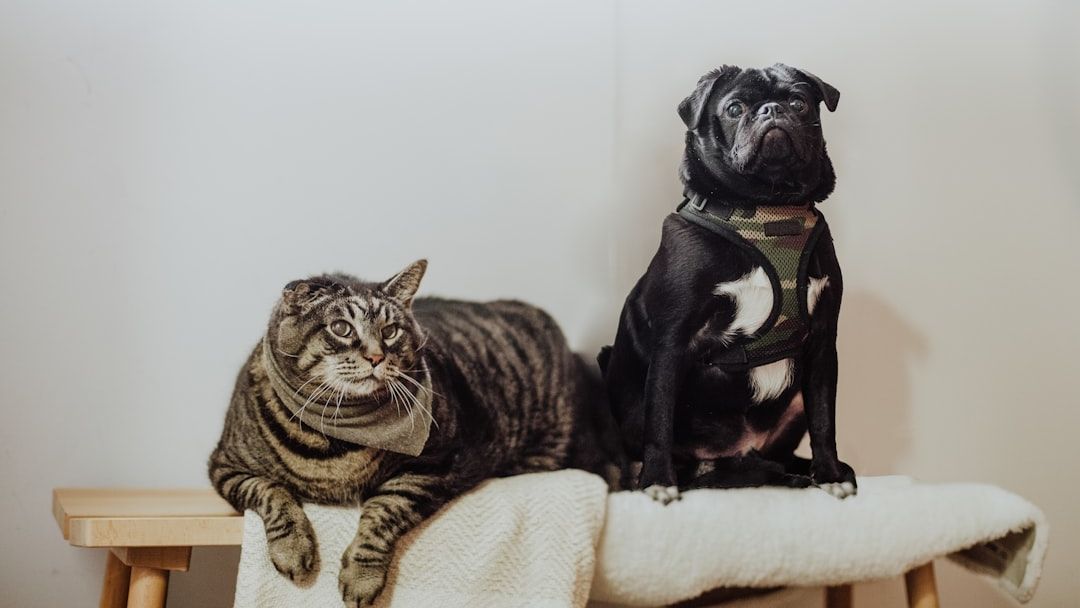
Ever thought that bringing a dog into your cat’s territory was basically inviting chaos? The image of dogs chasing cats through yards is pretty much a cultural staple, right up there with Tom and Jerry. Yet plenty of households prove that furry harmony is absolutely possible.
The trick lies in picking the right breed. Some dogs naturally possess the temperament and patience to coexist peacefully with feline roommates. Whether you already have a cat lounging on your favorite chair or you’re thinking about expanding your pet family, knowing which breeds tend to be cat-friendly can save you a lot of stress. Let’s explore eleven breeds that might just surprise you with their ability to become fast friends with your whiskered companion.
Golden Retriever
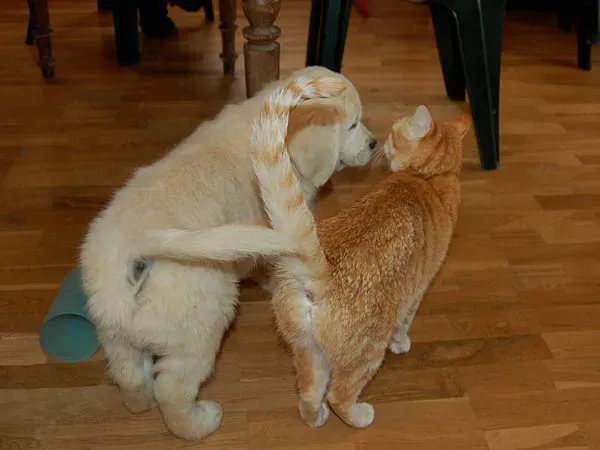
Golden Retrievers are known for their playful personalities and adaptable, outgoing nature, which makes them potentially great cat companions. Their reputation as friendly, easygoing dogs isn’t just hype. These pups genuinely seem to love everyone they meet, regardless of species.
Known for their friendly and gentle personality, Golden Retrievers are often a great match for cats, and with proper socialization, they can live very well together without exhibiting predatory behavior. They’re also incredibly eager to please, which makes training them to respect boundaries much easier than with more stubborn breeds. Their intelligence means they pick up on social cues quickly.
What really sets Goldens apart is their patience. They won’t get aggressive if a cat swats at them or hisses during those first awkward introductions. Goldens often form strong bonds with cats, showing a remarkable ability to adapt to their feline companions’ behaviors and routines.
These dogs do need plenty of exercise though. A tired Golden is a happy Golden, and that translates to calmer interactions with your cat. The combination of their gentle temperament and trainability makes them one of the safest bets for multi-pet households.
Labrador Retriever

Labrador Retrievers are kind and outgoing and are known to get along with everyone they meet, regardless of species, being gentle, intelligent, and eager to please. Labs are basically the social butterflies of the dog world. Their friendly nature extends to pretty much anyone and anything.
The Lab is not only one of the most popular dog breeds but is also known for their friendly and easygoing nature, typically having a low prey drive and often welcoming to cats when properly introduced. This low prey drive is crucial when you’re thinking about cats. Unlike breeds bred for hunting small game, Labs won’t automatically see your cat as something to chase.
Their enthusiasm can sometimes be overwhelming for more delicate feline sensibilities. A playful Lab might get a little too excited for a cat who prefers peace and quiet. Still, with consistent training and proper introductions, they usually figure out the boundaries. Labs are the quintessential pet, full of love to give and great around humans and other pets, known for being very trainable and often able to understand the boundaries set by their kitty companions.
Their gentle giant status means they’re patient enough to handle a grumpy cat’s mood swings. They’re loyal, trainable, and genuinely want to be friends with everyone in the household.
Cavalier King Charles Spaniel
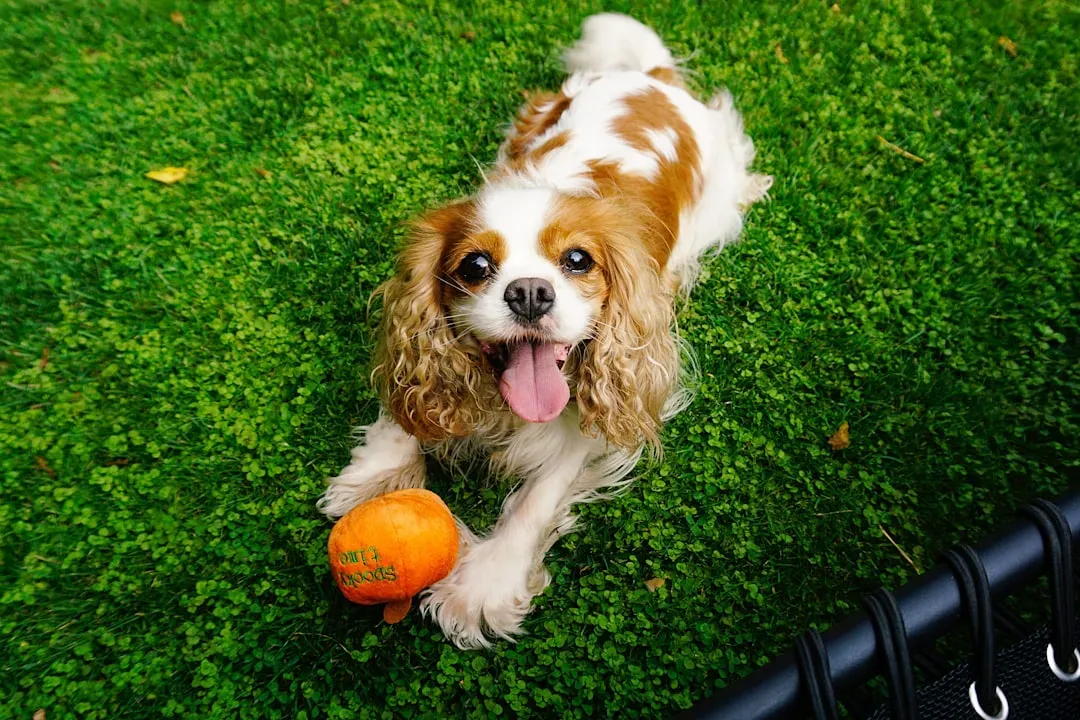
Cavalier King Charles spaniels are among the best options, known for having a gentle temperament and low prey drive, making them perfect companions for felines. These little charmers were bred specifically to be companion animals, which means their entire personality revolves around being friendly and affectionate.
Cavaliers are renowned for their gentle nature, making them a great fit for most cats, and their adaptable, calm demeanor suits indoor living with feline friends, with small size that rarely intimidates cats. Their manageable size is a huge advantage. They’re not going to physically overwhelm your cat the way a larger breed might.
Their silky coats and sweet expressions might make them look delicate, but they’re actually quite adaptable. These silky-haired dogs aren’t much larger than cats themselves, so they aren’t likely to terrorize a cat based on size, being gentle, affectionate and patient. That patience is key when dealing with a cat who’s still deciding whether to accept this new family member.
These spaniels thrive on companionship and would rather cuddle than cause trouble. Their friendly disposition means they’ll see your cat as another friend rather than an intruder. They’re genuinely one of the easiest breeds to integrate into a home with cats.
Basset Hound
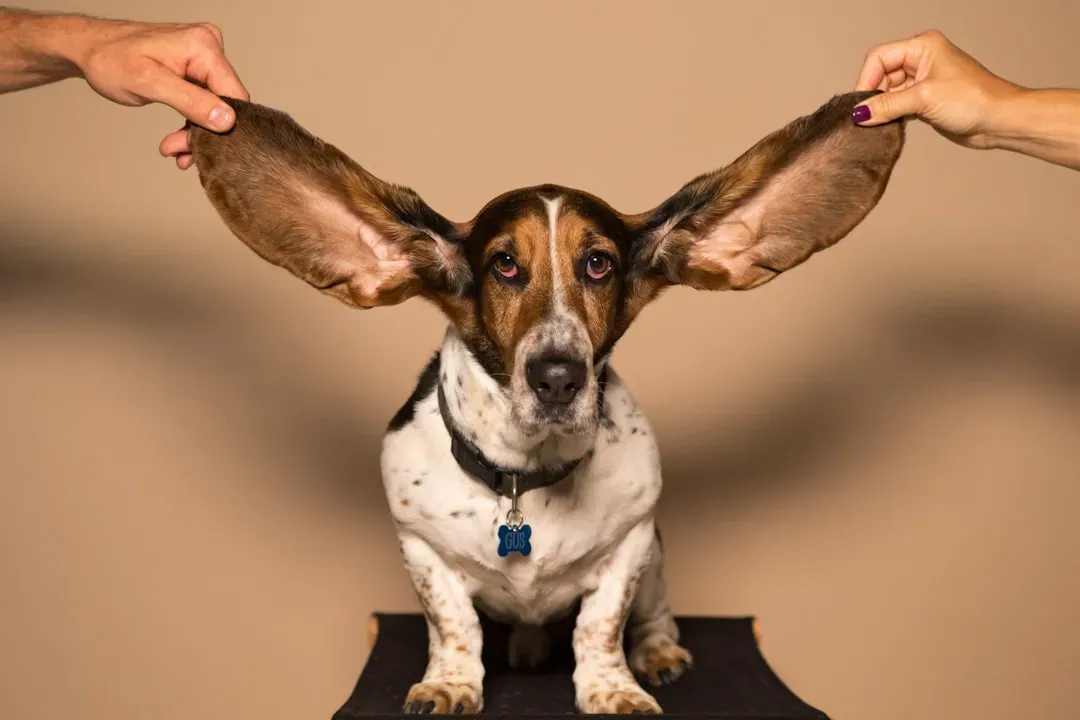
This breed is known for its laid-back and easygoing nature, which is naturally helpful with skittish cats, with low energy levels making them less likely to chase or insist on playing if your cat is not so inclined, tending to respect space and boundaries. Honestly, Basset Hounds might be too relaxed to even notice your cat half the time.
The dogs’ low energy levels make them less likely to chase or insist on playing if your cat is not so inclined, and Basset Hounds also tend to respect space and boundaries, which is important for successful integration with cats, and though bred for hunting, Basset Hounds tend to be calm and non-aggressive on their own. Their hunting background might sound concerning, yet their actual personality is mellow enough that it rarely becomes an issue.
Those droopy ears and soulful eyes aren’t just for show. These dogs are genuinely easygoing and patient. Although the Basset Hound is a natural hunter, it is more interested in hunting for dinner than hunting the cat, and their overall laidback personality makes them friendly toward other animals, cats included.
Their stubbornness during training can be a challenge, yet their mild temperament compensates. They’re content to lounge around the house, which aligns perfectly with most cats’ daily routines. You might even catch them cuddling together after they’ve gotten comfortable with each other.
Beagle
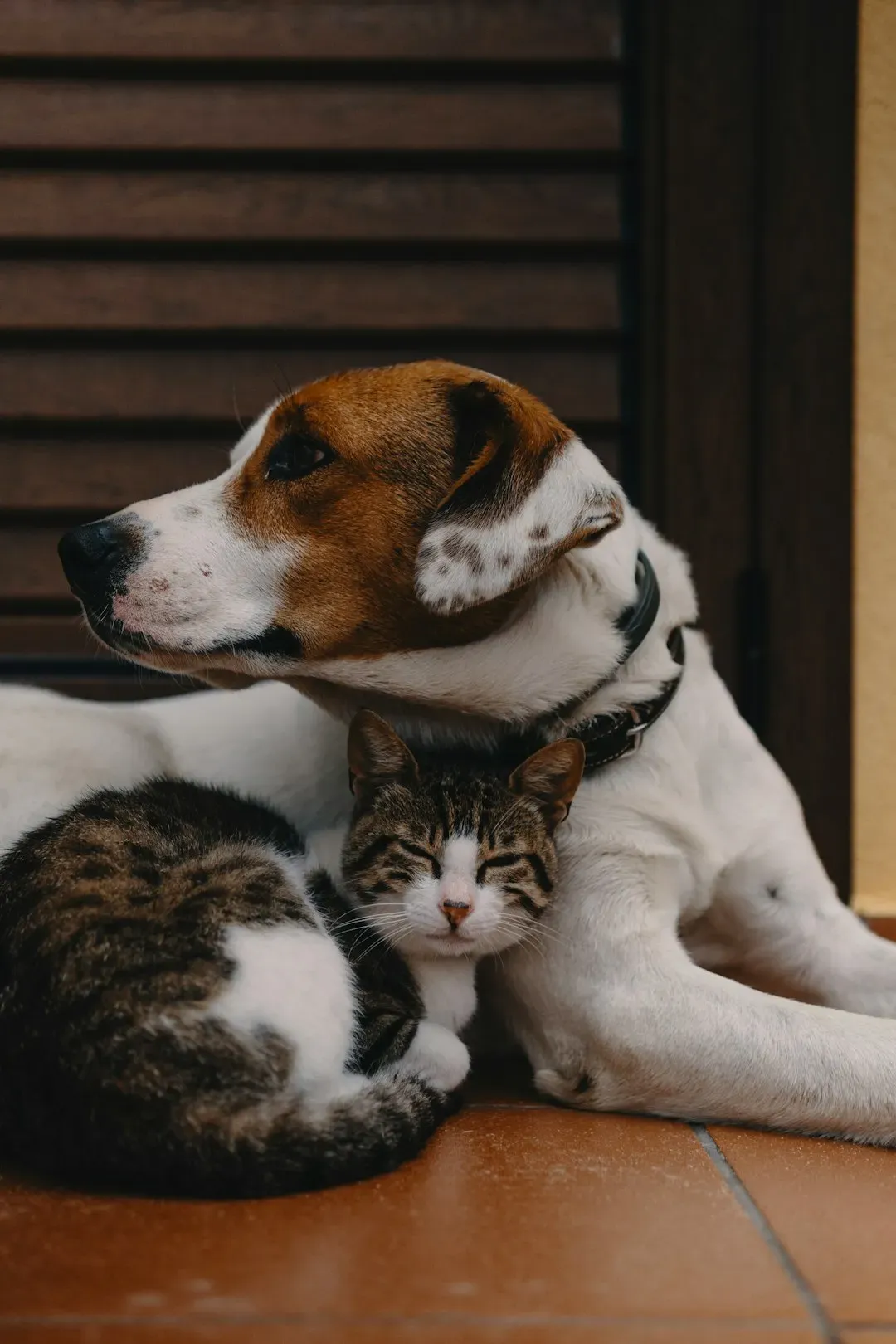
Beagles were bred to hunt in packs, so they are typically friendly with other animals, and their happy-go-lucky nature makes them a pleasure to live with, being loving companions that are likely to see a cat as just another member of the pack. That pack mentality is the secret to their success with cats.
Beagles are friendly dogs that typically enjoy the company of both humans and other pets, and with proper socialization, Beagles can develop great friendships with cats and can learn to live harmoniously, especially when raised together from a young age. Introducing them as puppies helps tremendously because they’ll be smaller than the cat initially.
Here’s the thing though: Beagles do have hunting instincts. Beagles have historically been used as hunting dogs, however, so it is important to establish appropriate behavior early on in your household, and introducing Beagles to cats while they are still puppies is a good idea. Early socialization is absolutely essential with this breed.
Their sociable, energetic nature means they’ll want to play with your cat. Whether your cat appreciates that enthusiasm depends entirely on the individual feline’s personality. With patience and supervision, Beagles can become wonderful companions for cats.
Pug

Pugs pack a lot of love into a little body, having a ton of personality and love attention, and a cat can help keep them company when their owners are away, being tough enough to have a feline playmate. These little wrinkled comedians are basically love sponges.
Because pugs were bred specifically for being companion animals, they don’t have a prey drive, which means they will probably not chase cats around like many other breeds instinctively would. That lack of prey drive is exactly what makes them so suitable for homes with cats. They simply don’t have that instinct to pursue.
Pugs often don’t mind having a feline company either, and you’re more likely to find them snuggling together than in the middle of a feisty exchange, being known for being generally good-tempered and sociable. Their calm and affectionate nature translates to peaceful coexistence. They’re more interested in napping than chasing.
Their mischievous streak can add some entertainment to the household. They’re playful without being aggressive, which most cats can tolerate. Plus, their small size means they’re not physically intimidating to felines.
Bichon Frise

The Bichon Frise is known for their cheerful disposition and love for social interaction. These fluffy little clouds of joy are incredibly outgoing and love being part of family activities. Their social nature extends to all household members, including cats.
The Bichon Frise is known for their cheerful disposition and love for social interaction, and their friendly nature and gentle temperament allow them to bond with cat siblings, enjoying companionship and cuddle sessions together. That eagerness to bond makes introductions smoother. They genuinely want to be friends with everyone.
The Bichon Frise breed can be extremely sociable with both humans and other animals, and will often get on well with other pets, but bear in mind that Bichons love to play, so it’s worth keeping an eye on them to make sure they don’t become too boisterous. Their playful energy can be a lot for some cats to handle. Supervision during the early stages helps ensure things don’t get too rowdy.
These dogs are also highly trainable, which means you can teach them appropriate behavior around cats relatively easily. Their affectionate, people-pleasing nature makes them adaptable to various household dynamics.
Bulldog

These thickset dogs could certainly intimidate a cat if they wanted to, but they are renowned for their kind temperaments, being friendly toward other creatures, and a Bulldog’s easygoing personality makes it likely that they’ll enjoy your cat’s company. Despite their tough appearance, Bulldogs are absolute sweethearts.
The lazy nature of this stout breed make them great housemates for cats, and a smaller type of Mastiff, the Bulldog is known for its sweet, affectionate, and non-aggressive nature. Their low energy levels align perfectly with a typical cat’s lifestyle. They’re more interested in lounging than causing trouble.
These dogs are incredibly gentle despite their muscular build. They won’t react aggressively if a cat gets territorial or swats at them during introductions. Their calm demeanor makes them particularly suitable for nervous cats who need a non-threatening companion.
Their affectionate nature means they’ll accept your cat as part of the family without much fuss. They’re patient, tolerant, and genuinely friendly toward other creatures. Honestly, they’re too lazy to create drama anyway.
Maltese

The Maltese is sure to be kind toward the cat, especially because this mellow dog breed is often preoccupied with lying on the couch rather than meddling in the cat’s business, however, the cat can be the one to take advantage of a Maltese’s sweet and gentle personality. These elegant little dogs are surprisingly chill.
Maltese dogs are gentle and affectionate and often get along well with cats, with their small size and non-threatening demeanor putting cats at ease, fostering positive relationships between the two, and with their playful and outgoing nature, Maltese enjoy engaging in interactive play with their feline housemates. Their non-threatening presence helps cats feel comfortable much faster than with larger breeds.
Their fluffy white coats might need regular grooming, yet their temperament is low-maintenance when it comes to cat relationships. They’re content to share space without being pushy or aggressive. The main concern is making sure your cat doesn’t take advantage of their sweet nature by playing too rough with their long hair.
These dogs are affectionate without being overwhelming. They understand personal space, which cats deeply appreciate. Their gentle personality makes them one of the safest choices for households where the cat was there first.
Boston Terrier
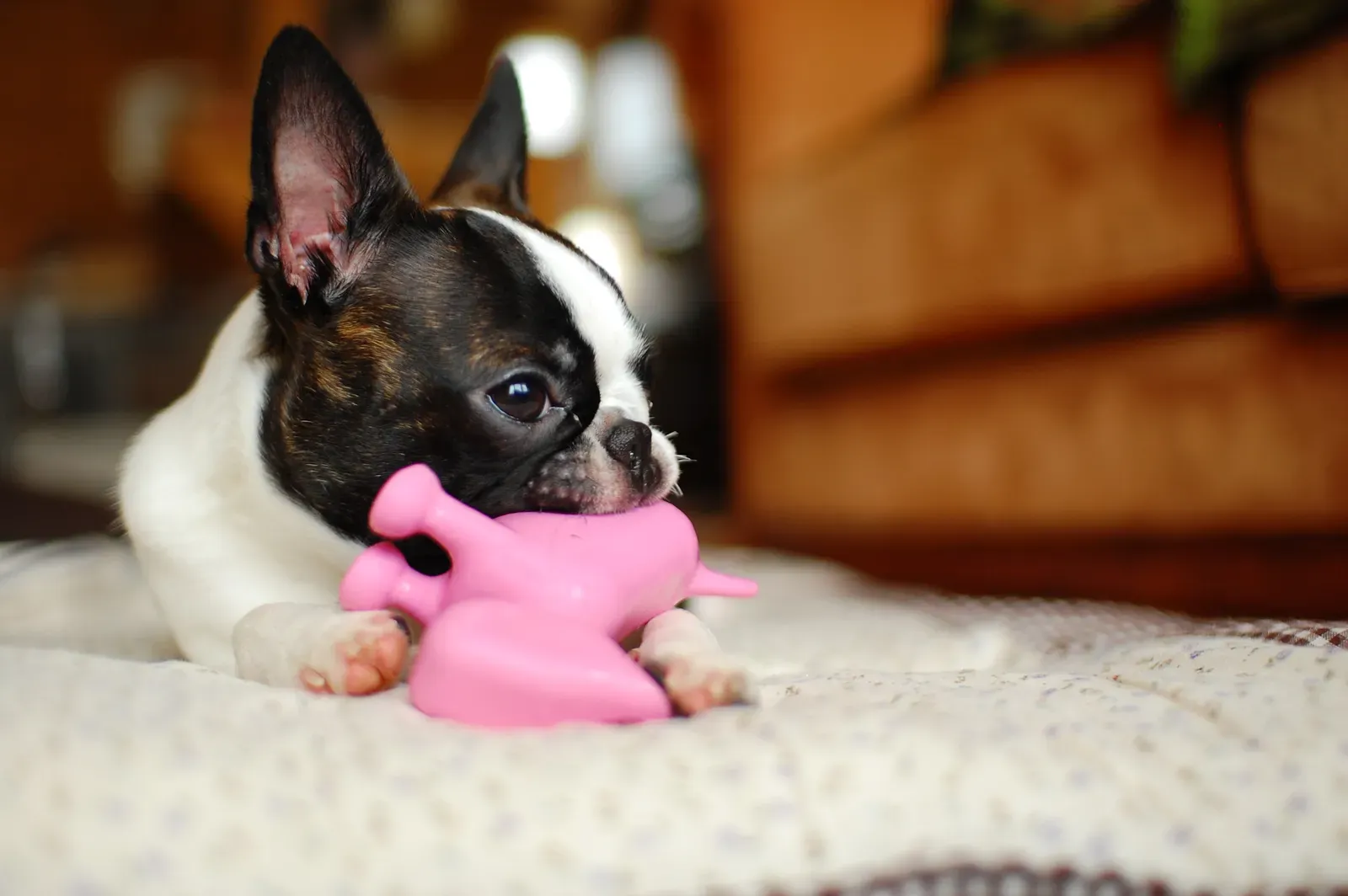
While Terriers are not typically compatible with cats, we can make an exception for this gentleman: the Boston Terrier, and although Bostons may engage in chasing the cat, this is usually out of fun, not prey drive, being good-tempered and polite to kitties as well as other animals. Boston Terriers are the exception to the terrier rule.
Most terriers have strong prey drives that make them unsuitable for cat households. Boston Terriers, however, were bred primarily as companion dogs. Boston Terriers are one of the few American breeds, developed around Boston, and they’re companion dogs that are exceptionally affectionate. Their affectionate nature overrides any hunting instincts.
Their energy levels are moderate, which helps. They’re playful enough to keep things interesting yet calm enough not to stress out your cat constantly. They’re also incredibly trainable, which means you can teach them appropriate behavior around cats relatively easily.
Their friendly, polite temperament makes them surprisingly good roommates for felines. They might try to initiate play, yet it’s rarely aggressive or threatening. With proper introductions and supervision, they can form genuine friendships with cats.
Bernese Mountain Dog

These large, fluffy dogs tend to be friendly and confident, which can be a perfect match for an assertive cat, and initially, your cat may be wary of a Bernese Mountain Dog due to their larger size, so cautious introductions are key, however, they do not have a strong prey drive, so it’s certainly easier to train them to live with cats than other big dog breeds. Their gentle giant status is well-earned.
Despite their size, Bernese mountain dogs are generally a very relaxed and calm breed, and with some patience and training, they can be wonderful companions for felines, and even become best of friends. That calm temperament is essential when you’re dealing with a dog this large. Their size could be intimidating, yet their personality compensates.
Their confidence means they won’t react aggressively if a cat acts territorial or defensive. They’re patient and understanding, which helps during the adjustment period. Their low prey drive means they’re genuinely not interested in chasing your cat.
These dogs are incredibly loyal and protective, which can extend to their feline housemates. Once they accept your cat as part of the family, they’ll treat them with the same gentle care they show everyone else. Their fluffy coats also make them excellent cuddle buddies once trust is established.
Conclusion
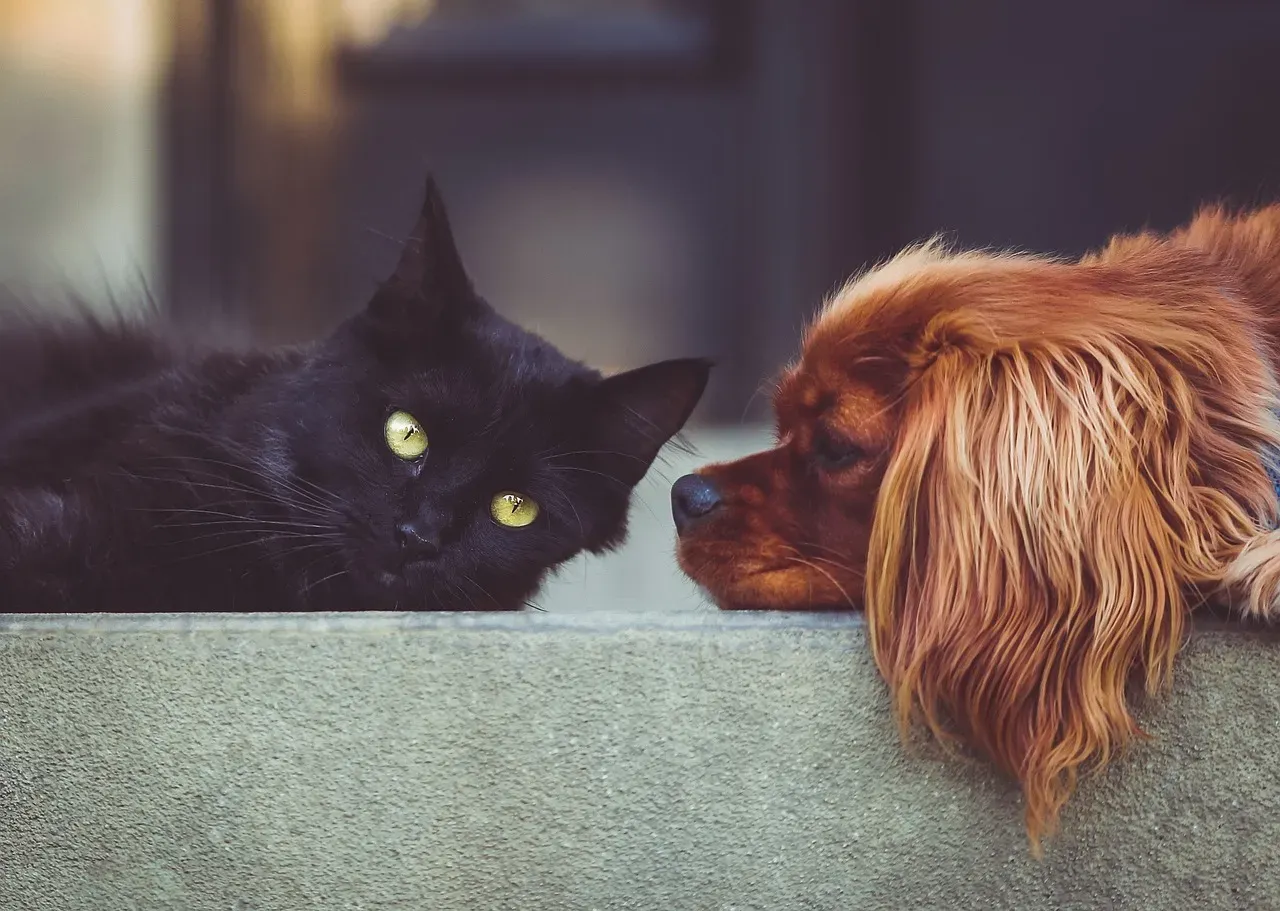
Finding the right dog breed for your cat-friendly household doesn’t have to feel like solving an impossible puzzle. While breed characteristics provide helpful guidance, remember that every individual animal has their own personality. Proper introductions, patience, and consistent training matter just as much as picking the right breed.
Most dog breeds can live calmly with a cat if they are socialized as puppies and are trained to leave the cat alone, and teaching your dog a “leave it” cue and a strong “stay” can help keep the peace, and proper introductions will also help, with it being a good idea to make sure the cat always has an escape route. Creating safe spaces for both pets allows them to interact on their own terms.
The breeds we’ve explored share common traits like low prey drives, gentle temperaments, and social natures. Whether you choose a laid-back Basset Hound or an enthusiastic Golden Retriever, success depends on your commitment to making the relationship work. Gradual introductions, positive reinforcement, and close supervision during early interactions set the foundation for lasting friendships.
Did you expect this many breeds to be genuinely cat-friendly? Have you had success introducing dogs and cats in your own home? Share your experiences in the comments below.
