
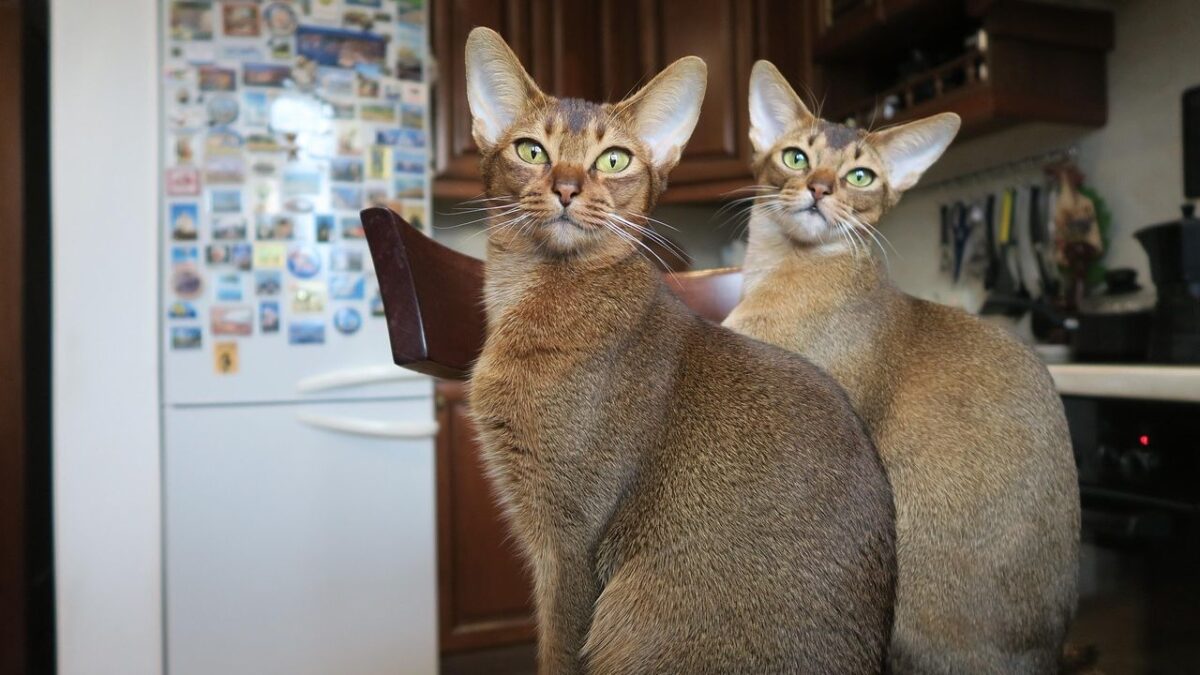
There’s a quiet assumption most cat owners carry into their senior years with their cats: that aging means neediness. That a cat approaching its teens or beyond will suddenly require constant company, endless reassurance, and a whole new level of hand-holding. The reality, according to vets and experienced cat behaviorists, is far more nuanced – and in many cases, far more reassuring.
Naturally evolved breeds tend to have greater genetic resilience, and a cat’s longevity is often influenced by its environment and emotional well-being. Some breeds have spent centuries learning to regulate themselves, entertain themselves, and pace themselves through life’s quieter seasons. These are the cats that age with a kind of dignity that surprises even the most experienced owners. Here are eleven of them.
#1. Russian Blue
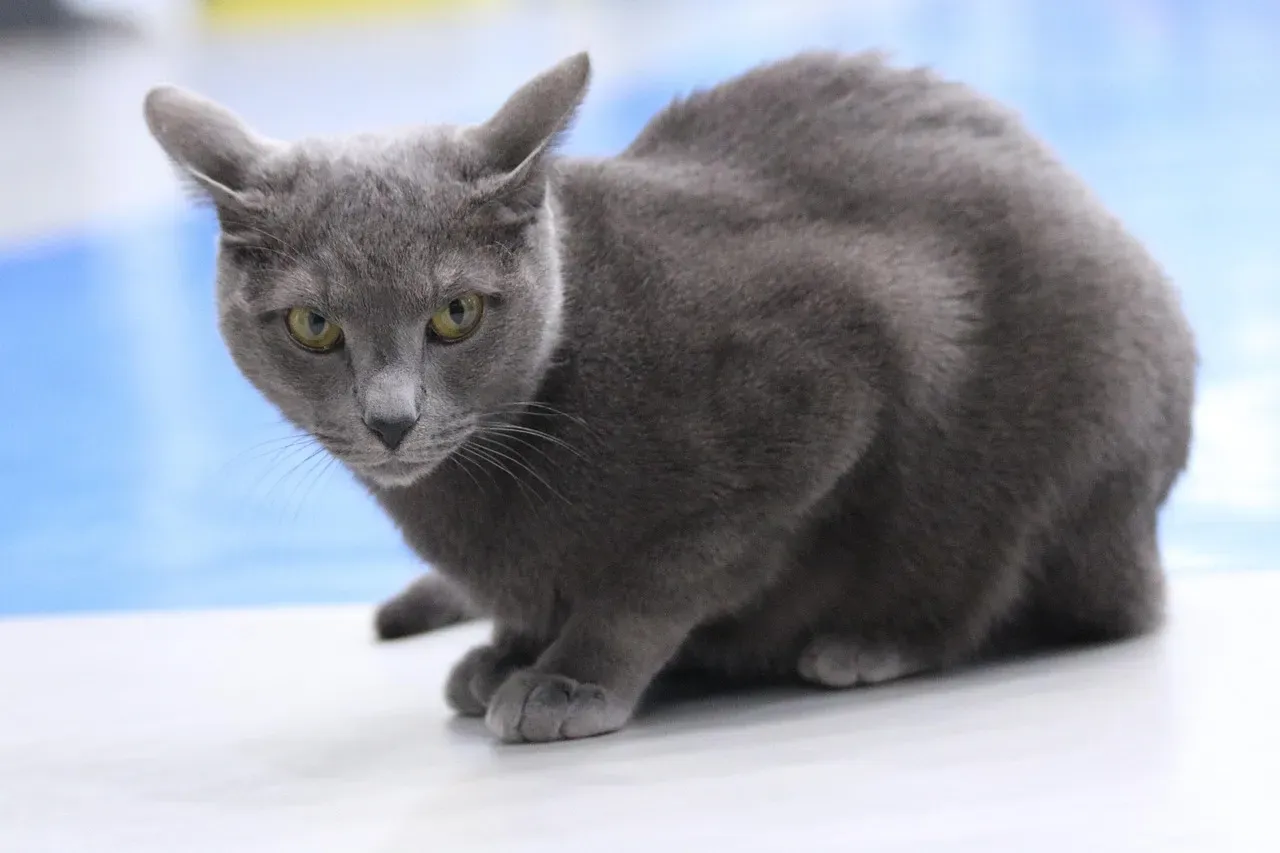
If there’s a breed built for graceful solitude, the Russian Blue is it. Described as a quiet but loving breed, this striking gray cat likes to be close to its owner but isn’t an energetic, clingy animal that requires a lot of attention. That balance becomes especially valuable in the senior years, when the cat naturally slows its pace without losing its contentment.
Russian Blue cats are known for their quiet and reserved nature and have a life expectancy of 15 to 20 years. They are easygoing and don’t require much grooming, and their short coat makes them low-maintenance. Vets consistently note that this breed tends to handle changes in household rhythm without visible distress, making it one of the most reliably stable senior companions you can share a home with.
#2. Siamese
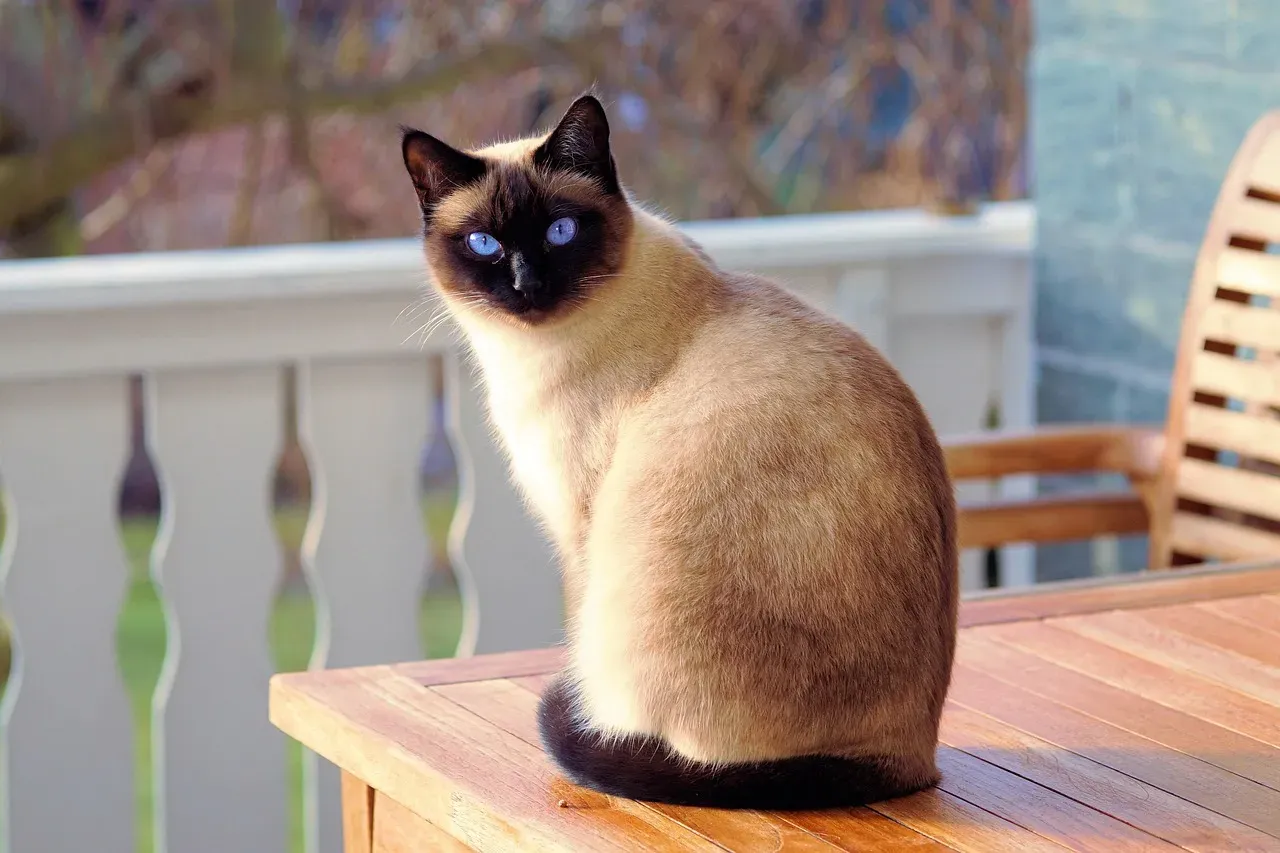
The Siamese often surprises people. Known for being vocal and social, many owners assume this breed falls apart with age. Siamese cats are generally considered to be one of the longest-living cat breeds, with a healthy Siamese living between 15 and 20 years – and some reaching 22 years or more, especially when they receive consistent veterinary care. Longevity and resilience are baked into the genetics.
Siamese cats display kitten-like traits and activity during the first two years of life but become calmer as they mature. That gradual mellowing makes the senior transition feel natural rather than jarring. Even Siamese cats with chronic health issues like kidney disease or arthritis can still live long and fulfilling lives with proper management, provided early diagnosis and a consistent treatment plan are in place. It’s a resilient breed in the truest sense.
#3. British Shorthair
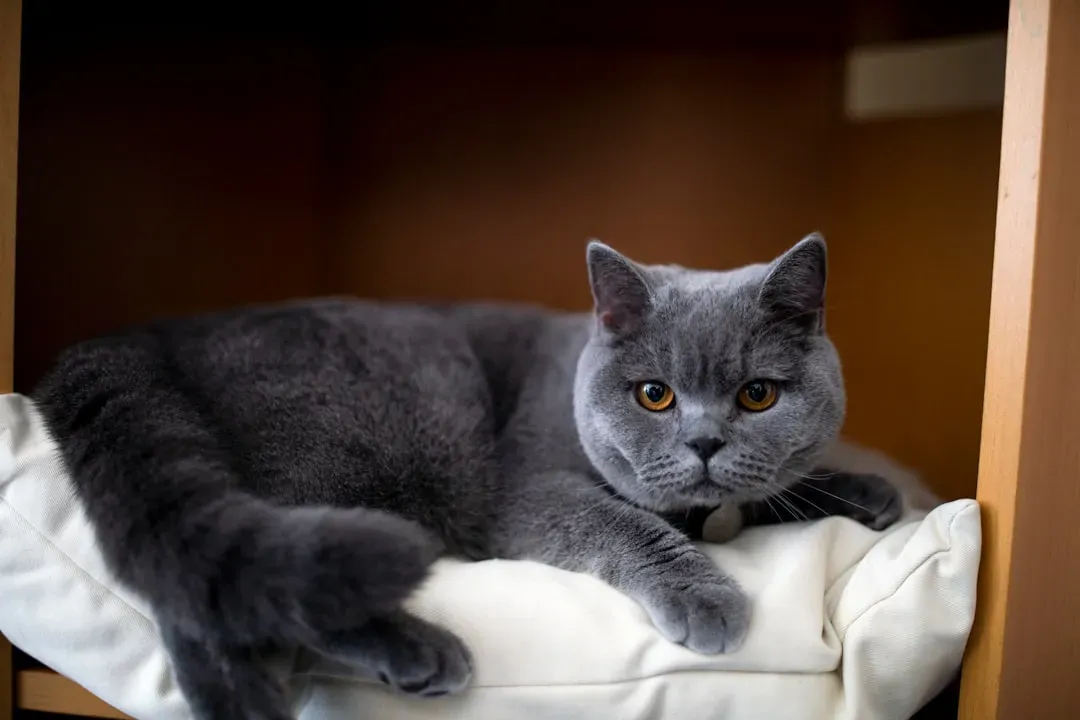
The British Shorthair has an old-soul quality that seems to suit aging particularly well. An intelligent breed with a calm, easygoing nature, these cats are slightly reserved and independent, but also affectionate and devoted to their people – qualities that make them undemanding companions. They don’t need to be entertained constantly, which becomes a genuine virtue in a household with a changing routine.
Both British Shorthairs and Chartreux can adapt to a variety of living situations, but the British Shorthair’s more laid-back nature means they’re generally fine on their own for longer periods of time. It takes a British Shorthair three to five years to reach physical maturity, meaning they look great for longer than other cats, and their life expectancy is greater than most breeds – often in excess of 20 years. That slow-burning quality carries forward beautifully into old age.
#4. Maine Coon
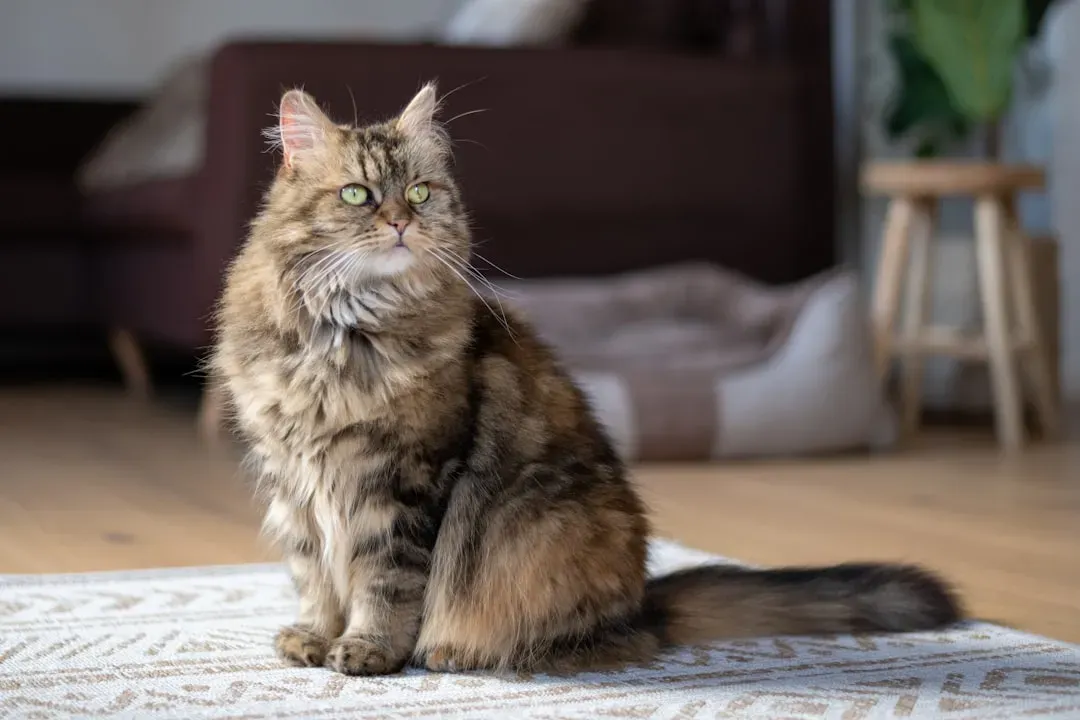
Maine Coons are sometimes called gentle giants, and the label fits doubly well in their senior years. Typically, Maine Coons live between 12 to 15 years, and with attentive care, reaching 18 years or beyond is not uncommon. What makes this breed remarkable is how naturally it scales its energy to match the pace of life around it, becoming self-regulating in a way that suits quieter households.
With proper care and healthy genetics, a Maine Coon can live well into their teens and even over the age of 20 – including a Maine Coon from England named Rubble, who reportedly lived to 31 years old. Maine Coons are gentle yet self-entertaining – a combination that vets frequently point to as the hallmark of a breed that truly handles its own company. Their curiosity keeps them occupied; their gentleness keeps them steady.
#5. Burmese
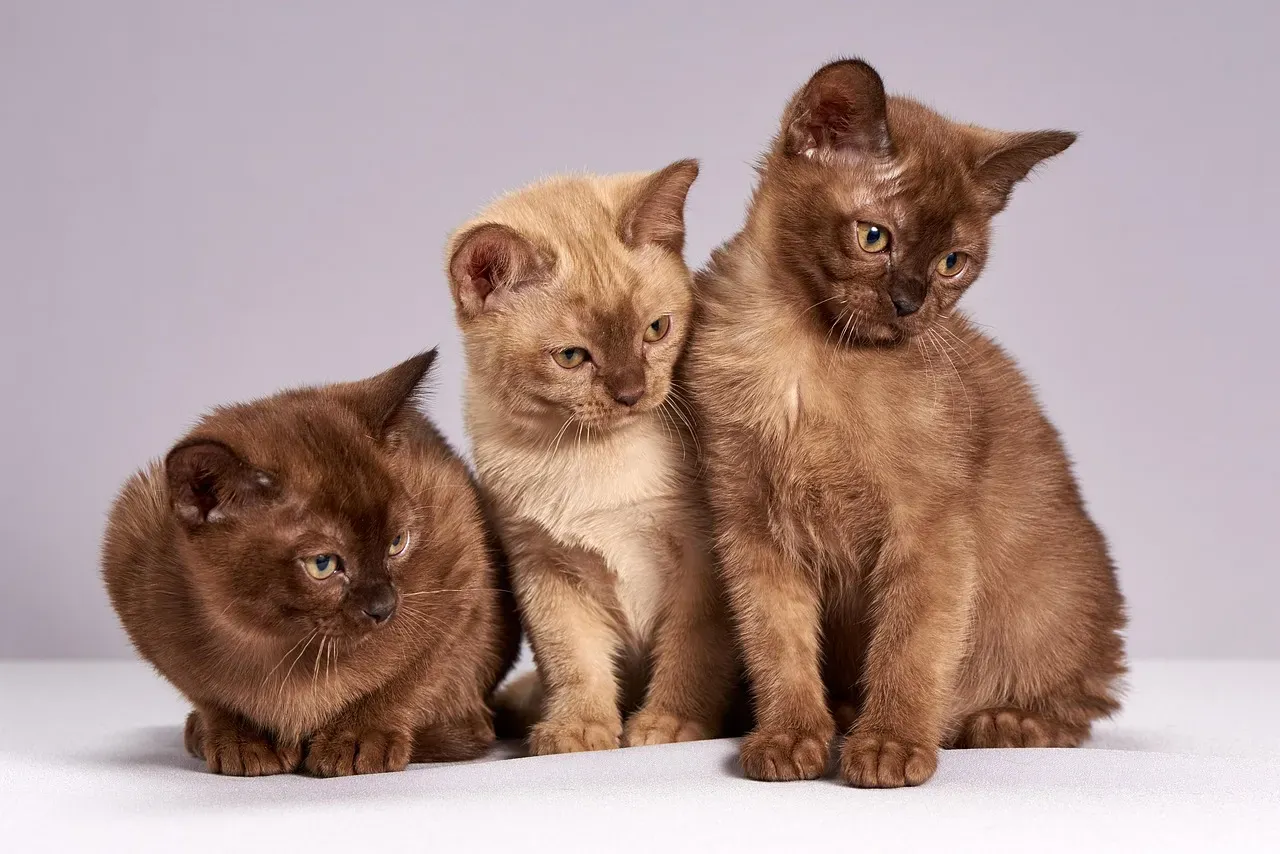
Few breeds hide their durability as quietly as the Burmese. Burmese cats are medium-sized with beautiful short coats, and they’re lively, playful, and friendly with both their owners and strangers. That sociable nature doesn’t collapse into dependency as they age. Instead, it softens into a calm and steady companionship that many owners describe as deeply comforting.
These beautiful cats are generally known for their long lifespan, typically ranging between 16 and 18 years when properly cared for, and their sturdy build contributes to their ability to remain active and engaged over many years. They have an average lifespan of 10 to 16 years, but depending on the individual’s lifestyle and health, this can extend to 20 years or more in some cases. Vets familiar with this breed consistently note that Burmese cats tend to age physically before they age emotionally, retaining their alert, curious nature long after their joints slow down.
#6. American Shorthair
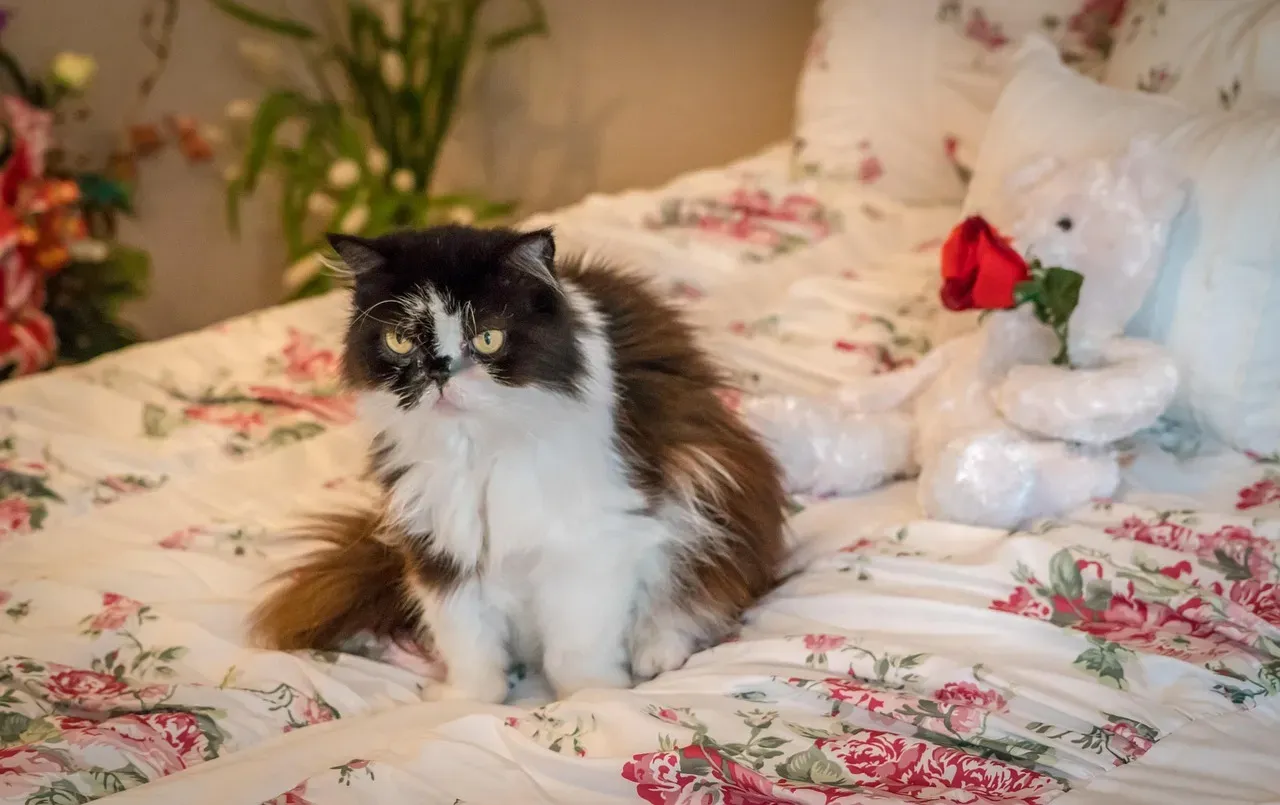
The American Shorthair is the understated workhorse of the feline world, and that quality shines brightest in its senior years. These healthy cats are known for their longevity and adaptability, making them a quintessential low-maintenance choice for those seeking a reliable companion. They aren’t flashy, but they’re consistent – and consistency matters enormously when a cat is aging.
The American Shorthair is a brilliant choice because its long lifespan means most reach a ripe old age of between 15 and 20 years. They’re an affectionate and cuddly breed with a friendly nature, and they’re very adaptable, patient, and tolerant. The American Shorthair can be left at home for several hours without causing trouble – a trait that holds steady well into old age. They’re the kind of cat that simply gets on with it, no matter what life looks like that day.
#7. Ragdoll
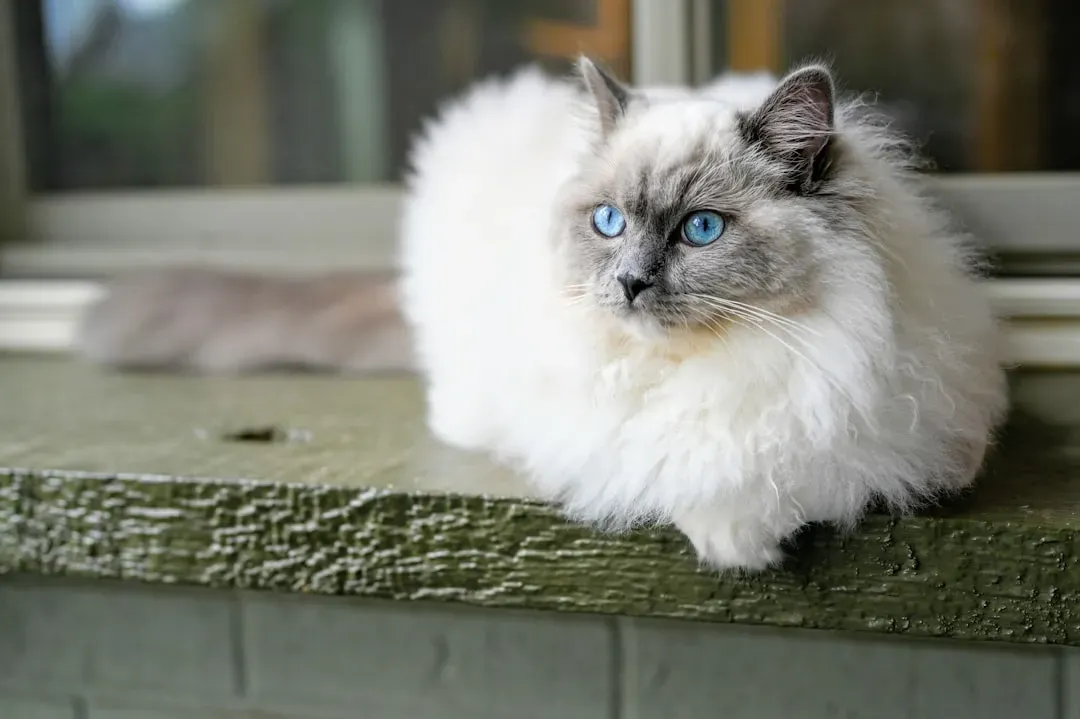
The Ragdoll’s reputation for going limp when picked up isn’t just a party trick. It reflects something deeper: a fundamental ease with the world and the people in it. Ragdoll cats are loving and quiet, known for being relaxed, friendly, and happy pets – and they are happy to laze about and show their owners some affection, though all cats can occasionally show bursts of energy. That baseline calmness makes them unusually stable as seniors.
The Ragdoll is calm and can go limp when held, like a ragdoll toy. These cats are friendly even with strangers and enjoy lounging at home. Despite their gentle appearance, they’re sturdy and can live 15 to 25 years. The combination of emotional steadiness and impressive longevity makes the Ragdoll one of the more surprising entries on any vet’s list of breeds that handle their older years with particular grace.
#8. Chartreux
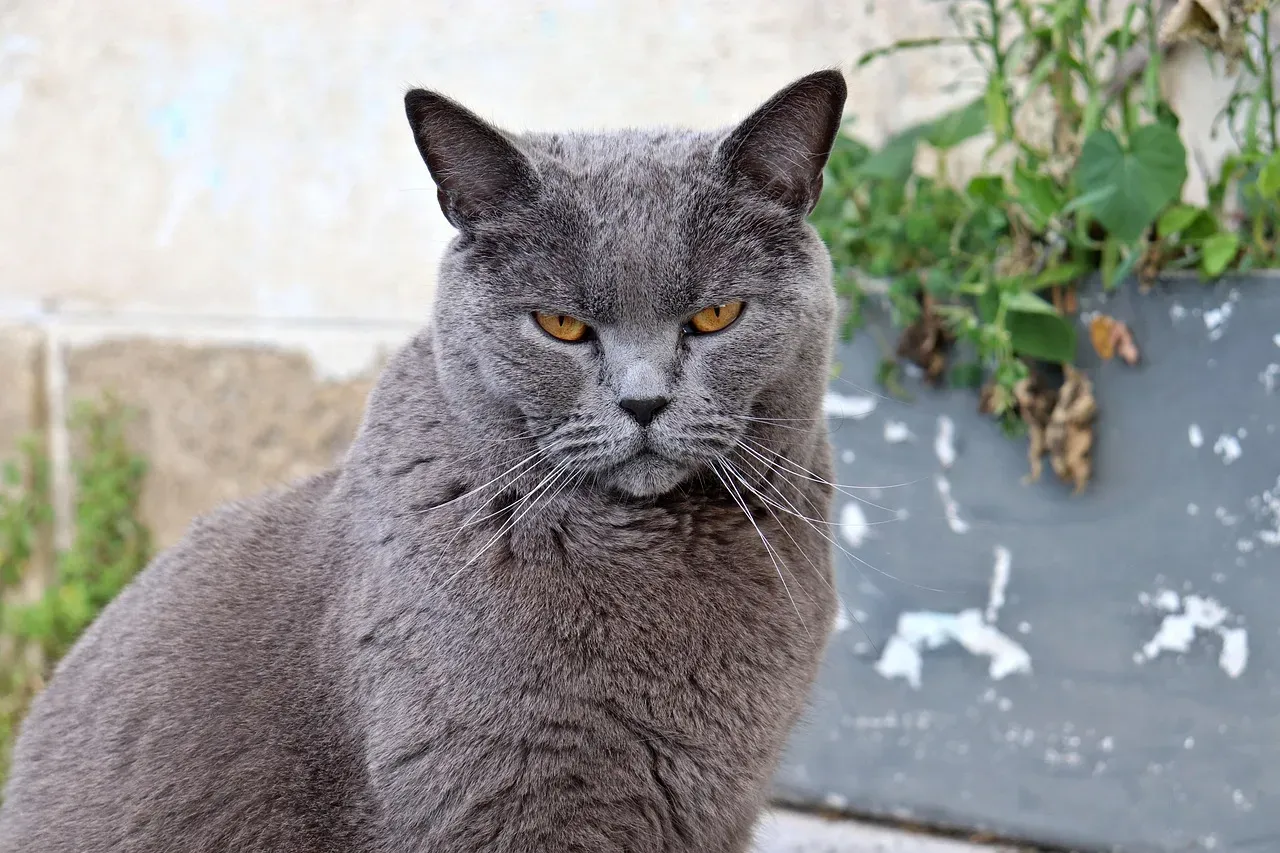
The Chartreux carries a certain monastic calm that feels almost deliberate. The Chartreux is the strong, silent type – they rarely meow, chirp, or hiss, though they will do so to get attention. An affectionate breed, the Chartreux will bond with their owners and love to cuddle and play throughout the day. That bond deepens quietly and enduringly into old age rather than becoming demanding or fragile.
The Chartreux is known for its calm, quiet nature and independent streak, making it a great choice if you prefer a low-maintenance, affectionate companion who can handle time alone. They enjoy attention but don’t demand it and are highly sociable, without being high-maintenance. They have moderate grooming needs and are independent enough to be on their own for a few hours. Vets often highlight the Chartreux as a breed that maintains its even temperament with age in a way that makes geriatric monitoring far less stressful for both cat and owner.
#9. Abyssinian
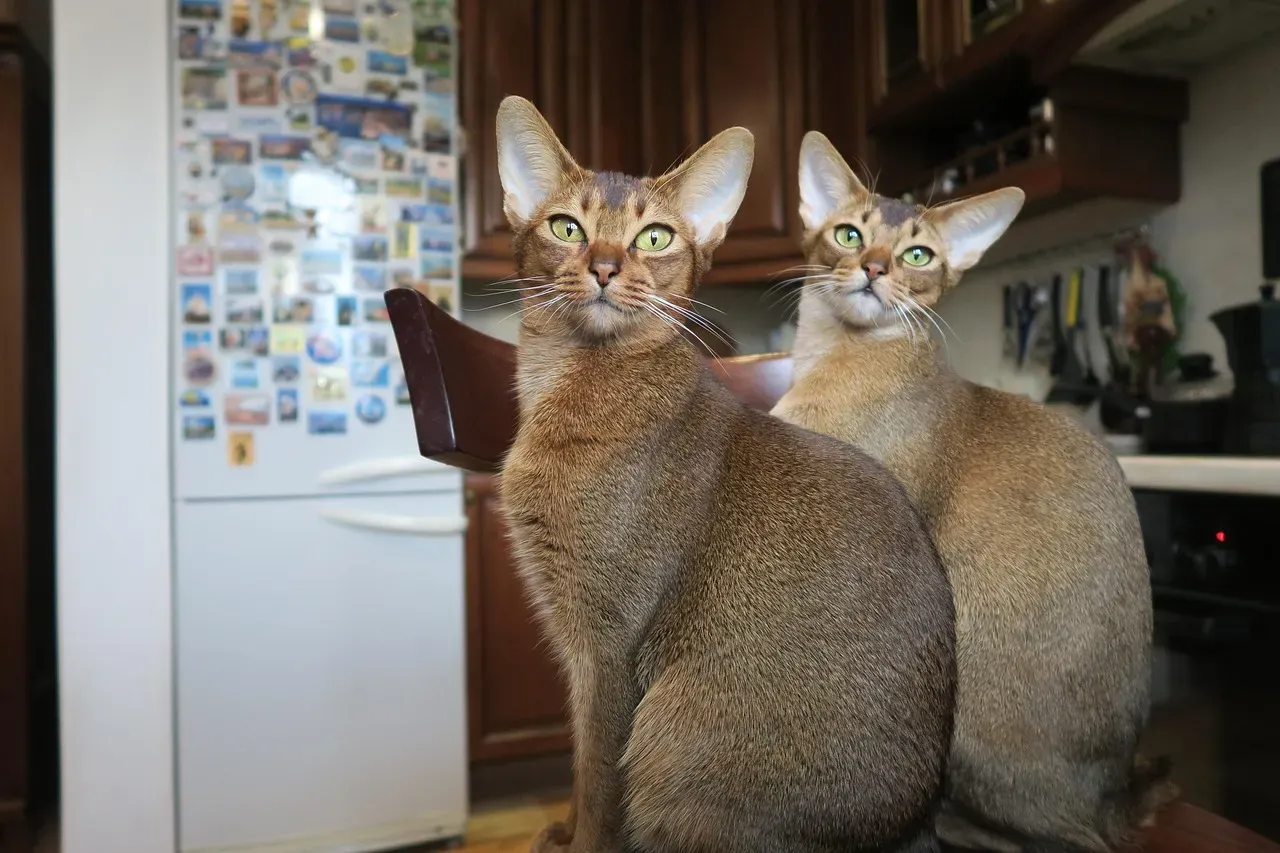
The Abyssinian seems like a paradox on this list – an active, energetic, curious breed. Surely it falls apart when it can’t keep pace with its younger self? Actually, the opposite tends to happen. Many Abyssinians have very long life spans, and it’s not uncommon for them to live 14 to 17 years or more, with some living into their 20s. Their physical vitality serves as a kind of reserve bank they draw on slowly and thoughtfully.
Usually outgoing and active, with a fondness for being the center of attention, the Abyssinian cat develops a close bond with its family – but this breed also has a shy side to its personality. That shy streak becomes more prominent and more charming in senior cats, who tend to settle into quieter observation after a life of active engagement. The Abyssinian has extremely short hair, so owners won’t spend a lot of time grooming, and a soft brush just once or twice per week is all it takes to keep them looking their best. Low-maintenance on the outside, rich on the inside.
#10. Birman
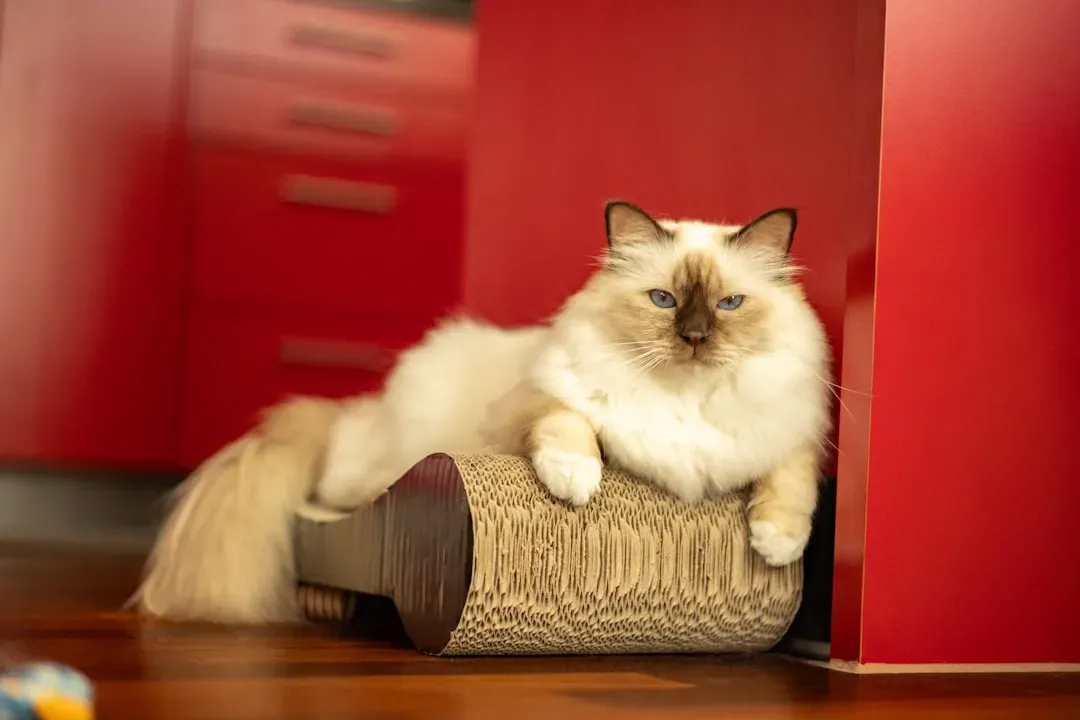
The Birman occupies a rare sweet spot: gentle enough to be deeply comforting, independent enough to age without drama. Birmans are gentle, friendly, and sociable cats that usually prefer to hang out close to their owners. They are known for bonding exclusively with one person, which can be incredibly rewarding for someone living alone. That singular loyalty only deepens with time, creating a bond that feels especially meaningful in the quieter chapters of life.
Despite their medium-length fur, Birmans have no undercoat, which means less shedding and easier grooming – and a weekly brush should suffice. Birmans are delightfully low-maintenance, gentle, and quiet while still being highly social – they enjoy play but are most of the time content to follow their human from room to room. The combination of warmth and self-sufficiency is exactly what vets look for in a breed they’d recommend for long-term senior companionship.
#11. Siberian
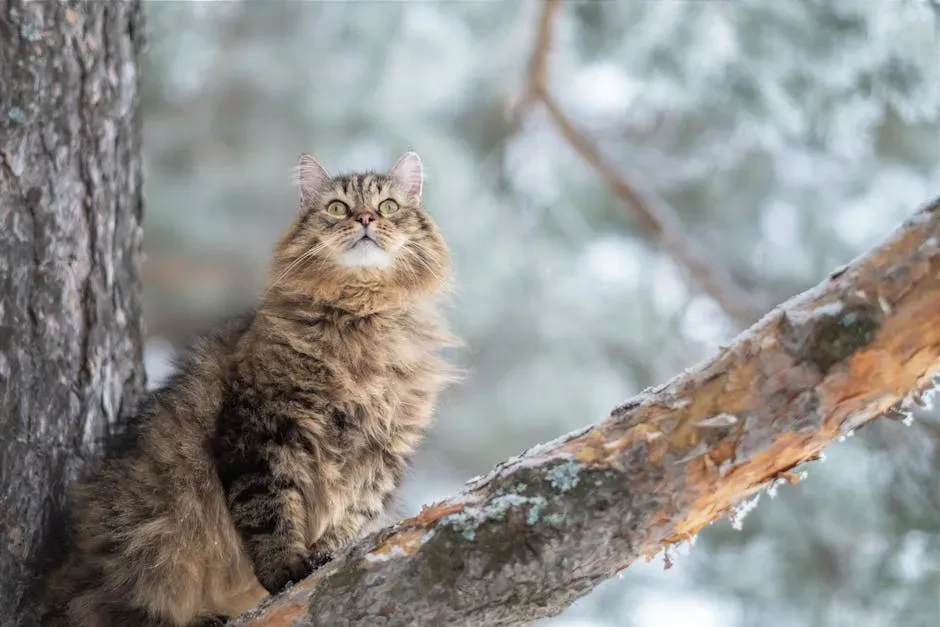
The Siberian is one of those breeds shaped not by breeders’ preferences but by centuries of real-world survival. The Siberian is a natural breed shaped by centuries of survival in Russia’s subarctic climate. This structurally robust cat has a thick, water-resistant coat and, thanks to its diverse gene pool, typically lives between 10 and 18 years. That genetic diversity translates directly into resilience during the aging process.
Naturally evolved breeds, such as the Siberian forest cat and Russian Blue, generally have greater genetic resilience and fewer hereditary health issues. Siberians also carry a reputation for emotional steadiness that rarely wavers with age. Siberian cats are affectionate and playful and love following their family around – and they are also calm and make good therapy cats. That therapy-cat quality becomes more pronounced in their senior years, when their calm presence and undemanding nature make them deeply soothing companions for households that need quiet, dependable love rather than high-energy entertainment.
Final Thoughts: Aging With Feline Grace
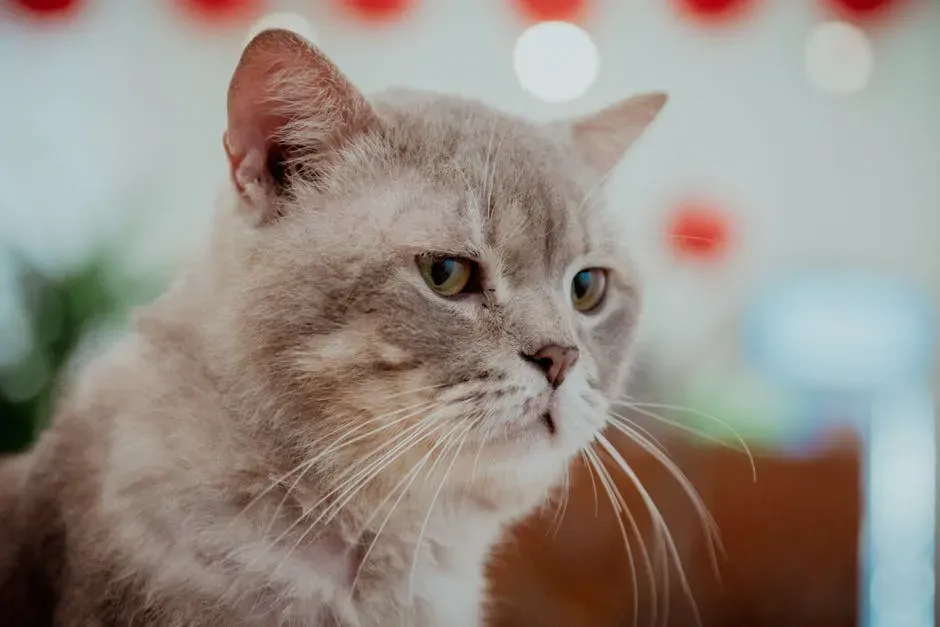
Here’s an opinion worth stating plainly: the idea that senior cats become burdens is one of the most underserved myths in pet ownership. Research shows that pet ownership among seniors is associated with decreased blood pressure, reduced stress levels, and lower feelings of loneliness – and seniors who own pets make fewer doctor visits and report higher overall life satisfaction than those without animal companions. Cats, in particular, offer manageable care requirements, a calming presence, and meaningful companionship.
The eleven breeds on this list don’t just survive aging – they seem almost designed for it. Breeds shaped by natural evolution rather than human intervention often have a greater genetic resilience, though longevity isn’t just about birthright: it also depends on proactive care, weight management, and regular veterinary check-ups. The average cat lifespan is more than a decade – 13 to 17 years specifically – and with the right breed, the right care, and the right expectations, many of those years can be among the most rewarding of the relationship.
The cats that age best tend to be the ones that never needed you to be everything in the first place. They wanted a companion, not a caretaker. And in that quiet self-possession, they offer something most owners never expected to find: a version of growing older that looks a lot like peace.

- Why Veterinarians Say If Your Cat Sleeps With Their Back to You, It's the Highest Form of Trust in Feline Behavior - July 20, 2026
- The Zodiac Signs That Owls Avoid Completely (And What Folklore Says It Means About Your Energy) - July 20, 2026
- You Won’t Believe What These 5 Animals Eat for Dinner - July 20, 2026