


Snakes—mysterious, misunderstood, and often maligned creatures that slither through our collective consciousness with a mixture of fear and fascination. These limbless reptiles have captivated human imagination since ancient times, appearing in everything from religious texts to modern movies. Yet despite their cultural prominence, much of what people believe about snakes is based on myths rather than reality. Whether you find them terrifying or terrific, understanding the truth about these remarkable animals can help dispel unfounded fears and foster appreciation for their important ecological roles. In this article, we’ll uncoil 11 fascinating facts about snakes and address two persistent misconceptions that continue to plague these remarkable reptiles.
11. Snakes Evolved from Lizards with Legs

The evolutionary journey of snakes is a fascinating tale of adaptation and specialization. Contrary to what some might assume, snakes didn’t always lack limbs. Fossil evidence and genetic studies confirm that snakes evolved from lizard ancestors who gradually lost their legs over millions of years. This transition likely began about 150 million years ago, with snakes adapting to a burrowing lifestyle where legs became more hindrance than help.
Some modern snake species still retain vestigial evidence of this legged past. The python and boa families possess tiny claw-like structures called “spurs” near their cloaca—remnants of what were once hind limbs. These evolutionary leftovers provide tangible proof of the snake’s lizard ancestry. Even more compelling is the discovery of ancient snake fossils like Najash rionegrina, which possessed small but functional hind limbs, representing a transitional stage in snake evolution.
10. Snakes Don’t Actually “Unhinge” Their Jaws

One of the most remarkable abilities of snakes is consuming prey much larger than their own head size. Popular descriptions often claim snakes can “unhinge” or “dislocate” their jaws to accomplish this feat, but this isn’t anatomically accurate. Snakes don’t have a fixed jaw joint like mammals do. Instead, they possess an incredibly flexible jaw structure with multiple joints and elastic ligaments that allow for extraordinary stretching.
A snake’s lower jawbones (mandibles) aren’t fused together at the front like human jaws but are connected by stretchy ligaments. Additionally, the quadrate bones connecting the lower jaw to the skull can move independently. This combination of flexible connections and movable bones allows snakes to create a much wider gape without any “unhinging” or dislocation. This adaptation enables species like the African rock python to consume prey as large as antelopes, demonstrating the remarkable effectiveness of this specialized feeding mechanism.
9. Not All Snakes Lay Eggs

While many people assume that all snakes reproduce by laying eggs (oviparous reproduction), the truth is far more diverse. Approximately 70% of snake species lay eggs, but the remaining 30% give birth to live young through a process called viviparity or ovoviviparity. Species like garter snakes, boas, and many vipers retain developing eggs inside their bodies until the young are fully formed, then give birth to live offspring.
Some snake species even exhibit remarkable maternal behaviors. Certain pythons, though egg-layers, will coil around their eggs and generate heat through muscle contractions to maintain optimal incubation temperatures—essentially “shivering” to warm their clutch. King cobras go further by building nests of vegetation and guarding their eggs until hatching. These diverse reproductive strategies highlight the evolutionary adaptability of snakes to various environmental conditions and ecological niches across the globe.
8. Snakes Have Incredible Sensory Adaptations

Snakes possess some of the most specialized sensory systems in the animal kingdom, often compensating for their lack of external ears and relatively poor eyesight. Perhaps most remarkable is the vomeronasal or Jacobson’s organ, which allows snakes to “taste” the air. When a snake flicks its forked tongue, it’s collecting scent particles which are then transferred to this specialized organ in the roof of the mouth, providing detailed chemical information about prey, predators, and potential mates.
Some snake species have evolved even more extraordinary sensory abilities. Pit vipers, pythons, and boas possess heat-sensing pit organs that can detect temperature differences as small as 0.003°C, enabling them to locate warm-blooded prey in complete darkness. These infrared-detecting organs essentially give these snakes a form of thermal vision. Meanwhile, certain sea snakes have developed pressure-sensitive organs that can detect the slight water movements created by nearby fish, allowing them to hunt effectively in murky waters. These remarkable adaptations demonstrate how snakes have evolved specialized solutions to thrive in diverse environments.
7. Snake Venom Is Highly Specialized

Snake venom represents one of nature’s most sophisticated biochemical weapons—complex cocktails of proteins and enzymes that have evolved for specific purposes. Contrary to popular belief, venom isn’t simply a defensive mechanism; it’s primarily an adaptation for hunting and digestion. Different snake species have evolved venoms tailored to their specific prey and hunting strategies. For example, rattlesnake venom contains hemotoxins that destroy tissue and aid in digestion, while cobra venom features neurotoxins that rapidly paralyze prey by attacking the nervous system.
The medical potential of snake venom compounds has become increasingly recognized in modern medicine. The blood pressure medication captopril was developed based on compounds found in the venom of the Brazilian jararaca pit viper. Other venom-derived medications treat conditions ranging from heart attacks to chronic pain. Scientists continue to study snake venoms for potential treatments for cancer, Alzheimer’s disease, and other conditions. This pharmaceutical treasure trove demonstrates how substances evolved to kill have been repurposed to heal, making venomous snakes invaluable to biomedical research.
6. Snakes Are Ancient and Diverse
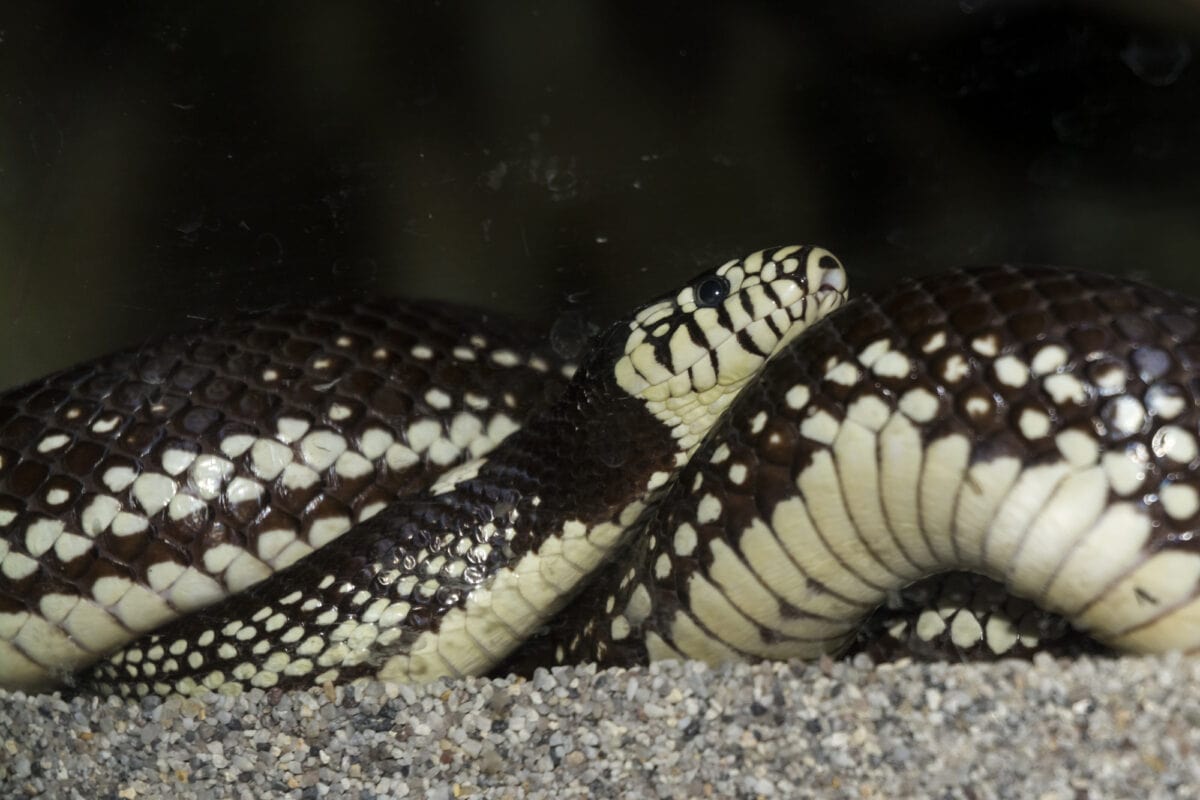
The snake family tree extends back over 100 million years, with these reptiles surviving the mass extinction event that eliminated the dinosaurs. Today, scientists recognize approximately 3,900 snake species distributed across nearly every continent except Antarctica, inhabiting environments from deserts and rainforests to oceans and mountains. This remarkable diversity ranges from the tiny Barbados threadsnake, which measures just 10 centimeters and weighs less than a gram, to the massive reticulated python, which can exceed 30 feet in length.
Unfortunately, snake diversity faces significant threats from habitat destruction, climate change, and persecution by humans. Studies suggest that many snake populations worldwide are declining at alarming rates. This is particularly concerning because snakes play vital ecological roles as both predators and prey in their ecosystems. Their loss can trigger cascading effects throughout food webs, potentially leading to increases in rodent populations and associated disease transmission. Conservation efforts for these often-unpopular animals remain challenging but essential for maintaining healthy, functioning ecosystems.
5. Snakes Can Go Months Without Eating
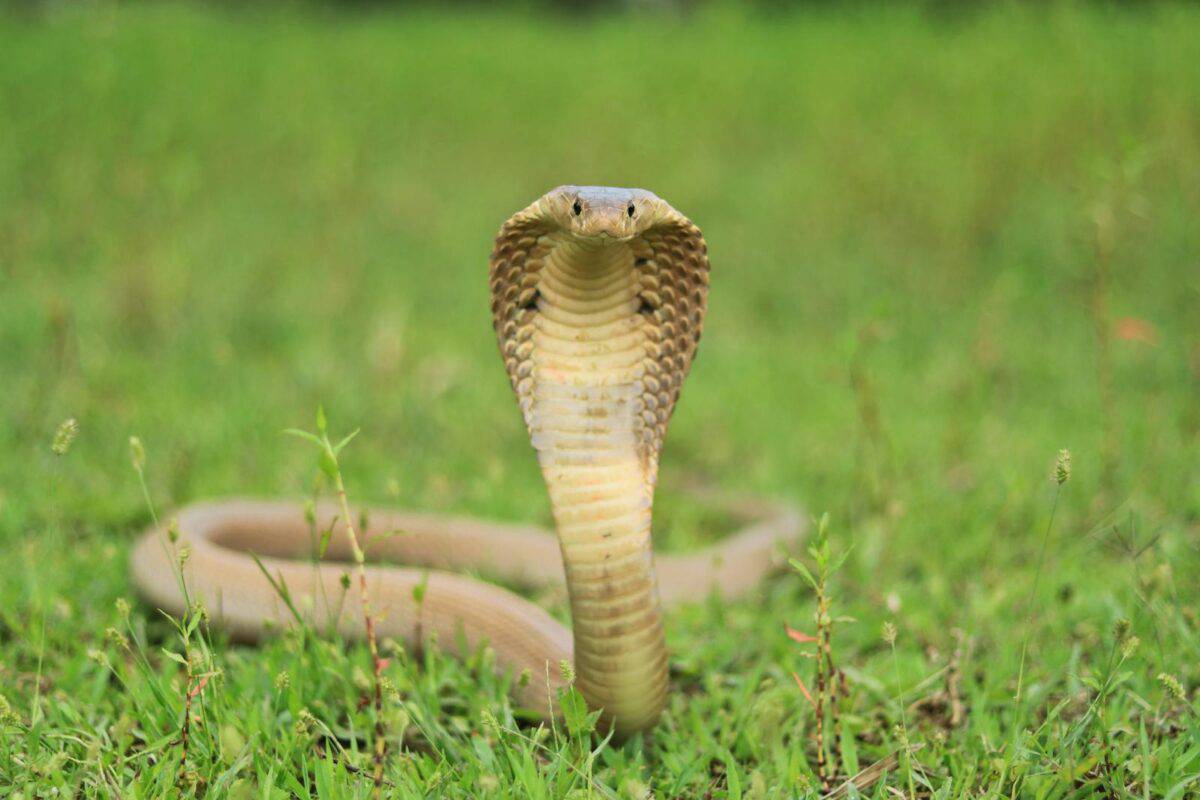
One of the most remarkable physiological adaptations of snakes is their ability to survive extended periods without food. Unlike mammals, which require frequent meals to maintain their high metabolic rates, snakes possess extraordinarily efficient metabolisms that allow them to conserve energy between infrequent feedings. Large species like pythons and anacondas can go 6-12 months between meals after consuming substantial prey, while some species have been documented surviving 1-2 years without eating under certain conditions.
This fasting ability stems from several adaptations. Snakes can dramatically reduce their metabolic rate during periods of food scarcity, sometimes by up to 70%. Their digestive organs also undergo remarkable changes—shrinking when not in use to conserve energy, then rapidly expanding when food becomes available. Additionally, snakes efficiently convert a high percentage of their food into body mass, with minimal waste. These adaptations make snakes supremely suited for environments with unpredictable food availability and explain why they don’t require the regular feeding schedules necessary for mammalian pets.
4. Snakes Cannot Hear Airborne Sounds

Contrary to images of snake charmers playing flutes to enthralled cobras, snakes lack external ears and cannot hear airborne sounds the way humans do. They have no external ear openings, eardrum, or middle ear structures. However, this doesn’t mean snakes are completely deaf. They possess an inner ear connected to their jawbone, allowing them to detect low-frequency vibrations traveling through solid surfaces like the ground. When a snake appears to “dance” to a charmer’s music, it’s actually responding to the visual movement of the instrument and the vibrations transmitted through the ground.
This specialized hearing adaptation serves snakes well in their natural environments. Ground vibrations can alert them to approaching predators or prey, providing crucial survival information. Recent research has also revealed that some snake species may be able to detect certain airborne sounds through their skulls, though this ability is limited compared to animals with conventional hearing structures. This sensory arrangement illustrates how evolution has shaped snake biology to prioritize the most relevant environmental information for their survival strategy.
3. Snakes Have Hundreds of Vertebrae

The snake’s elongated body contains a remarkable skeletal structure that sets them apart from most other vertebrates. While humans have just 33 vertebrae, snakes possess anywhere from 200 to over 400 vertebrae, depending on the species. This extraordinary number allows for their characteristic flexibility and movement capabilities. Each vertebra connects to a pair of ribs (except in the tail region), creating a structure that facilitates the snake’s distinctive locomotion methods.
Unlike mammals, whose vertebrae have limited movement between them, snake vertebrae feature ball-and-socket joints that permit movement in multiple directions. This design, combined with specialized muscles attached to each vertebral segment, enables snakes to perform their remarkable repertoire of movements—including lateral undulation (the classic side-to-side slithering), rectilinear movement (straight-line crawling used by large constrictors), sidewinding (a specialized desert locomotion), and concertina movement (used in tight spaces). This vertebral structure represents one of evolution’s most elegant solutions to the challenge of locomotion without limbs.
2. Snakes Don’t Chase People

One of the most persistent myths about snakes is that they will chase and pursue humans. This misconception has fueled countless fearful encounters, but it contradicts snake behavior and biology. Snakes are generally shy, non-aggressive creatures that prefer to avoid confrontation with larger animals, including humans. When a snake appears to be “chasing” a person, it’s almost invariably trying to escape to safety, and the human happens to be in its perceived escape route. Snakes have poor eyesight for detecting stationary objects and primarily identify humans as large, potentially dangerous animals to be avoided.
Understanding this behavior can transform interactions with wild snakes. When encountering a snake, standing still or slowly backing away usually results in the snake retreating once it perceives a safe exit route. Most snake bites occur when people attempt to handle, kill, or corner snakes, placing themselves in situations where the snake has no escape option except to defend itself. By recognizing that snakes aren’t vindictive or aggressive toward humans, we can develop more rational, less fearful approaches to coexisting with these valuable animals.
1. Snakes Are Crucial Ecosystem Controllers

Beyond their fascinating biology, snakes perform vital ecological functions that benefit human communities worldwide. As mid-level predators, they help regulate populations of potential pest species, particularly rodents. A single pair of barn owls might consume 1,000 mice annually, but an individual rat snake can easily match this number. This natural pest control service is particularly valuable in agricultural settings, where rodents can destroy crops and contaminate stored food supplies. Studies have shown that areas with healthy snake populations experience significantly lower crop damage from rodent pests.
Snakes also serve as important prey for numerous other animals, including birds of prey, mammalian predators, and even other reptiles. Their presence in an ecosystem indicates a healthy, functioning food web. In some regions, snake declines have been linked to corresponding declines in predator populations that depend on them for food. Additionally, as specialized predators, snakes often target sick or weak prey animals, potentially reducing disease transmission within prey populations. These ecological contributions make snake conservation an important component of maintaining healthy ecosystems and sustainable agriculture.
MISCONCEPTION #2 Most Snakes Are Venomous and Dangerous

Perhaps the most damaging misconception about snakes is that most species are venomous and pose a significant threat to humans. The reality presents a dramatically different picture. Of the approximately 3,900 known snake species worldwide, only about 600 (roughly 15%) are venomous, and of those, only about 200 species (around 5% of all snakes) possess venom capable of causing significant harm to humans. The vast majority of snakes people encounter in their daily lives are completely harmless, yet fear often leads to indiscriminate killing of beneficial non-venomous species.
Even among venomous species, human fatalities are remarkably rare in regions with access to modern medical care. In the United States, despite an estimated 7,000-8,000 venomous snake bites annually, deaths average fewer than 5 per year—making lightning strikes, bee stings, and dog attacks all statistically more deadly. Most venomous snakes prefer to avoid human contact entirely and bite only as a last resort when threatened. Learning to identify the few venomous species in your region, maintaining appropriate caution, and seeking prompt medical attention in the rare event of a bite are far more rational responses than generalized fear of all snakes.
MISCONCEPTION #1 Snakes Are Slimy

The persistent belief that snakes have slimy skin ranks among the most common and easily disproven misconceptions. Unlike amphibians, which often do have moist, mucus-covered skin, snake skin is completely dry and smooth. Snake scales are made of keratin—the same protein found in human fingernails and hair—arranged in overlapping patterns that create a waterproof, protective outer layer. Far from being slimy, snake skin feels cool and dry to the touch, with a texture often described as similar to fine leather or warm plastic.
This misconception likely persists because many people associate snakes with amphibians like frogs and salamanders, or because the smooth, reflective quality of snake scales can give them a deceptively slick appearance. The dry nature of snake skin is actually a crucial evolutionary adaptation that prevents water loss in terrestrial environments. It also explains why snakes must periodically shed their skin (a process called ecdysis) to accommodate growth and remove parasites. Handling a snake—whether a pet or under the supervision of a wildlife educator—quickly dispels this misconception through direct experience, highlighting how firsthand encounters can effectively correct erroneous beliefs about these remarkable animals.
Conclusion: Appreciating These Remarkable Reptiles
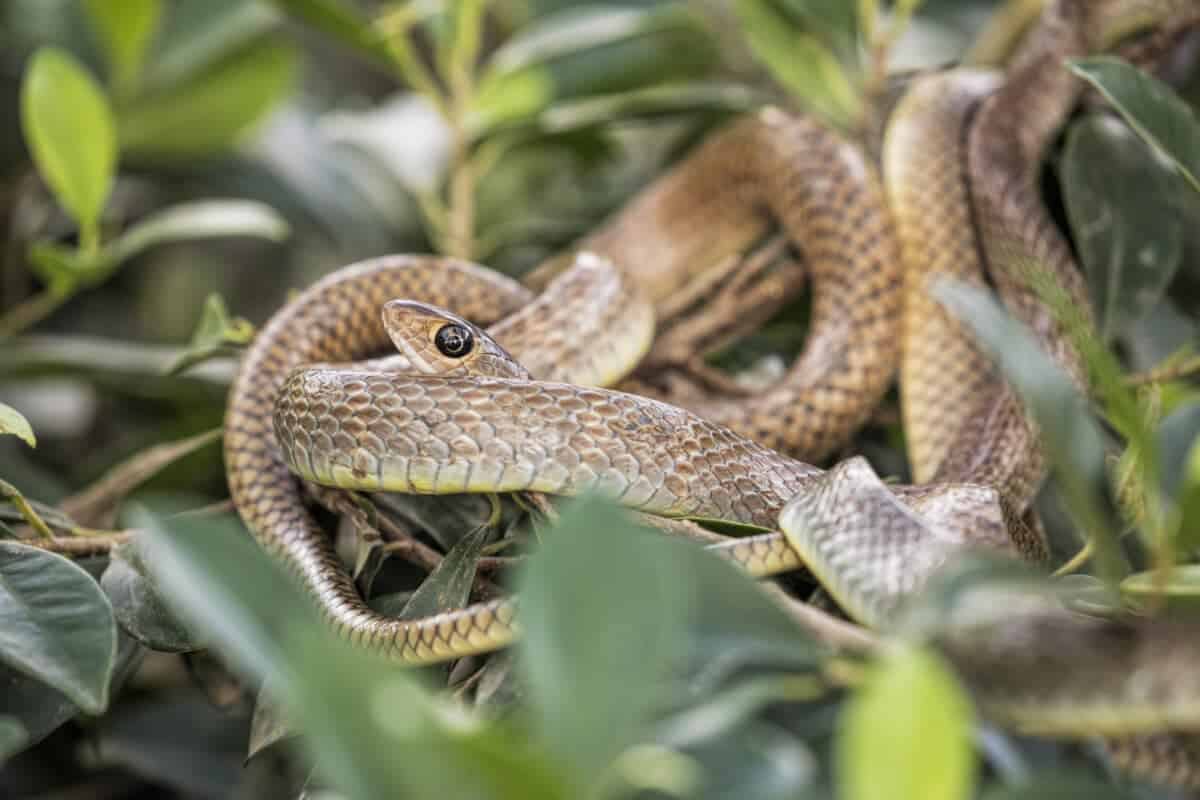
Understanding the true nature of snakes reveals creatures far more complex, beneficial, and fascinating than popular culture often portrays. From their specialized sensory systems and remarkable feeding adaptations to their crucial ecological roles, snakes represent extraordinary evolutionary success stories deserving of respect rather than fear. The misconceptions surrounding these animals—that they’re predominantly dangerous, vindictive, or unpleasant to touch—have unfortunately led to widespread persecution and declining populations worldwide. By separating fact from fiction, we can develop a more rational, appreciative perspective on these remarkable reptiles. Whether you encounter a snake in your garden, on a hiking trail, or at an educational exhibit, approaching the experience with knowledge rather than fear allows for a richer understanding of these important and ancient members of our global ecosystem.

As a little kid, I fell in love with nature, wildlife, and animals. Living in the USA, South Africa, Italy, China and Germany gave me the opportunity to discover the world's Wildlife. My favorite animals are Mountain Gorillas, Siberian Tigers, and Great White Sharks.
I'm a certified PADI Open Water Diver, went to Everest Base Camp and Trekked Gorillas in Uganda. I hold a Master of Science in Economics and Finance.
Please send any feedback to feedback@animalsaroundtheglobe.com
- The 10 Rarest Dog Breeds Making a Comeback in America - July 19, 2026
- 13 Creatures That Survived Mass Extinctions - July 19, 2026
- 12 Pets That Are Perfect for Seniors - July 19, 2026
Leave a comment
You must be logged in to post a comment.