

There’s something quietly remarkable about seeing a small, armored creature shuffling through a backyard in Virginia or foraging along a creek bed in Illinois. Not long ago, most people north of Texas would have called that a once-in-a-lifetime sighting. Today, it’s becoming almost routine. The nine-banded armadillo is on the move, pushing steadily north and east across America with a kind of unhurried determination that has left wildlife biologists genuinely surprised.
What’s driving this expansion, how far will it go, and what does it mean for the ecosystems in its path? The answers turn out to be stranger and more compelling than most people expect.
#1 They Weren’t Always an American Animal
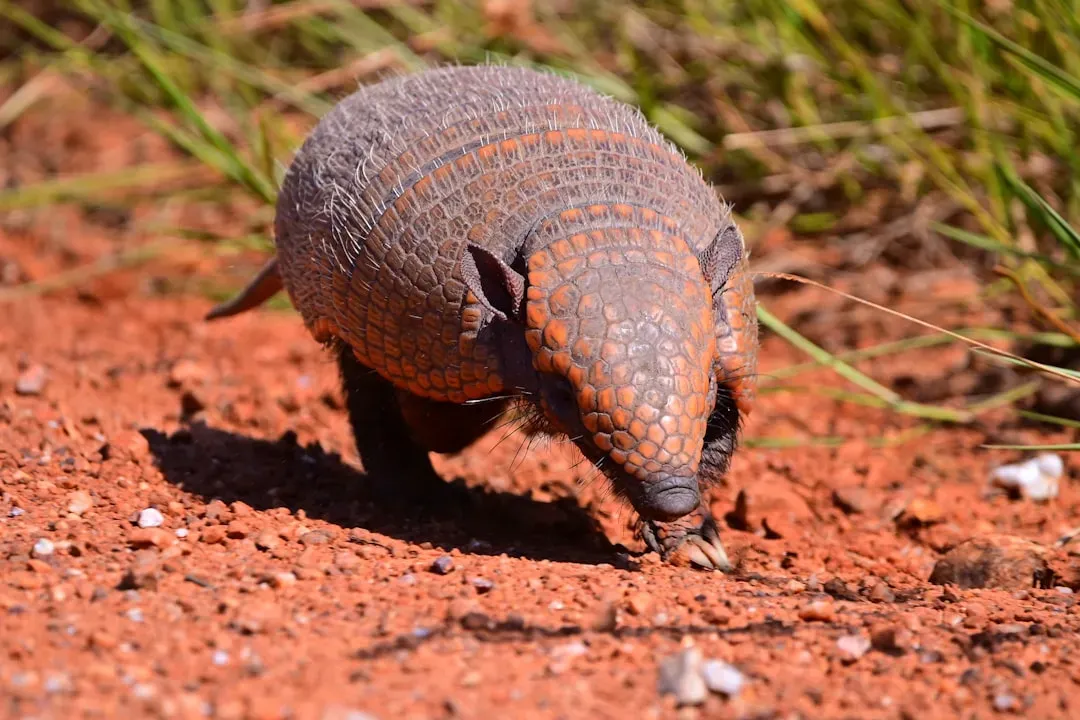
The nine-banded armadillo holds the widest distribution of any armadillo species, and it’s one of only two armadillo species found outside of South America. For most of their evolutionary history, armadillos were entirely a South and Central American story.
Like all Xenarthra lineages, armadillos originated in South America. Due to the continent’s former isolation, they were confined there for most of the Cenozoic. The recent formation of the Isthmus of Panama allowed a few members of the family to migrate northward into southern North America by the early Pleistocene, as part of the Great American Interchange. Their current U.S. presence, in other words, is a continuation of a journey that began millions of years ago.
#2 Their U.S. Arrival Is Surprisingly Recent
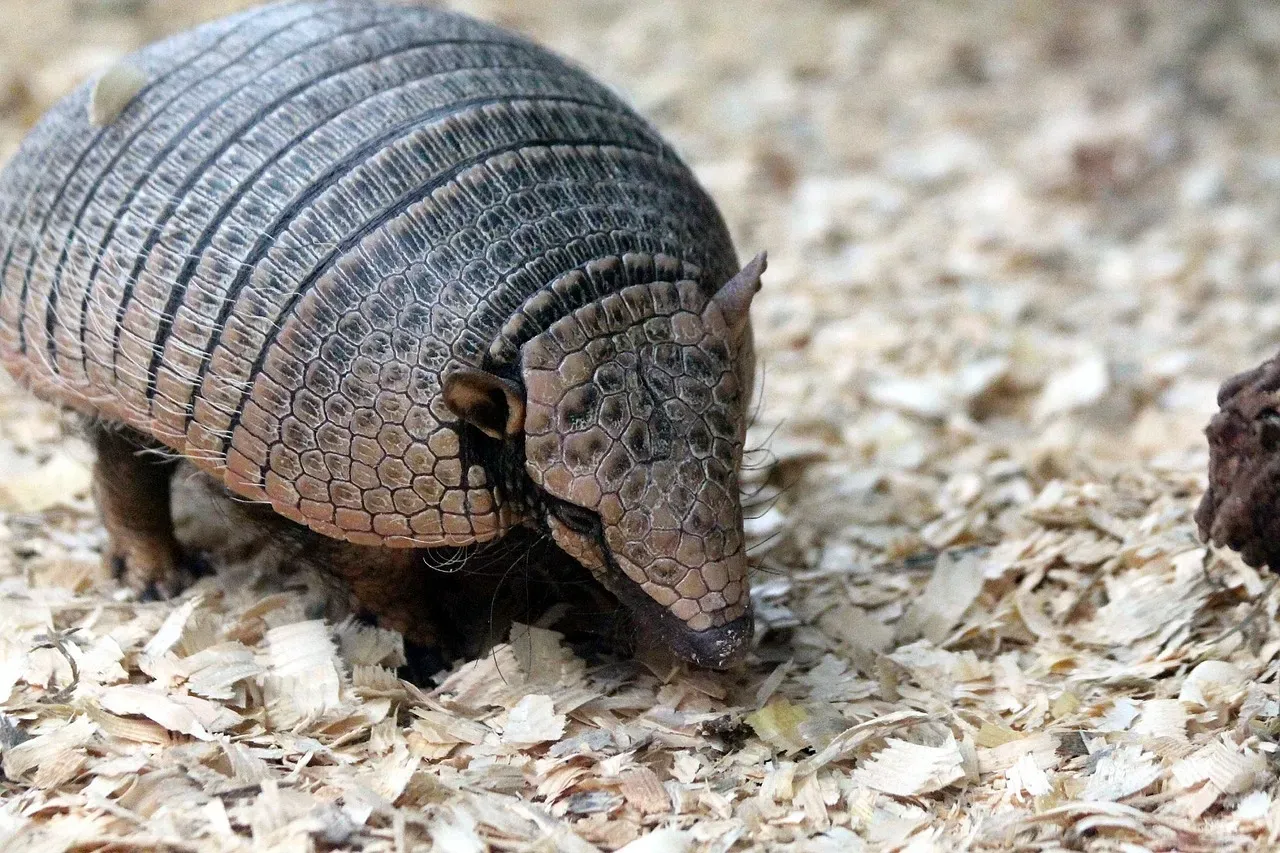
The nine-banded armadillo was first recorded in the United States in the state of Texas in 1849 and has been expanding its range northward and eastward since then. That’s only about 175 years of North American presence, which is barely a blink in geological terms.
Prior to about 1850, the nine-banded armadillo was not found north of the Rio Grande river. The sudden and extremely rapid armadillo colonization of the southern United States has puzzled quite a few biologists. The degree of range expansion per year is nearly ten times faster than the average rate expected for a mammal. That kind of pace is genuinely extraordinary, and it’s part of why researchers have paid such close attention.
#3 They’ve Already Reached 17 States and Keep Going
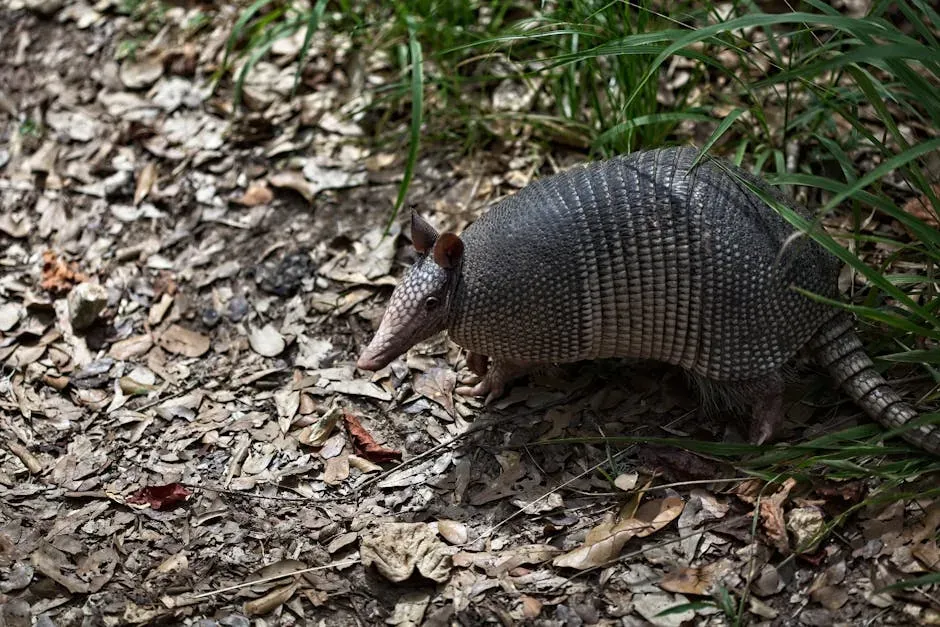
Research has confirmed that armadillos are now established in 17 states, and they haven’t stopped yet. Armadillos now occupy all of Missouri and southern Iowa and have expanded within Kansas, Illinois, Indiana, Kentucky, South Carolina, North Carolina and Georgia. That list would have seemed unthinkable just a few decades ago.
Since the last major distribution report in 2014, armadillos have expanded to cover the entirety of Missouri and established populations in southern Iowa, expanded northward and eastward in Indiana, expanded eastward in both Kentucky and Tennessee, established throughout the entirety of South Carolina and Georgia, and established in the western third of North Carolina. The species distribution model indicates that there is substantial opportunity for the species to continue to expand its geographic range, particularly in the Eastern United States.
#4 Climate Change Is Opening Doors They Couldn’t Walk Through Before
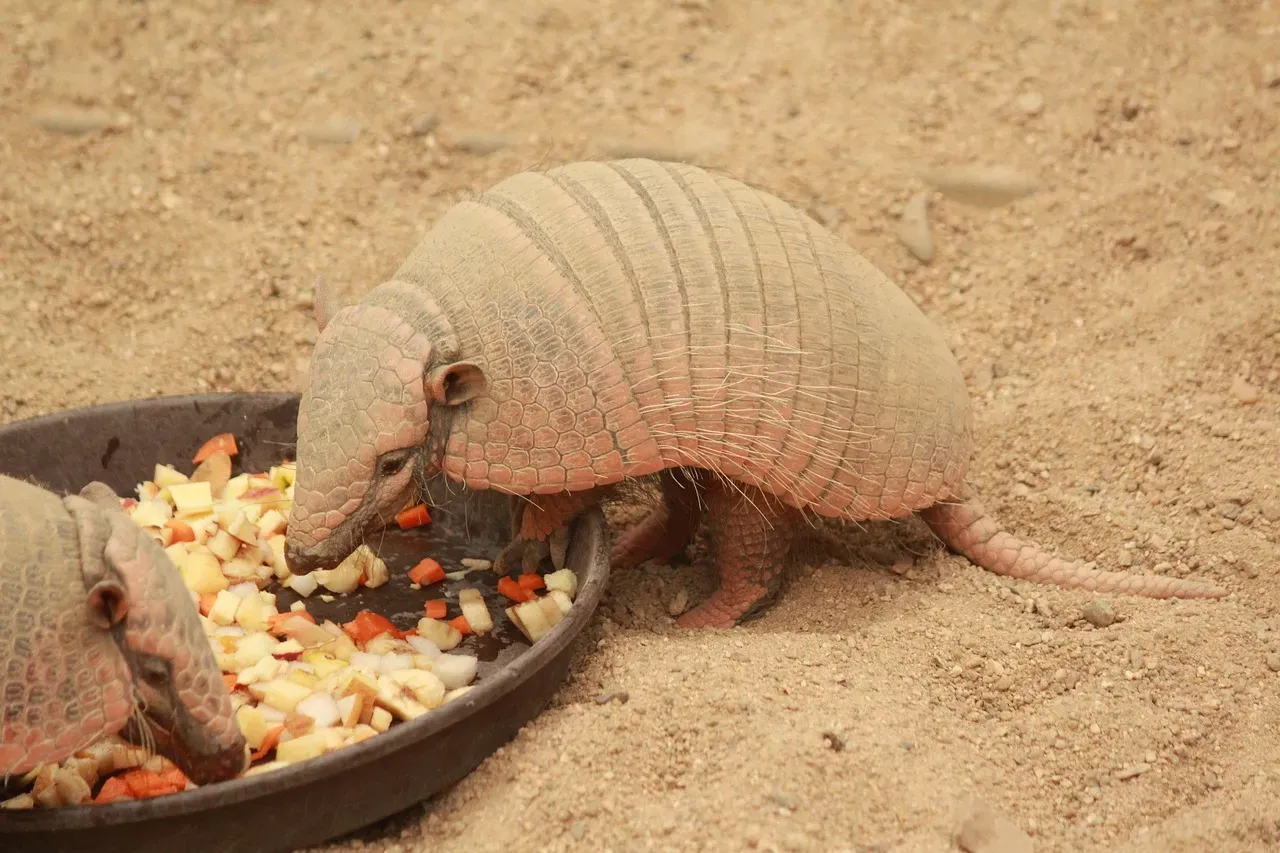
Even a mild winter could be fatal for an armadillo, as they are extremely sensitive to the cold. Armadillos have low body temperatures, low metabolic rates, and an insufficient ability to thermoregulate. They also have little body hair, having only small clusters of hair on their heads and undersides. Cold has historically been the natural ceiling on how far north they could go.
Temperature patterns have shifted toward shorter winters and warmer mean temperatures during the cold season, which decreases winter mortality. Temperatures in the northeastern U.S. rose by two degrees Fahrenheit between 1895 and 2011, and could increase by up to 10 degrees Fahrenheit by 2080. That kind of shift doesn’t just help armadillos survive farther north. It actively pulls their range boundary northward year by year.
#5 They Can Walk Underwater and Hold Their Breath for Six Minutes
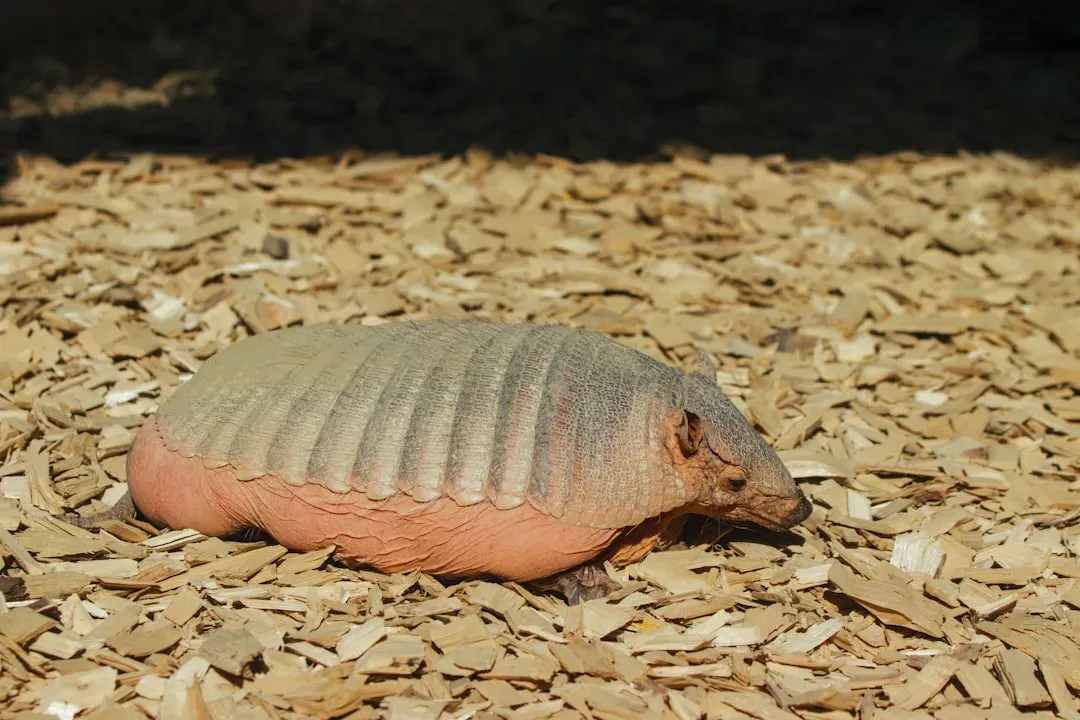
Small streams are no obstacle for these animals. The nine-banded armadillo can hold its breath for up to six minutes and can swim or walk along the bottom of rivers. That’s a surprisingly capable animal for something that looks built for slow shuffling around a Texas brush pile.
They can jump vertically up to four feet when startled, can hold their breath for up to six minutes to walk under water, and can inflate their intestines for extra buoyancy to swim across waterbodies. The ability to cross rivers by walking along the riverbed, or by literally inflating themselves to float across, means that water barriers that would stop many mammals barely slow them down.
#6 They Always Give Birth to Identical Quadruplets
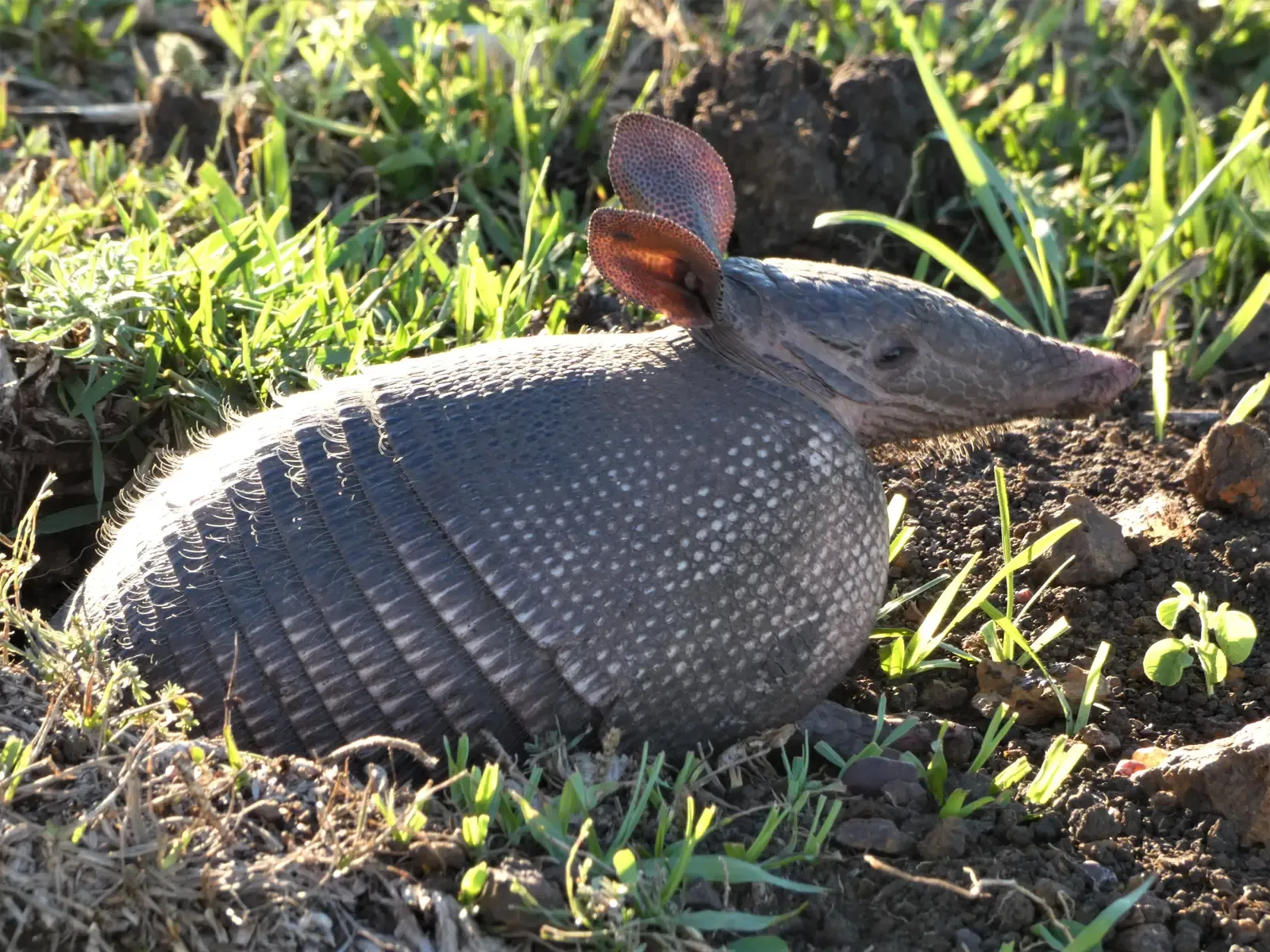
Nine-banded armadillos and their relatives in the Dasypus genus are the only vertebrates in the world known to exhibit obligate polyembryony. Polyembryony is when two or more embryos develop from a single fertilized egg. Each fertilized egg will divide into quarters to produce four separate embryos, meaning nine-banded armadillos usually give birth to litters of four genetically identical young.
The nine-banded armadillo’s unusual reproductive system, in which four genetically identical offspring are born from one original egg, has also served science well. Because they are always genetically identical, the group of four young provides a good subject for scientific, behavioral, or medical tests that need consistent biological and genetic makeup in the test subjects. It’s a reproductive quirk that makes them genuinely one of a kind among all mammals.
#7 They Are Ecosystem Engineers in Disguise
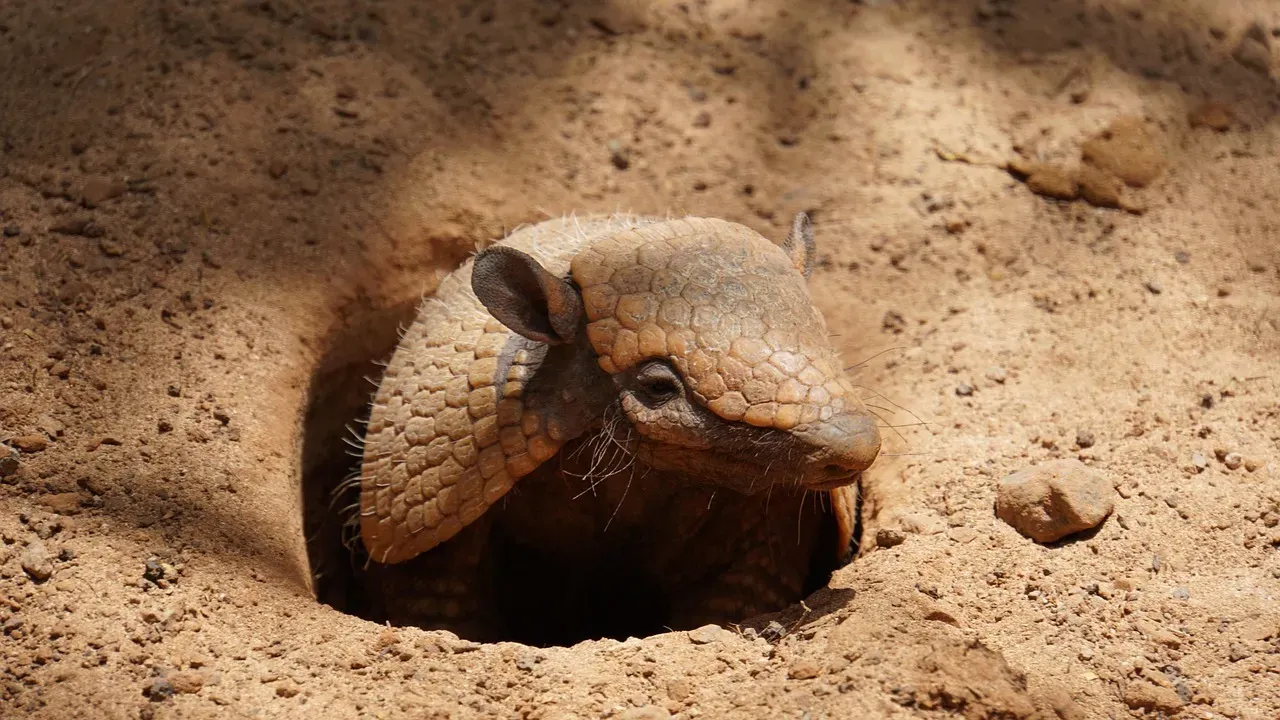
Armadillos are considered ecosystem engineers, capable of significantly reshaping environments. They dig large burrows that can disrupt agriculture, infrastructure, and gardens. That reputation for destruction is real, but it only tells half the story.
In addition to free pest control and soil aeration, they also serve as seed dispersers for native plants. Their biggest benefit is arguably their burrows. Research has shown that armadillo burrows are utilized by a large variety of native wildlife, including rabbits, opossums, mink, cotton rats, skunks, burrowing owls, eastern indigo snakes, and pine snakes. In other words, when an armadillo digs, it isn’t just making a home for itself. It’s effectively building housing for an entire community of other species.
#8 Their Name Comes From the Aztecs and the Spanish
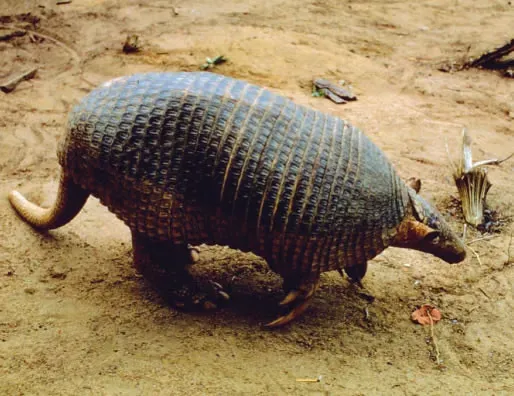
The Aztecs called them turtle-rabbits. Spaniards dubbed them armadillos, which translates to “little armored ones.” Both names get at something real about the animal, though neither quite captures how strange they actually are.
Armadillos are the only living mammals that wear such shells. Closely related to anteaters and sloths, armadillos generally have a pointy or shovel-shaped snout and small eyes. The shell itself is made of genuine bone and tough tissue. It isn’t a giant toenail or a hardened skin layer. It’s a structural part of the animal’s skeleton, fused partially to the vertebrae and pelvis, which is actually why armadillos walk with that distinctive waddling gait.
#9 The Rolling-Into-a-Ball Trick Is a Myth for U.S. Armadillos
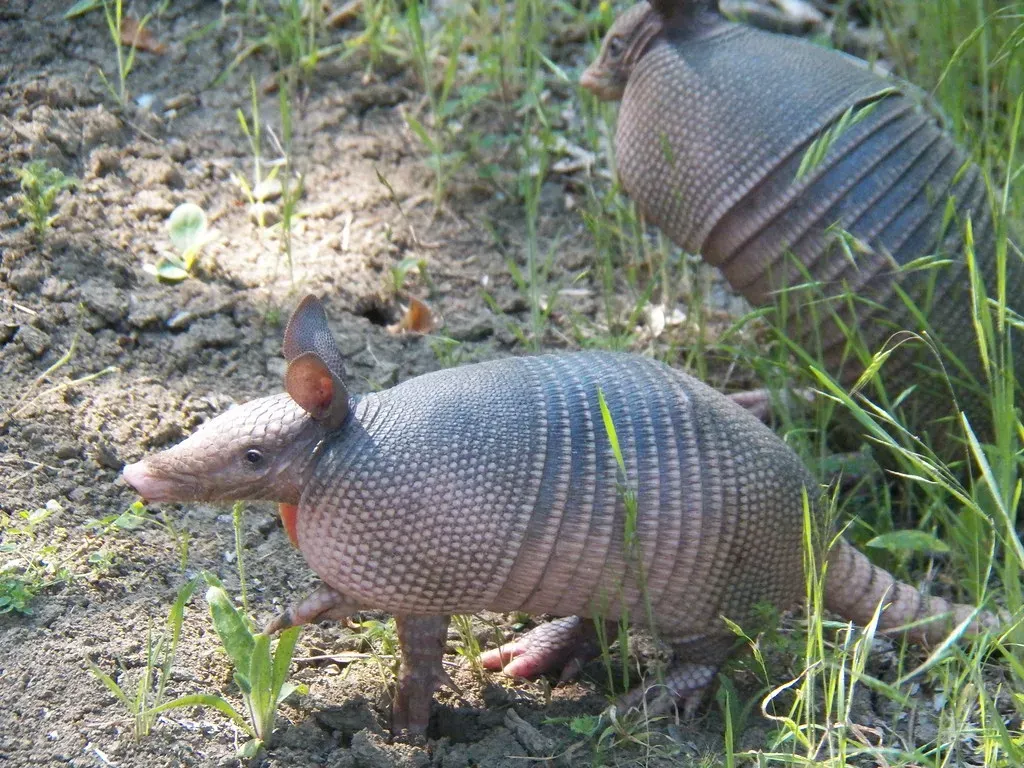
A common misconception is that nine-banded armadillos can roll up into spherical balls. In reality, only two species of armadillo, both three-banded, are able to roll up completely. The nine-banded armadillo, the one you’ll actually encounter in the American South, simply cannot do it.
Despite their name, nine-banded armadillos can have anywhere from seven to eleven bands on their armor. Their protective armor is segmented and made up of ossified dermal scutes connected by elastic skin underneath, making them surprisingly flexible. Their undersides are soft, unarmored, and loosely covered with coarse hair. The flexibility of that middle section allows them to curl somewhat, but full ball-rolling is simply not in their repertoire.
#10 They’ve Earned a Complicated Reputation When It Comes to Disease
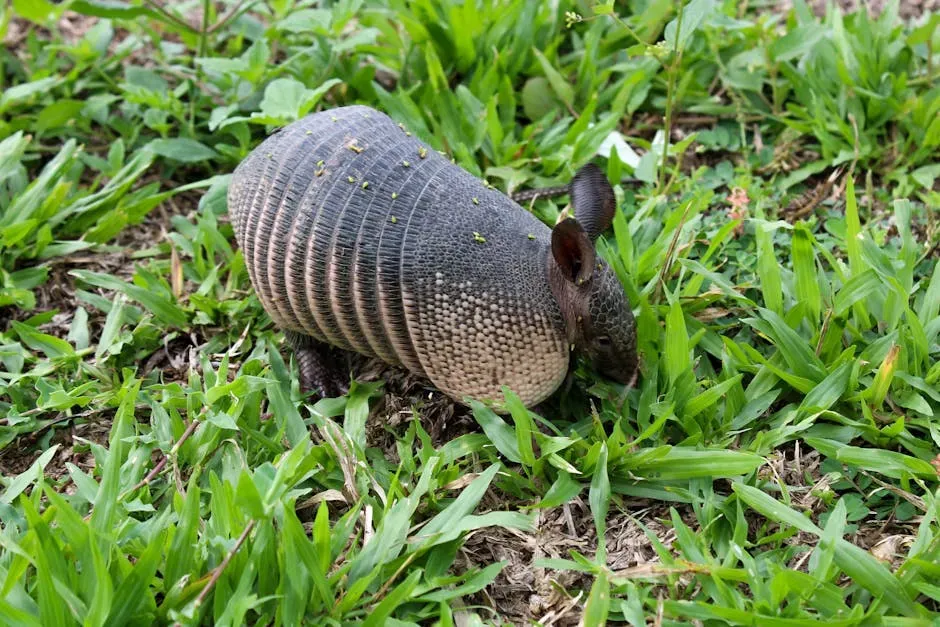
In the Americas, armadillos are notorious because, aside from humans, they are the only known mammal capable of carrying the pathogen that causes Hansen’s disease, or leprosy. That fact tends to generate considerable public alarm, often out of proportion to the actual risk.
Cases of transmission are extremely rare. Modern health authorities, including the CDC, emphasize that casual contact with armadillos poses virtually no risk to humans. Observing armadillos in the wild is generally safe. Still, experts recommend avoiding handling wild armadillos or keeping them as pets. The message from wildlife scientists is consistent: treat them with the same common-sense caution you’d apply to any wild animal, and the risk stays minimal.
#11 Predictions About Their Northern Limit Keep Proving Wrong
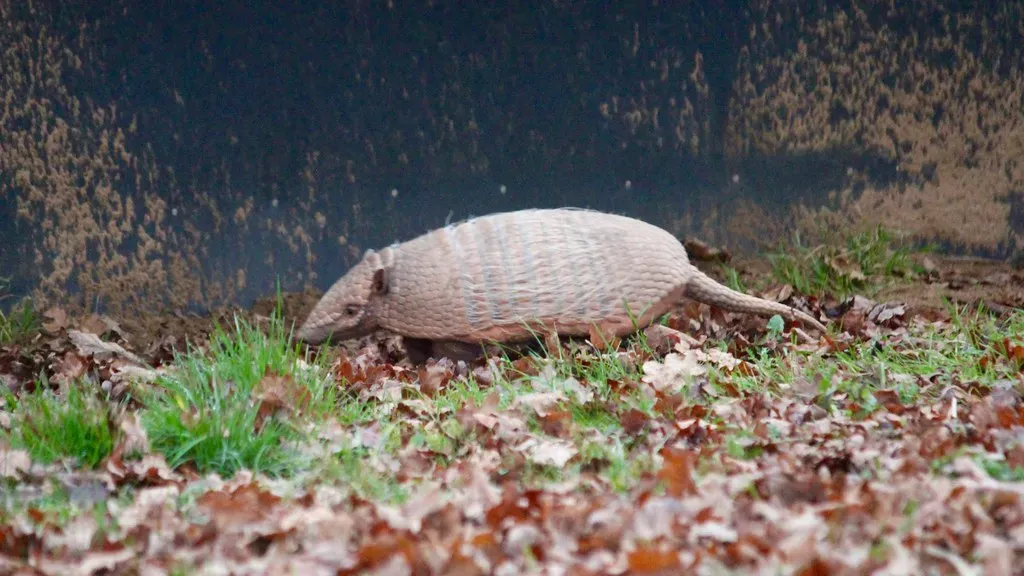
Scientists have been consistently wrong when predicting how far north armadillos will go. One ecologist noted that people have always made predictions that they’re not going to move past a certain point, and they’ve always just kept going. With warmer temperatures found further north, armadillos could potentially be found in areas that were totally unexpected 20 years ago.
Armadillos have not yet reached the full extent of their possible range, which one study has predicted may reach as far north as Massachusetts. Climate change caused by increasing carbon in the atmosphere will further expand their potential range. What started as a Texas story in 1849 may well become a New England story within this century. The armadillo, it turns out, is not an animal that pays much attention to where it’s supposed to stop.
A Creature Worth Watching
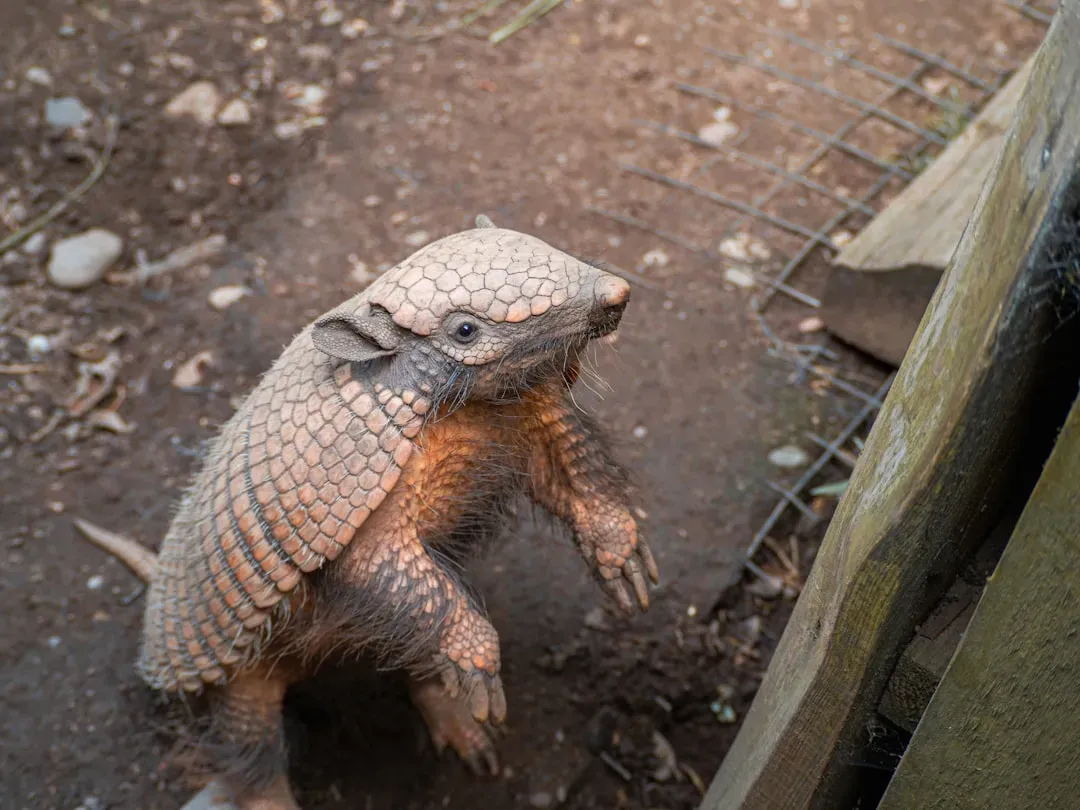
The nine-banded armadillo is not particularly fast, not especially fierce, and not especially easy to spot on a dark forest floor. What it is, however, is relentlessly adaptable. It crosses rivers, survives shifting climates, feeds on hundreds of different food sources, and builds underground infrastructure that other species depend on.
Its expanding presence across the American South and Midwest is less an invasion and more a long, slow unfolding of biological potential. The nine-banded armadillo now ranges across the Southern United States from South Carolina to New Mexico and as far north as Nebraska. They are not invasive, but naturalized, expanding their range as the landscape and climate change.
That distinction matters. This is an animal finding its footing in a changing world, one shuffling, armor-plated step at a time.

- 12 Architectural Wonders From The Ancient World That Inspire Us Today - July 18, 2026
- 6 Beautiful Ancient Cities That Time Forgot (But Shouldn’t) - July 18, 2026
- 6 Common Animal Behaviors That Are Often Misunderstood by Humans - July 18, 2026