

Most people spend every summer swatting, spraying, and retreating indoors – convinced there’s no real alternative to chemical repellents. But there is one, and it might already be growing in pots on your back porch. Researchers across dozens of peer-reviewed studies have confirmed that certain common herbs contain volatile compounds capable of jamming the exact olfactory signals mosquitoes use to hunt you down. The results, in some cases, are genuinely shocking.
There’s one critical catch most people never hear about: a systematic review of 62 trials found that the most powerful results come not from passive planting, but from actively crushing, burning, or extracting the oils locked inside these plants. What follows is what the research actually says about all 11, including one backyard herb that outperforms DEET in a university lab setting.
#11 – Thyme: The Overlooked Kitchen Herb With a Surprising Sting
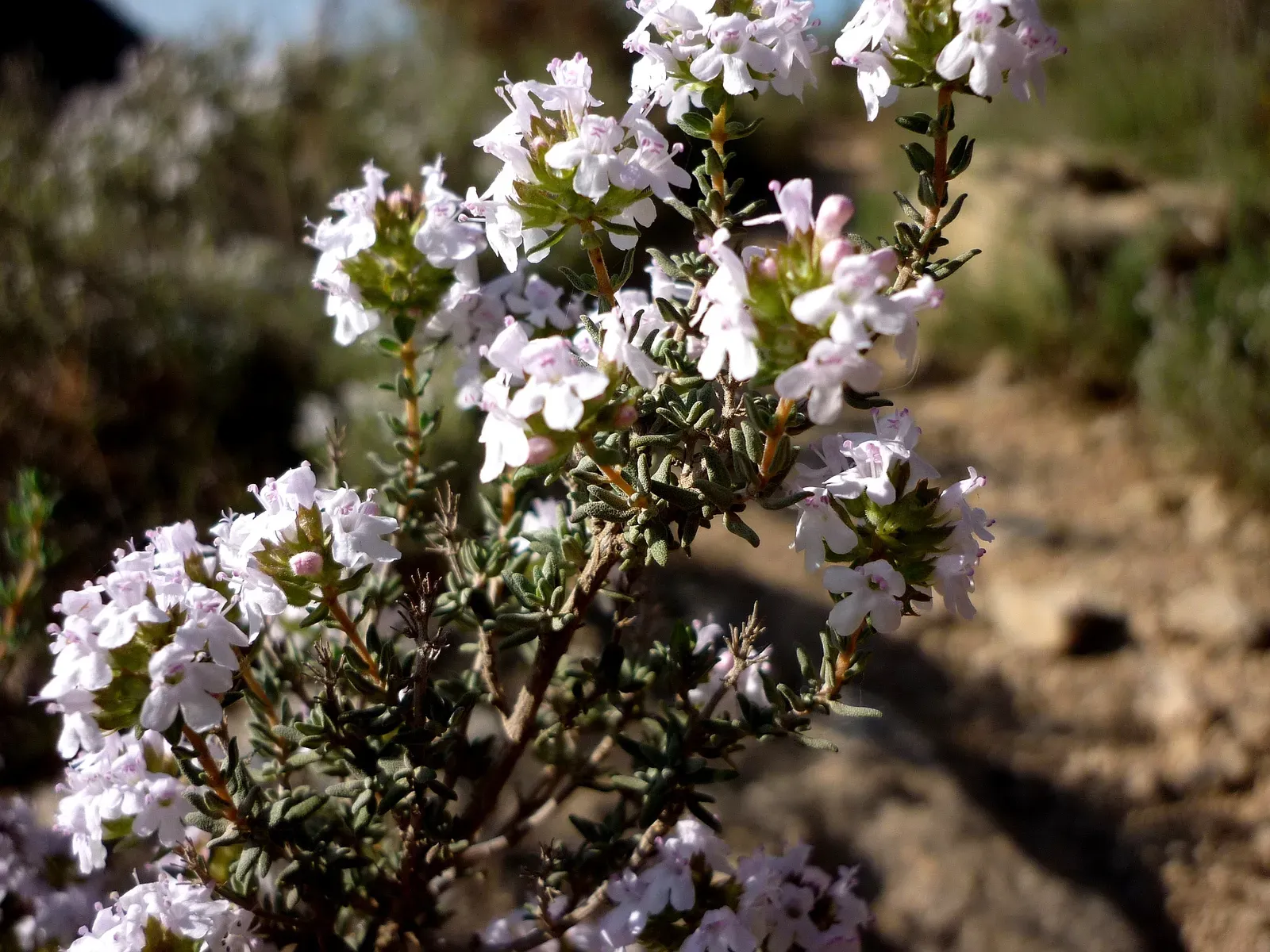
Most gardeners think of thyme as something you throw into roasted chicken and forget about. Mosquitoes have a very different relationship with it. The same fragrant oils that make it irresistible in the kitchen make it genuinely hostile to biting insects – but only when those oils are released.
Burning dried thyme sprigs on a fire pit is one of the most underrated mosquito moves you can make on a summer evening. The volatile compounds locked in the leaves flood the air around you the moment the foliage heats up. Thyme is a low-maintenance perennial that comes back every summer, thrives alongside rosemary and sage in containers near seating areas, and costs almost nothing to keep. Toss a handful on the flames – that’s really all it takes.
Fast Facts
- Key repellent compounds: thymol and carvacrol – both flagged repeatedly in entomological research
- Best delivery method: dried sprigs burned on an open fire or grill
- Growth habit: hardy perennial, returns annually, thrives in containers
- Bonus use: pairs well in the same pot with rosemary and sage for a multi-herb barrier
#10 – Oregano: The Mediterranean Secret Mosquitoes Genuinely Hate
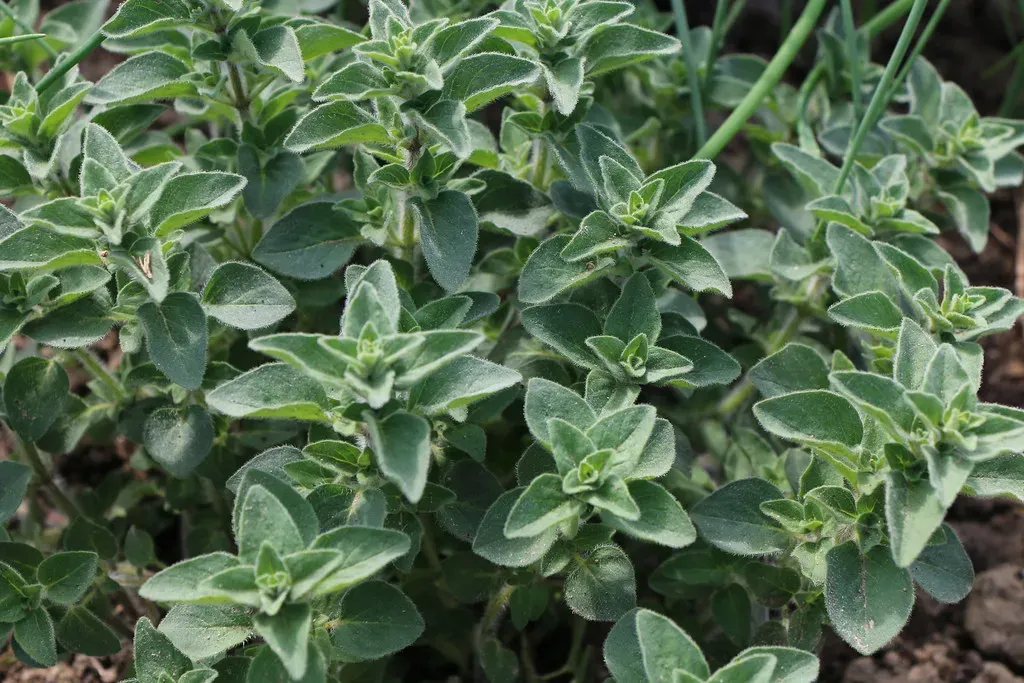
Oregano gets zero credit in the mosquito conversation. Most people are too busy sprinkling it on pizza to notice what it does to insects in the surrounding yard. That’s an understandable oversight – until you look at what’s actually inside it.
Oregano oil contains carvacrol, thymol, and α-terpinene – three compounds consistently flagged in repellent research as highly effective against mosquitoes. The concentration of carvacrol in oregano oil is among the highest found in any culinary herb, which is why it shows up repeatedly in serious entomological studies. Keep it in containers near doors and windows, trim it regularly to push new growth, and consider a few drops of diluted oregano essential oil on exposed skin before heading outside. The chemistry here is legitimately potent.
#9 – Rosemary: The Woody-Scented Barrier That Actually Works at the Grill

Rosemary is one of those herbs people grow exclusively for their kitchen and never once think of as protective. That’s a mistake millions of backyard hosts keep making every summer, especially the ones standing over a hot grill wondering why the mosquitoes won’t leave them alone.
Both the New York Botanical Garden and horticultural experts point to rosemary’s woody aromatic profile – driven by 1,8-cineole and camphor – as the reason it deters mosquitoes, cabbage moths, and carrot flies. Rosemary is one of the few herbs whose repellent effect is meaningfully amplified by smoke, making it uniquely effective during evening cookouts. Throw a few sprigs directly on the grill or into a fire and the aromatic smoke does the work. It thrives in hot, dry weather, handles container growing beautifully, and some gardeners argue it’s more versatile for everyday outdoor use than citronella.
#8 – Sage: The Fire-Pit Herb With a Hidden Superpower
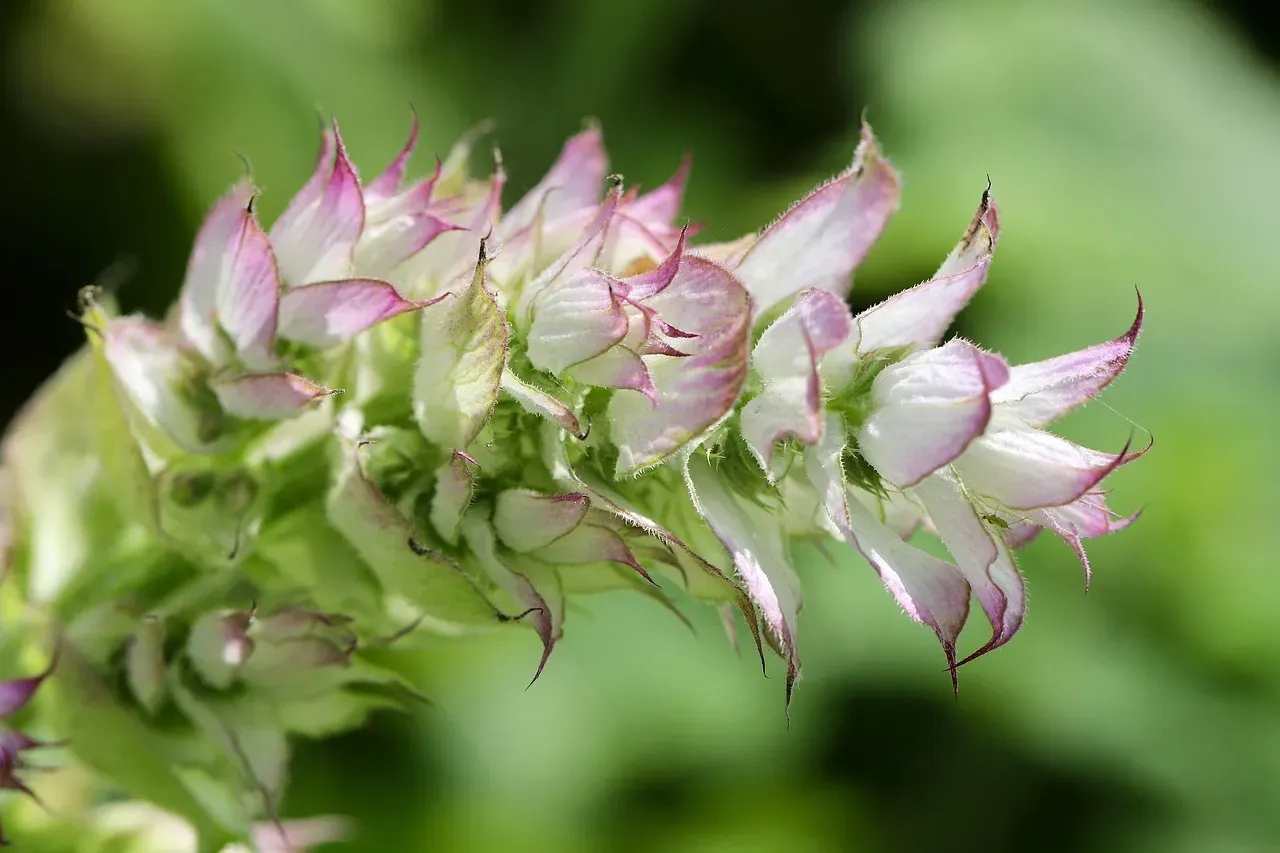
Sage feels almost ancient – and it turns out, people have been burning it around outdoor spaces for very practical reasons that go well beyond ritual or ceremony. The science behind it is more straightforward than the mystique suggests.
Sage contains camphor and thujone, both documented mosquito deterrents, and its most powerful application is burned. Dried sage bundles tossed onto a fire pit create dense, aromatic smoke that disrupts the sensors mosquitoes use to lock onto human targets, clearing the immediate area better than most other passive methods. Sage is a perennial – harvest and dry bundles in late summer, store them for fire-pit evenings, and you have a renewable, zero-cost mosquito deterrent ready every season. Many outdoor enthusiasts now argue dried sage on an open flame is both more effective and more affordable than citronella candles.
Quick Compare: Fire-Pit Herbs at a Glance
- Thyme: Fast-burning, sharp volatile release – best in small handfuls
- Rosemary: Slower smoke, longer-lasting aromatic barrier around the grill
- Sage: Dense, camphor-rich smoke – strongest immediate clearing effect of the three
- All three together: Complement each other’s compound profiles; layering them is more effective than any one alone
#7 – Garlic: Controversial, Pungent, and Genuinely Effective When Used Right
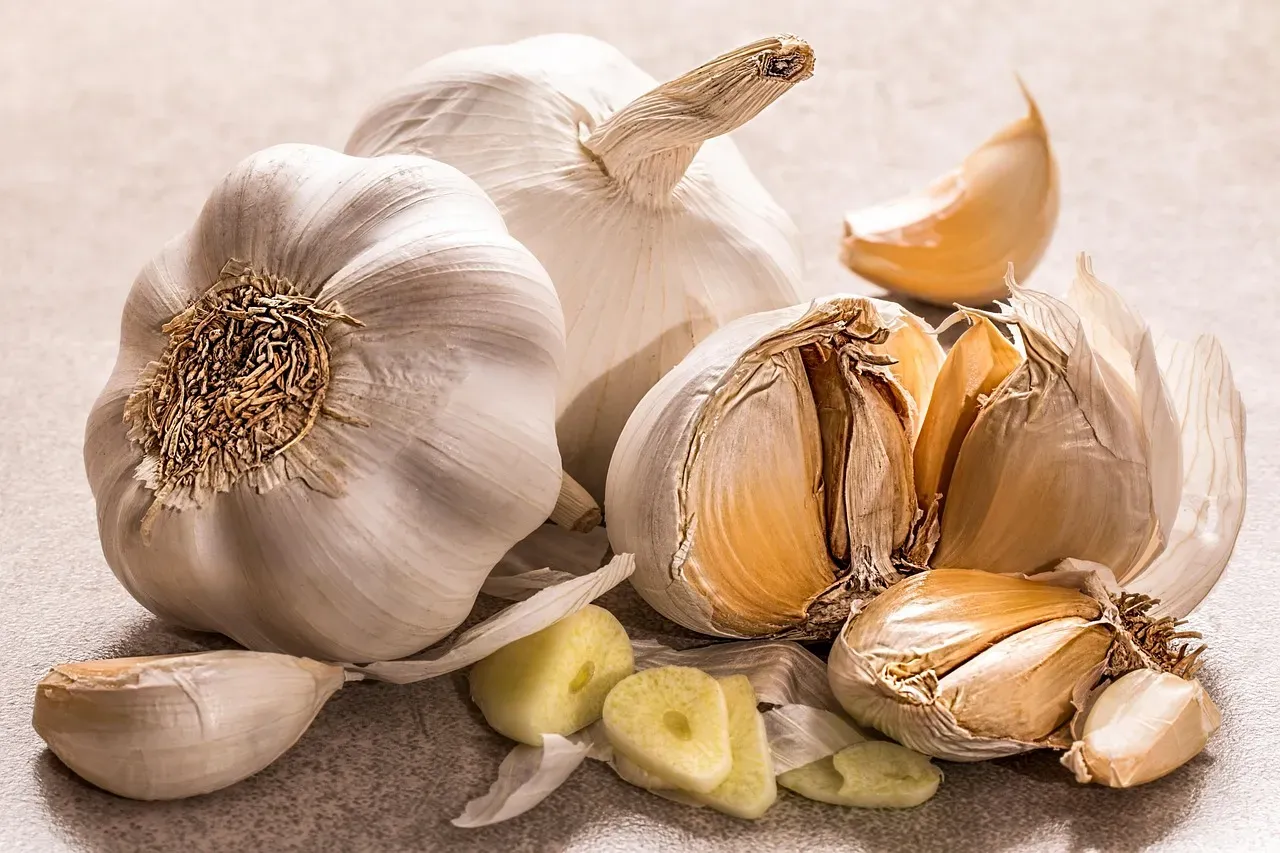
This is where people get it wrong every single time. Eating garlic will not repel mosquitoes – that’s a persistent myth that refuses to die. But applying it topically is a completely different story, and the research backs it up.
Squeezing a fresh clove over your skin produces meaningful mosquito repellency for 20 to 40 minutes, with sulfur compounds like allicin responsible for the effect. Allicin is the same compound behind garlic’s sharp, unmistakable scent – and mosquitoes process it as a full-stop signal. The honest caveat: to be effective, the cloves must be rubbed directly on skin, which may end up being more offensive to other humans than to insects. For short outdoor bursts – weeding, walking the dog at dusk, quick evening chores – a garlic rub is actually a legitimate tool. Just maybe keep your distance from polite company while doing it.
#6 – Lemongrass: Nature’s Own Citronella Factory
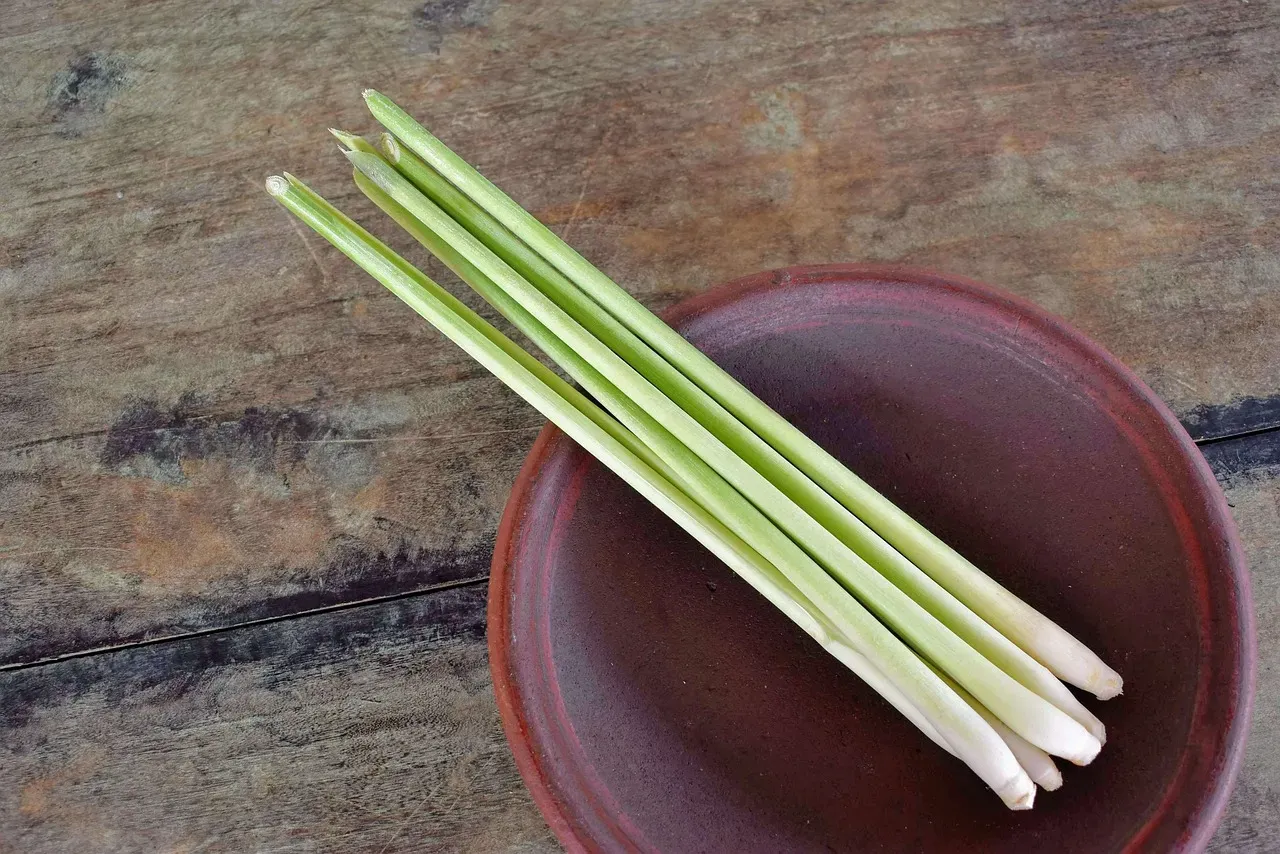
Everyone knows citronella. Far fewer people realize that lemongrass and citronella grass are essentially the same plant – which means growing lemongrass in your yard is like keeping a living bottle of one of nature’s best-studied repellents within arm’s reach.
One study found that a lemongrass and olive oil combination provided 98.8% protection against the southern house mosquito – nearly matching synthetic repellents under controlled conditions. Separate research confirmed that topical lemongrass essential oil formulations achieve over 90% repellency against Aedes aegypti at concentrations of 10-25%, with higher concentrations providing complete protection for up to one hour and lower concentrations sustaining repellency for up to three hours. Position lemongrass along walkways where you’ll brush against the foliage as you pass, or crush and steep the leaves into a simple spray. It’s a workhorse herb that earns every inch of garden space it occupies.
At a Glance: Lemongrass By the Numbers
- Protection rate (oil + olive oil blend): up to 98.8% against southern house mosquito
- Topical oil repellency: 74-95% protection for up to 2.5 hours depending on mosquito species
- Key compound: citral (~75% of lemongrass oil) – the same family as citronella candle chemistry
- Field bonus: a lemongrass-cinnamon bark oil blend showed spatial repellency up to 1 meter away in outdoor field tests
- Reapplication needed: every 2-3 hours for continuous outdoor coverage
#5 – Peppermint: The Cooling Herb That Doubles as an Itch Remedy
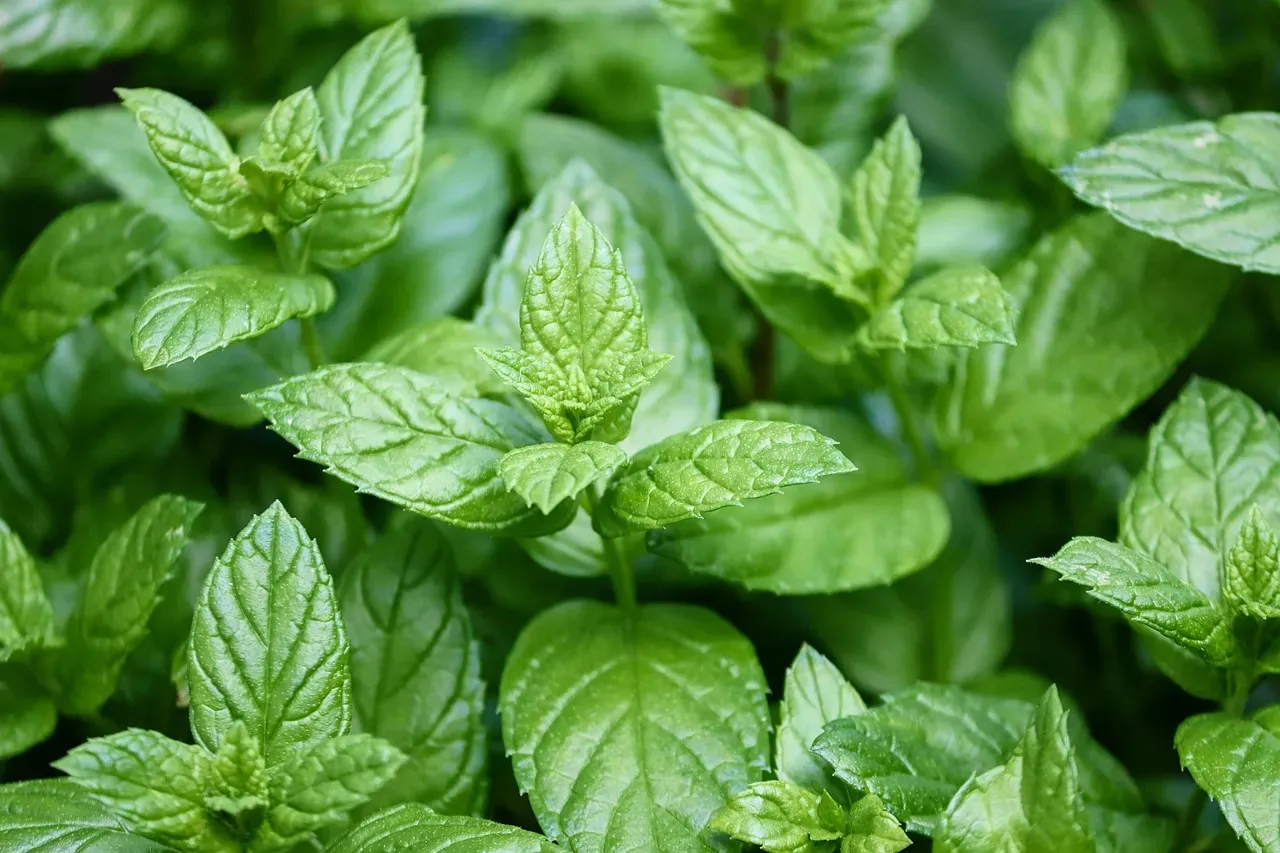
Peppermint is so common in gardens and grocery stores that most people completely overlook its insect-fighting credentials. That’s a real shame, because the controlled research on peppermint is among the most impressive on this entire list.
In laboratory arm-in-cage conditions, peppermint oil provided complete protection from Anopheles mosquito bites for 180 minutes – one of the strongest results recorded against that species in systematic research. A 62-trial systematic review confirmed peppermint among the top-performing plant oils for complete protection time against Anopheles species. And if a mosquito does get through? The menthol in crushed peppermint leaves also works as a natural itch reliever on the bite itself. That’s a two-for-one no chemical spray can match, delivered by a plant that practically grows itself.
#4 – Basil: The Only Herb on This List That Works Without Being Touched

Almost every plant on this list requires crushing, burning, or extracting its oils to produce meaningful mosquito repellency. Basil is the rare, remarkable exception – and most herb-garden enthusiasts have no idea.
Basil produces eugenol and estragole, compounds that are toxic to mosquito larvae and repellent to adults, and unlike most herbs, it releases volatile oils without being crushed at all. Research has confirmed that basil essential oil – which contains active compounds including linalool (56-60%) and eugenol (40-71%) – provided 100% protection against dengue vector mosquitoes for 120 minutes in a human-bait study. A literature review similarly found that topical basil oil delivered 100% deterrence in laboratory settings. African basil carries the highest concentrations of protective eugenol, but common sweet basil still produces meaningful amounts. There is arguably no easier or more delicious way to defend a patio.
Worth Knowing: Basil’s Double Threat
- Acts on both life stages: eugenol is toxic to mosquito larvae in standing water AND repellent to adults
- Passive release: unlike most herbs, basil emits volatile oils without being crushed – a genuine resting deterrent
- Top study result: 100% adult bite protection for 120 minutes using basil essential oil (human-bait trial)
- Larvicidal activity confirmed against Aedes aegypti, Culex quinquefasciatus, and Anopheles species
- African basil vs. sweet basil: African varieties carry higher eugenol concentrations; sweet basil is still meaningfully effective
#3 – Lavender: The Beautiful Herb That Quietly Blocks Mosquito Radar
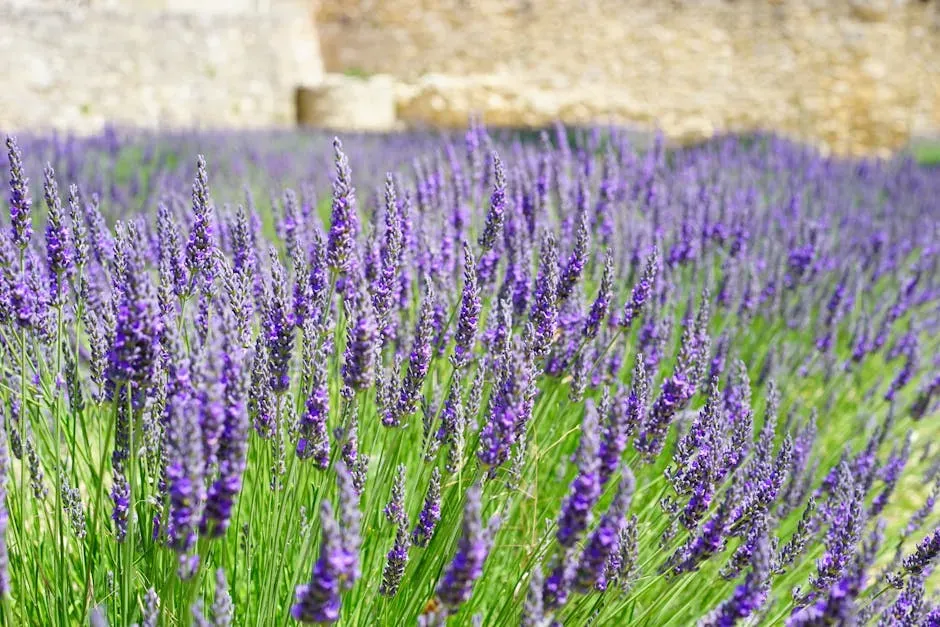
Lavender is easily the most underestimated herb on this list. People grow it for fragrance, for sachets, for sleep – and almost none of them realize they’re sitting next to one of the more rigorously researched natural mosquito deterrents available anywhere.
Lavender oil actually hinders a mosquito’s ability to smell – it doesn’t just repel them, it effectively blinds the sensors they use to find you.
Noted in botanical repellency research on linalool and camphor compounds
A 2019 study found lavender essential oil delivered an 80% repellent rate against mosquitoes for up to eight hours, while a 62-trial systematic review confirmed lavender among the plant oils showing good repellency over an 8-hour complete protection window against multiple Anopheles species. Dry the flowers, rub the leaves, keep a small bottle of diluted lavender oil in your outdoor kit every summer. Few things on this list are this effective and this pleasant to use.
#2 – Lemon Balm: The Mint-Family Powerhouse With Citronellal to Spare
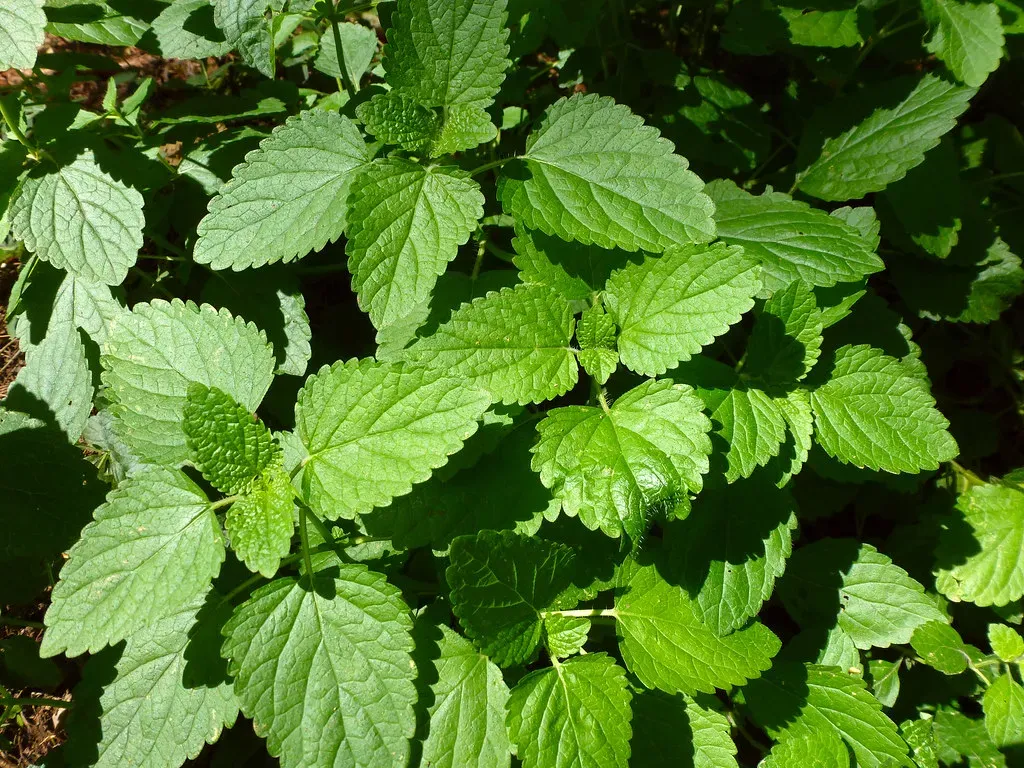
Lemon balm doesn’t get the headlines citronella does – but in many ways, it should. This vigorous, fast-growing herb packs one of the highest concentrations of mosquito-blocking citronellal found in any temperate plant, and most people have never even thought to plant it.
Lemon balm leaves contain citronellal at concentrations up to 38% – remarkably high for a temperate herb, and the same compound that makes citronella candles effective. It belongs to the mint family, thrives in full sun or partial shade, and practically grows itself once established. Crush the leaves and rub them on exposed skin, especially ankles and wrists, for fast-acting chemical-free protection. Its effectiveness extends to houseflies, aphids, and spider mites – and its usefulness in gardens for reducing mosquito presence spans centuries of practical use. But none of that compares to what sits at the very top of this list.
#1 – Catnip: The Garden Herb That Outperforms DEET in Lab Conditions
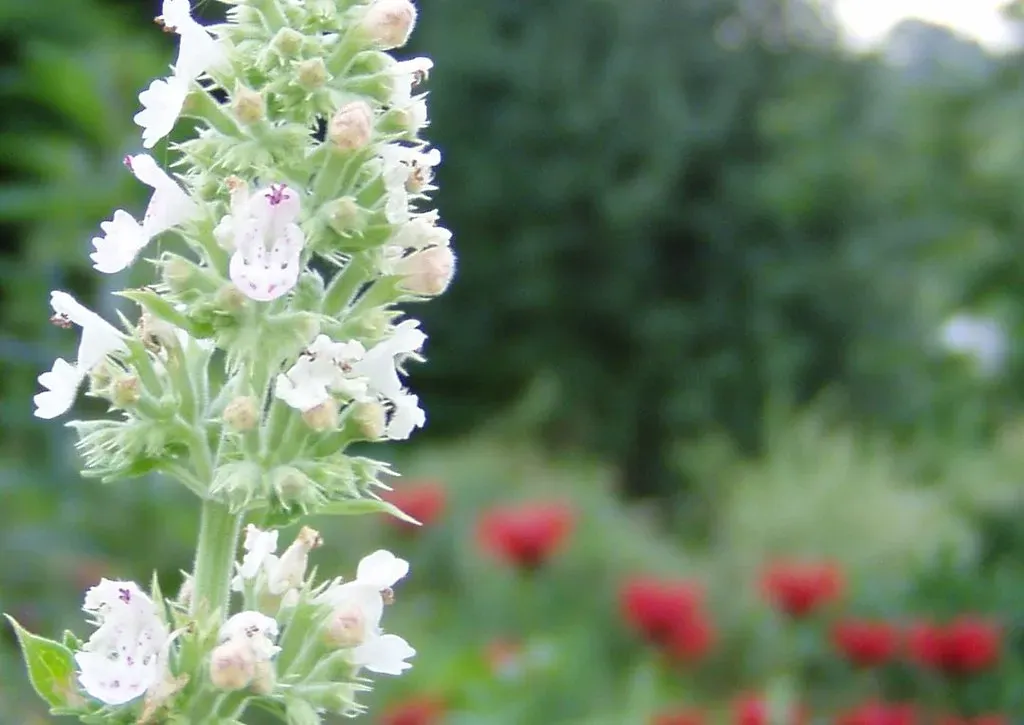
You read that correctly. The herb your cat rolls around in is – according to serious scientific research – more effective at repelling mosquitoes than the synthetic chemical used in most commercial bug sprays. Not slightly more effective. Dramatically more.
Iowa State University researchers found that nepetalactone, catnip’s essential oil, is approximately ten times more effective than DEET at repelling yellow fever mosquitoes at the same concentration – because it takes about one-tenth as much nepetalactone as DEET to achieve the same repellent effect. Northwestern University and Lund University researchers later identified exactly why: nepetalactone activates the insect TRPA1 irritant receptor – an ancient pain receptor – triggering a powerful aversion response that DEET does not replicate. The 62-trial systematic review confirmed catnip among the plant oils delivering good 8-hour repellency against Anopheles species. Hardy in Zones 3-7, easy to grow in any well-drained container – because its mint-family spreading habit will take over a bed – catnip is a genuinely powerful tool growing right outside your door. The obvious caveat: every cat in your neighborhood will know exactly where to find it.
At a Glance: Catnip vs. DEET
- Potency: Nepetalactone is ~10x more effective than DEET at the same concentration (Iowa State University, 2001)
- Mechanism: Activates insect TRPA1 irritant receptor – actively drives mosquitoes away rather than masking you
- Duration: 2-4 hours at 10% concentration; reapplication needed every 30-45 minutes for crushed-leaf use
- Human safety: TRPA1 activation is insect-specific – the compound has no irritant effect on humans
- Practical limit: Nepetalactone evaporates faster than DEET; best used fresh and reapplied for sustained coverage
- Harvest tip: Nepetalactone content peaks just before the plant flowers – that’s when it’s most potent
The Bottom Line

All 11 herbs on this list – thyme, oregano, rosemary, sage, garlic, lemongrass, peppermint, basil, lavender, lemon balm, and catnip – are backed by credible research. But the single biggest mistake people make is growing them passively and expecting results. The real power of these plants is not passive decoration. It is having a living supply of compounds like citronellal, nepetalactone, linalool, and eugenol that you can crush, burn, or extract whenever you need them.
Catnip shocks with its DEET-beating potency. Basil works without being touched. Lavender protects for up to 8 hours when properly applied. Lemon balm hands you one of nature’s highest citronellal concentrations in a plant that practically grows itself. Use them actively – crushed on skin, tossed into a fire, steeped into sprays – and you will genuinely notice fewer bites. The solution was growing in someone’s garden all along. Maybe it was already growing in yours.

- 25 Hummingbird-Friendly Garden Tips That Will Bring These Tiny Birds Back Again and Again - July 30, 2026
- 10 Most Powerful Native American Spirit Animals and What They Mean. - July 30, 2026
- 12 Signs of Stomach Ache in Dogs - July 30, 2026