

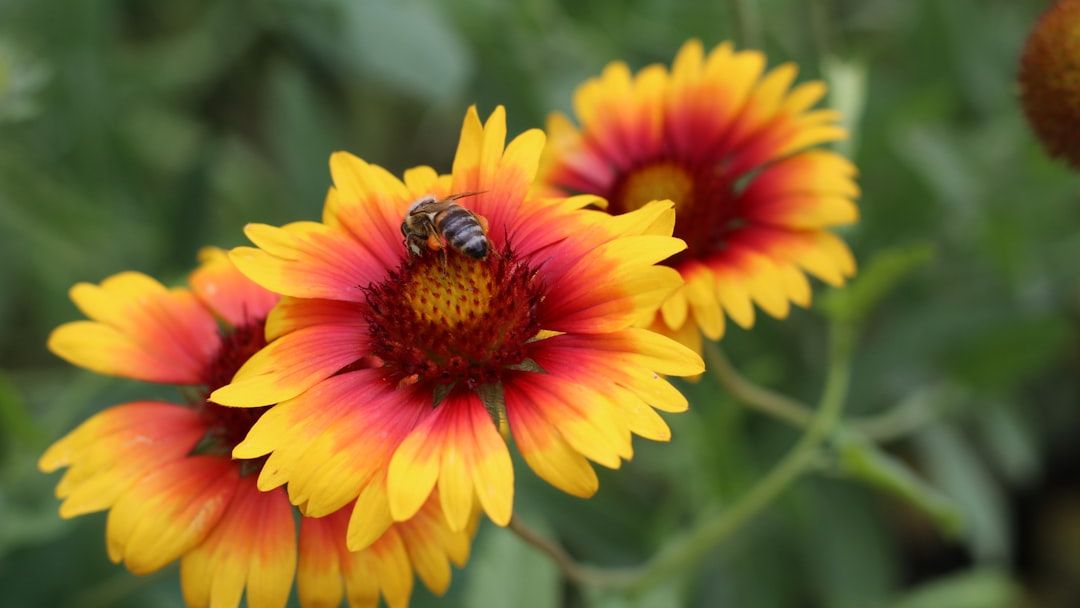
Every spring, millions of gardeners load their carts with the same familiar flats – petunias, impatiens, marigolds, begonias – and spend real money on plants that will be dead by November. It feels productive. It looks colorful. And it is, almost entirely, a waste. Because quietly growing in roadsides, prairies, and forgotten meadows across North America is a category of plants that fills ground faster, feeds wildlife longer, and costs a fraction of what you’ll spend at the garden center – and most gardeners have never intentionally planted a single one.
These are indigenous plants – species that evolved specifically for the conditions you already have in your yard. They don’t need coddling. They don’t need replacing every April. And some of them can expand their footprint so aggressively in a single season that you’ll wonder why you ever bothered with anything else. The nine plants below aren’t just faster than store-bought annuals – some of them aren’t even trying hard.
#9 – Tickseed (Coreopsis tinctoria): The Prairie Speed Machine
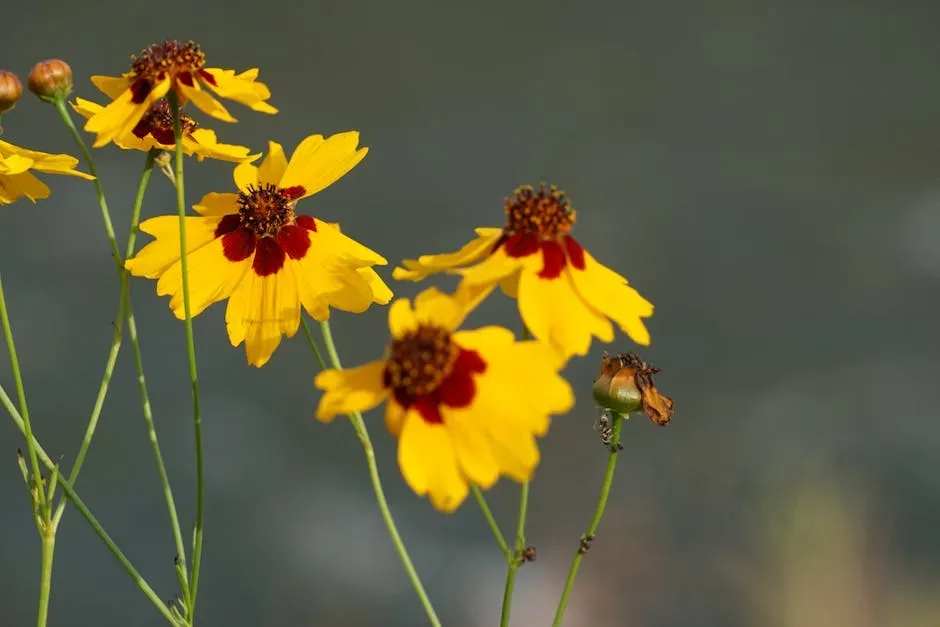
Most gardeners reach for zinnias when they want fast color. But there’s a native prairie plant that makes zinnias look slow – and it practically grows itself. Native to the western U.S., Coreopsis tinctoria is an upright, fast-maturing annual producing abundant daisy-like blooms up to 2 inches across – bright yellow with striking reddish-brown center disks – over sandy, drought-beaten ground where most annuals would quietly collapse.
The real kicker is what happens after that first season. Tickseed produces seeds in abundance and self-sows freely, meaning a single planting can sustain itself indefinitely without you ever buying another packet. It’s deer-resistant, a confirmed pollinator magnet, and wildly forgiving of neglect – everything a store-bought annual promises on the label but rarely delivers in the ground. Once it finds its footing, it doesn’t need you anymore.
Fast Facts
- Germinates in 7–20 days from direct sow – no indoor head start required
- Flowers within ~70 days of germination, often blooming by July in Zone 6
- Grows 24–30 inches tall across all USDA zones in North America
- Tolerates poor drainage, dry spells, and sandy or clay soil with equal indifference
- Also the state wildflower of Mississippi – historically used by Zuni tribes as a natural fabric dye
#8 – Blanket Flower (Gaillardia pulchella): The Season-Extender Nobody Talks About
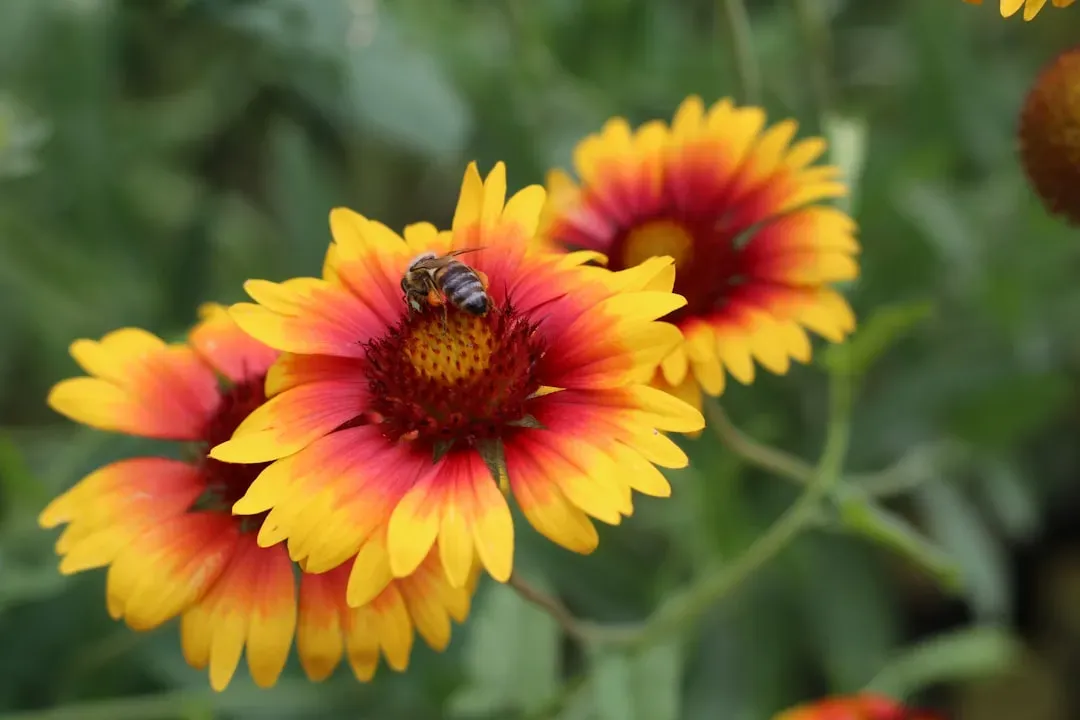
Walk into any garden center and you’ll see summer annuals tagged with a cheerful six-week bloom window. Blanket Flower, a true North American native, quietly doubles that – starting in late May and pushing color right up until the first hard frost. Its bold red, orange, and yellow blooms look almost too tropical for a plant that asks absolutely nothing of you in terms of soil quality or watering schedule.
What most gardeners miss is the colony behavior. Let Blanket Flower set seed before you cut it back and it rewards you with an entire drift of plants the following year – a concept completely foreign to anything sold in a six-pack. That self-perpetuating spread, in sandy, salty, or otherwise difficult soil, is something no bedding annual in a plastic tray can come close to matching. You plant it once. It decides to stay.
#7 – Creeping Phlox (Phlox subulata): The Ground Cover That Rewires Your Spring
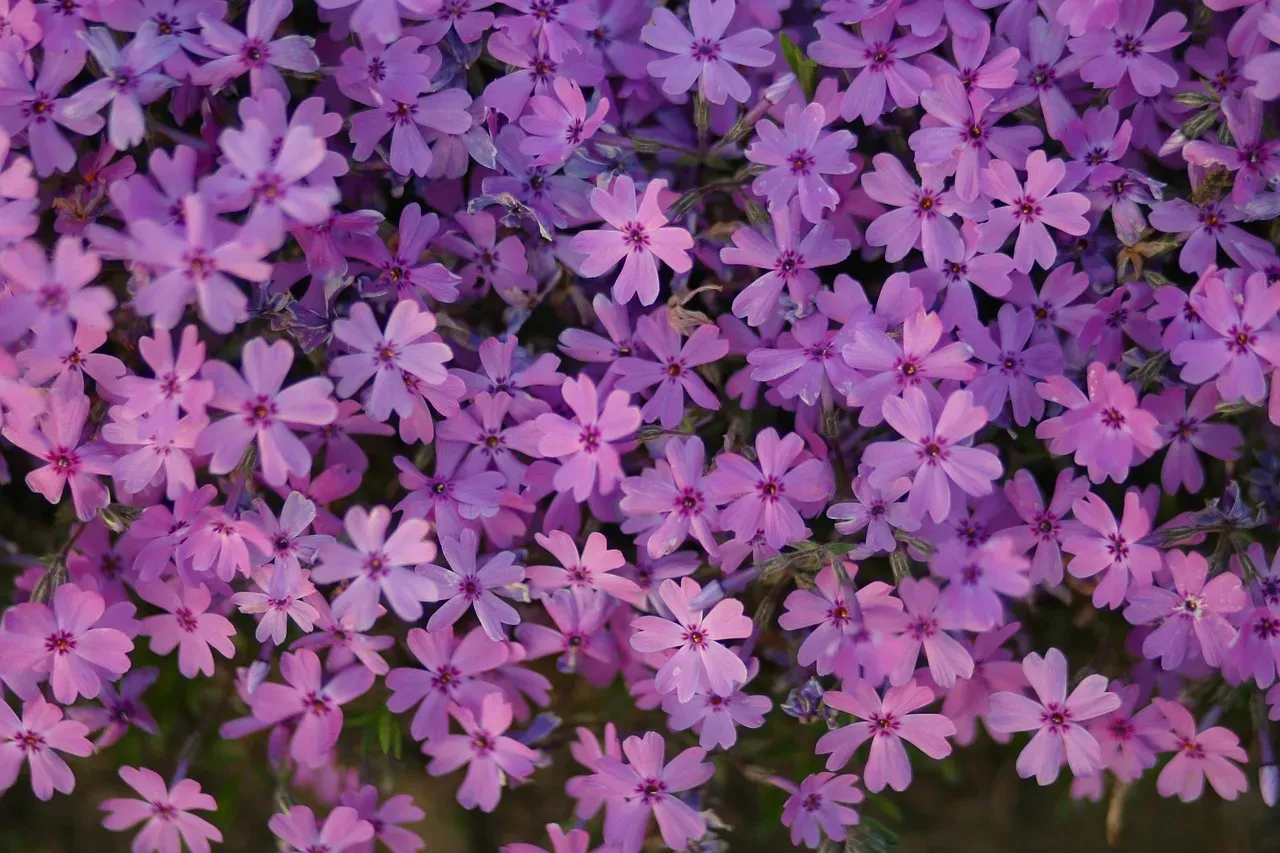
Most people spend real money on store-bought ground covers that take two or three seasons to look like anything. Creeping Phlox rewrites that timeline in its very first year – forming a dense, spreading mat of evergreen foliage that knits together bare slopes, borders, and pathways with almost stubborn efficiency. Then spring arrives and that mat erupts into a carpet of soft pinks, purples, blues, and whites that stops people mid-stride.
Here’s the detail that makes it genuinely remarkable: Creeping Phlox blooms before most garden-center annuals are even available for purchase, seizing the early spring window entirely on its own terms. Once established, it’s drought-tolerant, essentially self-maintaining, and evergreen in mild climates – meaning it looks presentable twelve months of the year. No annual will ever make that claim.
[article_quiz]
#6 – Black-Eyed Susan (Rudbeckia hirta): The Colonizer in Disguise
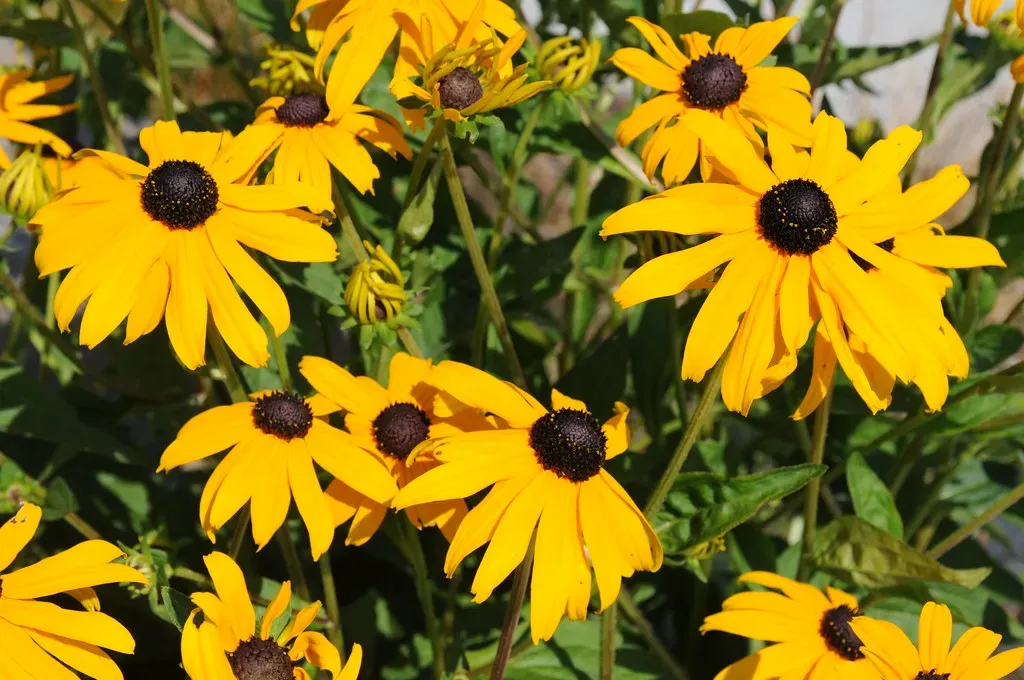
Black-Eyed Susan may be the most underestimated plant in North American gardening. Most people recognize the flower. Almost nobody knows what it’s capable of when you stop managing it and let it behave like the native it actually is. Technically a short-lived perennial, it behaves as a biennial in many gardens – but it self-seeds so freely that colonies persist indefinitely when the seed heads are left standing through winter.
That center “eye” everyone admires is actually hundreds of individual tiny flowers, each holding nectar – a wildlife resource no single-species store-bought annual can replicate. Seeds germinate in one to two weeks with consistent moisture, faster than most nursery annuals. Hardy across USDA zones 3–9, Black-Eyed Susan will fill every gap you allow it, and a few you don’t. That’s not a warning. That’s the whole point.
#5 – Bee Balm (Monarda spp.): The Aggressive Filler Experts Actually Recommend
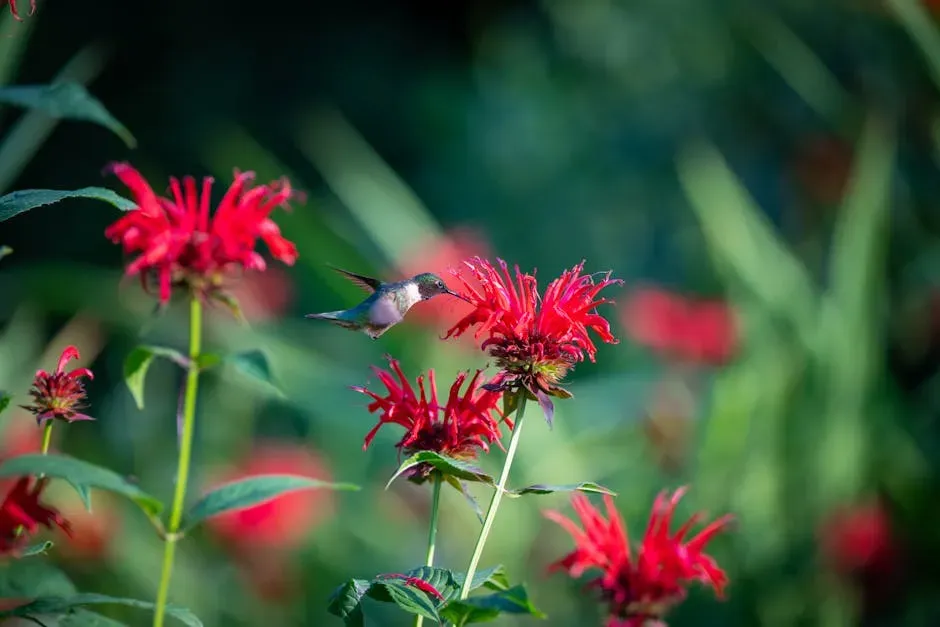
If you’re still buying tall ornamental annuals to fill back-of-border gaps, Bee Balm will make you feel like you’ve been doing it wrong for years – because it does the same job faster, permanently, and with a wildlife return that no annual can touch. A bold, showy member of the mint family, it shares that family’s characteristic growth drive: give it a season and it will claim its territory with confidence.
Left to its own devices, Bee Balm can double its footprint in a single growing season without fertilizer, irrigation, or encouragement of any kind. Its tubular blooms draw hummingbirds and long-tongued bees at a rate that turns a garden bed into genuine ecological infrastructure. It can be managed easily through spacing and occasional thinning – but the real question is why you’d want to slow it down.
At a Glance: Native vs. Store-Bought Annuals
- Lifespan: Natives return for years or self-sow indefinitely — store-bought annuals reset to zero every November
- Wildlife value: Natives host insects, feed birds, and support pollinators — most bedding annuals support almost none
- Soil demands: Natives thrive in poor, dry, or clay soil — store-bought plants often require amended beds
- Cost over 5 years: One packet of native seed vs. five years of repeated flat purchases at $4–$8 per six-pack
- Bloom reliability: Natives bred over millennia for your local climate — cultivars bred primarily for shelf appeal
#4 – Purple Coneflower (Echinacea purpurea): The Decade-Long Investment That Pays Back Every Year
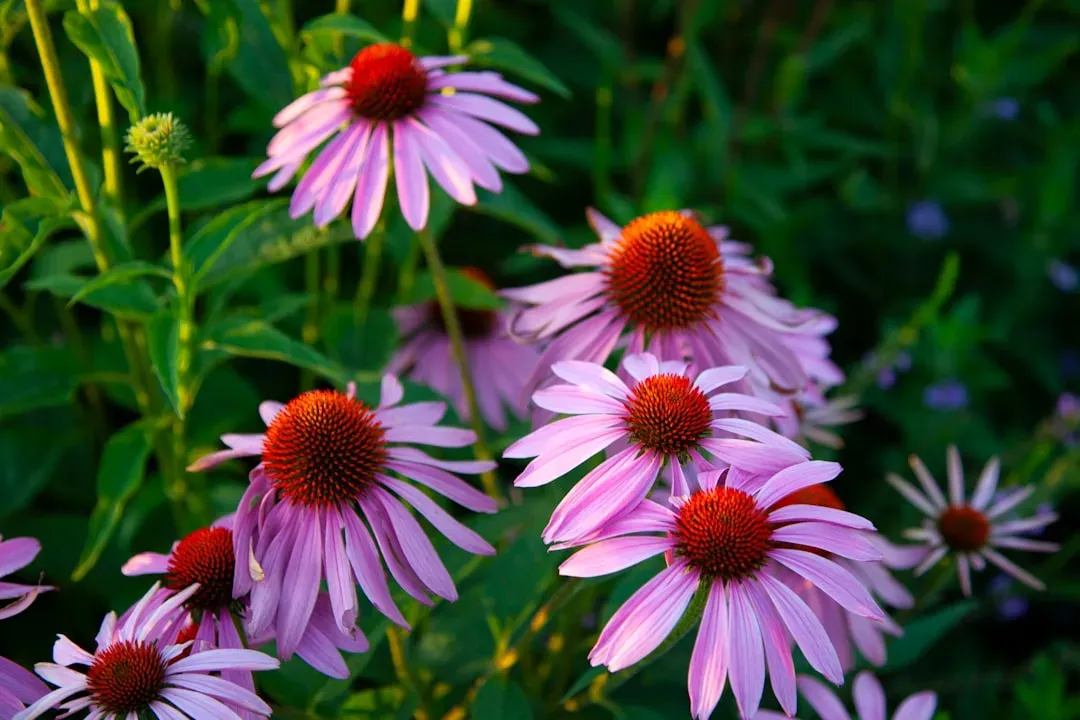
Most store-bought annuals give you one summer. Purple Coneflower gives you a decade or more – and it gets demonstrably better every year it stays in the ground. It’s a true perennial that tolerates a wide range of soil conditions, prefers full sun, and hits its visual peak mid-summer right when most annuals are already looking tired and spent.
The ecological depth here goes well beyond the bloom. The seed heads feed birds through fall and into winter when left standing. And those hollow dead stems from the previous year’s growth serve as nesting habitat for cavity-dwelling native bees – a layer of value that no store-bought annual can come close to offering. Unlike petunias that look exhausted by August, Echinacea is still doing meaningful work long after its petals have dropped.
#3 – California Poppy (Eschscholzia californica): The Drought Warrior That Arrives Uninvited and Stays Forever
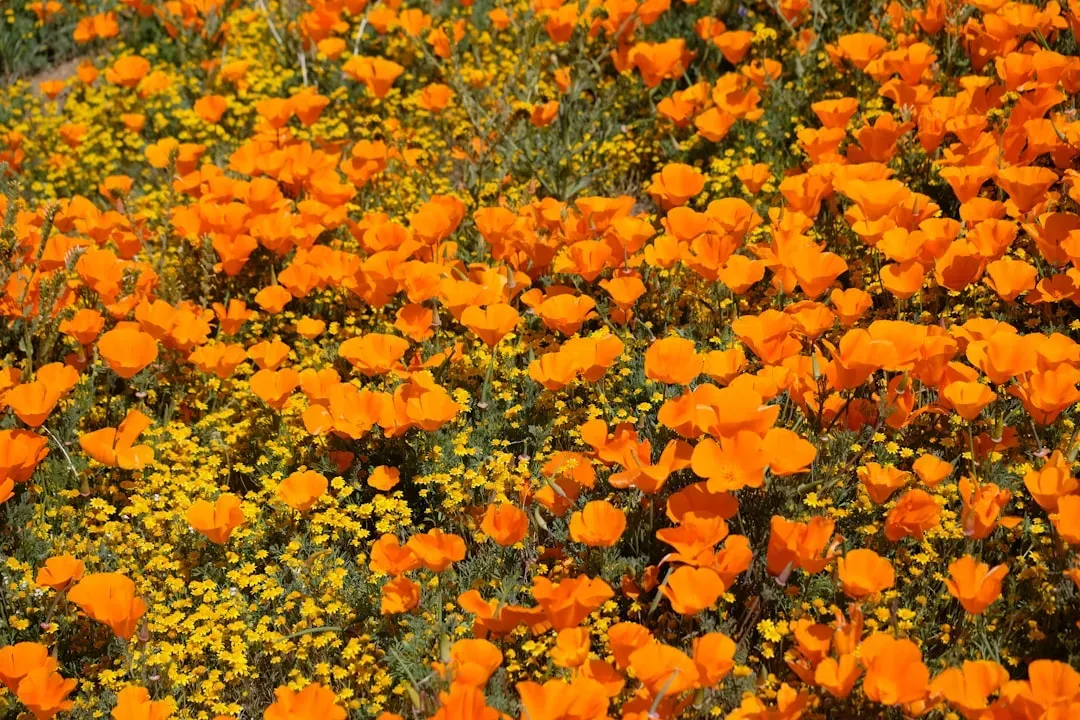
Ask most gardeners how to handle a dry, sun-blasted slope and they’ll suggest expensive drought-tolerant cultivars from a specialty nursery. The real answer has been growing wild across the American West since long before anyone was selling plants in plastic trays. California Poppy thrives in poor soil, demands no irrigation, shrugs off relentless heat, and germinates in cool spring ground within weeks – conditions that would destroy conventional annuals almost immediately.
The California poppy will grow in any soil, even pure sand, and once it has seeded itself, it will come up year after year.
Gertrude Jekyll
What makes it genuinely exceptional is the compounding effect. Seed it into the right spot once and it self-sows prolifically, returning thicker every year without a single replanting or moment of human intervention. While other gardeners spend every spring re-buying heat-stressed impatiens, a properly seeded patch of California Poppy is already blooming, already spreading, and already requiring nothing from anyone.
#2 – Swamp Milkweed (Asclepias incarnata): The Monarch’s Best Friend and the Fastest Native in Wet Ground
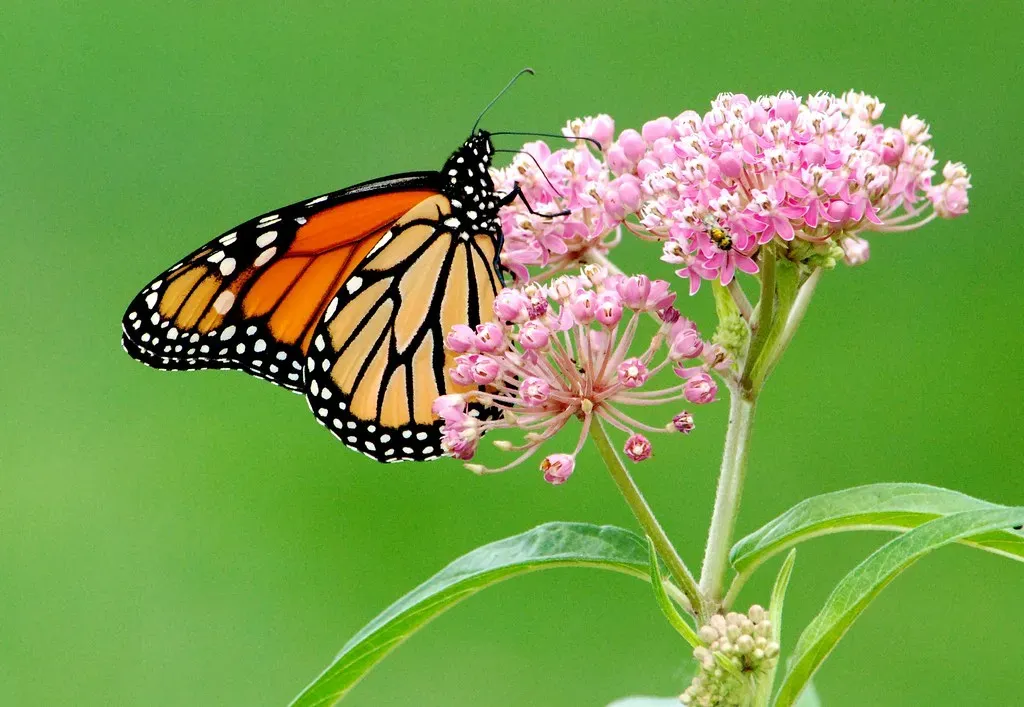
Most gardeners treat wet spots in the garden as problems – soggy corners to drain, avoid, or fill with something that probably won’t survive anyway. Swamp Milkweed treats those same spots as prime real estate. In moist soil, it grows with striking speed, reaching 3 to 5 feet in a single season – outpacing virtually every moisture-loving annual available at retail and doing it without complaint.
It is also, without much competition, the most ecologically important plant on this list. Milkweed is the only host plant for monarch butterfly caterpillars, and its nectar-rich flowers attract a wide range of additional pollinators across its long bloom period. Plant it in a rain garden and it doesn’t just look good – it filters stormwater runoff through deep native roots, functions as a monarch waystation, and provides a pollinator hub that no hanging basket has ever come close to matching. All from a plant that costs less than a flat of impatiens.
Worth Knowing
- North America’s monarch population has declined by roughly 90% over the past 20 years – milkweed planting is among the most direct actions a home gardener can take
- Swamp Milkweed blooms July through September, delivering nectar across the full peak of monarch migration season
- Unlike aggressive common milkweed, Asclepias incarnata grows in well-behaved clumps and does not spread by underground runners
- Hardy in USDA zones 3–9; also thrives in average garden soil once established, not just true wet conditions
- Its fragrant pink flower clusters also attract swallowtails, fritillaries, bumblebees, hummingbird moths, and goldfinches
#1 – Golden Ragwort (Packera aurea): The Shade-Crushing Native That Most Gardeners Have Never Heard Of
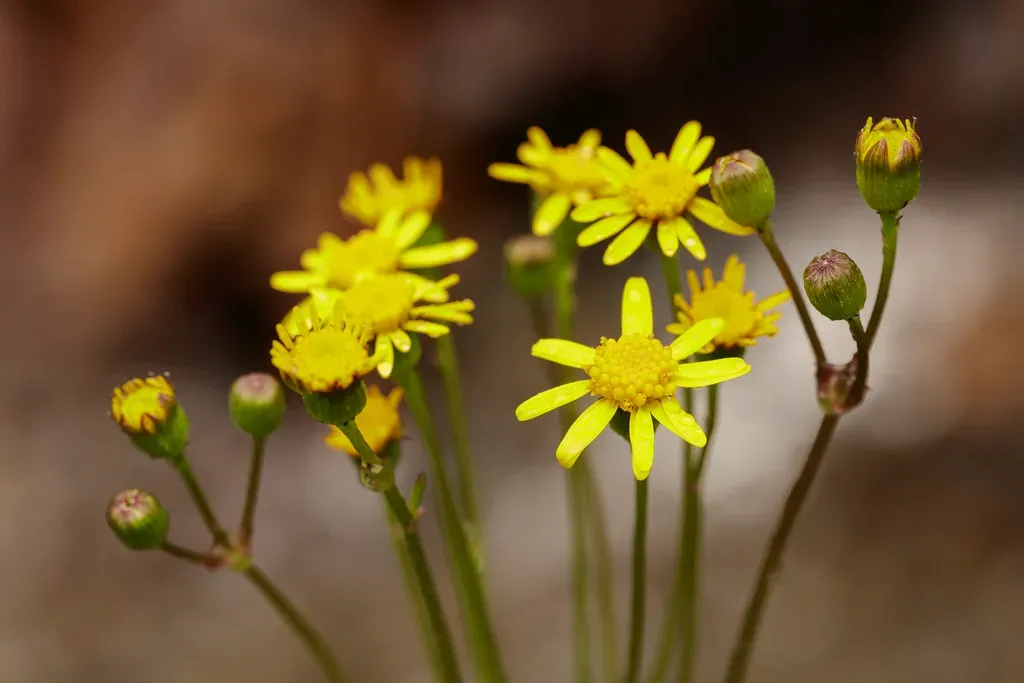
Nearly every gardener has one: a shaded, damp, stubbornly bare patch they’ve quietly given up on. Every spring they throw shade annuals at it. Every autumn those annuals die, defeated by the exact conditions that Golden Ragwort was built for. This is a plant that evolved specifically for deep shade and moist soil – and it fills that ground faster than anything else on this list, spreading through low rosettes that are often evergreen through winter, quietly holding territory while everything around it has long since died back.
Come spring, those rosettes send up 1 to 2-foot stems topped with small, vivid golden-yellow flowers – arriving earlier than most other native bloomers and providing critical early food for emerging pollinators when almost nothing else is open. Through the rest of the growing season, the dark green foliage creates a dense, low-growing mat that expands steadily by both rhizomes and self-seeding, filling gaps on its own schedule. No store-bought shade annual provides this level of coverage, ecological value, and sheer persistence. It’s the most powerful plant on this list precisely because it thrives where everything else fails – and most gardeners have never planted a single one.
Why It Stands Out
- Blooms March–May – one of the earliest native wildflowers to open, feeding pollinators when almost nothing else is available
- Spreads via both rhizomes and wind-dispersed seed, naturalizing into dense colonies without any intervention
- Foliage is evergreen to semi-evergreen in Zones 6–8, providing twelve-month ground coverage in mild climates
- Tolerates full shade to full sun – one of very few natives with that range, making it genuinely problem-spot-proof
- Deer-resistant, drought-tolerant once established, and a host plant for the northern metalmark butterfly
[article_quiz]
The Bottom Line: Stop Replanting, Start Going Native
Here’s what all nine of these plants have in common: they don’t need you to buy them again next year. They self-sow, spread, return, and deepen – building a garden that gets better with time instead of one that resets to zero every November. Native plant landscaping also sidesteps the invasive species trap entirely, because these plants evolved alongside your local wildlife and soil. They fill ground fast and they do it without becoming a problem.
From Tickseed colonizing your sunniest beds to Golden Ragwort carpeting your deepest shade, the fastest garden isn’t the one stocked from a garden center trolley. It’s the one planted with species that evolved to thrive exactly where you live. Some of these perennial wildflowers can live for decades, quietly outperforming every annual you ever bought, season after season, without a single trip back to the nursery. The only question left is which one you’re planting first.

- 8 Things That Happen To Your Body on Everest’s Death Zone - August 14, 2026
- 5 Amazing Native Flowers for Your Garden - August 14, 2026
- 10 Calmest Dog Breeds for Senior Women - August 14, 2026