


Food choices often reflect more than personal preference—they can embody deeply held religious beliefs and cultural traditions that have evolved over millennia. Across the globe, religions have developed nuanced and sometimes complex relationships with animal consumption, influencing the diets of billions of people. These spiritual guidelines range from complete prohibition of animal products to specific ritual requirements for slaughter, each supported by theological reasoning and historical context. Understanding these diverse perspectives offers insight into how faith shapes daily life and provides a window into the ethical frameworks that guide communities worldwide. This exploration of 12 religious views on eating animals demonstrates how spiritual beliefs influence one of our most fundamental activities—the consumption of food.
Hinduism’s Principle of Ahimsa

Hinduism, with approximately 1.2 billion followers worldwide, embraces the principle of ahimsa, or non-violence toward all living beings. This concept fundamentally shapes Hindu attitudes toward animal consumption. While practices vary widely among different Hindu traditions and regions, many Hindus choose vegetarianism as an expression of their commitment to non-violence. According to a 2021 survey, an estimated 30% of Indians identify as vegetarian, with higher percentages among certain Hindu communities, particularly Brahmins and those following specific spiritual paths.
The cow holds a sacred position in Hinduism, revered as a symbol of motherhood and nourishment. In many Hindu communities, especially across northern India, beef consumption is strictly avoided, and cow slaughter is prohibited by law in numerous Indian states. The concept of sattvic (pure) food is central to many Hindu dietary practices, favoring plant-based foods that are believed to promote spiritual clarity and physical well-being. However, it’s important to note that Hinduism is highly diverse—some traditions, particularly in eastern and southern India, permit certain types of meat consumption while maintaining reverence for the spiritual principles that guide dietary choices.
Buddhism and Compassionate Consumption

Buddhism, founded in the 5th century BCE and followed by approximately 535 million people today, centers its view on animal consumption around the principle of compassion for all sentient beings. The first precept in Buddhism—to abstain from killing—has led many Buddhists to adopt vegetarianism, though this practice varies significantly across different traditions and regions. The Mahayana tradition, especially as practiced in East Asia, often emphasizes vegetarianism more strongly than Theravada Buddhism, which is predominant in Southeast Asia.
The historical Buddha himself did not explicitly prohibit meat-eating, and early Buddhist monks were instructed to accept whatever food was offered to them during alms rounds, including meat, provided they had not seen, heard, or suspected that the animal was killed specifically for them—a practice known as the “three pure kinds of flesh.” In contemporary practice, the Dalai Lama, while advocating for vegetarianism when possible, has maintained certain meat in his diet due to health considerations. This reflects the pragmatic approach often found in Buddhist ethics, which balances ideal principles with practical realities. In countries like Thailand, Sri Lanka, and Myanmar, many Buddhists consume meat while still honoring core Buddhist principles through other practices and observances.
Judaism’s Kosher Traditions

Judaism, with approximately 15 million adherents worldwide, has developed one of the most detailed and codified systems for animal consumption through its kosher dietary laws (kashrut). These regulations, derived primarily from the Torah, particularly Leviticus and Deuteronomy, dictate which animals may be consumed and how they must be slaughtered and prepared. For land animals to be kosher, they must have split hooves and chew their cud—permitting cattle, sheep, goats, and deer while excluding pigs, rabbits, and camels. Aquatic animals must have both fins and scales, meaning fish like salmon and tuna are permitted while shellfish, eels, and sharks are prohibited.
The kosher slaughtering process, known as shechita, requires a specially trained slaughterer (shochet) to use a perfectly sharp knife to sever the animal’s trachea and esophagus in a single, swift cut, intended to minimize suffering. After slaughter, the animal must be inspected for any diseases or abnormalities that would render it non-kosher. Judaism also prohibits the consumption of blood, requiring kosher meat to be soaked and salted to remove blood, and forbids cooking or consuming meat and dairy products together. While these practices have religious significance, many modern Jews see them as promoting ethical treatment of animals, with the humane slaughter requirements predating modern animal welfare concerns by millennia. Across the spectrum of Jewish observance, from Orthodox to Reform, individuals vary in their adherence to these dietary laws, with some following them strictly and others adopting modified practices or viewing them as cultural rather than religious imperatives.
Islam and Halal Requirements

Islam, with 1.9 billion followers globally, establishes clear guidelines for animal consumption through the concept of halal (permissible) food. These principles, derived from the Quran and Hadith (sayings and actions of Prophet Muhammad), permit the consumption of most land animals, with the notable exception of pigs, whose meat is explicitly forbidden (haram). For meat to be considered halal, the animal must be slaughtered by a Muslim who invokes Allah’s name (saying “Bismillah” or “In the name of Allah”) at the time of slaughter. The method of slaughter, called dhabiha, requires using a sharp knife to swiftly cut the throat, windpipe, and blood vessels in the neck, allowing the blood to drain completely, as blood consumption is prohibited.
The importance of halal certification has grown significantly in recent decades, with the global halal food market valued at approximately $1.9 trillion in 2021. Modern halal certification addresses not only slaughter methods but also ensures that food products are free from any haram ingredients or cross-contamination. While some Muslim-majority countries enforce halal requirements through legislation, Muslims living in minority contexts often navigate complex food landscapes by seeking certified products or relying on community networks. Interpretations of halal guidelines can vary among different Islamic schools of thought (madhabs), with some permitting stunning before slaughter while others requiring animals to be fully conscious. Similarly, opinions differ on whether Muslims may consume meat slaughtered by Jews or Christians (People of the Book), with many scholars permitting this practice provided the meat meets other halal criteria. These dietary laws form an integral part of Muslim identity and daily religious practice around the world.
Christianity’s Diverse Approaches

Christianity, with approximately 2.4 billion adherents worldwide, presents varied perspectives on animal consumption across its many denominations and traditions. Most mainstream Christian denominations today—including Roman Catholic, Protestant, and Eastern Orthodox traditions—permit meat consumption without specific religious restrictions. This position derives largely from New Testament passages such as Acts 10:9-16, where Peter receives a vision in which God declares all foods clean, and 1 Timothy 4:4, which states that “everything created by God is good, and nothing is to be rejected if it is received with thanksgiving.”
However, fasting traditions that include abstention from meat remain important in many Christian communities. The Orthodox Church maintains extensive fasting periods throughout the liturgical year when adherents abstain from animal products, totaling up to 180-200 days annually. The Roman Catholic tradition preserved meatless Fridays until the mid-20th century and still encourages this practice during Lent. Some Protestant denominations, particularly Seventh-day Adventists, actively promote vegetarianism as an expression of good stewardship of both health and creation, with approximately 35% of Adventists following vegetarian diets. In recent decades, Christian environmental and animal welfare movements have gained prominence, with organizations like the Evangelical Environmental Network and Catholic Vegetarian Society advocating for more conscious approaches to animal consumption based on principles of creation care and compassion. These diverse approaches reflect Christianity’s emphasis on freedom of conscience in matters not directly addressed by core doctrine.
Jainism’s Strict Vegetarianism

Jainism, with approximately 4-5 million adherents primarily in India, stands out for having perhaps the most stringent approach to animal consumption among major world religions. Central to Jain philosophy is the principle of ahimsa (non-violence) taken to its logical extreme, leading to strict vegetarianism and extensive efforts to avoid harming even the smallest creatures. Jains not only abstain from all meat, fish, and eggs but many also avoid root vegetables (such as potatoes, onions, and garlic) because harvesting them destroys the entire plant and may harm small organisms in the soil.
The concept of jiva (living beings) in Jainism recognizes consciousness in all forms of life, from humans and animals down to microscopic organisms. This recognition leads to extraordinary dietary practices, especially among Jain ascetics. Some particularly observant Jains filter water before drinking it to remove tiny organisms, sweep the ground before walking to avoid stepping on insects, and wear masks to prevent accidentally inhaling small flying creatures. During certain religious periods, like Paryushana (an eight-day annual festival), dietary restrictions become even more rigorous, with some Jains abstaining from eating after sunset to avoid harming nocturnal insects attracted to light. These practices reflect Jainism’s core belief that all life is sacred and interconnected, and that spiritual progress depends on minimizing harm to other beings. For Jains, dietary choices are not merely preferences but fundamental expressions of their spiritual commitment to universal compassion and respect for all forms of life.
Sikhism and the Langar Tradition

Sikhism, founded in the 15th century and followed by approximately 30 million people worldwide, presents a nuanced approach to animal consumption that balances spiritual principles with practical considerations. While Sikhism does not mandate vegetarianism, it strongly discourages the consumption of ritually slaughtered meat (such as halal or kosher). This prohibition stems from the Sikh Rehat Maryada (Code of Conduct), which specifically forbids kutha meat—animals killed in a ritualistic manner. The reasoning behind this restriction relates to Sikhism’s rejection of empty rituals and superstitions rather than an inherent opposition to meat consumption itself.
Perhaps the most visible expression of Sikh attitudes toward food is found in the langar, the free community kitchen present in every gurdwara (Sikh temple). The langar serves vegetarian meals to all visitors regardless of religion, caste, gender, economic status, or ethnicity, embodying the Sikh principles of equality and community service. This vegetarian tradition in gurdwaras demonstrates reverence for all visitors, ensuring that no one is excluded based on dietary restrictions. While individual Sikhs make their own choices regarding meat consumption at home, with practices varying by family and regional traditions, many Sikhs choose vegetarianism as a personal spiritual discipline. This diversity of practice reflects Sikhism’s emphasis on personal conscience guided by core principles of compassion, equality, and rejection of blind ritualism, allowing for individual interpretation within the framework of Sikh ethics.
Indigenous Spiritual Traditions and Respectful Hunting
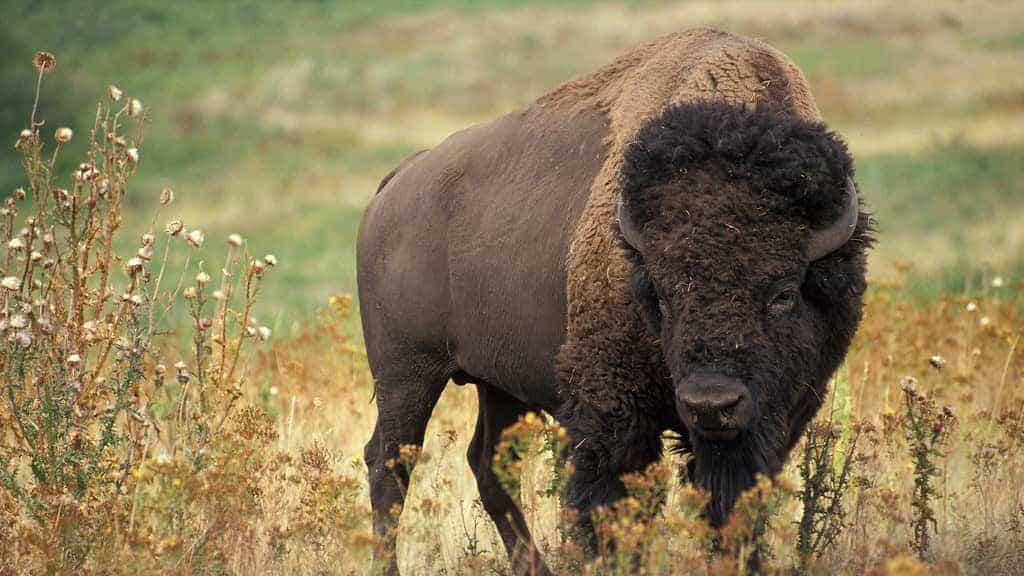
Indigenous spiritual traditions worldwide, encompassing thousands of distinct cultural practices among an estimated 476 million Indigenous people globally, often feature profound relationships with animals that influence consumption practices. Unlike many organized religions, these traditions typically don’t frame animal consumption as forbidden or permitted, but rather emphasize respectful engagement with animals as relatives and co-inhabitants of shared territories. Many Indigenous hunting practices involve elaborate rituals of respect and gratitude—from the Inuit tradition of offering fresh water to hunted seals (believed to quench the thirst of their souls) to the Lakota practice of offering tobacco and prayers before and after a hunt to honor the animal’s sacrifice.
The concept of taking only what is needed and using every part of the animal appears consistently across diverse Indigenous traditions. For example, many Plains Native American nations historically used all parts of the buffalo—meat for food, hides for shelter and clothing, bones for tools, and even bladders for water containers. Similar practices exist among the Sámi of northern Scandinavia with reindeer and Aboriginal Australians with various hunted animals. These approaches reflect a worldview that does not place humans above or separate from nature, but rather sees them as part of an interdependent web of relations with reciprocal responsibilities. While these traditions have faced significant disruption through colonization, forced relocation, and environmental degradation, many Indigenous communities are actively revitalizing traditional food systems and associated spiritual practices as part of broader cultural reclamation movements. These efforts often emphasize the spiritual dimensions of food sovereignty, reconnecting people not only with traditional diets but with the ceremonial practices that give those diets deeper meaning.
Zoroastrianism and Sacred Animals

Zoroastrianism, one of the world’s oldest continuously practiced religions with approximately 190,000 adherents today (primarily in India and Iran), has developed distinctive perspectives on animal consumption throughout its 3,500-year history. Central to Zoroastrian thought is the concept of the good creation of Ahura Mazda (the supreme deity), which includes beneficial animals that should be protected and respected. The religion distinguishes between beneficial animals (gospand) created by the benevolent deity and noxious creatures (khrafstra) associated with evil forces, a categorization that influences dietary practices.
Unlike some Eastern traditions, Zoroastrianism does not mandate vegetarianism, and most Zoroastrians consume meat. However, certain animals hold special status that affects consumption practices. The dog and cow are particularly revered in Zoroastrian tradition, with the cow providing the sacred “nirang” (consecrated bull’s urine) used in purification rituals. While beef consumption is not explicitly forbidden, many Zoroastrians, especially Parsis in India, avoid it out of respect. Traditional Zoroastrian texts recommend moderation in meat consumption, suggesting that meals should include both animal and plant foods in proper balance. The ancient Zoroastrian calendar dedicates certain days to animal protection, during which some practitioners avoid meat entirely. These nuanced approaches reflect Zoroastrianism’s ethical framework, which emphasizes human responsibility to protect beneficial creation while maintaining the practical flexibility characteristic of this ancient faith tradition.
Rastafarianism and Ital Living

Rastafarianism, emerging in Jamaica in the 1930s and now practiced by approximately 1 million people worldwide, promotes a distinctive approach to animal consumption through its “Ital” dietary philosophy. The term “Ital,” derived from the word “vital,” embodies the Rastafarian commitment to natural, pure food that enhances life energy. While practices vary among different Rastafarian communities (known as mansions), many Rastas follow a primarily plant-based diet that emphasizes unprocessed, locally grown foods without artificial additives or chemicals.
The strictest Ital practitioners abstain from all animal products, seeing vegetarianism or veganism as alignment with the biblical concept that God initially provided plants for human consumption (Genesis 1:29). Others may consume certain fish, particularly those with scales, following dietary laws similar to those found in Leviticus. Most Rastafarians, regardless of their specific dietary choices, avoid pork and shellfish based on biblical prohibitions. Salt is often limited or eliminated in traditional Ital cooking, with many practitioners avoiding iodized salt as artificial while some may use sea salt moderately. Beyond specific food choices, Ital living emphasizes cooking methods that preserve nutrients, typically using clay or wooden utensils rather than metal, which some believe can transfer harmful properties to food. These practices reflect Rastafarianism’s broader commitment to natural living, rejection of “Babylon” (corrupt Western society), and the belief that the body is a temple that should remain unpolluted. For many Rastafarians, food choices represent not just health considerations but spiritual resistance against colonial influences and connection to African heritage.
Taoism and Flexible Vegetarianism

Taoism (or Daoism), with roots dating back over 2,000 years in China and approximately 12 million followers worldwide, approaches animal consumption through its fundamental principles of balance, harmony with nature, and simplicity. Rather than imposing rigid dietary rules, Taoist food philosophy emphasizes moderation and naturalness, seeking to maintain harmony between the opposing yet complementary forces of yin and yang. Historically, many Taoist practitioners adopted vegetarianism, particularly during certain periods of spiritual cultivation or when residing in temples, but complete abstention from meat was not universally required for lay followers.
The Taoist concept of bigu, or “avoiding grains,” represents a specialized dietary practice aimed at spiritual transformation rather than ethical concerns about animals. In traditional Taoist texts like the Baopuzi, certain meats were sometimes recommended for medicinal purposes.
Conclusion:

Across the world’s spiritual traditions, eating animals is not merely a matter of taste or nutrition—it is an expression of deep-seated values, ethical worldviews, and cosmological beliefs. From the ahimsa of Hinduism and Jainism to the ritual slaughter practices of Islam and Judaism, from the communal vegetarianism of Sikh langars to the respectful hunting of Indigenous peoples, food becomes a sacred act. These varied practices reveal how religion continues to shape human relationships with animals, not just in symbolic or doctrinal terms, but in everyday decisions about what ends up on our plates.
As global conversations around sustainability, animal welfare, and ethical eating grow louder, understanding these religious perspectives can foster greater empathy and dialogue. While the doctrines differ, a shared theme runs through many of them: reverence for life, mindful consumption, and a recognition that food is more than sustenance—it is a reflection of our moral and spiritual commitments.

As a little kid, I fell in love with nature, wildlife, and animals. Living in the USA, South Africa, Italy, China and Germany gave me the opportunity to discover the world's Wildlife. My favorite animals are Mountain Gorillas, Siberian Tigers, and Great White Sharks.
I'm a certified PADI Open Water Diver, went to Everest Base Camp and Trekked Gorillas in Uganda. I hold a Master of Science in Economics and Finance.
Please send any feedback to feedback@animalsaroundtheglobe.com
- 13 Cat Breeds That Get Along with Dogs - July 20, 2026
- The 12 Largest Dog Breeds That Still Love to Cuddle - July 20, 2026
- 12 Pet Habits That Secretly Mean They Love You - July 20, 2026