
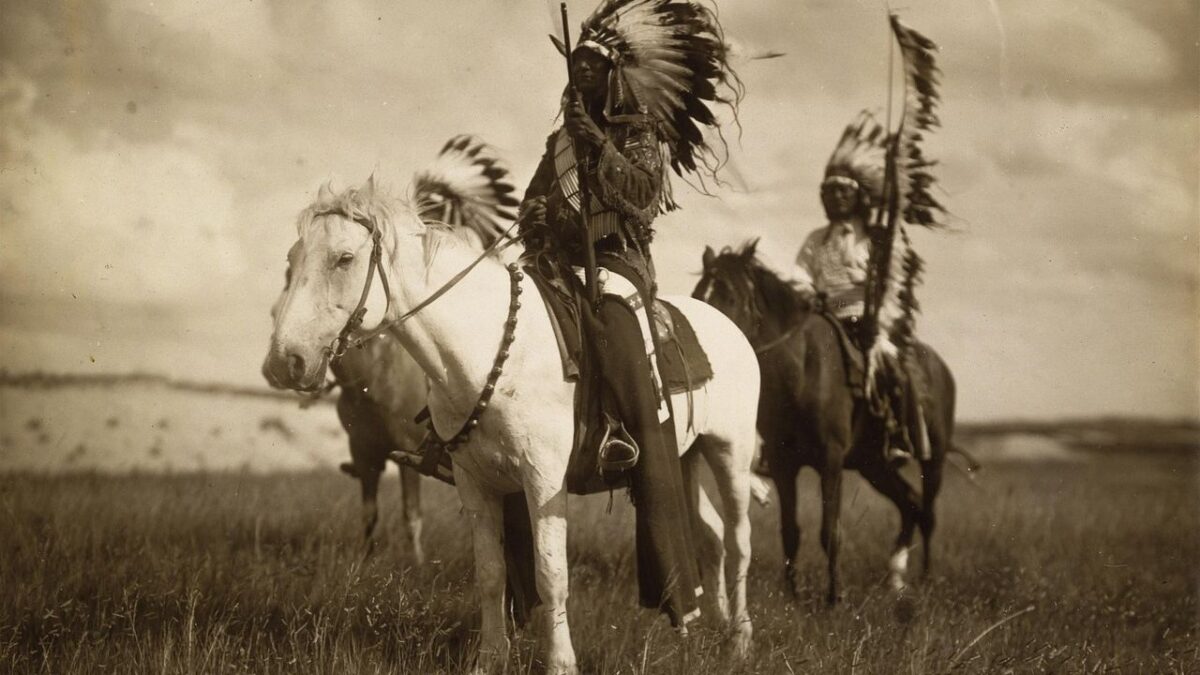
Their Real Name Is the People of the Seven Council Fires
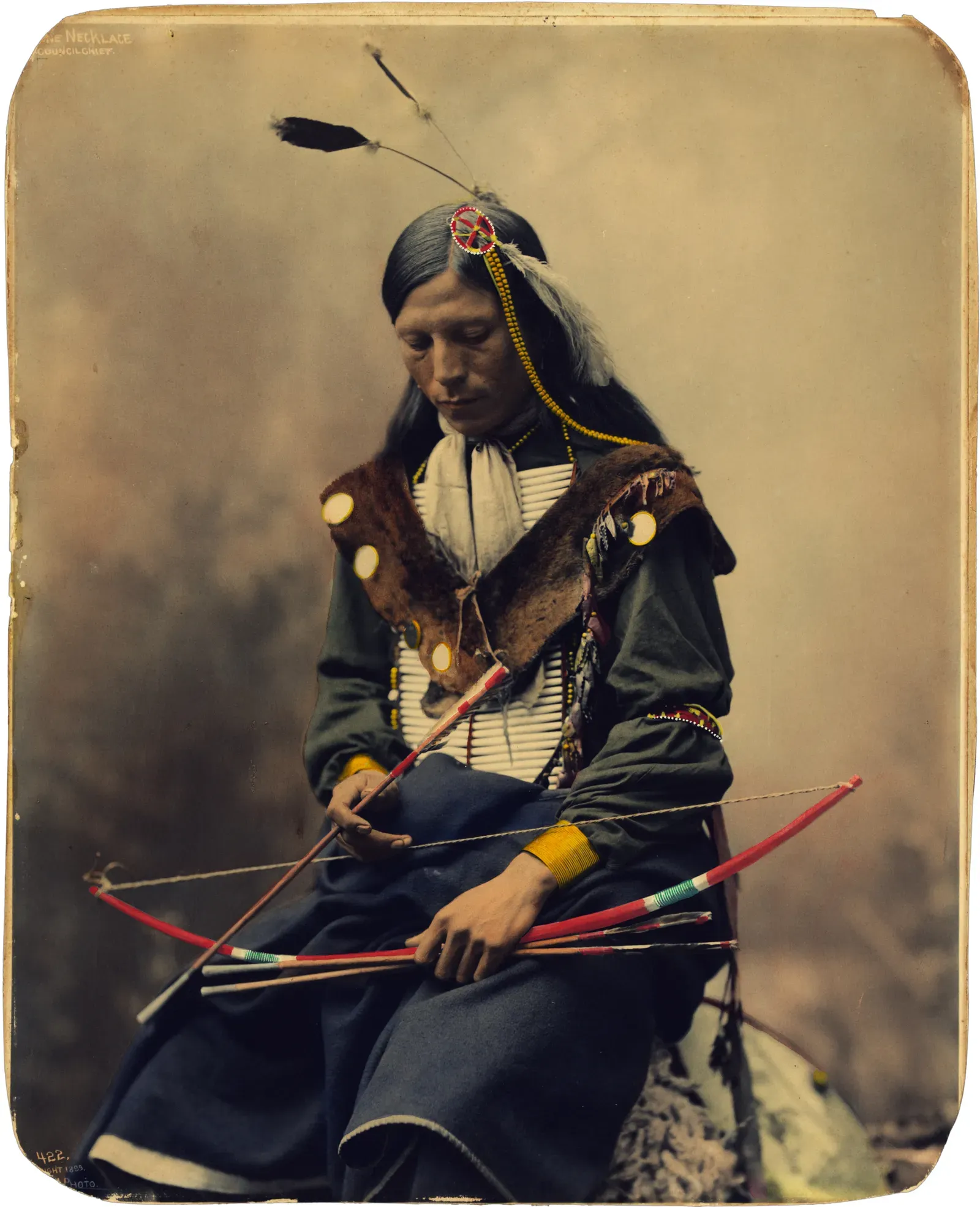
The name “Sioux” was never their own. The term Sioux is an exonym from a French transcription of the Ojibwe term Nadowessi. The actual name for the people is Oceti Sakowin, meaning “People of the Seven Council Fires,” referencing the seven original Sioux bands who brought the coals from their individual fires to kindle the collective fire at council meetings.
According to elder and language teacher Albert White Hat, the word “Sioux” stems from the westward expansion of French fur traders in the Northern Wisconsin Lakes region and Minnesota. When the Dakota people told traders they could come no farther west, the traders went to the Ojibwe and asked who these people were. An Ojibwe elder responded with a gesture like a snake, saying “natowessiwak,” which was interpreted as “the snake people,” though what he actually meant was “the people of the snake-like river,” referring to the Mississippi. The name stuck, though it was never accurate.
They Were Once Woodland People, Not Plains Nomads
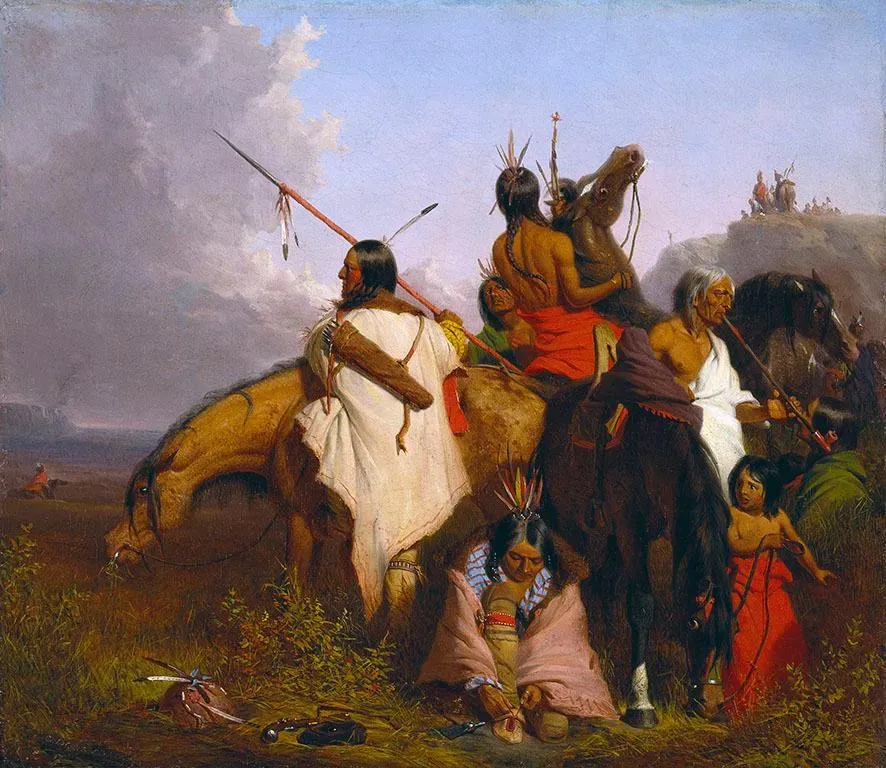
Before the 17th century, the Santee Dakota lived around Lake Superior with territories in present-day northern Minnesota and Wisconsin. They gathered wild rice, hunted woodland animals, and used canoes to fish. The image of the Sioux as exclusively Plains warriors is a snapshot of only one phase of their long history.
The Sioux originally lived in the Mississippi River Valley as well as the Great Lakes region, but wars with the Iroquois and Ojibwe Nations forced their migration west. Their traditional socio-cultural model changed in the late 17th and early 18th century with the arrival of European firearms and their mastery of the horse, brought to North America in the 16th century by the Spaniards, making them one of the nations designated by modern scholars as belonging to the “Horse Culture” of North America.
The Horse Transformed Everything
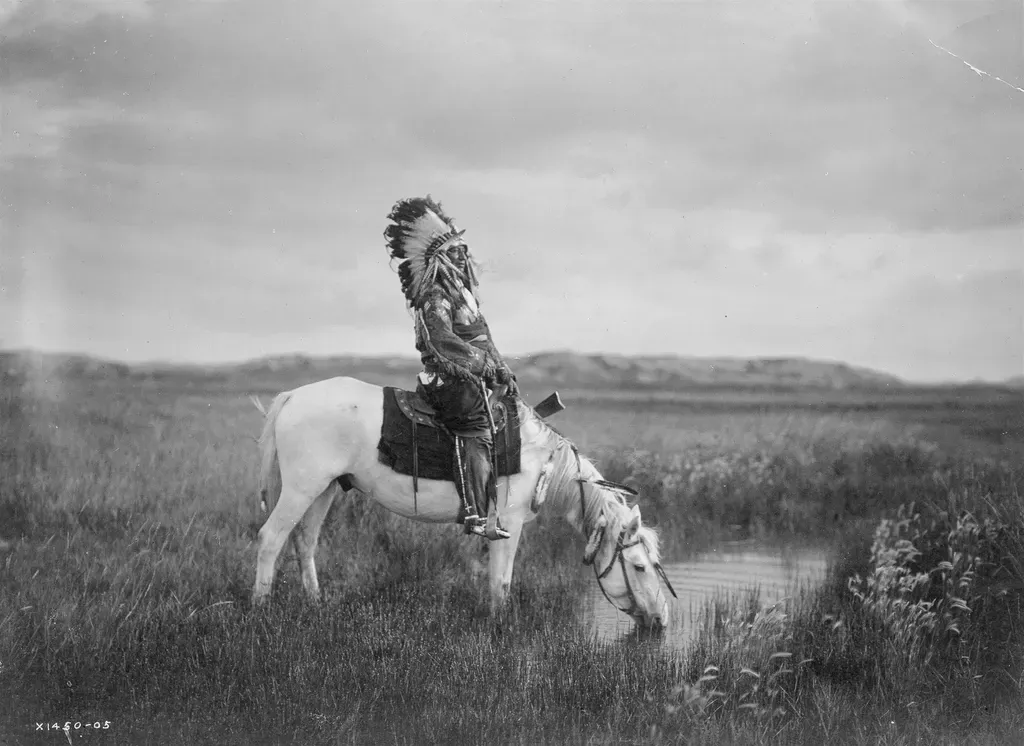
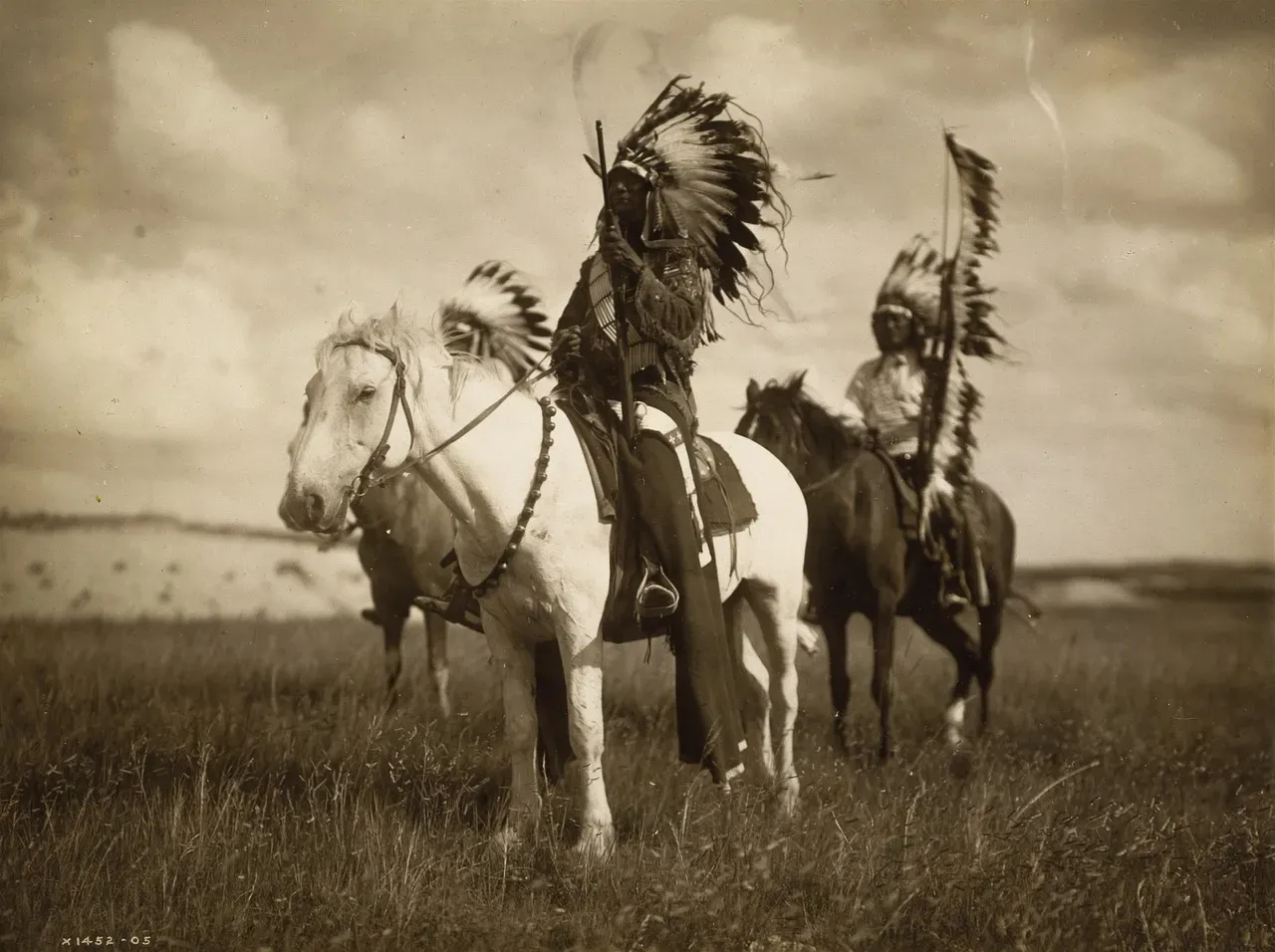
With the arrival of the horse in the 18th century, the Lakota became a powerful tribe on the Northern Plains by the 1850s. Before that, every hunt, every move of camp, every act of warfare was done entirely on foot. The shift was not gradual in its impact. It was seismic.
The Sioux could now make much larger teepees to live in and could move far more supplies with them when the village relocated. Horses also made it much easier to travel and hunt buffalo. Both food and buffalo skins became much more abundant. It became, in fact, a cause for wars or at least raids on other tribes, as the more horses one had, the greater one’s wealth and prestige.
The Buffalo Was Sacred, Practical, and Irreplaceable
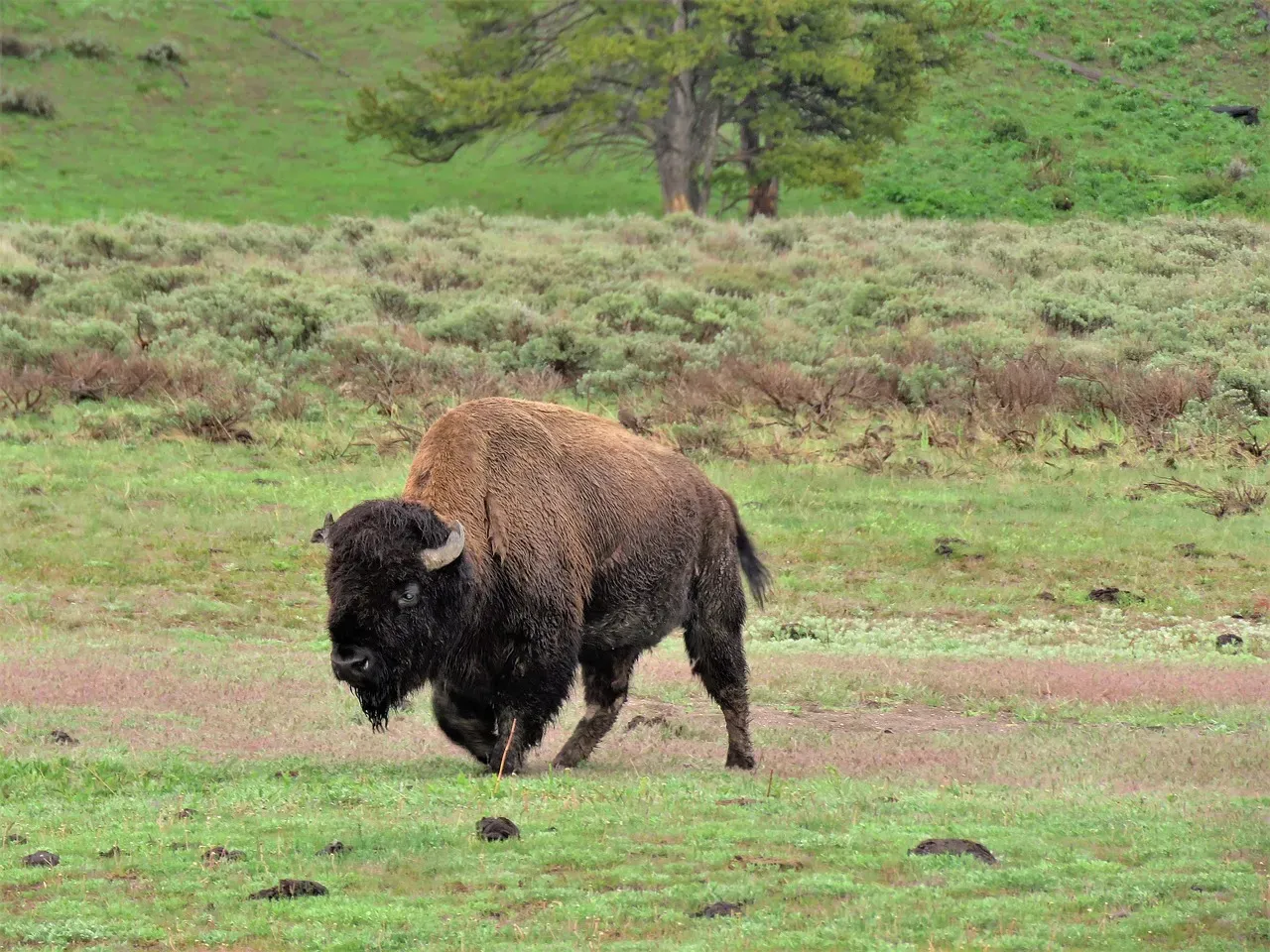
They used all of the bison, not just its meat for food. They used the skin and fur for blankets and clothes, tanned the hides to make coverings for their teepees, used bones as tools, used bison hair to make ropes, and used tendons for sewing thread and bow strings. Virtually nothing went to waste.
The Lakota people believe the buffalo, known as tatanka, possess powerful medicine, and they wore buffalo hides painted with symbols during times of illness. The near extinction of the buffalo in the 19th century was a deliberate strategy by the U.S. government to undermine Indigenous nations, severing their physical and spiritual connection to this life-giving animal. The loss of the buffalo was not merely ecological. It was an assault on the Sioux way of life itself.
Wakan Tanka: A Spiritual Worldview Built on Interconnection
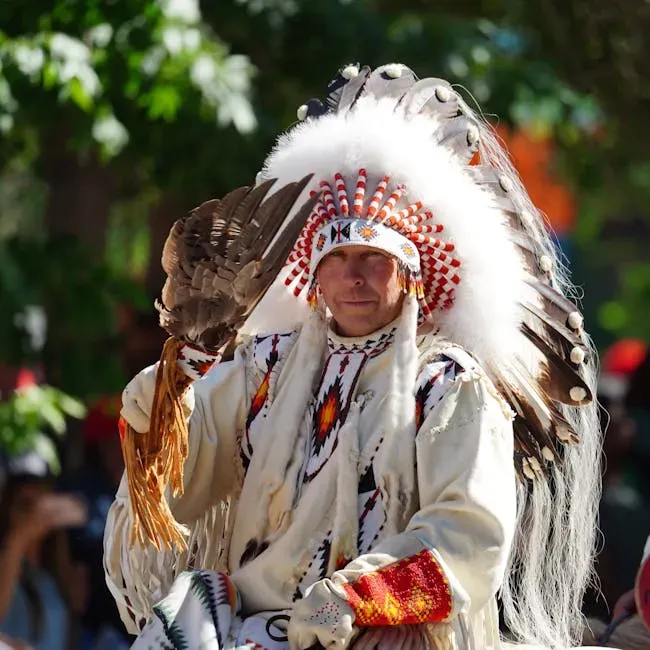
Wakan Tanka, often translated as the “Great Spirit” or the “Great Mystery,” holds a central place in the spiritual beliefs and cultural practices of the Lakota Sioux and other Native American tribes of the Northern Plains. This concept encompasses not only a deity but a harmonious relationship with the universe, reflecting the deeply intertwined nature of spirituality, nature, and community in Lakota philosophy.
Like other Native American tribes, the Sioux believe the animal nations are relatives. They feel a special bond exists among all living things: plants, fish, birds the winged, animals the four-legged, and people the two-legged. The Seven Sacred Rites of the Lakota Sioux are the spiritual observances of the Sioux nation that maintain their relationship with Wakan Tanka, the creative and unifying Higher Power of the Universe. These were not rituals observed occasionally. They were the rhythm of life itself.
The Sun Dance Is One of the Most Profound Ceremonies on Earth
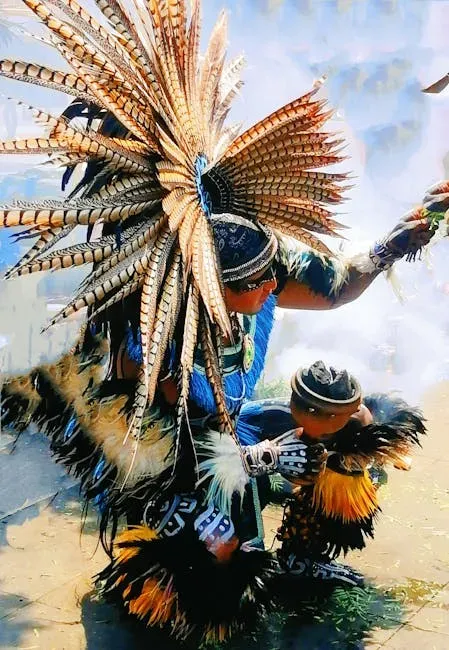
The Sun Dance is perhaps the most well-known Lakota ceremony. It is a powerful ritual of prayer and sacrifice, performed to honor Wakan Tanka and to seek blessings for the community. Participants fast and dance for days, often piercing themselves with skewers to symbolize their devotion and commitment.
Historically banned by the U.S. government from 1883 until 1978, the resurgence of the Sun Dance is a powerful symbol of Lakota cultural revival. It is an annual, multi-day ceremony of sacrifice, prayer, and renewal for the entire community. The Sun Dance is a testament to the Lakota’s deep faith and unwavering commitment to their spiritual beliefs, reflecting their resilience and their enduring connection to their ancestors and the spiritual world. That it survived suppression at all says something profound about the strength of Sioux conviction.
Their Language Is the Fifth Most Spoken Indigenous Language in North America
Sioux is a Siouan language spoken by over 30,000 Sioux in the United States and Canada, making it the fifth most spoken Indigenous language in the United States or Canada, behind Navajo, Cree, Inuit languages, and Ojibwe. That ranking, given the centuries of suppression the language endured, is an achievement in itself.
Since 2019, “the language of the Great Sioux Nation, comprised of three dialects, Dakota, Lakota, and Nakota” is the official Indigenous language of South Dakota. Sioux children were once isolated from their families and punished if they were caught speaking their native tongue. Their hair was cropped, and school and dormitory life was conducted on a military model. The survival of the language, against such systematic suppression, is a quiet act of defiance spanning generations.
The Battle of Little Bighorn Was Their Greatest Military Victory
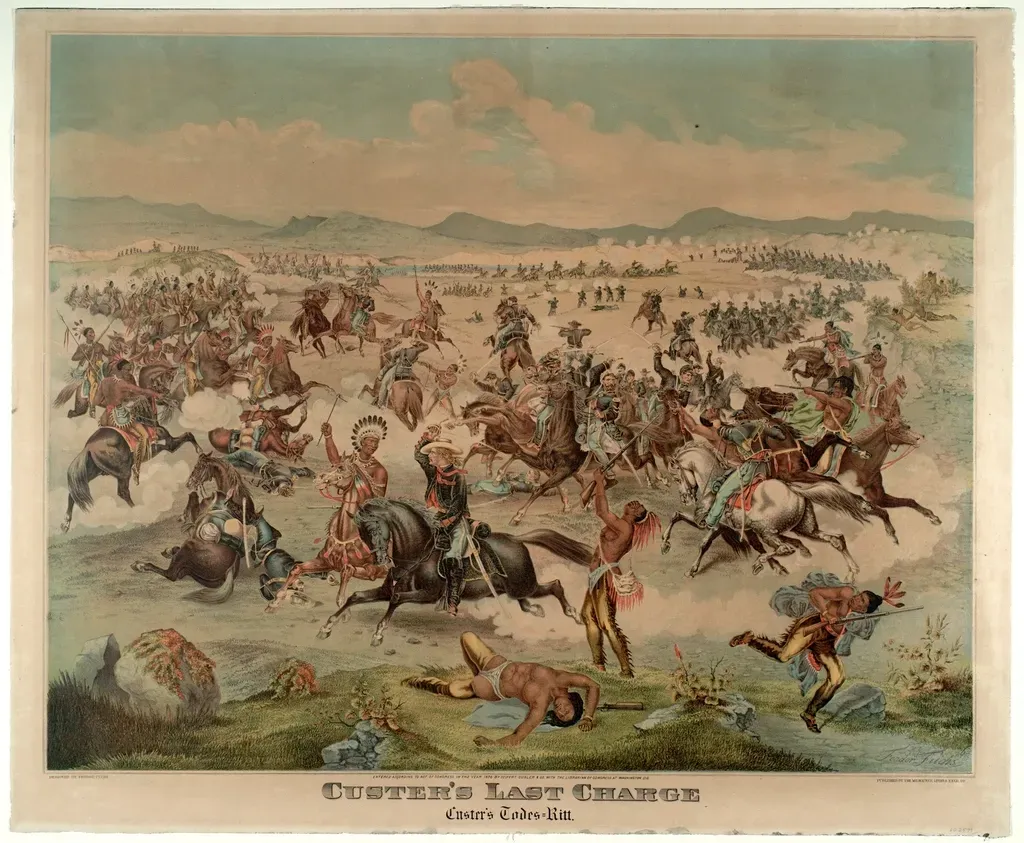
The Battle of Little Bighorn, also known as Custer’s Last Stand, was a significant conflict between the Sioux and Cheyenne warriors and the United States Army. It took place on June 25 and 26, 1876, near the Little Bighorn River in Montana Territory. Led by Lieutenant Colonel George Armstrong Custer, the U.S. Army suffered a major defeat, with Custer and all of his men being killed.
The fight was an overwhelming victory for the Lakota, Northern Cheyenne, and Arapaho, who were led by several major war leaders including Crazy Horse and Chief Gall, and had been inspired by the visions of Sitting Bull. The US 7th Cavalry, a force of 700 men, suffered a major defeat under the command of Lieutenant Colonel Custer. Five of the 7th Cavalry’s twelve companies were annihilated and Custer was killed. It remains one of the most decisive defeats of U.S. forces in the history of the American West.
They Were Governed by Consensus, Not Hierarchy
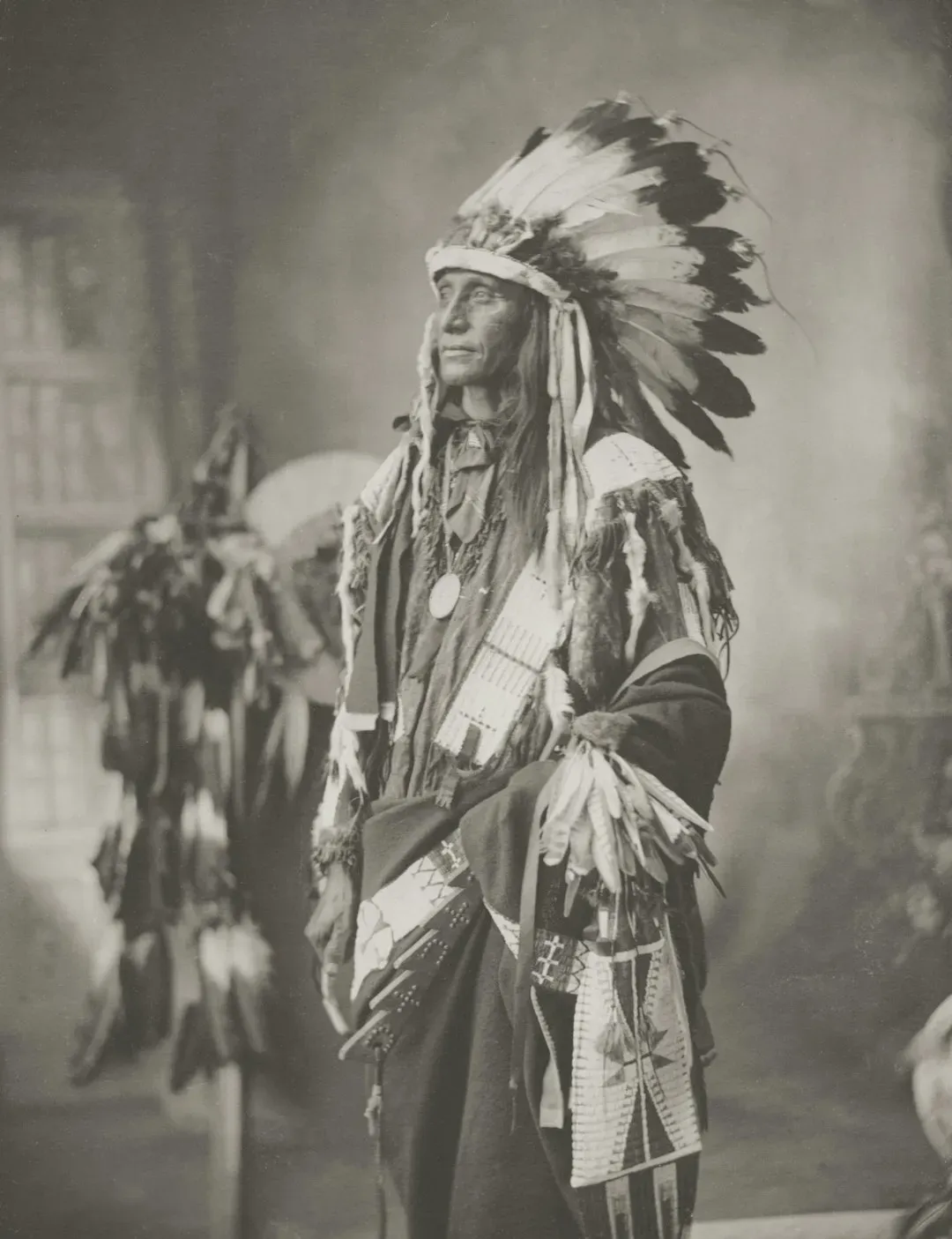
Traditionally, Sioux society was organized around extended families and tiyospaye, or lodge groups, governed by consensus and led by respected elders known as itancan. This was not a top-down command structure. Decisions were reached through deliberation, and leaders earned their authority through demonstrated wisdom and service to the community, not inherited power.
In the early days of the Sioux, tribes or oyate lived in tiyospaye or camp circles with large extended families united by a sense of kinship and community. An appointed leader created a deep understanding of identity and belonging. This sense of community is a deeply rooted part of their cultural identity, and personal relationships and social bonds are integral to conducting trade, family, combat, and religion. That structure proved remarkably resilient, even under the pressures of reservation life.
The Supreme Court Ruled in Their Favor and They Still Refused the Money
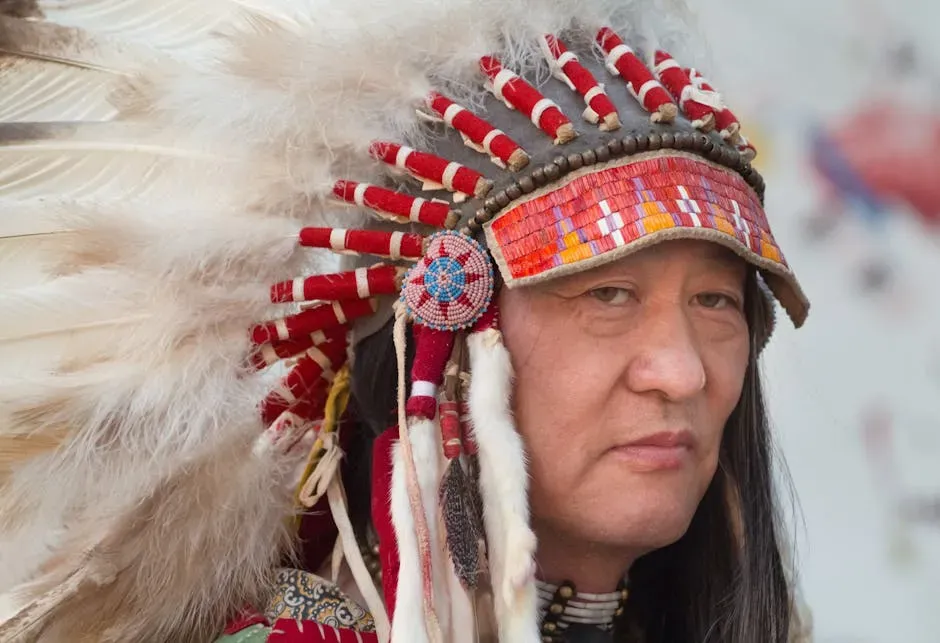
On June 30, 1980, the United States Supreme Court ruled in an 8 to 1 majority to uphold the initial ruling awarding the Sioux Nation $106 million, the largest sum ever given to an Indian tribe for illegally seized territory. The United States government had illegally seized the Black Hills from the Sioux Nation in 1876. The land was pledged to the Sioux Nation in the Treaty of Fort Laramie, but years later the United States illegally seized the land without the tribe’s consent.
The Sioux Nation refused the monetary award, stating that their goal was the return of the land. As of 2018, the award had grown to more than $1 billion, but the Sioux have refused the payment, demanding instead the return of the Black Hills. The Sioux, some of the poorest people in the country, continue to refuse the settlement money. No amount offered has been enough. Their position has been consistent for decades: the Black Hills are not for sale.
The Sioux Nation Continues to Assert Its Sovereignty Today
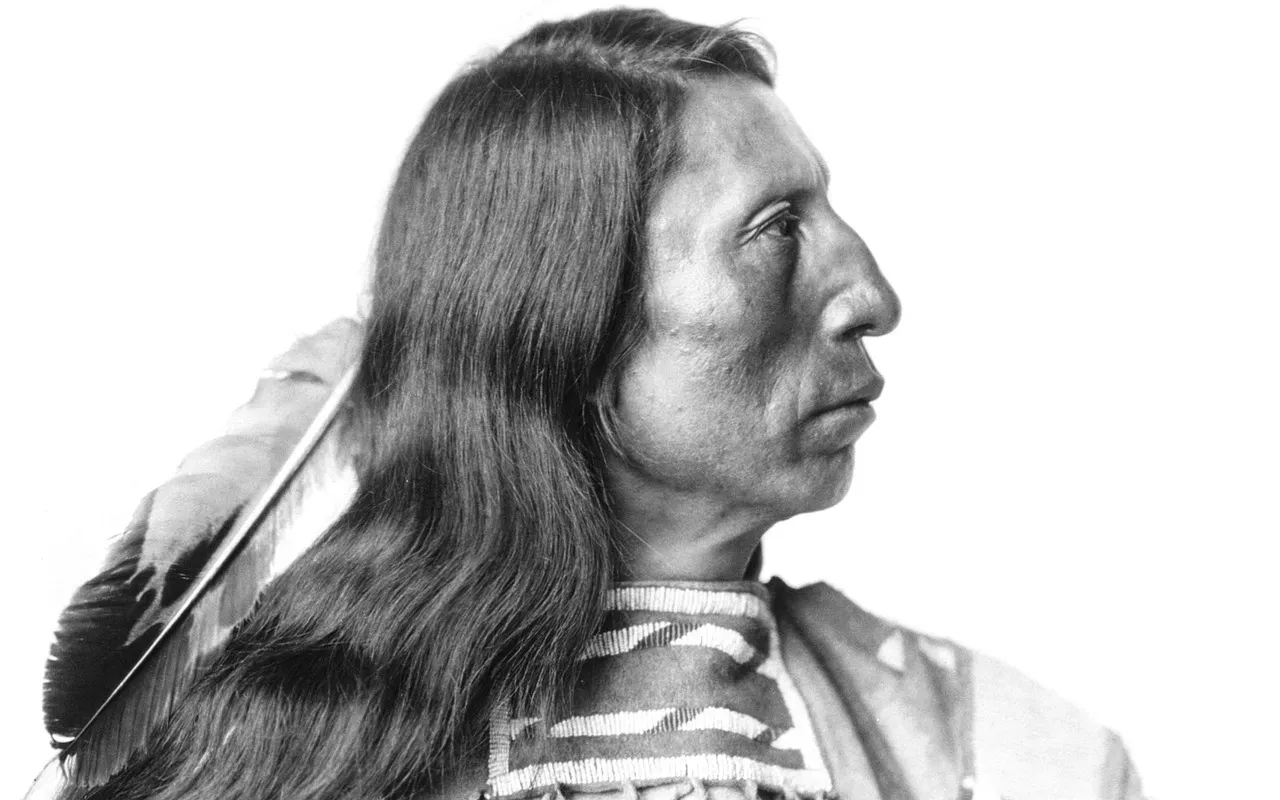
Modern Sioux communities continue to emphasize the importance of language preservation, education, and cultural expression, with notable participation in protests against environmental threats to their lands, such as the opposition to the Dakota Access Pipeline. Today, the Sioux population is approximately 126,571 in the United States, with many living on reservations and in urban areas while striving to protect their traditions and advocate for their community’s well-being.
The lands of the Sioux have been a focal point for some of the most dramatic events of Native American activism in modern times, including the 1973 siege of Wounded Knee. Alongside political action, the Sioux have experienced great interest in and revitalization of their traditional practices, with Sioux writers, poets, and political leaders among the most influential figures in the North American Native American community today. Today, efforts to reintroduce buffalo herds are not just about ecological restoration but about cultural healing and revitalization. The Sioux do not look only backward. They are actively building what comes next.
Conclusion
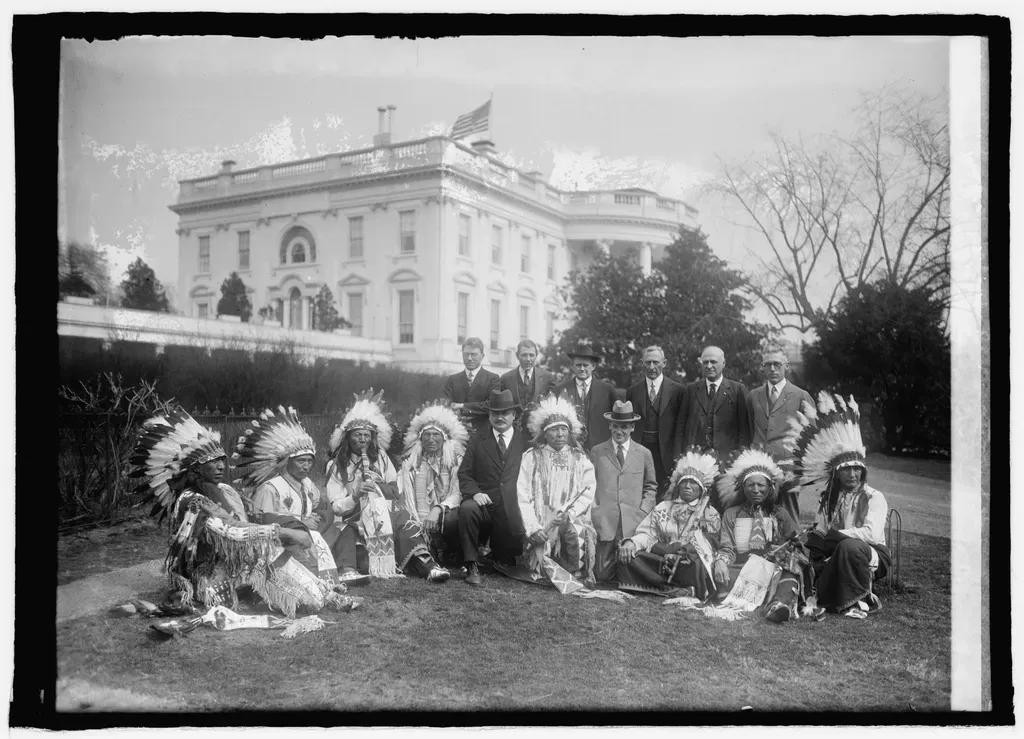
The Sioux story resists easy summaries. It spans thousands of years, sweeps across an entire continent, and contains within it episodes of extraordinary courage, devastating loss, and quiet, persistent survival. What stands out, across all of it, is that this is a people who have never simply accepted the terms that others tried to impose on them.
They turned down a billion-dollar settlement because the land matters more than the money. They kept their ceremonies alive through decades when practicing them was illegal. They continue, in 2026, to raise their language, defend their water, and assert rights that no treaty has fully honored. The Sioux did not merely stand their ground in the past. They are still standing it.

- 6 Incredible Animals That Can Change Their Appearance at Will - July 19, 2026
- The Ancient Secrets of Yellowstone’s Grizzly Bears Are Finally Being Revealed - July 19, 2026
- 10 Unique Animal Sounds You’ve Never Heard Before - July 19, 2026