
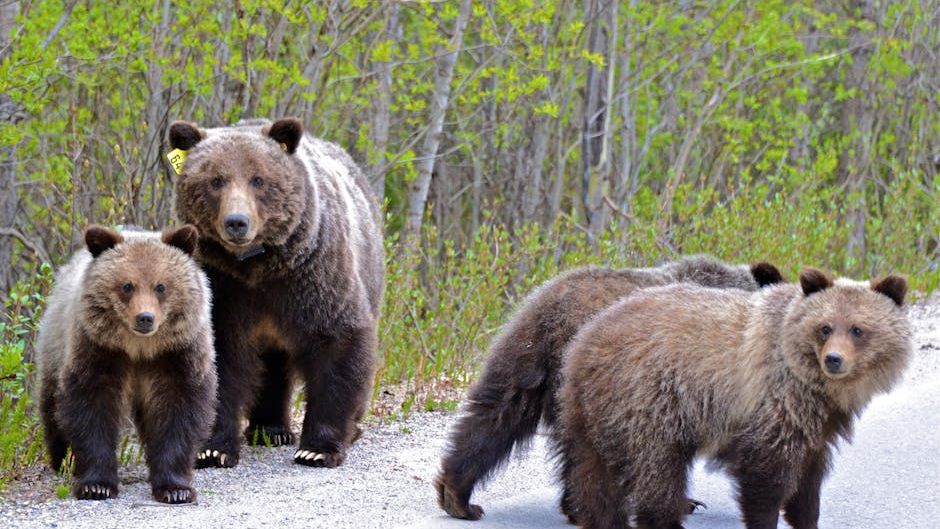
Few animals carry as much symbolic weight as the grizzly bear. In Yellowstone, they roam a landscape that has barely changed in millions of years, navigating geothermal valleys, dense forests, and high alpine slopes with a kind of unhurried authority. For most of human history, what they actually did out there, how they survived, moved, fed, and reproduced, was largely unknown.
That’s changing. Decades of careful scientific observation, improved tracking technology, and long-running population studies are pulling back the curtain on one of North America’s most studied yet still genuinely mysterious animals. What researchers are finding is both reassuring and complicated.
A Population That Came Back From the Edge
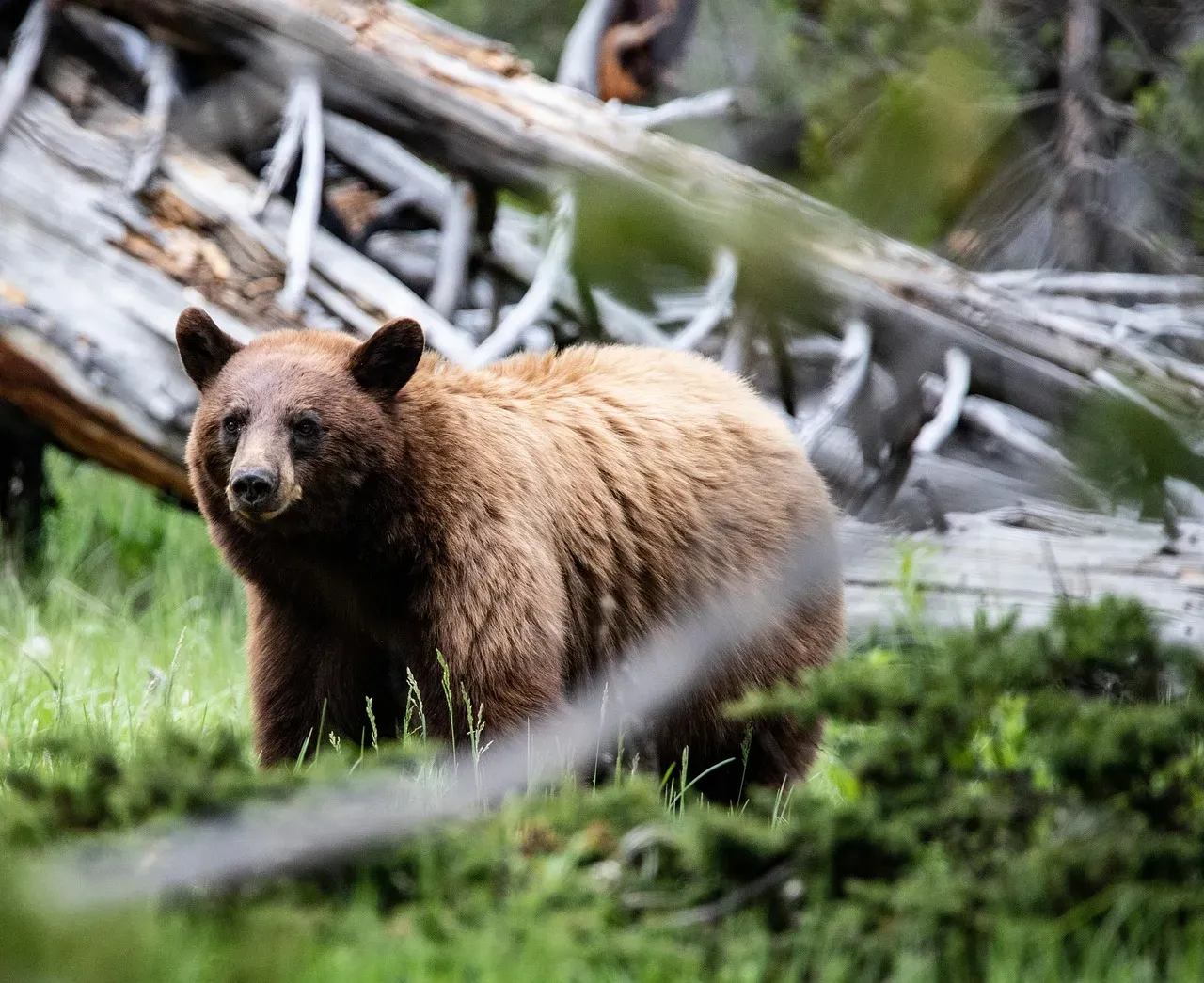
The story of Yellowstone’s grizzlies is, above all, a conservation story worth telling plainly. Grizzly bears once numbered an estimated 50,000 animals in the Lower 48 and were first listed as protected under the Endangered Species Act in 1975. By the time serious recovery efforts began, the situation had become genuinely dire.
The regional population has steadily grown to about 1,000 bears since it bottomed out during the 1980s, when there were as few as 136 of the bruins remaining. That turnaround is remarkable by any measure. It represents one of the more successful large predator recoveries in American history.
Long-term data show that abundance increased nearly fourfold over four decades, with researchers coupling demographic data and population counts to track annual changes across the entire period from 1983 to 2023. Still, the picture is not uniformly optimistic. A slowing of population growth started around 2000 and continued into the 2010s, due primarily to reductions in survival of bears under two years of age. Scientists believe density-dependent effects are likely the main driver of that slowdown, meaning the ecosystem may simply be reaching its natural carrying capacity in certain zones.
What Grizzlies Actually Eat, and How They Adapt
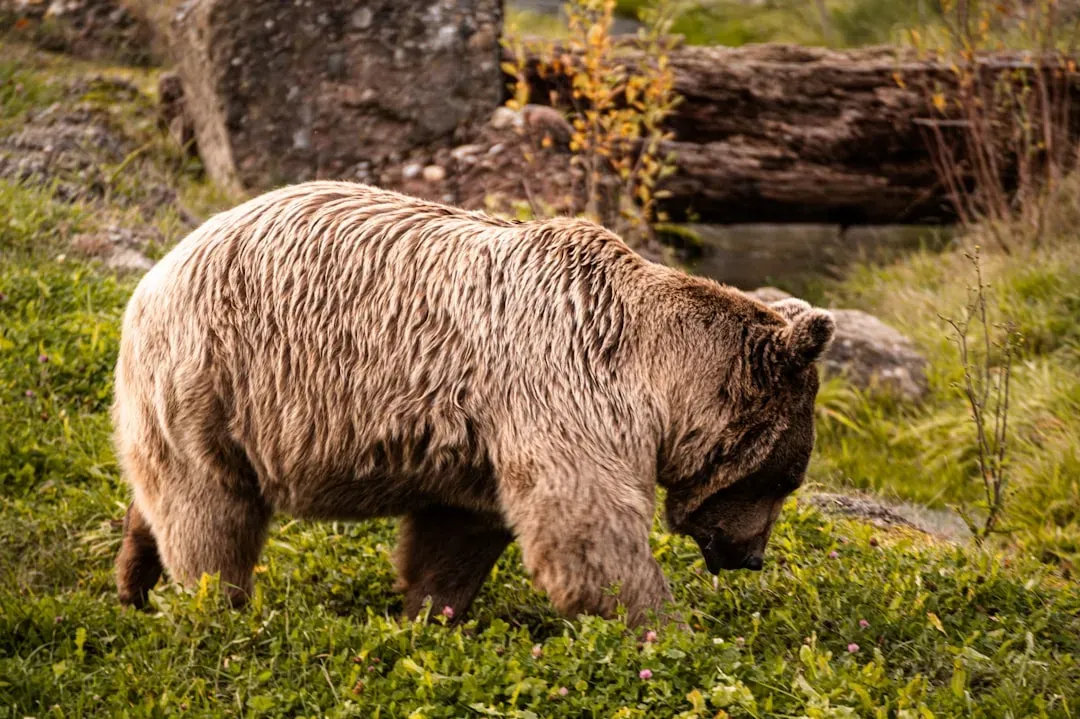
One of the more surprising revelations from decades of research is just how flexible a grizzly bear’s diet really is. Research by several state and federal wildlife biologists found that grizzlies across the Yellowstone area eat a total of 266 different species of plants and animals, displaying an amazingly adaptable diet that ranges from moths to algae. That range is extraordinary for an animal most people associate mainly with fish and berries.
In recent decades, several high-calorie foods for grizzly bears in the Greater Yellowstone Ecosystem have declined, most notably the cutthroat trout and seeds of the now federally threatened whitebark pine, as well as some elk herds in and near Yellowstone National Park. These weren’t minor losses. They reshaped how bears hunt and forage across the entire landscape.
Recent studies of bear diets and elk populations indicate that the decline in cutthroat trout has contributed to increased predation by grizzly bears on the calves of migratory elk, with demographic modeling suggesting the magnitude of the diet shift has been sufficient to reduce elk calf recruitment and overall population growth. In short, the loss of one food source rippled across the entire ecosystem in ways that took years to fully understand.
Grizzly bears are also opportunistic in their use of foods. Big, long-lived omnivores with large home ranges, they can rapidly shift to more readily available food resources to compensate for dwindling ones, and this flexible feeding strategy helps them respond to changing environmental conditions more easily than animals that depend on a specific food source. That adaptability may prove to be their greatest long-term asset.
The Hidden Science of Denning and Torpor
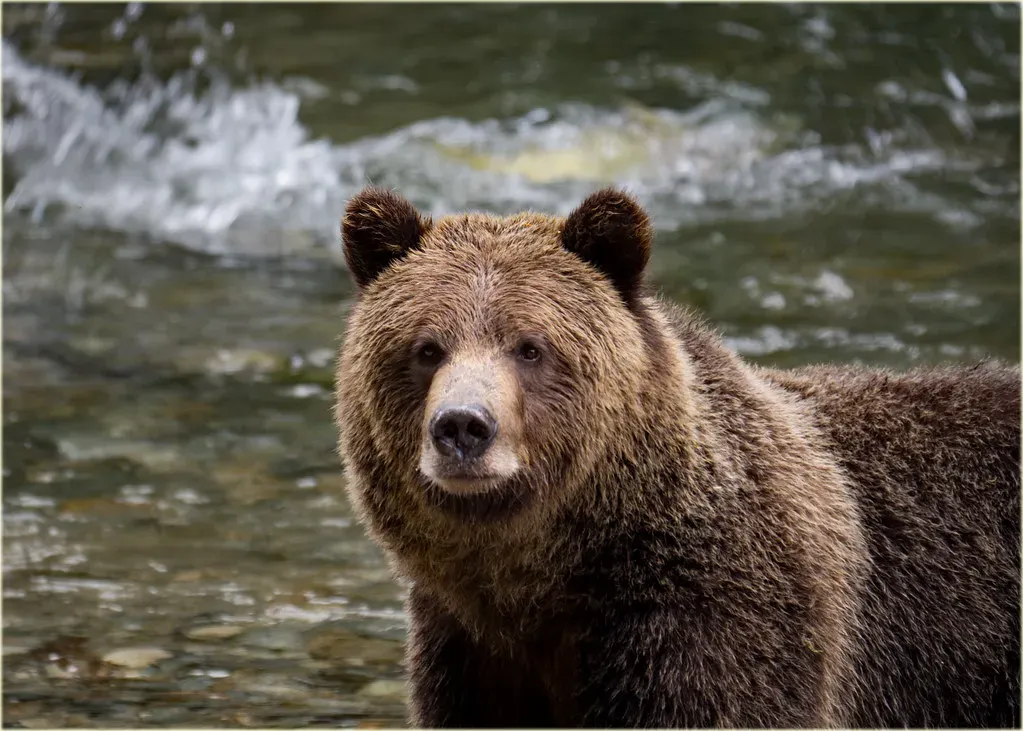
Perhaps the least visible chapter of a grizzly’s year is the one spent underground. In Yellowstone, most black and grizzly bears hibernate four to five months during winter. During that time, the bear’s heart rate drops from a summer rate of 40 to 50 beats per minute to as low as 8 to 12 beats per minute, with respirations coming at a rate of one breath every 45 seconds. The body essentially downshifts into a long, slow idle.
Unlike deep hibernators that must arouse periodically to urinate and defecate, bears avoid eliminating metabolic wastes by recycling them. Urea, a toxic waste found in urine, is broken down and the resulting nitrogen is used to build protein, which then maintains organs and muscles. In other words, bears may actually gain lean muscle mass while hibernating. This is genuinely unusual biology, and researchers believe studying it could eventually have implications for human medicine.
In Yellowstone National Park, dens have been found almost exclusively on north-facing slopes, where less exposure to the sun allows snow to accumulate and help insulate dens from temperatures as low as negative 60 degrees Fahrenheit. Pregnant females tend to den higher than other bears, because they need to spend more time in the den, and come spring the melting snow will destroy dens at lower elevations first. Every detail of den placement, it turns out, is deliberate.
Activity Patterns, Human Pressure, and Behavioral Change
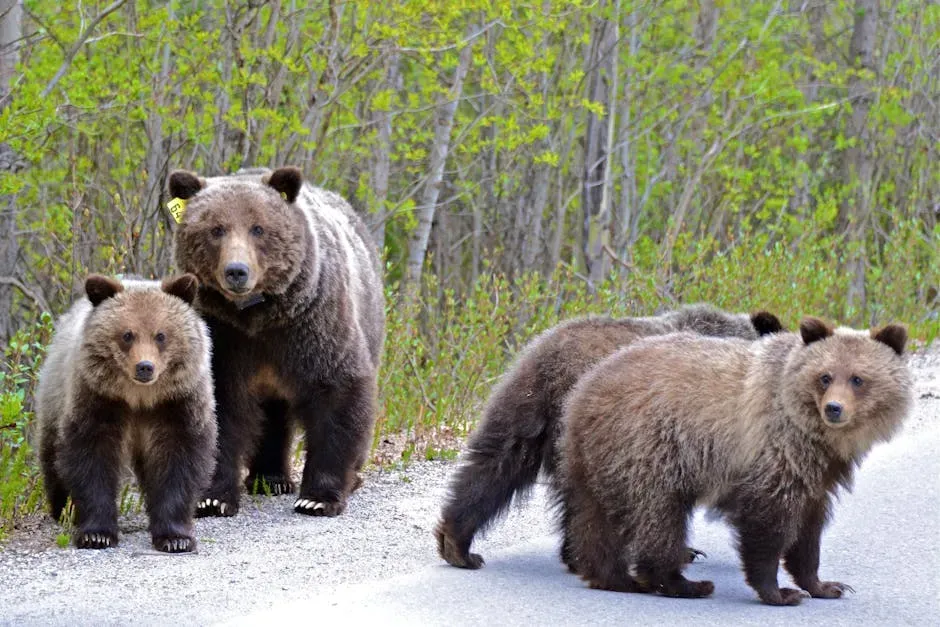
Research published in late 2025 offered a genuinely new window into how grizzlies organize their days. Scientists investigated the daily activity of grizzly bears as a function of anthropogenic landscape modification, maximum daily ambient temperature, drought severity, and bear density, using accelerometry readings of 169 bears tracked from 2009 to 2022. The results were telling.
Landscape modification and maximum ambient temperature were the factors most strongly associated with activity patterns of grizzly bears, with greater nocturnality observed in lone females and males as these factors increased. In plain terms, bears in more developed or warmer areas are shifting their activity toward nighttime to avoid humans and heat. Females with young cubs or yearlings were an exception, showing more pronounced daytime activity patterns, possibly as a strategy to avoid infanticide by dominant males.
The Greater Yellowstone Ecosystem is changing due to increasing land development, human recreation pressures, and the effects of climate change, and given their greater daytime activity compared with other groups, female grizzly bears with dependent offspring may be more constrained in their ability to modify their activity patterns. That constraint matters. Mothers raising cubs may have fewer behavioral options when the landscape becomes more crowded or temperatures rise.
The Genetic Puzzle and What Comes Next
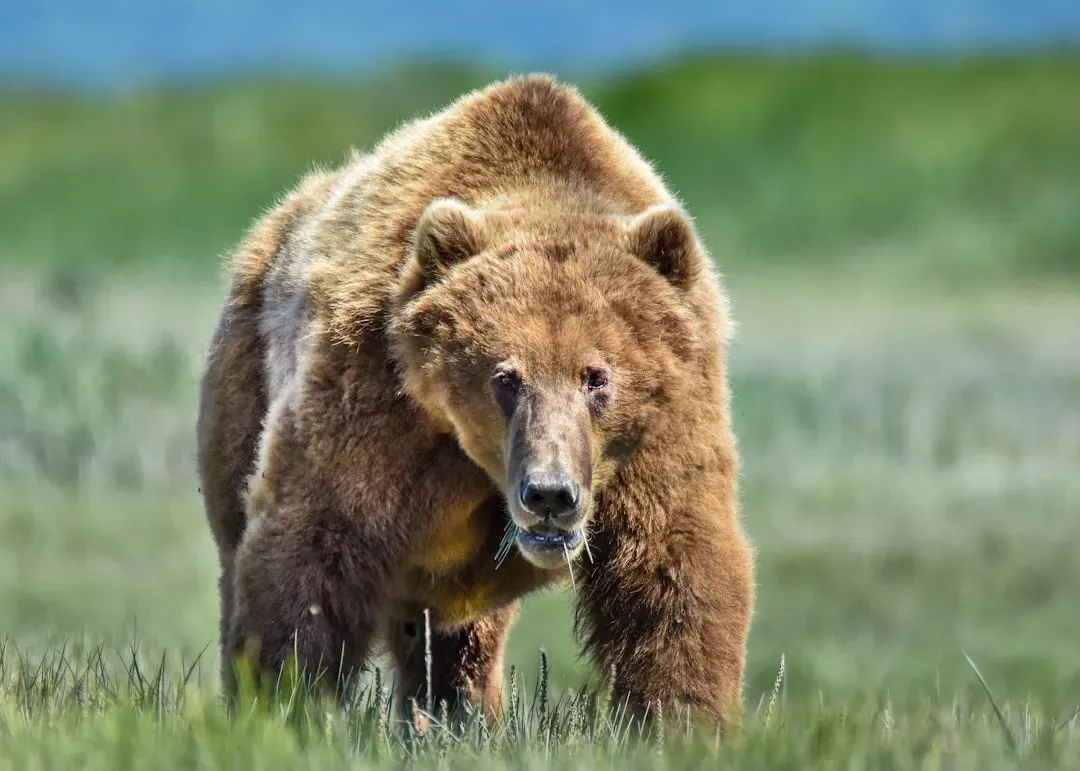
One of the most significant recent developments in Yellowstone grizzly science involves genetics. The Lower 48’s two most successful grizzly recovery areas, the Greater Yellowstone and Northern Continental Divide ecosystems, are separated by only about 35 miles, yet there has not been any natural genetic interchange between them for at least 100 years. That isolation raised serious concerns among scientists and courts alike about the long-term genetic health of the Yellowstone population.
A female bear known as Grizzly 1126F was moved by truck from Montana’s Bob Marshall Wilderness into Wyoming’s Yellowstone National Park in 2024 to stir up what was becoming a stagnant DNA pool. In early 2026, wildlife managers got the result they had hoped for. The cub sighting was of special significance because 1126F is one of the two young grizzlies that Montana transported into Wyoming in 2024 as part of a plan to address a judge’s concerns about genetic diversity, and the youngsters at her side were the first piece of solid evidence that the interagency plan was achieving its objective of infusing new grizzly bloodlines into the geographically and genetically isolated Greater Yellowstone Ecosystem.
The Greater Yellowstone Ecosystem’s grizzly population continues to stagnate geographically, a relatively new trend that wildlife managers say is related to bears saturating suitable habitat where the species is tolerated. The Trump administration has signaled 2026 is the year grizzlies should be delisted from Endangered Species Act protection, though significant legal, biological, and regulatory questions remain open. The path forward is genuinely uncertain.
Conclusion
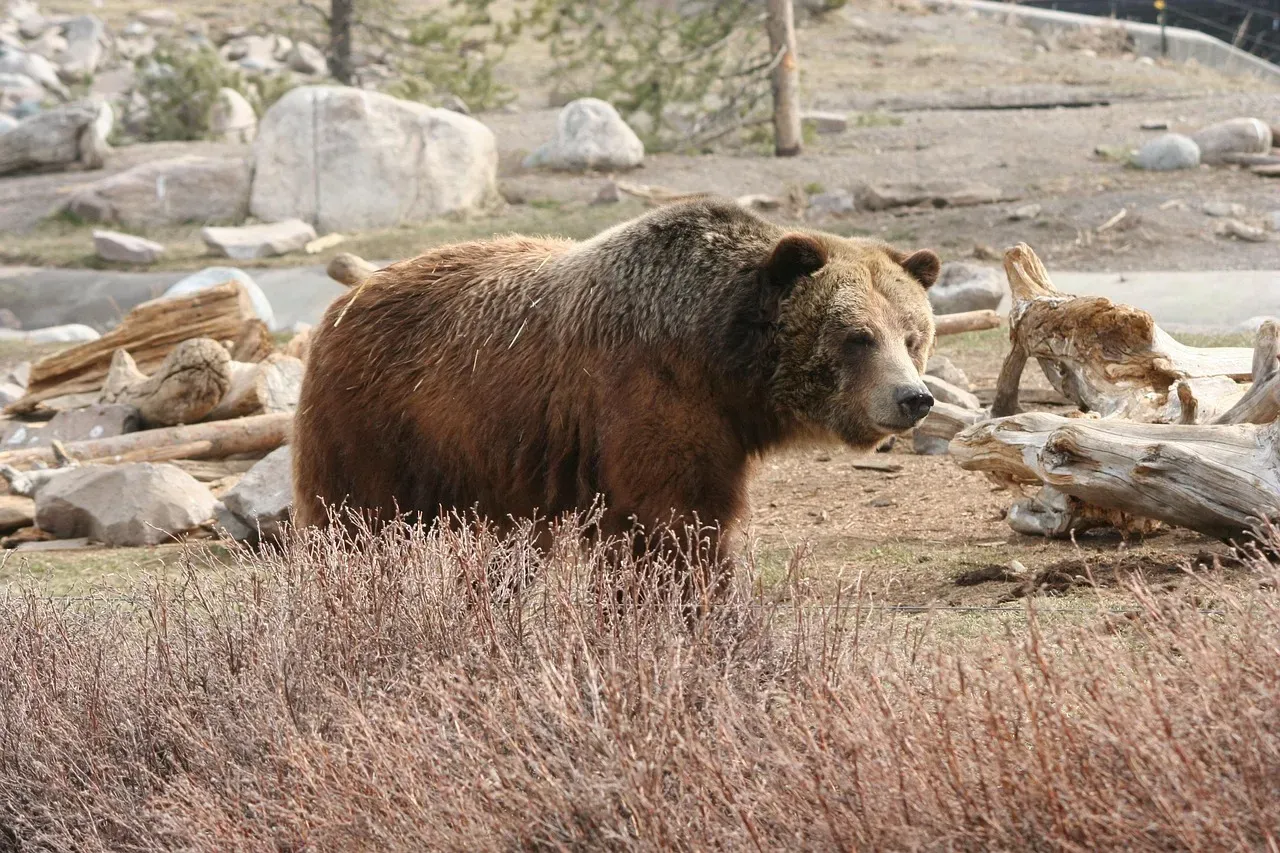
What the science of the past several decades has made clear is that Yellowstone’s grizzly bears are neither the simple predators of popular imagination nor entirely knowable creatures even with modern tools. They are behaviorally sophisticated, metabolically extraordinary, and ecologically central to a landscape that is itself under real pressure from climate change and human activity.
The population’s recovery from fewer than 150 individuals to around 1,000 is a genuine achievement. The challenges of genetic isolation, shifting food supplies, and increasing human-bear overlap are real, not theoretical. Scientists monitoring these animals through collars, accelerometers, hair samples, and telemetry flights are building a picture that grows more detailed every season.
What remains true is that the grizzly’s survival in the Greater Yellowstone Ecosystem has always depended less on the bears themselves, who are remarkably resilient, and more on the decisions made by the people living alongside them. That part of the equation hasn’t changed at all.

- 6 Exotic Bird Species You Can Spot in U.S. National Parks - July 19, 2026
- 11 Iconic American Birds Facing New Challenges and How You Can Help - July 19, 2026
- 10 Friendliest Animals in the World - July 19, 2026