

Forget the movie version. There is rarely one swelling-music moment when a rescue dog decides you’re its person. It happens in smaller, stranger ways: a nap in a doorway, a glance over the shoulder, a sigh nobody asked for. If you’ve been wondering whether your dog has picked you, these are the habits trainers and researchers actually point to.
The catch is that the most telling signs rarely look like love. Some look like surveillance. One looks a lot like being ignored. And one of the most reassuring behaviors on this list is the one many owners mistake for a setback. Keep reading, because the quietest sign is saved for last.
#11 – It Starts Shadowing You Room to Room
🔥 Would you like to save this?
We'll email this post to you, so you can come back to it later!
The first routine isn’t affection. It’s surveillance.
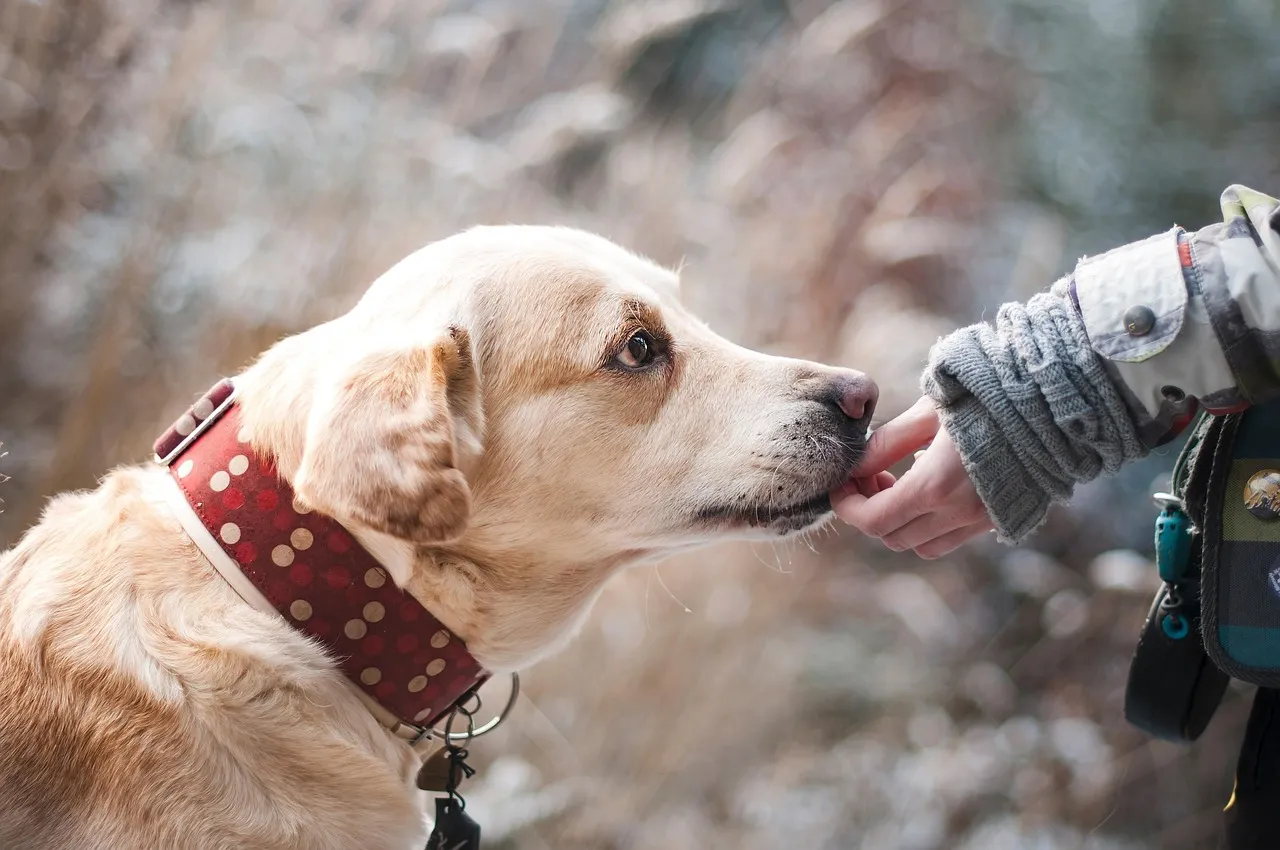
Your dog used to sleep in the farthest corner. Now it trails you to the kitchen, the hallway and the laundry room, then parks itself to watch you fold socks. Adoption counselors often call this the “velcro” stage. The dog is choosing proximity because you’ve become the safe thing instead of the unknown thing.
Most people don’t realize this is healthy. It can feel intense, but it’s one of the healthier attachment signs a rescue can show, and it isn’t automatically separation anxiety.
There’s a catch. Early guidance tells adopters not to hover or follow a new dog from room to room. Crowding a dog that’s still decompressing can feel like pressure, even when you mean comfort. Let the dog do the following.
- Trails you at a distance, then settles nearby
- Relocates when you change rooms
- Pauses in doorways to see where you went
But the next routine happens at the front door, and most owners get it wrong…
#10 – It Learns the Sound of You Coming Home
🔥 Would you like to save this?
We'll email this post to you, so you can come back to it later!
The doorway is where a rescue dog shows its hand.
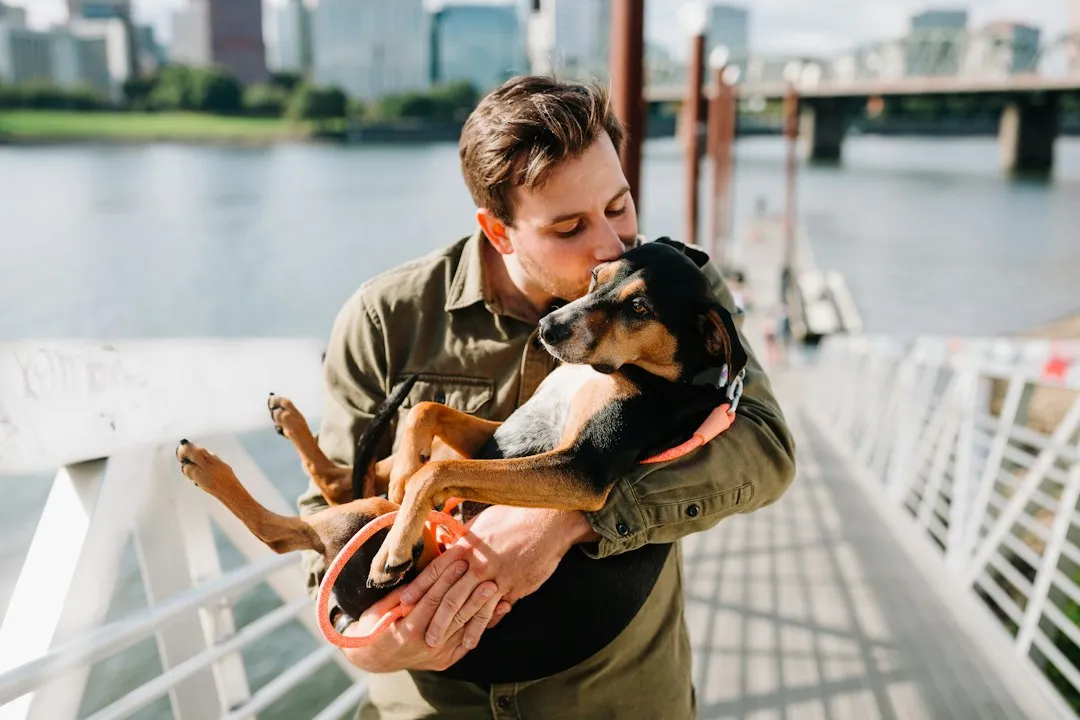
At first, a new dog may react to every key jingle with alarm. Over time, the reaction changes. The dog stops bracing and starts anticipating, and the same sounds that once meant “something is coming” start meaning “my person is back.”
Look at the posture, not just the wiggle. A loose body and a soft face tell you more than a frantic greeting. A dog who is wound tight at the door may still be anxious rather than attached.
Quick Compare
- Settled hello: loose body, soft face, a short greeting, then back to its spot
- Still-anxious hello: stiff or frantic, hard to interrupt, or hiding when the door opens
- Your part: keep your own return low-key either way
This is where the “elaborate hello” mistake bites. Rescue guidance recommends avoiding big hellos and goodbyes, because dramatic exits and entrances can turn every comeback into an event. A low-key return teaches the dog that your leaving is boring, and boring is what a nervous dog needs.
- Greets you, then returns to its spot calmly
- Recognizes your car, steps or keys
- Doesn’t hide when the door opens
And the walk reveals something even sneakier…
#9 – It Checks In With You on Every Walk
🔥 Would you like to save this?
We'll email this post to you, so you can come back to it later!
The leash isn’t what’s keeping your dog close.
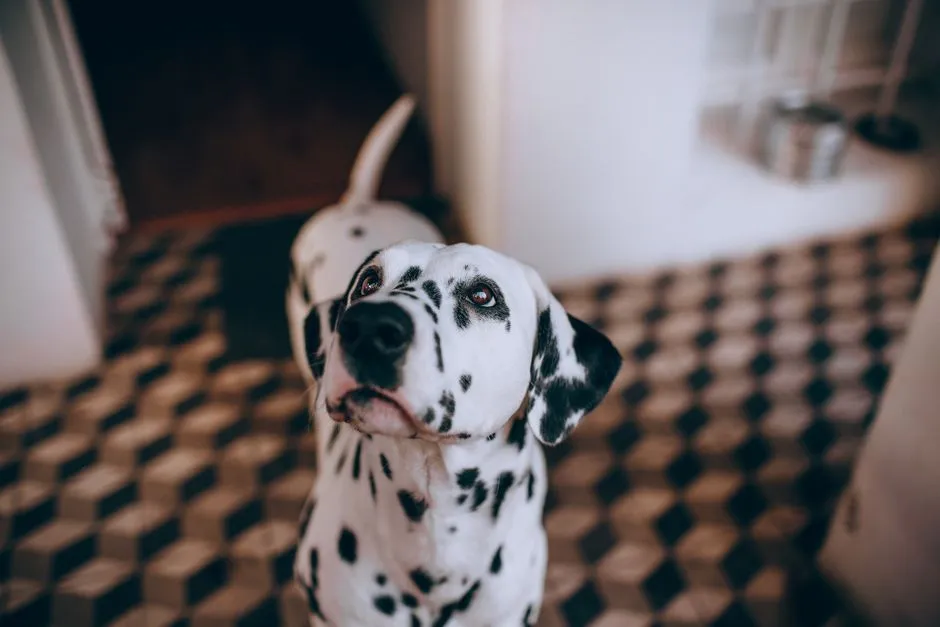
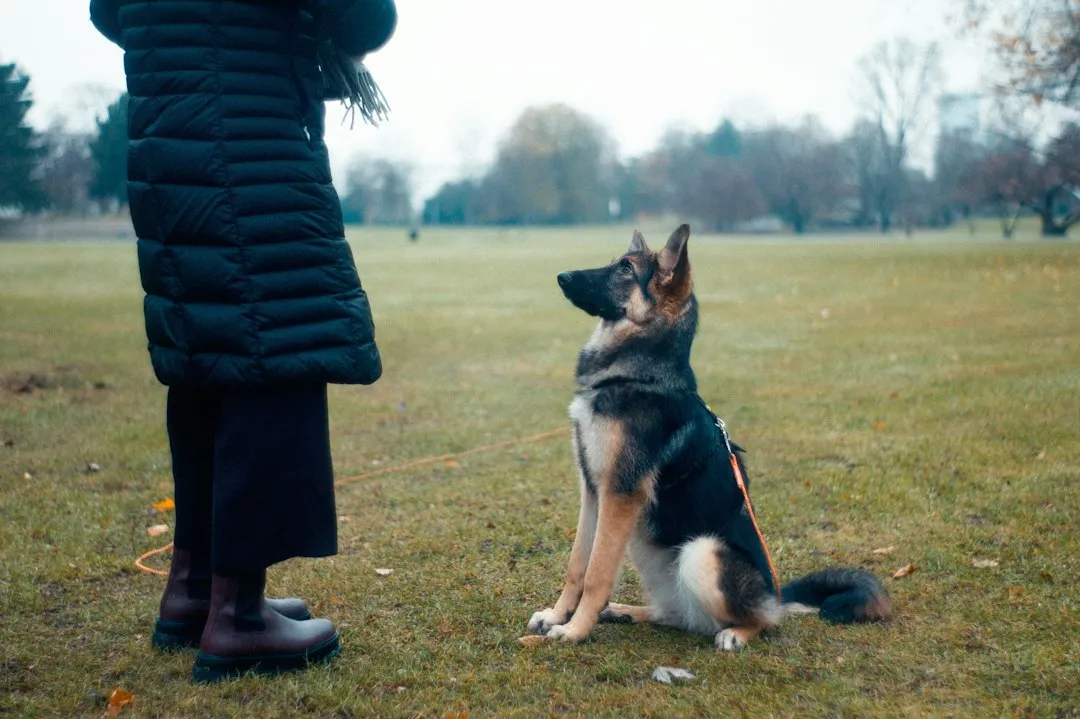
A trusting dog glances back. It looks at you, returns, then explores again. Looking back or returning to you before heading off to sniff again is a recognized sign of growing trust.
It’s a tiny version of how toddlers use parents. They wander, glance back, and wander farther. In dogs, this pattern is part of what researchers call the secure-base effect. Your presence makes the world feel explorable.
Here’s the controversial part. Many people judge a rescue’s bond by how well it heels. Plenty of experts would argue that’s the wrong test. A dog who pulls but looks back at you regularly may be more attached than a robotic heeler who never checks in.
- Brief eye contact mid-sniff
- Changes direction when you do
- Looks to you after a startling noise
But the real surprise is what your dog does when it’s time to sleep…
#8 – It Chooses a Sleeping Spot Near You
🔥 Would you like to save this?
We'll email this post to you, so you can come back to it later!
Where a rescue dog sleeps is a vote.
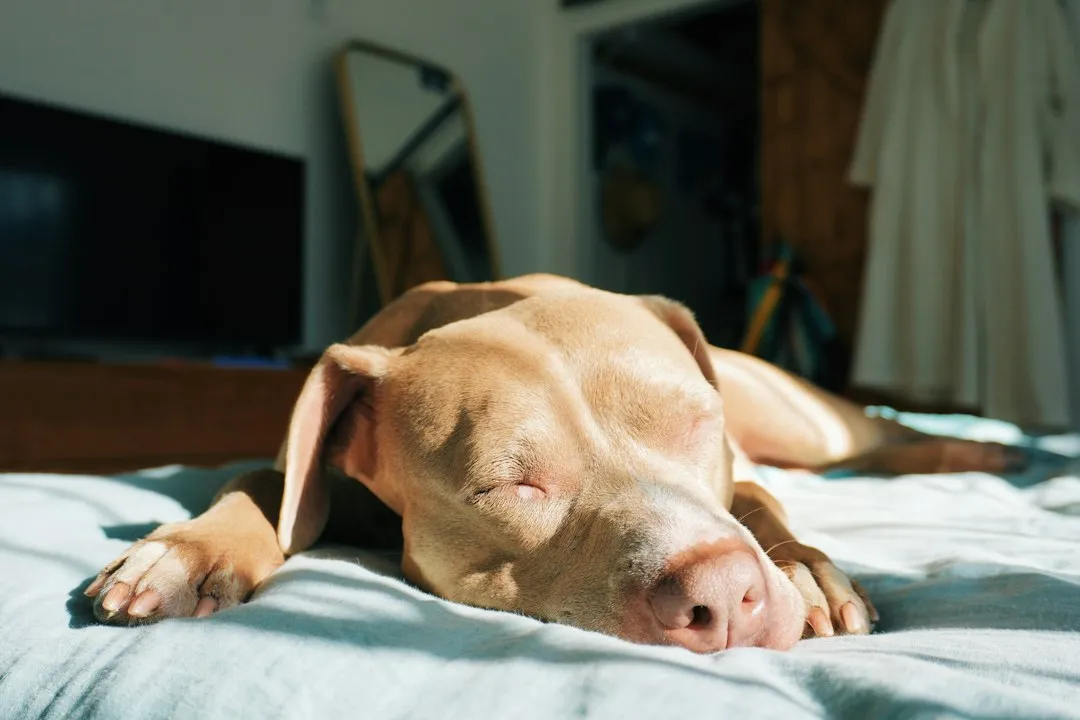
A new dog may pick the spot with the best view of the exits. A settling dog picks the spot with the best view of you. Lying near you without being asked shows your dog feels safe enough to rest in your presence.
Notice the difference between lying near you and lying on guard. A relaxed dog stretches out, shows its belly or rests its chin down. A watchful dog sleeps in short bursts with its head up.
Here’s the opinion that splits dog people. Some trainers say letting a new rescue into your bedroom from night one is a mistake. Others say it speeds up trust. The evidence is thin either way, so go by your dog’s stress level, not a rule.
- Beds down within a few feet of you
- Sighs and settles instead of staying alert
- Moves closer over days, not hours
And mealtime exposes the same thing, in a way you can almost measure…
#7 – It Changes How It Eats Around You
🔥 Would you like to save this?
We'll email this post to you, so you can come back to it later!
Food tells you what the dog can’t.
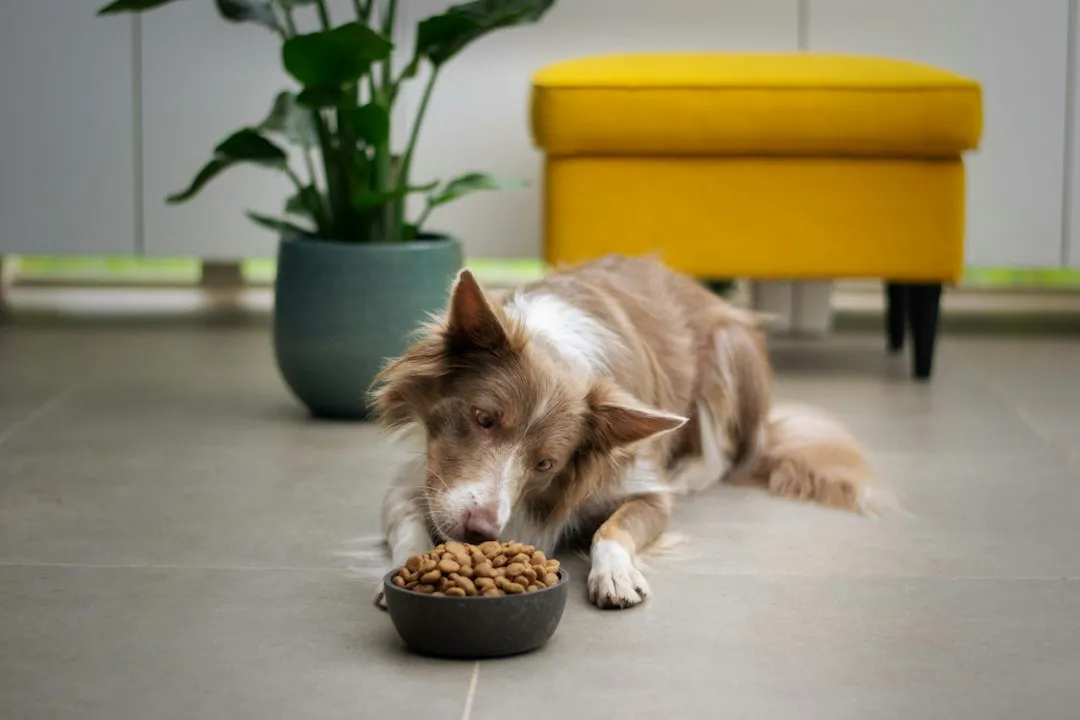
Early on, many rescues skip meals or eat fast while watching you. By the settling stage, improved appetite and more engagement are typical. The shift from gulping to calm eating matters more than it looks.
Treat-taking is another giveaway. Taking treats gently is a sign the dog is becoming more comfortable. Snatching and bolting usually means it is still on edge.
Don’t turn this into a test. If a dog growls when you approach its food, don’t punish the growl. A growl is information, and punishing it only teaches the dog to hide its warning.
- Eats at a steady pace
- Accepts treats from an open hand
- Stays relaxed while you’re in the room
But the next routine is the one scientists have actually tested…
#6 – It Starts Holding Your Gaze
🔥 Would you like to save this?
We'll email this post to you, so you can come back to it later!
Soft eye contact is secretly one of the loudest signals on this list.
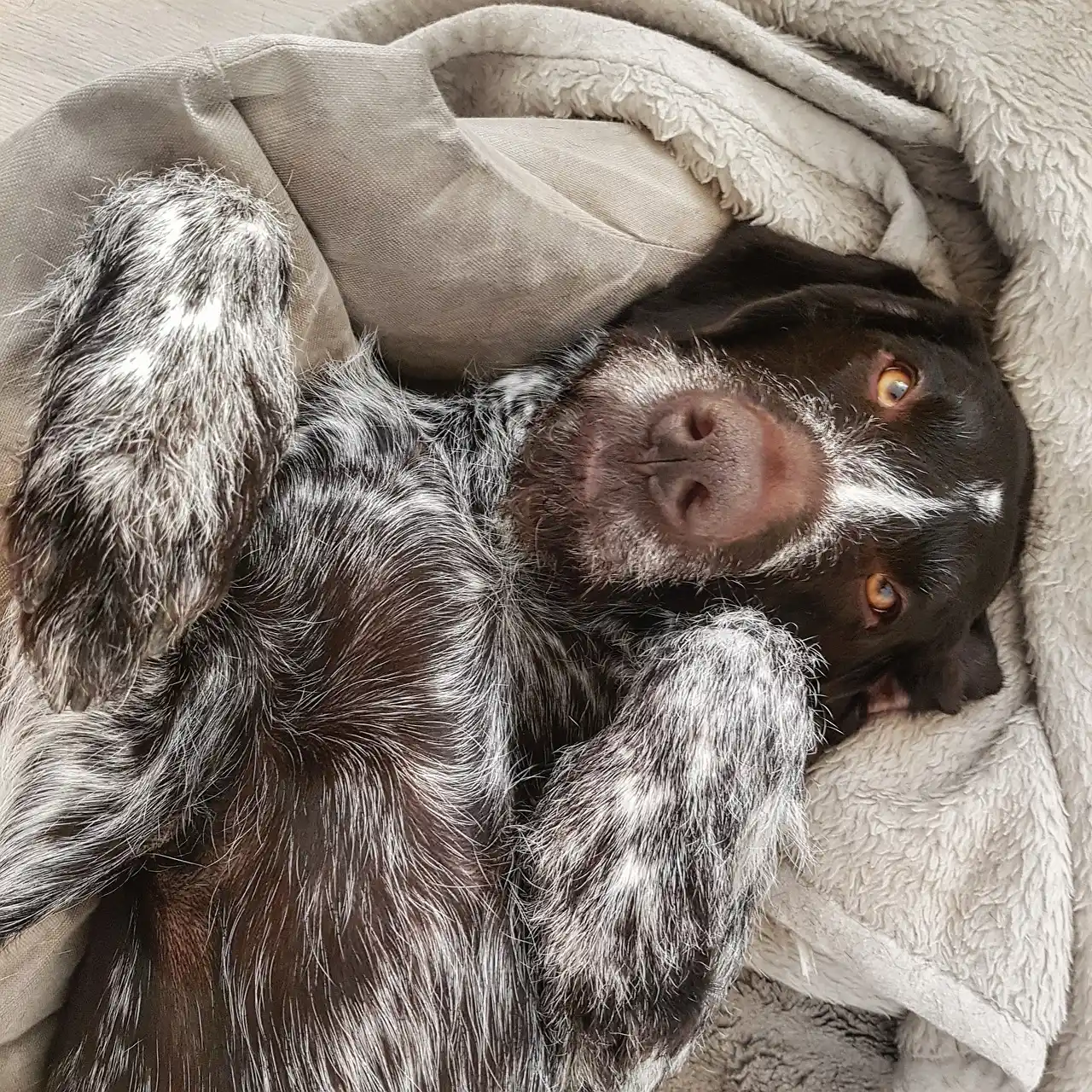
Look for soft eyes, not a hard stare. Soft eyes rather than a fixed stare or frequent “whale eye” point to comfort over stress. Whale eye, where the whites show in a tense face, sends the opposite message.
Researchers have studied this. In a widely cited 2015 Science paper, mutual gazing increased oxytocin levels in both dogs and owners, and sniffing oxytocin increased gazing in dogs. The study also found that hand-raised wolves didn’t gaze at their human caretakers in the same way.
The truth is more nuanced than the headlines. Critics note that gazing can also be driven by threat or by reassurance seeking. Context matters, so read the whole face, not just the eyes.
- Relaxed brow and blinking eyes
- Looks at you, then looks away calmly
- Gazes when seeking contact, not demanding food
But the schedule your dog is quietly building may surprise you…
#5 – It Learns Your Schedule and Starts Predicting It
🔥 Would you like to save this?
We'll email this post to you, so you can come back to it later!
A dog that knows your day is a dog that trusts it.
Rescue guidance describes a stage where the dog begins to understand routines and expectations. You’ll see it before you hear it. The dog is at the door before the leash comes out. It’s waiting by the bowl at its usual time.
Most people don’t realize that predictability is the thing a rescue dog has been missing. Your dog doesn’t yet know that you are safe, steady, and won’t vanish like the last person. Every repeated routine is a small piece of evidence against that fear.
Be honest about the timeline. The popular 3-3-3 rule is a rule of thumb, not a rigid schedule. Some dogs predict your day in days. Others take months. Don’t treat the calendar as a scorecard.
Fast Facts
- First 3 days: the decompression window, when many dogs are shy or subdued
- First 3 weeks: the dog starts learning your routine and expectations
- First 3 months: the point where many dogs begin to feel truly at home
- Reality check: it’s a rough map, and plenty of dogs run faster or slower
Here is what prediction looks like in your living room.
- Waits near the door at walk time
- Settles when you start your usual evening routine
- Eats and rests at consistent times
And the next routine is the one many owners mistake for a setback…
#4 – It Starts Testing Boundaries and Playing
🔥 Would you like to save this?
We'll email this post to you, so you can come back to it later!
A rescue that misbehaves is often a rescue that feels safe.
Many rescues start out almost eerily polite. Around the settling stage, that “perfect” dog may start pulling, chewing or hopping onto the furniture. Adjustment guidance puts it plainly: a dog who feels safe enough to misbehave is starting to trust the environment.
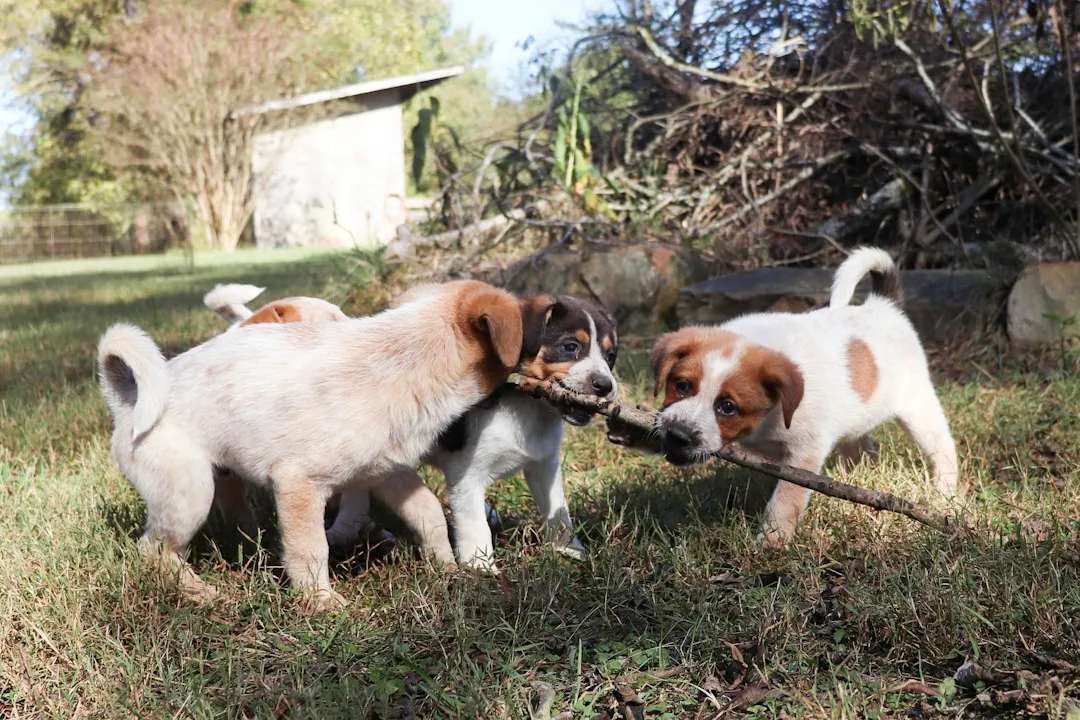
Play is the other half of this shift. Trainers list play among the markers of true settling, such as bringing toys and starting games. A dog under stress rarely invites play.
Here’s the hot take. Many owners panic and crack down hard at this stage, and that’s the mistake. Consistency works better than punishment, and experts advise keeping household rules the same, with every family member enforcing them.
- Brings a toy and drops it near you
- Uses play bows or bouncy invitations
- Tries a rule, then checks your reaction
But there’s a routine that separates you from every other human in the house…
#3 – It Treats You Differently From Strangers
🔥 Would you like to save this?
We'll email this post to you, so you can come back to it later!
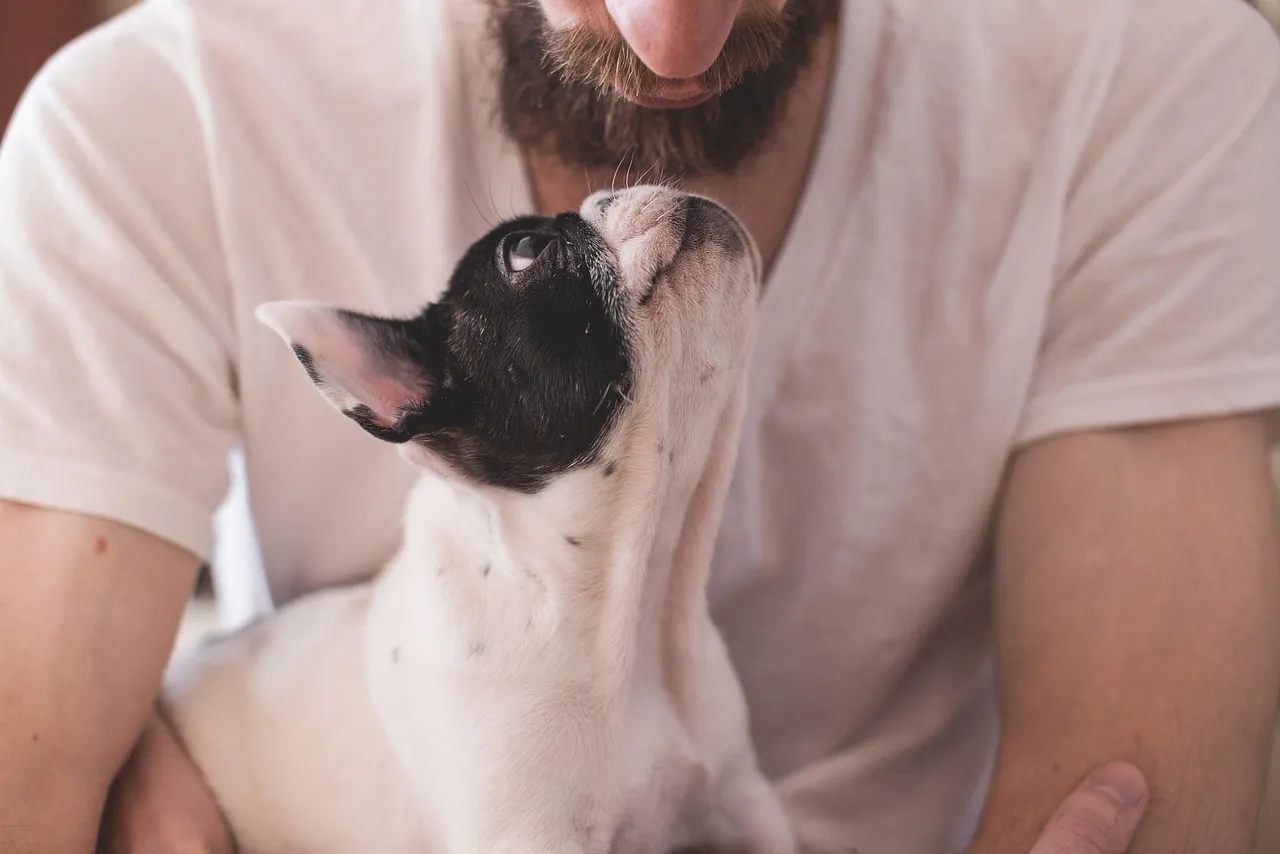
The clearest proof is who the dog doesn’t pick.
Researchers use the idea of a “secure base.” It means the dog explores more and copes better when its person is present. One study found that strangers do not provide that secure-base effect, and former shelter dogs showed stronger owner-stranger differentiation than other family dogs.
That’s the opposite of what many adopters fear. A rescue who is warm with you and cautious with guests isn’t necessarily “broken.” It may simply be showing a preference.
Now the caveat. Earlier shelter research looked at dogs still living in kennels and found significantly lower rates of secure attachment to their caretakers than in pet dogs living in homes. A home changes the picture. The finding is about environment, not about the dog’s worth.
Worth Knowing
- Ask guests to ignore the dog at first and let it approach on its own terms
- Have visitors toss treats gently instead of reaching over the dog’s head
- Keep a retreat spot, like a bed or crate, that guests never enter
- Short, calm visits beat long, loud ones
- Greets you with a loose body, guests with caution
- Seeks you out after a surprise
- Relaxes faster when you’re near
But what happens when something scary appears is even more revealing…
#2 – It Runs to You, Then Goes Back to Exploring
🔥 Would you like to save this?
We'll email this post to you, so you can come back to it later!
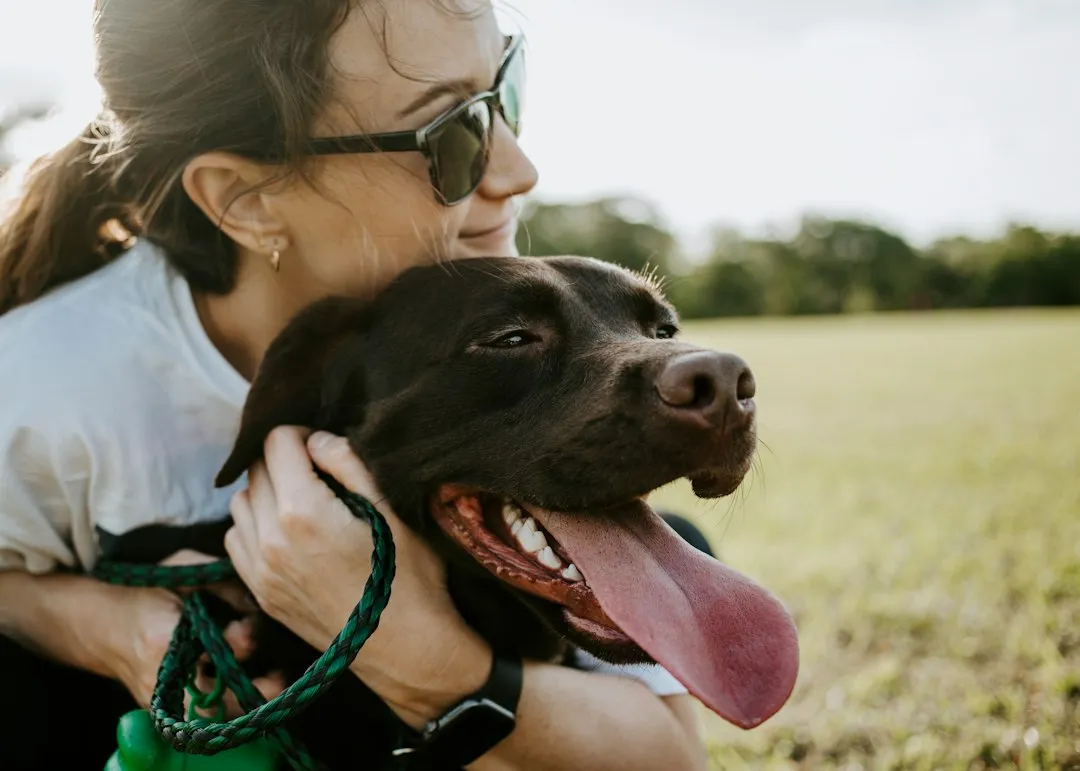
The best-bonded rescues use you as a launch pad.
Secure attachment has a specific signature. The dog seeks comfort from a caregiver under stress, then returns to play or exploration. That’s the secure-base effect in action, and it’s the part people miss when they expect a clingy dog.
In one experiment, dogs spent more time working at a treat-filled toy when their guardian was present than when they were absent. Confidence grows when the person is nearby.
The takeaway is practical. Secure doesn’t mean glued to you. A secure dog is often freer to wander off, investigate, and work through mild uncertainty because the relationship works as a base. Independence can be a sign of strong trust, not weak bonding.
- Startles, glances at you, then recovers
- Explores new rooms after checking you’re there
- Takes more risks in training when you’re calm and close
But the final routine is so quiet that most owners never notice it…
#1 – It Stops Watching You
🔥 Would you like to save this?
We'll email this post to you, so you can come back to it later!
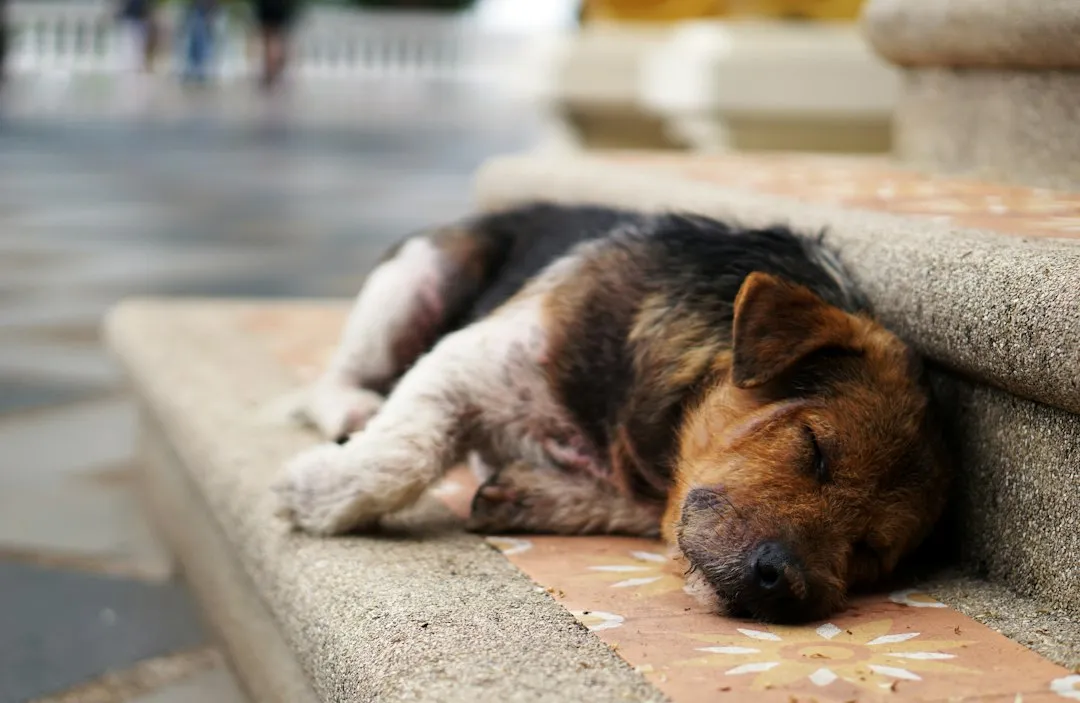
The strongest sign is that your dog stops keeping tabs on you.
Early on, a rescue tracks every move. Eyes follow your hands. Ears pivot at every step. Trust shows up as the opposite: the dog relaxes while you’re nearby instead of constantly monitoring your movements.
This is what the whole list builds toward. Your dog isn’t ignoring you. It’s finally off duty. The vigilance that kept it safe in the shelter, the street or a previous home is switching off.
At a Glance
- Body: loose muscles, soft face, no constant scanning
- Sleep: stretched out and resting, even while you move around
- Attention: quick check-ins instead of nonstop monitoring
- Energy: curiosity and play replace vigilance
Be realistic about the past, too. Research suggests foster dogs showed attachment patterns similar to pet dogs, which wasn’t the case for dogs in the shelter. Living in a stable home appears to give attachment room to develop. Securely attached dogs were also rated as less neurotic than insecurely attached ones.
- Lies down fully with its back to you
- Naps while you move around the house
- Sighs, stretches and yawns without checking on you
Here’s the opinion nobody puts on a poster. The loudest affection is often the least reliable. The dog that licks your face on day one may be anxious, while the dog that finally ignores you may be the one that trusts you most.
Stop grading your rescue on cuddles. Grade it on calm: the soft eyes, the check-ins, the deep sleep, the misbehavior that means it feels safe. Don’t rush the timeline, because the 3-3-3 rule is a rough map, not a strict schedule. If something worries you, ask your vet or a qualified trainer.
Which of these routines did your dog show first?

- Embracing the Quiet Magic of Adopting a Senior Dog - November 5, 2026
- Scientists May Have Miscalculated Our Global Warming Timeline - November 5, 2026
- Marine Biology Says When Dolphins Suddenly Go Silent in Open Water It's Not Rest – They've Detected a Predator You Cannot See and Their Survival Strategy Reveals How They Read Danger - November 5, 2026