
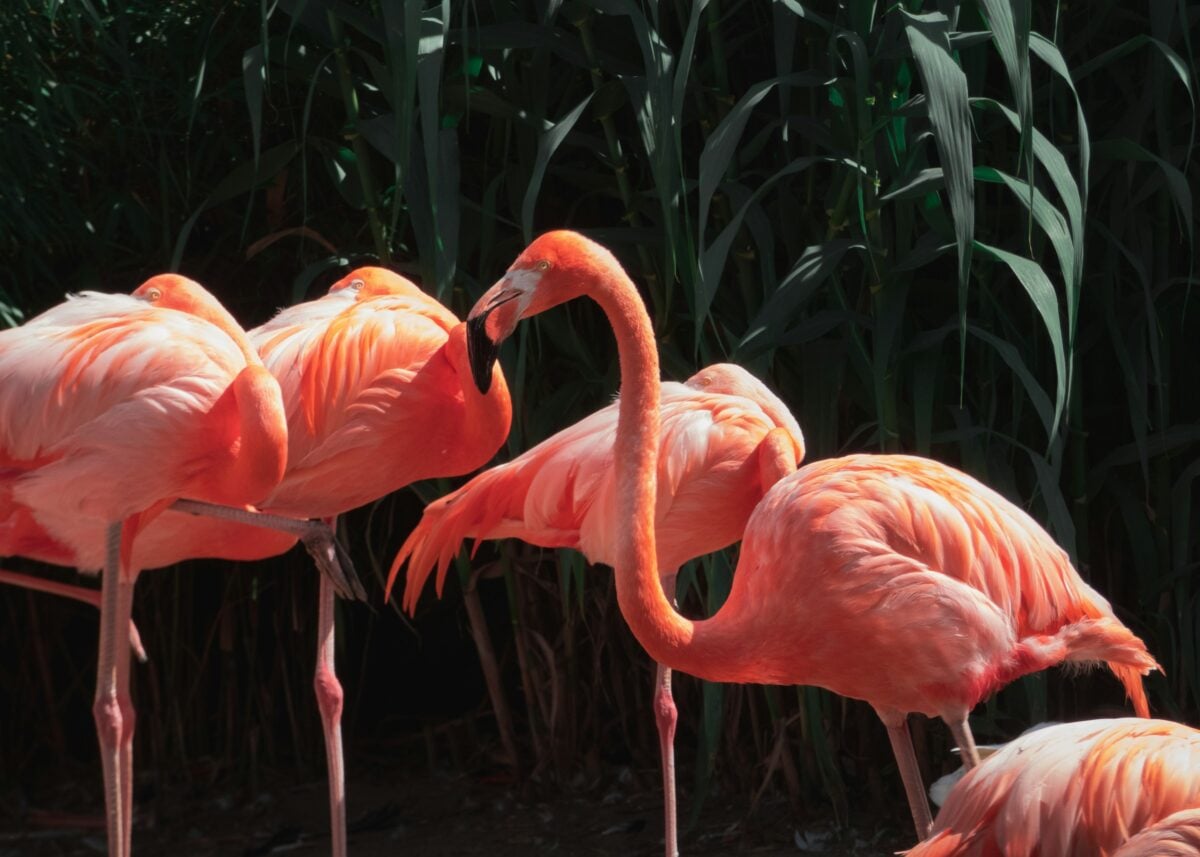
A newly hatched flamingo isn’t pink at all. It’s a fluffy, grayish ball of down, and it stays that way for a while. The famous color that shows up on postcards, lawn ornaments and zoo signs is something the bird has to earn.
So where does it come from? The answer involves tiny shrimp, microscopic algae, a liver that works like a chemical processing plant, and a few surprises about what flamingos do with their color once they have it.
Flamingos Aren’t Born Pink
🔥 Would you like to save this?
We'll email this post to you, so you can come back to it later!
Flamingo chicks hatch with soft gray or whitish feathers. Over the first couple of years of life, the plumage slowly shifts toward the pink, orange or reddish tones we associate with adults. The change isn’t instant, and it isn’t guaranteed to be dramatic.
Young birds are fed a special secretion by their parents, often called crop milk. Both males and females produce it, and it’s rich in fat and protein. It’s red in color, yet it doesn’t turn the chick pink, which tells us the story isn’t as simple as “eat red stuff, become red.”
Once the chicks can feed themselves, they begin filtering food from the water. That’s when the real color-building starts. Their diet becomes the raw material for everything you see on an adult bird.
The Pigments Hiding in Their Food
🔥 Would you like to save this?
We'll email this post to you, so you can come back to it later!
The color comes from carotenoids, a family of natural pigments. These are the same kinds of compounds that make carrots orange and tomatoes red. Animals can’t make carotenoids from scratch, so they have to get them from what they eat.
In the wild, flamingos get their carotenoids from small aquatic organisms. Algae and bacteria produce the pigments in the first place. Tiny crustaceans such as brine shrimp then eat the algae and carry the pigments up the food chain.
Flamingos wade through shallow, often salty lakes and lagoons, and they sift this mix of algae, shrimp and other small invertebrates from the water. The pigment-packed menu is the starting point. What happens next inside the bird’s body is where it gets interesting.
How the Body Turns Dinner Into Color
🔥 Would you like to save this?
We'll email this post to you, so you can come back to it later!
The carotenoids in a flamingo’s food aren’t pink when they go in. Research has shown that the bird’s body breaks them down in the liver using enzymes, converting them into the pigment molecules that end up in feathers and skin. That’s a bit like an assembly line turning raw ingredients into a finished product.
A study published in 2018 identified key enzymes involved in this process, and it showed that the same basic chemistry shows up in other brightly colored birds. In other words, flamingos aren’t doing something completely alien. They’re just doing it with unusual commitment, and on a big visual scale.
The pigments are then carried through the bloodstream and deposited into growing feathers, as well as into the skin and legs. This is why a flamingo’s color isn’t a surface stain. It’s built into the tissue as the feathers grow.
Why Captive Flamingos Need Special Diets
🔥 Would you like to save this?
We'll email this post to you, so you can come back to it later!
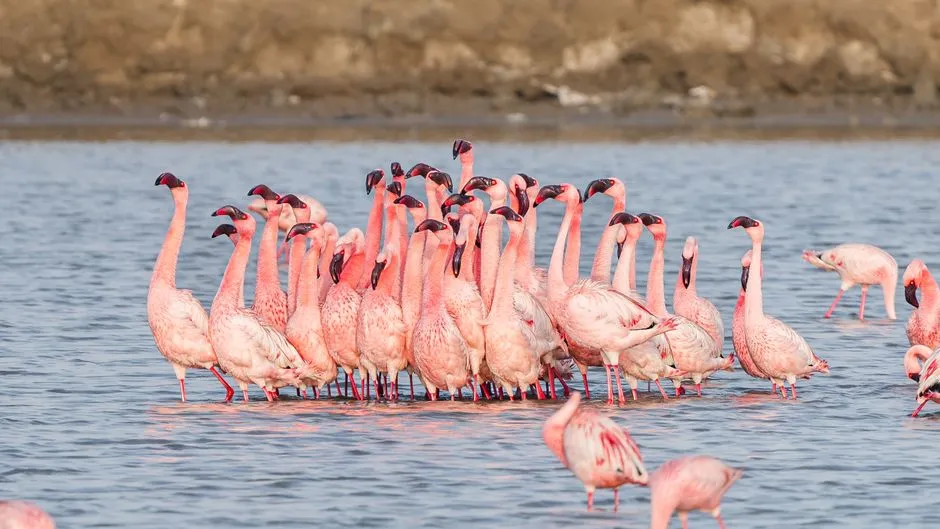
Here’s a practical test of the whole theory. Flamingos in zoos can’t wade through a salt lake full of algae and shrimp, so their keepers have to supply the carotenoids another way. Specialized feeds are formulated with added pigments, and they’re a standard part of flamingo care.
Without those pigments, the birds gradually fade. Feathers that grow in without carotenoids come in paler, and over time the flock can look washed out. It’s one of the clearest demonstrations that diet, not genetics alone, drives the color.
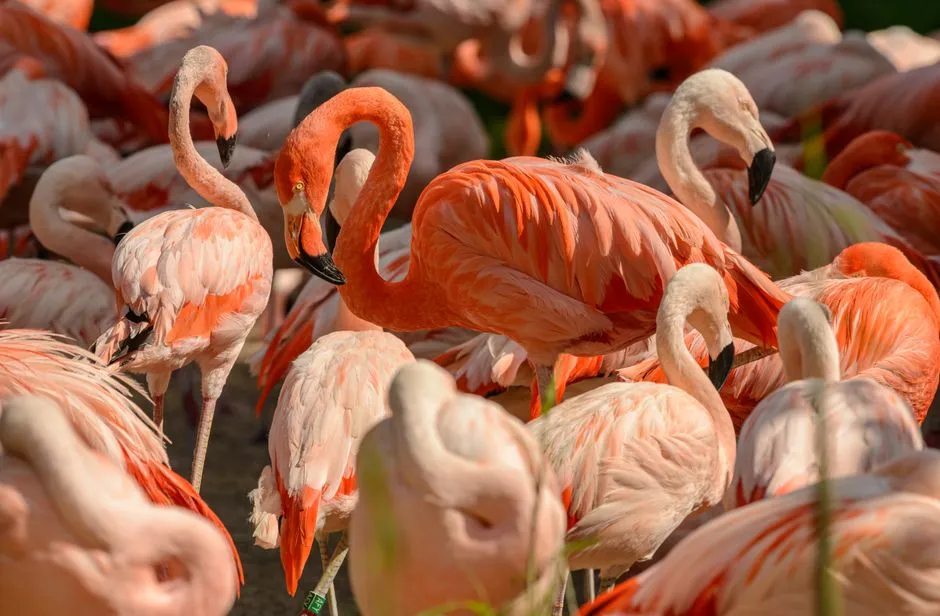
Different pigment sources can also lead to slightly different shades. That’s one reason you’ll see some flamingos that look salmon, others closer to coral, and some that look almost white. The shade often reflects what’s in the food and how much of it the bird has been getting.
Not All Flamingos Look the Same
🔥 Would you like to save this?
We'll email this post to you, so you can come back to it later!
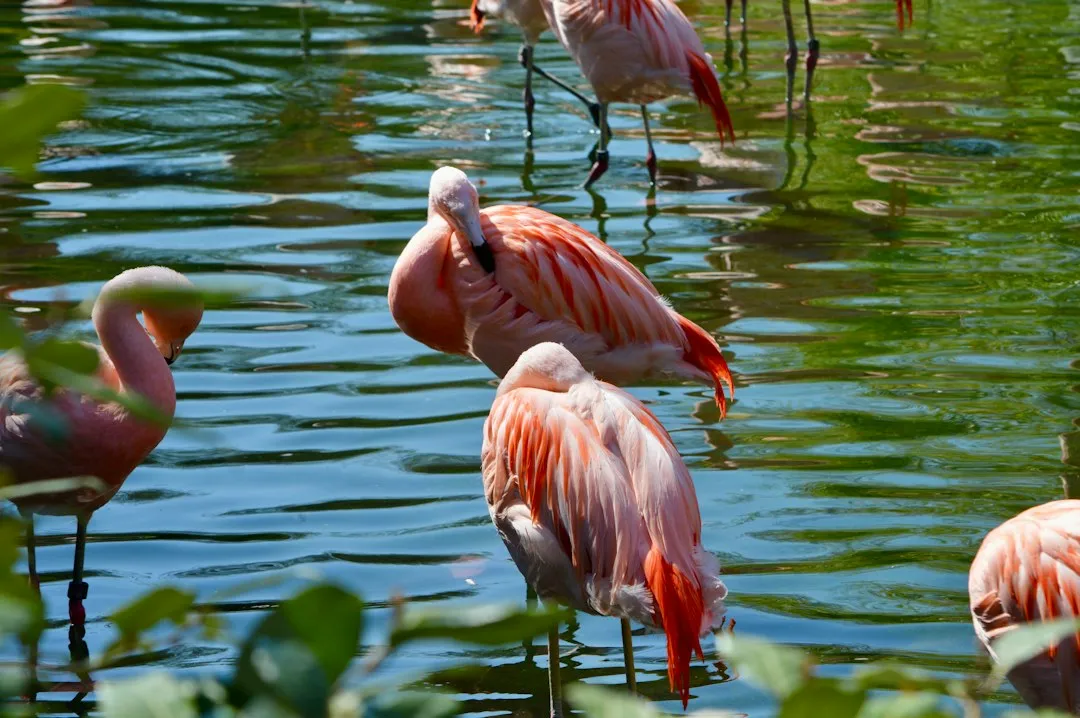
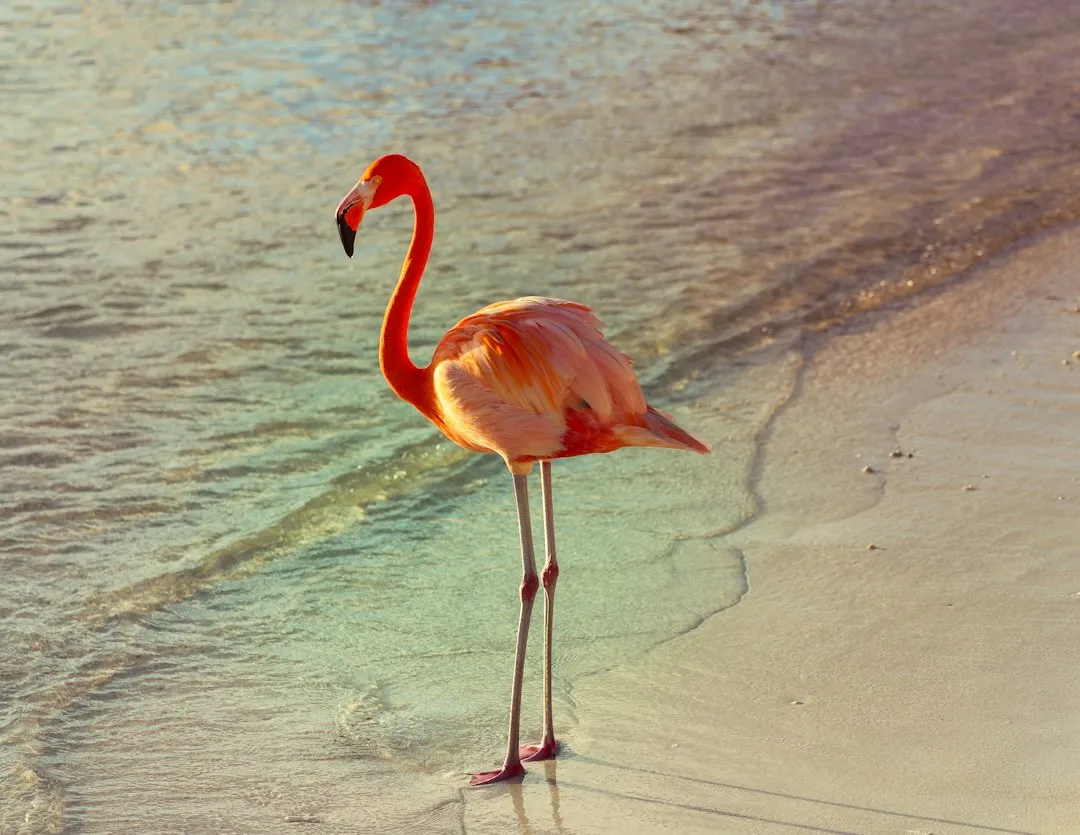
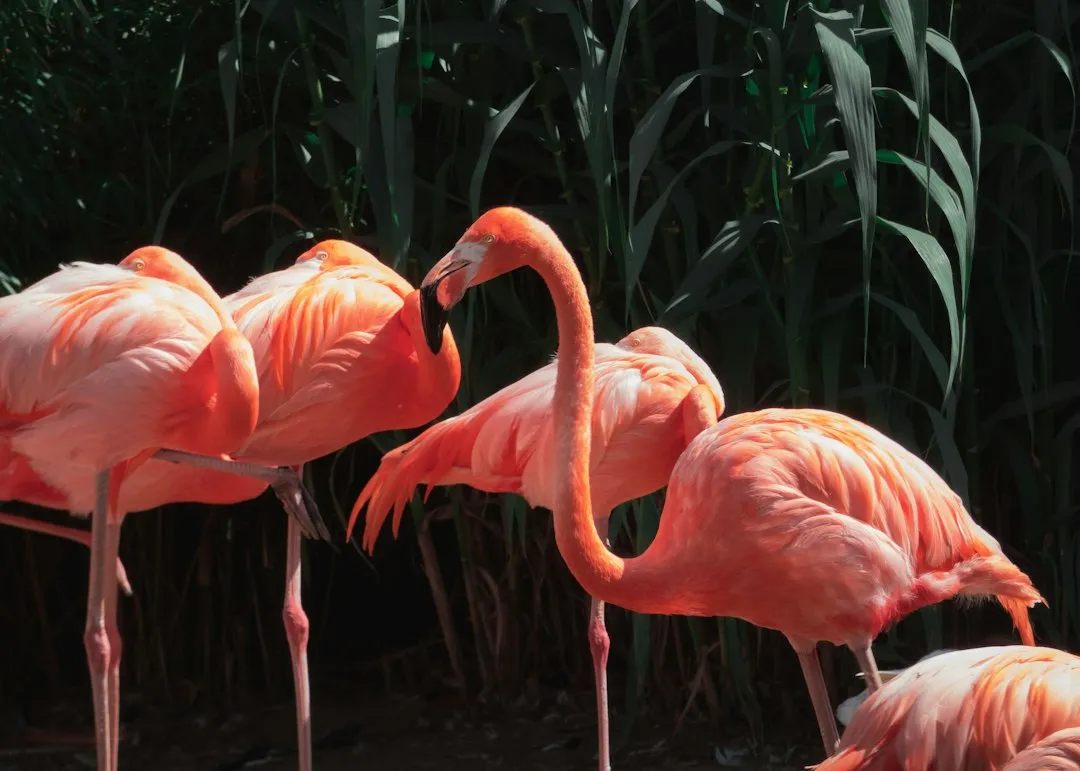
There are six recognized flamingo species, and they don’t all share the same hue. The Caribbean (American) flamingo tends to be the most vividly reddish orange, while the lesser flamingo is often a deeper pinkish tone with a darker bill. The Chilean flamingo tends to look paler, and the greater flamingo, the largest of the group, is often a lighter pink.
Part of that variety comes from diet. Species and populations feed in different habitats, and the available food varies in how many carotenoids it holds. Some environments are simply richer in the pigment-producing organisms than others.
Differences between species in how they absorb and process carotenoids may matter too. Scientists continue to study these details, and the full picture isn’t completely settled. What’s clear is that color varies across flocks, and it can even vary within the same group.
Color as a Signal
🔥 Would you like to save this?
We'll email this post to you, so you can come back to it later!
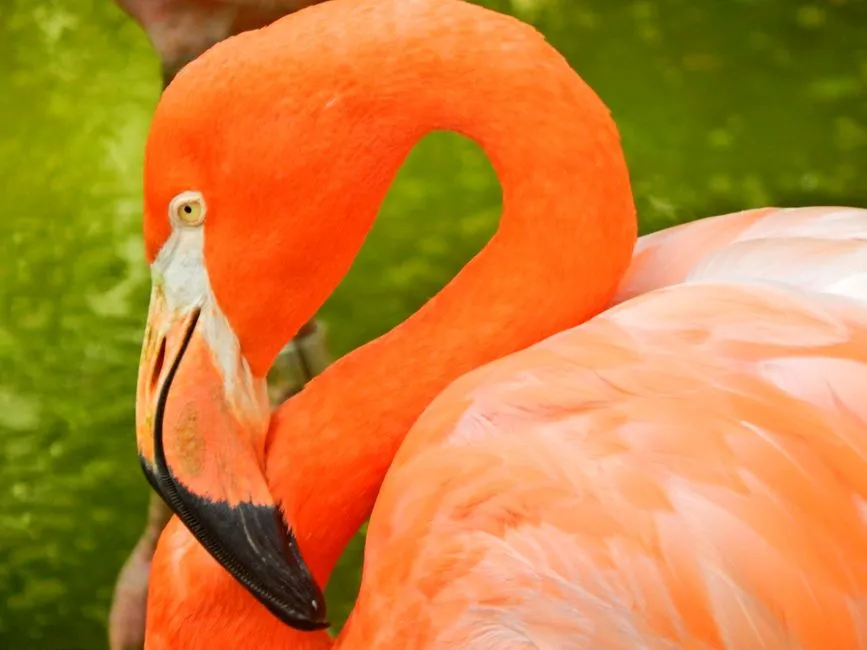
Color isn’t just decoration. Researchers have long suspected that a brighter flamingo is advertising something about itself. Getting enough carotenoids takes skill at finding good feeding grounds, and processing them takes a healthy body.
Flamingos also take part in group displays, where they march, flap and turn their heads in coordinated ways, often during breeding season. Color is thought to play a role in how birds judge one another. Studies suggest it may help signal condition, though how strongly it influences mate choice is still being explored.
Then there’s a striking detail about parenting. Raising chicks is demanding, and parents can lose some of their own color while feeding young, since they pass resources along. A pale parent isn’t necessarily unhealthy. It may simply have given a lot of itself to the next generation.
Final Thoughts
🔥 Would you like to save this?
We'll email this post to you, so you can come back to it later!
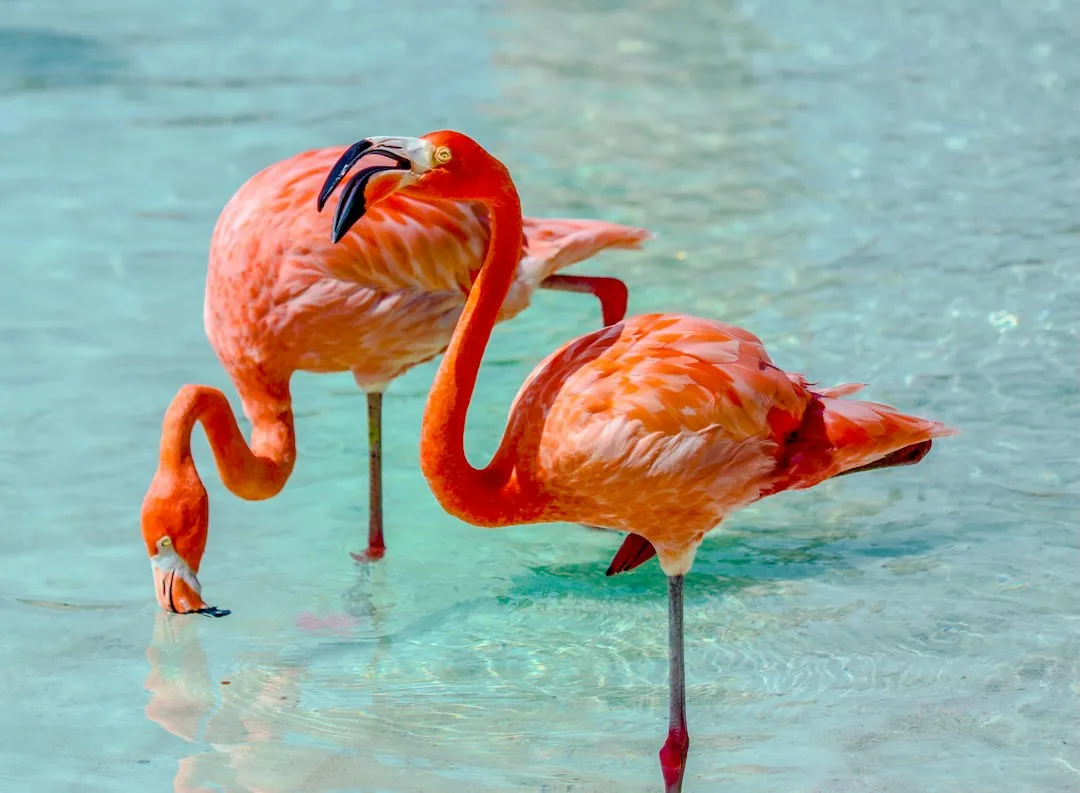
I find the flamingo’s pink quietly humbling. It’s not a fixed trait stamped into the bird at birth. It’s a running record of what the animal has eaten, where it has lived and how well it has done at both.
That makes the bird feel a lot less like a decorative prop and more like a living report card. My view is that the pink deserves more respect than the cartoon version gives it. It takes a whole food chain, a clever bit of biochemistry and a lot of patient filtering to make one flamingo look like a flamingo.
Next time you see one, remember that its color isn’t a costume. It’s a lunch order that took years to show.

- 8 Fascinating Facts About Owls You Never Knew - November 5, 2026
- 10 Plants That Repel Mosquitoes in Texas - November 5, 2026
- What Egyptian God Are You According to Your Zodiac Sign - November 5, 2026