

Our feline companions are sensitive creatures, particularly when it comes to sounds. Their acute hearing can detect frequencies up to 64,000 Hz—far beyond human capabilities—making them responsive to noises we might not even notice. Understanding which sounds comfort cats and which trigger fear responses is essential for creating a harmonious environment for your pet. This comprehensive guide explores 11 sounds that naturally calm cats and 6 that may cause distress, providing valuable insights for cat owners seeking to enhance their pets’ well-being through sound awareness.
The Science Behind Feline Hearing

Cats possess one of the most sophisticated auditory systems in the animal kingdom. Their ears contain 32 muscles (compared to human’s 6), allowing for remarkable control and precise directional hearing. This evolutionary adaptation served their ancestors well for hunting and detecting danger. The structure of a cat’s ear includes a funnel-shaped outer ear that effectively captures sound waves, directing them toward the eardrum and middle ear.
Research has shown that cats can hear sounds at frequencies ranging from 48 Hz to 64,000 Hz, whereas humans typically detect frequencies between 20 Hz and 20,000 Hz. This heightened sensitivity explains why cats may react strongly to certain sounds that seem insignificant to us. Their auditory capabilities also explain why sounds can be such powerful tools for both soothing and stressing our feline friends, making sound management an important aspect of cat care.
Soothing Sound #1: Gentle Human Voice

The soft, gentle tones of their human’s voice can work wonders in calming an anxious cat. Research indicates that cats recognize their owner’s voice and can distinguish it from strangers’ voices. Speaking in a low, melodic tone with elongated vowels—often referred to as “cat-directed speech”—can be particularly effective. This communication style mimics the high-pitched, simplified speech patterns humans naturally use with infants and pets.
Cats respond positively to this speech pattern because it signals friendly intentions and non-threatening behavior. Regular conversations with your cat in these gentle tones can strengthen your bond and provide comfort during stressful situations like veterinary visits or thunderstorms. Many cat behaviorists recommend maintaining a consistent, calm speaking voice around nervous cats to help establish a sense of security and predictability in their environment.
Soothing Sound #2: Purring Sounds

Purring is not just a sign of contentment in cats—it’s also a self-soothing mechanism. Recordings of cat purrs or simulated purring sounds can help calm anxious felines, especially those separated from their feline companions. The frequency of purring, typically between 25 and 150 Hz, has been linked to various therapeutic effects, including stress reduction and healing promotion. This might explain why cats often purr when injured or distressed, not only when content.
Playing recorded purring sounds can be particularly beneficial for kittens separated from their mothers or for older cats experiencing anxiety. Several cat-specific music platforms now include purring tracks designed to mimic the natural vibrations and rhythms of cat purrs. These sounds create a familiar, comforting auditory environment that signals safety and security to your pet, triggering their own relaxation response.
Soothing Sound #3: Classical Music

Classical music, particularly compositions with slower tempos and simpler harmonies, has demonstrated remarkable calming effects on cats. Studies conducted at animal shelters have shown that classical music can reduce stress behaviors and lower heart rates in cats. Works by composers like Debussy, Mozart, and Bach seem to be particularly effective, likely due to their consistent, predictable patterns and absence of sudden dynamic changes.
The tempo of the music appears to be crucial—pieces with approximately 50-60 beats per minute, similar to a resting heart rate, produce the strongest relaxation response. This type of music can be especially helpful during potentially stressful events like thunderstorms, fireworks, or when introducing a cat to a new environment. Some veterinary clinics now routinely play classical music in examination rooms to help reduce feline anxiety during appointments.
Soothing Sound #4: Nature Sounds
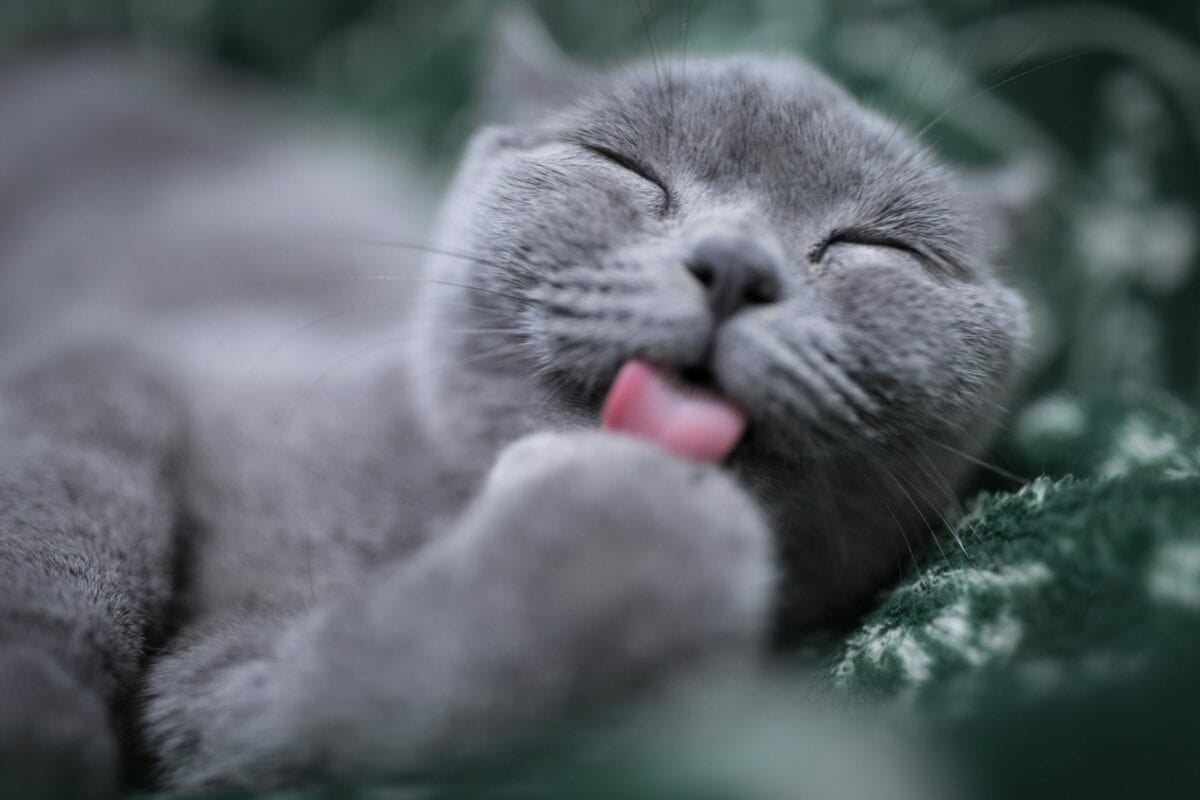
Gentle nature sounds reminiscent of a cat’s natural environment can trigger relaxation responses. Recordings of soft rainfall, gentle streams, or rustling leaves often appeal to cats due to their rhythmic, consistent qualities. These sounds mask potentially startling noises while providing a steady auditory backdrop that many cats find comforting. Unlike more jarring urban sounds, these natural soundscapes align with the acoustic environments cats evolved alongside.
Bird chirping sounds (without predatory bird calls) can also capture a cat’s attention in a positive way, engaging their natural curiosity without triggering hunting stress. When using nature sounds, it’s important to keep the volume low and observe your cat’s response, as individual preferences vary widely. Some cats may find certain nature sounds overstimulating, while others may show immediate signs of relaxation, such as slow blinking, lowered ears, and settled posture.
Soothing Sound #5: Cat-Specific Music
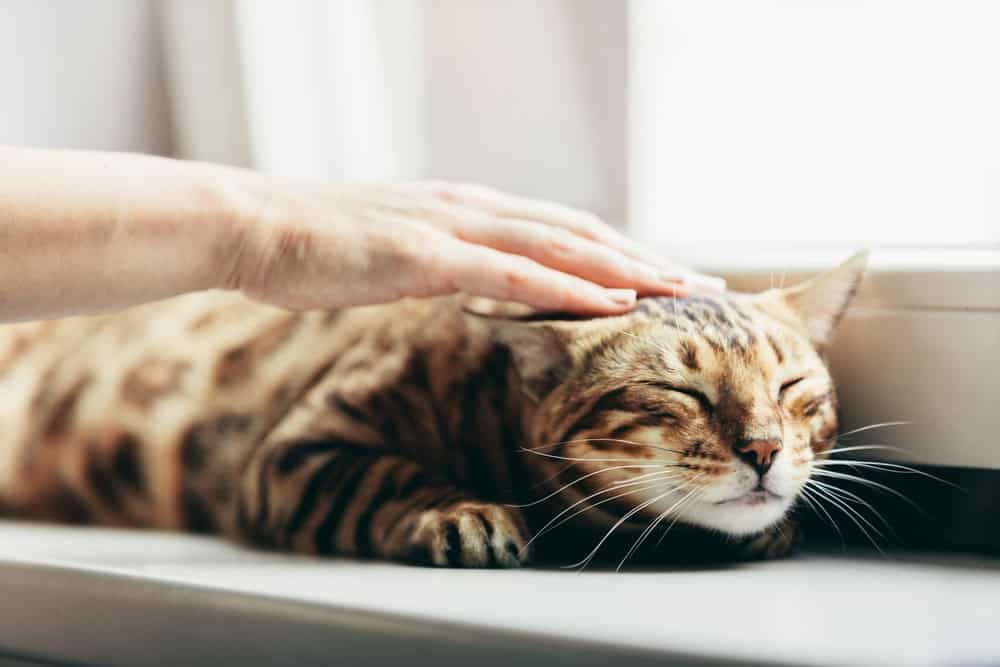
Innovative research has led to the development of species-specific music designed exclusively for cats. Unlike human music, cat-specific compositions incorporate frequencies, tempos, and tonal qualities that align with feline auditory preferences and communication patterns. These specialized tracks often include purring sounds, suckling noises, and frequencies similar to those in cat vocalizations. Studies have demonstrated that cats show a marked preference for these tailored compositions over human music.
Musicians and animal behaviorists have collaborated to create entire albums of cat-specific music, available on various streaming platforms. The tempo of these pieces typically matches important feline rhythms, such as the rate of purring or nursing. When introduced to this specialized music, many cats display positive behaviors including purring, approaching speakers, and exhibiting relaxed body language—strong indicators that the sounds are indeed comforting and engaging to them in a species-appropriate way.
Soothing Sound #6: White Noise

White noise can create a consistent, neutral sound environment that masks potentially disturbing noises from both inside and outside the home. For cats living in busy urban settings, white noise machines can help block out unpredictable sounds like traffic, construction, or neighbors that might otherwise cause stress. The uniform frequency distribution of white noise creates an acoustic “blanket” that can help nervous or sensitive cats feel more secure in their environment.
Many cat owners report that steady, gentle white noise helps their pets sleep more soundly and reduces startle responses to unexpected sounds. This can be particularly beneficial for cats recovering from illness or surgery, as well as those with anxiety disorders. Modern white noise machines often offer various options including fan sounds, air purifier sounds, or specific frequency ranges that can be tailored to your cat’s preference based on their observed response.
Soothing Sound #7: Soft Instrumental Music

Beyond classical compositions, certain types of instrumental music with consistent rhythms and minimal dynamic variation can have a calming effect on cats. Harp music, gentle piano compositions, and some forms of ambient instrumental tracks have shown promise in reducing feline stress behaviors. The key characteristics appear to be consistency, predictability, and the absence of sudden changes in volume or intensity that might startle a sensitive cat.
Some specialized music producers have created “feline-friendly” instrumental albums that incorporate elements known to appeal to cats, such as sounds within their preferred frequency range and rhythmic patterns that mimic natural biological processes. These compositions avoid harsh tones, abrupt transitions, and irregular rhythms that might trigger alertness or anxiety in cats. Playing such music at a low volume can create a soothing background soundscape that helps cats feel secure in their environment.
Soothing Sound #8: Gentle Brushing Sounds
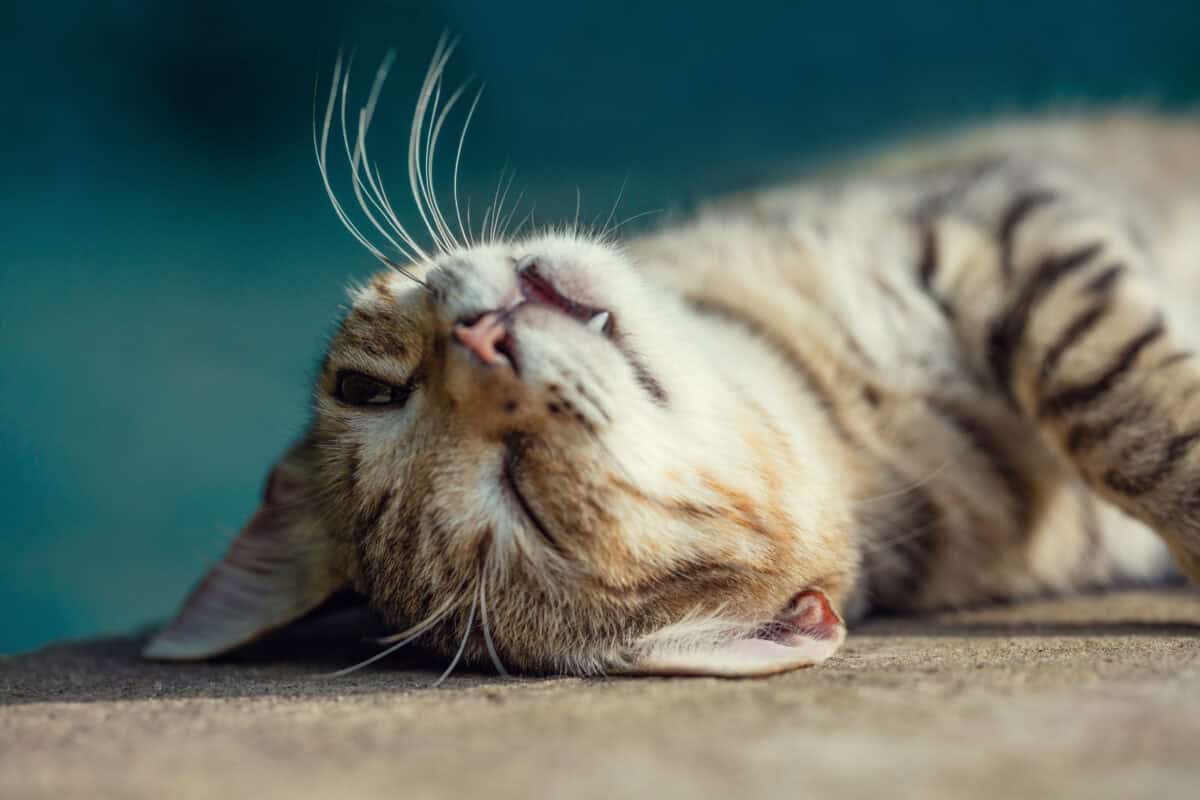
The soft, repetitive sound of brushing or grooming can evoke comfort for many cats, reminiscent of maternal grooming behaviors they experienced as kittens. This connection makes gentle brushing sounds particularly effective for cats experiencing separation anxiety or those who were weaned too early. The rhythmic quality of brushing sounds creates a predictable pattern that signals safety and care to many felines.
Some cat owners report success in recording their actual grooming sessions with their cats and playing these familiar sounds back during times of stress. The sound of a soft brush moving through fur, combined with the gentle scratching noise against the coat, appears to trigger positive associations for many cats. These sounds can be especially beneficial when introduced during positive experiences, creating a conditioned relaxation response that can later be activated by the sound alone.
Soothing Sound #9: Gentle Running Water

Many cats are naturally attracted to the sound of running water, which may explain their fascination with dripping faucets and fondness for drinking from moving water sources. The gentle gurgling of a cat fountain or the soft patter of a low-volume water feature can create a soothing ambient sound that many cats find relaxing. This attraction likely stems from evolutionary adaptations, as flowing water in nature is typically fresher and safer than stagnant pools.
Beyond its practical benefits for encouraging hydration, the consistent sound of moving water can mask startling household noises and provide a steady, pleasant auditory backdrop. Cat behaviorists note that the gentle splashing sounds fall within cats’ preferred frequency range and offer predictable, natural variation that’s engaging without being alarming. For particularly anxious cats, combining water sounds with visual access to the water source can provide both auditory and visual enrichment.
Soothing Sound #10: ASMR Sounds
Autonomous Sensory Meridian Response (ASMR) sounds—characterized by soft, gentle noises like whispering, tapping, crinkling, or scratching—can have surprisingly calming effects on some cats. These sounds typically involve close-range, intimate audio experiences that create a sense of proximity and attention. Many cat owners report that their pets respond positively to certain ASMR triggers, particularly those involving gentle scratching sounds similar to grooming.
The low-intensity, rhythmic nature of many ASMR sounds appears to align well with cats’ sensitivity to high-frequency sounds. The predictable patterns and soft volume create a non-threatening sound environment that can help reduce anxiety. Paper crinkling, gentle tapping on wood surfaces, and soft fabric sounds are among the ASMR triggers that seem most effective for feline relaxation. As with all sound therapies, it’s important to observe your individual cat’s response, as preferences can vary significantly.
Soothing Sound #11: Audiobooks in Calm Voices

The steady rhythm and consistent tone of audiobooks read in calm, measured voices can provide a soothing auditory environment for cats, particularly those bonded closely with their humans. Unlike music with varying tempos or nature sounds with unpredictable elements, a human voice reading at a consistent pace creates a predictable sound pattern that many cats find comforting. This effect may be enhanced when the voice belongs to the cat’s owner or a familiar household member.
Audiobooks can be especially beneficial when you need to leave your cat alone, as the familiar human vocal patterns can provide reassurance in your absence. Many cat owners report that their pets seem to settle more quickly and remain calmer when audiobooks are playing, compared to silence or television sounds with their unpredictable volume changes. For maximum effect, choose narrators with deeper, softer voices and consistent reading paces rather than dramatic performances with significant vocal variations.
Frightening Sound #1: Vacuum Cleaners
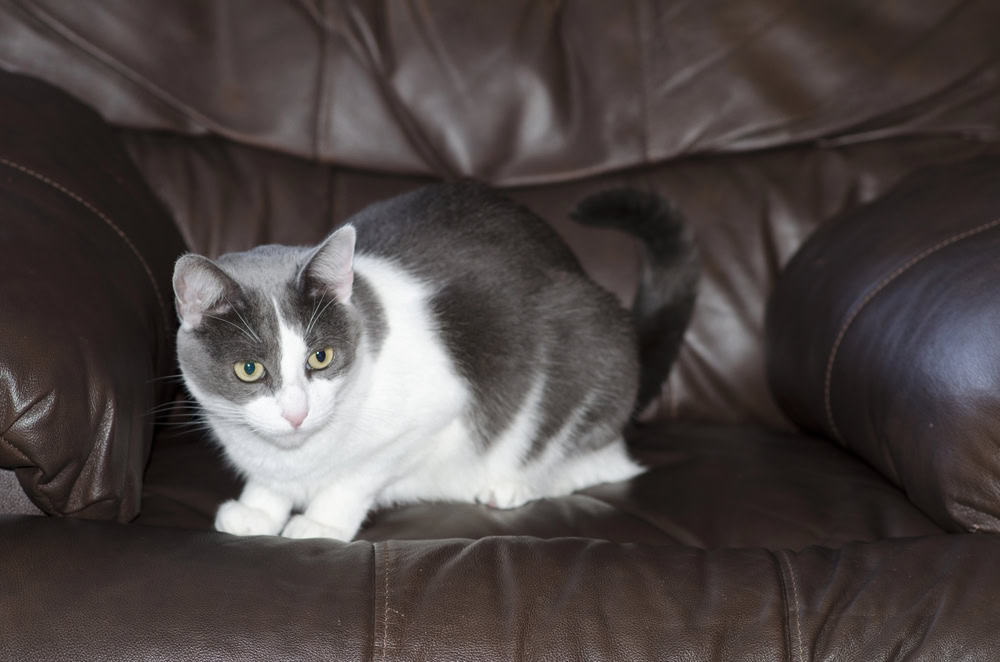
The vacuum cleaner tops the list of household sounds that terrify most cats, and for good reason. These appliances produce a combination of threatening elements: loud, unpredictable noise (often exceeding 70 decibels); high-frequency sounds that fall within cats’ sensitive hearing range; and strong vibrations that cats can feel through the floor. Additionally, the movement of the vacuum may trigger predatory fears, as it appears to “chase” the cat from their perspective.
The typical feline response to vacuum cleaners includes dilated pupils, flattened ears, puffed tails, and rapid retreat to hiding places. Over time, some cats may develop anticipatory anxiety, becoming stressed as soon as they see the vacuum, even before it’s turned on. Behavioral experts recommend gradual desensitization techniques, such as leaving the unplugged vacuum in rooms where the cat receives treats, then gradually introducing the sound at low volumes from another room while providing positive experiences.
Frightening Sound #2: Hissing Noises
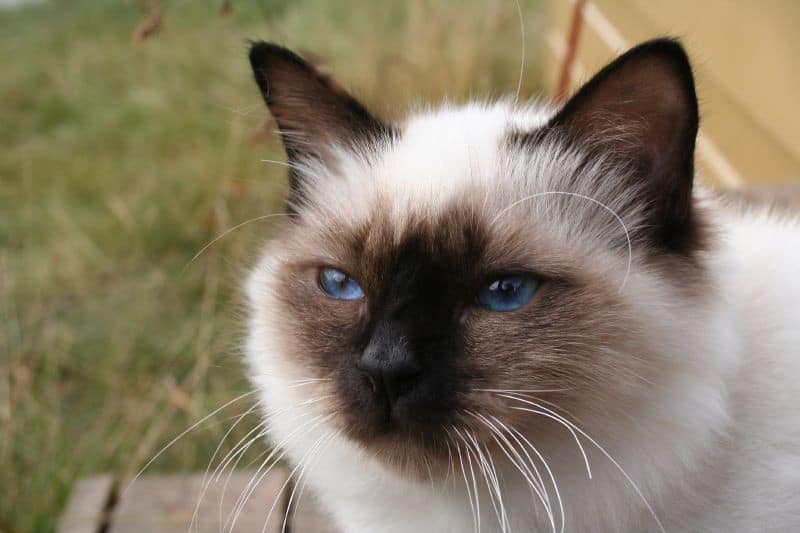
Hissing sounds, whether from other animals, mechanical sources like pressure cookers or radiators, or even certain human vocalizations, can trigger immediate fear responses in cats. This reaction is deeply rooted in feline communication—cats themselves hiss to express fear, distress, and warning signals to potential threats. When a cat hears hissing, their instinctive response is to interpret it as a danger signal from another animal, triggering their fight-or-flight response.
The physiological response to hissing sounds typically includes freezing behavior, followed by either defensive posturing or rapid retreat, depending on the cat’s temperament. The sharp, sudden nature of hissing sounds makes them particularly alarming to cats, as they contrast sharply with the more rhythmic, predictable sounds cats find comforting. In households with multiple cats, even recorded hissing sounds should be avoided, as they can disrupt carefully established social hierarchies and trigger conflict between feline housemates.
Frightening Sound #3: Sudden Loud Noises

Cats are particularly sensitive to sudden, unpredictable loud noises such as thunderstorms, fireworks, car horns, or dropping objects. These sounds trigger their acute startle reflex, an evolutionary adaptation that helped their ancestors escape potential predators. The unexpected nature of these sounds prevents cats from preparing mentally, leading to an immediate stress response characterized by elevated heart rate, dilated pupils, and the release of stress hormones like cortisol and adrenaline.
Repeated exposure to unpredictable loud noises can lead to chronic stress and anxiety disorders in sensitive cats. Some may develop noise phobias, showing extreme reactions like uncontrolled urination, destructive behavior, or self-harm when exposed to triggering sounds. Creating sound refuges—quiet, enclosed spaces where external noises are dampened—can help cats cope with unavoidable loud sounds. Some veterinarians may recommend behavior modification techniques or anti-anxiety medications for cats with severe noise phobias, particularly during predictable events like holiday fireworks displays.
Frightening Sound #4: High-Pitched Electronic Sounds

High-frequency electronic sounds, including certain alarm systems, phone notifications, smoke detectors, and even television static, can be extraordinarily distressing to cats. Their superior hearing in the upper frequency ranges makes these sounds not just audible but potentially painful—similar to how humans might react to fingernails on a chalkboard, but more intense. Electronic devices that emit ultrasonic frequencies, sometimes even those marketed as pet deterrents, can cause significant distress without human awareness.
Signs that your cat is disturbed by high-pitched electronic sounds include sudden alertness, ear flicking, pupil dilation, and attempting to locate or flee from the sound source. Some cats may paw at their ears or shake their heads as if trying to dislodge the offensive noise. When introducing new electronic devices to your home, observe your cat’s behavior carefully for signs of distress. Consider replacing devices that cause consistent negative reactions, especially those that operate continuously, like certain pest repellers or security systems that may be creating an unwelcoming sound environment for your feline companion.
Frightening Sound #5: Aggressive Dog Barking

The sound of aggressive, deep-pitched dog barking represents a primal threat to most domestic cats, triggering immediate fear responses. Unlike playful barking, aggressive barking typically features lower frequencies, greater intensity, and irregular patterns that signal potential danger. Even cats who live peacefully with dogs can become distressed by unfamiliar dog vocalizations, particularly those conveying territorial threats or predatory interest.
When exposed to threatening dog barks, cats typically display classic defensive behaviors: arched backs, puffed fur, flattened ears, and dilated pupils. Some may freeze in place, assessing the threat, while others may bolt to the nearest hiding spot in an attempt to escape perceived danger. Vocalizations such as hissing or growling may accompany these physical responses, especially if the cat feels cornered. This instinctive reaction is rooted in survival—cats have evolved to recognize and respond swiftly to signs of potential predators, and the sound of an aggressive bark taps directly into those ancient defense mechanisms.

- The Secret Language of Dolphins Decoded by Researchers - July 20, 2026
- 7 Animals That Can Survive Extreme Environments You Couldn’t - July 20, 2026
- The Longest Snake Ever Found in the U.S. - July 20, 2026