

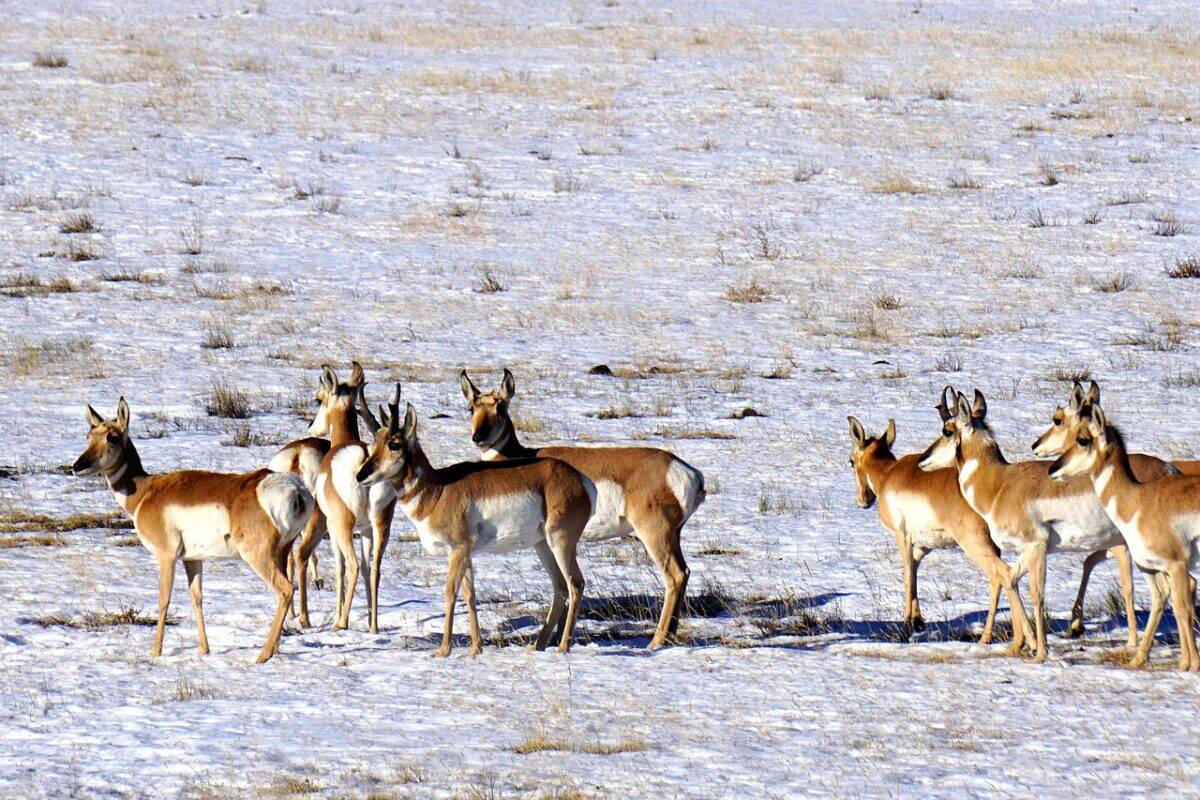
Nature’s marvels are aplenty, but few spectacles capture our imagination more vividly than the epic journeys undertaken by certain animal species in their quest for survival. Across land, sea, and air, these remarkable creatures traverse vast distances, overcoming myriad challenges. Whether they’re searching for food, escaping harsh climates, or continuing their lineage, their migrations are testament to the resilience and adaptability of life on Earth. Join us as we delve into the fascinating world of animal migration, uncovering the secrets behind the journeys of these tireless travelers.
11. Arctic Tern: The Ultimate Long-Distance Traveler

The Arctic Tern holds the record for the longest migration of any bird, traveling an awe-inspiring 44,000 miles annually from the Arctic to the Antarctic and back. These small yet resilient birds take advantage of the summer seasons in both hemispheres, basking in almost continuous daylight. Their intercontinental journey is a strategic quest for food and breeding grounds, highlighting their remarkable navigational abilities and endurance.
10. Monarch Butterfly: A Transcontinental Marvel

Each year, millions of Monarch butterflies embark on a daunting migration from North America’s northern reaches to central Mexico’s fir forests. This expedition, spanning up to 3,000 miles, is particularly extraordinary given that the butterflies completing the journey are several generations removed from those that began it. Using an innate sense of direction and environmental cues, they ensure their species’ survival across the vast expanse.
9. Humpback Whale: Ocean’s Revered Traveler

Humpback whales exhibit one of the longest migrations of any mammal, with some populations covering nearly 5,000 miles from feeding grounds in polar regions to tropical breeding waters. These gentle giants rely on a rich variety of prey, such as krill and small fish, in their feeding zones, while warmer waters offer safer birthing conditions for their young. Whale migration is not only crucial for reproduction but also plays a significant role in oceanic ecosystems.
8. Wildebeest: Africa’s Epic Migration

The Great Migration of wildebeest across the Serengeti and Maasai Mara is among the most notable wildlife spectacles on Earth. Each year, over a million wildebeest, alongside zebras and gazelles, traverse a death-defying 1,200-mile circuit in pursuit of fresh pastures. Their perilous journey across predator-laden landscapes and challenging river crossings is a battle for survival, driven by the changing seasons and availability of resources.
7. Caribou: Guardians of the Arctic Tundra

Caribou herds in North America undertake one of the longest terrestrial migrations, spanning up to 1,000 miles. These animals must navigate the harsh Arctic tundra between their calving grounds and winter foraging sites. Along their journey, caribou face predators, harsh weather conditions, and human-made obstacles, yet their seasonal movements are vital for accessing food and evading deep snow, ensuring their survival in extreme climates.
6. Salmon: Navigators of Freshwater and Ocean

Salmon are renowned for their incredible ability to migrate from ocean to freshwater to spawn. After spending their adult lives in the ocean, they travel hundreds, sometimes thousands, of miles back to the streams where they hatched. This arduous journey often includes leaping over waterfalls and evading predators. Their return enriches freshwater ecosystems with vital nutrients, underscoring the interconnectedness of aquatic life.
5. Leatherback Sea Turtle: A Reptilian Marathoner
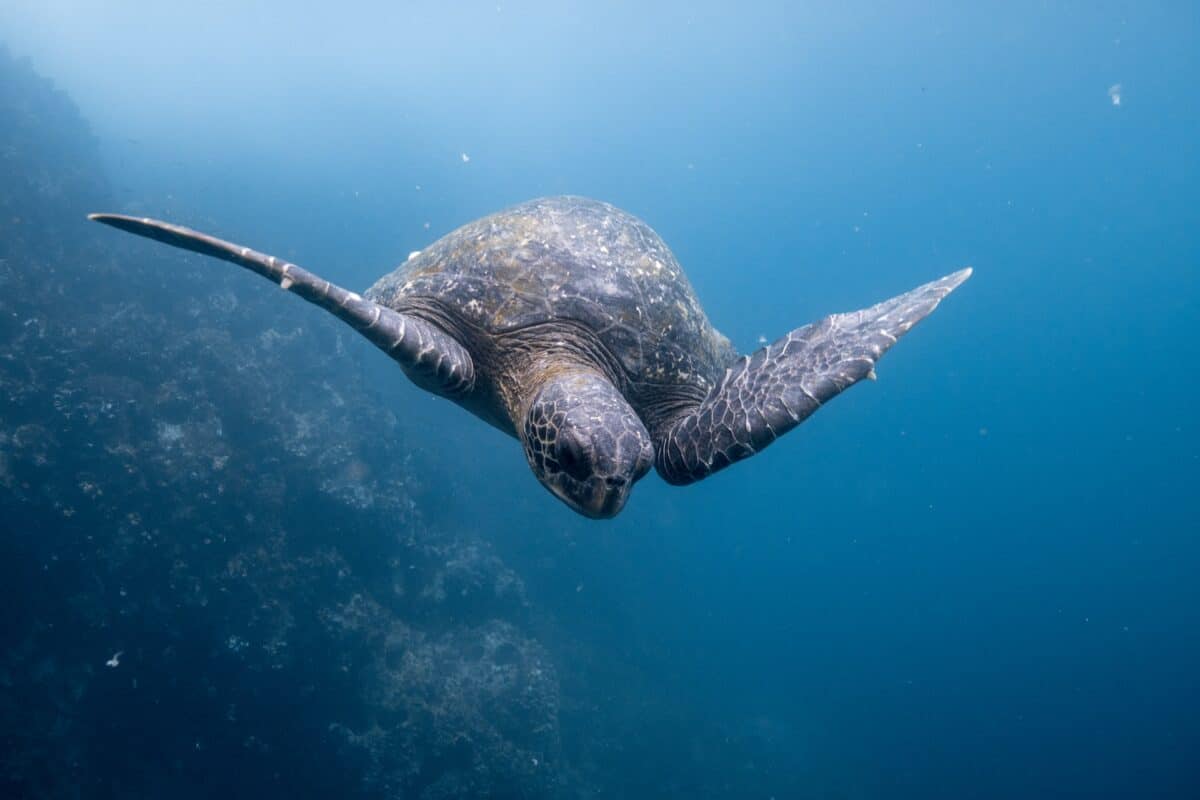
Leatherback sea turtles are ocean voyagers, traveling vast distances up to 10,000 miles annually. Unlike other sea turtles, leatherbacks are unperturbed by cold waters, allowing them to explore both tropical and temperate oceans. Their migration from nesting beaches to feeding grounds showcases their adaptability and vital role in maintaining healthy marine ecosystems.
4. Bar-Tailed Godwit: Non-Stop Flight Record Holder

The Bar-tailed Godwit is known for its remarkable non-stop flight from Alaska to New Zealand, covering over 7,000 miles without rest. This mind-boggling feat is achieved through a combination of favorable wind patterns and the bird’s ability to store vast amounts of energy as body fat. Their journey exemplifies the extraordinary endurance and precision navigation inherent in migratory birds.
3. Sooty Shearwater: Earth’s Longest Migration by Distance
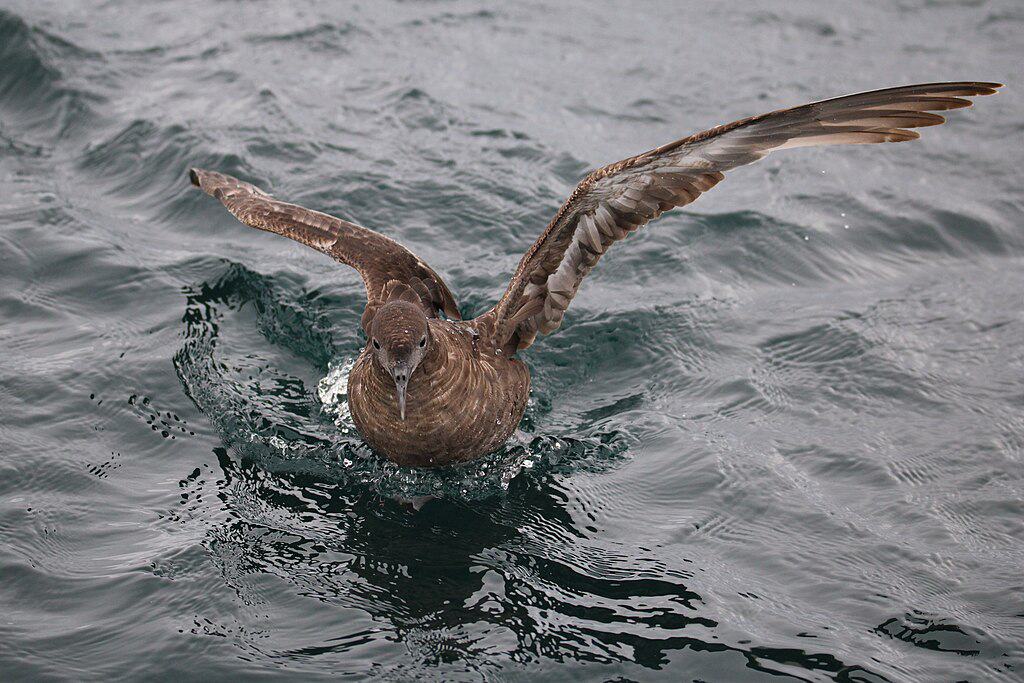
Sooty Shearwaters make one of the longest migrations of any animal, flying upwards of 40,000 miles annually. Their journey from breeding islands in New Zealand to feeding grounds in the North Pacific is a round-trip across diverse oceanic environments. This migration is crucial for accessing abundant food sources and illustrates the profound journey shearwaters make for survival.
2. Pronghorn: North America’s Fast Traveler

The pronghorn of North America, often mistaken for antelope, embarks on one of the continent’s most impressive land migrations, covering up to 300 miles. Pronghorn are uniquely adapted for speed and endurance, allowing them to cross open landscapes rapidly. Their migratory path is essential to their survival, providing access to different habitats throughout the seasons.
1. Red Crab: The Island Migration Phenomenon

On Australia’s Christmas Island, millions of red crabs undertake a striking migration to the sea to spawn. Timing their journey with the onset of the rainy season, they create a brilliant red spectacle as they emerge from the jungle. This synchronized migration is critical for the continuation of their species and supports the island’s ecological balance.
In summary, these migrations are more than just sensational feats; they are critical to the survival and prosperity of each species. Their journeys affect entire ecosystems, offering insight into the interconnectedness of life. As these travelers continue their epic passages, they face increasing threats from human activity and climate change, reminding us of the need to protect the vital habitats and ecosystems they depend on. Let us cherish and respect these incredible migrations, safeguarding the future of these magnificent travelers for generations to come.

- Why Dogs Tilt Their Heads - July 20, 2026
- 12 Most Unexplained Creature Sightings Across the U.S. - July 20, 2026
- Tea-Growing Regions You Can Visit to See Exotic Wildlife - July 20, 2026