
Worried about unexpected vet bills?
Pet insurance can cover thousands in unexpected vet costs. Get a free quote from Lemonade in under 2 minutes.
Get My Free Quote →Sponsored · Opens Lemonade.com
A few decades ago, the idea of black bears wandering through suburban neighborhoods in states like Connecticut or Florida would have seemed far-fetched. These animals were quietly disappearing from large swaths of America, pushed out by habitat destruction, unregulated hunting, and rapid development. The story being written today, however, looks very different.
The American black bear, which was heavily diminished by overhunting, habitat loss, and fragmentation in the past century, is making an impressive comeback in parts of North America. An estimated 800,000 black bears now roam the continent, slowly returning to many of their old haunts. What follows is a look at eleven states where that return is especially striking, and why it carries real weight for ecosystems, communities, and the future of wildlife management in the U.S.
Florida: From the Brink to Over 4,000 Bears
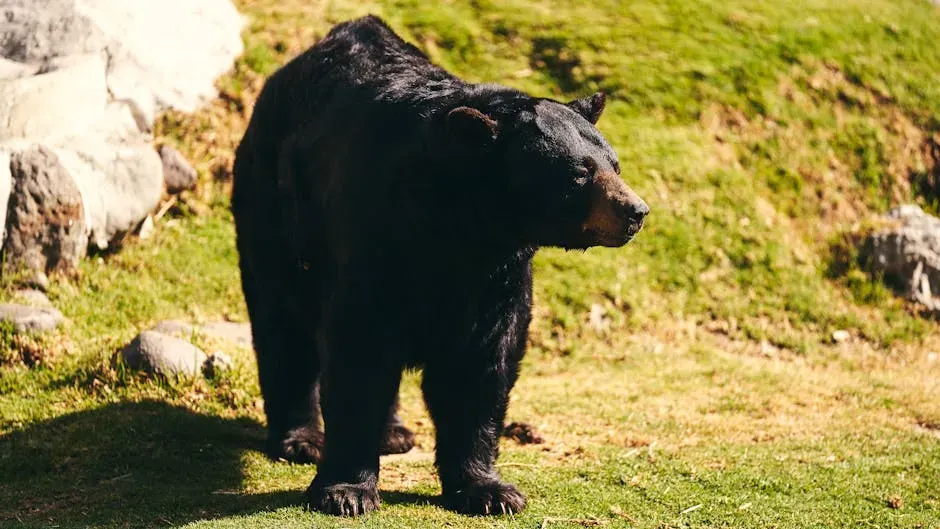
Between unregulated hunting and habitat loss, bear populations dwindled, and by the 1970s the species had bottomed out with fewer than 500 bears left in the wild. That low point set the stage for one of the most watched conservation recoveries in modern American history.
In 2012, the Florida black bear was officially classified as a “Recovered” species after decades of concerted efforts aimed at habitat restoration, reducing human-wildlife conflicts, and raising public awareness. The black bear population has come back from just several hundred bears in the 1970s to over 4,000 today and is one of Florida’s most successful conservation efforts.
Wildlife corridors have been especially important in this regard. Wildlife corridors, which connect fragmented habitats, have been a critical tool in addressing habitat isolation. The success, though, is not without tension. On December 6, 2025, the first bear hunt in ten years since 2015 commenced, ending on December 28, as wildlife managers grappled with a population pressing against its habitat’s limits.
Pennsylvania: More Than Double in Three Decades
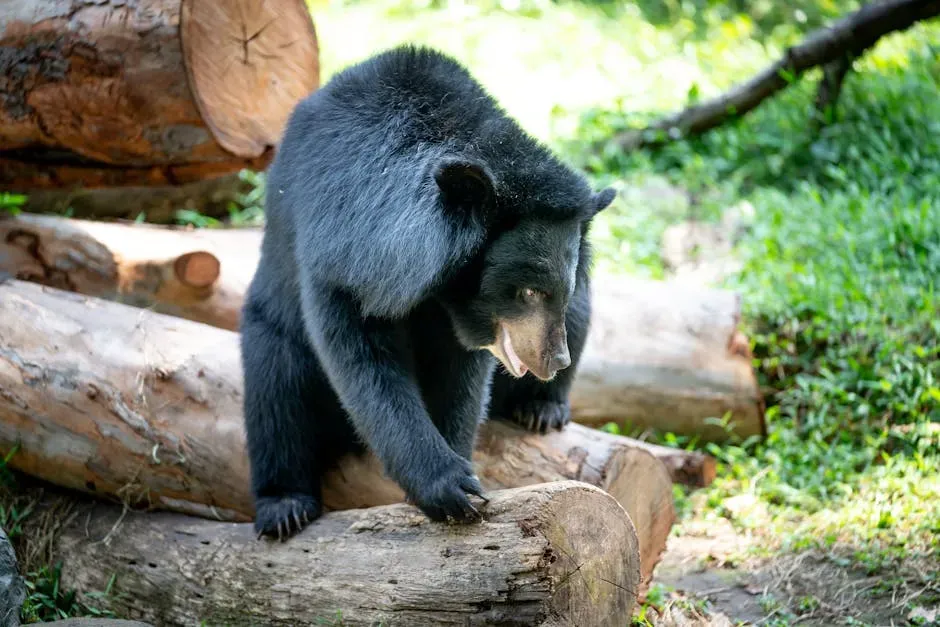
Pennsylvania’s numbers show some of the largest long-term gains in the East. The Pennsylvania Game Commission estimated 19,211 bears in 2024, up from 8,252 in 1992. These numbers are in a high, sustainable range. Few states can point to a population trend line quite that steep, and sustained for that long.
The Keystone State’s rugged terrain across the Pocono Mountains and the northern ridge-and-valley landscape has provided reliable habitat for bears to expand naturally. Science-based harvest management has kept the population in balance with available habitat, serving as a model others look to when designing their own programs.
North Carolina: The Densest Bear Population on Earth
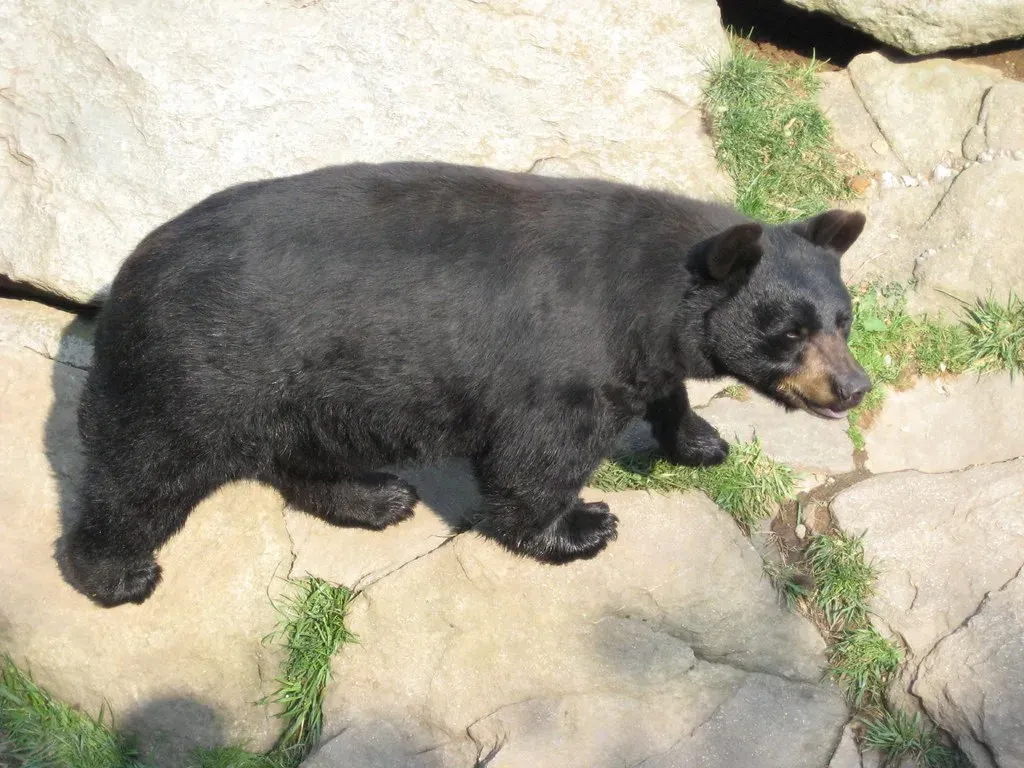
Once relegated to small isolated pockets at the ends of the state, and down to fewer than 1,000 individuals, bears are now pushing farther into the Piedmont, filling in habitat they haven’t lived in for decades. Their population has expanded to an estimated 20,000.
Eastern North Carolina supports one of the densest black bear populations in the world. This region includes large tracts of protected land, such as wildlife refuges and state game lands, along with extensive wetlands and pocosins that provide both cover and food.
Recovery of black bear populations in North Carolina began in 1971 with the creation of a bear sanctuary system. Twenty-eight bear sanctuaries were established to close approximately 800,000 acres of habitat to bear hunting. The idea was to protect core areas of habitat that encompassed the relatively small home ranges of breeding females, who would reproduce in the sanctuaries, and bear populations would increase and expand into surrounding areas. The bear sanctuary system, which North Carolina was the first North American jurisdiction to implement, has been one of the most successful and important innovations in the history of bear management in North America.
Arkansas: From Near Extinction to 5,000 and Counting
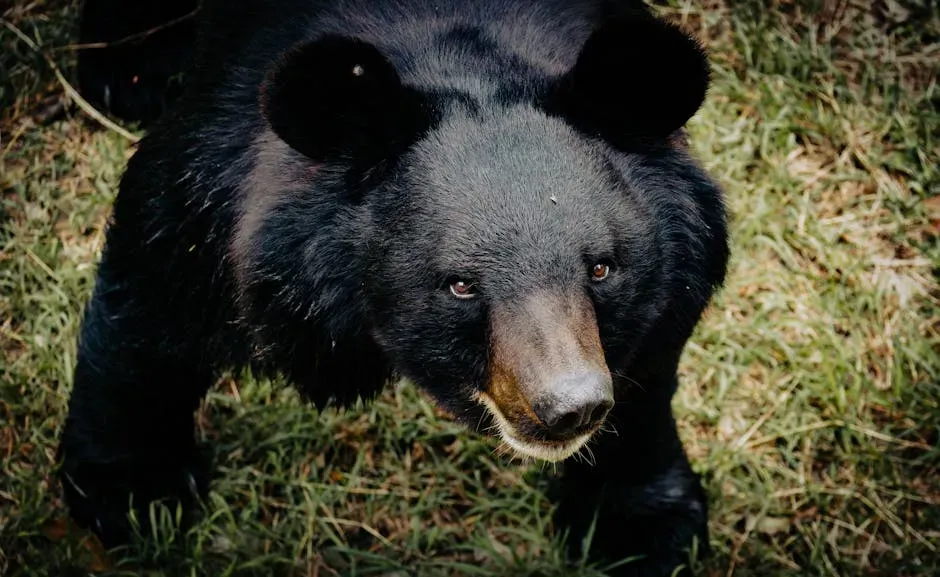
Arkansas has a strong black bear recovery story from a near loss to a fully restored huntable population. Black bears were overhunted to near extinction by the 1930s, due to habitat loss and overhunting without the benefit of modern wildlife management programs. The collapse was near total. In living memory, most of the state had no bears at all.
Now the state has more than 5,000 bears thanks to its Black Bear Restoration Program. That program involved reintroductions from Minnesota and Manitoba, combined with aggressive habitat protection across the Ozark and Ouachita mountain regions. It remains one of the most dramatic rebound stories of any large mammal in the American South.
New York: Record-Breaking Harvests Reflect a Thriving Population
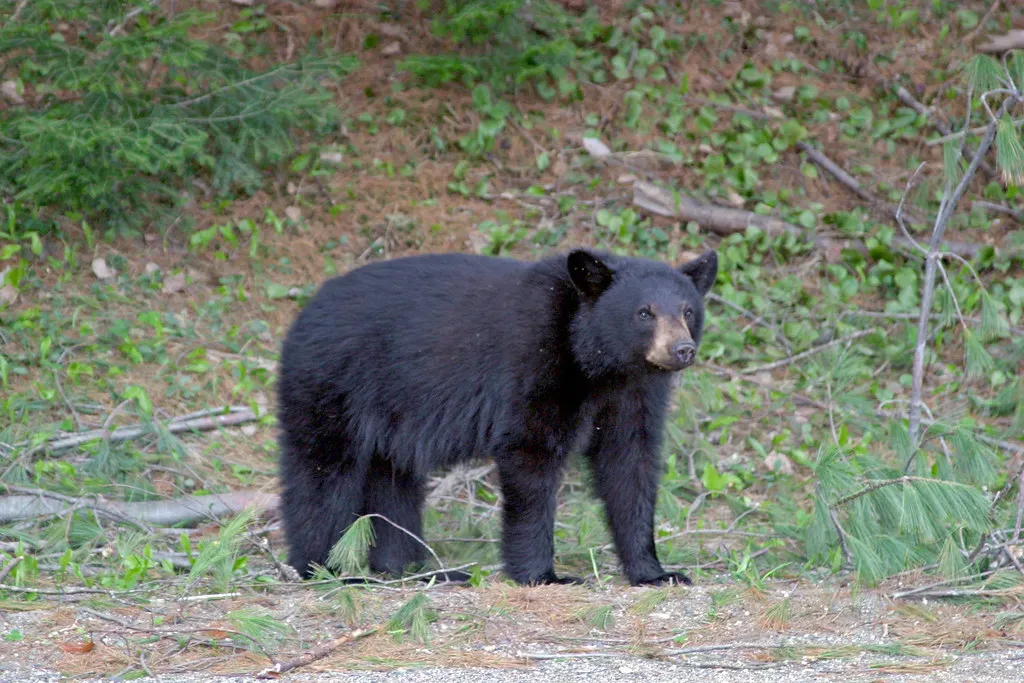
The 2025 statewide bear harvest was second only to the 2003 season, and Southern Zone estimates set a new harvest record. The recovery and growth of New York’s bear population is testament to DEC’s vigilant wildlife management efforts.
The Southern Zone take included an estimated 1,202 bears, including the 10 heaviest bears recorded for the year. The Northern Zone harvest estimate of 557 bears was slightly lower than 2024, but still above the 10-year average. While bear populations and hunting opportunities increased in the Southern Zone, the Northern Zone remains a traditional destination for many New York bear hunters. Northern Zone bears typically grow slower in the wilderness ecosystems of the Adirondacks but tend to survive to older ages than their Southern Zone counterparts.
Virginia: Range Expansion Tells the Story
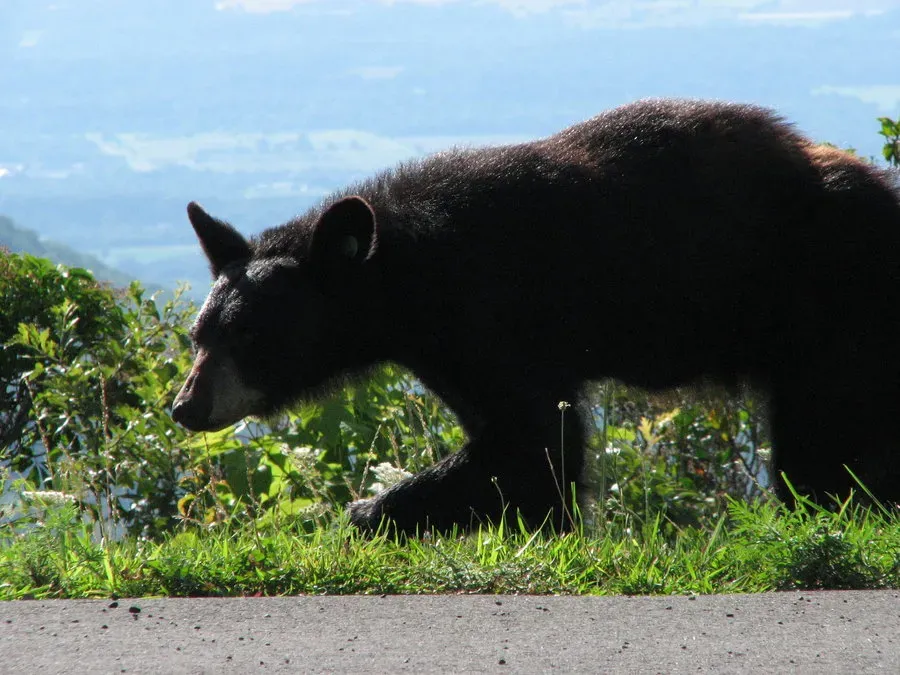
Virginia’s strongest official metric is range. In a 2025 Department of Wildlife Resources article, the state said bears, once low across most of Virginia, are regularly found in almost all areas of the state with the exception of far eastern counties and the Eastern Shore. That kind of geographic spread matters enormously in population biology. Range expansion, more than any single count, signals that a population has genuinely stabilized and is growing from the inside out.
The recovery in Virginia is particularly notable because the state’s landscape is a patchwork of protected forestland, private timberland, and working farms. Bears have navigated that complexity successfully, demonstrating real adaptability to a human-dominated landscape.
West Virginia: Better Management, Fewer Conflicts
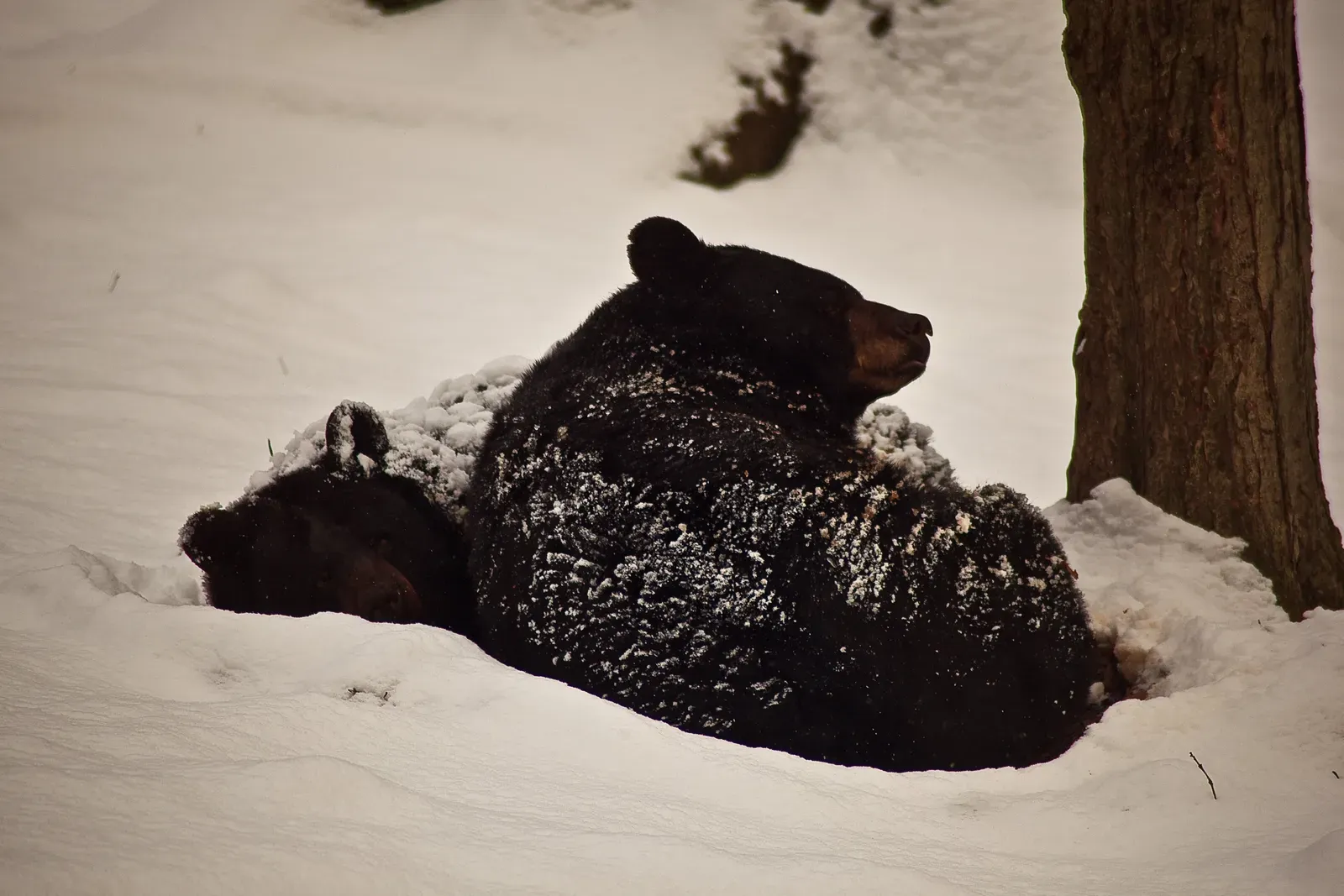
West Virginia showed strong outcomes: nuisance complaints have fallen 55 percent, damage claims dropped 26 percent, and non-hunting bear mortalities declined 19 percent from 2023 to 2024, while the state boasts a robust black bear population. Those figures tell a nuanced story: not just bears returning, but bears and people learning to share the landscape with less friction.
West Virginia’s Appalachian terrain gives bears ample cover and natural food corridors. The improvements in conflict metrics suggest that public education efforts are gaining traction alongside the population recovery itself. That combination is exactly what wildlife managers aim for when they talk about sustainable coexistence.
New Hampshire: A Thirteen Percent Rise in a Decade
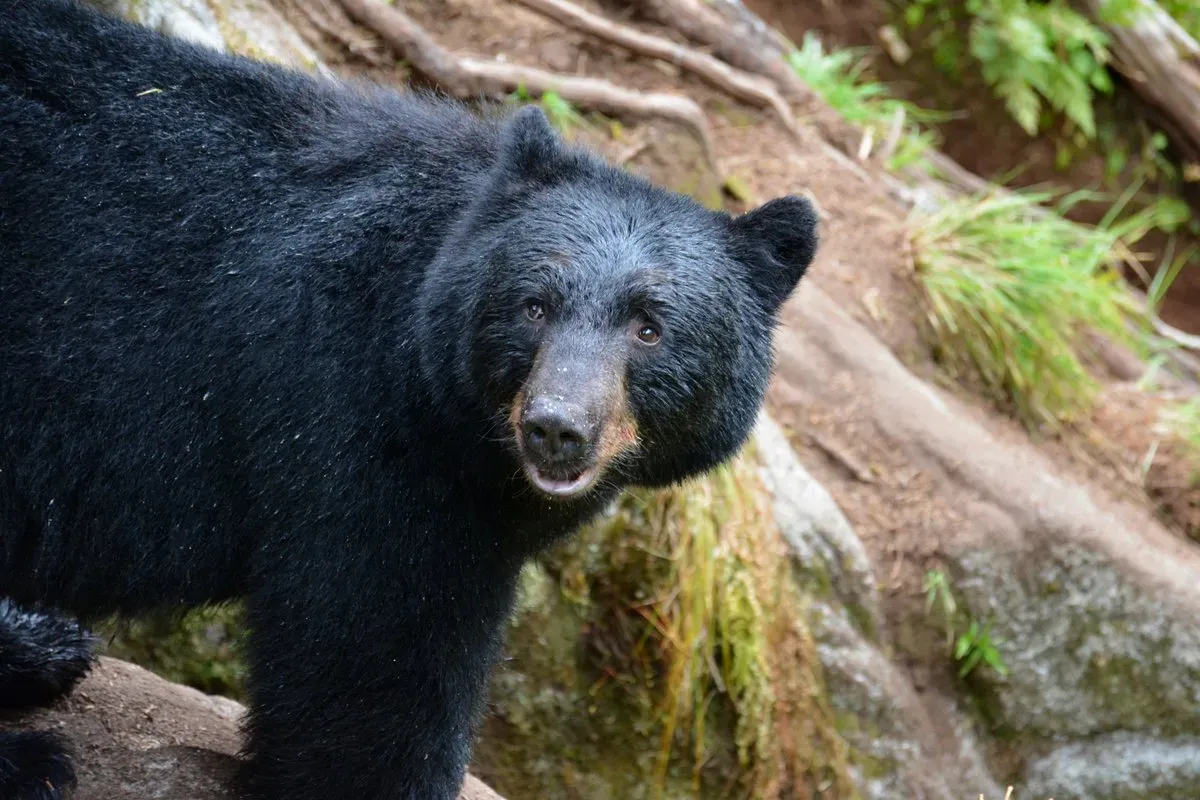
New Hampshire’s 2024 Big Game Management Plan put the black bear population at 6,100 in 2024, a 13 percent increase over 2014. For a relatively small New England state, that figure reflects both effective management and improving habitat conditions across the state’s northern forests.
New Hampshire’s bears tend to remain in heavily forested areas, but as the population grows, encounters near rural communities are becoming more common. The state has responded with targeted outreach to reduce food attractants and keep bears wild rather than habituated to human settings.
Tennessee: Steady, Science-Driven Growth
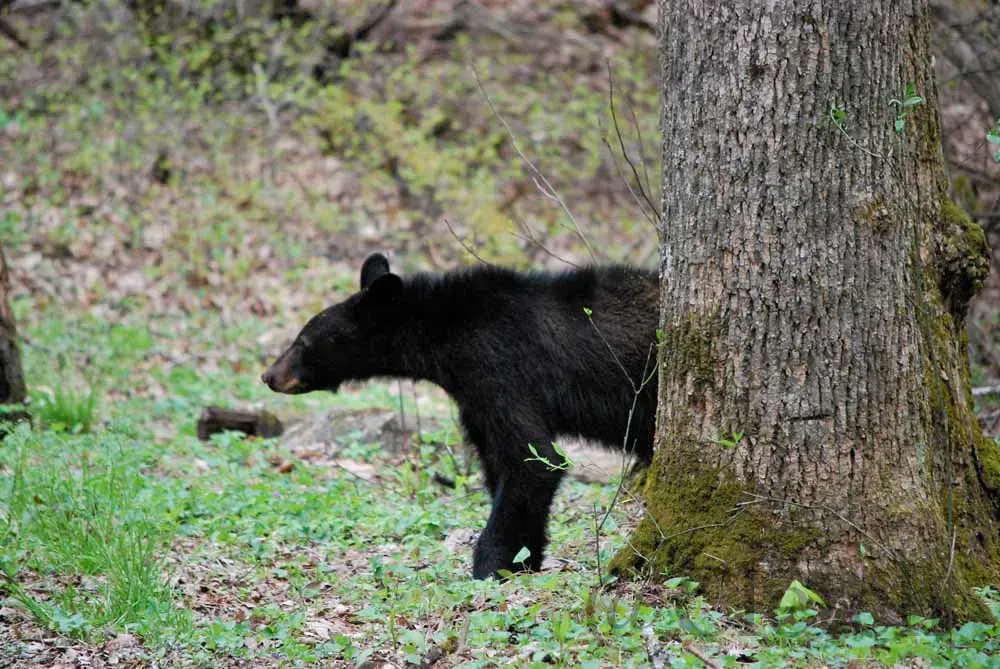
Tennessee’s recent reporting points to steady, management-driven growth. A 2025 state transportation research report, citing Tennessee wildlife data, says collaborative management efforts produced a 1.2 mean annual growth rate, roughly 20 percent annual growth over the study period.
Tennessee has between 5,500 and 6,000 black bears. These bears primarily live in areas protected by the Great Smoky Mountains National Park and Cherokee National Forest. The Great Smoky Mountains remain one of the most bear-dense protected landscapes in the eastern United States, drawing wildlife tourists while offering bears the undisturbed core habitat they need to breed successfully.
Connecticut: Breeding in 89 Towns and Counting
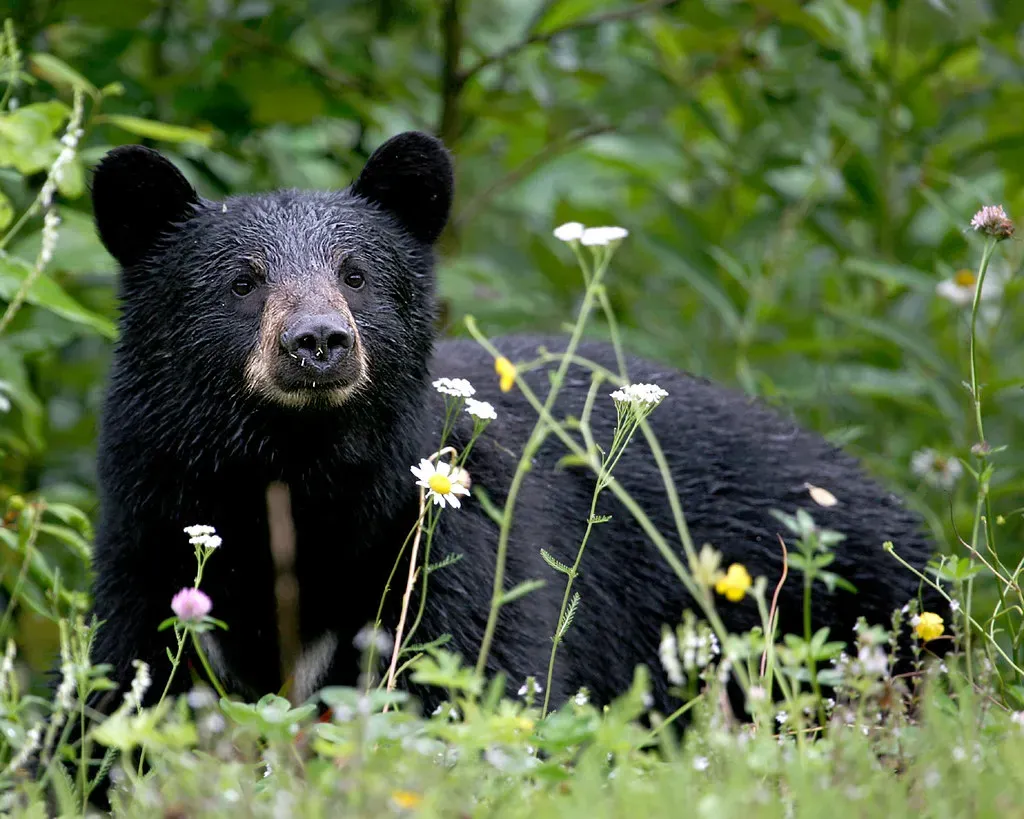
Connecticut’s State of the Bear public brief and 2025 bear report show a population that is growing and spreading. The state now estimates 1,000 to 1,200 bears and says the population is “increasing and expanding,” reporting breeding evidence in more than 89 towns in 2024. For a densely populated northeastern state, that level of documented breeding activity is genuinely remarkable.
Connecticut doesn’t have a regulated bear hunting season, but state biologists have pressed the legislature that one is needed to manage this growth. The policy debate that follows a successful recovery is a challenge most conservationists welcome. It means the hard work of population rebuilding has actually worked.
Wisconsin: A 166 Percent Increase Over 35 Years
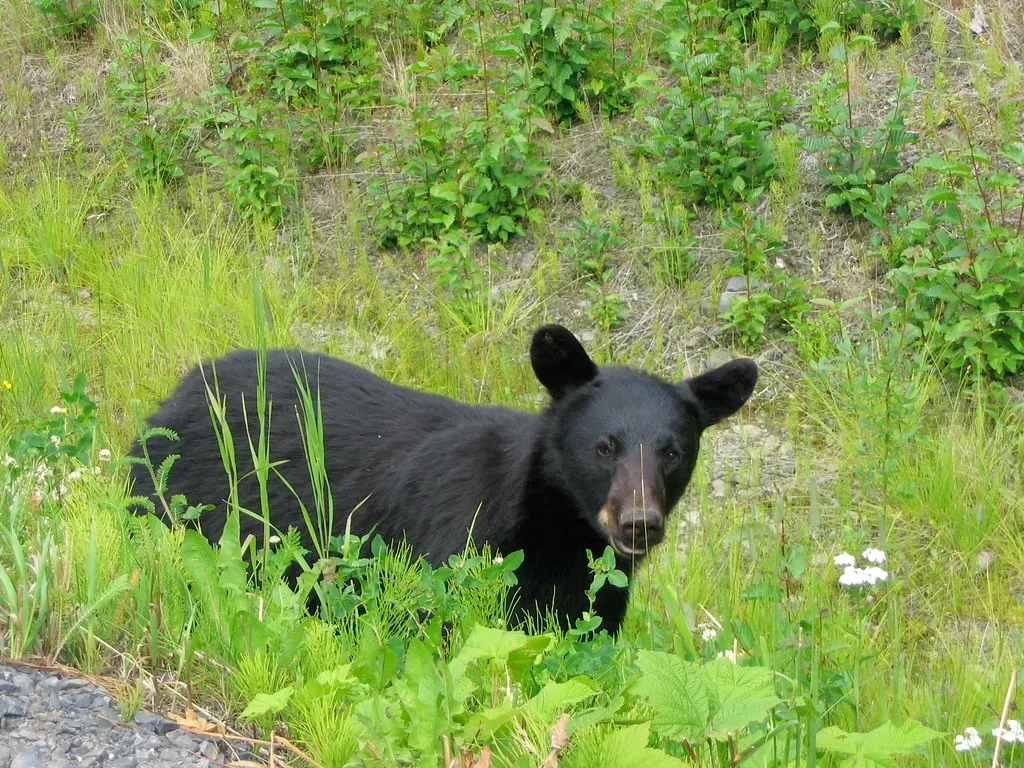
Wisconsin’s bear population was estimated at 9,000 bears in 1989, but the most recent data indicates the bear population is currently estimated just north of 24,000 bears, representing a 166.7 percent increase in roughly 35 years. Most of Wisconsin’s 24,000 black bears are located in the upper third of the state.
Bear hunters harvested 4,285 bears during the 2024 five-week season, rebounding from the below-average harvest of 2,922 bears taken during 2023’s season. The state has had to implement innovative management strategies, dividing Wisconsin into bear management zones with different hunting pressures based on population goals.
Wisconsin’s recovery is arguably the clearest demonstration of what long-term, data-driven management looks like at scale. The population tripled while remaining ecologically stable, and the state continues to refine its zone-based approach as bears push into new areas in the southern counties.
Why It All Matters: Bears as Ecosystem Engineers
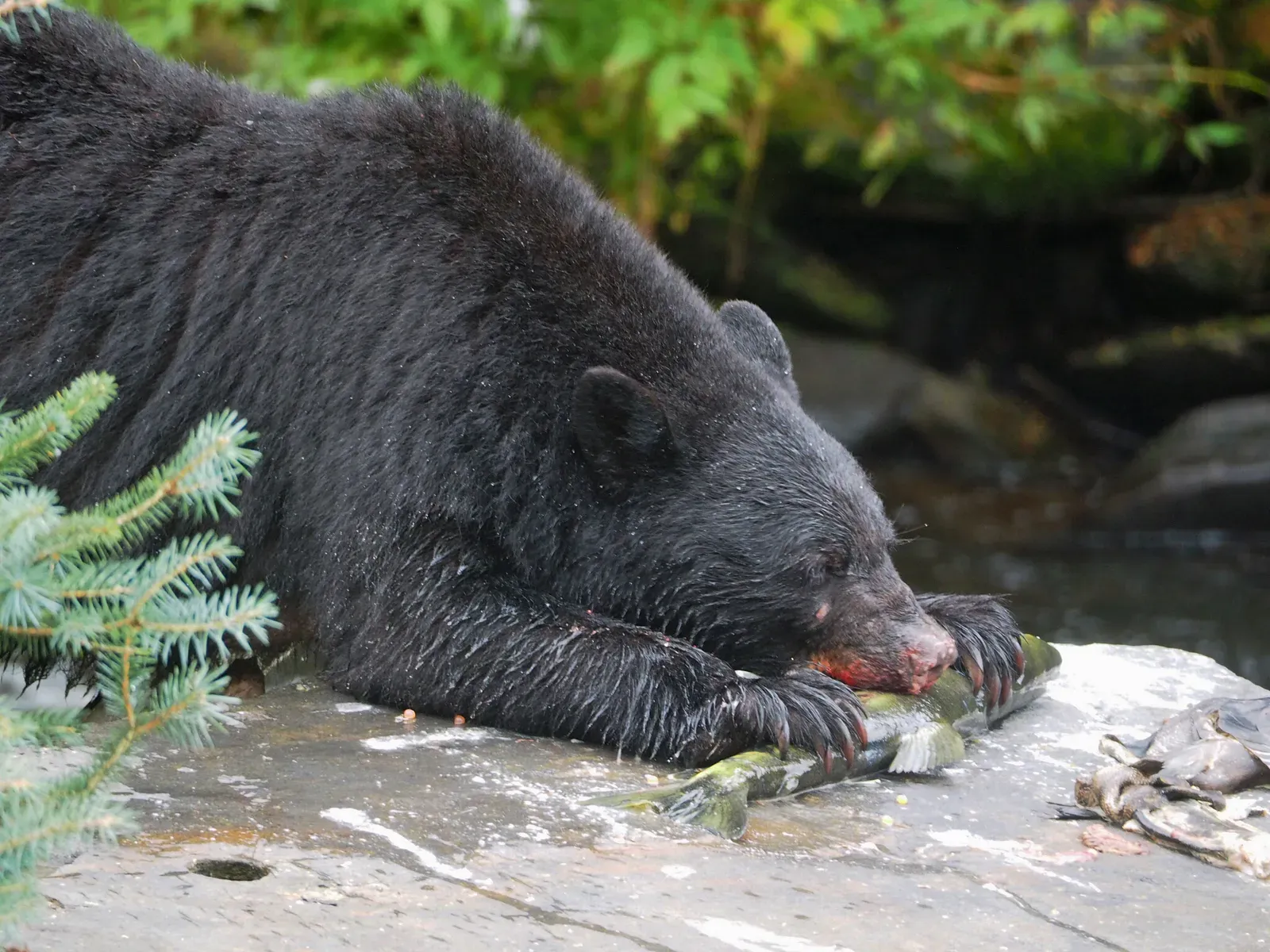
In North America, bears such as the American black bear and the grizzly act as forest ecosystem engineers and caretakers. Through hunting, foraging, and digestion, they help regulate prey populations, aerate the soil, disperse seeds, and cycle nutrients in the ecosystem. In simpler terms, if bears were to disappear, no other animal could fill their role, and the forest’s natural ecosystem would change dramatically.
Each pile of bear scat is packed with seeds. One analysis of a single black bear scat in Rocky Mountain National Park found it contained about 1,200 tree seedlings ready to grow. Thanks to bears, forests regenerate, and new plants colonize different areas, which maintains high plant diversity.
If a forest is healthy enough to support bears, it’s also healthy enough to support people. That’s why bears are often called indicator species: their presence tells us that the environment is in good shape. In places like the United States and Canada, healthy bear populations often support local economies through tourism and outdoor recreation. People travel from all over the world to see bears in the wild, especially in national parks like those in Alaska or the Rocky Mountains.
Conclusion
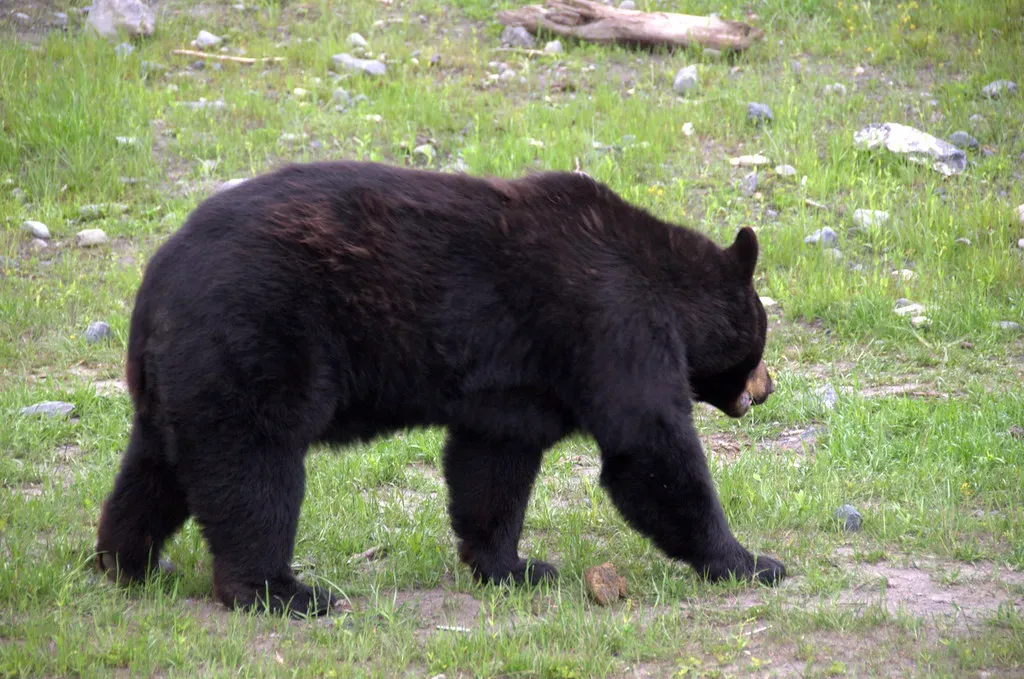
The comeback of bears across these eleven states is one of the quieter conservation triumphs of the past half-century. It did not happen by accident. It took decades of habitat protection, regulated management, public education, and sustained political will to hold the line.
Conservation success breeds new challenges. As populations expand, so does natural range. More communities have bears. That reality shapes the next chapter of this story. The question is no longer whether bears can come back. The question is whether the systems that brought them back can hold together as those populations grow, move, and press closer to the places where people live.
What these eleven states have shown, collectively, is that wildlife can recover when given the right conditions. Bears, as it turns out, are patient. They were always waiting for the forests to return and for humans to step back just far enough. That they have done so across so many different landscapes, from Florida swamps to Wisconsin’s northern forests to Connecticut suburbs, is worth paying attention to.
Worried about unexpected vet bills?
Pet insurance can cover thousands in unexpected vet costs. Get a free quote from Lemonade in under 2 minutes.
Get My Free Quote →Sponsored · Opens Lemonade.com
