

Most of us know to be cautious of wildlife in states known for dangerous predators like Alaska’s grizzly bears or Florida’s alligators. However, many states across America harbor surprisingly dangerous native animals that residents and visitors might not expect. From venomous reptiles hiding in desert landscapes to seemingly innocent mammals carrying deadly diseases, nature’s threats exist in every corner of the country. This article explores eleven states with unexpectedly dangerous wildlife, highlighting creatures that pose genuine risks despite their often unassuming appearances or the states’ benign reputations.
Arizona’s Deadly Desert Dwellers

Arizona’s picturesque desert landscapes hide some of North America’s most venomous creatures. The Arizona bark scorpion stands out as the most dangerous scorpion in the United States, with venom potent enough to cause severe pain, numbness, vomiting, and in rare cases, death—particularly in children and the elderly. These small arachnids, measuring just 2-3 inches long, can squeeze through cracks as thin as a credit card and are often found in homes, especially during summer months when seeking cooler environments.
The state is also home to 13 species of rattlesnakes, including the Mojave rattlesnake, whose neurotoxic venom is considered more dangerous than other rattlesnake species. Unlike most rattlesnakes that employ hemotoxic venom affecting blood and tissue, the Mojave’s neurotoxic venom attacks the nervous system, potentially causing respiratory failure. The Gila monster, one of only two venomous lizards in the world, also calls Arizona home. Though rarely fatal to humans, its painful bite delivers venom through grooved teeth in a chewing motion rather than through fangs.
Colorado’s Mountain Menaces
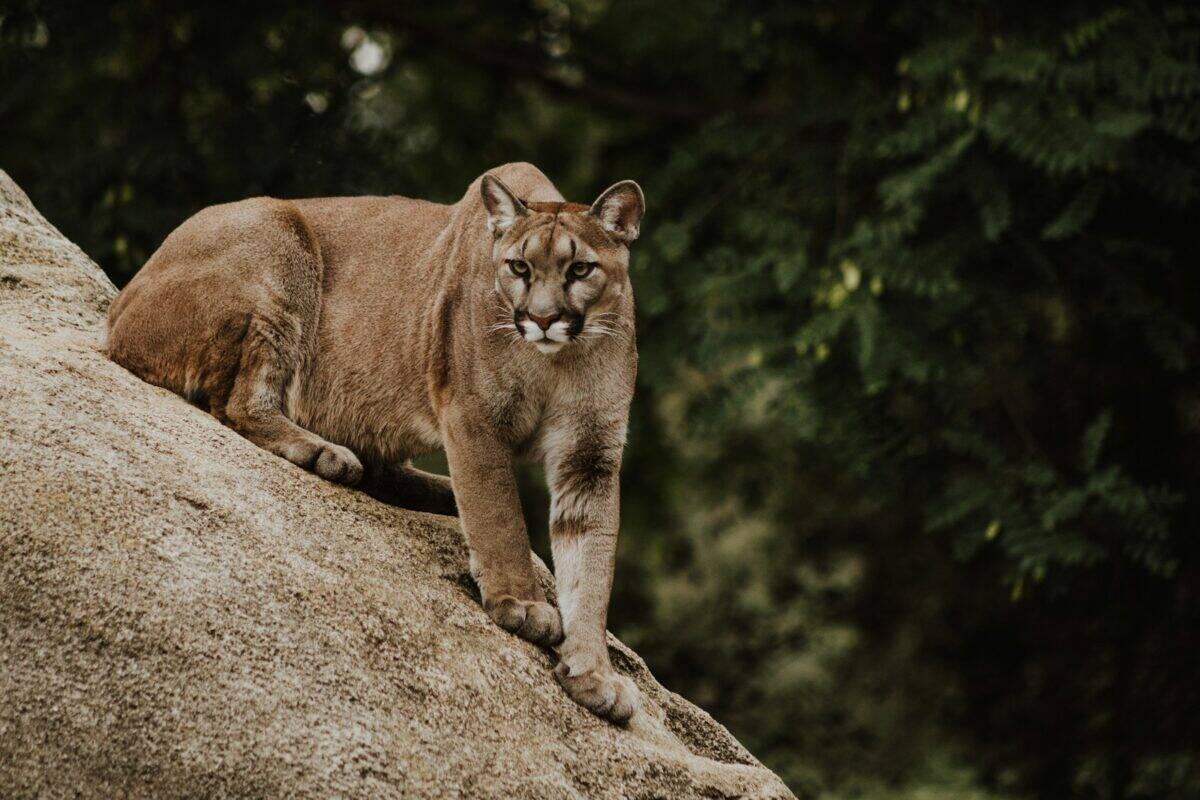
Colorado’s majestic Rocky Mountains harbor wildlife that can pose significant threats to humans. Mountain lions, though rarely seen, are responsible for several attacks in the state’s history. These powerful predators can weigh up to 150 pounds and are capable of taking down prey much larger than humans. Colorado Parks and Wildlife reports that mountain lion encounters have increased in recent years as human development encroaches further into their habitat, creating more potential for dangerous interactions.
The state’s high-altitude environment is also home to the Colorado tick fever virus, transmitted by the Rocky Mountain wood tick. This virus causes symptoms including high fever, severe headaches, fatigue, and muscle pain that can last for weeks. Additionally, Colorado’s elk and moose populations, while magnificent to observe, can be extremely dangerous during mating season or when protecting young. An adult moose weighing up to 1,500 pounds can charge at speeds of 35 miles per hour and has been known to stomp humans they perceive as threats, resulting in several serious injuries and occasional fatalities in the state.
Texas’s Venomous Variety
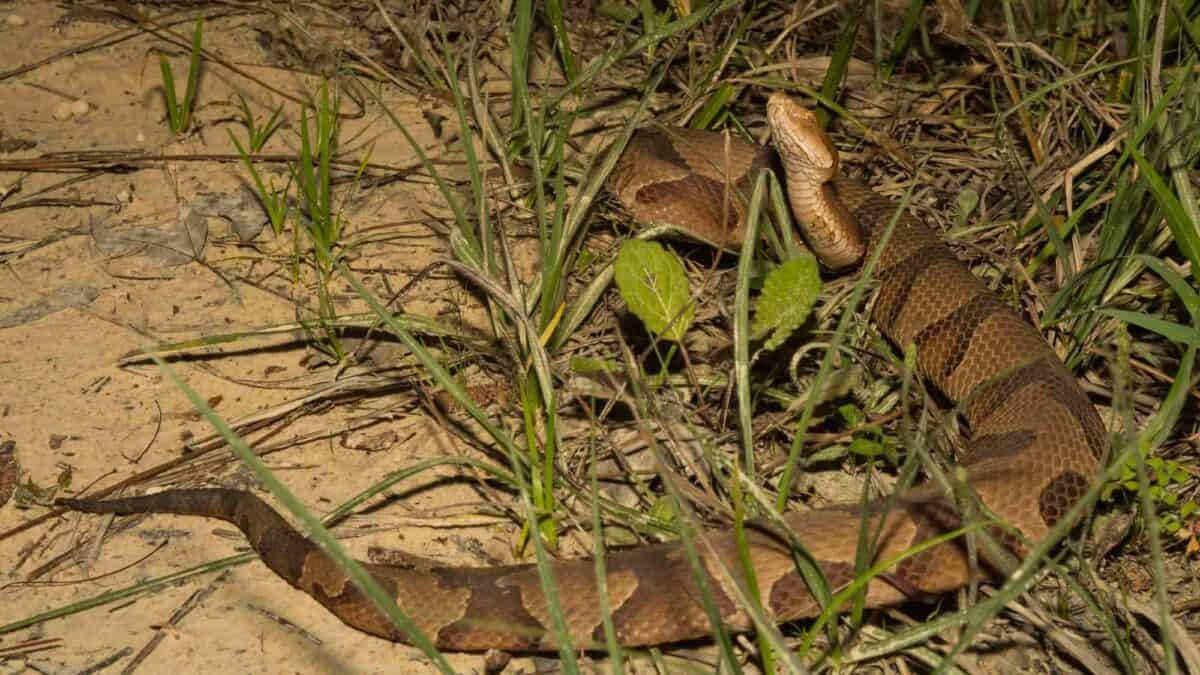
The Lone Star State hosts an impressive array of venomous creatures that make it surprisingly dangerous for the unwary. Texas is home to all four types of venomous snakes found in the United States: rattlesnakes, copperheads, cottonmouths (water moccasins), and coral snakes. The western diamondback rattlesnake, particularly common in Texas, injects large amounts of hemotoxic venom that can cause tissue damage, intense pain, and without proper treatment, death. Texas leads the nation in snakebite incidents, with approximately 7,000 bites reported annually.
Beyond reptiles, Texas waters harbor hazards including the Portuguese man-of-war along the Gulf Coast. Though technically not a jellyfish but a colony of organisms, its long tentacles can deliver extremely painful stings that occasionally prove fatal. The state also harbors the brown recluse spider, whose necrotic venom can cause severe tissue damage requiring surgical intervention. Perhaps most surprisingly, Texas’s feral hog population—now exceeding 1.5 million—poses a significant danger with their sharp tusks, aggressive behavior, and impressive speed, resulting in numerous injuries to hunters and hikers annually.
Minnesota’s Unexpected Dangers
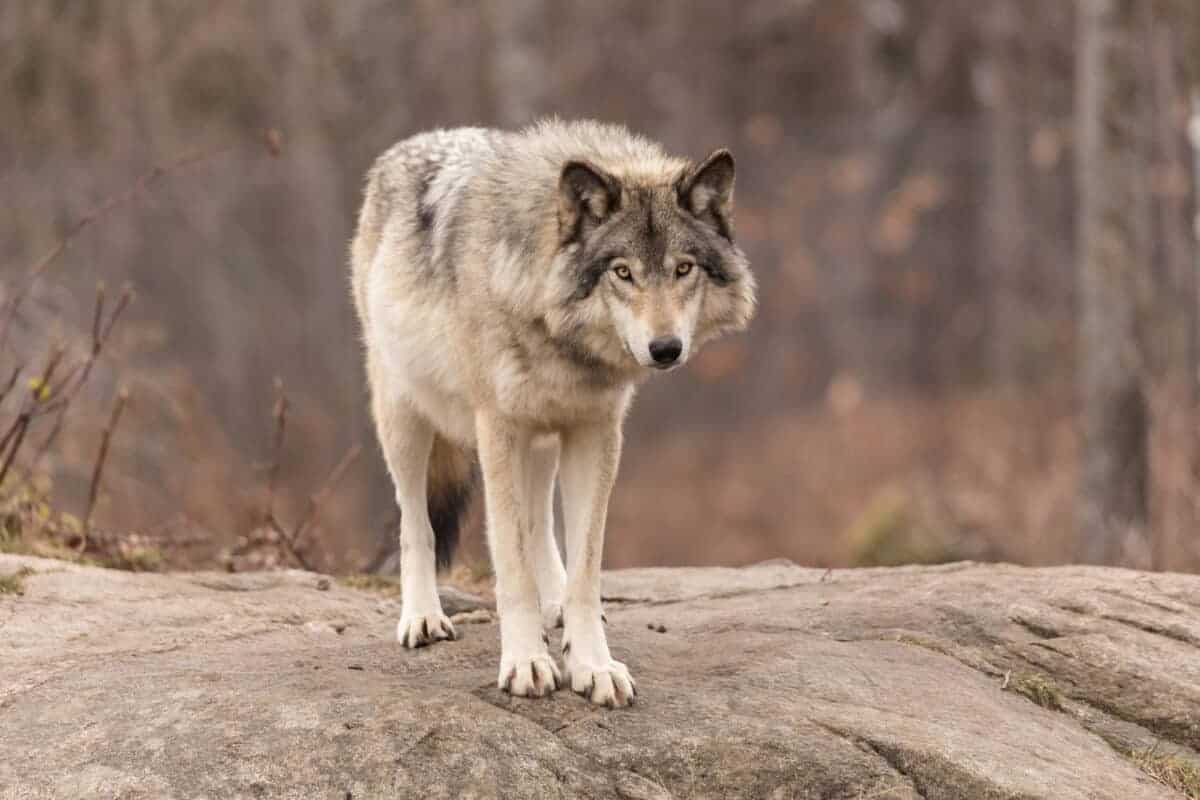
Minnesota’s reputation for friendly inhabitants belies the dangers posed by some of its wildlife. The timber wolf, or gray wolf, maintains a healthy population in northern Minnesota—the largest in the lower 48 states. While wolf attacks on humans are extremely rare, they have been known to attack pets and livestock. The Minnesota Department of Natural Resources estimates the state’s wolf population at around 2,700, and as human development expands into wolf territory, encounters become more likely.
Minnesota’s numerous lakes and wetlands harbor brain-eating amoebae (Naegleria fowleri), microscopic organisms that thrive in warm freshwater. Though infections are rare, they’re almost always fatal, with a 97% death rate. The amoeba enters through the nose when swimming in infected waters and travels to the brain, causing primary amebic meningoencephalitis. Additionally, Minnesota leads the nation in tick-borne diseases, particularly Lyme disease, with thousands of cases reported annually. The black-legged tick (deer tick) that transmits Lyme disease is found throughout the state’s forests and grasslands, presenting a year-round danger that many visitors don’t anticipate.
North Carolina’s Coastal Killers

North Carolina’s diverse ecosystems from mountains to coastline harbor several dangerous native species. The state’s beaches are frequent hunting grounds for bull sharks, considered by many marine biologists to be the most dangerous shark species due to their aggressive nature, preference for shallow water, and ability to tolerate freshwater. North Carolina ranks fourth in the United States for unprovoked shark attacks, with over 65 documented incidents since 1935, including several fatalities. The state’s warm coastal waters also attract dangerous jellyfish, including the box jellyfish whose sting can cause cardiac arrest.
Inland, North Carolina harbors the copperhead snake, responsible for more venomous bites than any other snake species in the United States. Though rarely fatal, copperhead bites cause extreme pain, tissue damage, and can lead to secondary infections. The state is also home to the eastern diamondback rattlesnake—the largest venomous snake in North America—which can deliver enough venom in a single bite to kill multiple adults. Perhaps most surprisingly, North Carolina’s seemingly placid white-tailed deer cause numerous human fatalities each year, not through direct attacks but by causing approximately 20,000 vehicle collisions annually in the state.
Oregon’s Hidden Hazards

Oregon’s lush landscapes conceal a variety of dangerous native animals that residents and tourists might not expect. The northern Pacific rattlesnake inhabits much of eastern Oregon, and while its venom is less potent than some other rattlesnake species, it still requires immediate medical attention. These snakes are particularly dangerous because they blend perfectly with Oregon’s rocky, sage-covered terrain, making them nearly invisible until it’s too late. Oregon’s Department of Fish and Wildlife receives dozens of rattlesnake bite reports annually, primarily from hikers and outdoor enthusiasts.
The state’s coastal waters are home to the blue-ringed octopus, one of the world’s most venomous marine animals. Though small—typically only 5-8 inches in size—its tetrodotoxin is powerful enough to kill an adult human within minutes by causing respiratory paralysis. Oregon’s dense forests harbor black bears that, while generally shy, can become aggressive if surprised or if cubs are present. Perhaps most unexpected is the danger posed by Oregon’s elk population, particularly during rutting season when males become territorial and aggressive. Weighing up to 700 pounds and armed with sharp antlers, they’ve been responsible for numerous serious injuries to hikers and photographers who ventured too close.
Oklahoma’s Prairie Predators
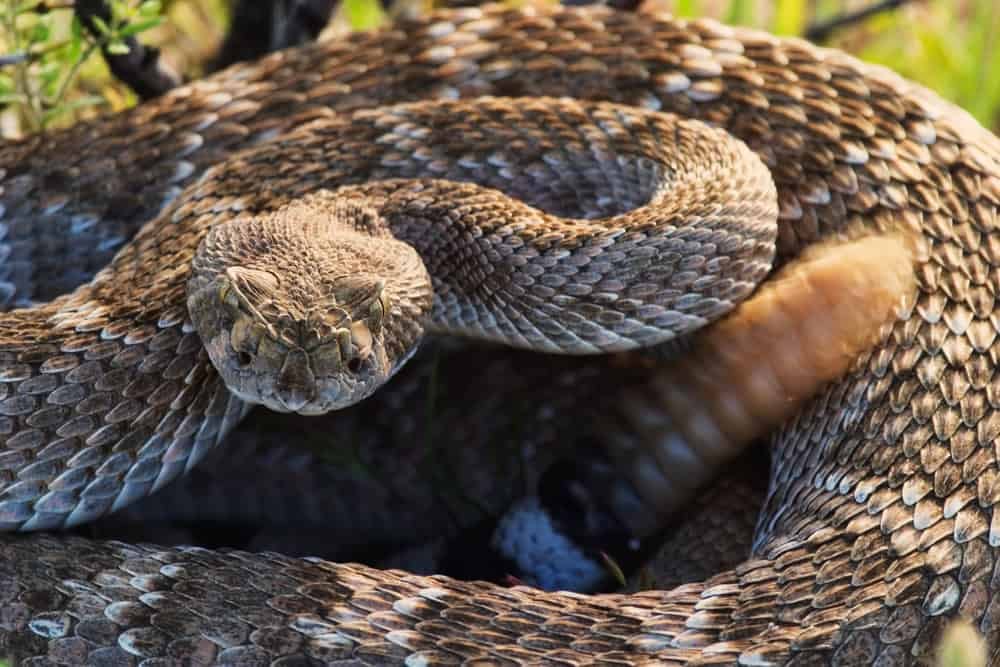
Oklahoma’s diverse landscape from prairies to mountains harbors several dangerous native animals that visitors might not anticipate. The state is home to all four venomous snake species found in the United States, with the western diamondback rattlesnake being particularly common. Oklahoma records approximately 300 venomous snakebites annually, one of the highest rates per capita in the country. The prairie rattlesnake, found throughout western Oklahoma, possesses venom that contains both neurotoxic and hemotoxic components, making its bite particularly dangerous.
Perhaps more surprising is the threat posed by Oklahoma’s American bison population. Though often perceived as docile, these massive animals weighing up to 2,000 pounds can charge at speeds of 35 miles per hour and are responsible for more injuries in national parks than any other animal. The Wichita Mountains Wildlife Refuge in Oklahoma maintains a herd of approximately 650 bison, and several visitors are injured each year when approaching too closely. Additionally, Oklahoma leads the nation in fatal black widow spider bites, with the arachnid thriving in the state’s warm climate. The female’s venom is 15 times more potent than a rattlesnake’s, potentially causing severe muscle pain, nausea, and in rare cases, death.
Michigan’s Waterway Threats
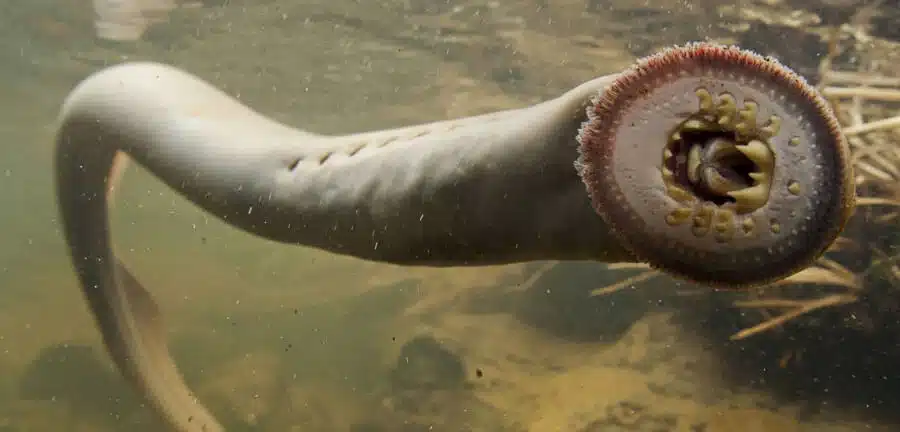
Michigan, surrounded by the Great Lakes, contains numerous waterways harboring unexpected dangers. The state’s waters are home to the sea lamprey, a parasitic fish with a circular mouth filled with razor-sharp teeth that attaches to other fish and drains their bodily fluids. While they rarely attack humans, accidental encounters can result in painful wounds that are slow to heal due to the anticoagulant in their saliva. Michigan’s Department of Natural Resources spends millions annually controlling this invasive species that has decimated native fish populations.
Perhaps more concerning is Michigan’s growing population of massasauga rattlesnakes, the state’s only venomous snake. Though shy and preferring to avoid humans, their habit of hiding in wetland vegetation makes accidental encounters possible. Their venom, while less potent than other rattlesnake species, can still cause serious tissue damage and requires immediate medical attention. Michigan’s waters also harbor brain-eating amoebae in warm shallow areas, particularly during summer months. While infections are rare, they have a 97% fatality rate, making them one of the deadliest microscopic threats in the state’s otherwise inviting lakes. Additionally, Michigan reports hundreds of cases of blastomycosis annually, a potentially fatal fungal infection spread through spores in soil and water that affects both humans and pets.
New Mexico’s Desert Dangers

New Mexico’s arid landscape harbors a surprising array of dangerous native animals. The state is home to the Arizona bark scorpion, whose powerful neurotoxic venom can cause extreme pain, convulsions, and in severe cases, respiratory failure. These small arachnids are particularly dangerous because they can climb walls and ceilings, often hiding in shoes, clothing, or bedding. New Mexico Poison Control reports hundreds of scorpion stings annually, with children and elderly individuals at highest risk for severe reactions.
The state’s rocky terrain provides perfect habitat for the western diamondback rattlesnake and the Mojave rattlesnake, both possessing potent venom that can cause severe tissue damage, internal bleeding, and without proper treatment, death. New Mexico is also home to the Gila monster, one of only two venomous lizards in North America. Though slow-moving, its bite delivers excruciating pain through grooved teeth that allow venom to flow into wounds. Perhaps most unexpected is the danger posed by New Mexico’s cougar population, estimated at around 2,000 animals. These solitary predators typically avoid humans but have been responsible for several attacks in remote areas, particularly on solitary hikers, mountain bikers, and children.
Wisconsin’s Woodland Hazards

Wisconsin’s serene forests and lakes hide several dangerous native species that residents and tourists might not expect. The timber rattlesnake, though endangered, still inhabits the southwestern portion of the state and possesses hemotoxic venom that can cause tissue damage, internal bleeding, and in rare cases, death if left untreated. These snakes typically avoid human contact but will strike if threatened or cornered. Wisconsin’s Department of Natural Resources receives approximately 25 reports of venomous snakebites annually, primarily from hikers in rocky, forested areas.
Perhaps more dangerous are the state’s disease vectors, particularly the black-legged tick (deer tick) that transmits Lyme disease. Wisconsin reports over 3,000 cases of Lyme disease annually, one of the highest rates in the nation. If left untreated, Lyme disease can cause serious long-term health complications including joint pain, neurological problems, and cardiac issues. Wisconsin’s northern forests are also home to black bears, which while generally shy, can become aggressive if surprised or if cubs are present. The state’s wolf population, now exceeding 1,000 animals, poses minimal direct threat to humans but has been known to attack pets and livestock, particularly during winter months when natural prey is scarce.
Maine’s Coastal and Woodland Perils
Maine’s rugged coastline and dense forests harbor several dangerous native animals that might surprise visitors to this northeastern state. The eastern coyote, larger than its western counterpart due to wolf DNA, has established a significant population throughout Maine. Though attacks on humans are rare, these adaptable predators have become increasingly bold in suburban areas, occasionally threatening pets and small children. Maine’s Department of Inland Fisheries and Wildlife estimates the state’s coyote population exceeds 12,000 animals.
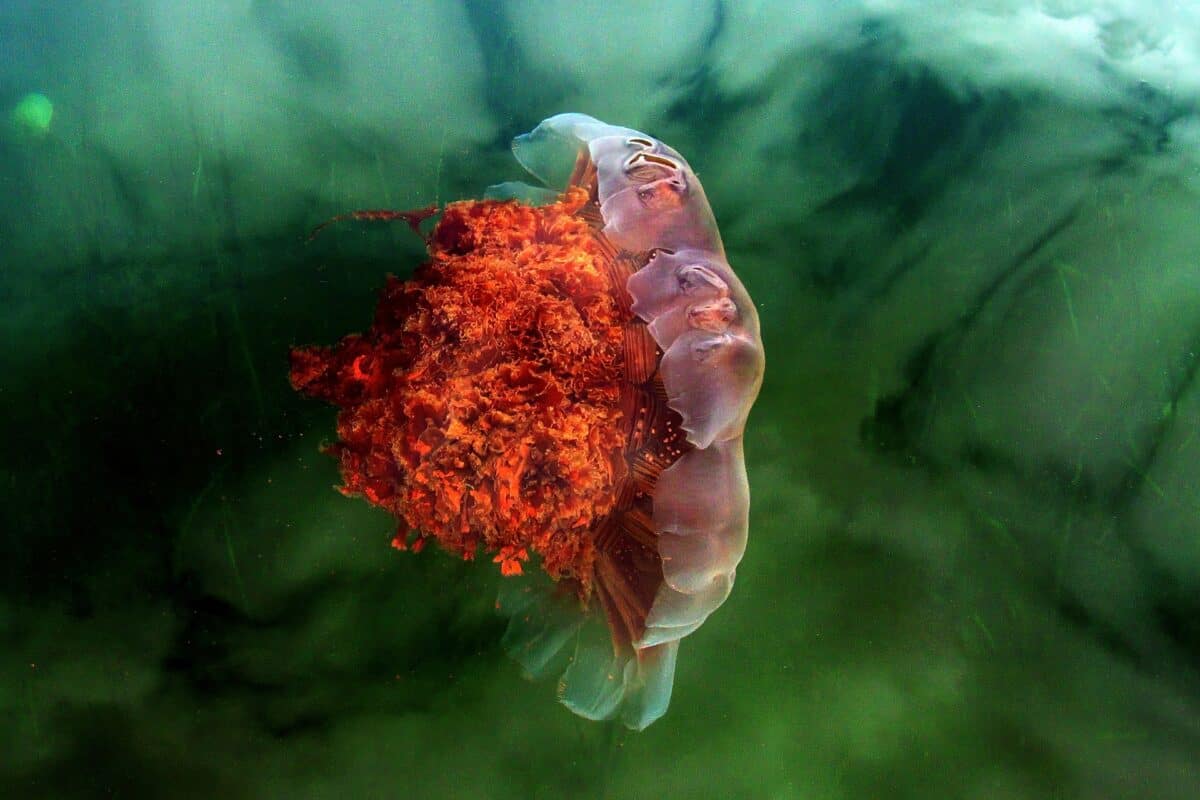
Maine’s coastal waters present their own dangers, particularly from the lion’s mane jellyfish—the world’s largest jellyfish species with tentacles reaching up to 100 feet long. Their sting delivers neurotoxins that cause intense pain, respiratory difficulty, and in rare cases, anaphylactic shock. The state’s dense forests harbor growing populations of black bears and moose, both of which can be dangerous when threatened. Moose, weighing up to 1,500 pounds and standing 6 feet tall at the shoulder, are particularly dangerous during rutting season and when protecting calves. Maine records several serious moose-vehicle collisions annually, often resulting in human fatalities due to the animal’s height causing it to crash through windshields during impact.
Understanding and Respecting Nature’s Dangers

The diverse and sometimes surprising dangers posed by native wildlife across America remind us that nature deserves our respect and caution. From Arizona’s venomous desert dwellers to Maine’s massive moose, these animals aren’t malicious—they’re simply living according to their natural instincts in environments where humans increasingly encroach. Understanding local wildlife risks is essential for anyone living in or visiting these states, as awareness is the first step toward prevention. Most wildlife encounters become dangerous only when humans fail to recognize animal behavior signals or inadvertently threaten animals through proximity to their young or territory.
Conservation efforts must balance protecting these species with public safety concerns, as many dangerous animals play crucial roles in their ecosystems. Educational programs that teach proper wildlife awareness and response protocols have proven effective at reducing negative interactions in many states. As climate change shifts species ranges and human development continues to fragment natural habitats, we can expect changing patterns in wildlife encounters, making ongoing education and adaptive management essential. By understanding, respecting, and properly responding to the potential dangers posed by these native animals, we can continue to appreciate America’s natural diversity while staying safe in our explorations.

- This Tiny Insect Can Survive in Outer Space—Here’s How - July 21, 2026
- Could the Tasmanian Tiger Be Brought Back to Life? - July 21, 2026
- Why You Should Never Approach a Sleeping Hippo - July 21, 2026