
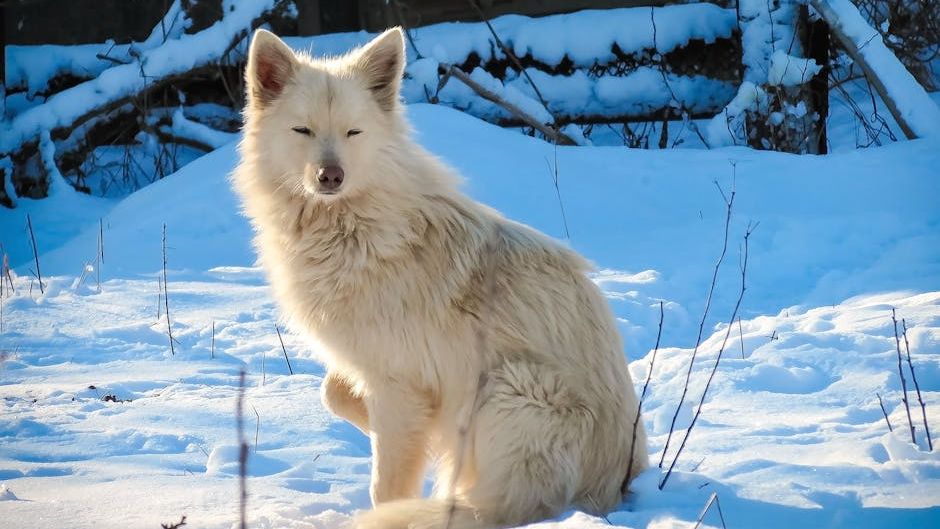
There’s something magnetic about wolves. They move through wild landscapes with a quiet intelligence, balancing fierce independence with an almost familial devotion to their pack. They communicate in layers. They lead, follow, and sometimes vanish alone into the dark, only to return. Sound familiar?
Wolves are intelligent, social animals with keen senses, but what makes them so endlessly compelling is that their social styles are far from uniform. Like humans, wolves have different personalities shaped by environment, role, and circumstance. When you map those differences onto the twelve signs of the zodiac, the parallels feel almost uncanny. Here’s which wolf type reflects your sign’s unique way of moving through the world.
#1 Aries: The Northwestern Wolf (Canis lupus occidentalis)
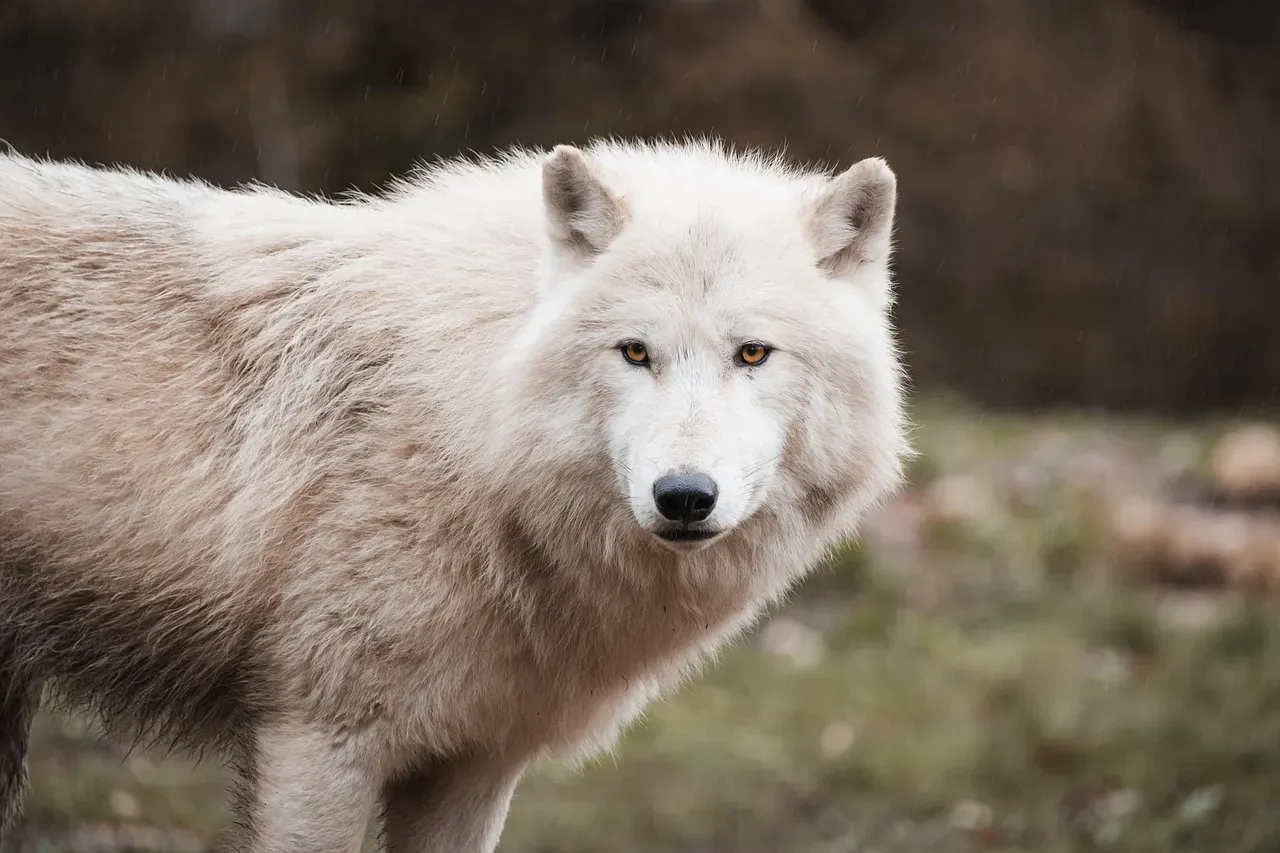
A powerhouse of energetic drive, the Aries personality presents a tough exterior that masks an all-or-nothing emotional intensity, communicating in a direct way and constantly seeking the thrill of newness. The Northwestern Wolf is an almost perfect mirror of that energy.
The northwestern or northern timber wolf is found in Alaska, western Canada, and the northwestern US – vast, rugged, uncompromising terrain that suits only the bold. The average pack size for the Northwestern wolf is generally 6 to 12 wolves, with some packs as large as 20 to 30. This is a wolf that leads from the front, thrives in scale, and never backs down from a challenge. Aries energy, through and through.
#2 Taurus: The Iberian Wolf (Canis lupus signatus)
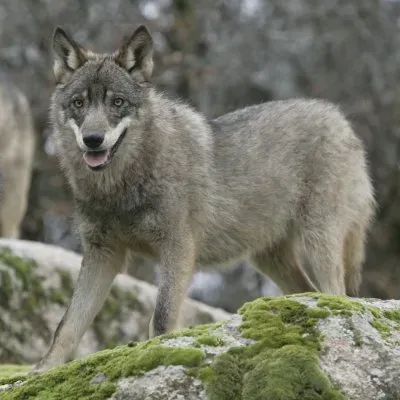
Deeply grounded and occasionally stubborn, a Taurus navigates life with a sensual appreciation for the physical world, processing information in a methodical way while prioritizing emotional and material security above all else. The Iberian Wolf lives exactly this kind of rooted, deliberate life.
Iberian wolves inhabit forests, inland wetlands, shrublands, grasslands, and mountainous areas, living, hunting, and traveling in small packs where each pack includes the alpha male and female with their young as well as older offspring. They often avoid human contact, preferring tight, trusted circles over loud social displays. Taurus would recognize that impulse immediately.
#3 Gemini: The Eastern Wolf (Canis lycaon)
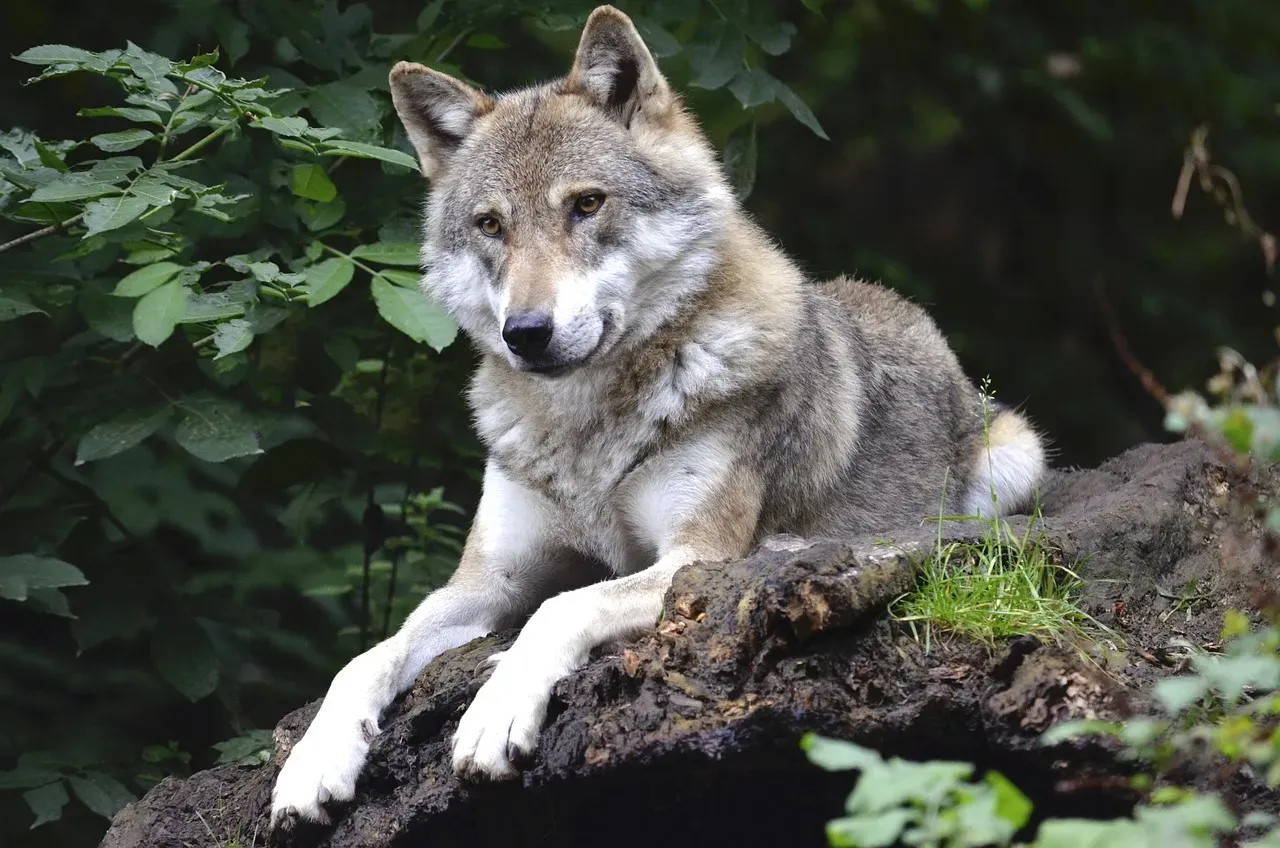
Quick-witted and often a bit wild, Geminis possess an elusive emotional nature that keeps others guessing, fueling their lives with constant adventures and a love for pure spontaneity. The Eastern Wolf is the most behaviorally flexible of the wolf world, and that adaptability is pure Gemini.
The Eastern Wolf is a debated species or subspecies, often considered either a Gray Wolf variant or a unique species with coyote lineage. Even its identity is hard to pin down. It hunts alone or in small groups depending on prey type, forms family groups or small packs, and its vocalizations and behaviors are a blend of wolf and coyote traits. Switching modes, reading the room, adapting on the fly – that’s Gemini’s whole personality described in wildlife biology.
#4 Cancer: The Arctic Wolf (Canis lupus arctos)
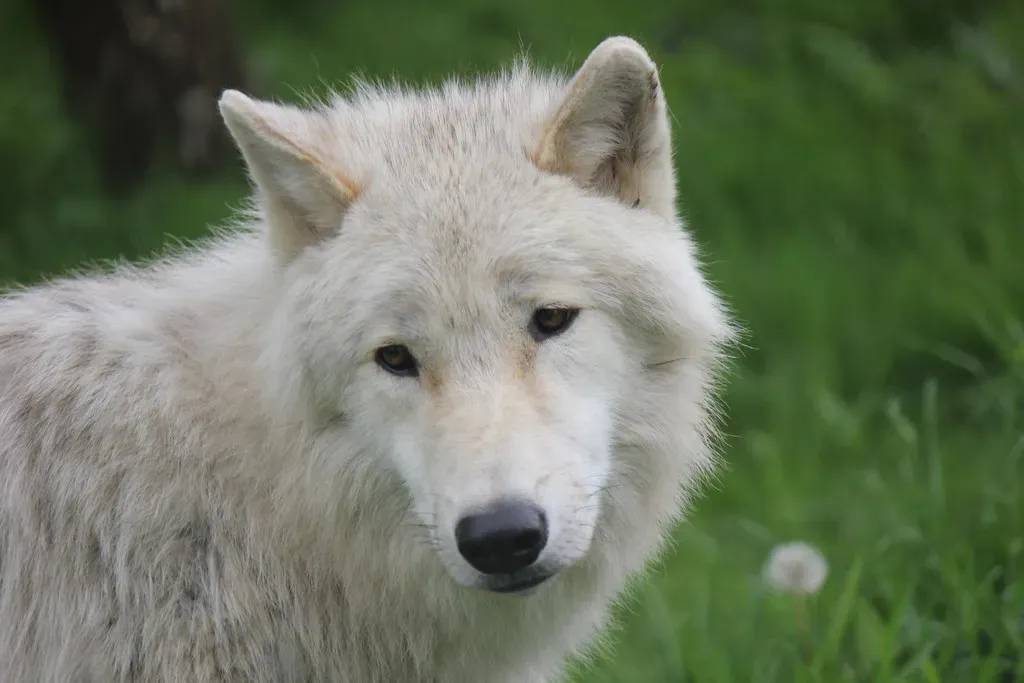
Cancer is nurturing, emotional, intuitive, protective, and empathetic – family-oriented and sensitive, valuing home and security but capable of being moody or overly protective. The Arctic Wolf is the most family-devoted wolf on the planet, and that bond isn’t optional; it’s survival.
Within the pack, members exhibit remarkable cooperative behavior, particularly in pup-rearing duties. While the majority of the pack participates in hunting expeditions, one adult typically remains behind as a dedicated guardian for the vulnerable young. This level of social organization and mutual support has proven essential for their survival in the unforgiving Arctic environment, where isolation and harsh conditions make solitary existence nearly impossible. No zodiac sign understands that last line more than Cancer.
#5 Leo: The Gray Wolf (Canis lupus lupus)
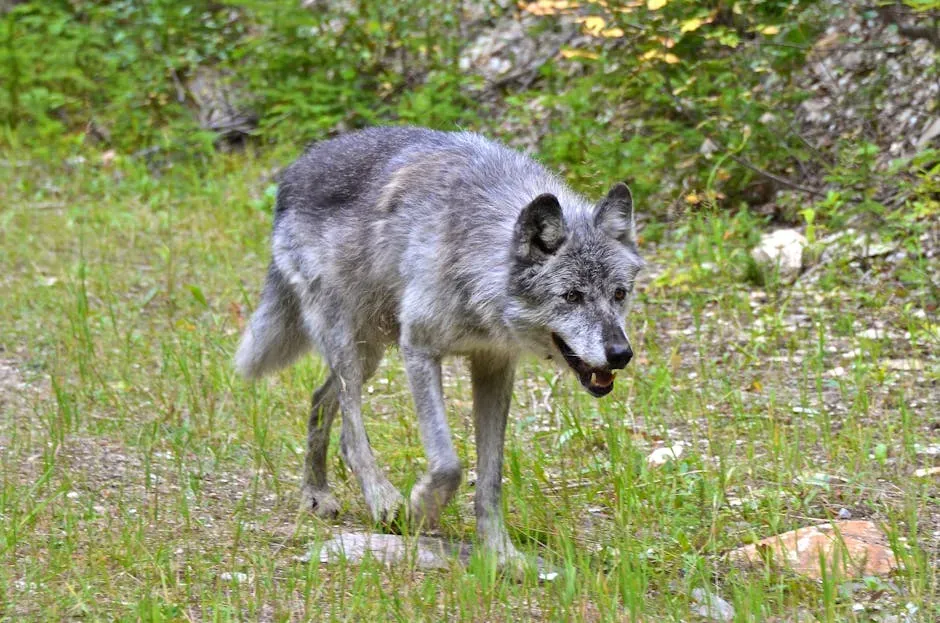
Leo is charismatic, confident, generous, warm-hearted, and dramatic – a natural performer and leader who thrives in the spotlight but can be prideful or attention-seeking. The Gray Wolf is the definitive wolf, the archetype, the one that commands attention simply by existing.
Gray wolves live in structured packs typically consisting of a breeding pair and their offspring, communicating through howls, body language, and scent marking, and are known for strong family bonds, cooperative hunting, and territorial behavior. Gray Wolves play a vital role in maintaining balanced ecosystems. Leo doesn’t just want a role in the story. Leo wants to be the reason the ecosystem stays balanced.
#6 Virgo: The Mexican Wolf (Canis lupus baileyi)
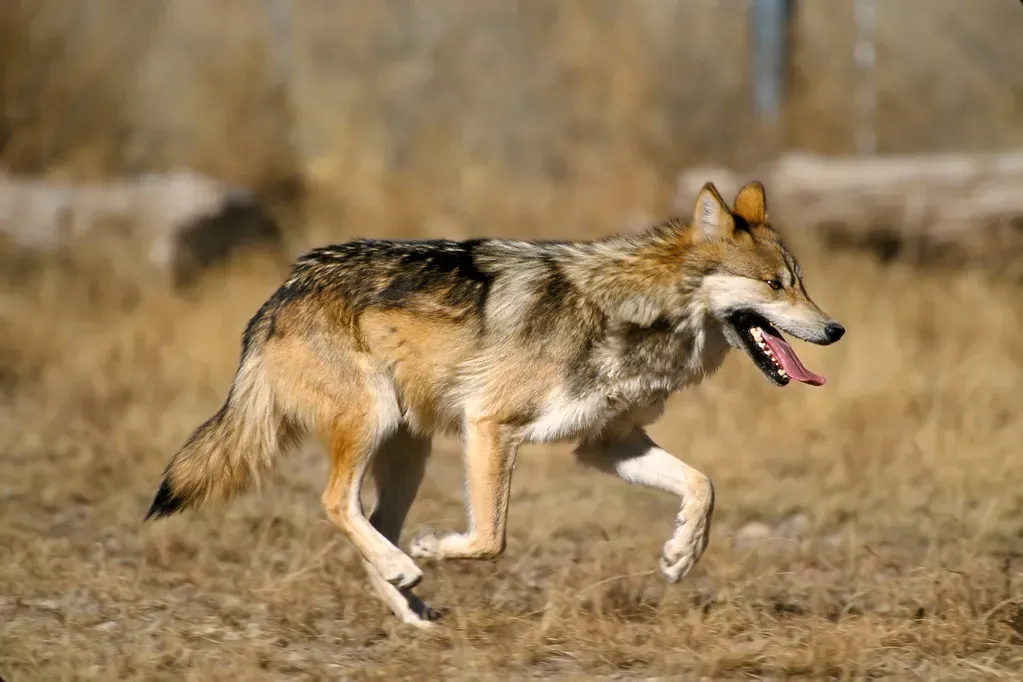
Practical and poised, Virgos often keep their inner world guarded until trust is earned, communicating in an honest way, valuing unwavering loyalty in their partners and finding their greatest purpose in the act of helping others. The Mexican Wolf operates with that same quiet precision and careful restraint.
The Mexican Wolf is one of the rarest and most endangered subspecies of the Gray Wolf, known for its smaller size and unique coloration. It is believed that the Mexican gray wolf’s general behavior is similar to other subspecies of gray wolf, maintaining a complex social hierarchy through vocalizations, body postures, and scent marking. It doesn’t overstep. It doesn’t overpower. It works within structure, finds its purpose inside the group, and earns its place through service rather than spectacle.
#7 Libra: The Great Plains Wolf (Canis lupus nubilus)
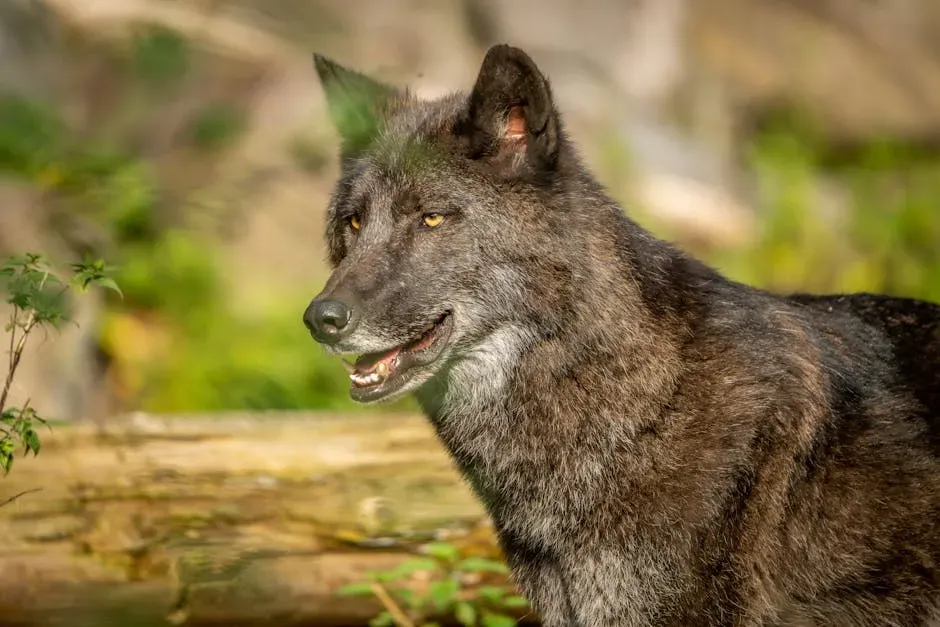
Flamboyant yet charming, Libras often struggle with an indecisive inner nature while trying to keep the peace, speaking in a calming fashion and dedicating their energy to maintaining total social harmony. The Great Plains Wolf is the most socially integrated wolf subspecies in recorded North American history, roaming open landscapes where collaboration was everything.
Wolves are highly social animals, relying on cooperation and communication within their pack to hunt, defend territory, and raise their young. Wolves can negotiate commodities when interacting subjects occupy different ranking positions, managing group disruption by engaging in sophisticated post-conflict maneuvers and restoring relationships between opponents. Libra’s entire mission statement is right there in the behavioral science.
#8 Scorpio: The Himalayan Wolf (Canis lupus chanco)
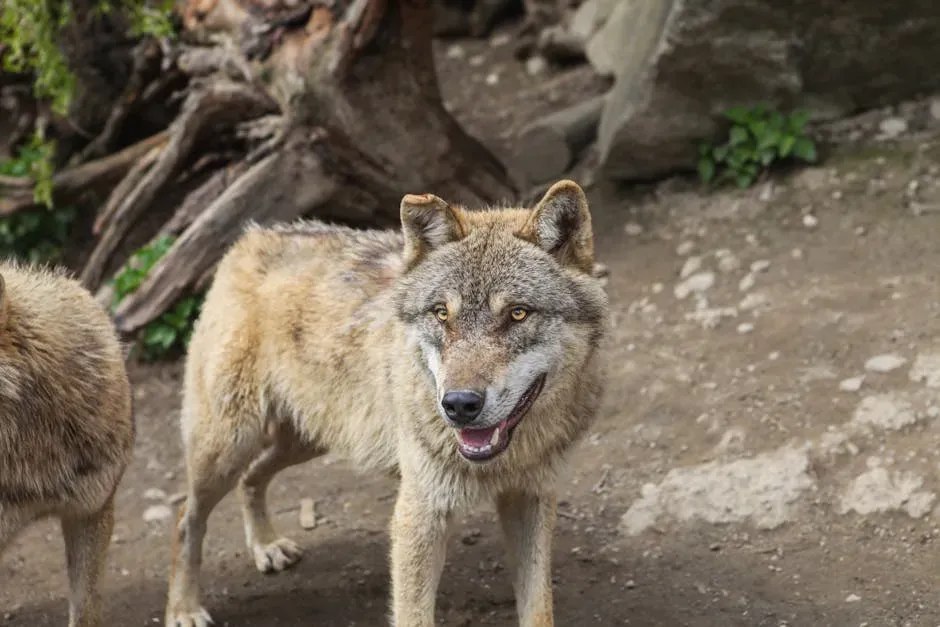
Intuitive and calculating, a Scorpio is fiercely devoted to those they let into their private circle, analyzing the world in a critical way and seeking profound depth in their relationships alongside a mastery over the psychology of human behavior. The Himalayan Wolf, one of the most genetically ancient wolf lineages, operates with a similar kind of depth and mystery.
From the white Arctic wolf to the small Mexican wolf, the vulnerable Iberian wolf, and the high-elevation Himalayan wolf, it’s safe to say wolves are a varied and diverse species. The Himalayan wolf occupies some of the harshest, most remote high-altitude terrain on Earth, living in tight-knit packs with sharp territorial awareness and a preference for few, deeply-known companions over casual wider groups. Scorpio would feel completely at home in that dynamic.
#9 Sagittarius: The Tundra Wolf (Canis lupus albus)
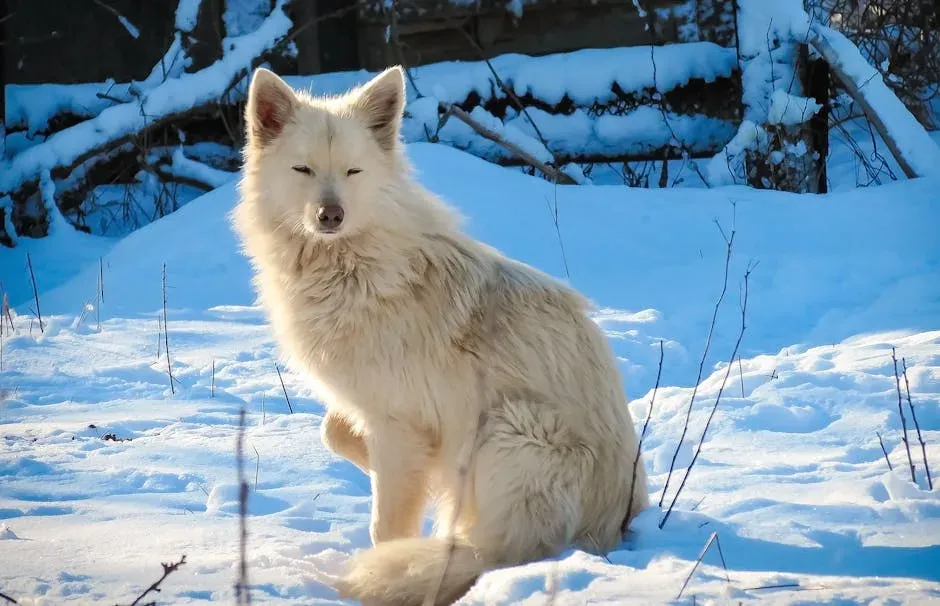
Sagittarius belongs to the fire signs alongside Aries and Leo, sharing traits of passion, creativity, confidence, and courage. What separates Sagittarius from the rest is its compulsion to roam, explore, and push further than anyone thought possible. The Tundra Wolf matches that wandering spirit almost stride for stride.
In the Arctic circle, the Tundra Wolf is one of the most common subspecies in Eurasia, well-adapted to harsh conditions and often found in remote, rugged landscapes where human encounters are rare. A wolf pack may spend 8 to 10 hours a day on the move and may cover 40 miles a day during winter hunts. Freedom isn’t a preference for the Tundra Wolf. It’s a biological necessity. Sagittarius gets that on a cellular level.
#10 Capricorn: The Northwestern Wolf Pack Leader
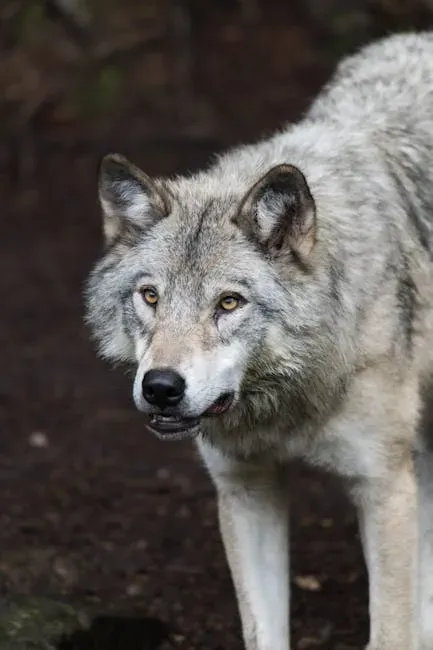
Capricorn is the sign of structure, ambition, and long-game thinking. Where Aries charges ahead with fire, Capricorn climbs with patience and calculation. Capricorn belongs to the cardinal quality group, meaning it likes to initiate change, but does so through method, not impulse.
The wolf pack is one of nature’s most sophisticated social orders and one of the most intensively studied. A wolf pack is usually a family group of five to eight animals consisting of a pair of breeding adults and their young. The breeding pair is likely to be the oldest, largest, and strongest wolves in the pack, known as the dominant wolves and usually the only members to produce pups. The alpha pair earns dominance through consistency and earned authority, not through bravado. That is pure Capricorn energy – position gained through time, discipline, and unshakeable resolve.
#11 Aquarius: The Ethiopian Wolf (Canis simensis)
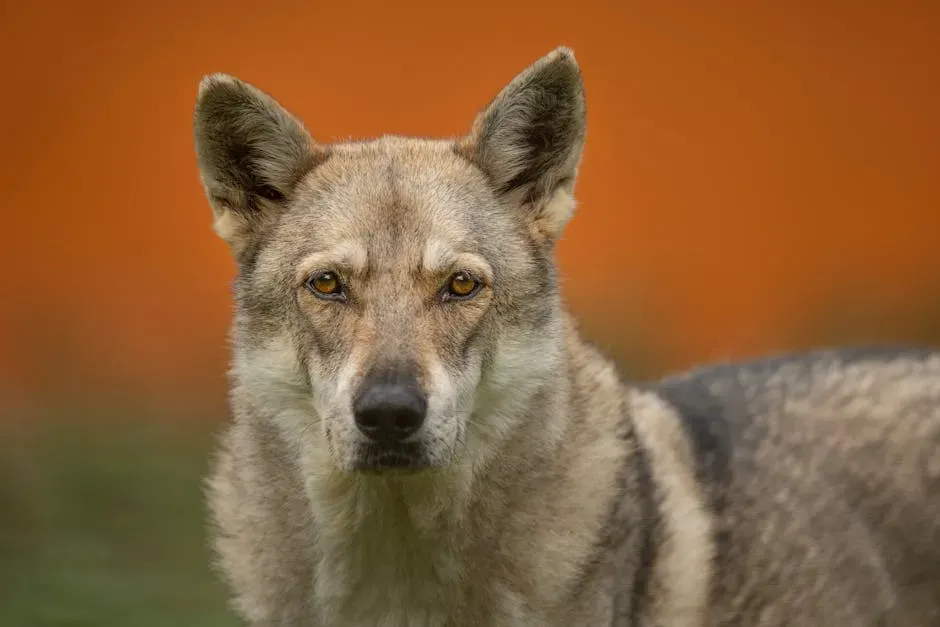
Aquarius belongs to the air signs alongside Gemini and Libra, sharing traits of independence, intellectual curiosity, and a communicative, social nature. Yet Aquarius is the outlier of the zodiac, always slightly different, drawn to a different rhythm than everyone around them. A person influenced by Aquarius desires social mobility and will actively engage with those who are placed higher than themselves.
The Ethiopian wolf lives in a social pack setting, but tends to hunt local rodent species alone, and is much smaller than the gray wolf. There are fewer than 440 Ethiopian wolves remaining on Earth, making it one of the most unique and endangered canids in existence. It participates in the social structure but operates individually within it – deeply communal at home, fiercely autonomous in practice. That paradox is Aquarius, described in pure nature.
#12 Pisces: The Red Wolf (Canis rufus)
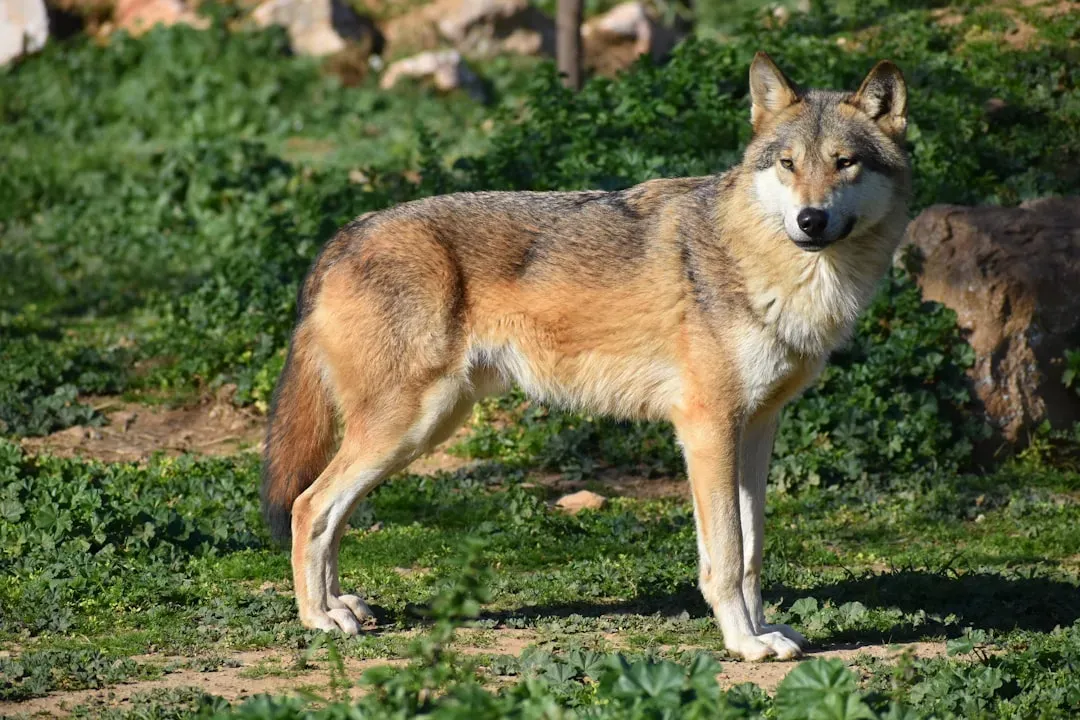
The Red Wolf is a critically endangered species native to the southeastern United States, known for its reddish hue and coyote-like build. Like Pisces, the Red Wolf exists somewhere between two worlds, not fully wolf, not fully anything else, possessing an elusive beauty that is deeply its own.
Red wolves form family groups or small packs, and once wolves find a partner, they mate for life, which forms the basis of their wolf pack or family unit. Though wolves may leave their pack once they become mature adults, they don’t stay alone for long. Pisces is the same: drawn to deep emotional bonds, always finding their way back to connection, carrying something quietly rare inside them. The Red Wolf is fragile, extraordinary, and worth protecting. So is every Pisces you’ll ever meet.
A Final Thought
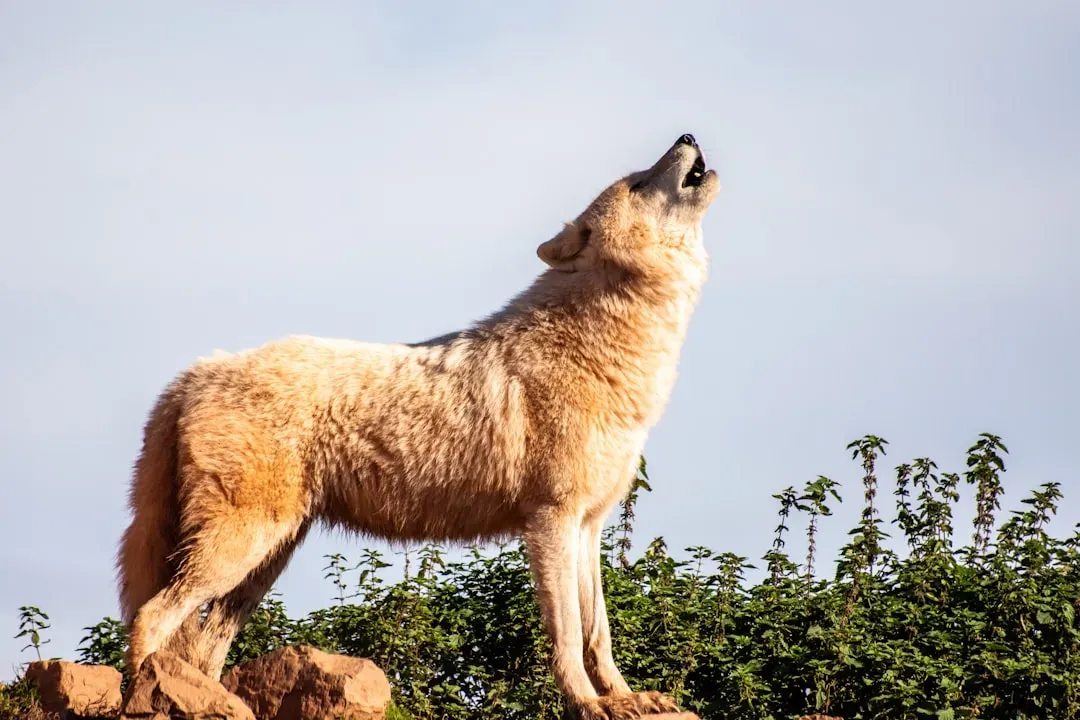
Of all members of the genus Canis, the wolf is most specialized for cooperative game hunting, as demonstrated by its physical adaptations, its social nature, and its highly advanced expressive behavior, including individual or group howling. That expressiveness is what makes wolves so easy to recognize in people.
There are believed to be up to 38 different subspecies of wolf, each shaped by its landscape, its history, and its relationship with the world around it. The same could be said for the twelve signs of the zodiac. We’re all wolves of a kind – pack-minded and independent, territorial and generous, howling at something we can’t always name.
The most interesting thing about wolves isn’t their strength. It’s that they know exactly who their people are and move heaven and earth to stay close to them. Some signs take longer to figure that out than others. But they all get there eventually.

- Animal Psychology Says If You See a Large Gathering of Crows in Your Yard at Dawn It Is a Sign of Complex Social Behaviour – and the Cognitive Power Required for It Belongs to an Elite Group of Species - July 14, 2026
- 10 World’s Most Beautiful Gardens - July 14, 2026
- 10 Fascinating Facts About American Crows That Changed How Scientists See Birds - July 14, 2026