
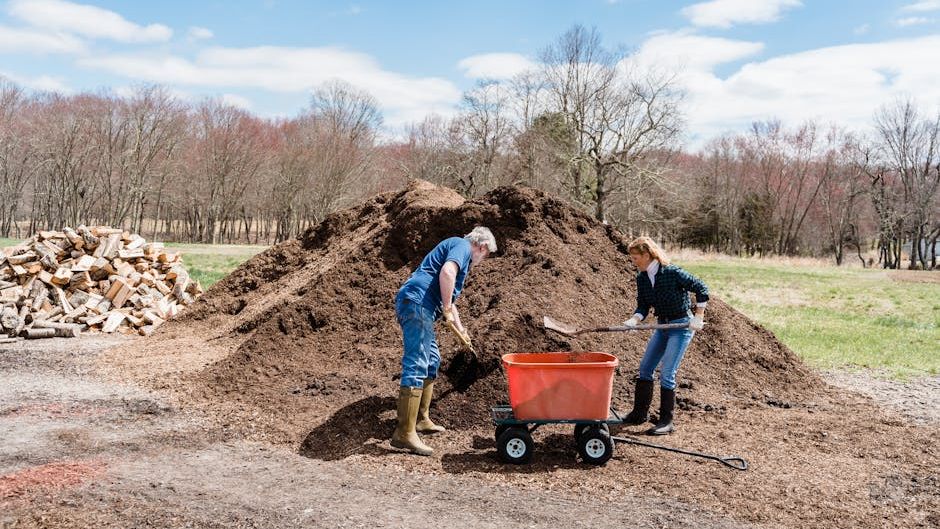
Summer has a way of exposing a garden’s weak spots. What looked like a thriving bed of plants in May can quietly deteriorate by July, not from bad luck, but from a handful of habits that even experienced gardeners have carried for years without questioning them. The good news is that most summer garden failures trace back to a short list of fixable errors, and the shift in understanding tends to be faster than people expect.
Whether you’re tending raised beds, container gardens, or wide open backyard plots, the same patterns come up again and again. Knowing what they are, and why they work against your plants, makes the difference between a season of frustration and one that actually delivers.
Watering at the Wrong Time of Day
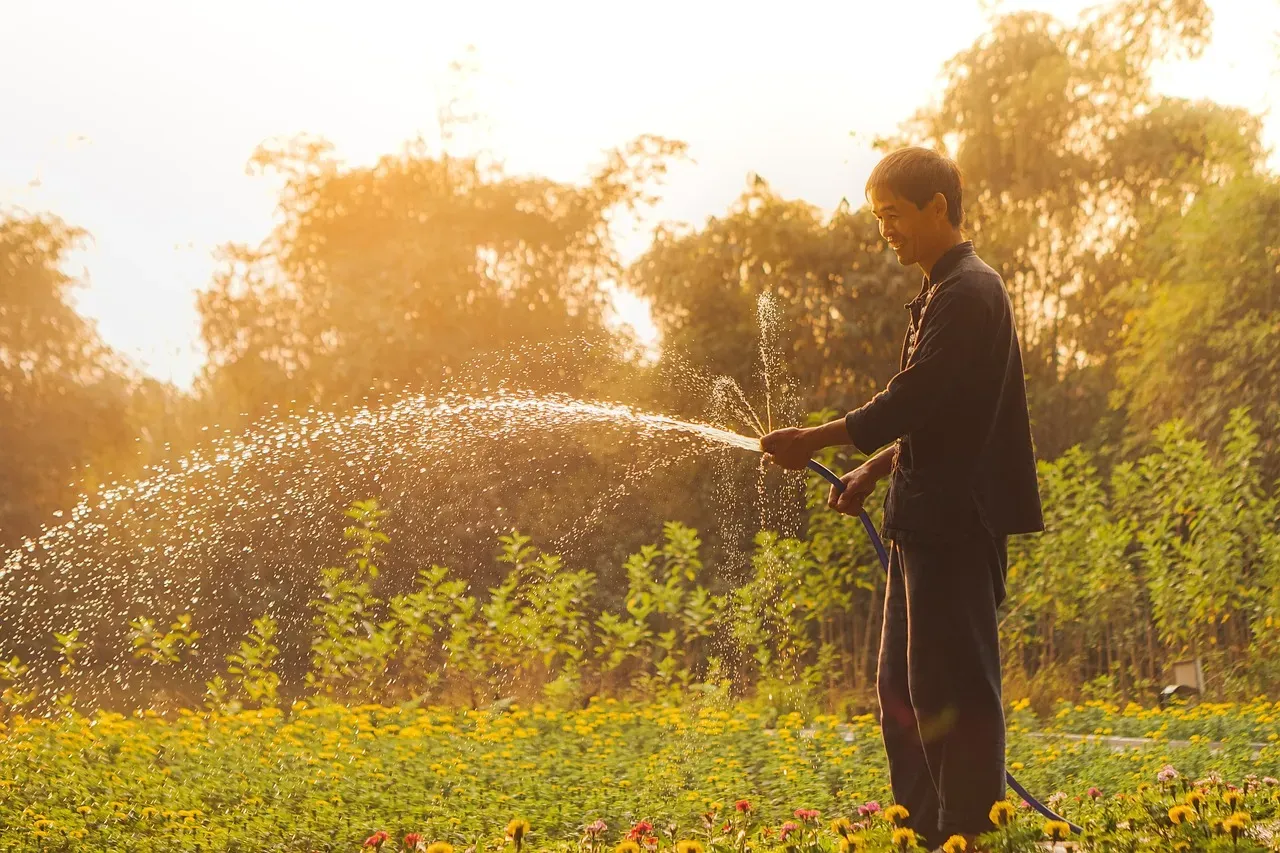
The best time to water your garden in summer is from 5 am to 9 am, before the heat of the day sets in, giving your soil plenty of time to drink up before the water evaporates and any moisture on leaves dries off before nightfall. It sounds like a small detail. In practice, it changes everything.
Watering in the blazing heat of midday is one of the most counterproductive mistakes you can make. When water is applied during peak sun, it can evaporate almost instantly or even cause a “burn” effect on more delicate plants.
Unless you live in an arid climate, avoid watering too late at night as well, since cool and wet conditions could encourage fungi and slime mold, lead to increased slug activity, and invite sow bugs, earwigs, and other pests into your garden. Morning is the clear winner, every time.
Watering from Above Instead of at the Base
In intense heat, watering from above can scorch the leaves, waste water through evaporation, and even increase the risk of fungal diseases like powdery mildew and black spot. Many gardeners have used an overhead hose for years without connecting this habit to the disease problems they keep seeing.
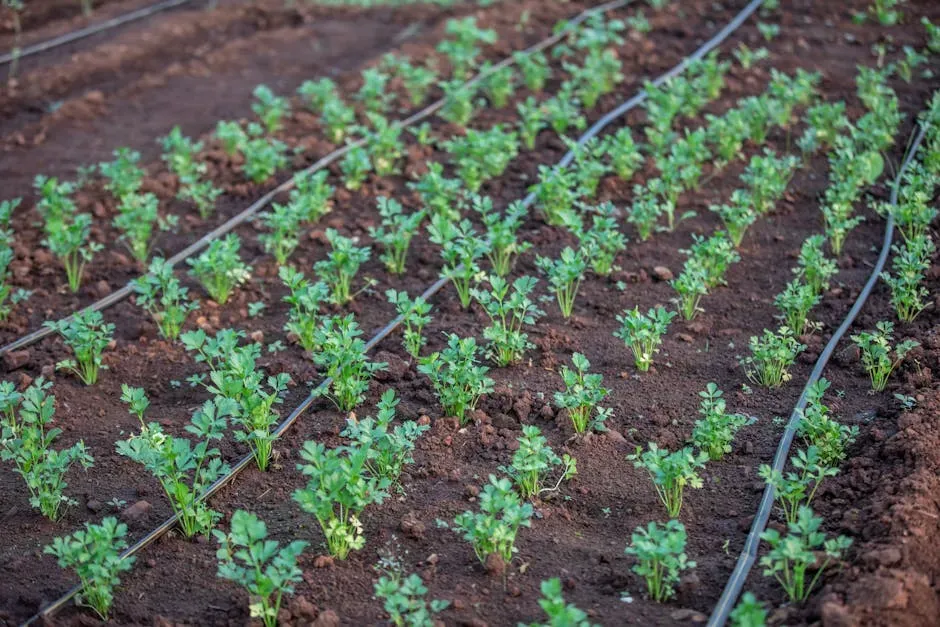
Plants do best when watered at their base and not from straight up above. Directing water to the root zone means it actually reaches where the plant needs it, rather than sitting on foliage in the heat.
Drip irrigation is ideal because it deposits water directly at the soil surface and can be targeted. Watering by hand is also quite effective; just water as close to the soil surface as possible. Either approach is a meaningful upgrade from a broad overhead spray.
Skipping Mulch in the Summer Beds
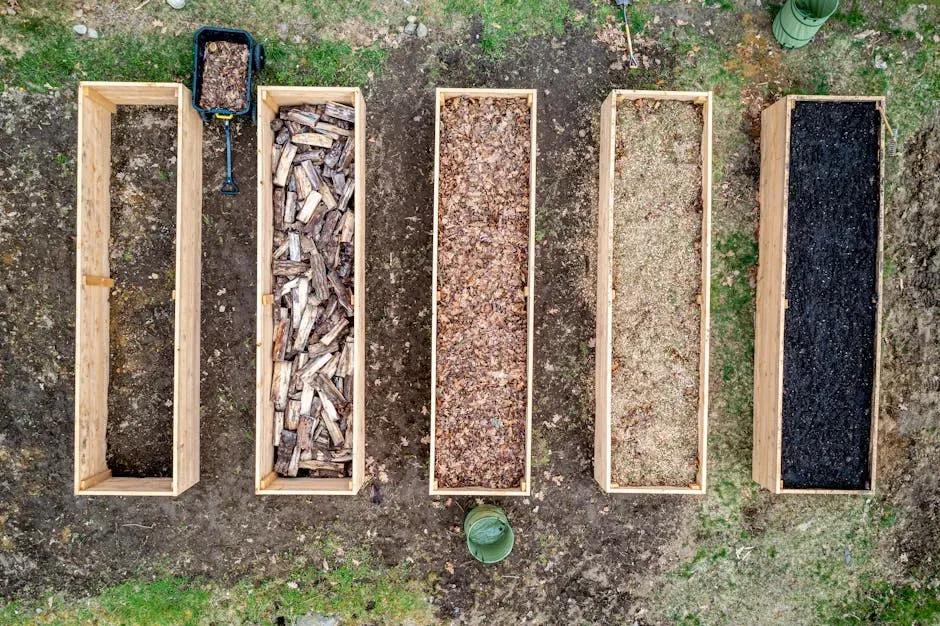
Bare soil in summer is like leaving your skin unprotected in the desert. Without mulch, soil temperatures can climb to plant-damaging levels while moisture evaporates at alarming rates.
Leaving your soil bare, especially in the summer, will cause roots to overheat and encourage weed growth. Adding straw or wood chips mid-season will reduce watering by roughly half and keep soil cool as well.
A two- to three-inch layer of organic mulch, such as straw, shredded bark, or wood chips, keeps soil temperatures significantly cooler and reduces watering needs. Mulch also slows weed germination by blocking sunlight from reaching dormant seeds. It’s one of the most straightforward improvements any gardener can make, and it’s often the most overlooked.
Piling Mulch Against Plant Stems
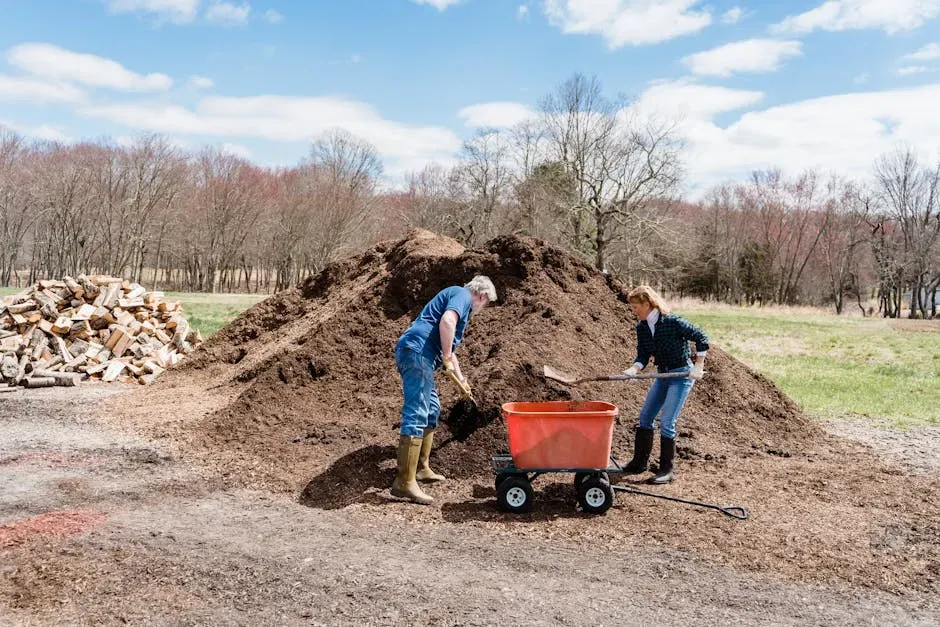
There’s a right way and a wrong way to mulch, and the wrong way is surprisingly common. Piling mulch into a cone against tree trunks and shrub bases does real damage over time. This “volcano” shape traps moisture against the bark, encouraging fungal growth, rot, and pest infestations.
Pull mulch back so it sits two to three inches away from the trunk or main stem. The ring should look more like a donut than a volcano: flat and even with a gap around the base.
The instinct to pile mulch up high feels protective. In reality, it works in the opposite direction. Keeping a clear gap around the base of your plants is one of those small corrections that pays back quickly.
Overcrowding Plants and Reducing Airflow
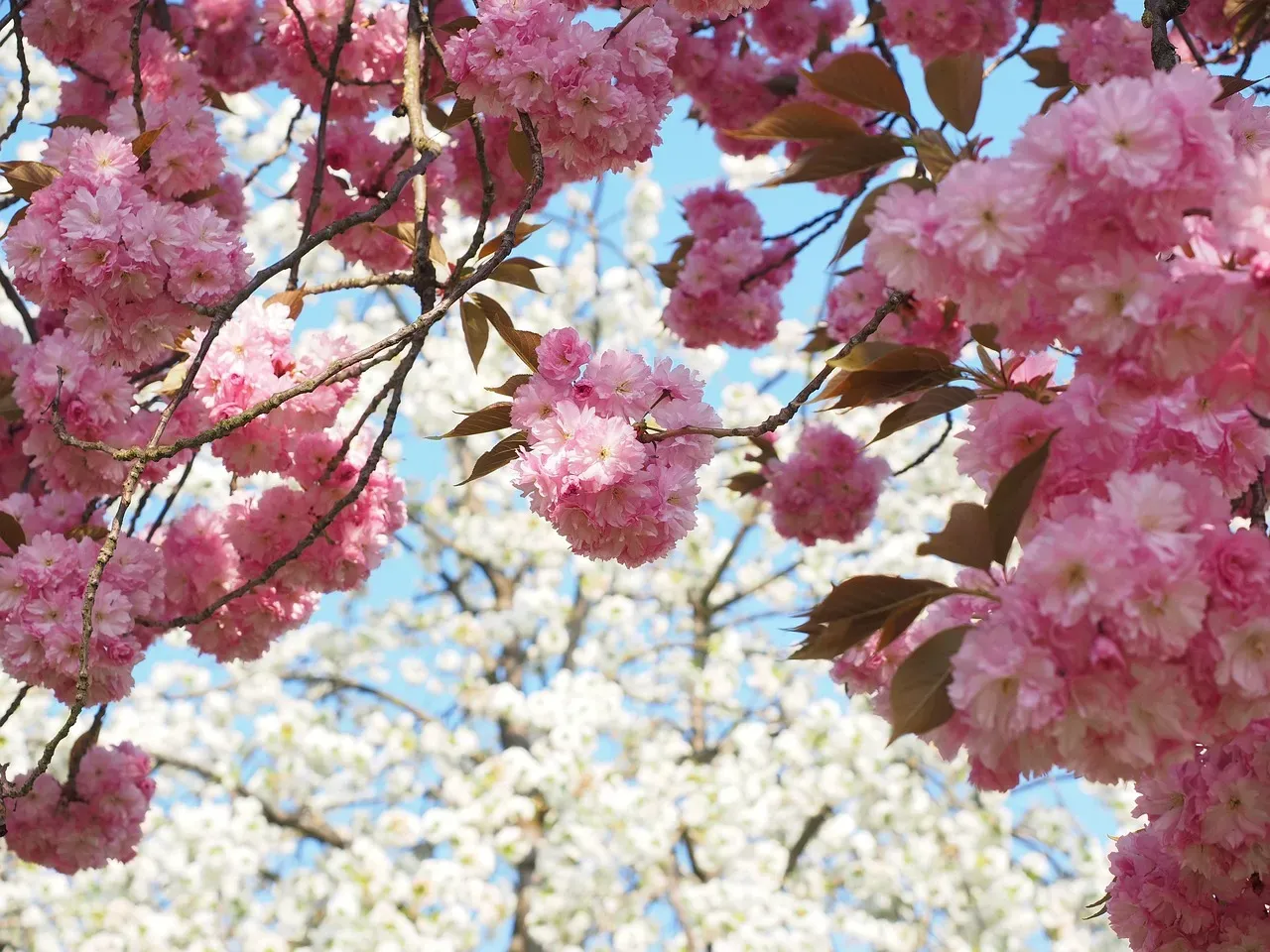
Stuffing too many plants in because “there’s still room left” is a habit that backfires. Dense planting leads to poor airflow, which invites blight and dramatically reduces yields. It feels generous to give plants company. Often, it’s the opposite of helpful.
When plants are overcrowded, airflow is reduced, moisture can linger in certain areas, and some plants may struggle as their roots sit in damp, unhealthy conditions. Humid pockets beneath overlapping leaves provide the perfect hiding spots for tiny insects that feed on roots or chew through leaves.
Proper spacing is key to maintaining good air circulation around your plants. Good airflow helps dry out foliage quickly after rain or watering, reducing the likelihood of fungal infections. It also makes it harder for pests to spread from one plant to another.
Fertilizing During a Heat Wave
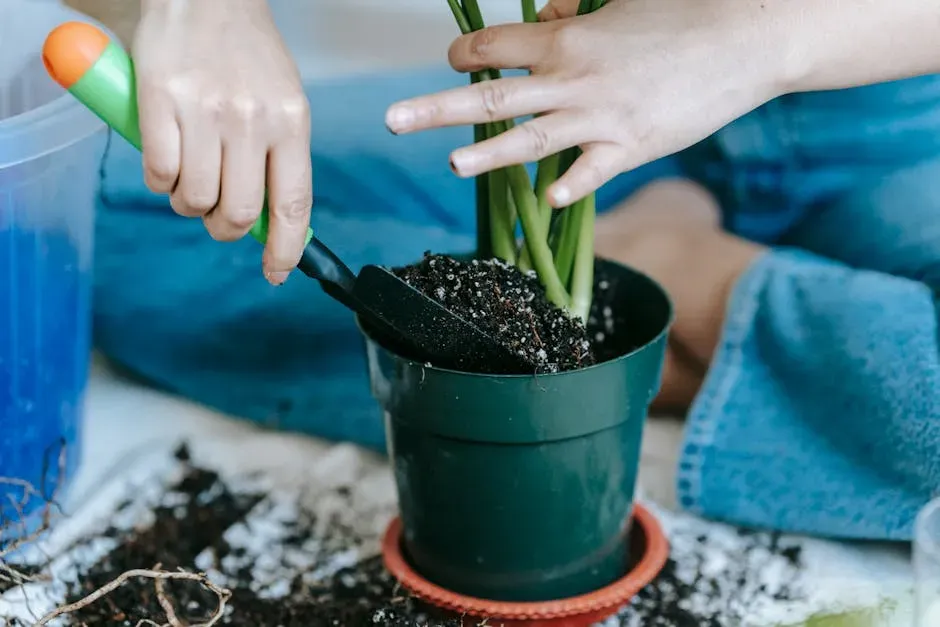
Though it seems like a sound idea, fertilizing in high temperatures can actually injure your plants by restricting their ability to take up water, resulting in physical burns and visible damage. Additionally, because plants are trying to conserve energy rather than grow during hot weather, they won’t actually be able to use the fertilizer you give them.
Fertilizers fuel new growth, and a heat-stressed plant simply cannot keep up with the pressure of putting out new leaves. An increase in the amount of water needed to move nutrients through a plant can also take its toll if a plant is already suffering from dry or inconsistently moist soil. Withhold fertilizers, or apply a weaker diluted solution, until the weather cools off a bit and your plants have had a chance to recover.
The urge to feed struggling plants makes emotional sense. Recognizing that heat stress and nutrient overload are a genuinely bad combination is the kind of knowledge that protects rather than hinders.
Pruning Plants Under Heat Stress
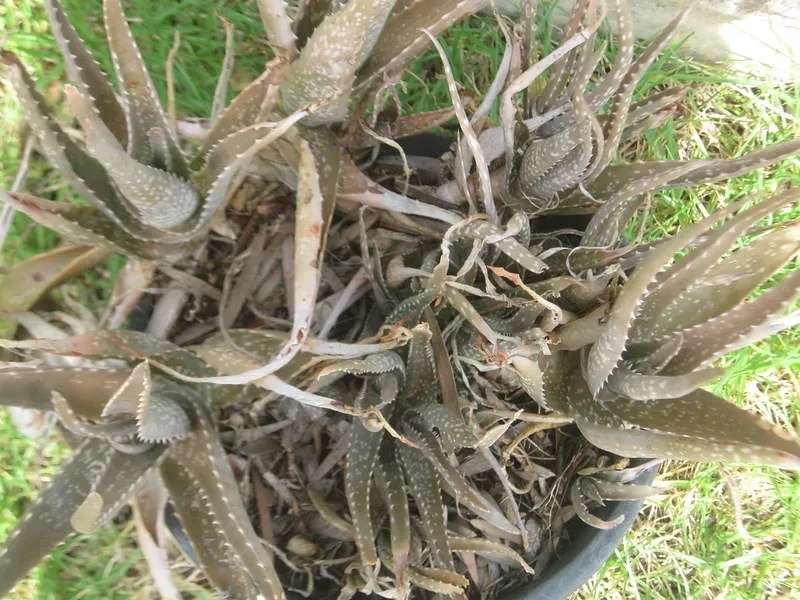
In the heat, plants need to conserve as much energy as possible to survive. They shut down a little during summer in an effort to conserve water, and they’re also busy producing proteins that protect their leaves from sun damage. The last thing a plant wants to do in a heatwave is focus its energy on producing new leaves and blooms, but pruning away existing foliage encourages exactly that.
It’s worth waiting to prune tomatoes until a heatwave passes so they are less stressed. While June is often an ideal time to prune certain plants, keep in mind that when it’s extremely hot outside, your plants are already stressed. Pruning is another stressor, so if possible, try to wait until conditions have cooled slightly before trimming your plants.
Watering Shallowly and Too Often

A good rule to follow is watering deeply two to three times per week rather than a little bit every single day. When you water, soak the soil slowly so moisture reaches at least six to eight inches down. Daily light sprinkling encourages roots to stay shallow, where summer soil dries fastest.
Plants that experience a rollercoaster of thirst and flooding every single week pay a real price for it. Blossom end rot, cracked fruit, and stunted growth are all signs that moisture levels are swinging too wildly.
Consistency matters far more than the exact amount of water you use each time. Aim for steady, even moisture throughout the growing season by checking your soil every day or two.
Ignoring Pests Until the Damage Is Obvious
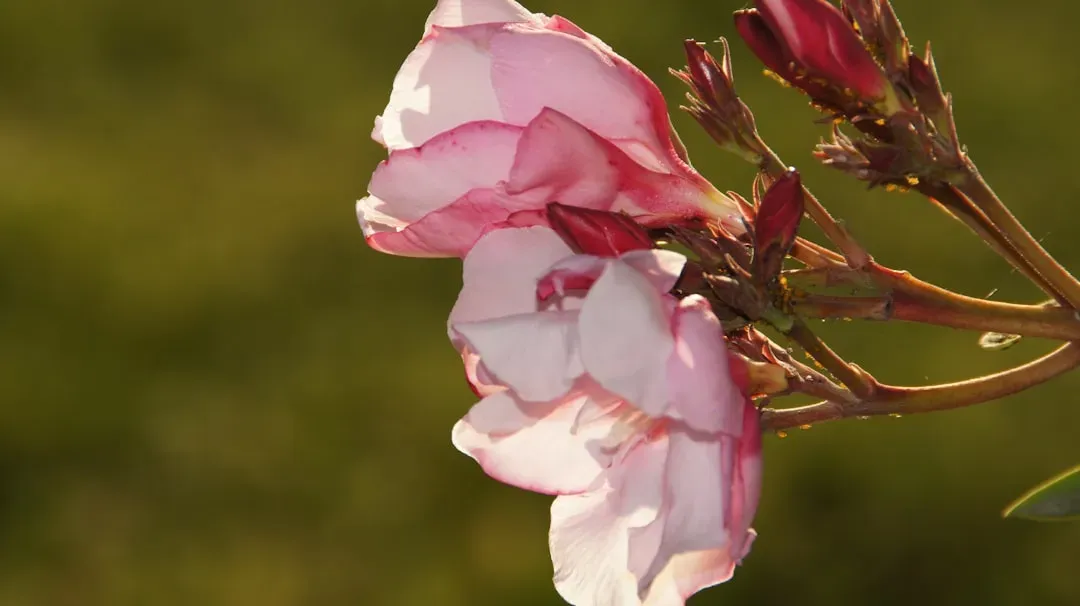
A few aphids on a leaf in June don’t seem like a crisis, but pest populations can explode in warm weather. By the time you notice significant damage, the infestation may be well established and much harder to manage.
Regular scouting prevents pests and diseases from getting out of hand. Summer growers need to be on high alert. Proliferating plants can also mean rapidly growing pests or diseases. Some infestations can practically explode overnight, making regular scouting essential.
Check plants weekly, turning over leaves and inspecting stems. Early intervention with hand-picking, a strong spray of water, or targeted organic treatments like neem oil is far more effective than trying to rescue a heavily damaged plant later.
Planting into Neglected or Bare Soil
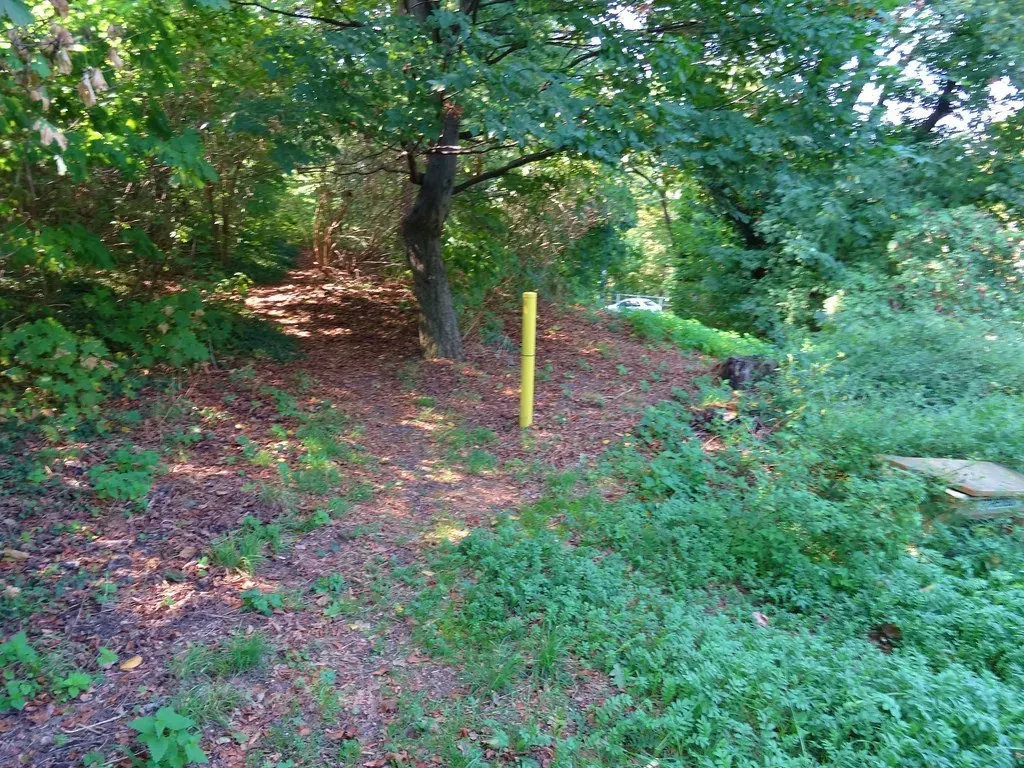
Second only to proper plant placement is having great soil. More plants live, die, struggle, or thrive based on the condition of the earth they are planted into. Summer is not the time to discover that point the hard way.
Cheap or neglected soil is the silent killer of gardens. Filling a new bed with straight topsoil can result in soil that becomes too compact, is quickly drained of nutrients, and eventually turns sour. Always mix in quality compost, aged manure, and organic matter, aiming for roughly a third to half amendments.
Soil left exposed to the baking sun becomes a dried-out hard surface that water can’t penetrate. Water droplets add to compaction by hammering the soil when there is no mulch to lessen the impact. What you end up with is runoff that carries fertilizer, pesticides, and topsoil away with it.
Ignoring How Light Patterns Shift Through the Season
This mistake often originates in spring when the tree canopy hasn’t fully leafed out yet. A spot that gets six hours of sun in April might only get two by July once surrounding trees are in full foliage. Plants placed with spring conditions in mind may quietly struggle all summer long as a result.
Pay attention to how light patterns shift as the season progresses. If a sun-loving vegetable starts producing fewer flowers or stretching toward light, it may need to be relocated next season.
Droughts and difficult summers offer insight into plants that may not be quite right for particular spots. Are there plants that are substantially more wilted than others, or that require watering every single day to stay alive? Perhaps that particular plant is not well-suited to your landscape or that specific location. If certain plants are thriving while others are not, consider replacing the struggling ones with varieties better matched to the conditions.
Conclusion
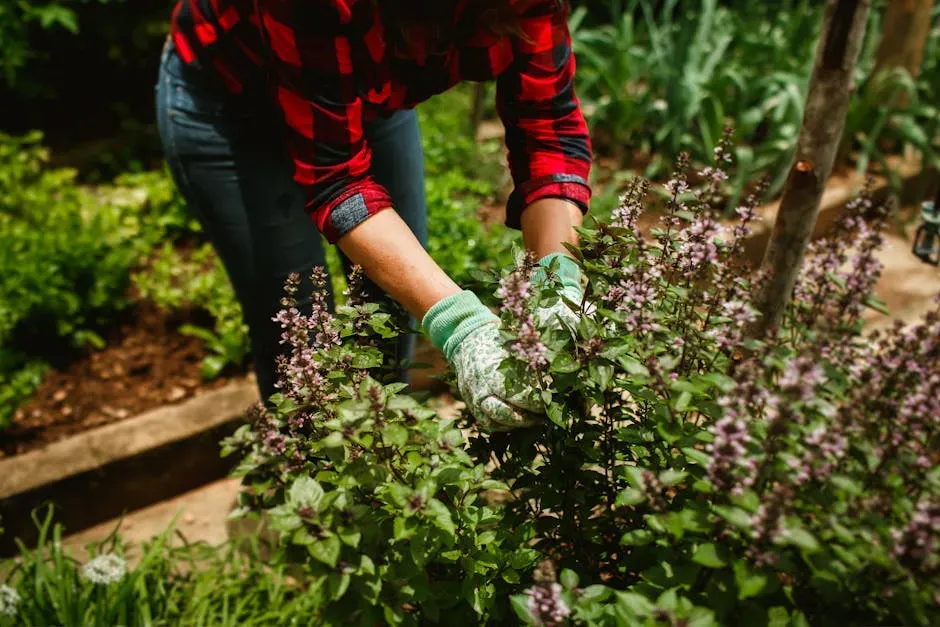
What’s striking about this list is how many of these mistakes come from good intentions rather than carelessness. Watering often because you care, fertilizing because a plant looks struggling, piling mulch high because it seems protective – the logic feels sound until the results push back.
Summer gardening doesn’t require perfection, but it does reward consistency. Most of these mistakes come down to small habits: checking soil moisture before watering, pulling weeds before they seed, and paying attention to how your plants respond to the heat.
The gardeners who tend to get the most out of their summer plots are usually the ones who’ve learned to observe before they act. A season spent noticing what your plants are actually telling you tends to be far more productive than one spent following routines that never quite fit the conditions in front of you.
