
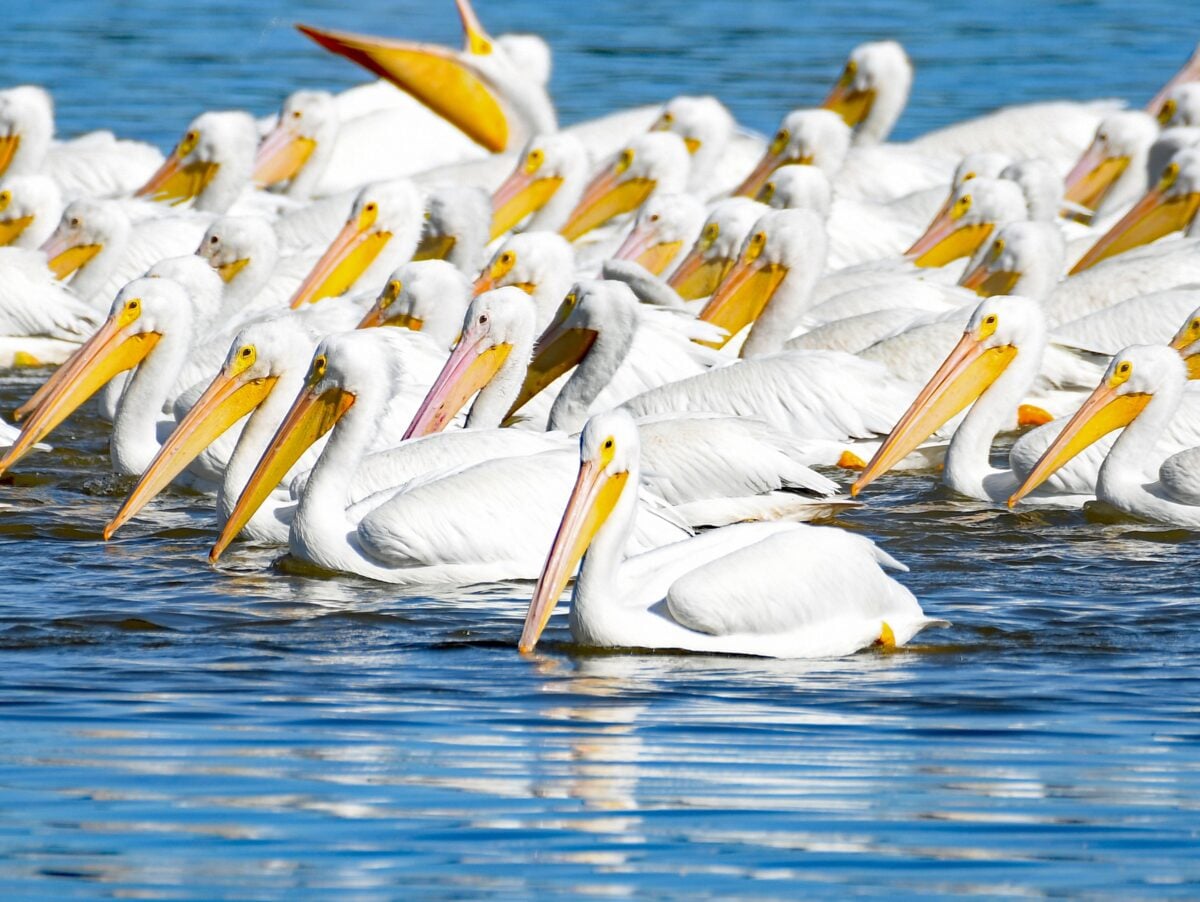
Pelicans, with their distinctive long bills and expansive throat pouches, are among nature’s most fascinating avian hunters. Their dramatic plunge-dives into the water are not random acts but the culmination of a series of precise observations and calculations. Before making that decisive dive, pelicans assess multiple factors to ensure a successful catch. Let’s delve into the eleven critical elements these birds consider before they take the plunge.
Spotting the Prey
🔥 Would you like to save this?
We'll email this post to you, so you can come back to it later!
From their aerial vantage point, pelicans scan the water’s surface for signs of fish activity. They look for ripples, splashes, or shimmering schools of fish just below the surface. Their keen eyesight allows them to detect even subtle movements, ensuring they target areas teeming with potential prey.
This visual acuity is crucial, as misjudging the location can result in an empty dive. By honing in on visible fish schools, pelicans increase their chances of a successful catch.
Assessing Water Clarity
🔥 Would you like to save this?
We'll email this post to you, so you can come back to it later!
Clear water conditions are essential for pelicans to accurately gauge the depth and position of their prey. Murky or turbid waters can obscure fish, making it challenging to execute a precise dive. Pelicans prefer diving in areas where the water’s transparency offers a clear view of their target.
By choosing clearer waters, they minimize the risk of miscalculating the dive, ensuring they don’t expend energy on unsuccessful attempts.
Evaluating Water Depth
🔥 Would you like to save this?
We'll email this post to you, so you can come back to it later!
The depth of the water plays a pivotal role in a pelican’s decision to dive. Shallow waters might not provide enough space for a safe dive, while overly deep waters can make it harder to catch fish near the surface. Pelicans aim for areas where the depth is just right to allow a swift plunge and quick resurfacing.
This careful selection ensures they can reach their prey without the risk of injury or wasted effort.
Observing Fish Behavior
🔥 Would you like to save this?
We'll email this post to you, so you can come back to it later!
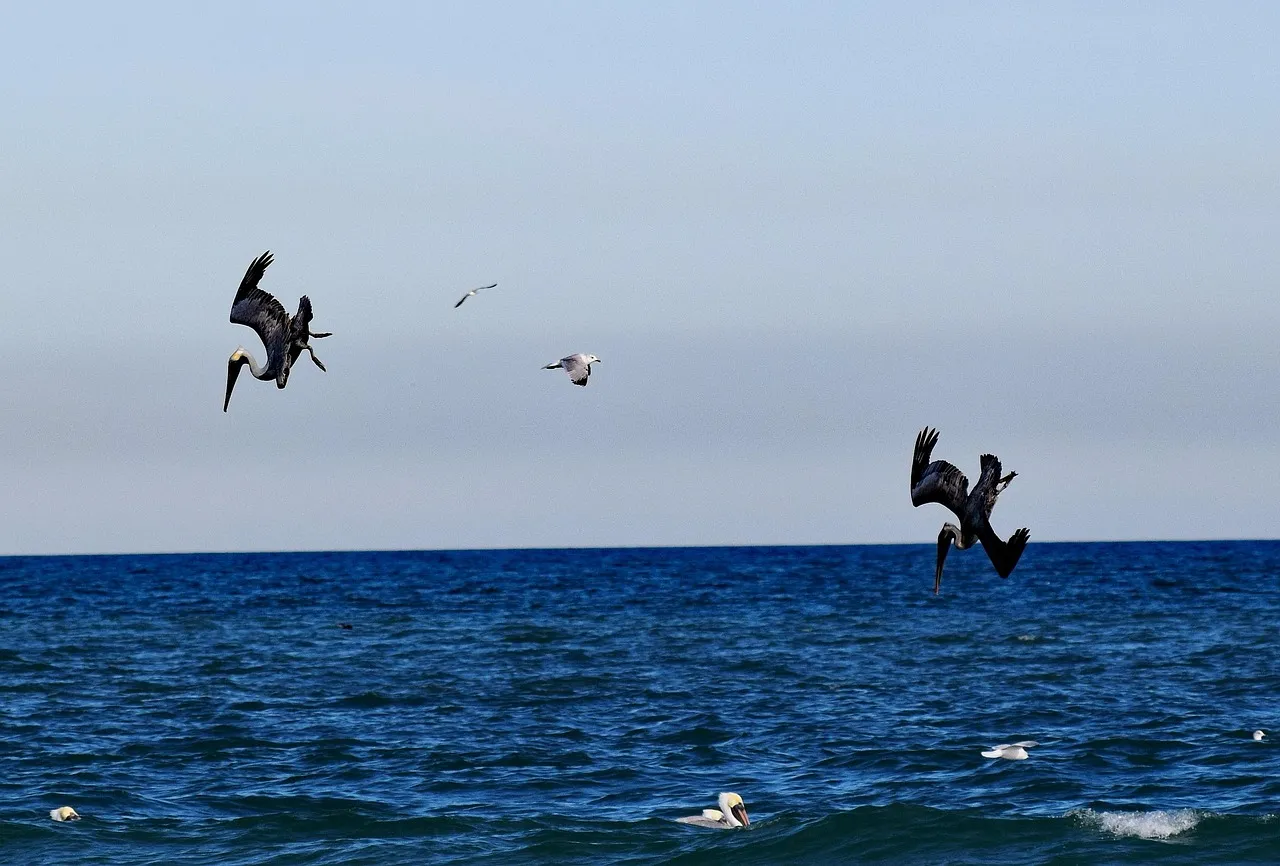
Pelicans are attuned to the behaviors of their prey. They watch for patterns such as schooling, feeding frenzies, or movements that indicate vulnerability. By understanding these behaviors, pelicans can predict the best moment to strike, increasing their hunting efficiency.
This behavioral insight allows them to time their dives perfectly, ensuring they intercept fish at the most opportune moments.
Monitoring Wind Conditions
🔥 Would you like to save this?
We'll email this post to you, so you can come back to it later!
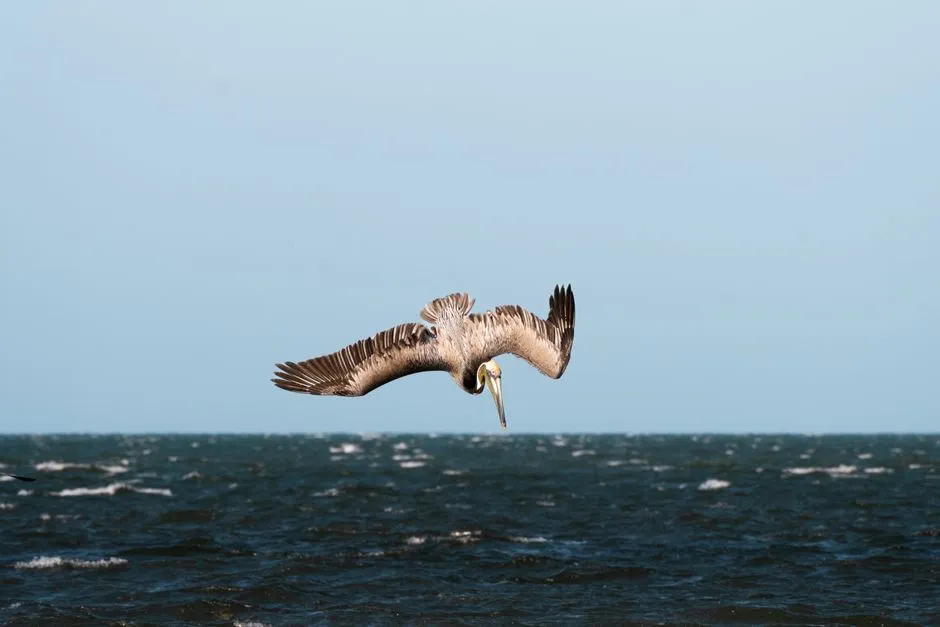
Wind direction and strength can influence a pelican’s dive. Strong winds can disrupt their flight stability and affect their ability to dive accurately. Pelicans prefer calm conditions where they can maintain control during their descent, ensuring a precise entry into the water.
By choosing optimal wind conditions, they reduce the chances of misalignment or injury during the dive.
Calculating Dive Angle
🔥 Would you like to save this?
We'll email this post to you, so you can come back to it later!
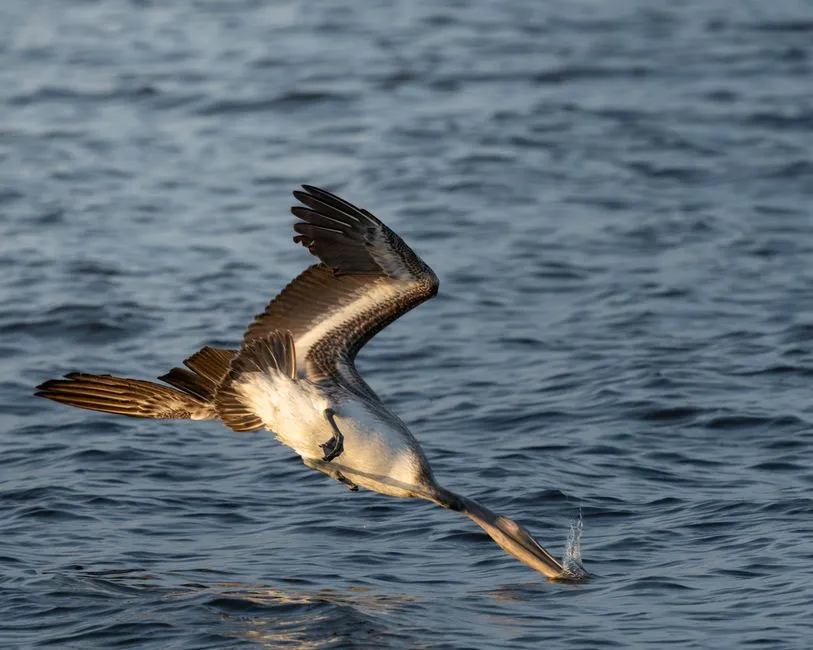
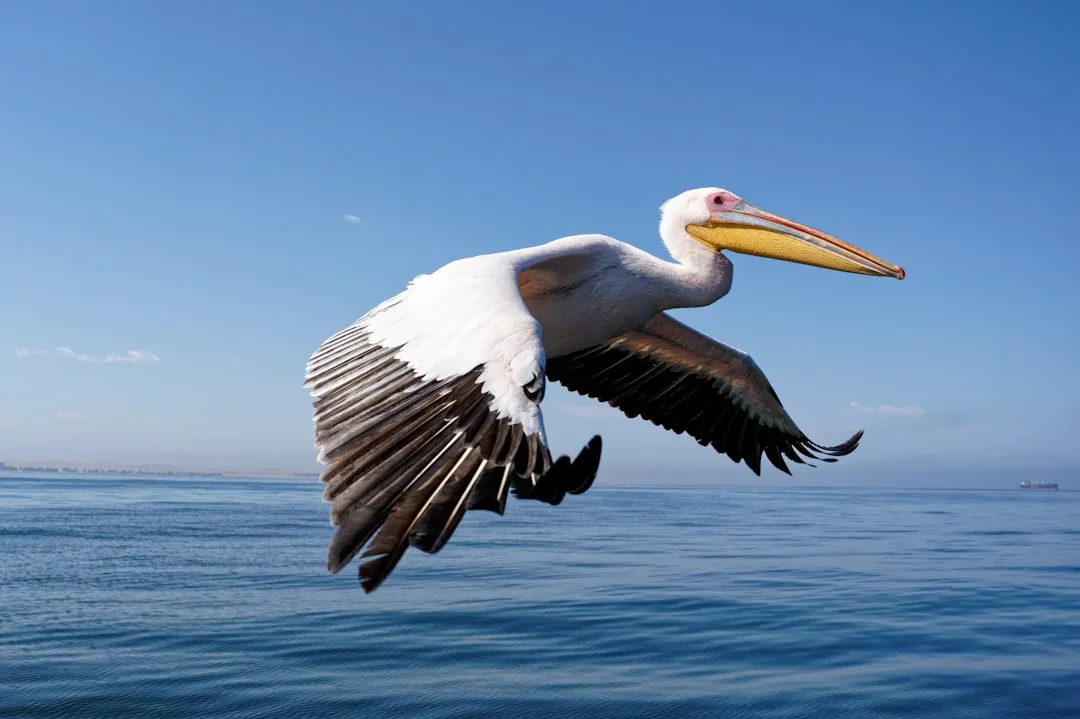
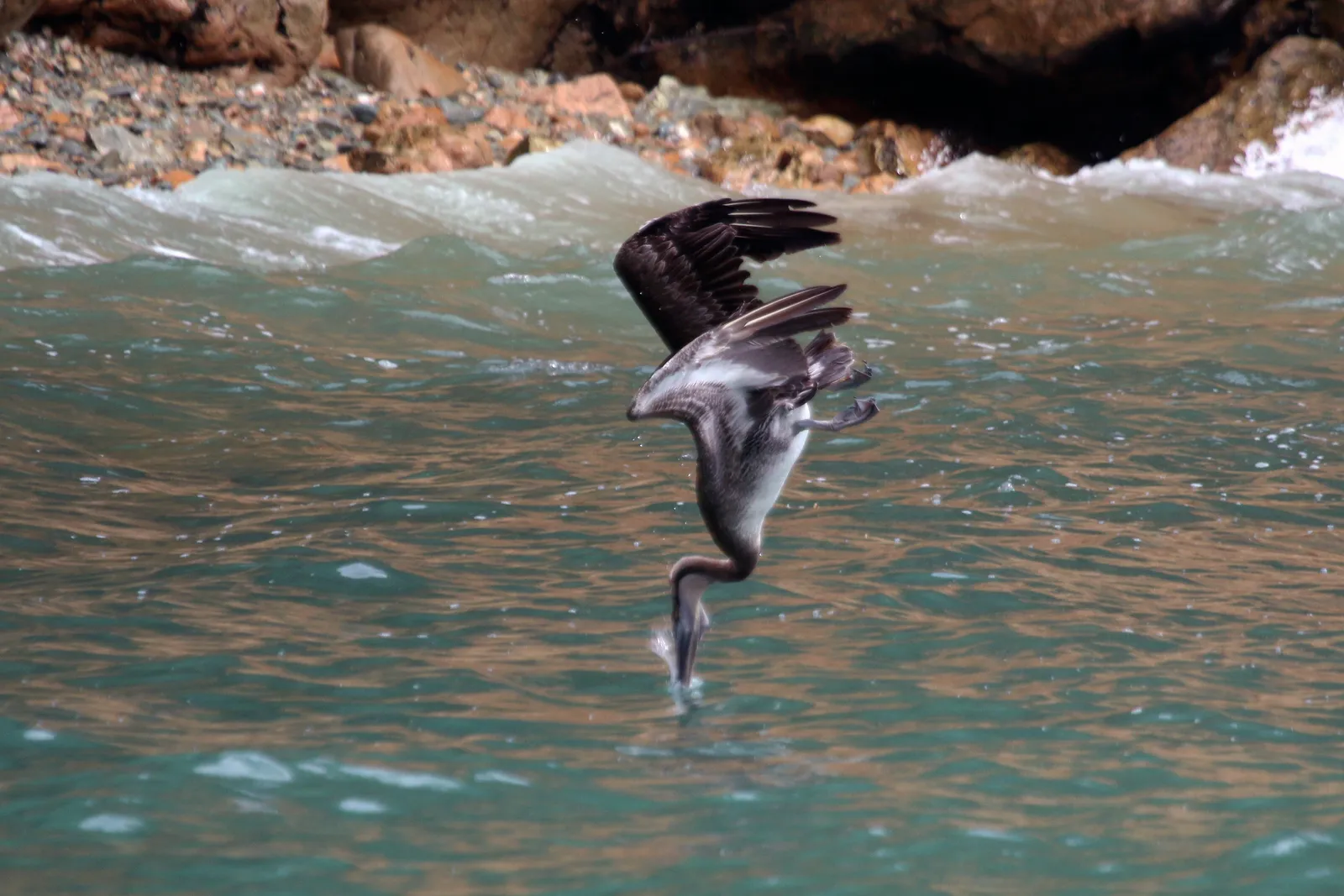
The angle at which a pelican dives is critical. A steep, nearly vertical dive reduces water refraction, allowing for a more accurate strike. Pelicans have learned that angles between 60 and 90 degrees are most effective for minimizing aiming errors caused by water distortion.
This precise angling ensures they hit their target with remarkable accuracy, maximizing their hunting success.
Timing the Dive
🔥 Would you like to save this?
We'll email this post to you, so you can come back to it later!
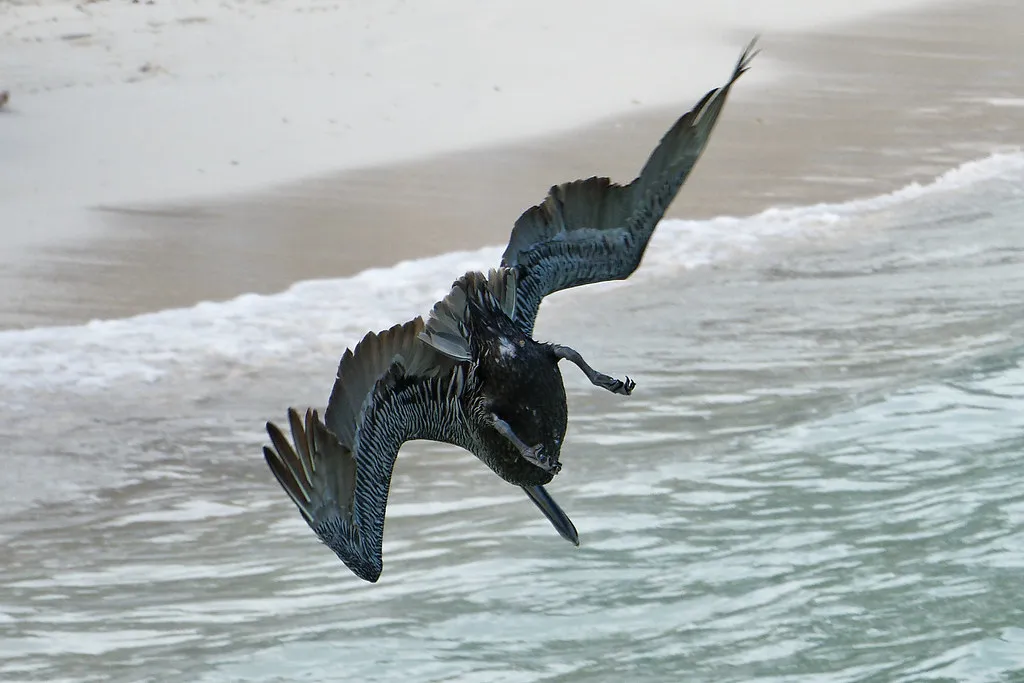
Timing is everything. Pelicans wait for the exact moment when the fish are closest to the surface and least aware of the impending attack. This patience ensures that their dive is both energy-efficient and successful.
By synchronizing their dive with the optimal moment, they increase the likelihood of capturing their prey without unnecessary exertion.
Ensuring Safety from Predators
🔥 Would you like to save this?
We'll email this post to you, so you can come back to it later!
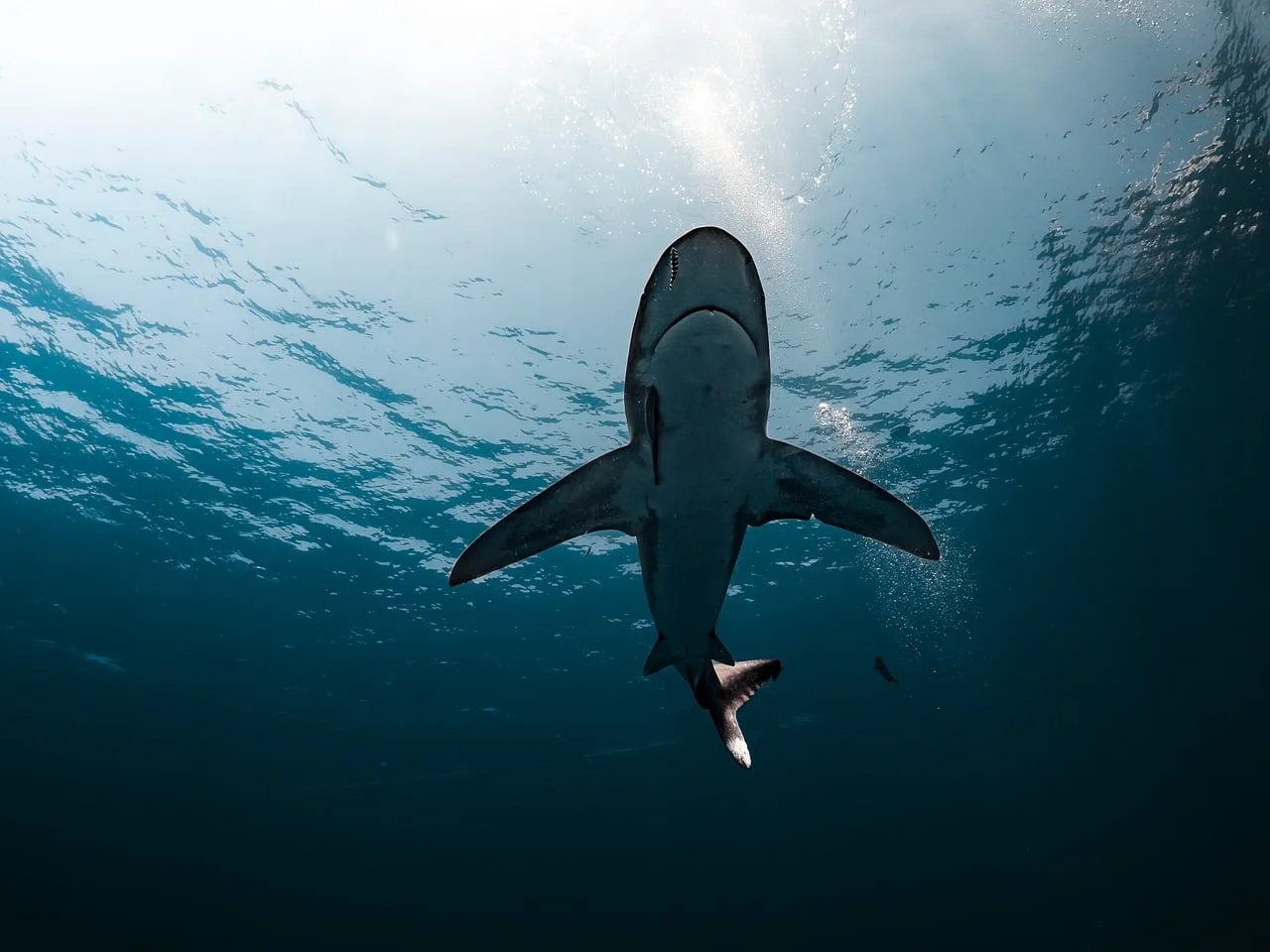
Before diving, pelicans also scan for potential threats. Presence of predators like sharks or large fish can make a dive risky. Ensuring the area is free from such dangers is crucial for their safety.
This vigilance protects them from becoming prey themselves, allowing them to hunt without undue risk.
Coordinating with Fellow Pelicans
🔥 Would you like to save this?
We'll email this post to you, so you can come back to it later!
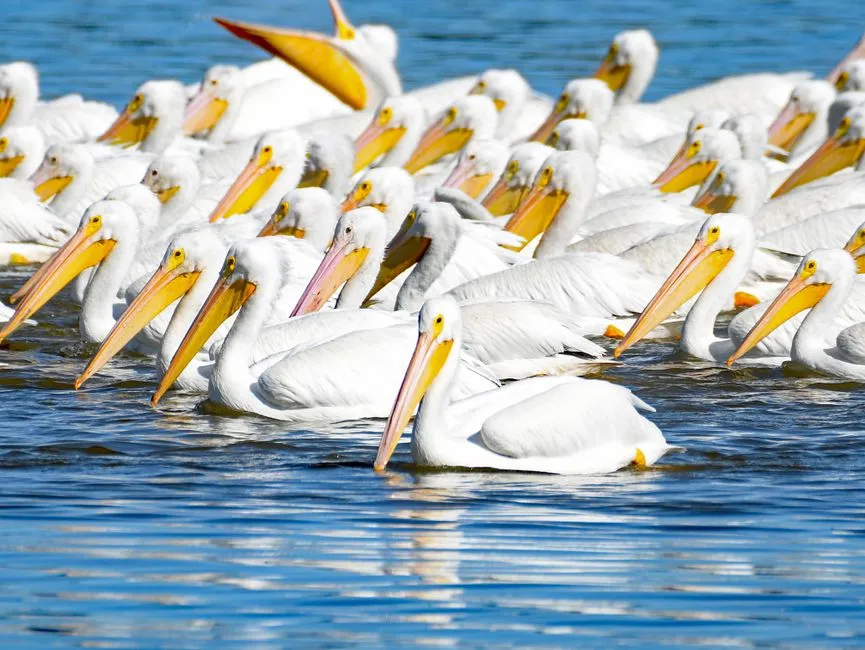
In some species, pelicans hunt cooperatively. They communicate and coordinate with each other to herd fish into shallow waters, making them easier to catch. This teamwork requires careful observation and synchronization among the group.
By working together, they can corral larger schools of fish, increasing the hunting success for the entire group.
Adapting to Human Activity
🔥 Would you like to save this?
We'll email this post to you, so you can come back to it later!
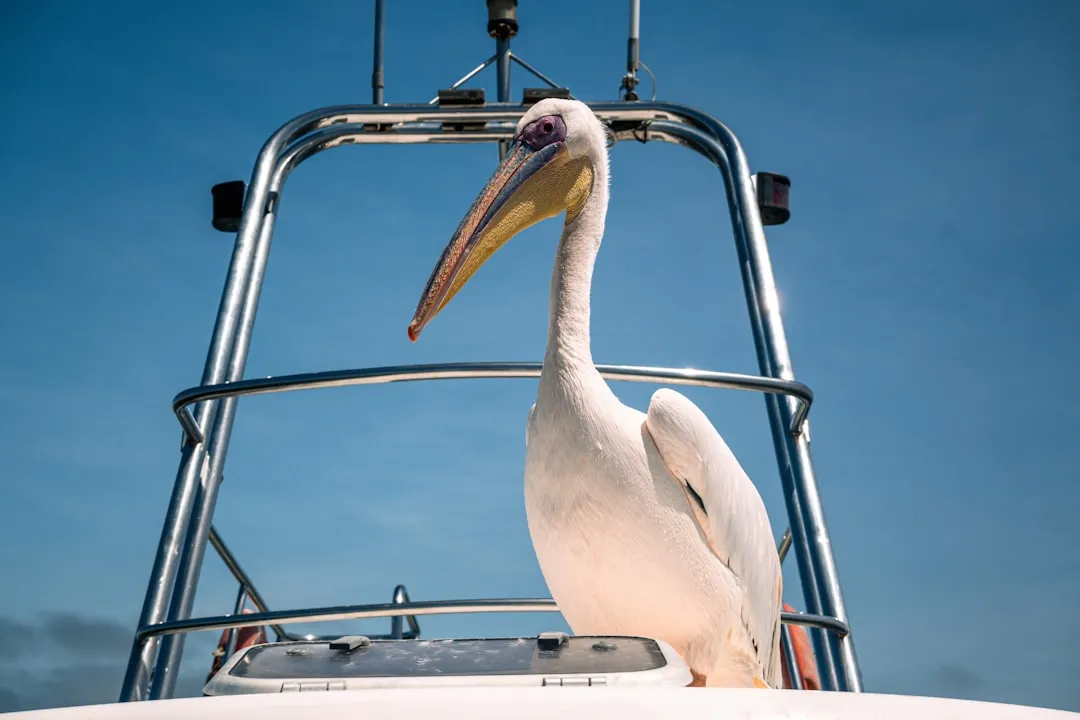
Pelicans are increasingly encountering human activities in their habitats. They observe and adapt to boat movements, fishing activities, and other disturbances, often choosing to dive in less trafficked areas to avoid interference.
This adaptability ensures they can continue to hunt effectively even in changing environments influenced by human presence.
Assessing Energy Levels
🔥 Would you like to save this?
We'll email this post to you, so you can come back to it later!
Finally, pelicans consider their own energy reserves. Diving is an energy-intensive activity, and they must ensure they have the stamina for both the dive and the subsequent flight. If energy levels are low, they might opt for less strenuous hunting methods or rest before attempting another dive.
This self-assessment helps them maintain their health and efficiency over time, preventing exhaustion and ensuring sustained hunting success.
In conclusion, the seemingly simple act of a pelican diving is, in reality, a complex interplay of observations and decisions. These birds are not just diving blindly; they are calculating, adapting, and strategizing with each plunge. Understanding these eleven factors offers a glimpse into the intricate world of pelican hunting behavior. Isn’t it remarkable how much thought goes into each dive?

- 7 Everyday Habits That Can Make Your Senior Dog Happier - November 5, 2026
- 10 Enigmatic Structures That Continue to Puzzle Scientists Today - November 5, 2026
- 10 Strange Ruins in the Americas That Challenge What We Know About Early History - November 5, 2026