
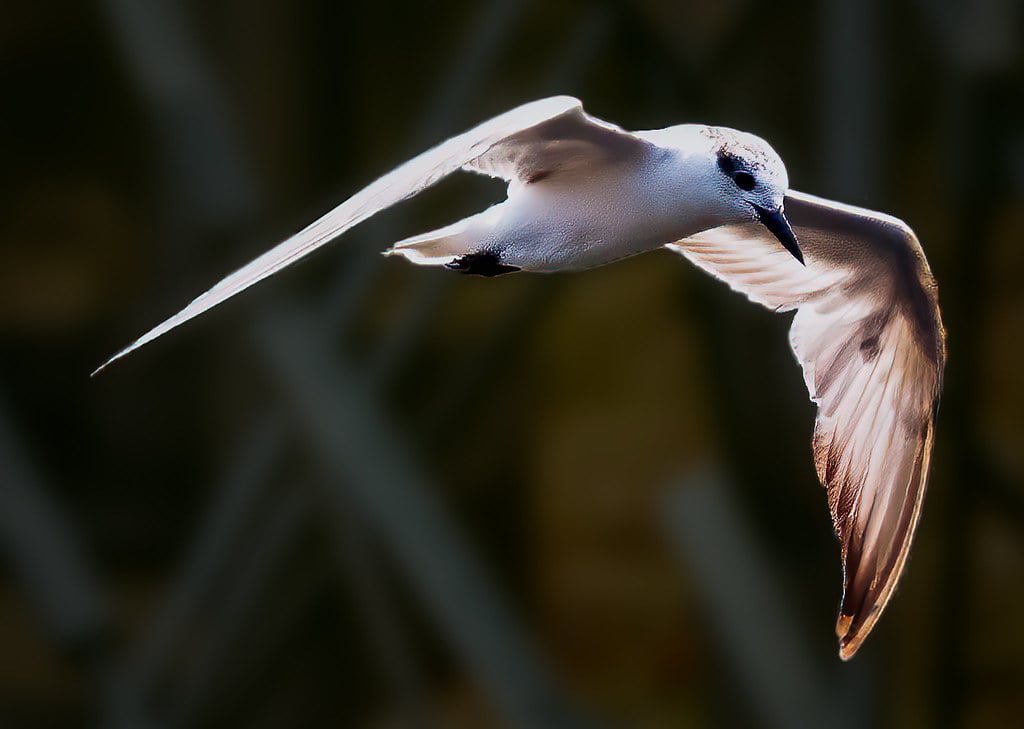
Have you ever noticed swallows darting and gliding just above the ground, especially before a rainstorm? This captivating behavior isn’t just a random aerial display; it’s a natural indicator of changing weather patterns. Understanding why swallows fly close to the ground unveils a fascinating interplay between avian behavior, insect activity, and atmospheric conditions.
Swallows’ Diet and Flight Patterns
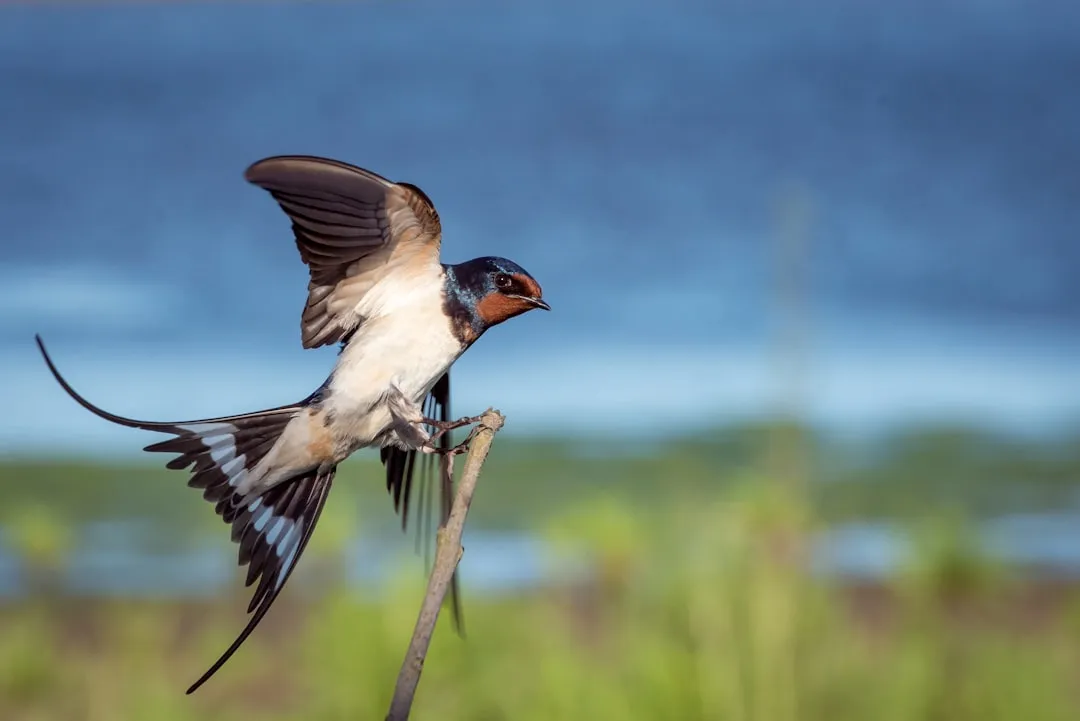
Swallows are adept aerial insectivores, meaning their diet consists almost entirely of flying insects. Their agile flight allows them to catch prey mid-air with remarkable precision. However, the altitude at which they fly is closely tied to the location of their insect prey.
In fair weather, insects are dispersed higher in the atmosphere, prompting swallows to ascend to these elevations for feeding. Conversely, when atmospheric conditions change, such as before a rainstorm, insects tend to stay closer to the ground, leading swallows to adjust their flight patterns accordingly.
Insect Behavior and Atmospheric Conditions
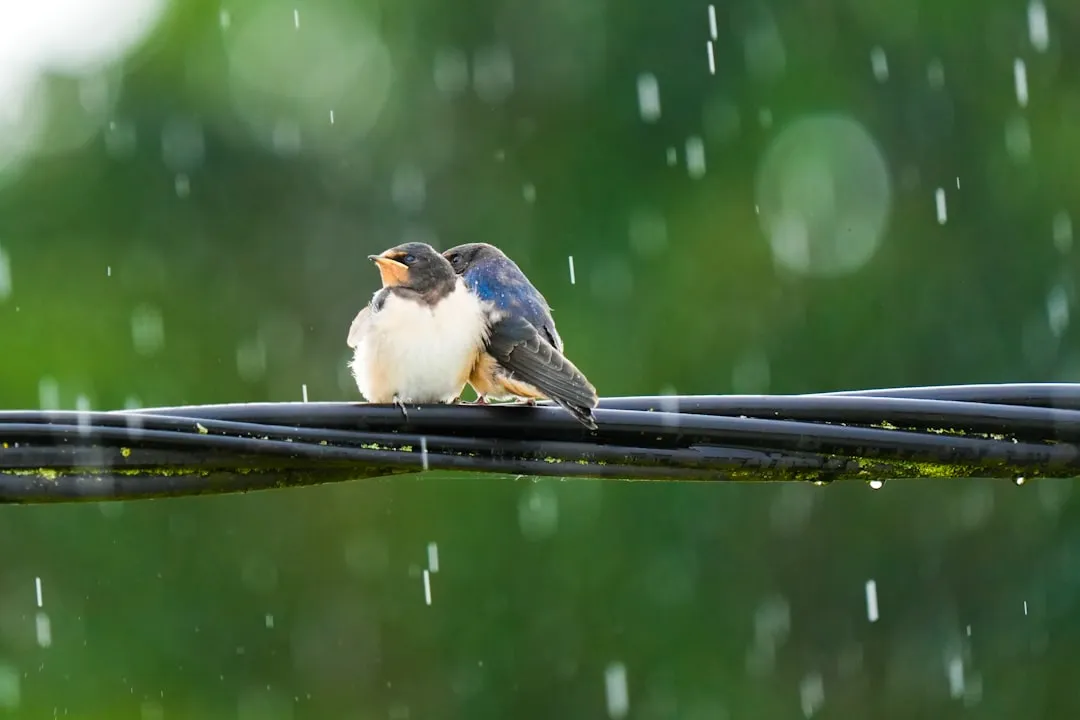
Insects are highly sensitive to changes in humidity and air pressure. As humidity increases and air pressure drops – conditions often preceding rain – many insects find it challenging to maintain flight at higher altitudes. This results in a concentration of insects near the ground, providing an abundant food source for swallows.
By following their prey, swallows naturally begin flying lower. This behavior is not just a response to insect movement but also an efficient adaptation to ensure a consistent food supply during varying weather conditions.
The Ground Effect and Energy Efficiency
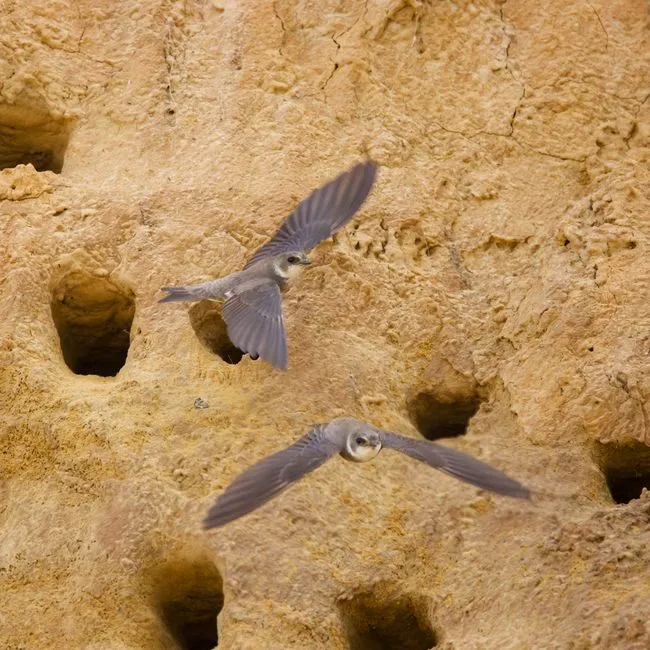
Flying close to the ground offers swallows an aerodynamic advantage known as the “ground effect.” This phenomenon occurs when a bird flies near a surface, such as the ground or water, resulting in reduced aerodynamic drag and increased lift. By utilizing the ground effect, swallows can conserve energy during flight, making their hunting more efficient.
This energy-saving strategy is particularly beneficial during times when food sources may be less predictable, such as before a storm. By flying lower, swallows not only access their prey more easily but also expend less energy in the process.
Swallows as Natural Weather Indicators
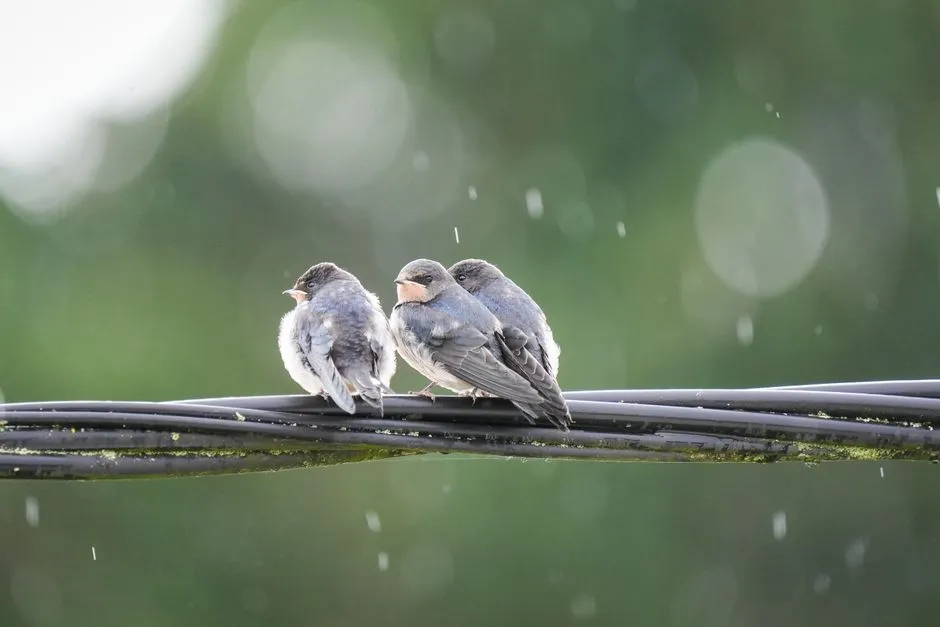
The behavior of swallows flying low has long been observed as a natural predictor of impending rain. This observation is rooted in the relationship between atmospheric conditions, insect behavior, and swallow feeding patterns. When swallows are seen skimming close to the ground, it’s often a sign that the air is damp and that rain may be approaching.
This natural indicator has been noted in various cultures and is supported by scientific understanding of avian and insect behavior in response to weather changes.
Adaptations to Changing Weather
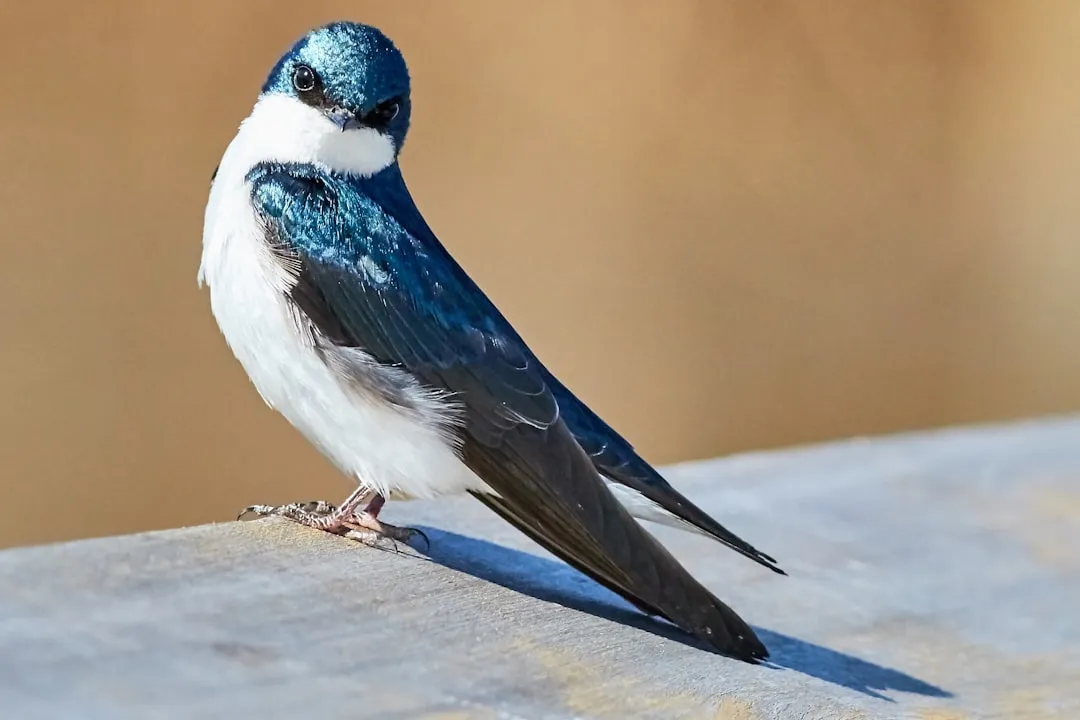
Swallows’ ability to adjust their flight patterns in response to environmental cues showcases their remarkable adaptability. By monitoring insect movements and atmospheric changes, they can optimize their feeding strategies to ensure survival. This adaptability is crucial, especially during breeding seasons when the demand for food is high.
Their sensitivity to environmental changes also highlights the intricate connections within ecosystems, where the behavior of one species can provide insights into broader environmental patterns.
Implications for Ecosystem Health
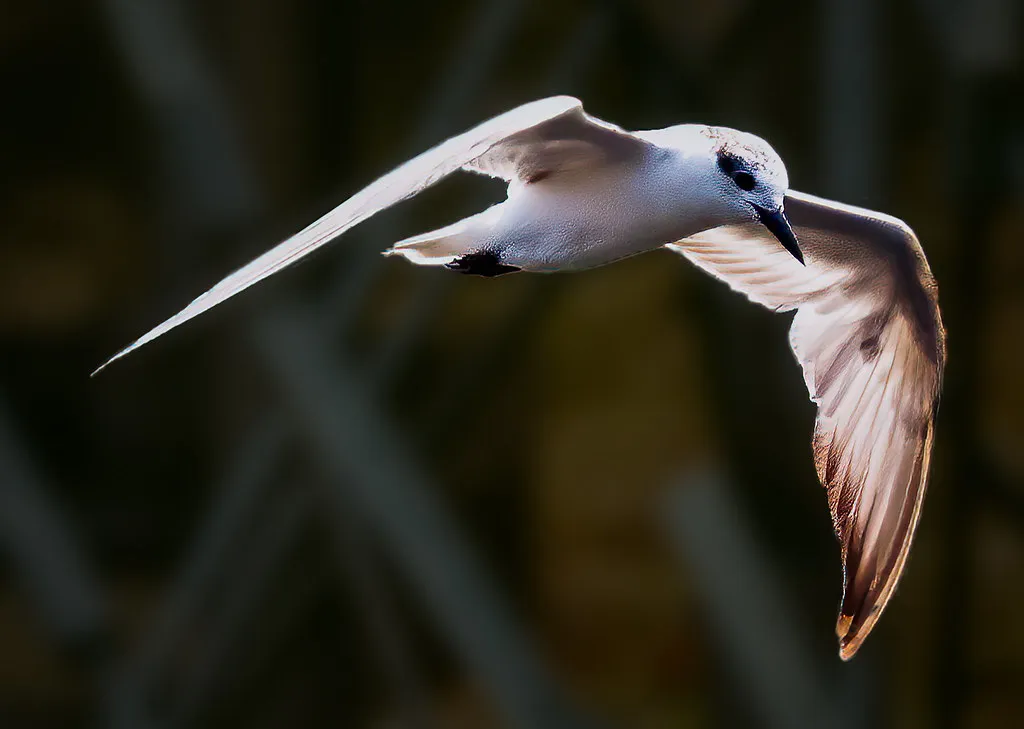
Observing swallow behavior offers valuable insights into the health of ecosystems. A decline in swallow populations or changes in their flight patterns can indicate shifts in insect populations or broader environmental changes. Monitoring these patterns can serve as an early warning system for ecological imbalances.
Furthermore, understanding the relationship between swallows, insects, and weather patterns can inform conservation efforts, emphasizing the importance of preserving habitats that support these intricate interactions.
Conclusion
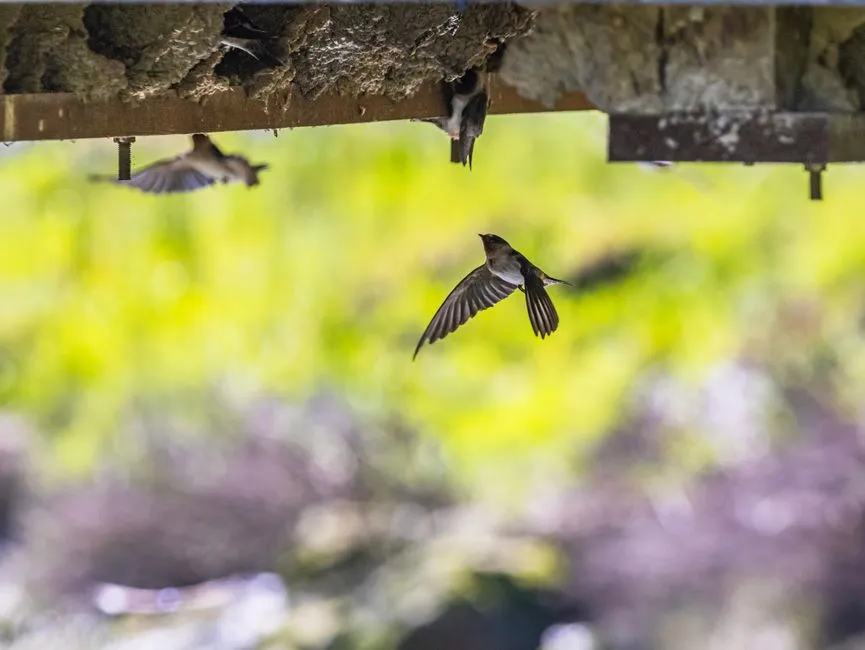
The sight of swallows flying close to the ground is more than just an enchanting display; it’s a testament to the complex and interconnected nature of our environment. By paying attention to such behaviors, we can gain a deeper appreciation for the natural world and the subtle cues it offers about impending weather changes. So, the next time you see swallows skimming low, take a moment to consider the intricate dance of nature unfolding before you.

- Could Rising Ocean Temperatures Create Super Hurricanes? - July 13, 2026
- These Majestic Birds Are Soaring to Unprecedented Heights Across the US - July 13, 2026
- 12 Amazing Things Only Dog Owners Truly Understand - July 13, 2026