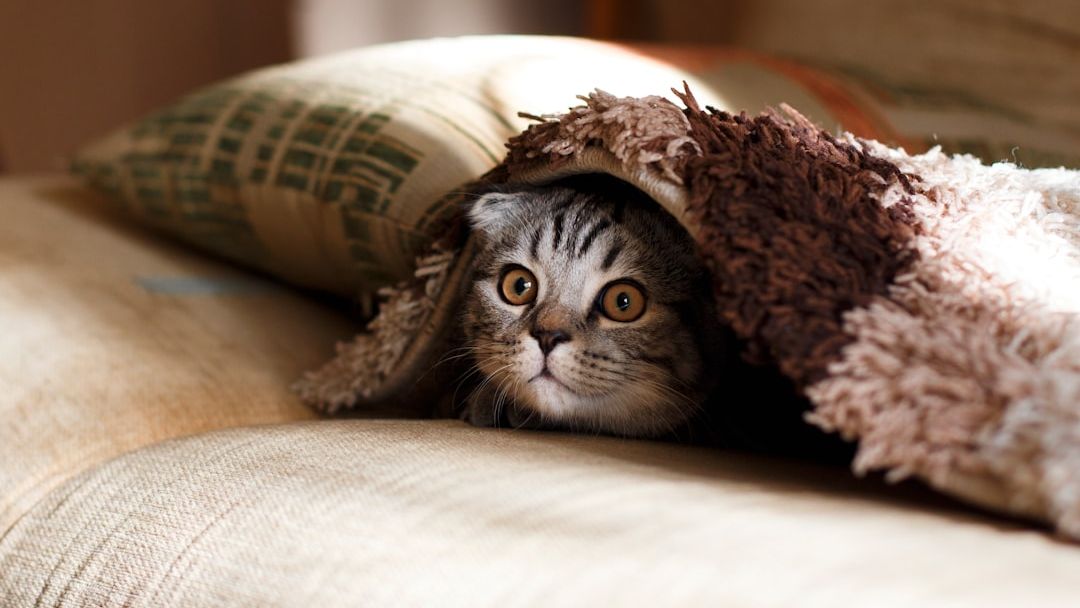
11 Things Your Cat Does in Secret When You Leave the House (Hidden Camera Studies Reveal)-feature image/Unsplash
Ever wondered what your feline friend is up to when you’re not around? Hidden camera studies have unveiled some surprising behaviors that cats engage in during their alone time. Let’s delve into 11 secret activities your cat might be doing when you leave the house.
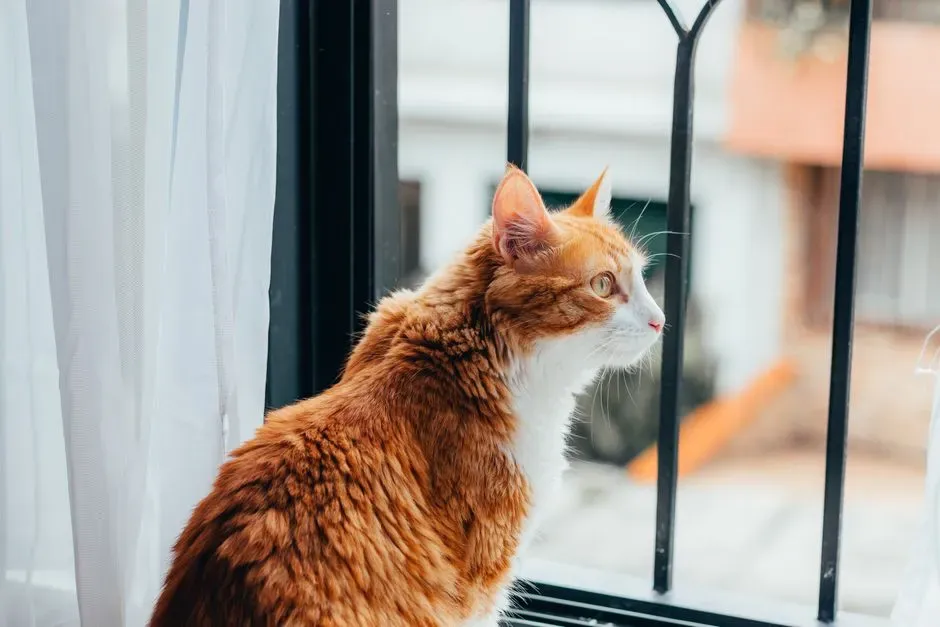
1. Gazing Out the Window
1. Gazing Out the Window (Image Credits: Pexels)
Cats often spend a significant portion of their alone time perched by windows, observing the outside world. This behavior satisfies their natural curiosity and hunting instincts, as they watch birds, squirrels, and other outdoor activities.
A study involving 50 house cats equipped with collar cameras revealed that about 22% of their time was spent looking out of windows. This window-watching serves as both entertainment and mental stimulation for indoor cats.
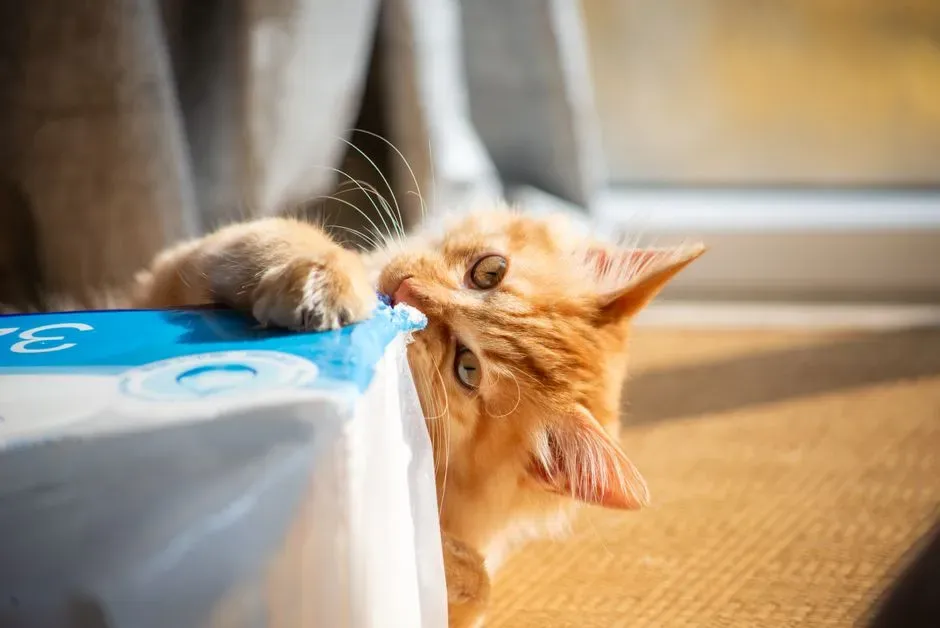
2. Engaging in Mischief
2. Engaging in Mischief (Image Credits: Pexels)
Left to their own devices, some cats indulge in mischievous activities. This can include knocking items off shelves, unrolling toilet paper, or even opening cabinets. Such behaviors are often driven by boredom or a desire for attention.
A survey found that 79% of cat owners reported their pets getting into mischief when left alone. Common antics included scratching furniture, getting into the trash, and jumping onto forbidden surfaces.
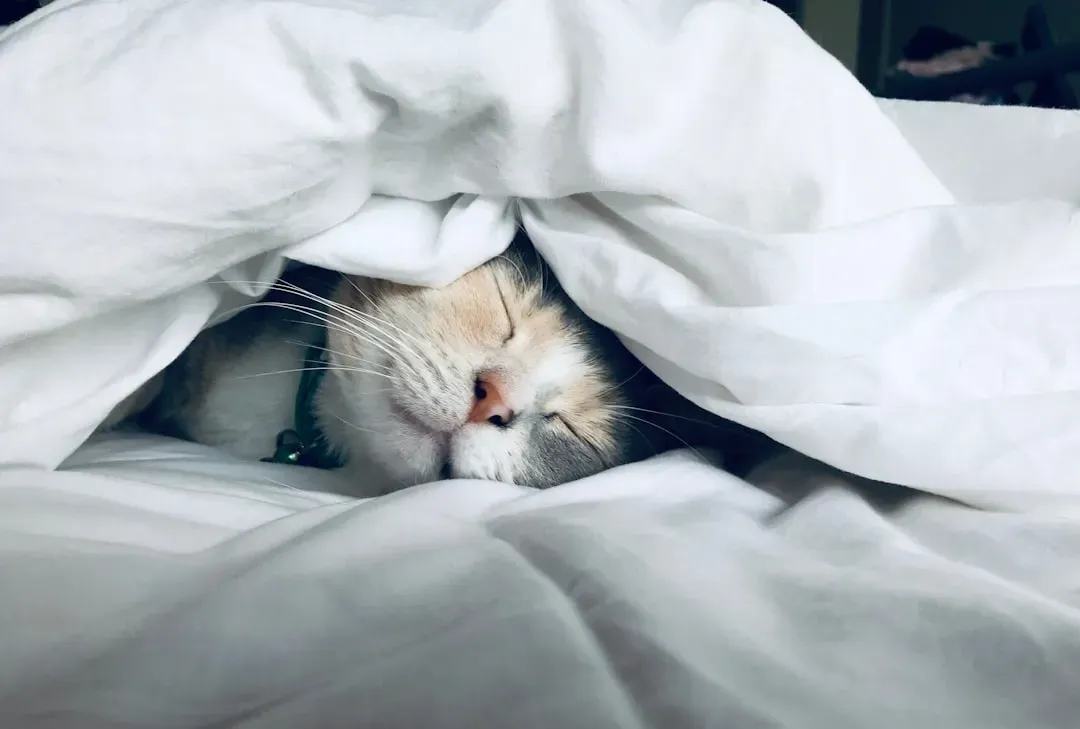
3. Napping in Unusual Spots
3. Napping in Unusual Spots (Image Credits: Unsplash)
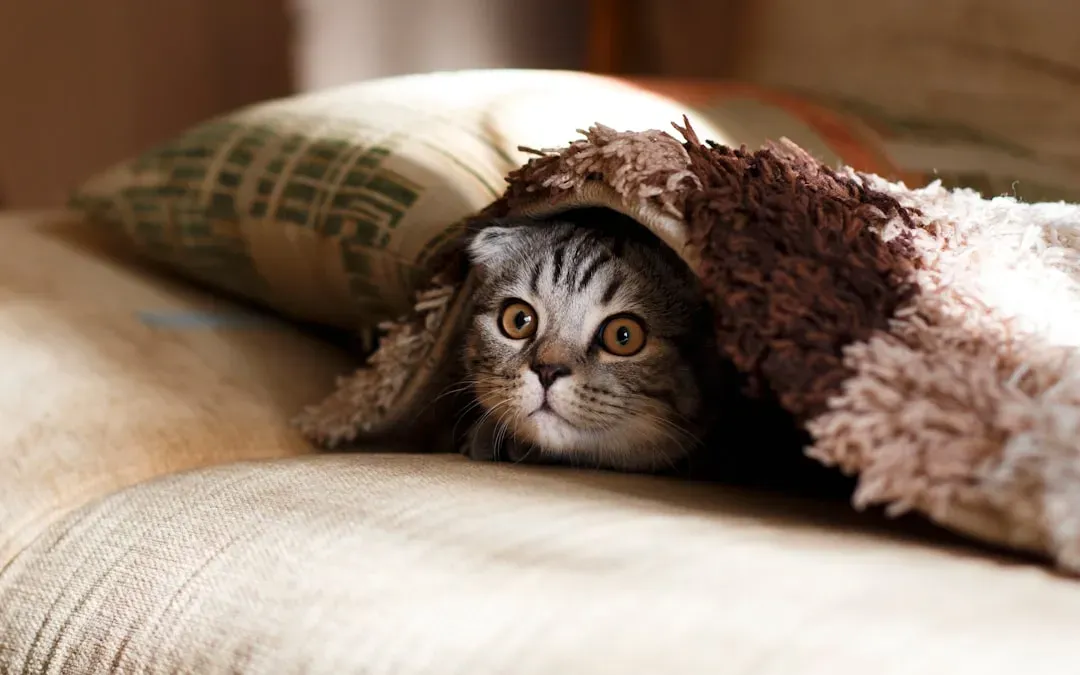
Cats are known for their love of sleep, often choosing unconventional places to nap. When alone, they might curl up in laundry baskets, sinks, or even inside boxes. These spots provide a sense of security and comfort.
Hidden camera footage has captured cats sleeping on their owner’s clothing or personal items, possibly seeking comfort from their scent. This behavior indicates a strong bond and a way for the cat to feel close to their owner in their absence.
4. Playing with Toys
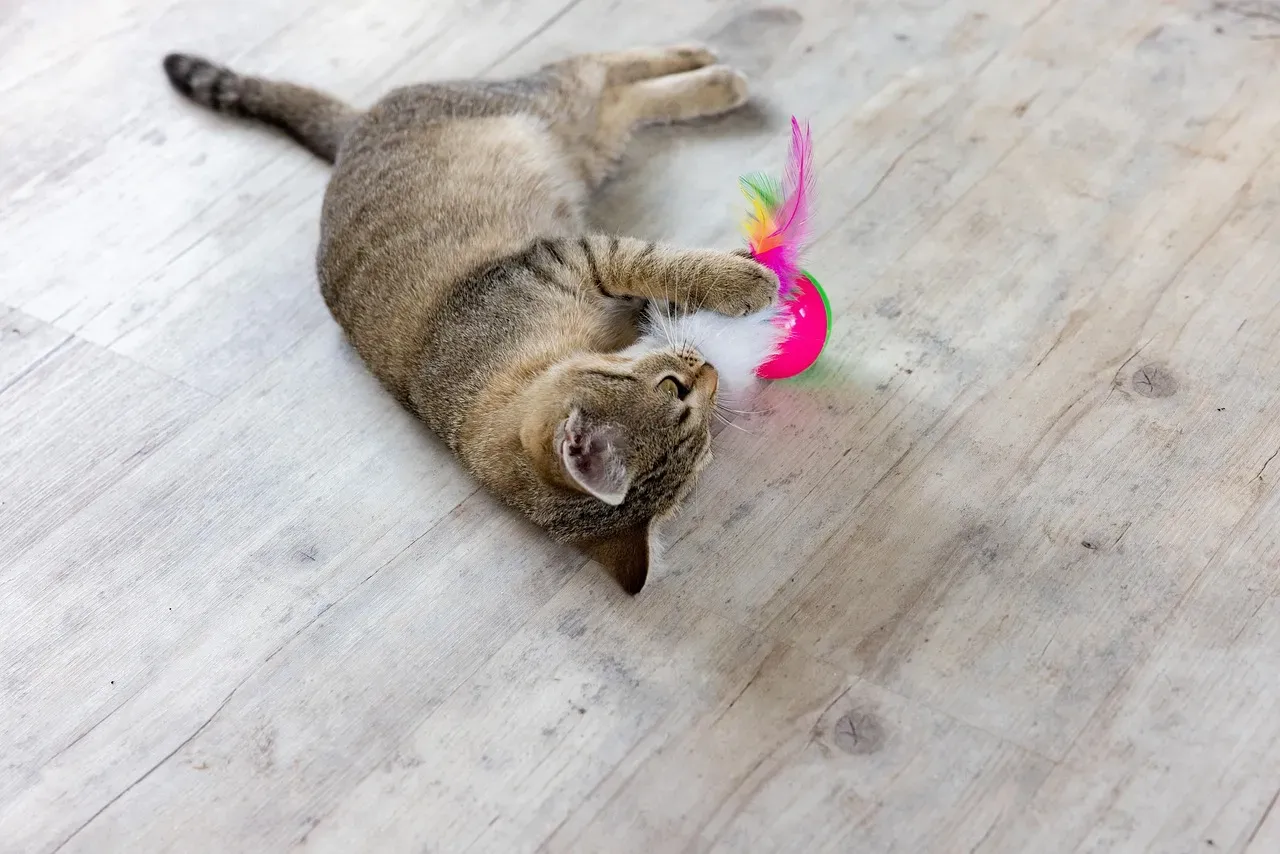
4. Playing with Toys (Image Credits: Pixabay)
Even without an audience, cats often engage in play. They might bat around toys, chase imaginary prey, or pounce on shadows. This self-play helps them stay active and mentally stimulated.
Studies have shown that cats spend about 5% of their alone time playing with toys. Providing a variety of toys can help keep them entertained and reduce potential destructive behaviors.
5. Exploring Forbidden Areas
5. Exploring Forbidden Areas (Trish Hamme, Flickr, CC BY 2.0)
Curiosity often leads cats to explore areas they usually avoid when their owners are home. This can include countertops, closets, or even the top of the refrigerator. Such exploration satisfies their innate desire to investigate their environment.
Hidden cameras have caught cats opening cabinets or climbing onto high shelves, showcasing their agility and determination. Ensuring these areas are safe can prevent potential accidents.
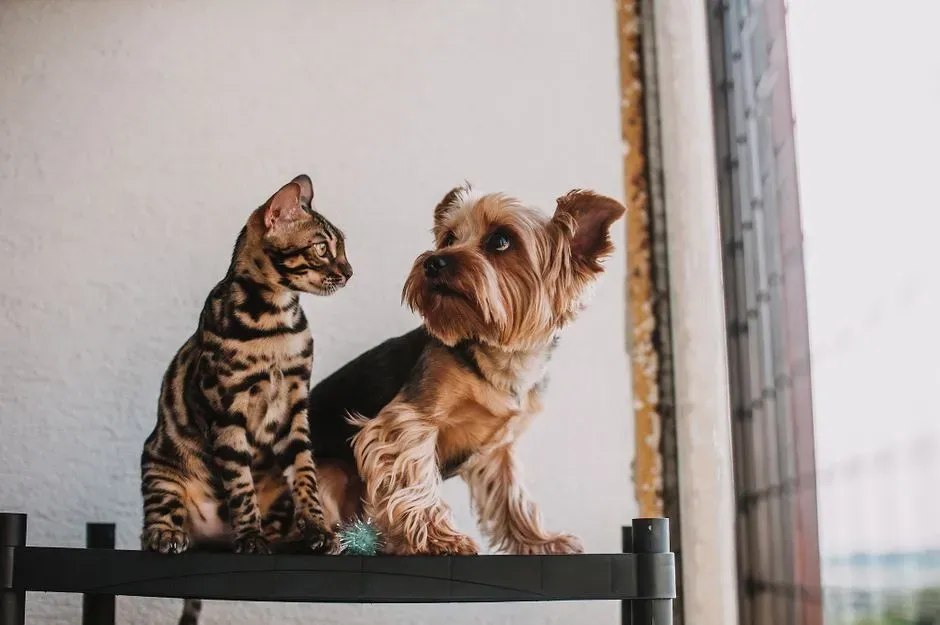
6. Interacting with Other Pets
6. Interacting with Other Pets (Image Credits: Pexels)
In multi-pet households, cats may interact more freely with their fellow animals when humans are absent. This can include playing, grooming, or even establishing dominance. These interactions help strengthen social bonds and alleviate loneliness.
Camera footage has revealed cats engaging in playful chases or mutual grooming sessions with other pets, indicating a complex social structure that thrives even without human supervision.
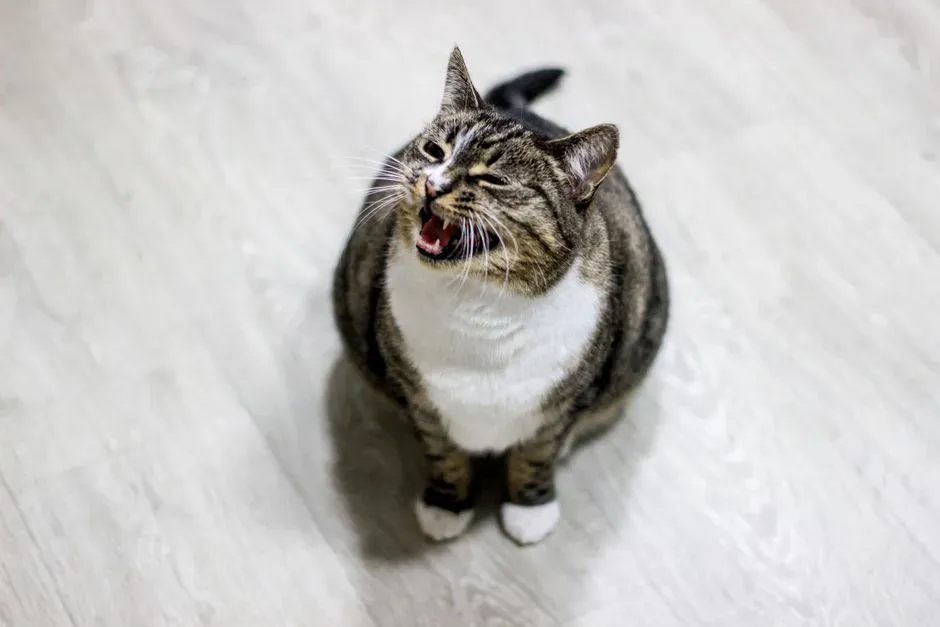
7. Vocalizing More Than Usual
7. Vocalizing More Than Usual (Image Credits: Pexels)
Some cats become more vocal when left alone, meowing or yowling to express their feelings. This behavior can be a sign of separation anxiety or a way to seek attention.
A study found that cats vocalized more when their owners were absent for longer periods, suggesting they do miss human companionship. Providing interactive toys or background noise can help soothe anxious cats.
8. Engaging in Self-Grooming
8. Engaging in Self-Grooming (Image Credits: Unsplash)
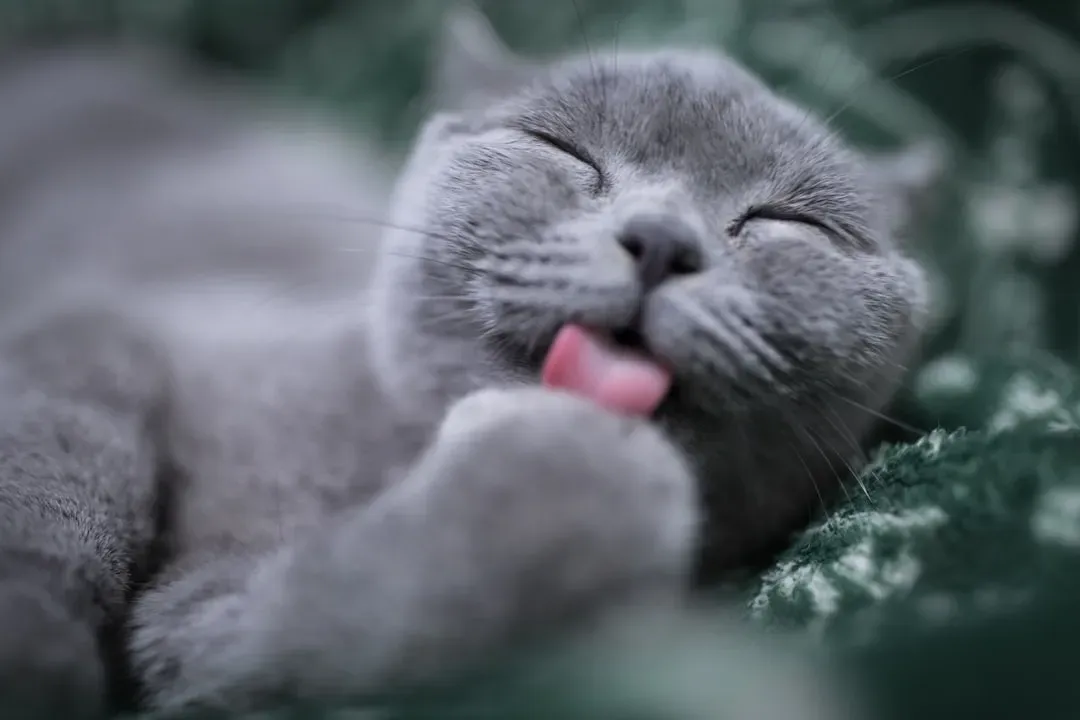
Cats often spend their alone time grooming themselves, maintaining their cleanliness and comfort. This behavior is not only about hygiene but also serves as a calming activity.
Excessive grooming, however, can be a sign of stress or anxiety. Monitoring your cat’s grooming habits can provide insights into their emotional well-being.
9. Hunting Imaginary Prey
9. Hunting Imaginary Prey (Image Credits: Pexels)
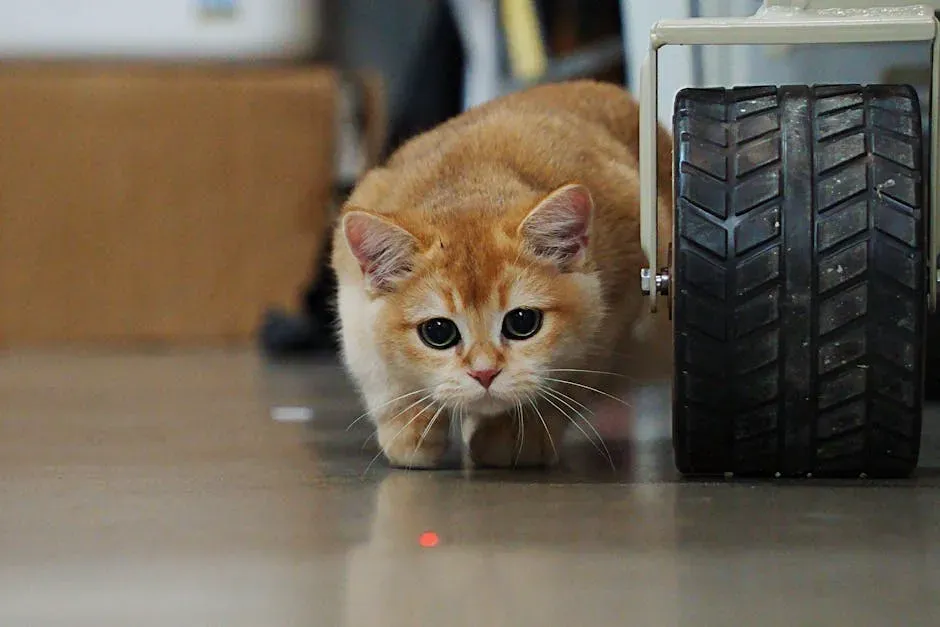
Even indoor cats retain their hunting instincts. When alone, they might stalk, pounce, and “hunt” imaginary prey, such as shadows or dust particles. This behavior keeps their reflexes sharp and provides mental stimulation.
Providing interactive toys that mimic prey can help satisfy this natural instinct and keep your cat engaged during your absence.
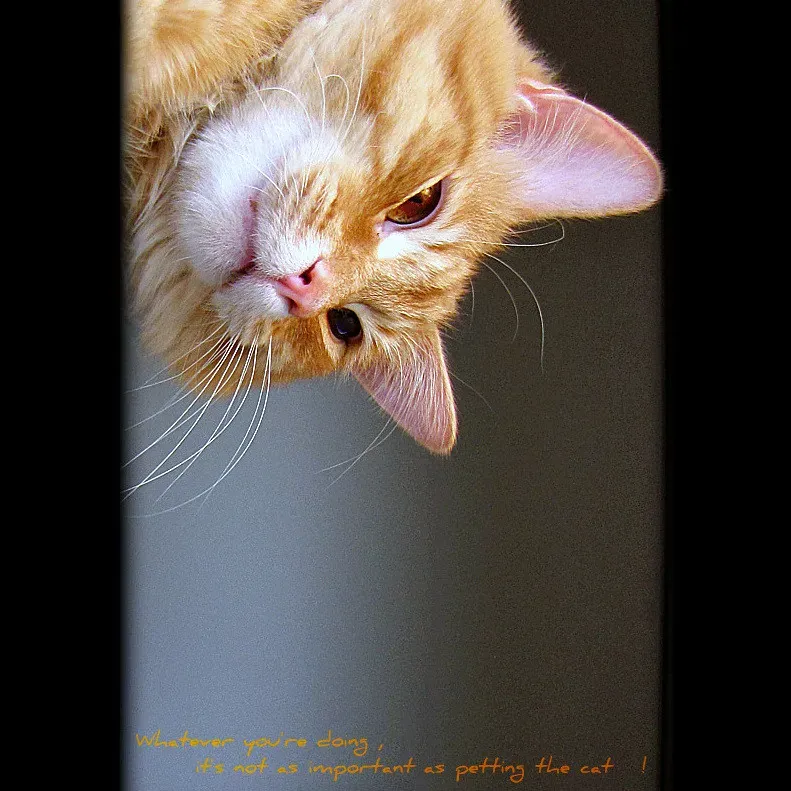
10. Seeking Comfort in Owner’s Belongings
10. Seeking Comfort in Owner’s Belongings (Image Credits: Unsplash)
Cats often find solace in their owner’s scent. When left alone, they might sleep on clothing, blankets, or even shoes that carry their owner’s smell. This behavior provides comfort and a sense of closeness.
Hidden camera footage has captured cats curling up on their owner’s bed or favorite chair, indicating a strong attachment and longing for their human companion.
11. Monitoring the Door for Your Return
11. Monitoring the Door for Your Return (Image Credits: Pixabay)
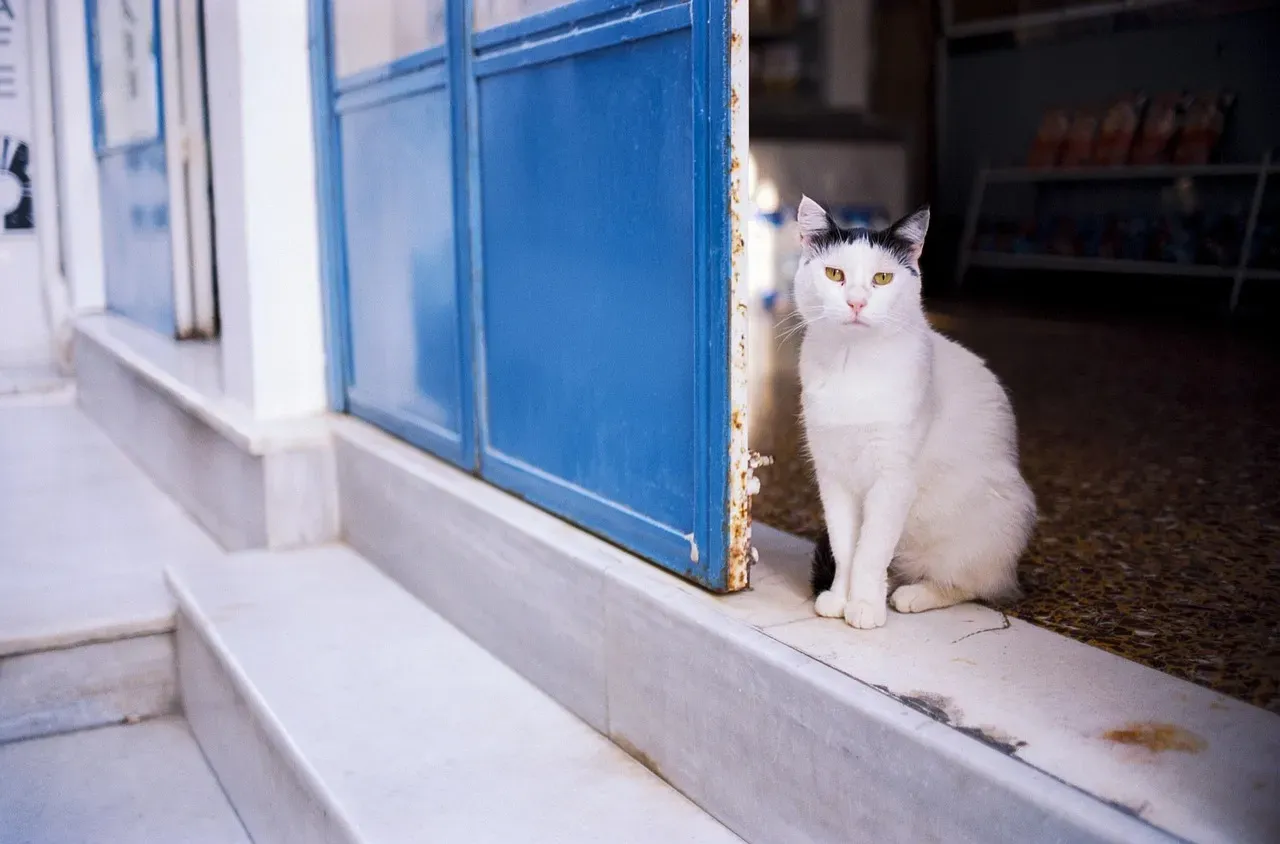
Some cats position themselves near the door, waiting for their owner’s return. This behavior showcases their anticipation and eagerness to reunite.
Studies have observed cats displaying increased affection, such as purring and stretching, upon their owner’s return after longer absences. This indicates that cats do form strong bonds and miss their humans when they’re away.
In conclusion, while cats are often perceived as independent creatures, hidden camera studies reveal a different story. Their secret behaviors when left alone highlight their need for stimulation, comfort, and social interaction. Understanding these activities can help cat owners provide a more enriching environment, ensuring their feline friends remain happy and healthy even in their absence.
Did you find this helpful? Share it with a friend who’d love it too!
Gargi is an MA in History and a B.Ed graduate from India, with a deep passion for animals and wildlife awareness. As an article writer and editor at Animals Around The Globe, she combines her love for storytelling with her dedication to educating readers about animals, conservation, and responsible pet care. A devoted dog lover, Gargi enjoys creating engaging and informative content that inspires compassion and awareness toward the natural world.