

When most of us hear “coyote,” we picture that scruffy cartoon character forever failing to catch a speedy bird. He’s desperate, foolish, and a little pathetic. But in many Native American traditions, the coyote is nothing like that flat stereotype. Instead, Coyote is a brilliant troublemaker, a flawed hero, and a sharp-witted teacher who shows people how to live by constantly messing things up first.
I still remember the first time I read a traditional Coyote story as an adult. I expected a simple moral tale, but what I found instead was messy, funny, sometimes rude, and deeply honest about human nature. These stories weren’t trying to make anyone look perfect. They showed how wisdom often comes disguised as chaos, bad decisions, and embarrassing moments. Let’s dig into why Coyote, in so many Native stories, is less of a villain and more of the world’s most unconventional teacher.
Coyote as Trickster: The Teacher Who Uses Chaos
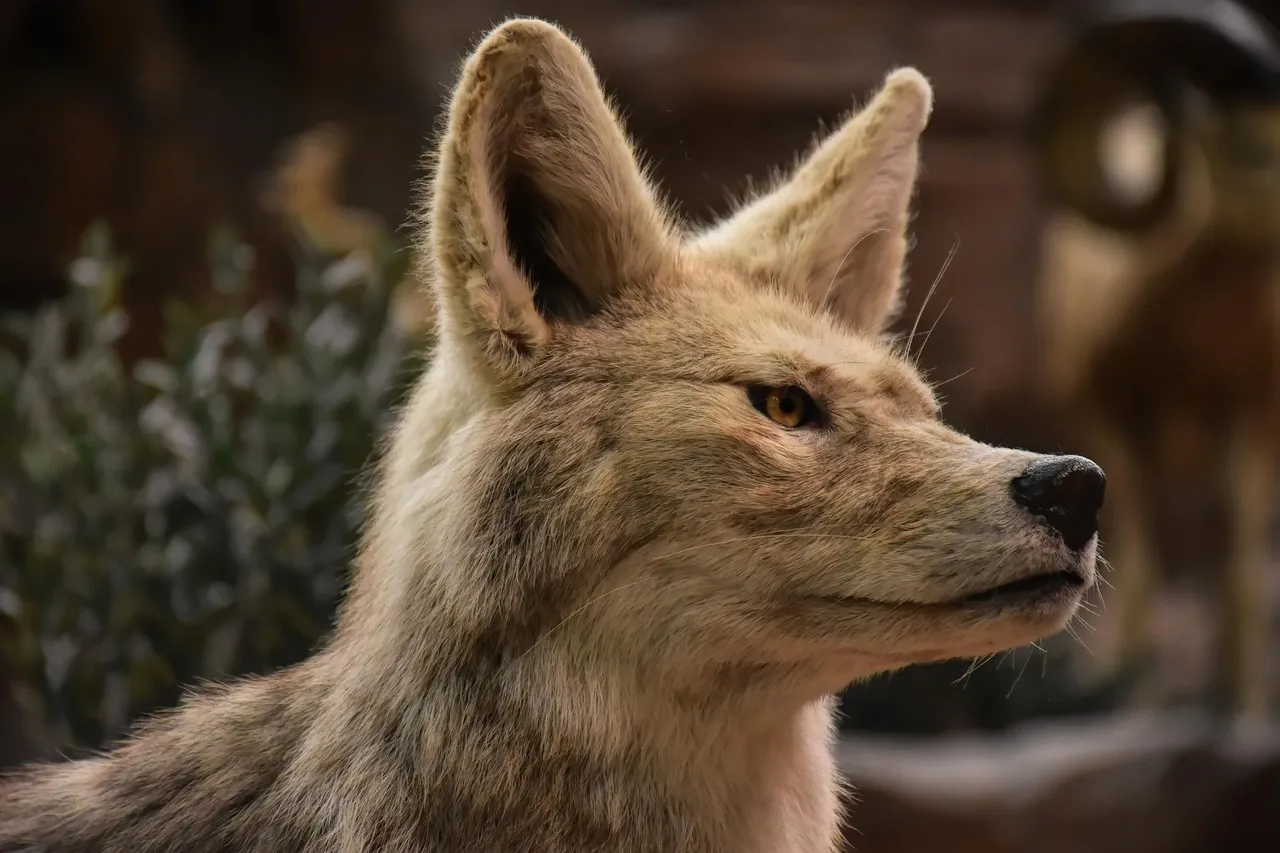
In many Indigenous traditions across North America, Coyote is what storytellers call a trickster: a being who breaks rules, bends reality, and upends expectations. That might sound like the perfect recipe for a villain, but tricksters are not simply evil or malicious. Instead, they exist in the gray zone between right and wrong, where lessons feel more real because they are earned through mistakes and consequences rather than delivered as neat sermons.
Coyote’s tricks often backfire spectacularly, and that’s the point. When Coyote lies, cheats, or acts out of greed or pride, the outcome is usually painful or humiliating, and people learn by watching what not to do. It’s like watching a friend ignore every warning sign in a relationship, then realizing you recognize your own patterns in their drama. Coyote embodies that messy mirror: funny at a distance, uncomfortably familiar up close, and ultimately instructive.
Between Sacred and Silly: Coyote’s Role in the Moral Universe

One of the most surprising things about Coyote stories is how they move effortlessly between the sacred and the ridiculous. In some traditions, Coyote helps shape the world, place the stars, or bring fire to people. In the very same body of stories, he can be greedy for food, obsessed with sex, or so arrogant that he walks straight into disaster. That mix of high and low, holy and hilarious, is not a mistake; it reflects a worldview where the divine and the ordinary constantly overlap.
This is very different from the neat hero-villain split we’re used to in many modern stories. Coyote is not a pure force of good or evil. Instead, he shows how morality is complicated, situational, and tied to relationships and responsibilities. By laughing at Coyote’s failures and missteps, listeners are invited to think about their own behavior without being directly scolded. The stories respect that people learn better from nuance and humor than from being preached at.
Teaching Through Consequences, Not Punishments
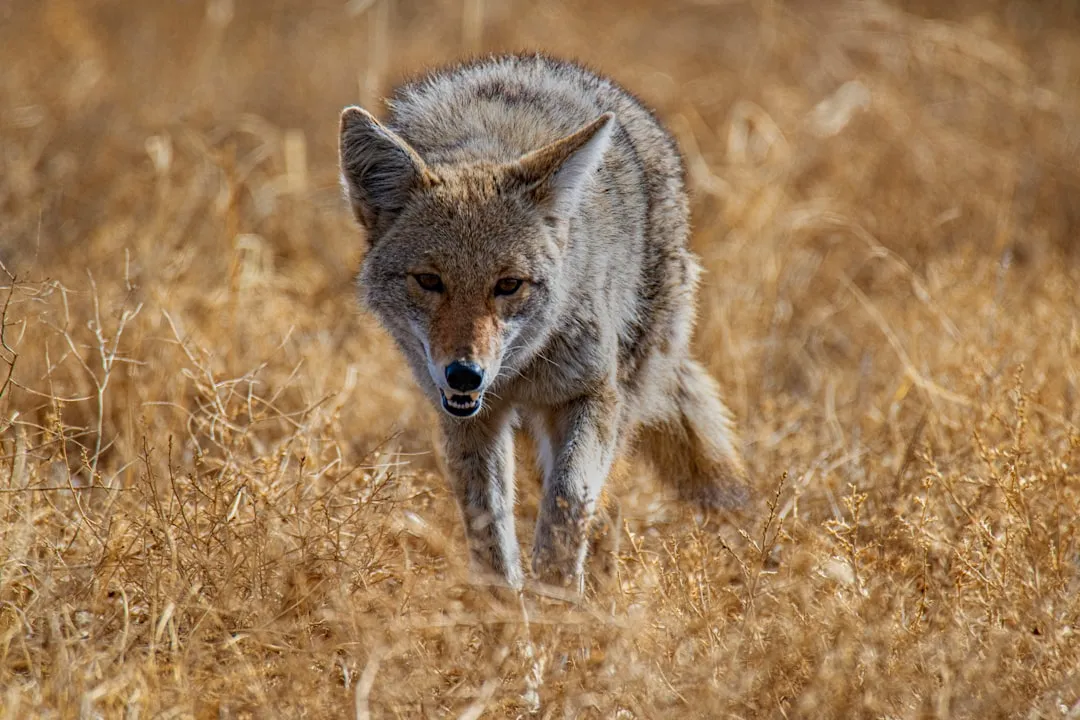
In Coyote tales, the universe itself often responds to Coyote’s actions. If he lies, someone eventually outsmarts him. If he disrespects a powerful being or a natural force, he pays a price that feels natural, not forced. It’s less like a parent coming down with punishment and more like gravity doing what gravity does when you step off a cliff. This approach teaches that actions have built-in consequences, even if no one is watching.
For listeners, especially young ones, that can be a powerful lesson. Instead of memorizing rules, they see how decisions ripple outward, affecting others, landscapes, and future events. Coyote’s bad choices are a kind of social and spiritual crash-test: people see what happens when you drive your life into the wall at full speed. The pain is fictional, but the insights are very real, and they stick because they feel earned, not imposed.
Humor as a Pathway to Wisdom

Coyote stories are often genuinely funny, sometimes in ways that modern readers might find surprising, earthy, or even uncomfortable. That humor is not there just for entertainment; it lowers defenses. When you are laughing, you are more open to seeing yourself honestly. It’s a lot easier to admit your own pride or foolishness when you have just laughed at Coyote doing something wildly similar.
I think of it like going to a comedy show and realizing halfway through that the comedian is describing your exact bad habits. You laugh, but you also squirm a little, because it hits too close to home. Coyote works like that. He makes listeners laugh at stubbornness, jealousy, laziness, and reckless risk-taking, and in that laughter, a gentle kind of self-awareness grows. Instead of shame, the stories offer recognition and a chance to do better.
Coyote and the Web of Relationships
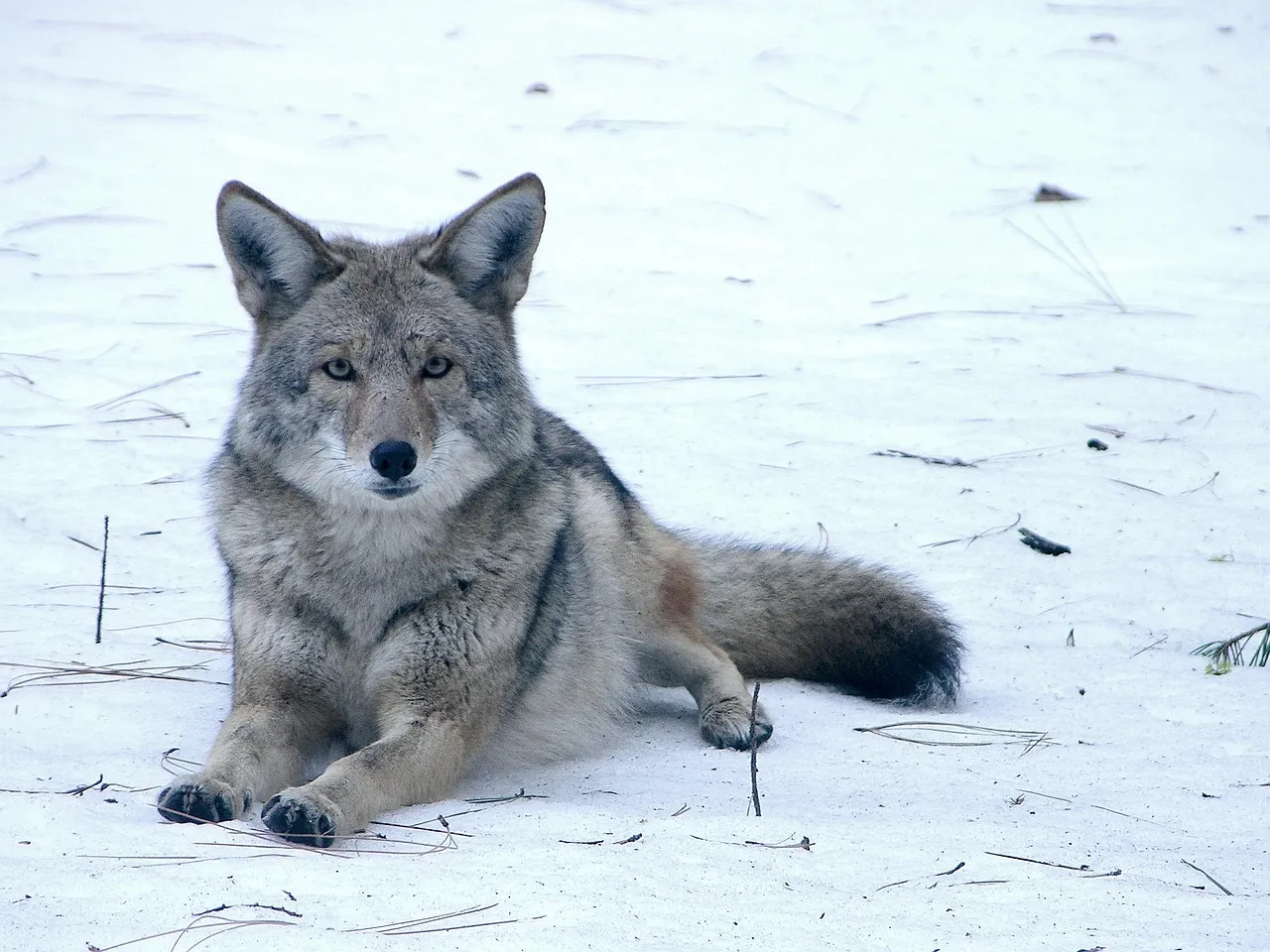
Another key difference between Coyote as teacher and Coyote as villain is how he fits into a larger web of relationships. In many Native traditions, stories emphasize that everything is connected: people, animals, rivers, winds, ancestors, and even stones. Coyote does not exist outside that web as a lone “bad guy.” He is woven right into it, interacting with other beings who have their own power, agency, and responsibilities.
Because of this, Coyote’s actions are never just about him. When he acts selfishly, others are drawn into the mess, and the story shows the tensions and repairs that follow. When he helps, even accidentally, the benefits ripple outward as well. This relational focus stands in sharp contrast to the cartoon version of Coyote eternally chasing a bird in total isolation. In the traditional stories, he is not doomed to be alone and defeated; he is part of a living moral and ecological system.
Why Western Stories Turned Coyote into a Villain

So how did we go from a complex, clever teacher to a desperate cartoon punchline? A big reason is that when Europeans brought their own religious and moral frameworks to North America, they often tried to sort Indigenous stories into familiar categories: hero, villain, angel, devil. Tricksters like Coyote did not fit neatly into those boxes. They were too wild, too ambiguous, too comfortable with contradiction, so they were flattened into mischievous pests or symbols of disorder.
Popular media picked up that simplified version and ran with it. It is much easier to sell a universal chase gag than to explain a morally layered trickster figure deeply tied to specific lands and cultures. Over time, the flattened Coyote became more familiar than the original. Many people grew up knowing him only as the loser in an endless chase, not realizing that in the older traditions, he is more like a rough-edged philosopher who uses failure and foolishness to reveal uncomfortable truths.
Coyote Stories as Living, Not Frozen, Traditions

One important thing to remember is that Coyote stories are not relics stuck in the past. Indigenous storytellers, families, and communities still tell, adapt, and interpret these stories today. They might weave modern technology, contemporary problems, or current events into the tales, keeping Coyote active as a guide through new forms of confusion and struggle. The core remains: he is still the one who pushes boundaries and shows what happens when humans forget their responsibilities.
In that sense, Coyote functions almost like a long-running, community-owned series rather than a single, fixed myth. Each generation adds new episodes that speak to their realities, while honoring the knowledge passed down before. Listening to or reading these stories with respect, rather than treating them like simple fables, reveals a sophisticated moral and philosophical system that has been evolving far longer than most of our modern franchises or trend cycles.
What Coyote Can Teach Us About Ourselves Today
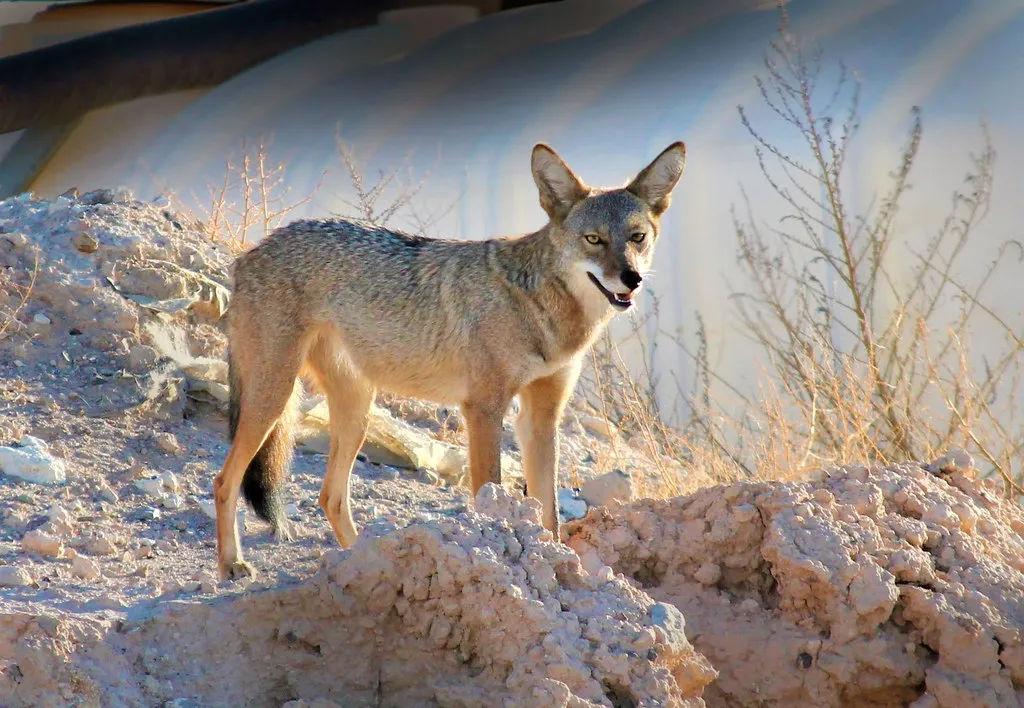
In a world that loves clean narratives and clear sides, Coyote is a reminder that real life is rarely that tidy. People can be generous and selfish, wise and reckless, brave and petty, often in the same week or even the same afternoon. Coyote’s messy mix of brilliance and foolishness feels more honest than the flawless superhero or the pure villain. He shows that growth often comes from missteps, and that admitting our ridiculous moments is part of becoming more grounded and responsible.
On a personal level, I find Coyote reassuring. When I screw up, act impulsively, or ignore good advice, I can see myself in those old stories and think, “Okay, this is part of the pattern. Now what do I do with the lesson?” Instead of drowning in guilt or pretending perfection, Coyote invites a different approach: own the mistake, recognize the consequences, and keep learning. In that way, he remains a sharp, if slightly chaotic, teacher for anyone willing to listen.
Conclusion: Embracing the Trickster in a World Obsessed with Villains
Seeing Coyote as a clever teacher instead of a villain forces us to rethink more than just one character; it challenges the way we like to divide the world into good guys and bad guys. Native traditions that center Coyote as a trickster show a deeper patience for complexity, contradiction, and imperfection. They suggest that wisdom is not about never failing, but about what we notice and change after we fall flat on our faces. Personally, I think that view is far more honest, and far more useful, than a simple good-versus-evil script.
In a time when headlines, social media, and even blockbuster stories constantly push us to pick sides and cancel anyone who stumbles, Coyote offers a rougher, more forgiving kind of clarity. He is not an excuse for harmful behavior, but a reminder that learning usually looks messy and sometimes embarrassing. Maybe the real question is not whether Coyote is a hero or a villain, but whether we are brave enough to admit how much of him lives in us. When you look at your own worst mistakes through that lens, do they start to feel a little more like a lesson than a life sentence?

- According to Native American Tradition, Coyotes Were Clever Teachers Rather Than Villains - August 13, 2026
- Animal Science Says Blue Jays Remember Thousands of Acorn Hiding Places Each Autumn - August 13, 2026
- Animal Science Says River Otters Play More Where Fish Populations Are Stable - August 13, 2026