

Most people picture tropical oceans when they think about extraordinary fish diversity. Bright coral reefs, exotic marine life, the deep blue unknown. Honestly, that’s what comes to mind for me too. Yet some of the most jaw-dropping fish biodiversity on the planet is hiding right in the rivers, springs, and caves of the American heartland – species so obscure, so geographically isolated, that even expert biologists have only recently begun to fully catalog them.
The United States is not just a nation of bass-fishing lakes and trout streams. It is a silent global hotspot for fish evolution, with hundreds of species found absolutely nowhere else on Earth. Some live in a single spring. Others haunt underground caves with no eyes, having lost them to darkness over thousands of years.
From the sunlit mountain streams of the Appalachians to the ancient desert springs of the Mojave, there are eleven states that stand apart. Ready to be genuinely surprised? Let’s dive in.
Alabama: The Hidden Freshwater Capital of the World
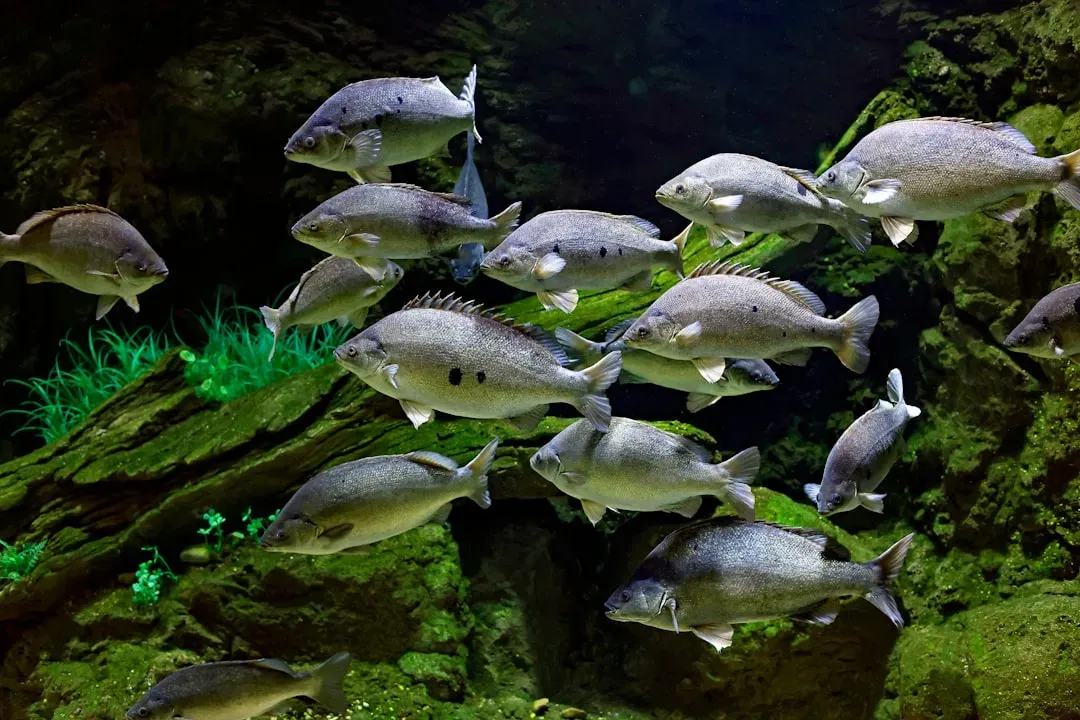
Here’s the thing – Alabama does not usually make top-ten lists for anything you’d expect. Yet when it comes to aquatic biodiversity, it sits at the very top of the global stage. Alabama is said to be home to more species of fish, more than 450 in 29 families, than any state or province in North America. That is a staggering number, and most people have no idea.
The Mobile basin alone has 41 endemic species, the Tennessee River has 14, and several coastal river systems located on either side of the Mobile basin have eight. Think about that like this: these fish evolved in complete isolation, like passengers on separate islands that just happen to be rivers.
Imagine a fish that lives all its life underground and has no eyes. That is the life of the Alabama Blind Cavefish. Only found in Lauderdale County’s Key Cave, the fish is so rare the land around it has been designated a National Wildlife Refuge. That is not a fish story. That is a living scientific marvel. While Alabama has the most diverse freshwater aquatic life of any state or province in North America, it also has the highest extinction rate. A sobering trade-off for such remarkable richness.
Tennessee: 325 Species and Counting
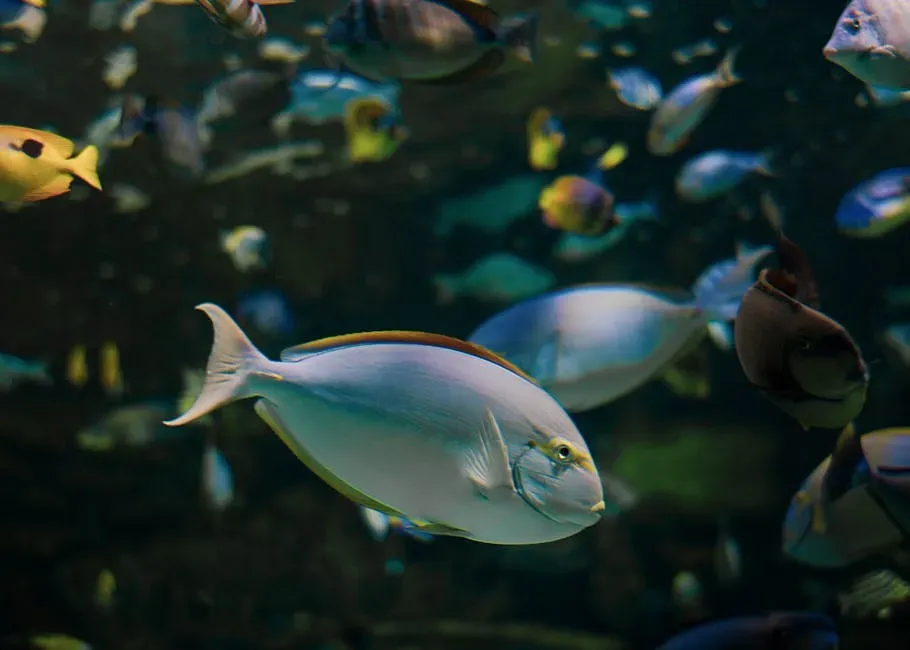
Tennessee sits like a geographic crossroads for freshwater fish life, and the numbers are astonishing. Currently there are more than 325 species of fish, 89 mammals, 61 reptiles, 70 amphibians, and 340+ birds known to inhabit or migrate through Tennessee. For fish alone, that is nearly unmatched outside the Deep South.
Tennessee’s biodiversity is shaped by its geology, which includes three major divisions: the Blue Ridge Mountains in the east, the Highland Rim and Nashville Basin in the center, and the Gulf Coastal Plain in the west. Tennessee also has more than 60,000 miles of rivers and streams that drain into three major river systems. Sixty thousand miles of rivers. That is more than twice the circumference of the Earth.
The modern Tennessee River Basin is home to approximately 240 fish species. Many of these are darters, tiny jewel-colored fish that shimmer like living stained glass in shallow rocky streams. Most anglers walk right past them without a second glance, which I find both fascinating and a little heartbreaking.
Georgia: The State of 265 Native Species
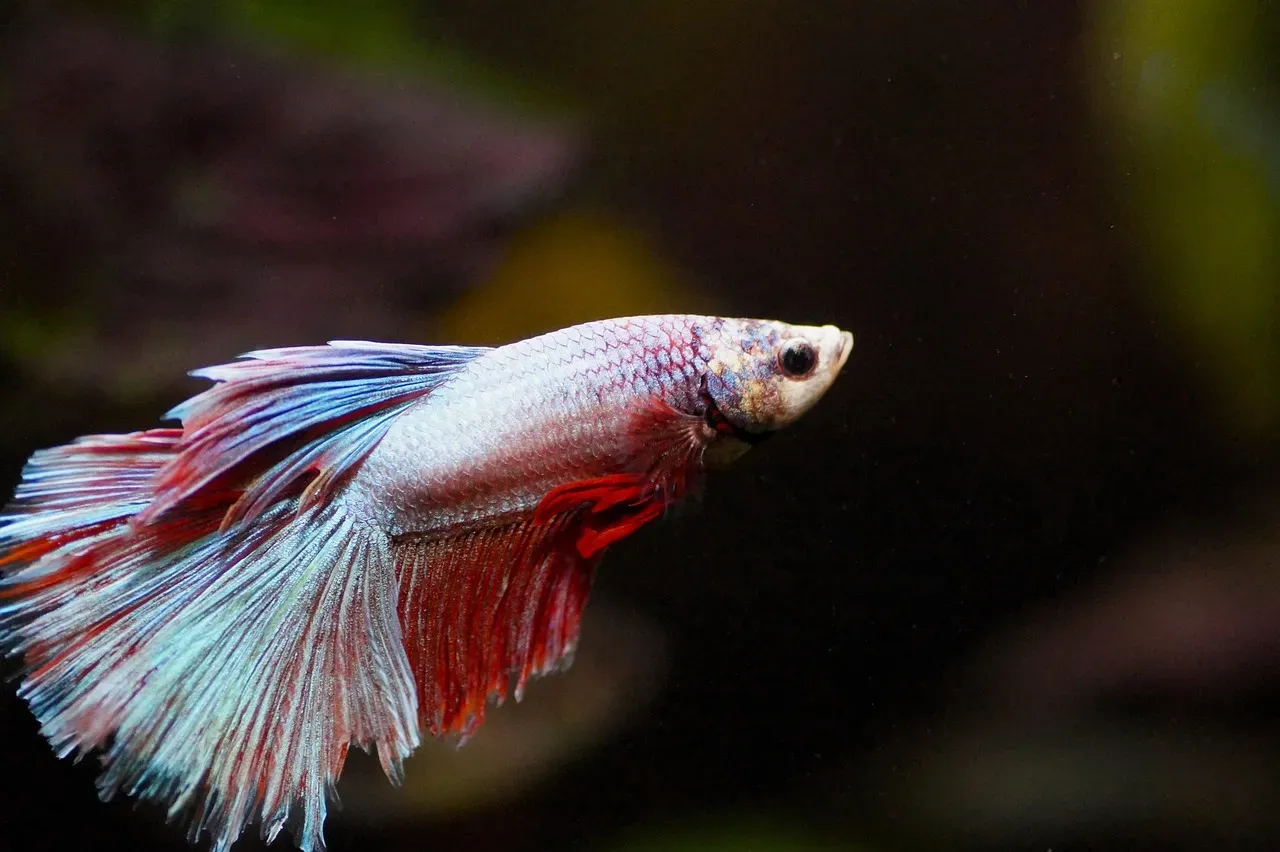
Georgia is often associated with peaches and college football, but it quietly harbors one of the most impressive freshwater fish communities on the continent. About 265 species are considered native to the state, which includes 245 described species and 20 species that have not yet been formally described by ichthyologists. Twenty undescribed species. They exist. Scientists know they’re there. They just haven’t been formally named yet.
Five described species are endemic to the state of Georgia and occur nowhere else in the world: the Ocmulgee shiner, Altamaha shiner, Chattahoochee sculpin, Etowah darter, and Cherokee darter. The Cherokee darter, for instance, is the kind of species that makes a biologist’s pulse race – intensely local, exquisitely evolved, completely irreplaceable.
Georgia’s fishes are amazing not just for their taxonomic diversity, but also for their fascinating variety of sizes, color patterns, life histories, and behaviors. While Georgia’s fish fauna is very diverse, it is also highly threatened. Fifty-eight species are considered imperiled and are protected under Georgia’s Endangered Wildlife Act. Remarkable and fragile at the same time.
California: An Ecological Island of Fish Evolution
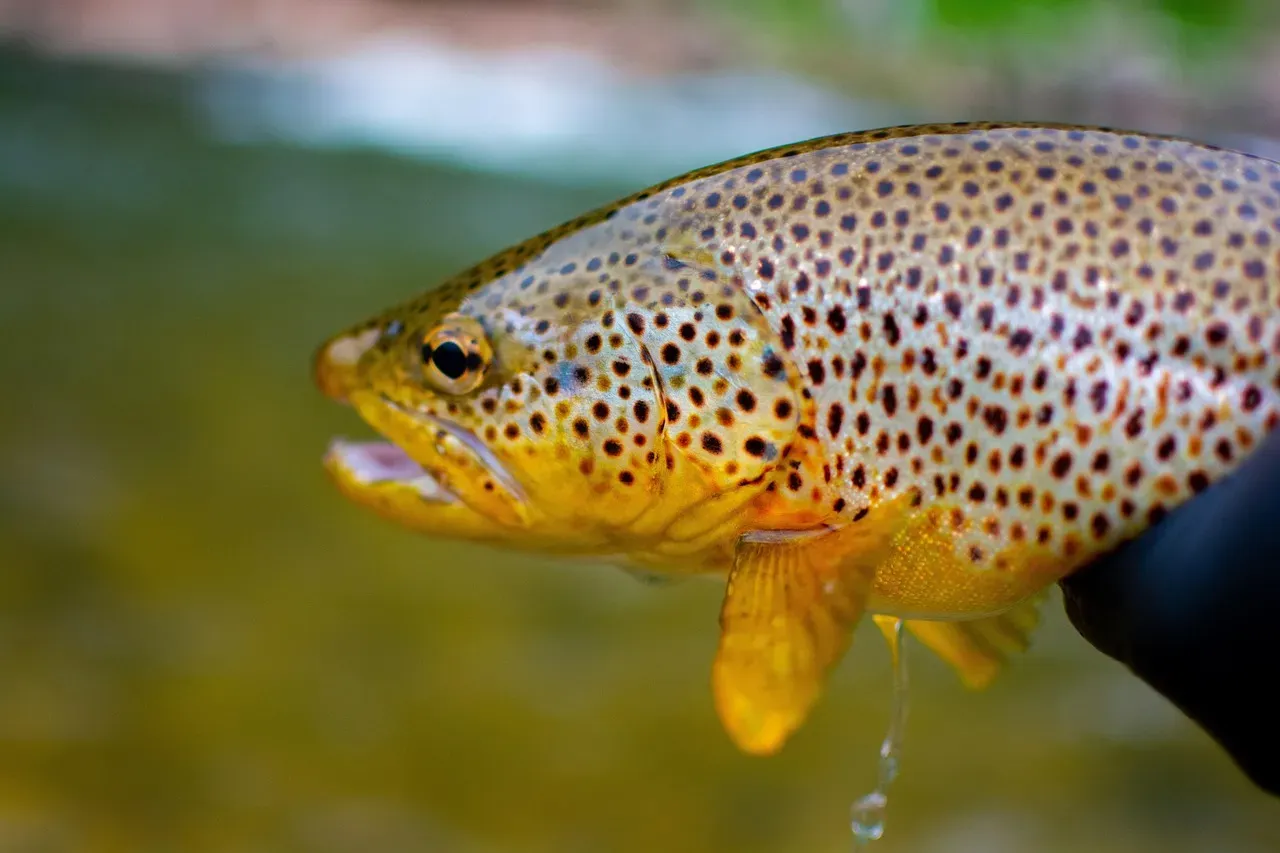
California is already famous for its biodiversity, but its freshwater fish story is something else entirely. The hardhead is one of several interesting fishes endemic to California. It can grow two feet long, hunts crayfish, and yet remains almost completely unknown outside of specialist circles. That is the story of California’s native fish in a nutshell. Spectacular, overlooked, and underappreciated.
Biodiversity often correlates with ecological diversity, and the vast diversity of ecosystems in California allows an enormous variety of species to thrive. California contains the entire California Floristic Province, which has a marvelously high rate of endemism. The same mountain ranges that created the Sierra Nevada also created natural barriers that allowed fish populations to evolve in total isolation for millions of years.
The California golden trout is named for its vivid yellow coloring. They live in cold mountain streams at altitudes of more than 7,500 feet, making them the prime species living in the Sierra Nevada. It is honestly one of the most breathtaking fish you can encounter in North America, yet very few people outside the state even know it exists.
Nevada: Where the Rarest Fish on Earth Survives
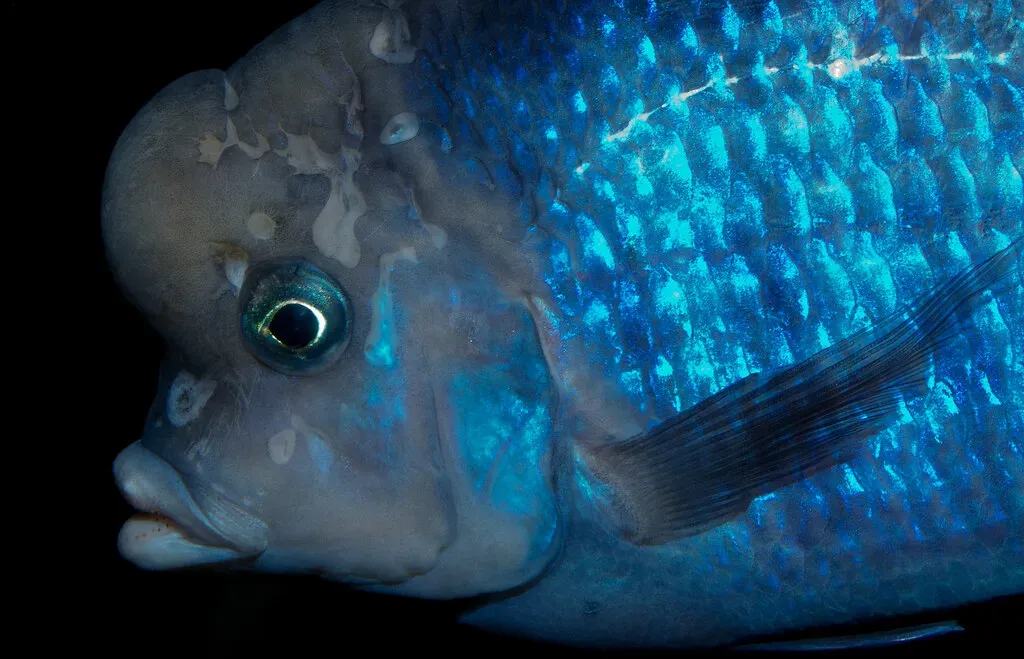
Nevada sounds like the last place on Earth you’d expect extraordinary fish life. Desert. Heat. Las Vegas. Yet this state is home to something truly astonishing. The Devils Hole pupfish is a tiny endangered vertebrate that also happens to be the rarest fish on the planet. Let that sink in for a moment. The rarest fish on the planet lives in the Nevada desert.
Devils Hole pupfish have one of the smallest, most distinctive habitats on the planet – their entire species exists in a singular 72 foot long by 11.5 foot wide underground cavern that connects to a nearly 500 foot deep subterranean lake. That is roughly the size of a modest living room. For an entire species. The fragility of that situation is almost incomprehensible.
Most of the refuge’s endemic species reside in or next to pockets of streams, including other species of pupfish that have also evolved in relative isolation. This includes the Warm Springs pupfish and the Ash Meadows Amargosa pupfish, which call multiple pools home. Nevada’s desert water systems are, in a very real sense, evolution’s isolated laboratories.
Texas: Where East Meets West in the Water
Texas is enormous, and its fish diversity reflects that scale beautifully. The species richness in Texas comes from the state’s sheer size and the variety of ecosystems present. In a single state, one can encounter ecological elements from the Great Plains, the southwestern deserts, the rainy Gulf Coast, and the Mexican subtropics along the Rio Grande. Few states on Earth offer that kind of ecological contrast.
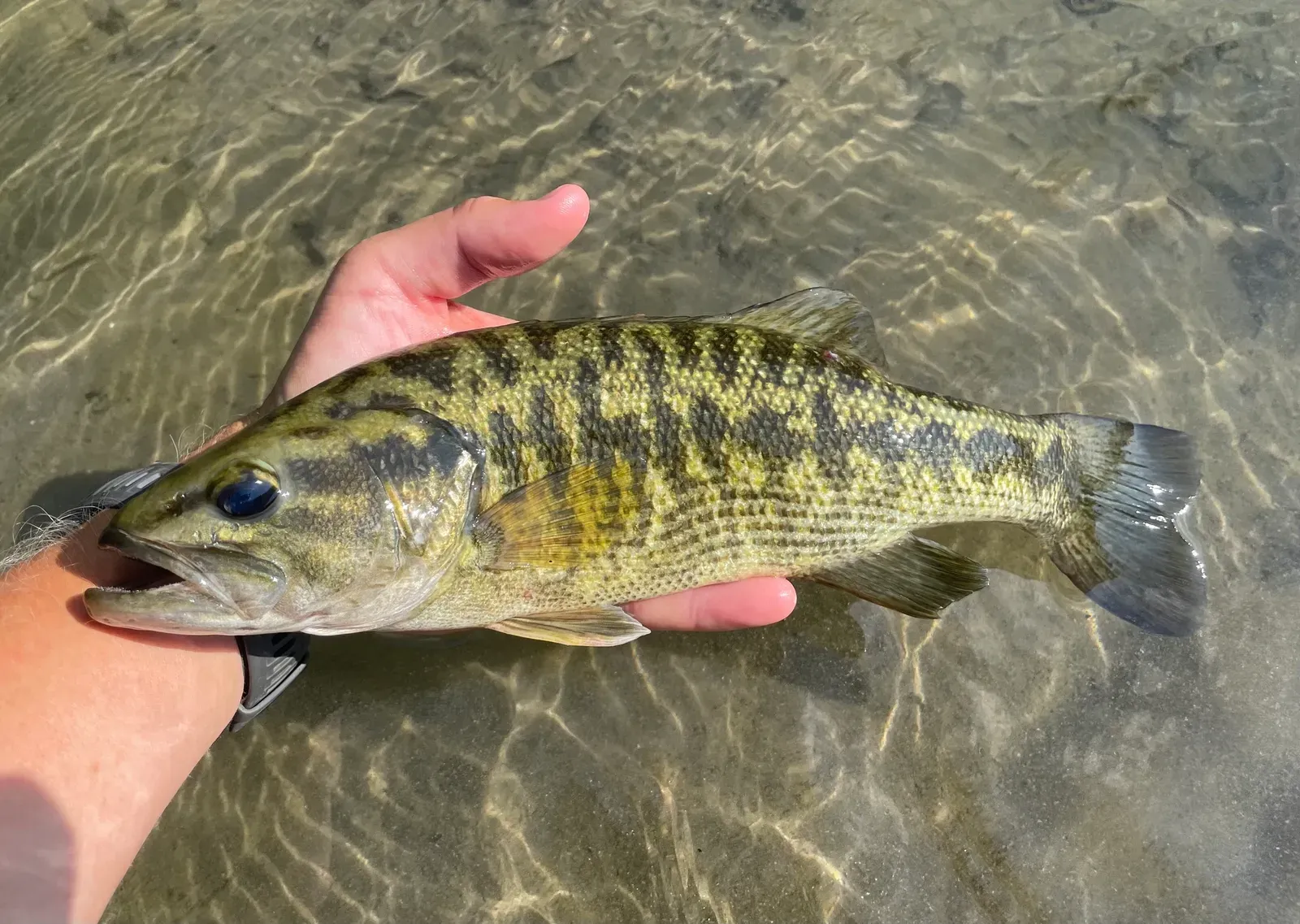
The official freshwater fish of Texas is the Guadalupe bass, a highly rare species of bass found only in Texas. Within the state, it is endemic to the northern and eastern Edwards Plateau, an area that includes portions of four different rivers: the San Antonio River, the Guadalupe River, the Colorado River, and the Brazos River. It occupies a world so geographically precise that a species distribution map looks like a fingerprint.
The alligator gar is a prehistoric, torpedo-shaped fish that lives mostly in the Mississippi River basin and the Gulf Coast states. The best spot to get after these remarkable fish is in Texas. The world-record gar was caught on the Rio Grande on a rod and reel in 1951, and it weighed a whopping 279 pounds. Two hundred and seventy-nine pounds. In a river. Wild.
Hawaii: Isolation as an Engine of Uniqueness
Hawaii plays by different rules entirely. Its fish diversity story is not about hundreds of freshwater species – it is about extreme isolation producing creatures found absolutely nowhere else. Hawaii, despite ranking low in total native species diversity, is the clear leader in endemism. The state’s isolation as an archipelago means a staggering 63% of its native species are found nowhere else on Earth. Nearly two-thirds of everything swimming in Hawaiian waters exists only there.
Deep coral reefs in the Northwestern Hawaiian Islands may contain the highest percentage of fish species found nowhere else on Earth. The islands, atolls, and submerged habitats of the NWHI harbor unprecedented levels of biological diversity. It is like the Galapagos, but underwater, and American.
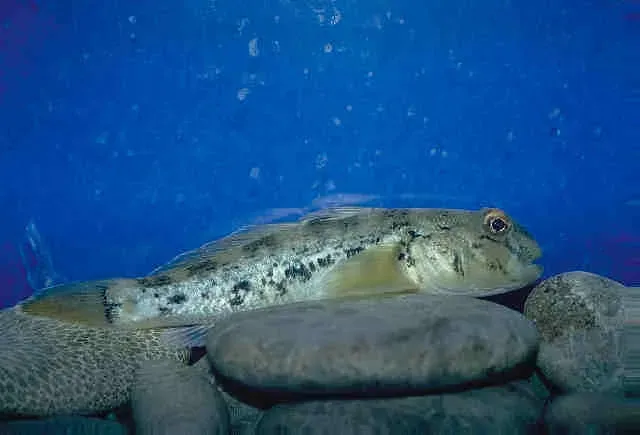
There are 5 native, 4 endemic, amphidromous stream fishes in Hawaii, all gobies. These gobies have evolved remarkable climbing abilities to scale waterfalls on the volcanic islands. With resources wisely managed and protected by natives and state agencies, fish found only in the Hawaiian Islands can continue to evolve and populate their waters alongside legally and unintentionally introduced fauna.
Idaho and Utah: The Bear Lake Enigma
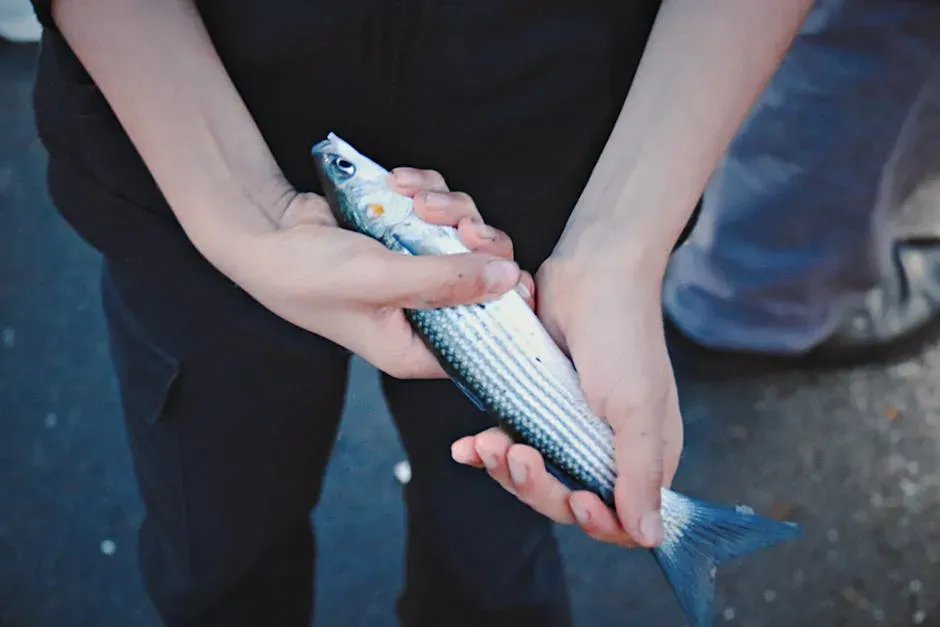
Bear Lake straddles the Idaho-Utah border, and it is one of the most quietly extraordinary bodies of water in North America. Bear Lake, straddling the Idaho-Utah border, is known for its Caribbean blue waters. It is also home to four fish species found nowhere else on earth: the Bear Lake sculpin, Bear Lake whitefish, Bonneville whitefish and Bonneville cisco. Four species, one lake. That is an astonishing concentration of uniqueness.
North America has some lakes that are largely isolated from other waterways, allowing fish to evolve to fit unique niches. Such isolated waters are also very vulnerable to invasive species and other threats. Bear Lake is essentially a time capsule. Evolution ran its course in isolation, and the result is a roster of species with no counterpart anywhere on the planet.
Unlike many isolated lakes, Bear Lake has never had a significant problem with invasive species. So Bear Lake’s endemic fish still thrive. In fact, there are fishing seasons for three of them. That last detail is remarkable. You can actually fish for species found nowhere else on Earth, right there in the blue waters of the Utah-Idaho border.
Alaska: The Last Frontier of Fish Diversity
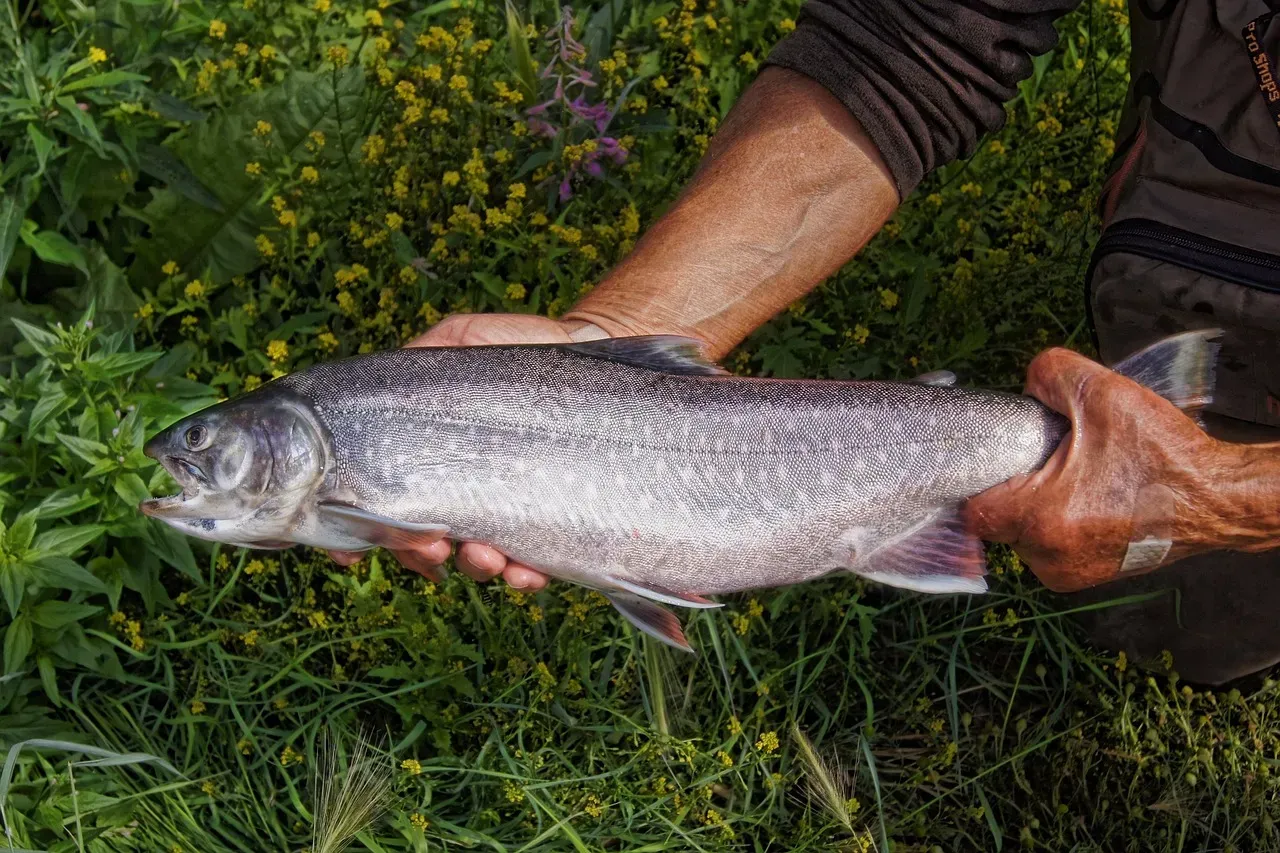
Alaska operates on a different scale than every other state. It is simply vast. Alaska is one of those places on every angler’s bucket list. The Last Frontier is home to thousands of lakes, rivers, and streams where you can catch hundreds of different species of a size and in numbers that you’ve only ever dreamed about. That reputation is entirely earned.
There is one incredibly unique and often underutilized species that many Alaska-bound anglers forget about: the sheefish. Sheefish are the largest members of the whitefish family and can grow up to five feet in length. Five feet of whitefish. I know it sounds crazy, but most people have never even heard of it.
Like salmon, some sheefish populations are anadromous and often spend at least part of their lives in the brackish waters of the ocean before migrating up to 1,000 miles up rivers and streams to their spawning grounds. This makes them incredibly powerful, hard-fighting fish that are almost completely unique to Alaskan waters. Unique, powerful, and almost completely unknown to the outside world.
California’s Desert Neighbor: The Mojave’s Pupfish Legacy
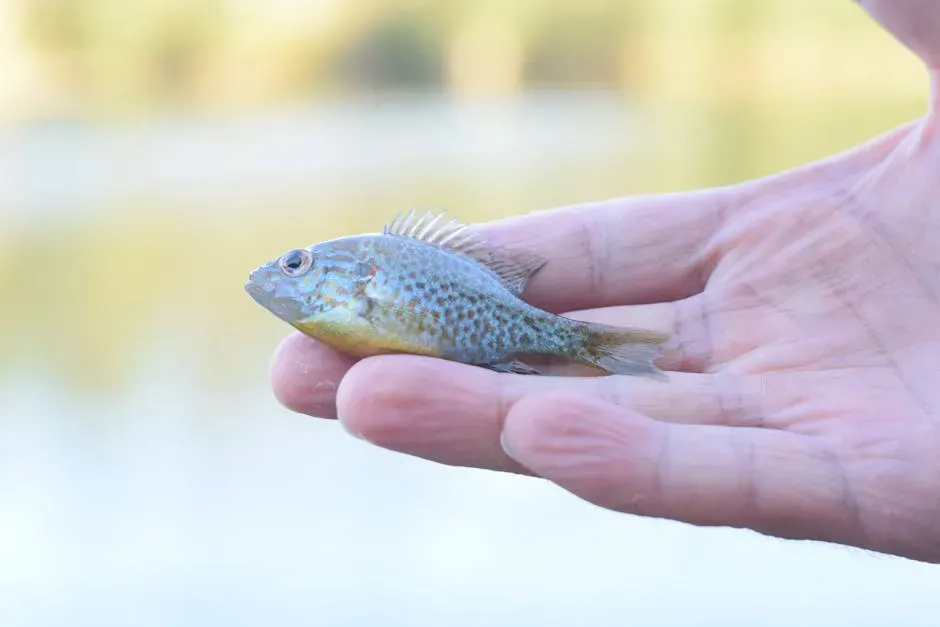
Distinct from the main California fish story, the Mojave Desert region – straddling California and its neighboring states – contains one of the most poignant tales in American fish biology. One of the rarest and most vulnerable fish in North America is the Shoshone pupfish. Technically speaking, the Shoshone pupfish is one of six subspecies of Cyprinodon nevadensis. Each subspecies inhabits small pools or springs in isolated areas of the Mojave Desert.
Almost all of them are considered vulnerable or endangered, and they all have high levels of state and federal protection. One, the Tecopa pupfish, was declared extinct in 1981, earning the unfortunate distinction as the first species removed from the Endangered Species Act of 1973 because of extinction. Gone forever. Already. That is the urgency hiding inside these dry desert landscapes.
The entire population of Shoshone pupfish lives in an area roughly the size of a football field. The water depth is 2 feet, and water temperatures routinely reach 95°F. A football field’s worth of habitat. For an entire species. It is both a triumph of evolution and a fragile miracle hanging by a thread.
The Broader Southeast: A Global Hotspot You’ve Never Heard Of
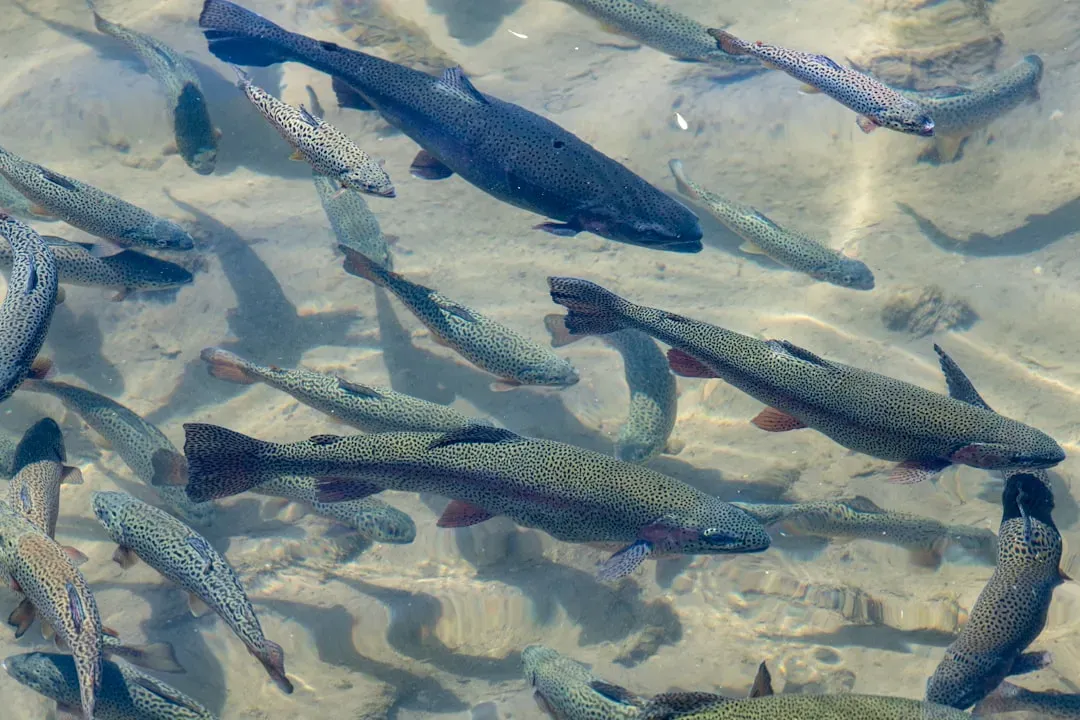
Let’s be real for a moment. When scientists talk about global freshwater biodiversity hotspots, most people imagine the Amazon or the Congo basin. The Southeastern U.S. is a global hotspot for freshwater biodiversity. The region contains the highest diversity of fishes in the U.S., around 589 described species, and the highest diversity of crayfishes and freshwater mussels on Earth. That is not hyperbole. That is a published scientific finding from the USGS.
In some areas of the United States, such as the Southeastern U.S. and the Appalachian Mountains, each stream, creek, and river has its own unique fish community – species found exclusively in those systems. Think of it this way: every individual stream is like its own private museum of evolution, each one housing a collection found nowhere else on the planet.
Freshwater ecosystems are among the most imperiled ecosystems in the world, and the Southeastern U.S. is no different. The freshwater species in the Southeast face numerous threats, including habitat modifications, pollution, climate change, and introductions of non-native species. The clock is ticking, and many of these species may disappear before they are even properly cataloged by science.
Conclusion: The Most Astonishing Aquarium in the World Is Already Here
It is genuinely humbling. The United States, a country most people associate with bass fishing tournaments and stocked trout ponds, is quietly one of the most important freshwater fish regions on the entire planet. The species living in Alabama’s springs, Nevada’s desert caves, Hawaii’s volcanic streams, and Idaho’s blue-water border lakes represent millions of years of irreplaceable evolutionary history.
Freshwater encompasses only 0.01 percent of the world’s water, yet accounts for nearly half of all fish species. That proportion is staggering when you pause to think about it. The richness hidden in these relatively tiny ribbons of water across the American landscape is extraordinary.
These fish are not just novelties for scientists. They are biological indicators of water health, keystones of aquatic ecosystems, and living proof that evolution never stops finding new and creative solutions. Many may disappear before the average American even learns their name. What would it take for more people to start paying attention? That might be the most important question worth asking.

- 8 Ways Glaciers Carved New York's Finger Lakes - August 10, 2026
- 8 Ways Bobcats Move Through Suburbs Without Being Seen - August 9, 2026
- 7 Reasons Black Bears Return to the Same Food Source - August 9, 2026