


Water scarcity is a pressing concern that threatens various parts of the world, including some regions in the United States. The prospect of cities running out of water raises alarms not only from an environmental perspective but also regarding public health, economic stability, and overall quality of life. As climate change intensifies and population growth continues, the risk of water shortages becomes increasingly real. Here, we explore 11 U.S. cities that face significant water supply challenges, and what that means for their futures.
Phoenix, Arizona

Phoenix stands as one of the fastest-growing cities in the United States. However, its desert location poses a significant challenge in terms of water resources. The city heavily relies on the Colorado River, but decreasing snowpack and prolonged drought conditions have severely impacted the river’s flow. Officials in Phoenix are working on strategies to reduce water consumption and boost conservation efforts, yet the pressures of an expanding population continue to raise concerns about the long-term sustainability of the city’s water supply.
Los Angeles, California

Los Angeles, with its sprawling suburbs and vast urban landscape, faces a similar predicament. The city imports a substantial portion of its water from the Colorado River and Northern California, both of which are under significant strain. With climate change contributing to less predictable weather patterns and reduced snowfall, the city is often on high alert for drought conditions. Local authorities are actively exploring sustainable water management practices, including reusing wastewater and promoting water-efficient appliances among residents.
San Diego, California

San Diego faces water scarcity issues akin to its neighbor Los Angeles, primarily due to its reliance on imported water. The city has made strides in desalination technology to supplement its water supply. The Carlsbad Desalination Plant is one such initiative, aiming to convert seawater into potable water, though it comes with its own environmental and economic costs. Ongoing efforts focus on increasing water reuse and encouraging sustainable residential water use.
Las Vegas, Nevada
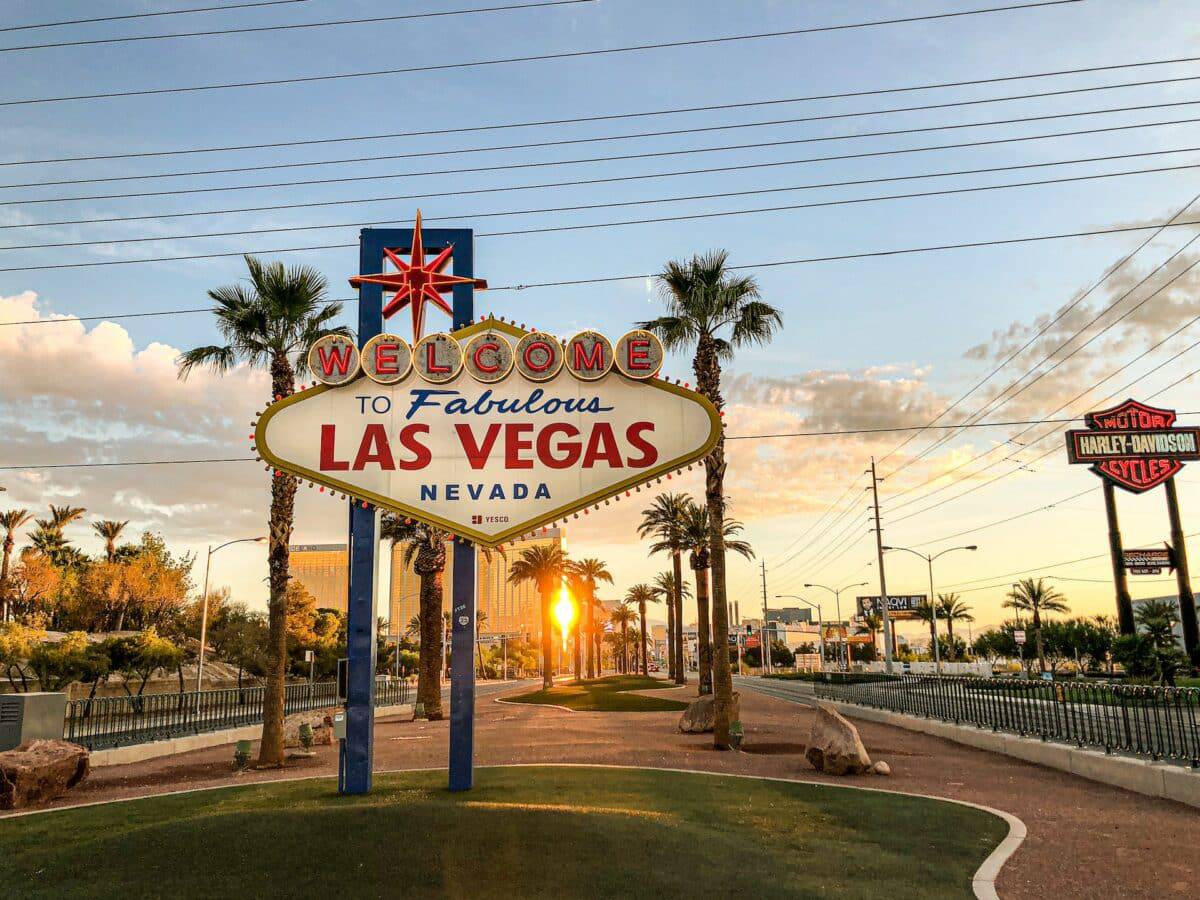
Las Vegas, another desert city heavily dependent on the Colorado River, is facing a dire water crisis. Lake Mead, the city’s primary water source, has reached record low levels, prompting strict water conservation policies and initiatives. The city has pioneered water-saving measures like removing non-functional grass and incentivizing residents to embrace desert landscaping. Despite these efforts, the city continues to grapple with the challenge of balancing growth and limited water resources.
Houston, Texas
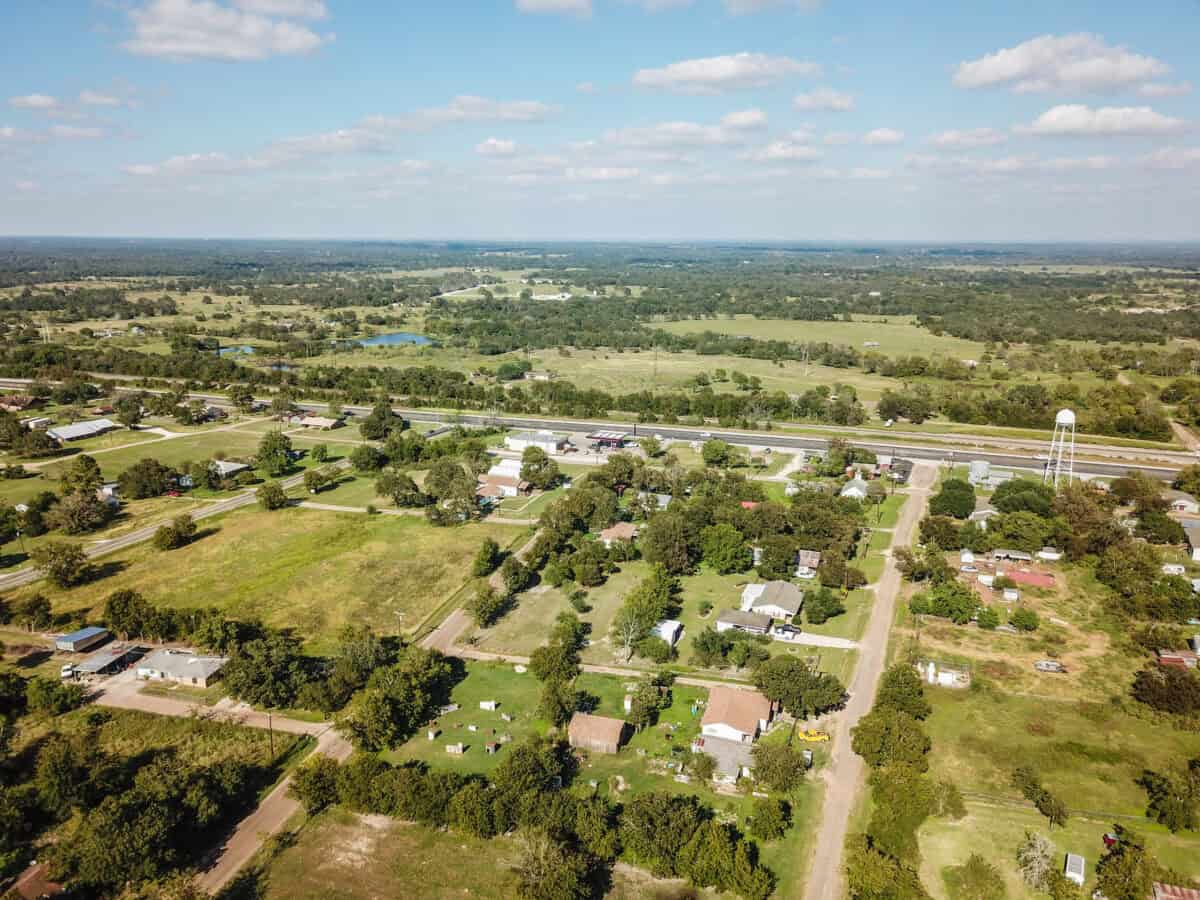
Houston’s vulnerability to water scarcity stems from a combination of rapid urban development and climate change-induced extreme weather patterns. The city has experienced both intense droughts and severe flooding, presenting a paradox in water resource management. As reservoirs run low, Houston’s focus is on improving its infrastructure and increasing water supply resilience through strategic planning and innovative water management solutions.
San Antonio, Texas

While San Antonio has taken commendable steps towards water conservation, its growing population and unpredictable climate patterns put pressure on its water supply. The city has significantly reduced groundwater withdrawals through conservation and efficiency programs. However, continual population growth presents a looming challenge, needing robust measures to sustain water availability for future generations.
Miami, Florida

Miami’s situation is unique due to its vulnerability to sea level rise and saltwater intrusion into its freshwater supply. The city relies heavily on the Biscayne Aquifer, which faces contamination risks due to rising sea levels. Recognizing this, Miami has started investing in infrastructure to prevent saltwater intrusion and preserve its freshwater resources. Continued investment in these areas is vital to securing the city’s water future.
Atlanta, Georgia
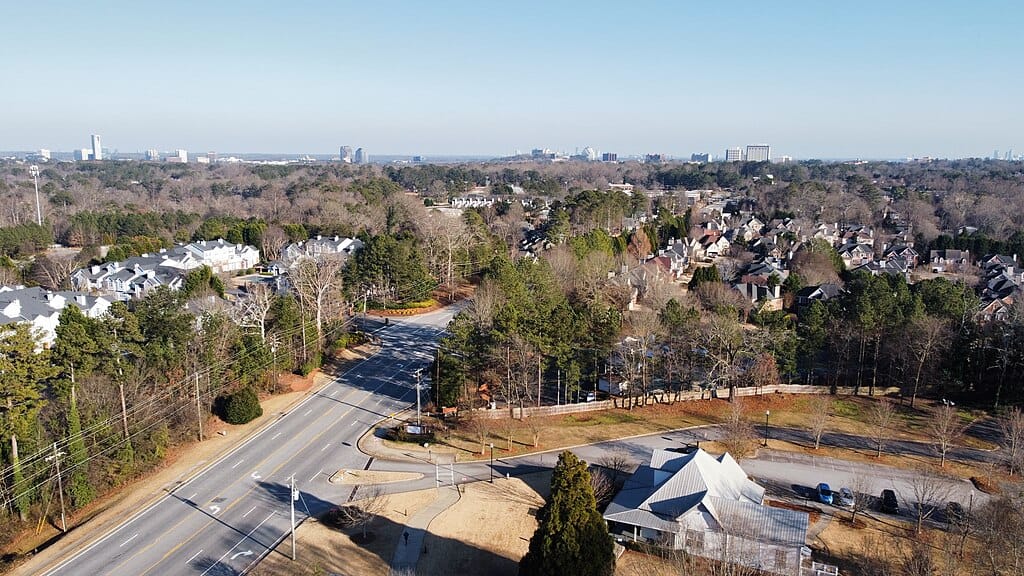
Despite its reputation for lush greenery and abundant rainfall, Atlanta is not immune to water scarcity threats. The city’s rapid population growth has outpaced its water infrastructure capacity, leading to heightened water competition. Inter-state legal battles over water rights further complicate the city’s water future. Increasing water efficiency and upgrading infrastructure are among the strategies being pursued to address these challenges.
Salt Lake City, Utah
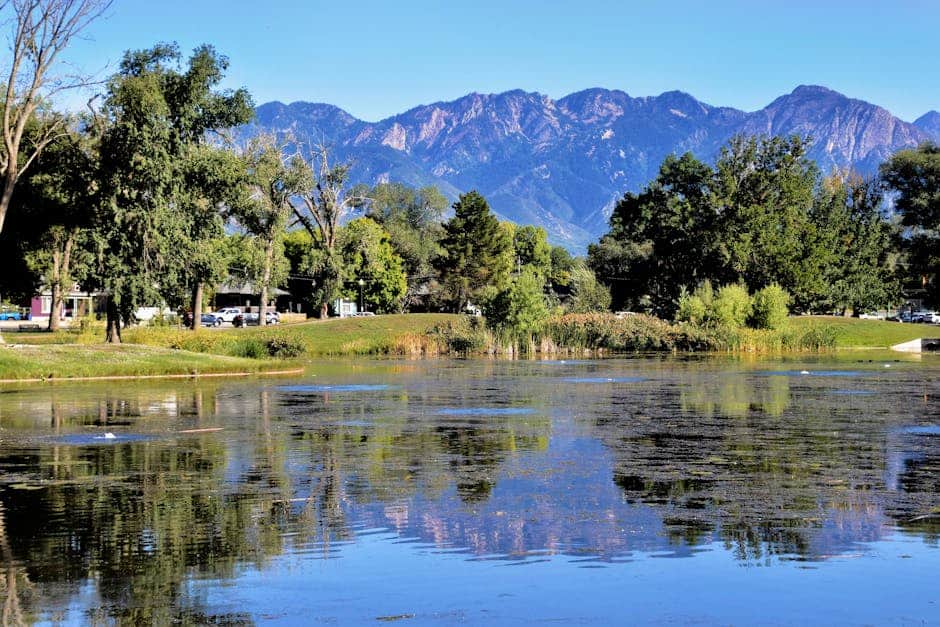
Salt Lake City’s proximity to the Great Salt Lake may suggest abundant water, but the reality is starkly different. The city struggles with depleting water resources, primarily due to reduced snowpack levels, which affect reservoir supplies. As snowmelt timelines shift, the city invests in diverse water strategies, from conservation to sourcing water from new locations, to ensure a sustainable water future.
Denver, Colorado

Denver’s growth has put significant pressure on its water resources. The city depends heavily on snowpack for its water, but with warming temperatures and changing precipitation patterns, the reliability of these resources is in jeopardy. Denver has been proactive in fostering water-saving initiatives, yet the city’s ongoing growth requires continual vigilance and adaptation in water management practices.
Orlando, Florida
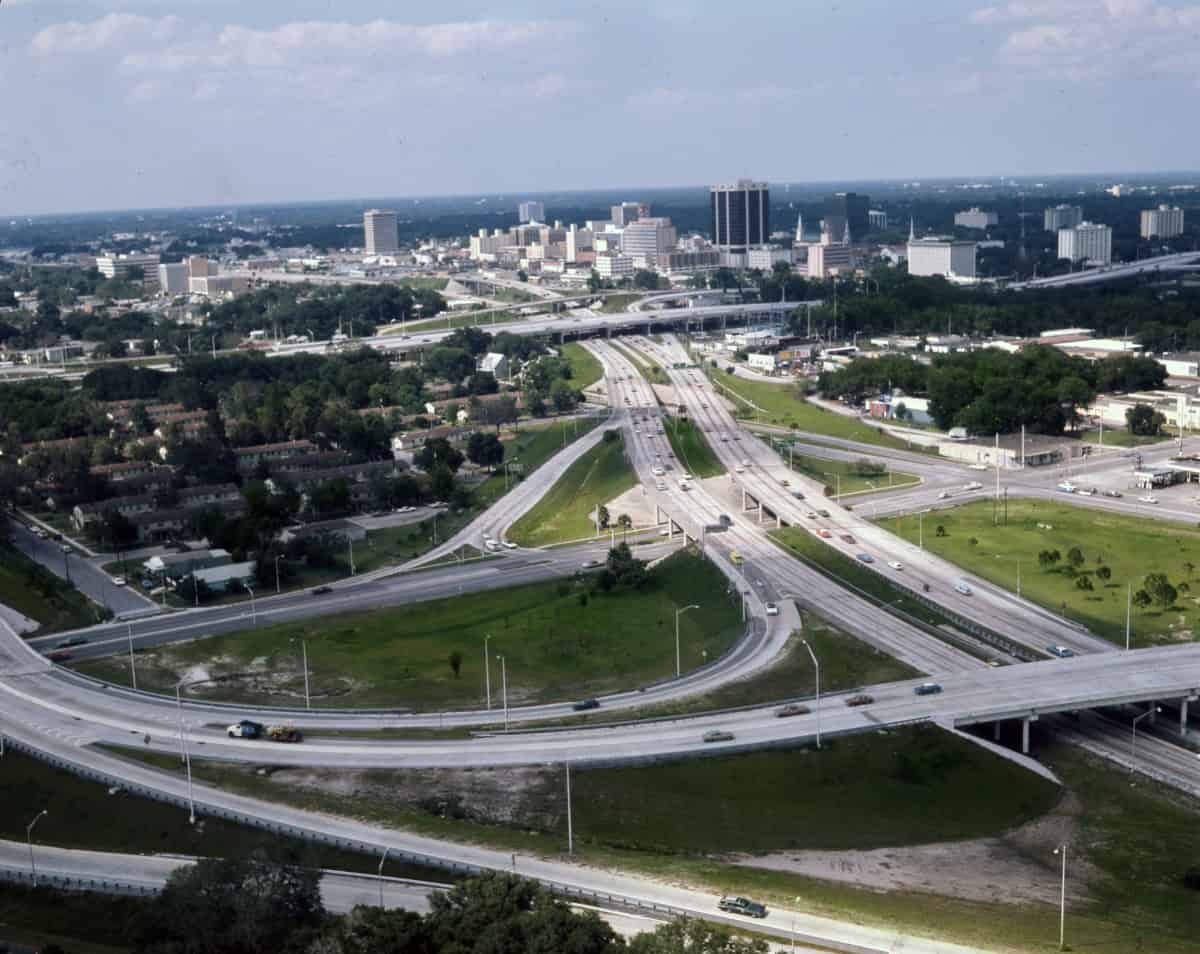
Orlando’s rapid growth rate, combined with its traditionally high water consumption, places its water security at risk. The aquifers serving the region are experiencing over-extraction, leading to drops in water levels and difficulty recharging naturally. Local authorities are implementing measures to enhance water conservation and diversify water sources, aiming to preserve water availability and quality into the future.
Conclusion:
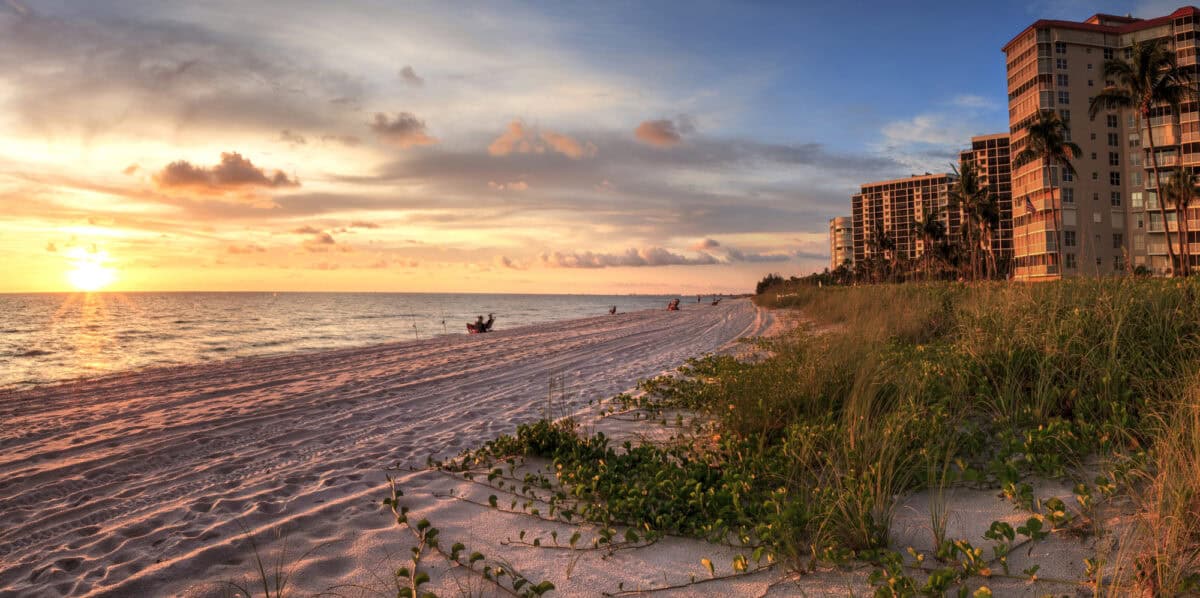
Despite these challenges, cities across the United States are making strides in water conservation, reclamation, and innovation. Efforts to educate the public, invest in technology, and implement policy reforms are crucial to overcoming the potential for water scarcity. As communities continue to grow, proactive measures and sustainable practices will play pivotal roles in securing water for future generations.

As a little kid, I fell in love with nature, wildlife, and animals. Living in the USA, South Africa, Italy, China and Germany gave me the opportunity to discover the world's Wildlife. My favorite animals are Mountain Gorillas, Siberian Tigers, and Great White Sharks.
I'm a certified PADI Open Water Diver, went to Everest Base Camp and Trekked Gorillas in Uganda. I hold a Master of Science in Economics and Finance.
Please send any feedback to feedback@animalsaroundtheglobe.com
- 13 Cat Breeds That Get Along with Dogs - July 20, 2026
- The 12 Largest Dog Breeds That Still Love to Cuddle - July 20, 2026
- 12 Pet Habits That Secretly Mean They Love You - July 20, 2026