
Everyone assumes a horse that adores you will look like something out of a viral video: nuzzling your neck, resting its head on your shoulder, following you around like a golden retriever. That’s the myth. The truth is messier and a lot less photogenic.
The horses that would genuinely walk through fire for their person often look calm, unbothered, almost boring to someone who doesn’t know what to watch for. Owners miss these signs for years. They call it “chill” or “grumpy” when it’s actually devotion, or they mistake a fear response for affection and never realize the difference. Here’s what that real, hard-earned loyalty actually looks like once you know where to look.
#11 – It Matches Your Walk Without a Lead Rope
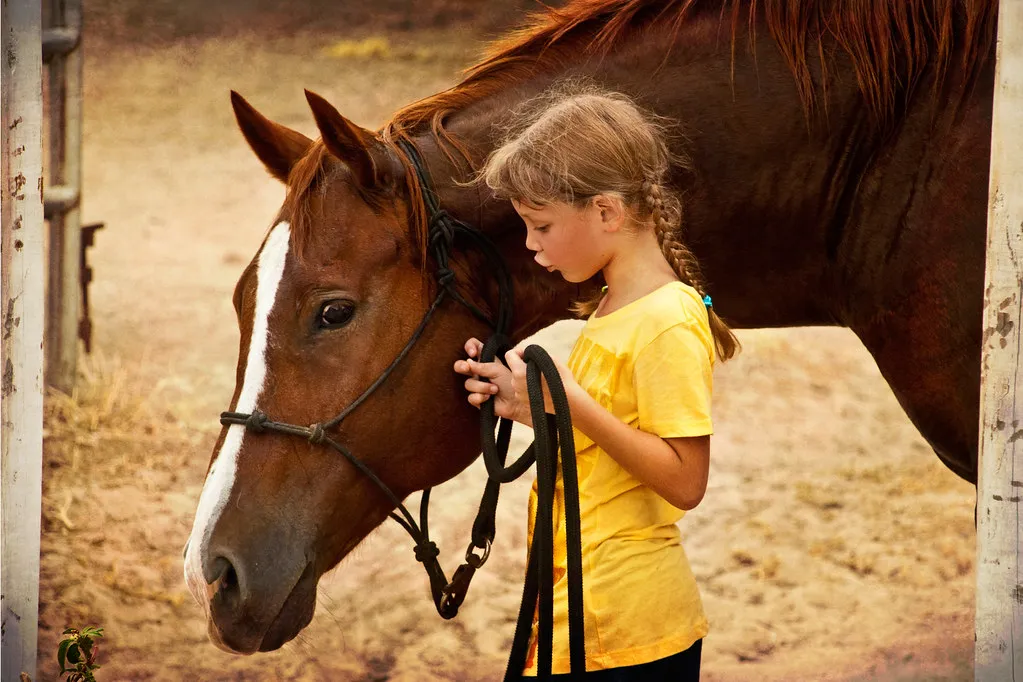
It starts with something almost too subtle to notice: your horse syncs its footsteps to yours. No rope tension, no shank pressure pulling it along. It just shadows your pace like you’re the one it trusts to lead the herd.
Watch closely in a safe, enclosed space. Slow down. Does it slow? Speed up, and see if it surges to stay at your shoulder instead of drifting off toward the fence line. Most owners never realize how rare it is for a horse to choose your bubble on its own, with nothing forcing it there. That’s not obedience. That’s alignment, and it usually shows up first when something startles it mid-walk. A nervous horse bolts ahead or drops behind. A loyal one flicks an ear toward you and keeps your rhythm anyway, checking in instead of checking out.
#10 – It Chooses You Over the Herd
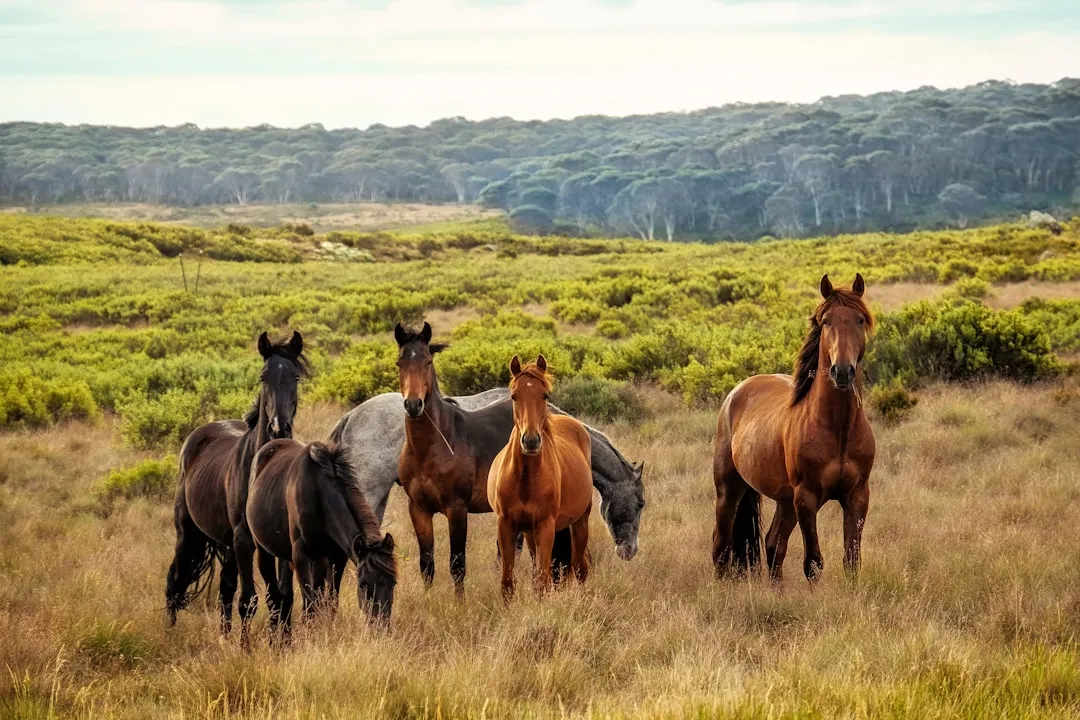
Everyone insists their horse loves them. Here’s the test that actually proves it: turn your horse loose near its pasture buddies, then walk away and see what happens. A horse that would follow you anywhere leaves the herd’s comfort to trail behind you more often than not.
Horses are prey animals. Safety, to them, usually means numbers. So when one calmly peels off from its friends to stick with you instead, that’s not a small thing, it’s a full-blown statement: “you are safety now.” That kind of trust doesn’t come from treats or a clever trick you learned online. It’s built from thousands of small, unremarkable moments where you proved you were predictable and fair. Some owners get their feelings hurt when their horse whirls back to its friends at liberty. Don’t. That’s just data telling you the account isn’t fully funded yet.
#9 – Its Head Drops the Moment It Sees You
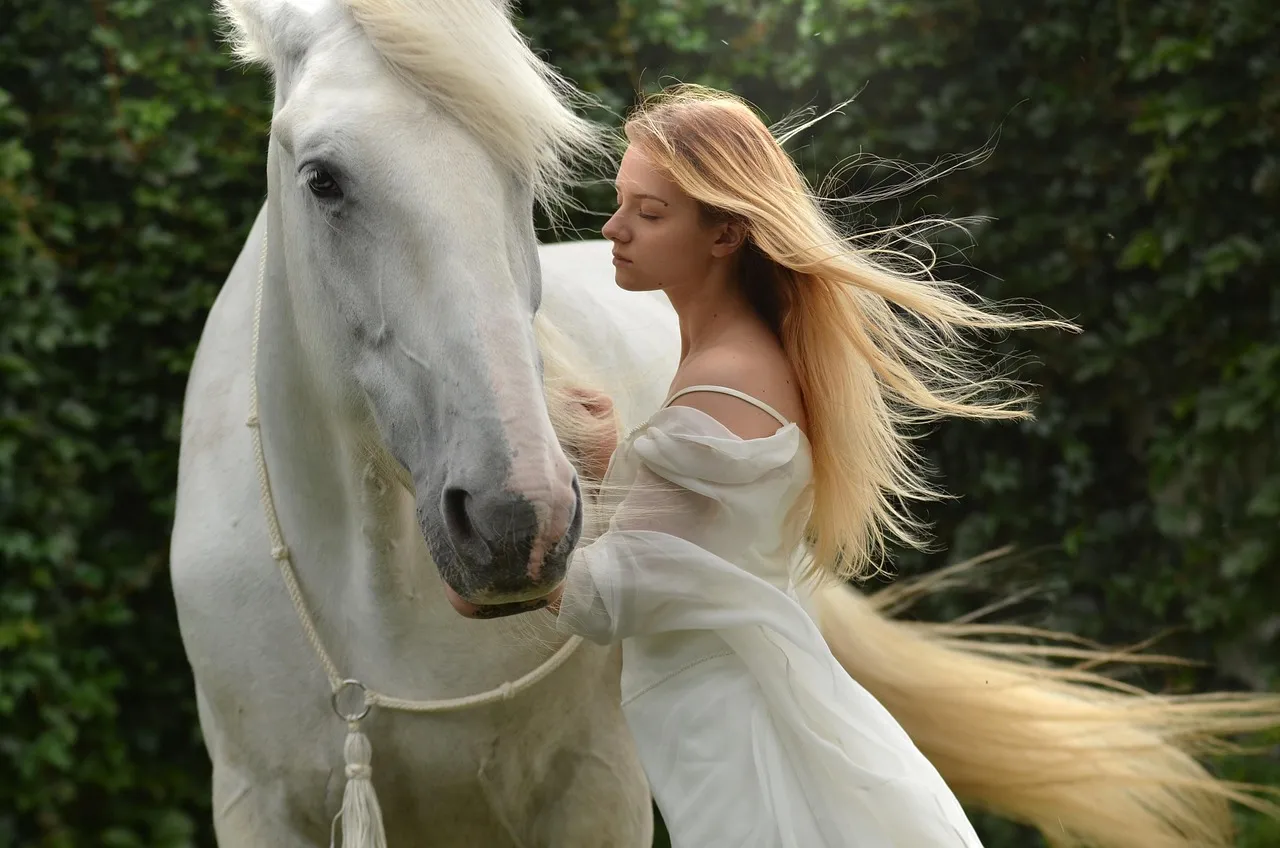
A truly bonded horse doesn’t just walk up to greet you, its entire nervous system softens. Watch the neck and head as you approach. If they lower and loosen instead of locking rigid, that’s the tell.
A high head, a stiff neck, wide eyes rolling toward you, that horse is coiled to bolt, not to bond. A loyal horse does the opposite: it exhales, blinks slowly, and lets its head sink as recognition kicks in. That drop is physical proof its adrenaline is falling and its “rest and digest” system is switching on because you’re near. Some people mistake this softness for laziness or disinterest. It’s the opposite. A horse that perks up happily at your arrival, then melts into soft eyes and a loose lower lip, is telling you plainly: you are its calm in a chaotic world.
Quick Compare
- Bonded horse: head lowers, eyes soften, lower lip goes loose
- Fearful horse: head shoots up, neck stiffens, eyes go wide and rolling
- Bonded horse: exhales and blinks slowly as you approach
- Fearful horse: holds its breath, coiled and ready to bolt
#8 – It Looks to You First When Something Scares It
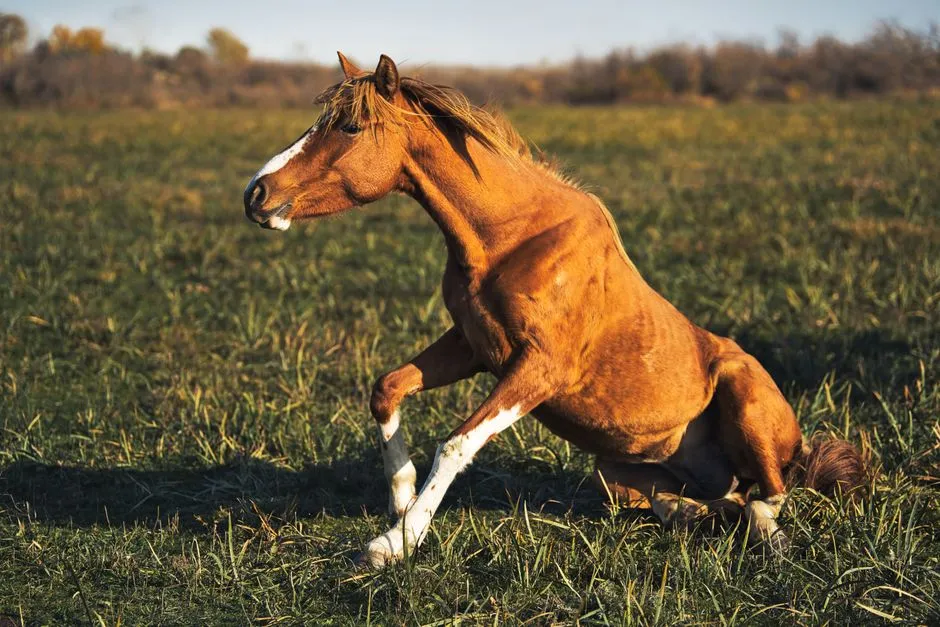
This is where loyalty stops being sweet and starts being useful. A tarp flaps, a dog barks out of nowhere, something crashes nearby, and your horse startles. The question is what happens in the next half-second.
Does it bolt on instinct alone, or does it flick an eye or an ear toward you first, as if asking permission to panic? That pause is enormous. It means your horse has quietly decided: before I react, I check what my person thinks. Most owners miss this moment entirely because they’re too busy reacting themselves. But a horse that consistently chooses your calm over its own flight response has crossed into a different category of partnership. That’s the horse that will step onto a rattling trailer or walk into a loud, unfamiliar arena simply because you said, without words, “we’ve got this.”
#7 – It Respects Your Space Without Fearing You
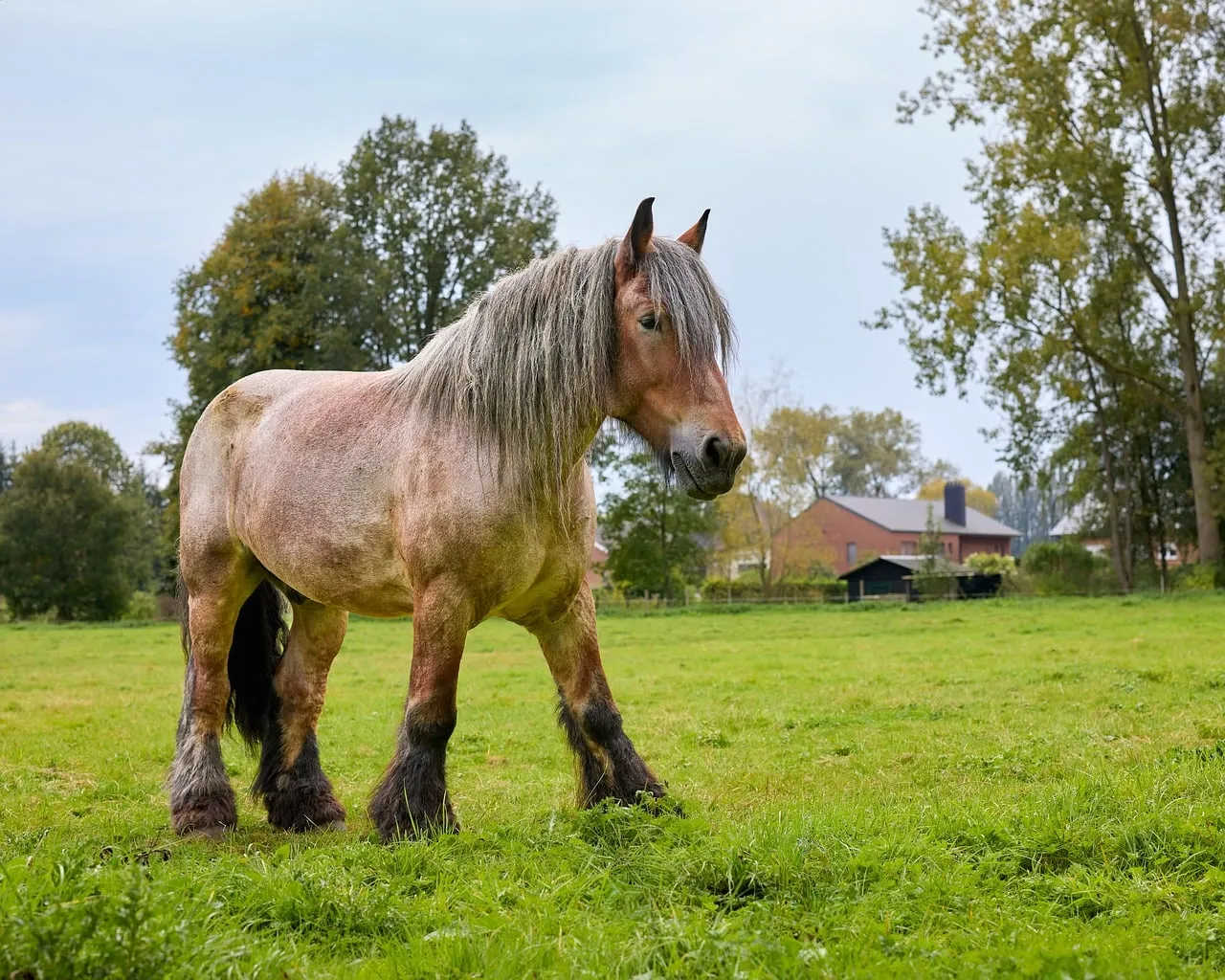
This one draws a hard line between real partnership and forced compliance. A horse that would follow you anywhere doesn’t crowd your shoulder, but it also doesn’t flinch away like you’re something to survive.
Watch it when you’re not asking for anything at all. Does it arc gently around you instead of barreling into your space? That’s boundary awareness born from respect. But if it braces every time you lift an arm, that’s not respect, that’s fear wearing a costume. Fearful horses comply right up until something scarier shows up, and then they’re gone. The horses that actually follow you stand nearby with a soft eye, adjusting when you move and settling just outside your space when you stop, relaxed instead of braced. They’re with you. Not under you.
#6 – It Loads for You When It Won’t Load for Anyone Else
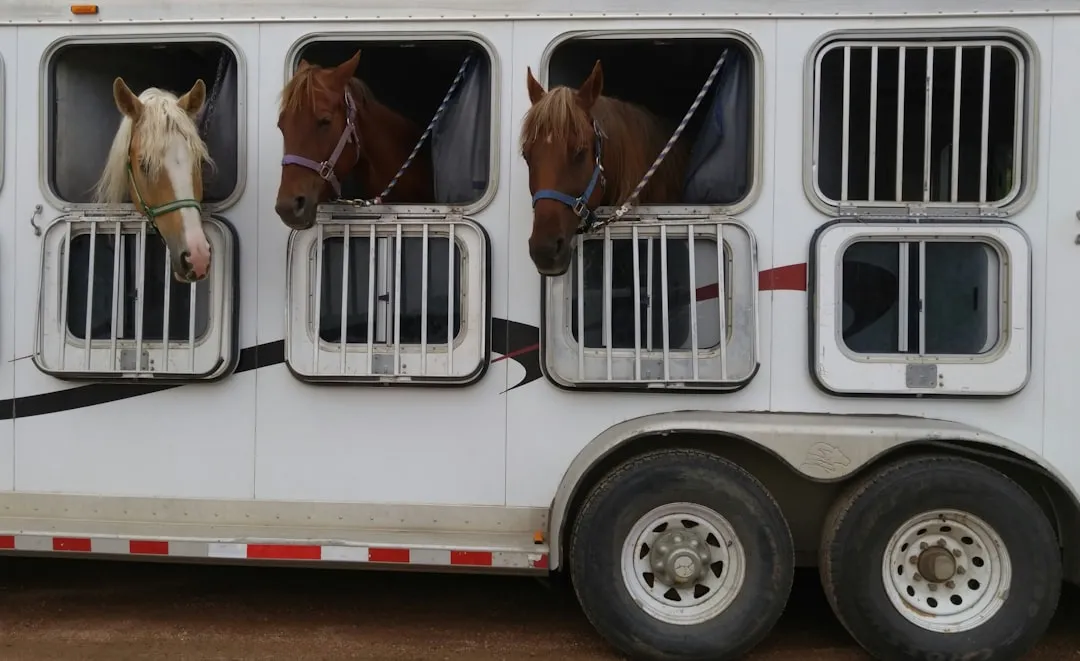
Every barn has one: the horse that plants its feet and refuses the trailer for three grown adults, then walks up the ramp the second Sarah steps in first. That’s not magic, and it’s not luck. That is trust under real pressure.
Trailers are dark, noisy, and loaded with every bad memory a horse has ever collected. When a horse balks for everyone else but follows you specifically, it isn’t just trained behavior, it’s a vote of confidence. It’s choosing your leadership over a very real, very physical fear. Plenty of owners swear their horse adores them because it’s sweet in the pasture, but the real proof shows up here. A horse that gets dragged onto a trailer and then freezes isn’t loyal, it just lost an argument. The one that hesitates, takes a breath, watches your body soften, and then walks forward on its own? That’s loyalty you can’t buy with a bucket of grain.
Horses don’t lie. They can’t. What you see is what’s real.
Monty Roberts
#5 – It Mirrors Your Mood, Not Just Your Movement
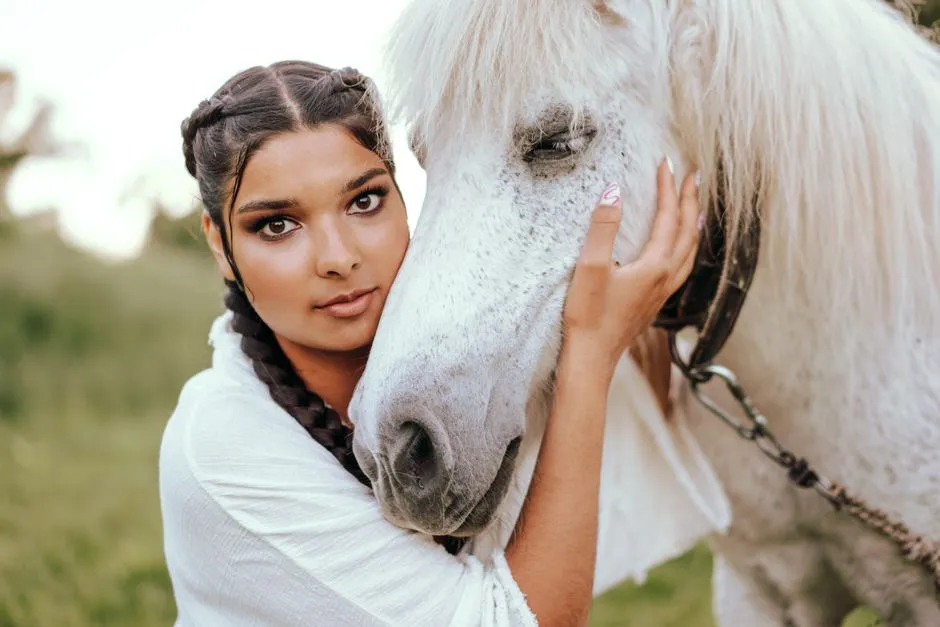
A horse’s nervous system works like a giant emotional antenna. The most bonded ones don’t just copy your footsteps, they sync with whatever you’re actually feeling. Walk in calm, and they stay loose and rhythmical.
Walk in agitated, and they’ll spike right along with you, then settle the moment you do. Some riders brag about a horse that never reacts to anything, a so-called push-button ride. But plenty of experienced trainers actually prefer the ones who mirror emotion, because it means the horse is tuned in as a partner, not just responding to tack. When your stress drops and your horse sighs, licks and chews, or yawns right after, that’s not coincidence. There’s a flip side worth admitting, though: if you’re the chaotic one, you’ll build a chaotic horse. People call these horses “hot” or “neurotic” when really they’re just hyper-attuned to a rider who hasn’t settled yet.
Fast Facts
- Lip licking and chewing often signal a horse processing stress and settling down
- A deep exhale usually means built-up tension is releasing
- Yawning is frequently linked to a shift out of high-alert “flight” mode
- Soft ears flicking toward you (not pinned back) signal active listening, not irritation
#4 – It Seeks You Out With Nothing to Gain
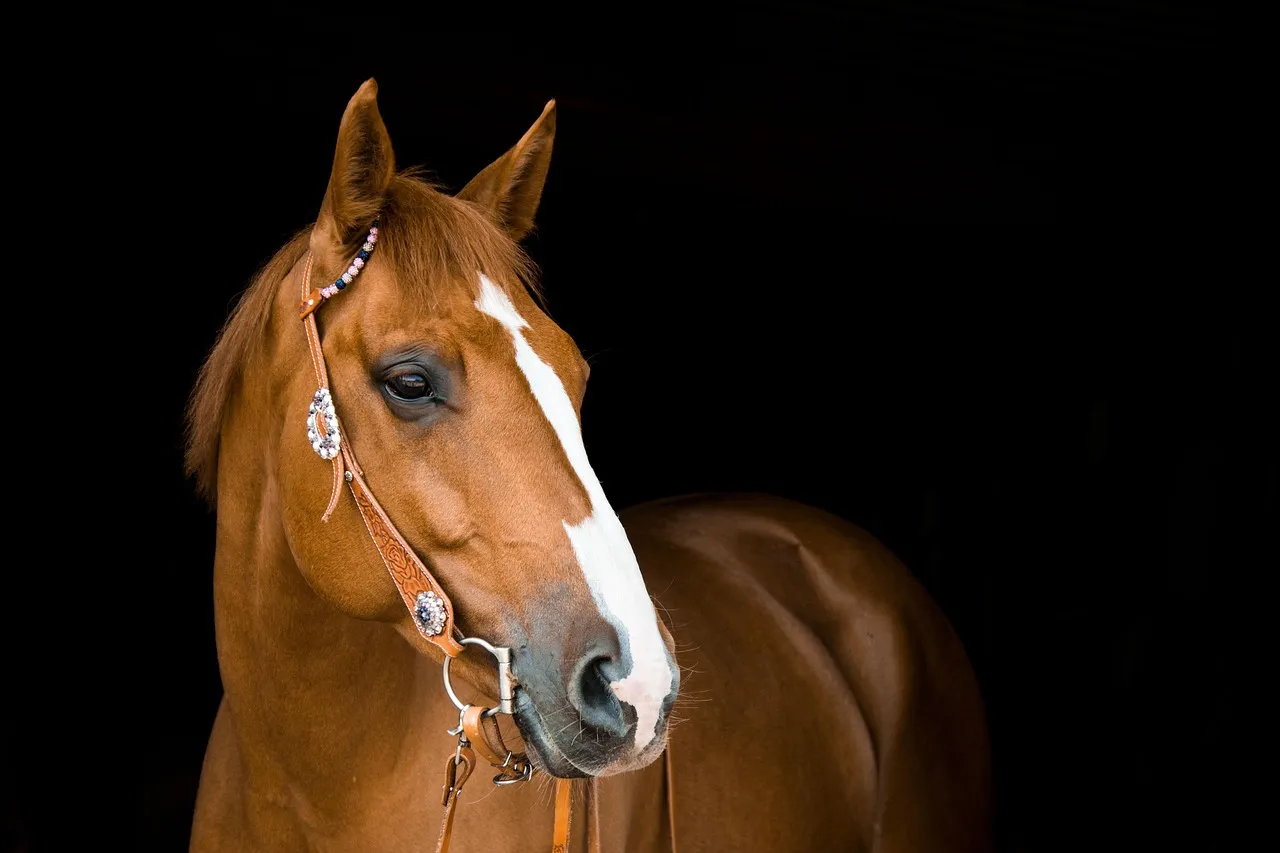
Most horses will amble over the second they suspect you’re a walking snack machine. That’s not loyalty, that’s just good logistics on their part. The real sign shows up when you bring nothing at all.
Show up at an odd hour with no halter, no bucket, nothing rattling in your pocket. Just sit on the fence or stand quietly. Watch who wanders over anyway, sniffs you, and lingers nearby with zero payoff coming. That choice, made for free, is a massive relationship signal most owners never even test. Sure, some will argue it’s just curiosity or habit, and sometimes it is. But if your horse regularly tracks you with its eyes and drifts toward wherever you are, it’s not being nosy. It’s filing you under “herd,” and those are exactly the horses that end up quietly trailing behind you when you walk away.
#3 – It Forgives Your Honest Mistakes
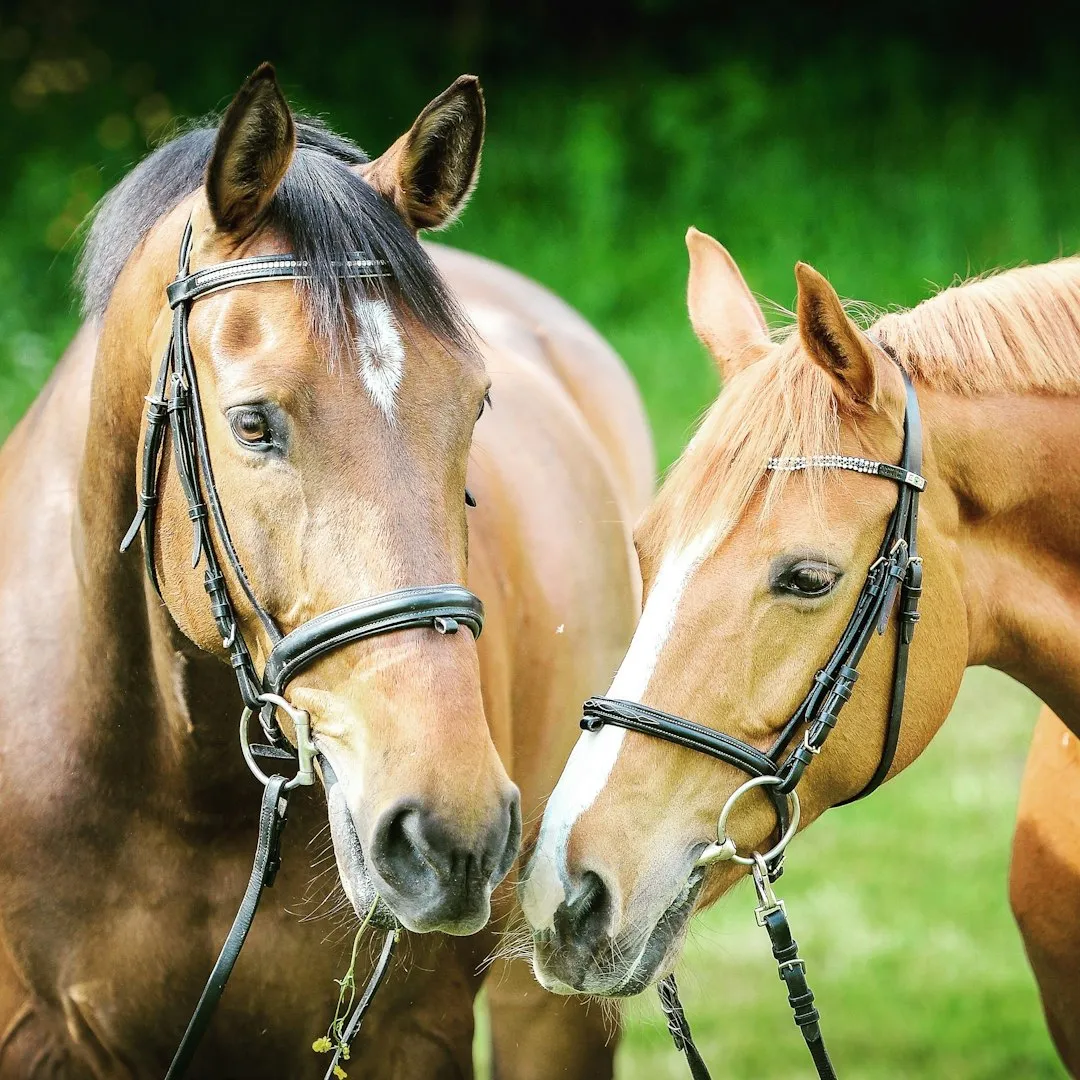
Here’s the uncomfortable truth nobody wants to hear: you will mess up. You’ll mistime a cue, bump a sensitive mouth, get short-tempered on a hard day. The horse that would follow you anywhere is the one that lets you be human without turning wary or sour.
Watch what happens after you slip up. Does it hold a grudge for days, pinning ears and avoiding you? Or does it startle, flinch, maybe pin an ear once, and then, when you soften your body language, come right back to you? A horse that can emotionally reset around you trusts your overall pattern more than any single bad moment. That doesn’t excuse rough handling, quite the opposite. The more honest you are about your errors, the more clearly you’ll see your horse read them. When it still meets you at the gate afterward, still steps up to the mounting block, still breathes out and tries again, that’s not training. That’s forgiveness.
#2 – It Follows Your Focus Before You Even Ask
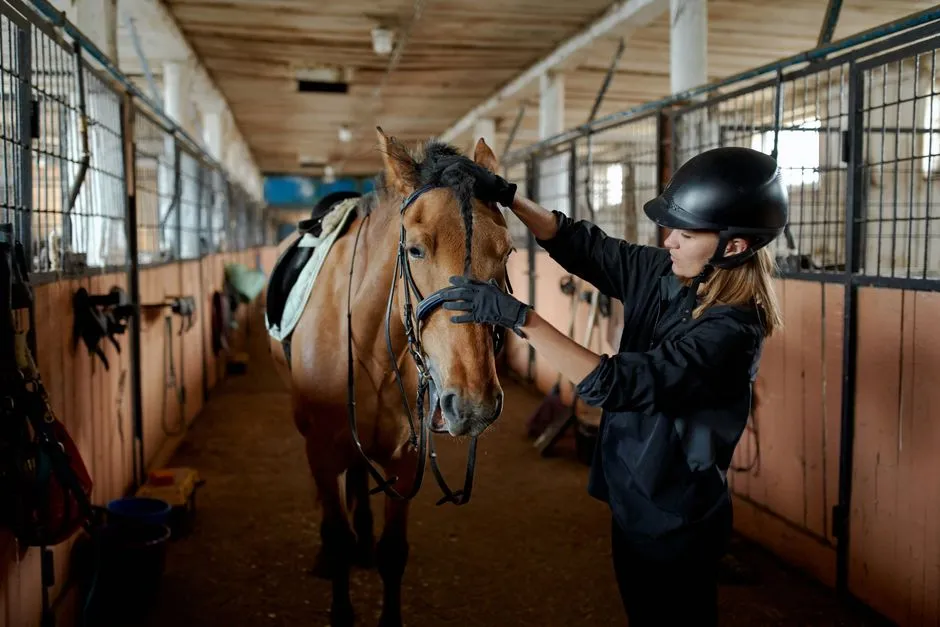
The quietest kind of loyalty doesn’t show up in rein or leg cues at all. It shows up in attention. Glance at a gate, and your horse drifts that direction before you’ve said a word. Think “let’s trot,” and it’s already coiling before your calf even closes.
Riders who describe this often get accused of exaggerating, but watch closely on a trail or in an arena. If you consistently look, breathe, and shift your weight a half-second before you cue, does your horse seem to read your mind? What’s really happening is simpler and more remarkable: it has learned your micro-signals predict everything important, so it lives right on the edge of your intention. This is exactly why the most tuned-in horses can become a nightmare in chaotic or inconsistent hands. But with a clear, steady rider, that same horse threads through crowds and adjusts its stride to barely-visible cues, because it’s watching you more closely than it’s watching the world.
Why It Stands Out
- Most horses respond to physical cues, not intention alone
- Anticipating your focus means it’s reading subtle shifts in breath, posture, and gaze
- This level of attunement usually takes months or years of consistent handling to build
- It rarely survives inconsistent or harsh handling, since trust is what fuels it
#1 – It Stays With You When It Has Every Chance to Leave
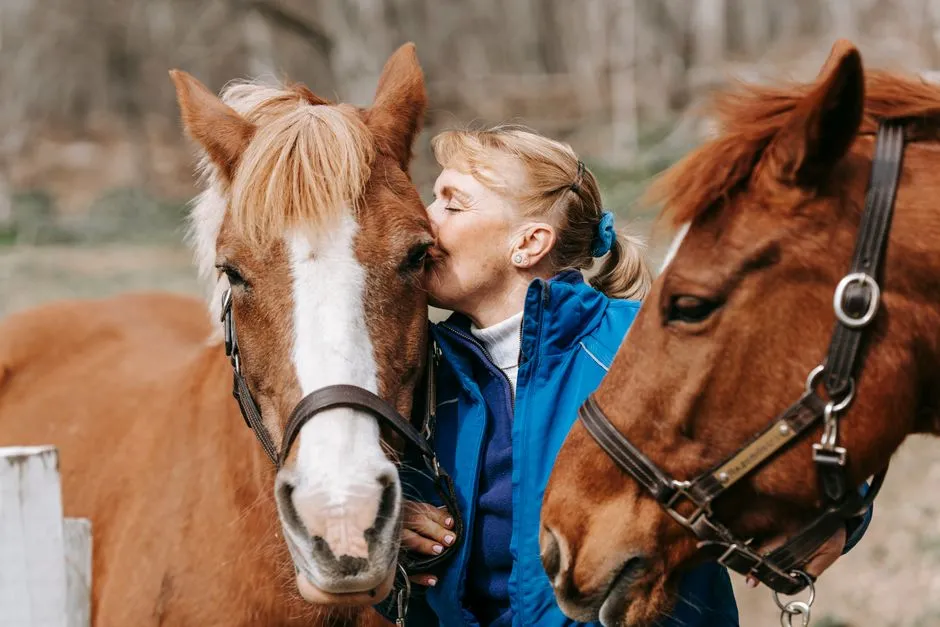
Every sign on this list means nothing if, the one time it truly counts, your horse takes the first exit. The clearest proof of all is brutally simple: when scared, loose, or confused, does it still choose to stay near you?
Think about the real tests. A loose horse in an open space with every gate wide open that keeps circling back toward you instead of running. A trail spook where, after a few strides of flight, it angles its body back toward your seat and hand. A pasture panic where every other horse bolts, and yours runs, then stops near you instead of vanishing into the herd. There’s no rope in these moments, no round pen, no camera filter softening the truth, just raw instinct against relationship. Horses are honest to a fault. If yours consistently re-orients to you instead of disappearing into safety, that’s the loudest thing it will ever say to you: where you go, I go.
At a Glance
- Loose in an open space: circles back to you instead of bolting for freedom
- Spooked on the trail: angles back toward your seat and hand after a few strides
- Herd panic: stops near you while every other horse scatters
The Bottom Line
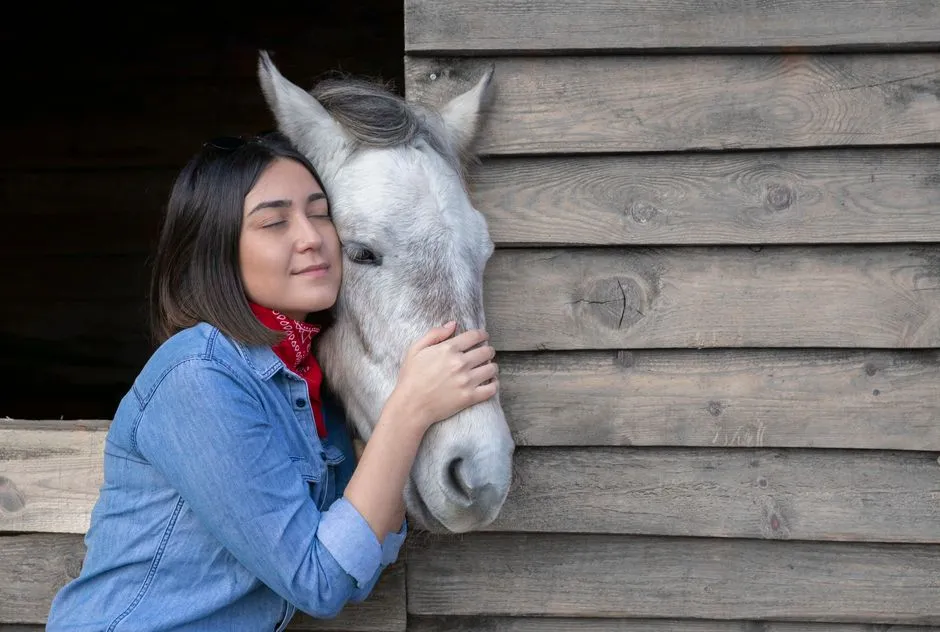
The internet is obsessed with heart-shaped noses and “my horse hugged me” videos, but the real story is colder and, honestly, kinder. A horse that would follow you anywhere proves it in boring, repeatable ways. It syncs with your walk. It lowers its head around you. It checks your reaction before it panics, and it steps onto trailers and into tense situations because your presence outweighs its fear.
That’s not a Disney moment. That’s nervous-system trust, earned one unremarkable day at a time. And here’s the part some people won’t want to hear: if your horse only cooperates when it’s constrained, bribed, or scared into it, it isn’t following you at all. It’s just tolerating you. The good news is that every single sign on this list can be built, slowly, through fairness and consistency. So which one does your horse already show you, and which one are you actually afraid to test?
