

Raccoons have earned a reputation as clever opportunists in neighborhoods everywhere. Their nimble paws and quick learning turn ordinary backyard defenses into minor obstacles rather than real barriers. People often set up fences, locks, and lights expecting peace of mind, yet these masked visitors keep finding fresh angles. Their success comes from a mix of physical skill and problem solving that catches many homeowners off guard. Watching them in action reveals patterns that feel almost deliberate.
Scaling Fences Without Breaking Stride
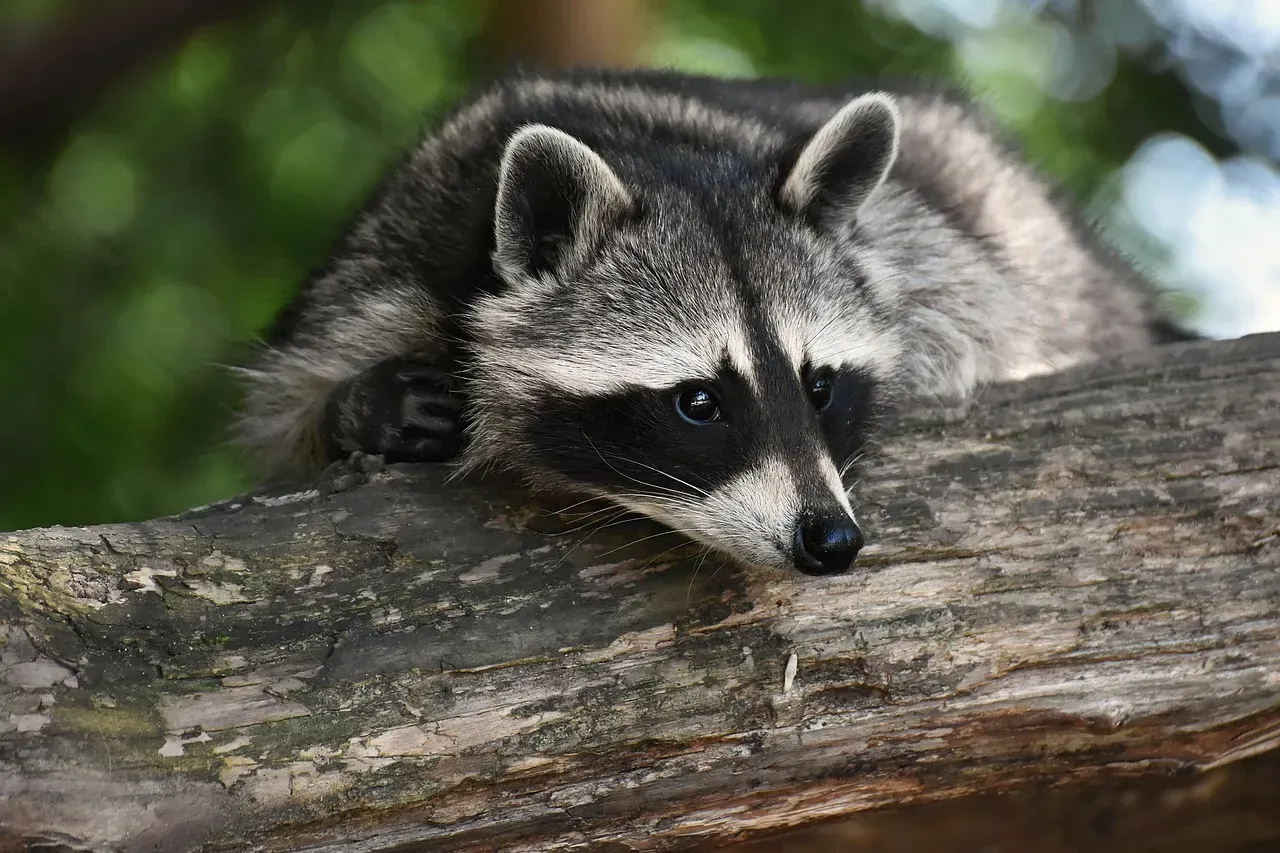
Raccoons treat most backyard fences as little more than tall steps. They grip the mesh or boards with those flexible front paws and pull themselves upward in a steady climb. Even chain link or wooden panels pose no real challenge once they find a starting point.
Overhanging branches or nearby sheds give them extra launch pads. A raccoon will shift its weight and test each section until it finds the easiest route over the top. This ability turns standard four foot barriers into temporary pauses rather than permanent blocks.
Digging Under Enclosures With Precision
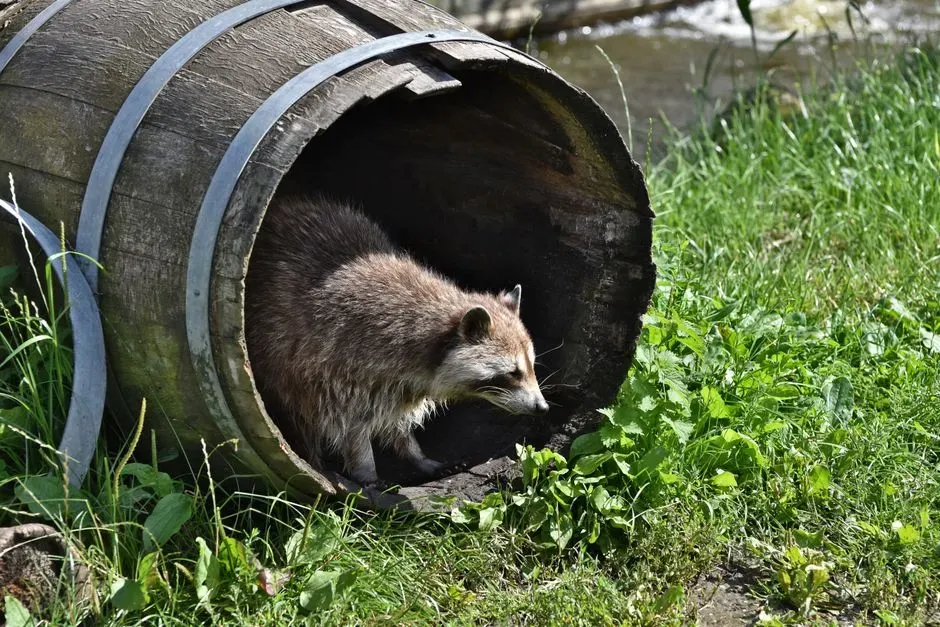
When climbing feels too exposed, raccoons simply go low. They use their strong claws to loosen soil along the base of a fence and create a narrow tunnel. The process takes patience, yet they return night after night until the gap is wide enough to slip through.
Loose boards or gaps in wire get widened quickly once discovered. A raccoon will tug and pry at weak spots until the opening matches its body size. This underground approach bypasses many surface level protections homeowners assume will hold.
Unlocking Simple Latches on Gates and Doors
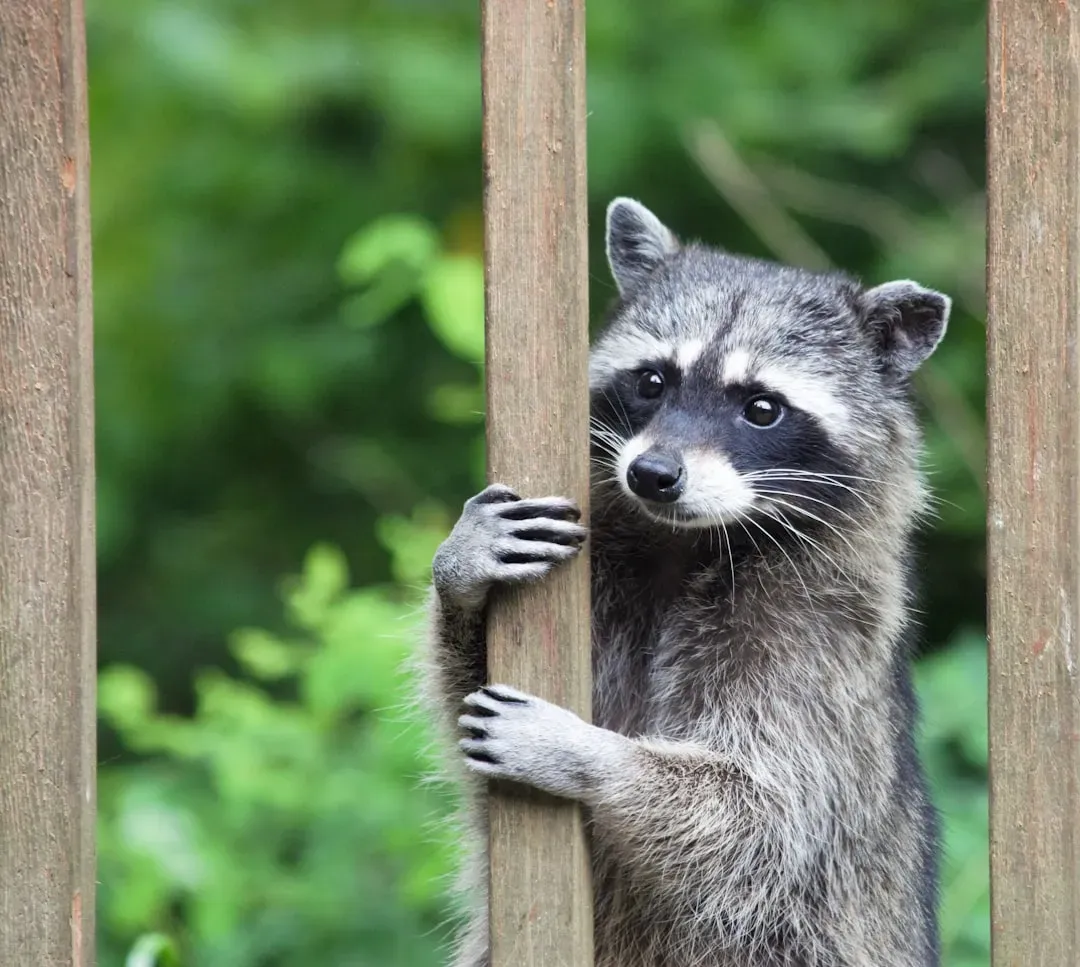
Raccoons show surprising skill with basic fasteners. Their paws can hook and slide bolts or lift hook and eye latches that seem secure to human eyes. They test the mechanism from different angles until it gives way.
Even slightly higher placements do not stop them for long. A raccoon will climb the door or nearby surface to reach the latch and work it free. This dexterity lets them enter coops, sheds, or garden gates that owners thought were safely closed.
Navigating Electric Wires With Caution
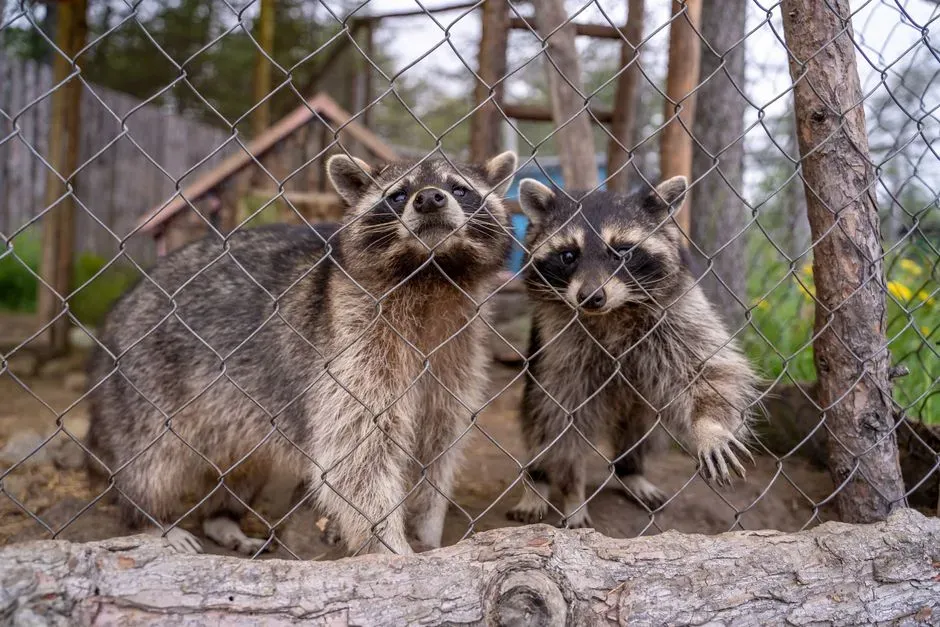
Some raccoons learn to respect electrified strands after one quick shock. They pause, study the setup, and then find a way around or over the wire without touching it again. Others simply avoid the charged section by shifting their path along the fence line.
The animals seem to remember which parts carry current and adjust their approach accordingly. This quick adaptation reduces the long term effectiveness of single strand electric barriers in many yards. They treat the wire as one more variable rather than an absolute deterrent.
Reaching Past Trap Triggers
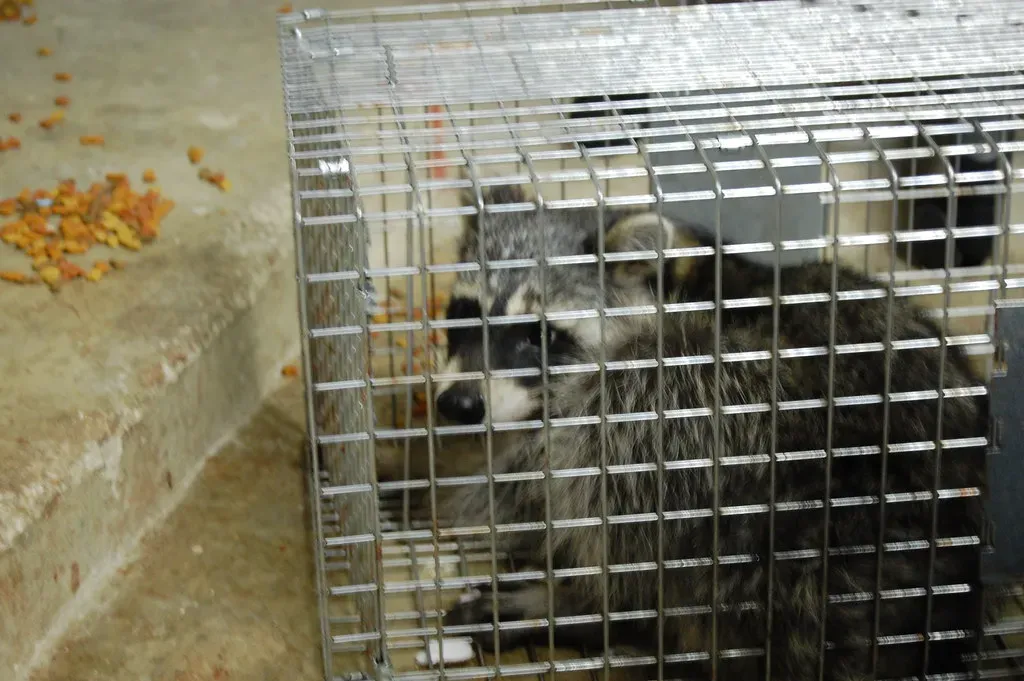
Live traps often fail once a raccoon figures out the layout. It will stretch an arm through the side or back mesh to grab bait without stepping on the trigger plate. The animal stays outside the mechanism entirely while still claiming the food.
Multiple visits let them refine the technique further. They learn exactly how far to reach and which angles work best. This behavior turns standard cage traps into sources of free meals rather than capture devices.
Learning From Observed Mistakes

Raccoons watch each other and adjust their own actions. When one gets caught or startled, others nearby change their timing or route on subsequent nights. They seem to pass along useful information through simple trial and error across the group.
This social learning helps them avoid repeat problems. A raccoon that sees a trap sprung will steer clear of similar setups elsewhere in the yard. The result is a growing set of local knowledge that makes repeated security attempts less effective over time.
Manipulating Secured Trash Containers

Bungee cords and tight lids slow raccoons but rarely stop them completely. They push, pull, and twist until the cord stretches or the lid lifts enough for access. Their strength and persistence wear down many improvised locks.
They also target the weakest point first, such as a slightly loose corner or a cord that has slackened. Once inside, they sort through contents methodically. This repeated success with household bins shows how quickly they master new container designs.
Using Nearby Structures as Pathways
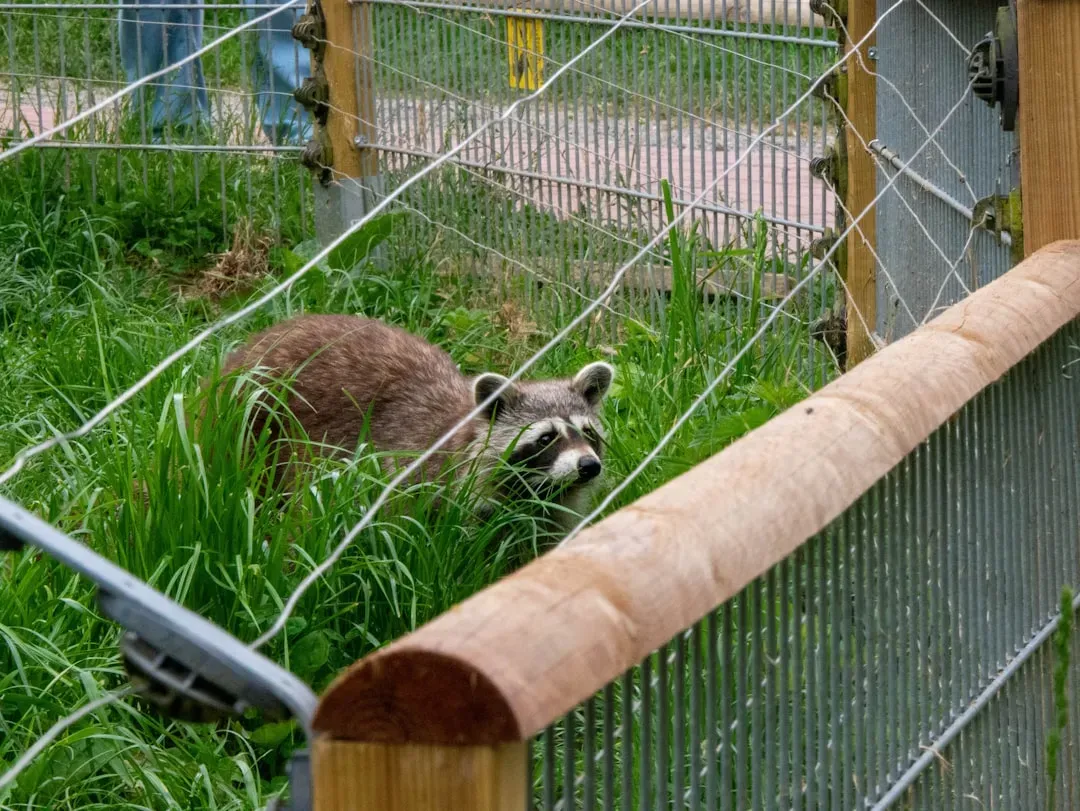
Trees, trellises, and roof edges provide raccoons with alternate routes into yards. They climb the trunk or lattice and drop down inside the fenced area without ever touching the main barrier. This vertical thinking expands their options far beyond ground level defenses.
Even low sheds or stacked items become stepping stones. A raccoon will test the stability of each object and move across them with surprising balance. The presence of these features often renders perimeter fencing incomplete in practice.
Squeezing Through Unexpected Gaps
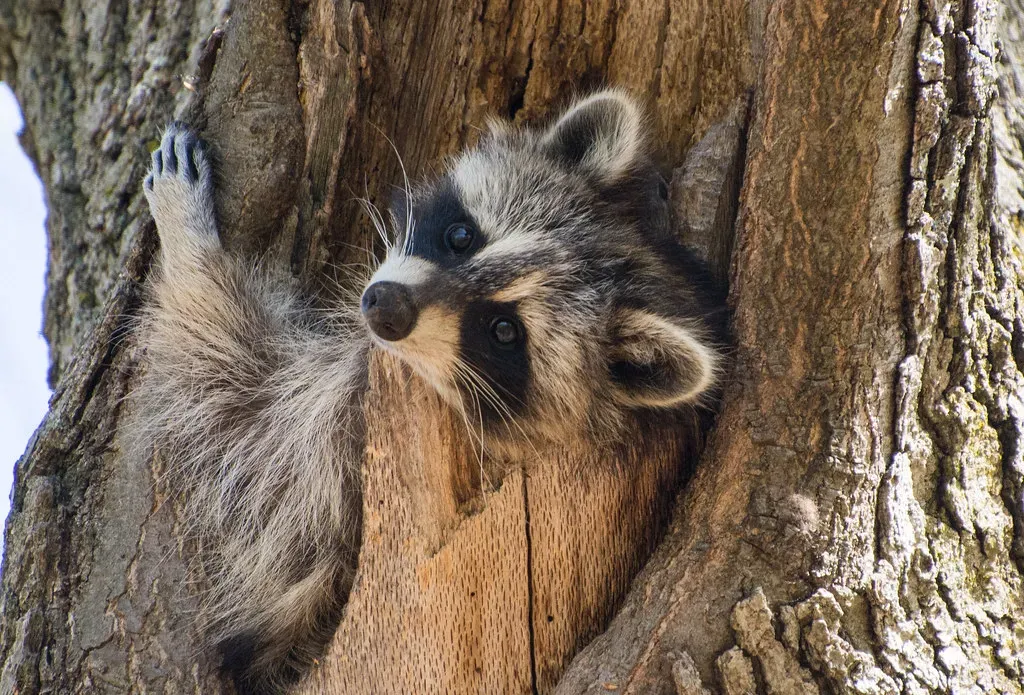
Raccoons can compress their bodies to fit openings that look far too small. They push through holes in wire mesh or spaces under decks that measure only a few inches wider than their heads. Once the shoulders clear, the rest follows easily.
They explore every seam and joint methodically during their patrols. A tiny tear or loose vent cover gets noticed and enlarged if it leads to food or shelter. This attention to detail uncovers entry points that homeowners overlook during casual inspections.
Adapting to Motion Lights and Sounds
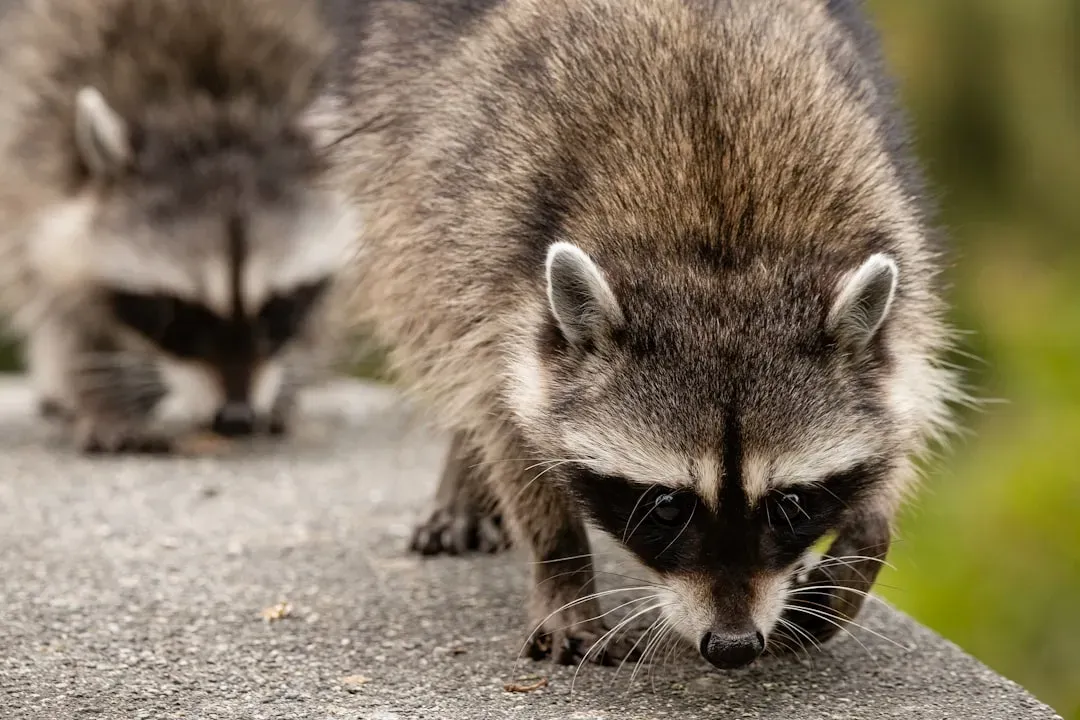
Bright lights and sudden noises startle raccoons at first, yet many return once they realize the disturbance ends quickly. They wait in the shadows or approach from angles that avoid the sensor. Over several nights the deterrent loses its impact.
The animals test the pattern and adjust their schedule or path accordingly. Some even move during brief pauses between activations. This habituation turns many automated systems into background noise rather than reliable protection.
Remembering Successful Routes Over Time

Raccoons retain memory of past solutions for months or longer. A path that worked once gets revisited even after weeks of absence. They apply the same sequence of moves to similar setups in new locations.
This long term recall lets them treat each backyard as a familiar puzzle. They do not start from scratch every visit. Instead they build on earlier successes and refine the approach with each return.
Raccoons remind us that intelligence shows up in unexpected places, even in the animals we label as pests. Their ability to read and respond to human efforts suggests a level of adaptability worth respecting rather than simply fighting. Finding ways to coexist may prove more practical than trying to outwit them at every turn. In the end, these backyard bandits keep us honest about the limits of our own cleverness.
