

The rolling landscape of the Texas Hill Country seems peaceful enough, with its picturesque bluebonnet meadows and limestone cliffs creating postcard-perfect scenes. Yet beneath this tranquil facade lurk some of North America’s most formidable predators and venomous creatures. This rugged terrain, stretching across central Texas, provides ideal habitat for animals that can turn a pleasant hike into a survival situation.
What makes the Hill Country particularly treacherous is how it serves as a crossroads where different ecosystems collide. Desert creatures from West Texas mingle with forest dwellers from the east, while coastal species sometimes venture inland. This unique mixing creates an unusually diverse population of dangerous wildlife that many visitors never expect to encounter. So let’s dive into the shadows of this beautiful region and discover what’s really watching you from the brush.
Mountain Lions – The Silent Stalkers
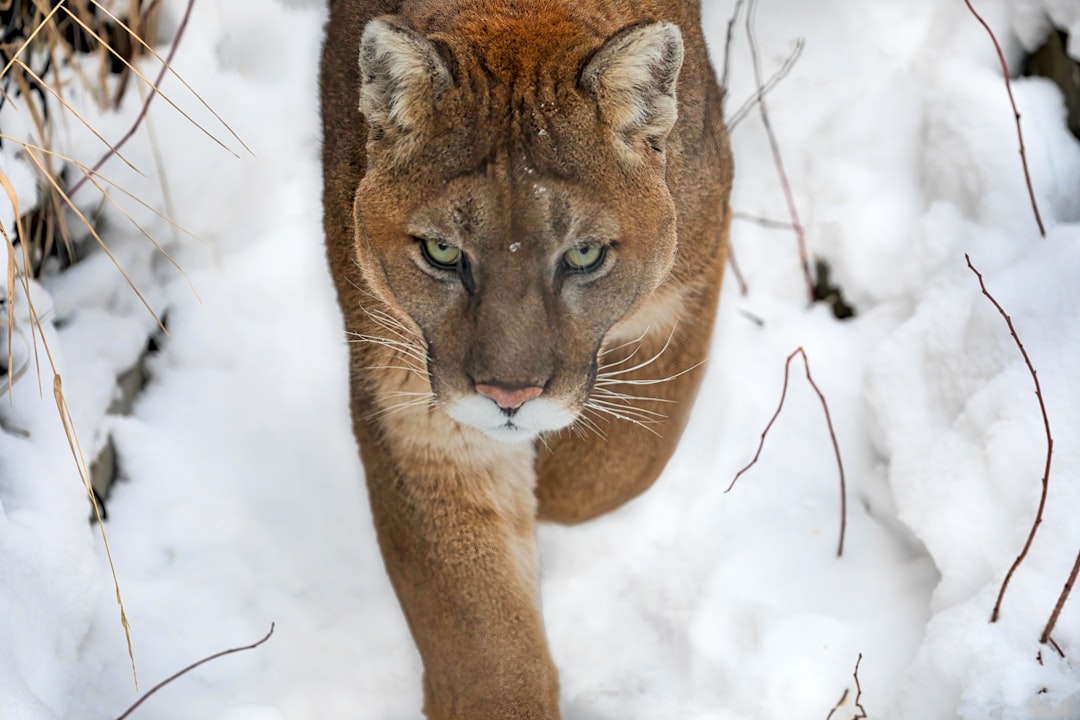
The mountain lions in Texas are most commonly found in the Trans-Pecos region, as well as the brushlands of south Texas and portions of the Hill Country. Only four attacks on humans in Texas have been reported since 1980, according to TPWD’s official cougar brochure. These apex predators can weigh up to 200 pounds and stretch over eight feet from nose to tail, making them surprisingly massive when encountered in person.
Mountain lions do roam the Texas Hill Country, emerging at dawn and dusk to hunt. So far this year, there have been 67 reports of mountain lions in Texas, compared to 52 confirmed sightings in 2023. Their territories can span hundreds of square miles, and they’re incredibly secretive animals that prefer rocky outcrops and dense brush for cover.
Western Diamondback Rattlesnakes – Strike Without Warning
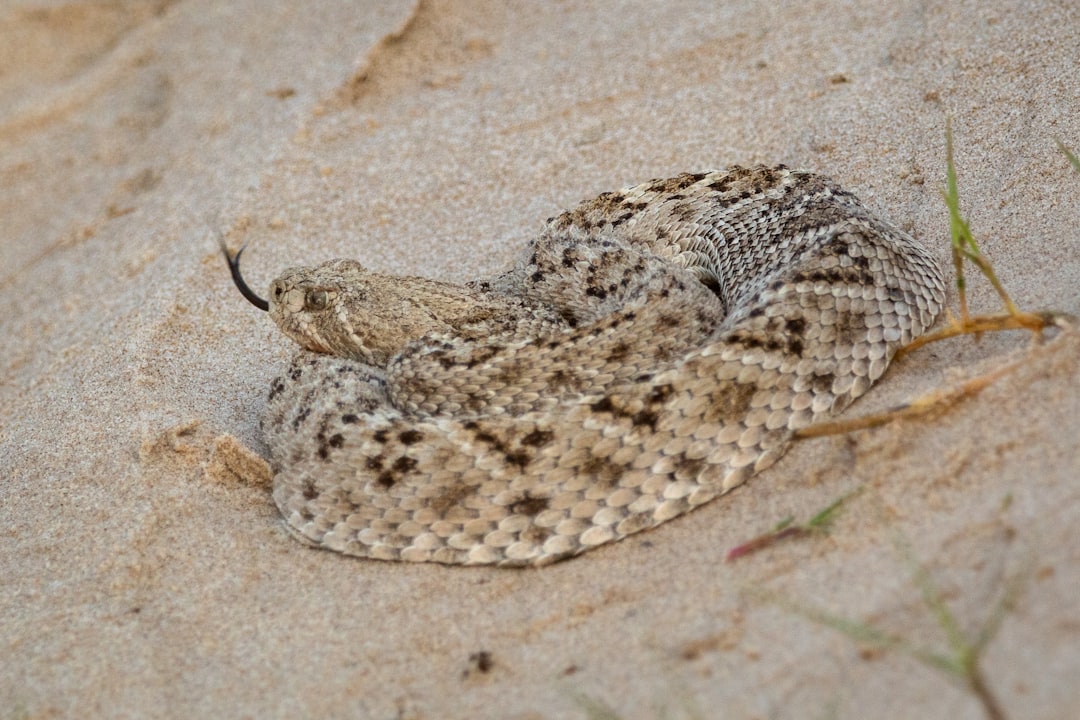
Western diamondbacks prefer rocky hillsides, desert areas, pine forests, and scrublands. They’re most active during cooler parts of the day and become more nocturnal during hot summer months. These snakes will coil and rattle when threatened, but they can strike up to two-thirds of their body length without warning.
These serpents represent one of the most immediate threats in the Hill Country. Their venom can cause severe tissue damage, bleeding disorders, and death if untreated. What makes them particularly dangerous is their ability to blend seamlessly with limestone rocks and dried grass, making them nearly impossible to spot until it’s too late. In the US there are 7,000-8,000 venomous snake bites per year but only an average of 5 fatalities.
Copperhead Snakes – Masters of Camouflage
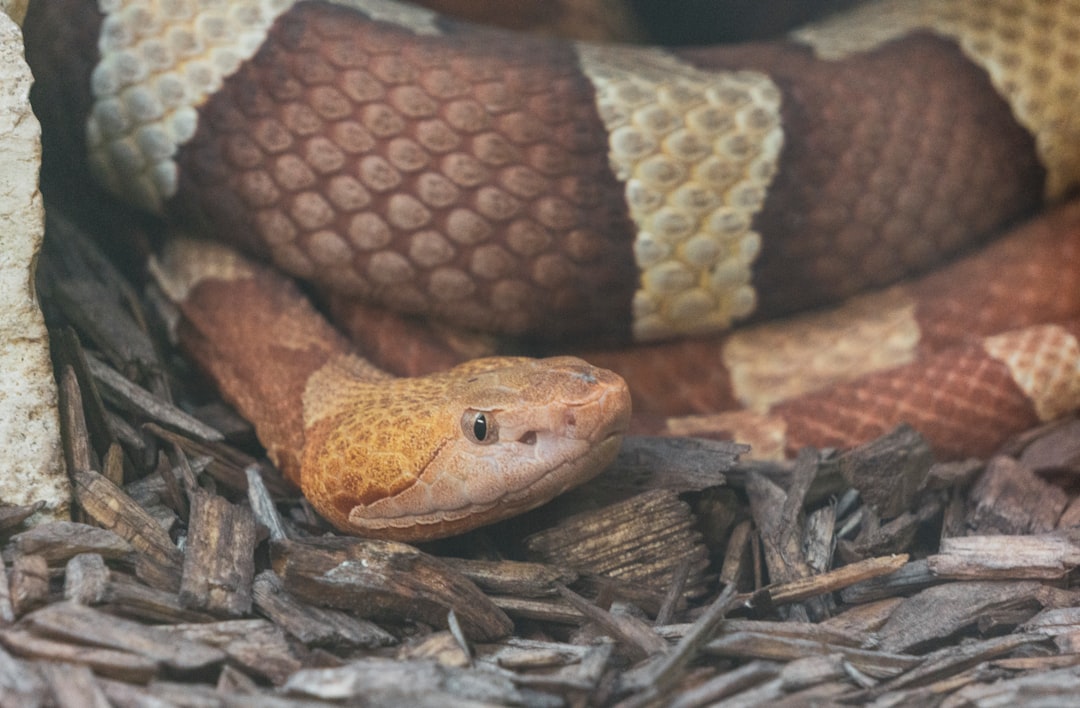
Copperhead snakes are present throughout Texas and represent a major threat, as their venom can cause severe injury or death if not treated quickly enough. These pit vipers inhabit diverse environments from East Texas forests to Central Texas hill country. Copperheads are responsible for more venomous snakebites in Texas than any other species due to their wide distribution and tendency to remain motionless when threatened.
Adult copperheads measure 2-3 feet long with thick, heavy bodies and distinctive copper-colored heads. Their body pattern consists of hourglass or “Hershey’s Kiss” shaped crossbands that are wider at the sides and narrower across the back. Their camouflage is so effective that hikers often step within striking distance before realizing the snake’s presence.
Timber Rattlesnakes – Double Dose of Danger
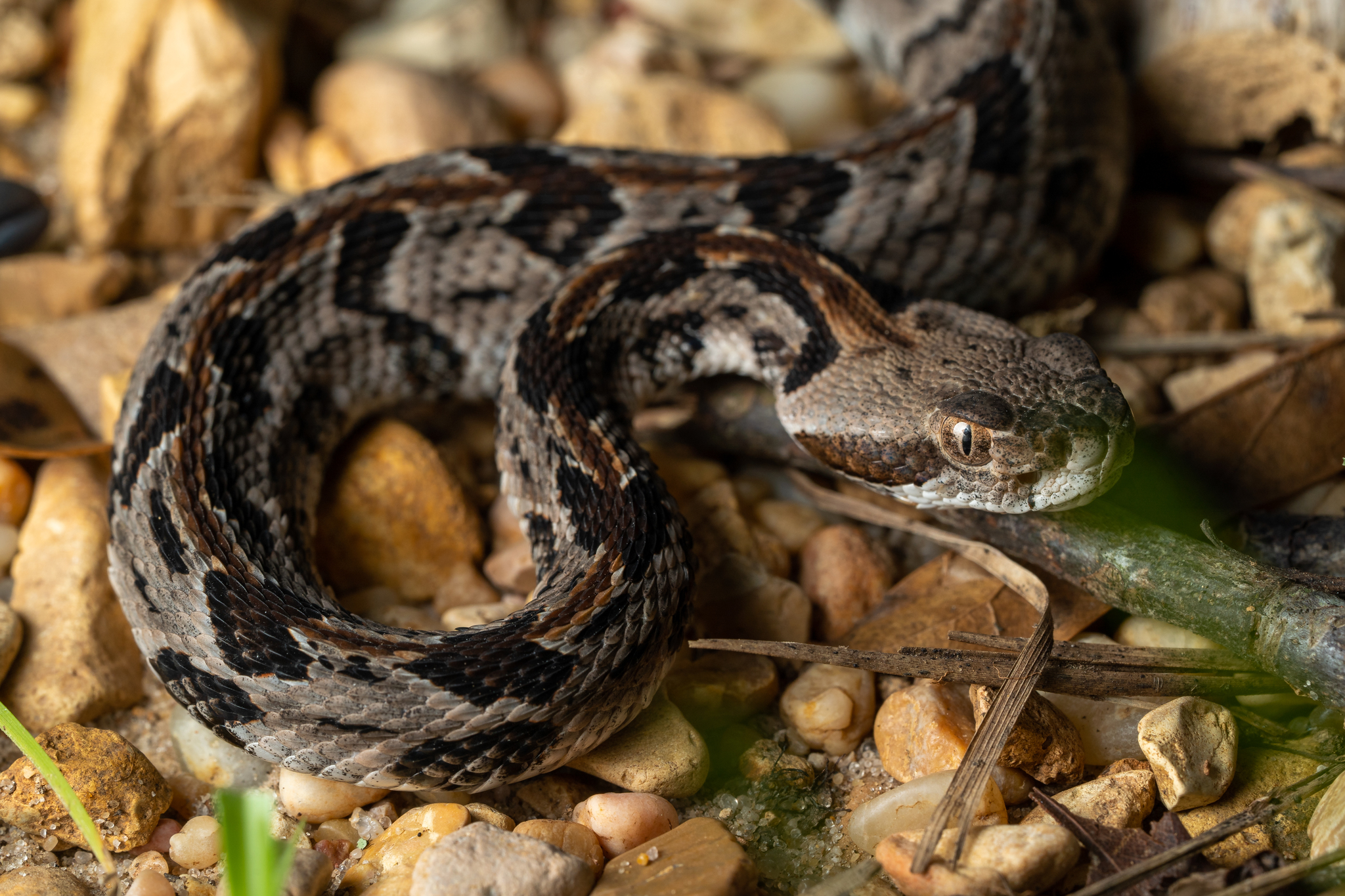
The timber rattlesnake inhabits the forests and wooded areas of East Texas, preferring dense timber and rocky outcrops where they can ambush prey. These snakes are generally smaller than western diamondbacks, averaging 2.5-4 feet in length, but their venom is equally dangerous and potentially fatal to humans.
Some, like the timber rattlesnake, actually possess two varieties of venom: neurotoxic, which attacks the nervous system, paralyzing its victim; and hemotoxic, which destroys body tissue, making the snake’s prey easy to digest. This dual-action venom makes timber rattlesnakes exceptionally lethal despite their smaller size compared to their diamondback cousins.
Feral Hogs – Aggressive Bulldozers
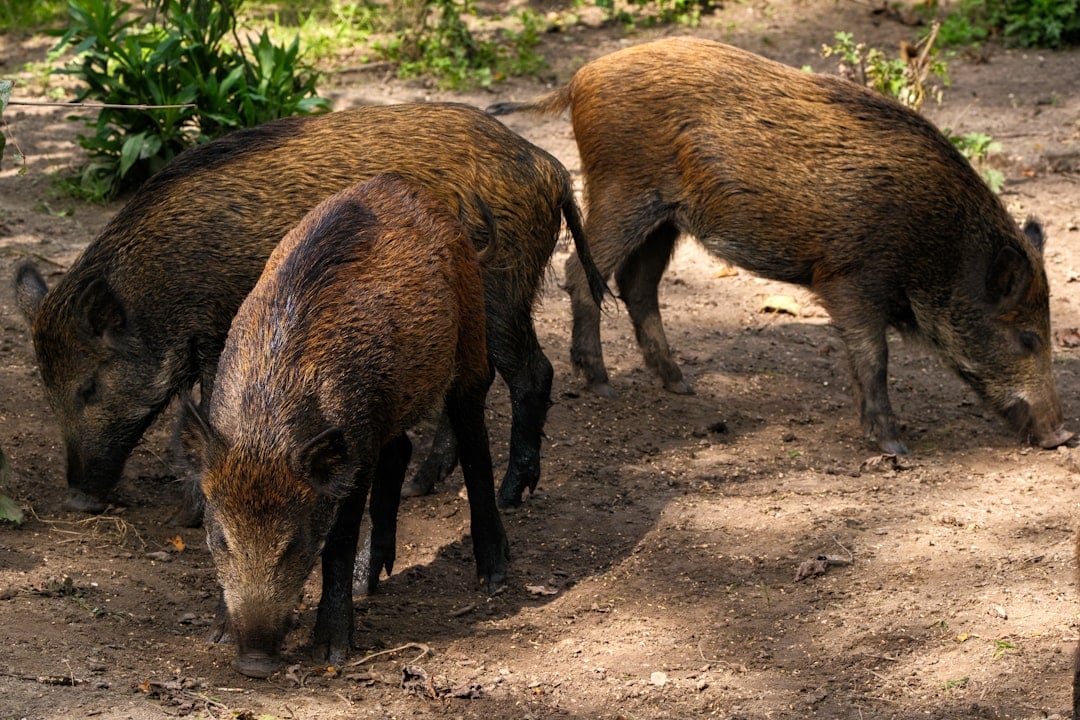
Feral hogs are wide spread throughout the East, South and Central Texas and are considered invasive and dangerous. They can get up to three feet high at the shoulder and weigh between 100-400lbs. According to Texas Parks and Wildlife, there are currently an estimated 2-3 million feral hogs in the state.
There was a case of a woman in Anahuac, Texas, east of Houston who was found dead outside of a home with multiple injuries caused by a pack of wild hogs. The Department of Parks and Wildlife said they are not usually dangerous; this is an unusual and unfortunate incident. These territorial animals become especially dangerous when protecting their young or when cornered, using their razor-sharp tusks to inflict devastating wounds.
Black Widow Spiders – Deadly Beauty
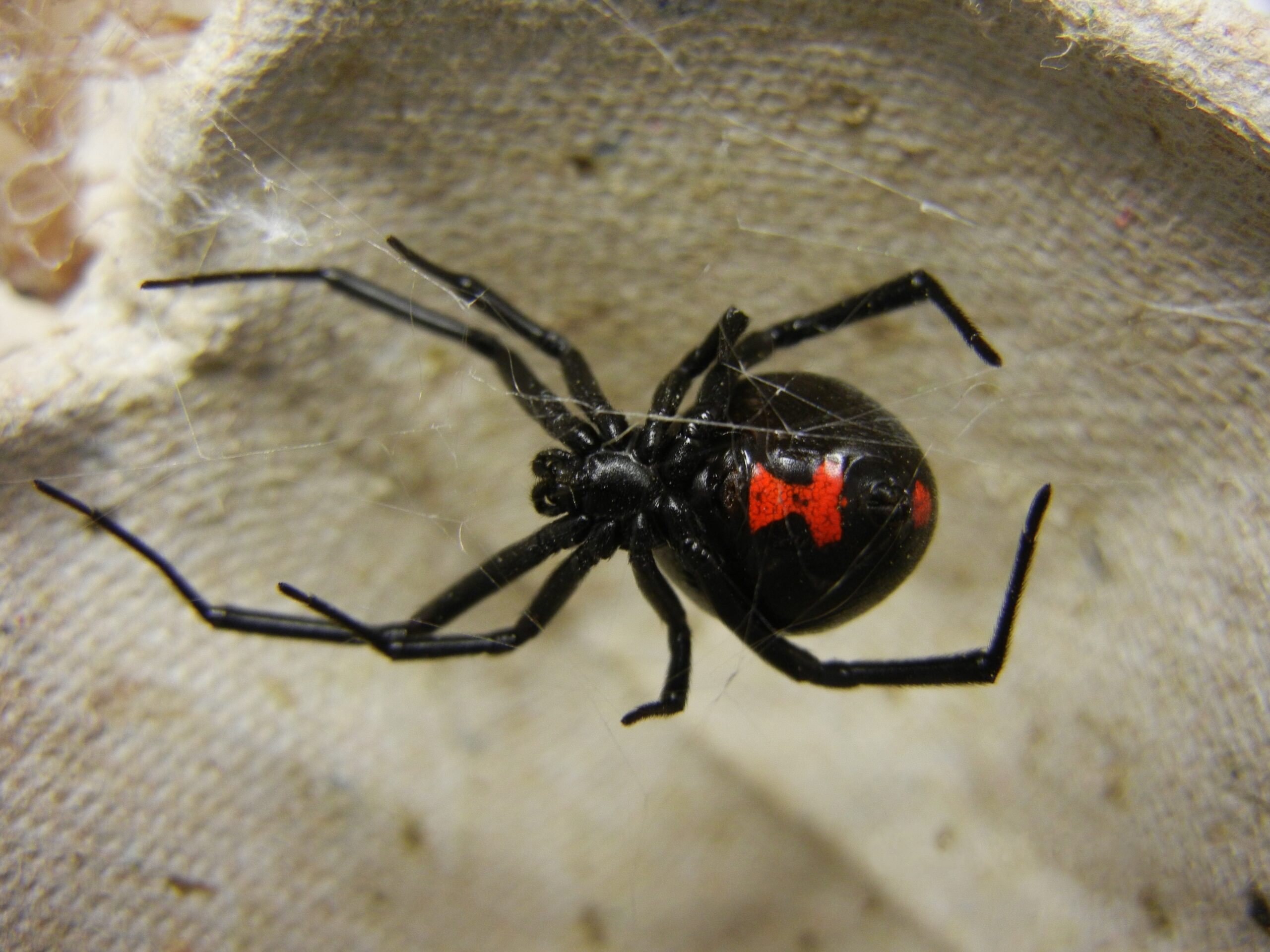
There are several different species of widow spider that live in Texas. The southern black widow is the most notorious, thanks to the distinctive markings and highly venomous bite of the female, as well as her habit of eating the male after mating.
The Black widow has deadly venom that is more powerful than that of a rattlesnake. The black widow uses a silky substance to weave a web that appears to be tangled, usually near the ground in cloudy or dark places, such as drains or under tree trunks. Their bite may seem minor at first, but symptoms can include severe muscle cramps, nausea, and difficulty breathing.
Brown Recluse Spiders – The Flesh Destroyer
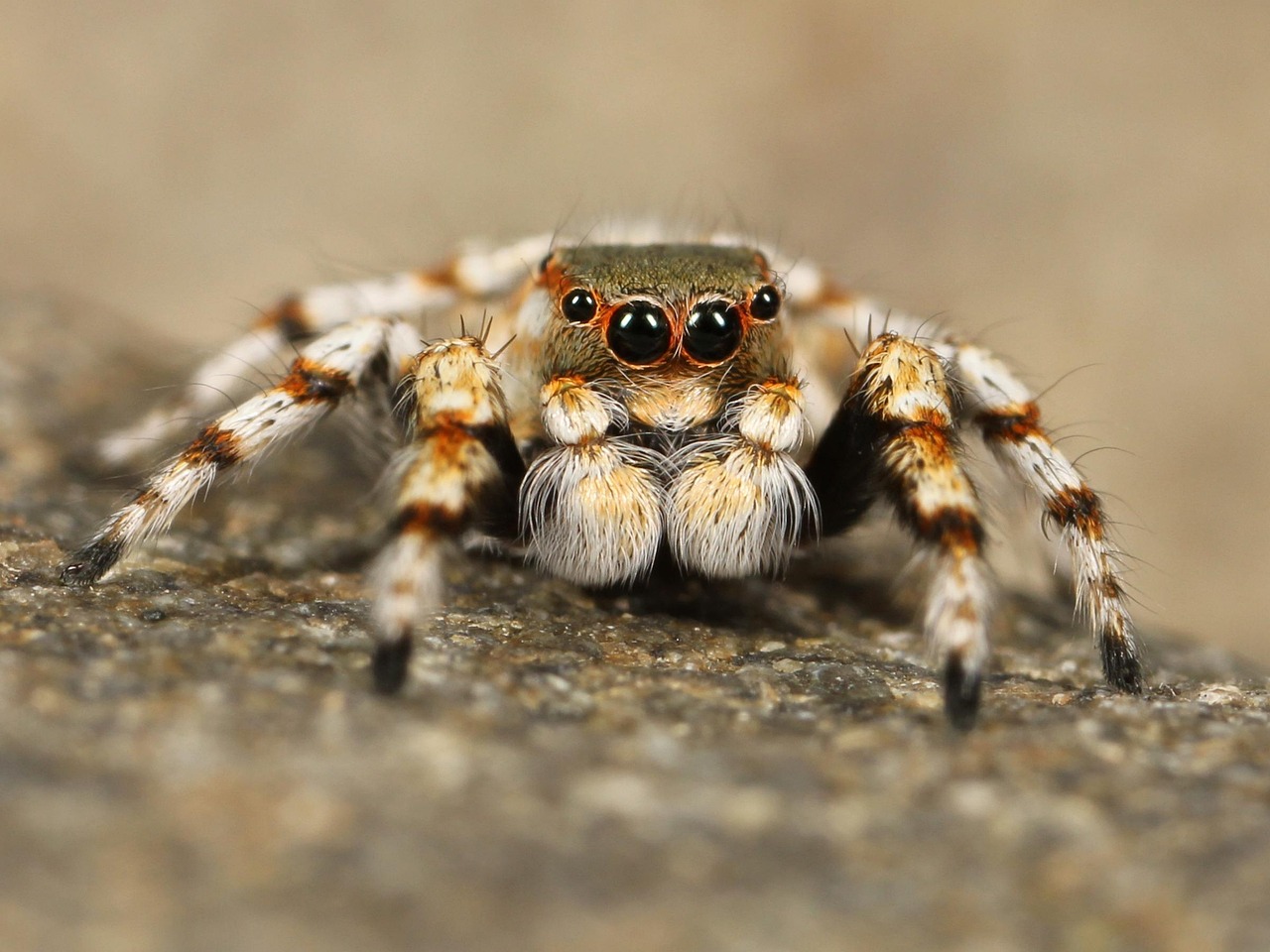
The brown recluse is small and often called a “fiddleback” because of the dark, violin-style mark on its back. The effects of its bite can vary considerably from no pain, to mild stinging, to intense pain. What makes this spider dangerous, however, is that the scene of the bite can erupt into a necrotizing ulcer, ultimately causing gangrene and permanent tissue damage if not treated.
These unassuming spiders prefer hiding in dark, undisturbed areas like woodpiles, sheds, and caves throughout the Hill Country. Unlike dramatic Hollywood portrayals, brown recluse bites often go unnoticed initially, making them particularly insidious as the tissue damage develops over days or weeks.
American Alligators – Ancient Predators
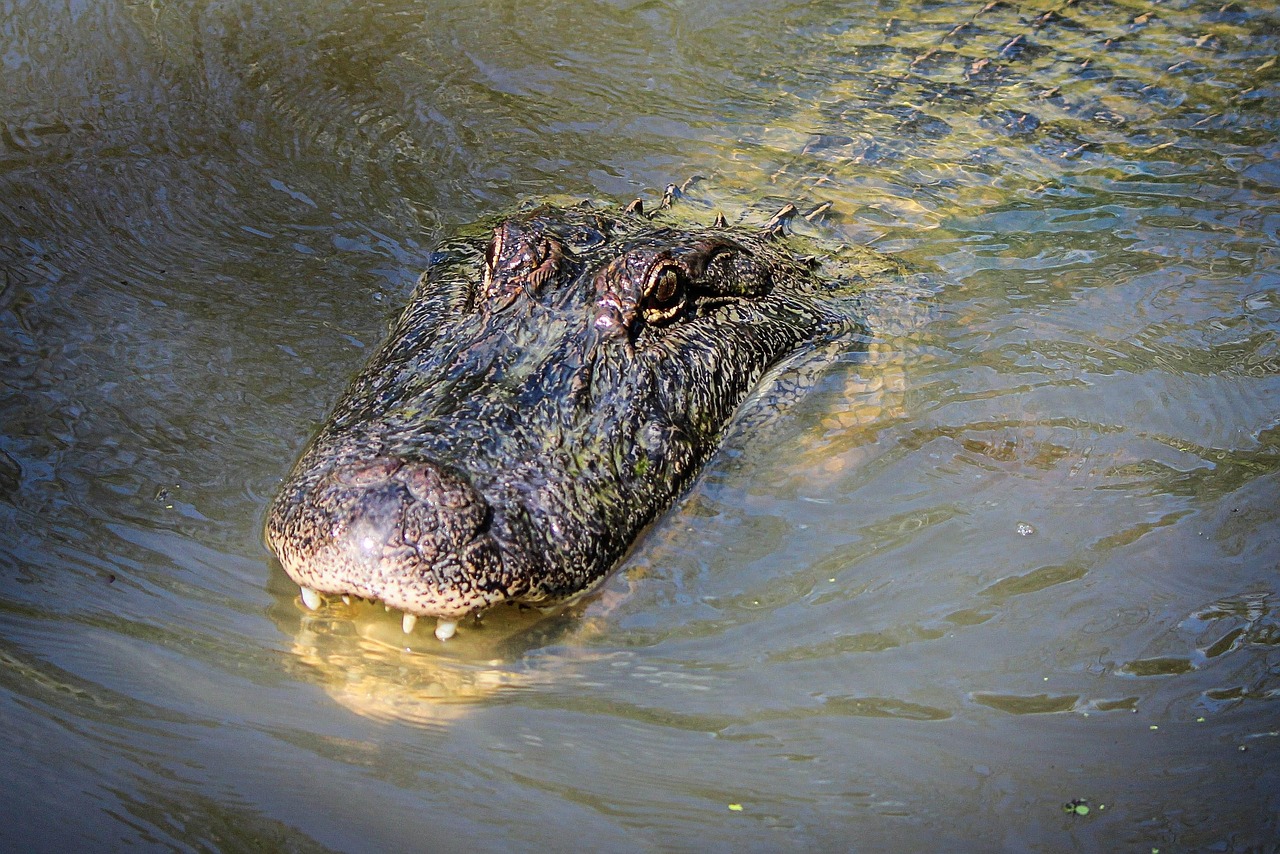
American alligators are one of the biggest reptiles in America, with their bodies alone ranging from 6 to 14 feet. Alligators are quick on land as they are capable of running short distances. According to TPW, they are most active between March and May.
The American alligator is among the most dangerous animals in Texas. Alligators can move quickly and easily through water, making them dangerous predators. An alligator can attack humans with powerful jaws and a nasty bite if provoked. Though primarily found in East Texas waterways, alligators occasionally venture into Hill Country rivers and stock tanks, especially during droughts when they search for new water sources.
Conclusion
The Texas Hill Country’s stunning beauty comes with genuine risks that demand respect and preparation. From silent mountain lions stalking through limestone canyons to venomous snakes coiled beneath native plants, this landscape harbors creatures that have survived here for millennia. The key isn’t fear, but awareness and proper precautions when exploring this remarkable region.
Most encounters with dangerous wildlife can be avoided through simple measures: staying on marked trails, making noise while hiking, wearing appropriate boots, and keeping a respectful distance from all wild animals. Remember that you’re a visitor in their home territory, and these animals typically want to avoid humans as much as we want to avoid dangerous encounters with them.
What surprised you most about the Hill Country’s hidden dangers? Share your thoughts in the comments below.

- The Fiercest Hurricane Ever to Strike the U.S. Mainland - July 28, 2026
- 12 Cat Breeds That Are Night Owls and Keep Owners Awake at 2 A.M. - July 28, 2026
- 13 Tender Signs a Horse Is Grieving a Rider It Lost - July 28, 2026