

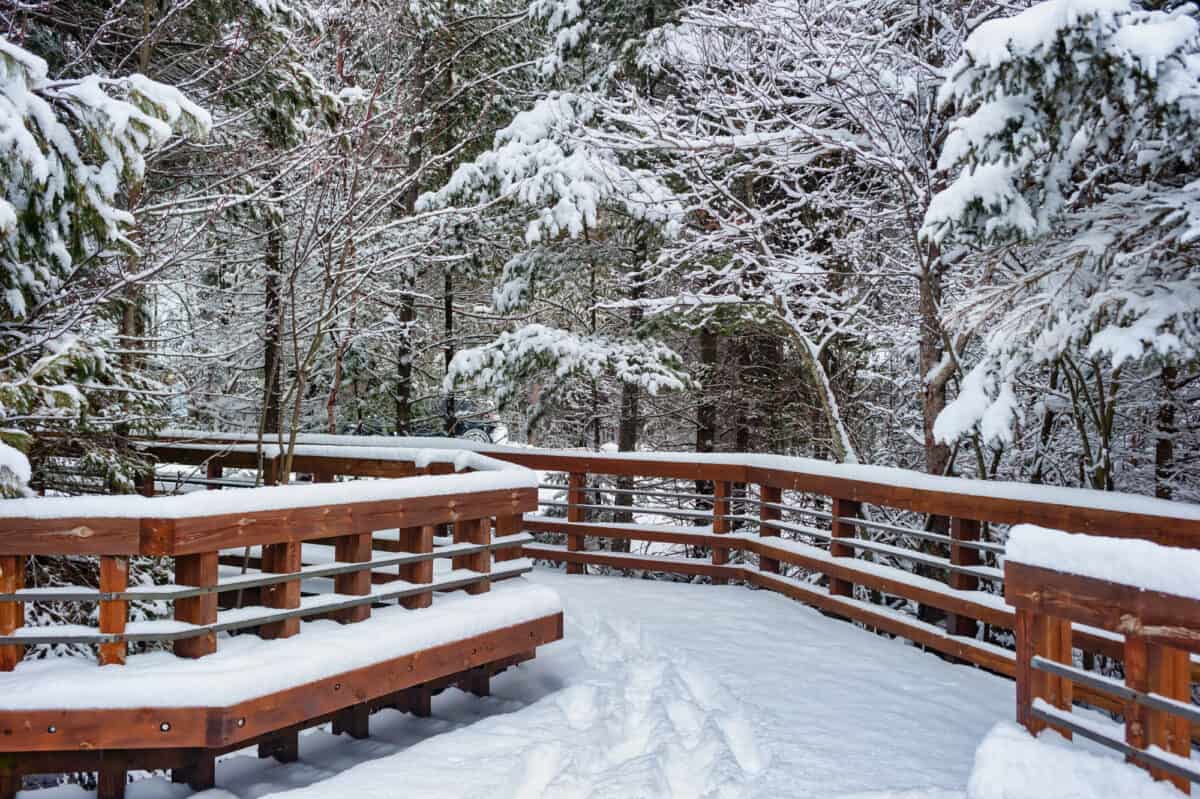
Weather, with its immense power and unpredictability, continues to captivate our imaginations and influence our daily lives. Over the years, extreme weather events have challenged our understanding of climatic patterns, leading to remarkable records. Some of these records, however, remain elusive, steadfastly resisting attempts to break them. This article explores 11 weather records that stand unbroken, offering a glimpse into the awe-inspiring force of nature. Let us take a journey through these records, understanding each one’s significance and context.
11. The Highest Temperature Ever Recorded
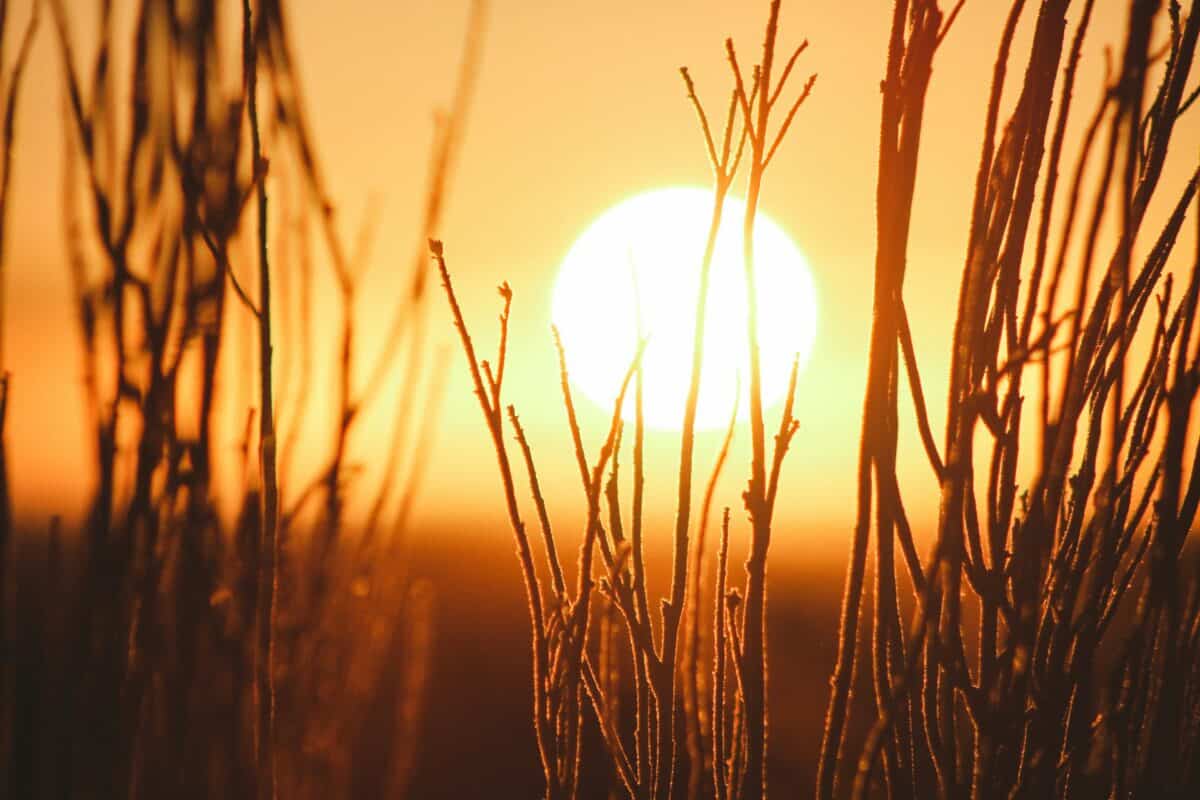
The hottest temperature ever documented on Earth was a searing 134°F (56.7°C), recorded in Furnace Creek Ranch, Death Valley, California, on July 10, 1913. Death Valley’s extreme heat is a result of its low elevation, clear skies, and lack of vegetation, allowing intense solar heating. Efforts to surpass this record face challenges due to changing climate patterns and measurement standards, underscoring the 1913 event’s unique meteorological conditions.
10. The Coldest Temperature on Earth

Antarctica, the coldest place on Earth, recorded the lowest temperature ever on July 21, 1983, when Vostok Station registered a bone-chilling -128.6°F (-89.2°C). The icy plateau’s high elevation and geographical isolation contribute to these frigid conditions. Despite advancements in cold weather monitoring, no subsequent readings have managed to dethrone this record, highlighting the extremity of the Vostok Station environment.
9. The Heaviest Rainfall in 24 Hours
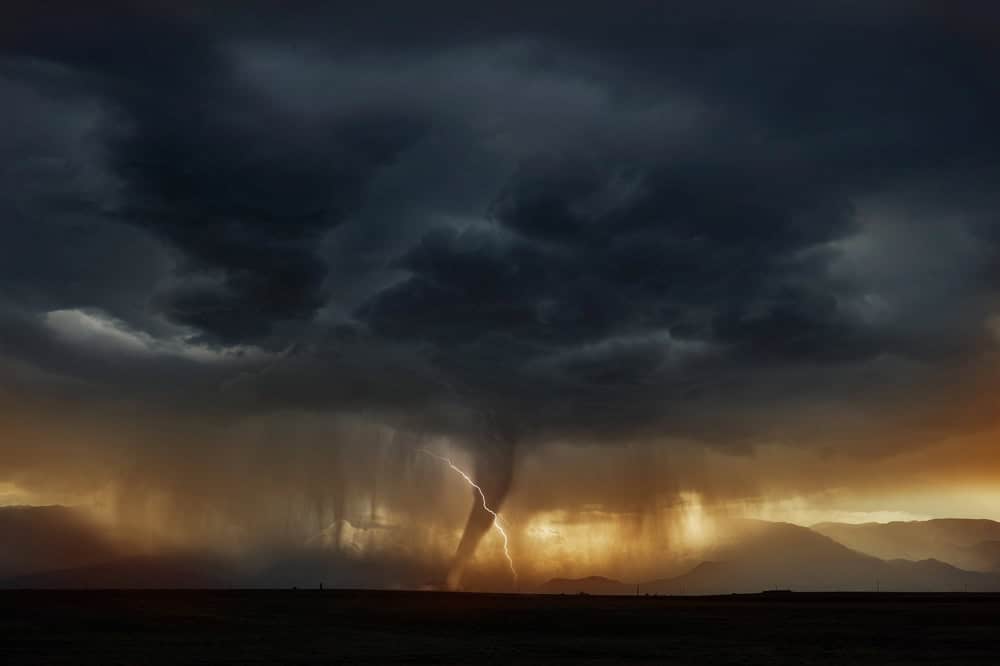
On January 7-8, 1966, the island of La Réunion in the Indian Ocean experienced a staggering 71.8 inches (1,825 mm) of rain within 24 hours, courtesy of Tropical Cyclone Denise. The island’s unique topography, with steep mountains catching moisture-laden air, makes it susceptible to intense rainfalls. Modern meteorological tools have yet to record a more significant deluge within such a short timeframe.
8. Longest Drought Period

Arica, Chile, holds the record for the longest drought, enduring extreme aridity for 173 months, from October 1903 to January 1918. Nestled in the Atacama Desert, one of the driest places on Earth, Arica’s record speaks to the desert’s inhospitable nature. Despite climate oscillations, no other location has surpassed this prolonged dry spell, making it a testament to the region’s harsh climate.
7. The Deadliest Tornado

The Tri-State Tornado of March 18, 1925, remains unmatched in terms of fatalities, claiming over 695 lives across Missouri, Illinois, and Indiana. This devastating tornado lasted over three hours and traversed 219 miles, marking it as one of the longest-lasting tornadoes in recorded history. Advances in tornado prediction and tracking have minimized losses in similar events, but this tragic incident remains a poignant reminder of nature’s destructive power.
6. Largest Hailstone Ever Recorded
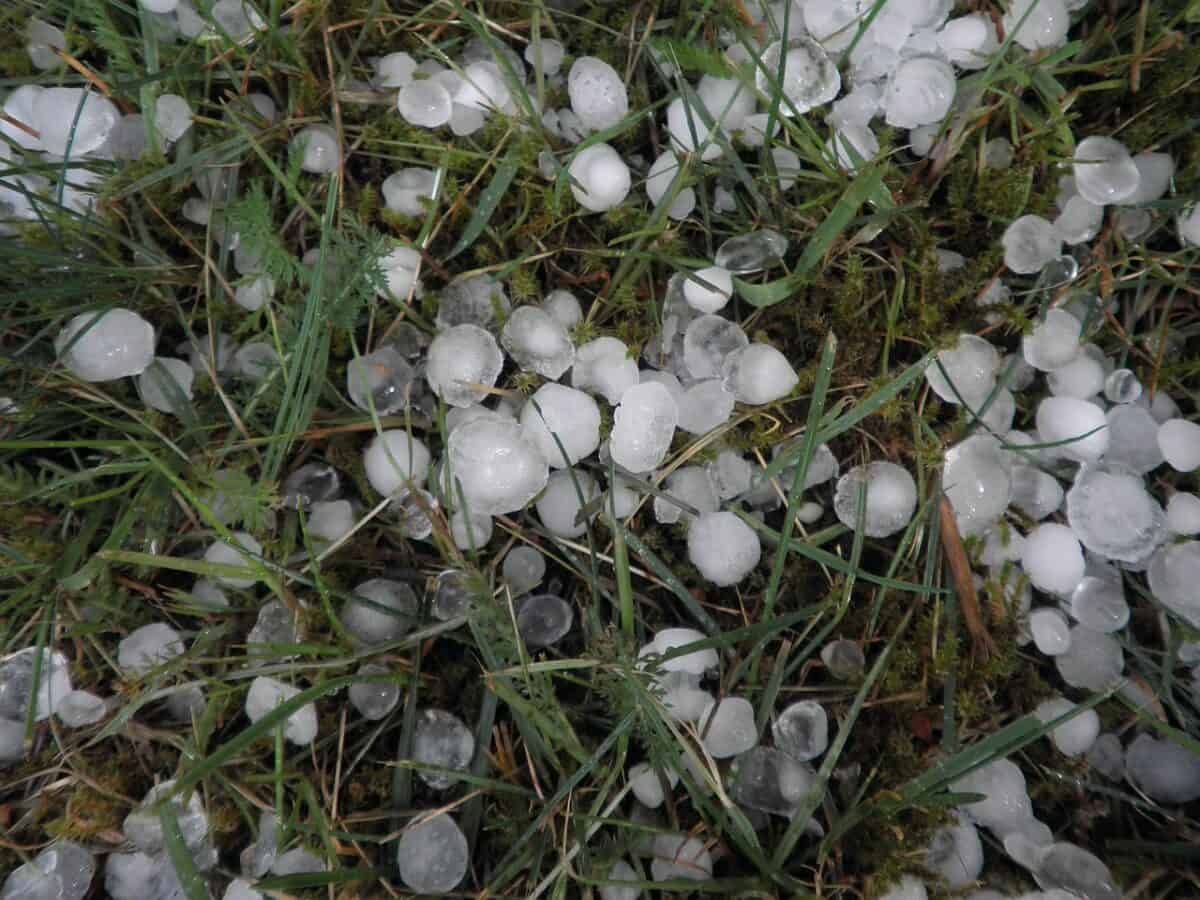
A mammoth hailstone fell in Vivian, South Dakota, on July 23, 2010, weighing almost 2 pounds and measuring 8 inches in diameter. The record-breaking hailstone was the result of the right combination of atmospheric conditions that supported prolonged hailstone growth. Such gigantic hailstones are rare and require very specific conditions that make breaking this record an extraordinary challenge.
5. The Most Intense Tropical Cyclone by Pressure

Typhoon Tip holds the record for the lowest pressure ever recorded at sea level in a tropical cyclone, registering 870 hPa (millibars) on October 12, 1979. This colossal storm affected the Western Pacific, illustrating the region’s capacity for generating powerful cyclones. Despite observing numerous intense typhoons since then, Tip’s pressure record has yet to be surpassed, demonstrating its unparalleled intensity.
4. The Highest Wind Speed Observed
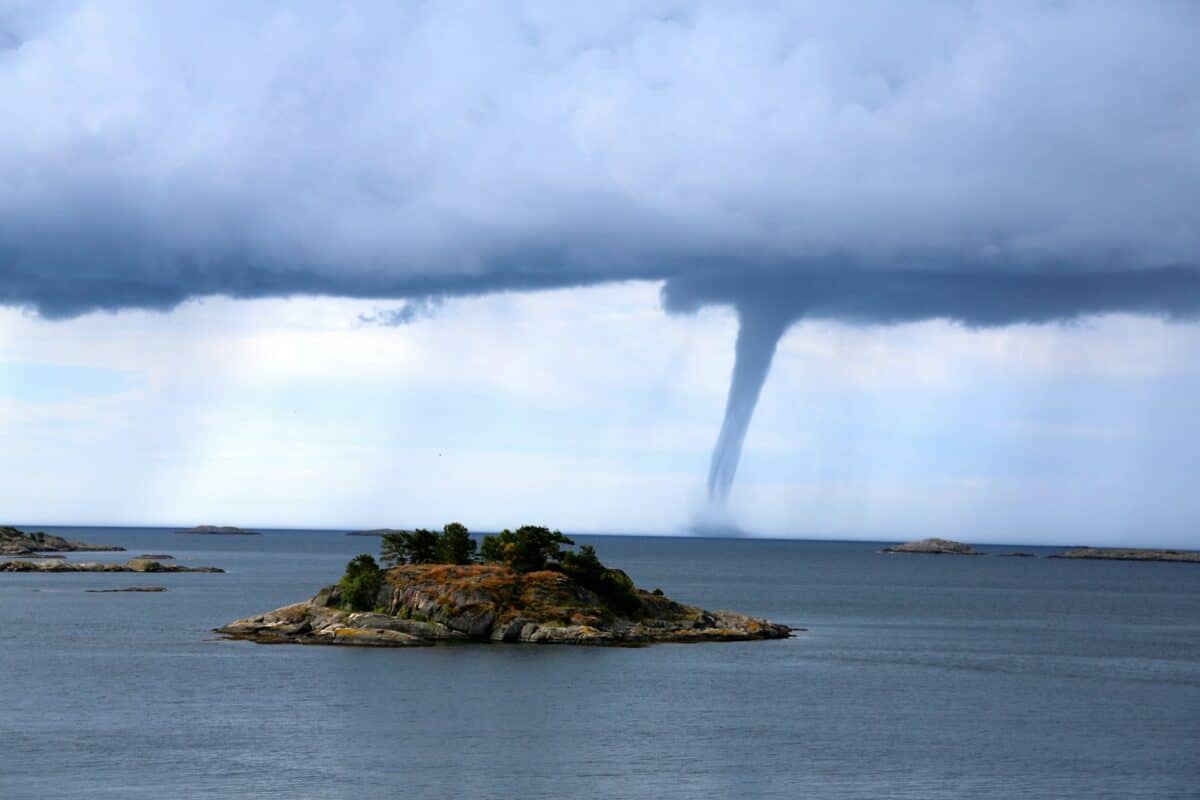
The highest surface wind speed not associated with a tornado was observed at 254 mph (408 km/h) on April 10, 1996, during Tropical Cyclone Olivia on Barrow Island, Australia. This record surpassed the previous benchmark set at Mount Washington, New Hampshire, in 1934. The exceptional measurements were made possible by Barrow Island’s unique exposure conditions, allowing the capture of such a powerful wind gust.
3. Most Rainfall in One Year
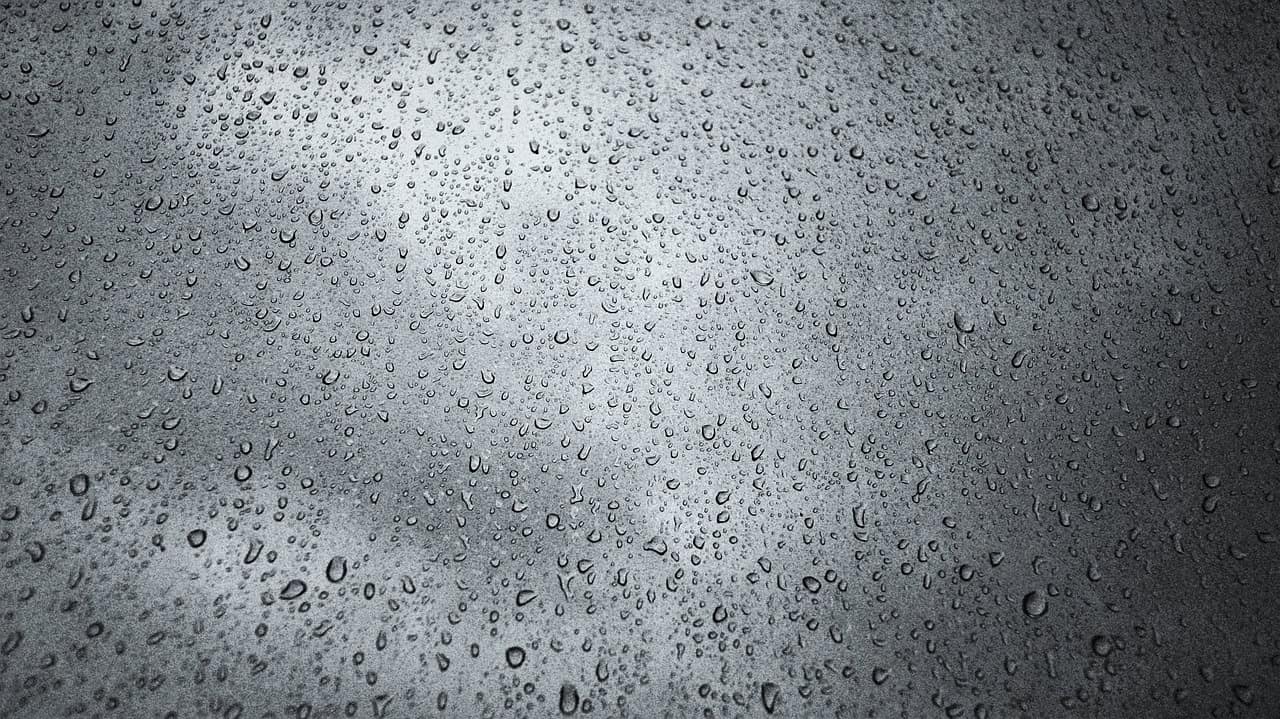
Cherrapunji, India, noted for its torrential rains, recorded an astounding annual precipitation of 1,042 inches (26,471 mm) from August 1860 to July 1861. Nestled on the windward side of the Khasi Hills, the area frequently sees intense monsoon activity, driving its high rainfall totals. While Cherrapunji and its neighbor, Mawsynram, continue to record high annual rainfalls, the 1860-61 record stands unchallenged.
2. Longest Recorded Lightening Bolt

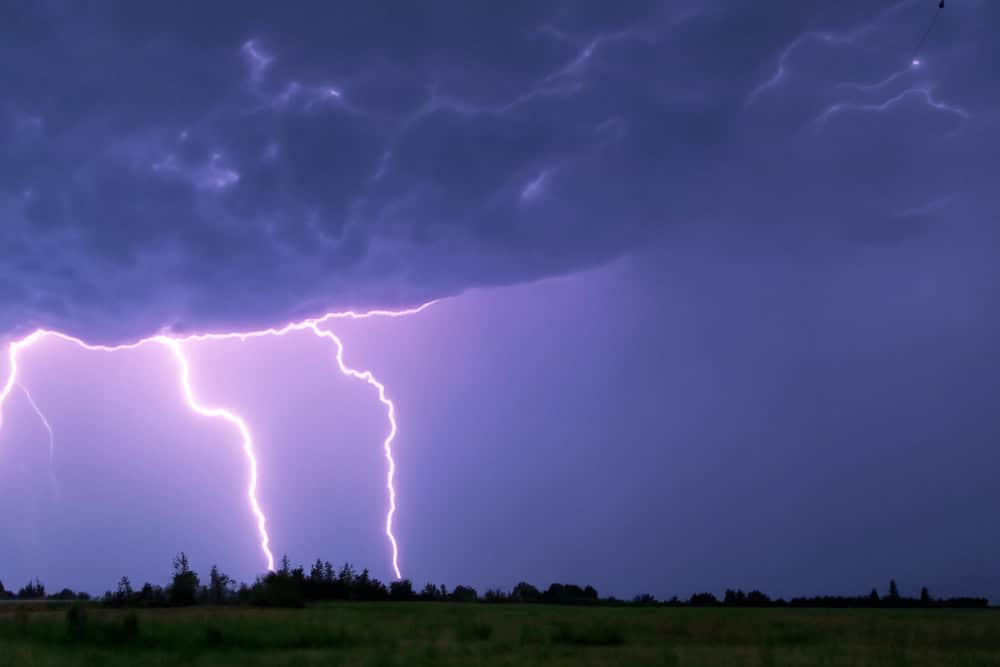
A lightning megaflash stretched over a length of 477.2 miles (768 kilometers) across the southern United States on April 29, 2020, confirmed by the World Meteorological Organization. This “megaflash” far exceeded previous records, showcasing the potential span of lightning phenomena during severe thunderstorms. Its sheer expanse highlights the scale of electrical storms, providing a benchmark yet to be eclipsed by subsequent storms.
1. Most Snowfall in One Season
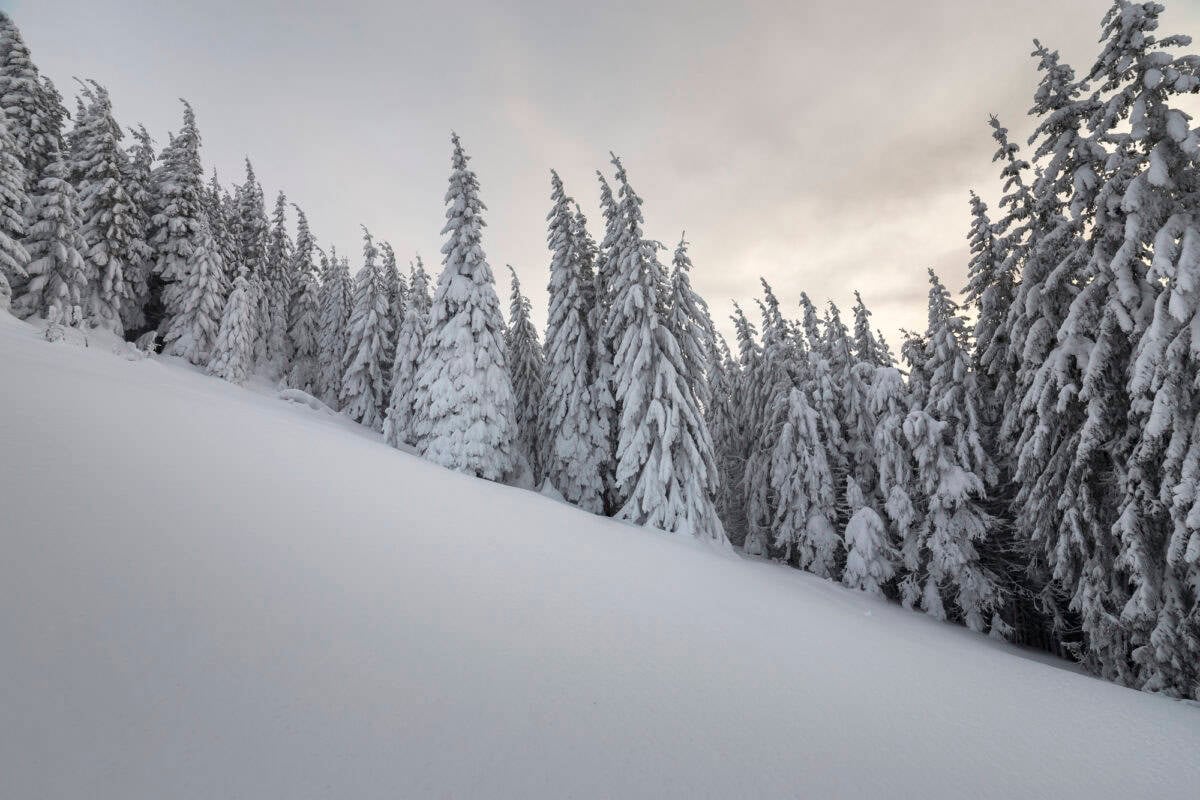
The winter of 1998-1999 in Mount Baker, Washington, USA, saw a record seasonal snowfall of 1,140 inches (2,896 cm). This stunning snowfall total is attributed to Mount Baker’s proximity to the Pacific Ocean, which supplies abundant moisture-driven snowfalls. Despite global climatic fluctuations, this seasonal record showcases the potential for immense snow accumulation in favored geographic locations.
Conclusion: The Enduring Power of Nature
The fascination with unbroken weather records lies in their demonstration of the natural world’s capabilities to produce extremes. These records are not just figures; they represent moments when forces of nature overwhelmed human understanding. While technological advancements have improved our capacity to study and respond to weather phenomena, these stories of untamed extremes serve as reminders of our planet’s transient power. In the quest to monitor and predict weather, we recognize that some records might endure, paying homage to the vast complexity of Earth’s climatic dynamics.

As a little kid, I fell in love with nature, wildlife, and animals. Living in the USA, South Africa, Italy, China and Germany gave me the opportunity to discover the world's Wildlife. My favorite animals are Mountain Gorillas, Siberian Tigers, and Great White Sharks.
I'm a certified PADI Open Water Diver, went to Everest Base Camp and Trekked Gorillas in Uganda. I hold a Master of Science in Economics and Finance.
Please send any feedback to feedback@animalsaroundtheglobe.com
- The 11 Toughest Cat Breeds That Can Survive Anything - July 19, 2026
- 15 Most Dangerous Marine Animals You will Find in the Atlantic - July 19, 2026
- 10 Things Bald Eagles Teach Their Young And 3 That Must Be Learned Alone - July 19, 2026