
Summer means barbecues, swimming holes, and way too many mosquitoes buzzing around. Those bloodsuckers turn every outdoor gathering into an itchy nightmare, especially with our steamy heat and standing water after rains. Chemical sprays work, but they feel harsh on the skin and the environment.
Here’s the good news. Certain plants pack natural oils that mosquitoes hate, and they flourish right here in our diverse climates from Houston humidity to West Texas dry. Ready to reclaim your yard? Let’s dive into these game-changers.[1][2]
Citronella Grass
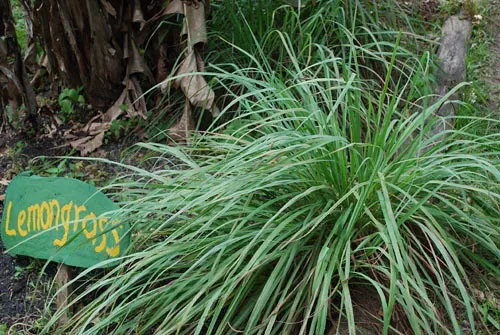
This tropical beauty releases a citrusy oil when you crush its leaves. Rub it on your skin for a quick shield against biters. It thrives as a perennial in South Texas zones 10 and 11.[1]
In cooler areas, treat it like an annual or pot it up for winter indoors. Plant near patios where the scent can drift. Low fuss, high reward in our heat.[2]
Lavender
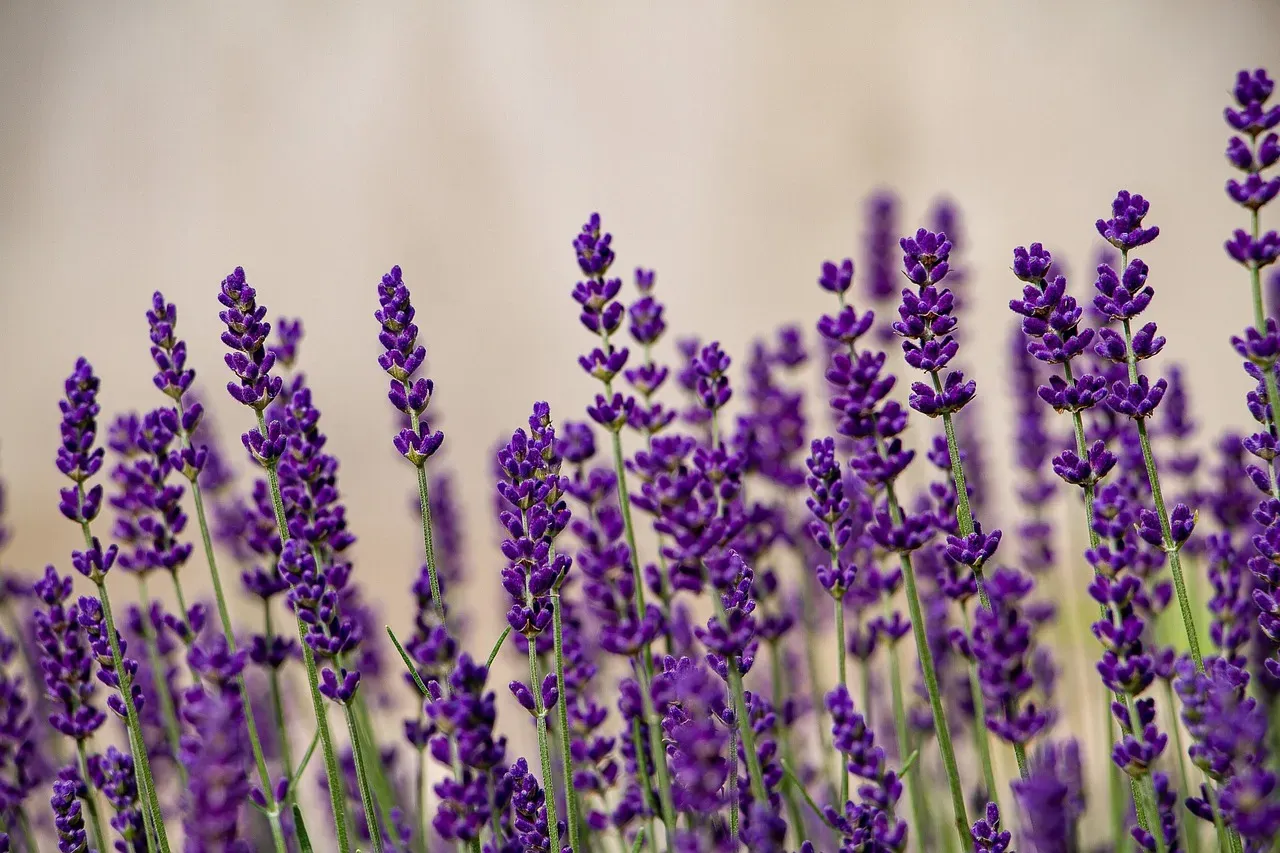
Lavender’s camphor-rich blooms mask your scent from those pests. Crush the flowers, mix with water, and spritz away. It loves the full sun Texas summers provide.
Place it along walkways or by doors for constant protection. The fragrance calms you while repelling them. Drought tolerant once established, perfect for our variable rains.[2]
Marigolds
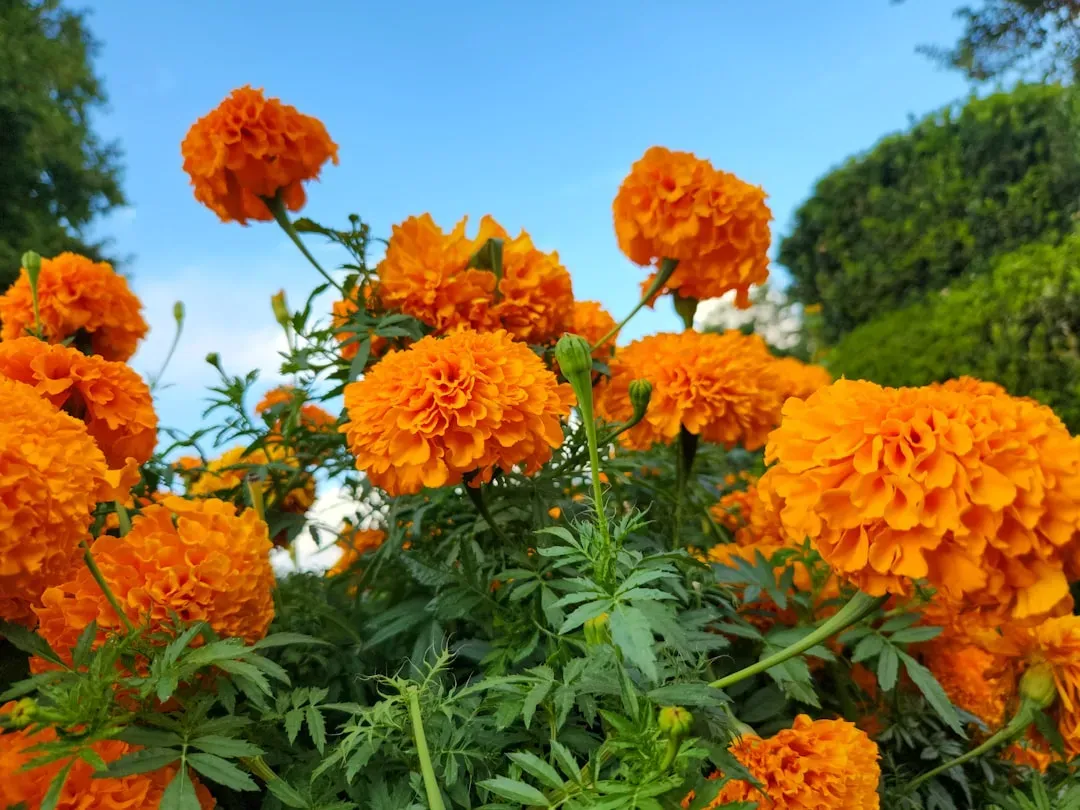
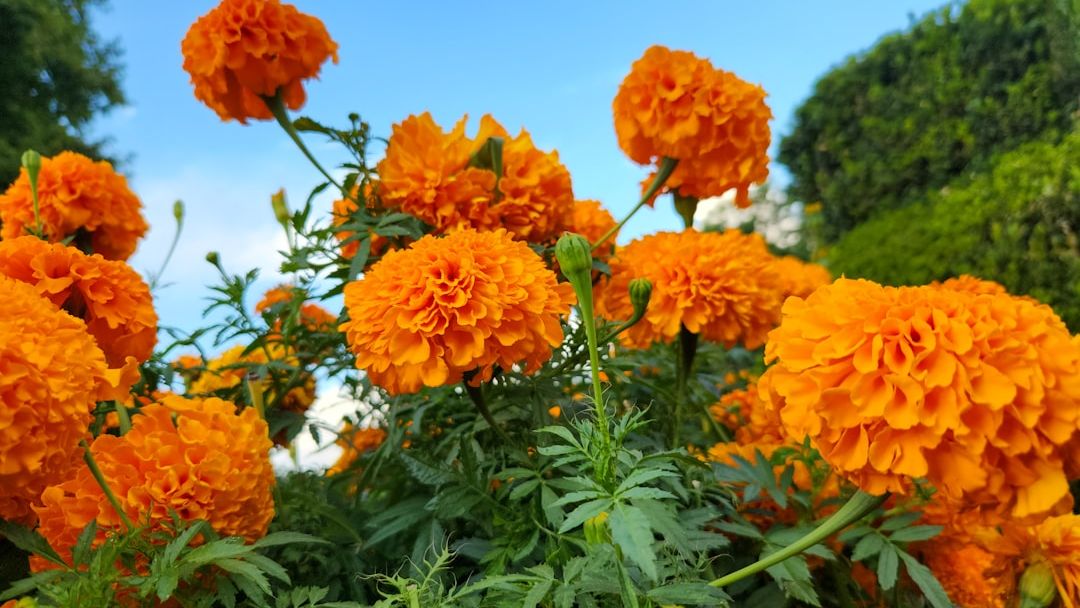
These bright annuals pump out pyrethrin that irritates mosquito senses. Tuck them into veggie beds or pots on the deck. They explode in color through our long growing season.
Full sun and minimal water keep them happy. The strong smell from leaves and flowers does the heavy lifting. Honestly, they make pest control look easy and pretty.[1][2]
Basil
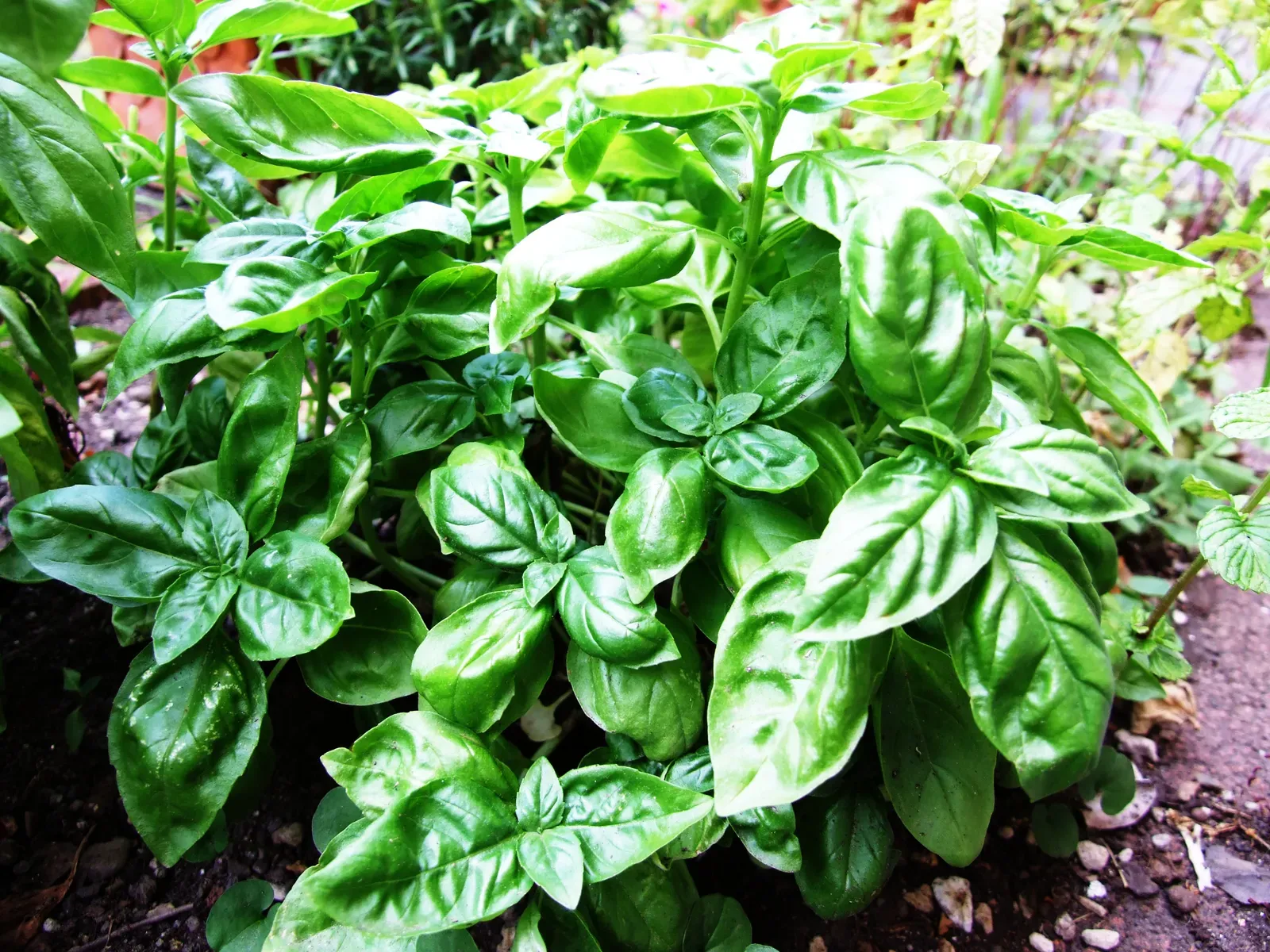
Lemon or cinnamon basil varieties confuse mosquitoes with their punchy aroma. Crush leaves weekly to amp up the effect around standing water. Grow it near kitchens for fresh picks too.
Texas heat suits this herb perfectly as a reseeding annual. Pots prevent spreading, and drying leaves make sprays. It’s like having dinner and defense in one plant.[2]
Catnip
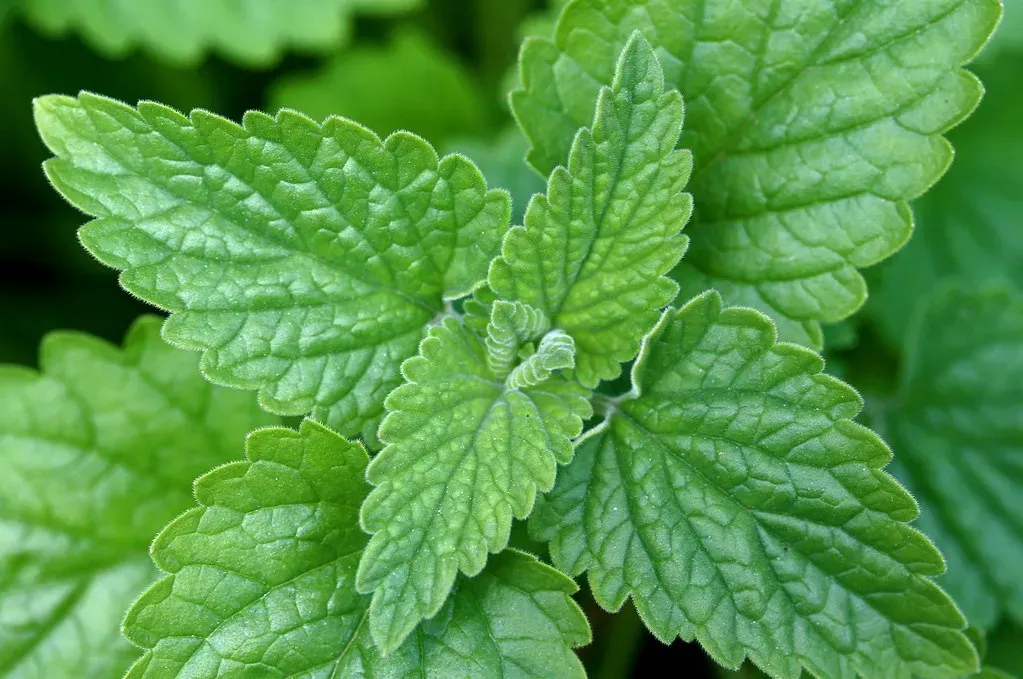
Nepetalactone in catnip beats back mosquitoes better than some sprays. Purple blooms last ages in our sun. Keep it potted to stop it invading other beds, since it’s in the mint family.
Plant by seating spots for targeted action. Cats might love it, but bugs steer clear. Easy grower that adds whimsy to the garden.[1]
Lemon Balm
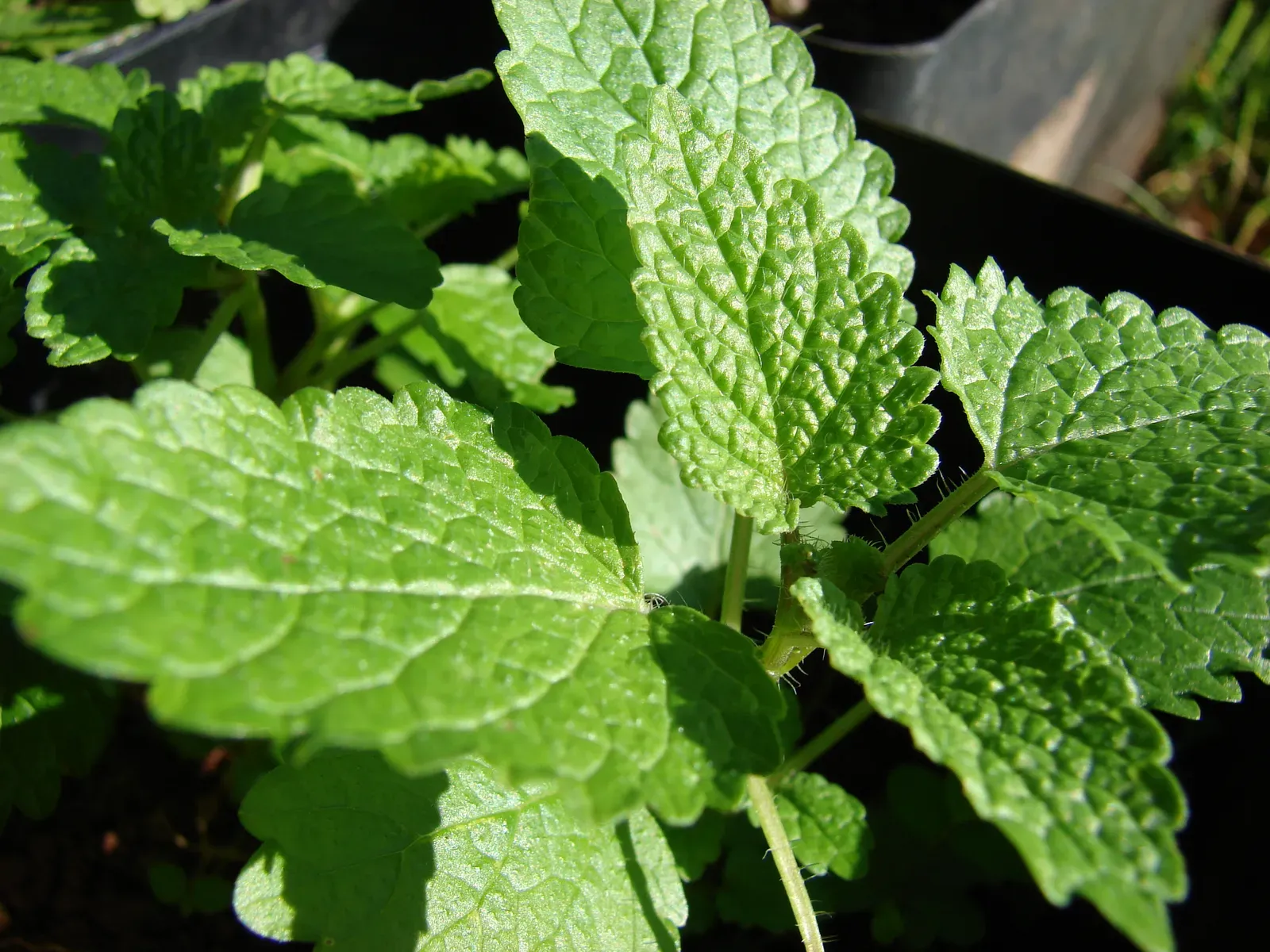
This mint relative smells like lemonade, a nightmare scent for mosquitoes. Crush and rub leaves directly on skin. It spreads fast, so containers work best yards.
Shade to full sun, it handles our humidity fine. Related to bee balm, it doubles as a calming tea herb. Low maintenance joy for buggy evenings.[1]
Rosemary
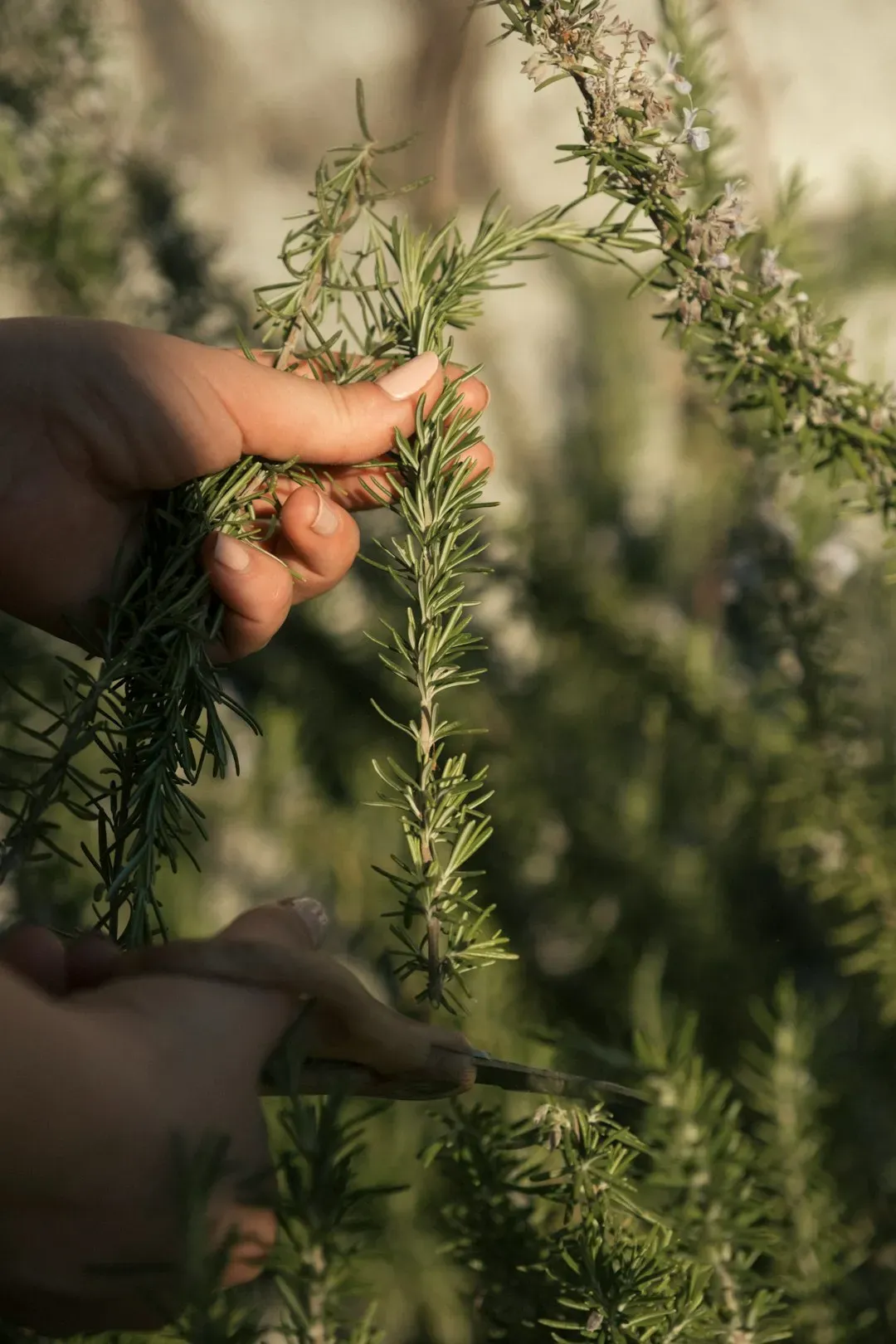
Rosemary’s woody oils repel when crushed or burned on the grill. Trailing varieties make great low hedges in Central Texas. Evergreen through mild winters, deer skip it too.
Full sun, low water fits our drought-prone spots. Tuck stems in pockets for personal protection. Culinary star that fights back.[3][4]
Bee Balm
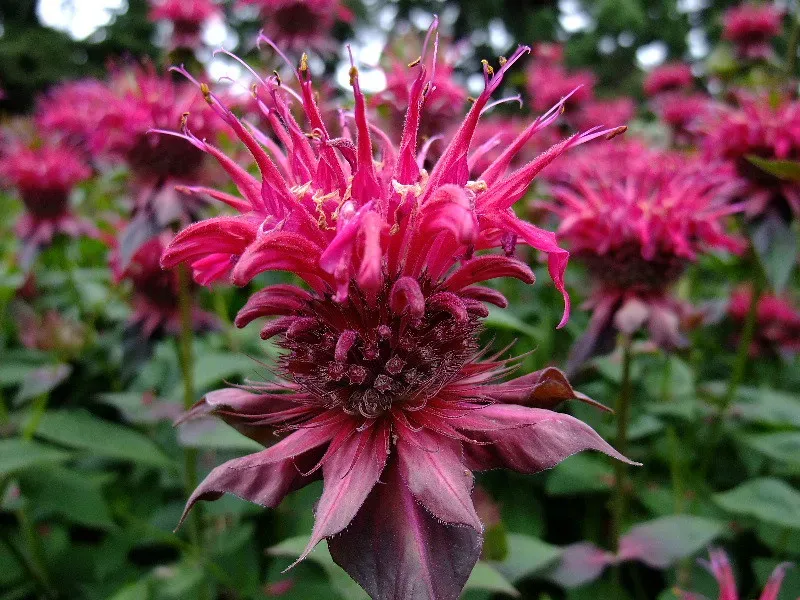
Blooms release mosquito-hating fragrances without crushing. Butterflies flock while skeeters flee. Perennial colors brighten Texas borders.
Moist soil but adapts to our clays. Various sizes suit any space. Nature’s way to lure good bugs, ditch bad ones.[3]
American Beautyberry
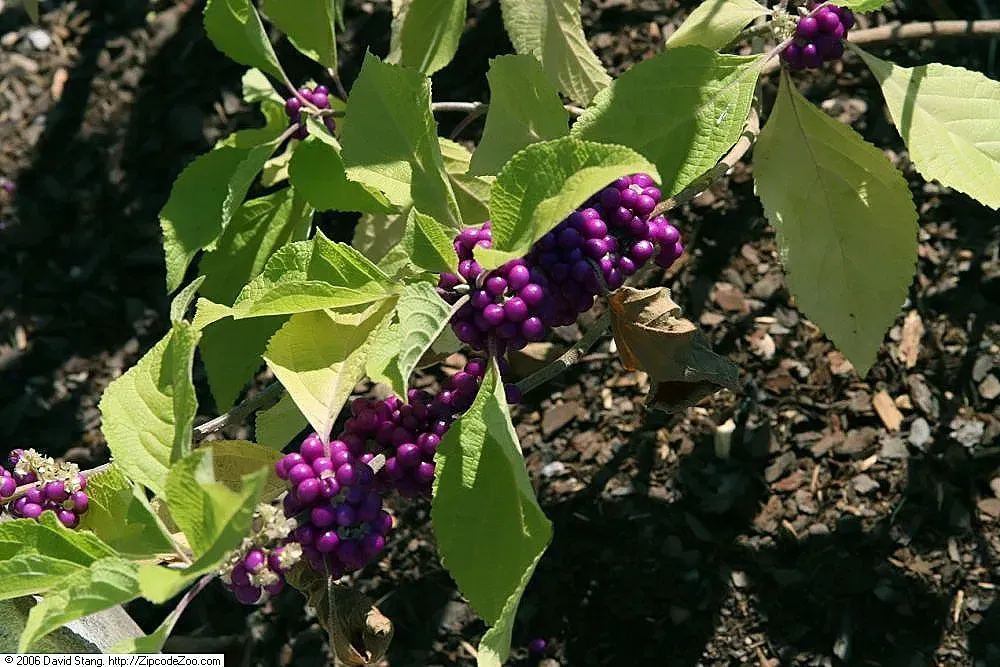
Texas native leaves hold compounds rivaling DEET when crushed. USDA tests back its power. Purple berries dazzle in fall, native toughness shines.
Shade tolerant, grows wild in East Texas woods. Rub fresh leaves for hours of relief. Free from nurseries, a backyard secret weapon.[5]
Lemongrass
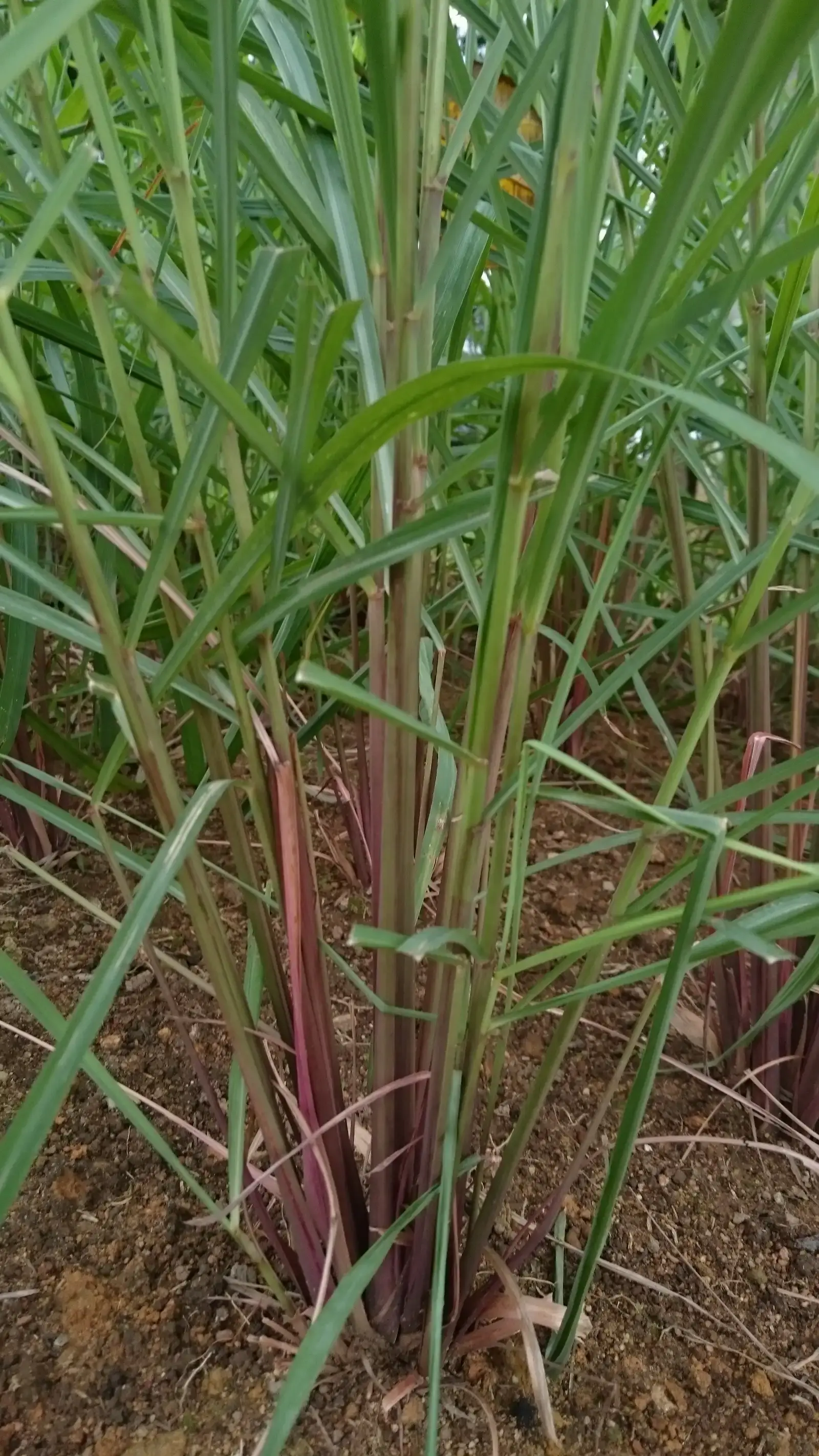
Citronella-like oils from stalks keep biters distant. Pots let you move it near gatherings. Handles heat waves like a champ.
Well-drained soil prevents root rot in rains. Chop for teas or sprays too. Tropical vibe for Lone Star gardens.[4]
Wrapping It Up
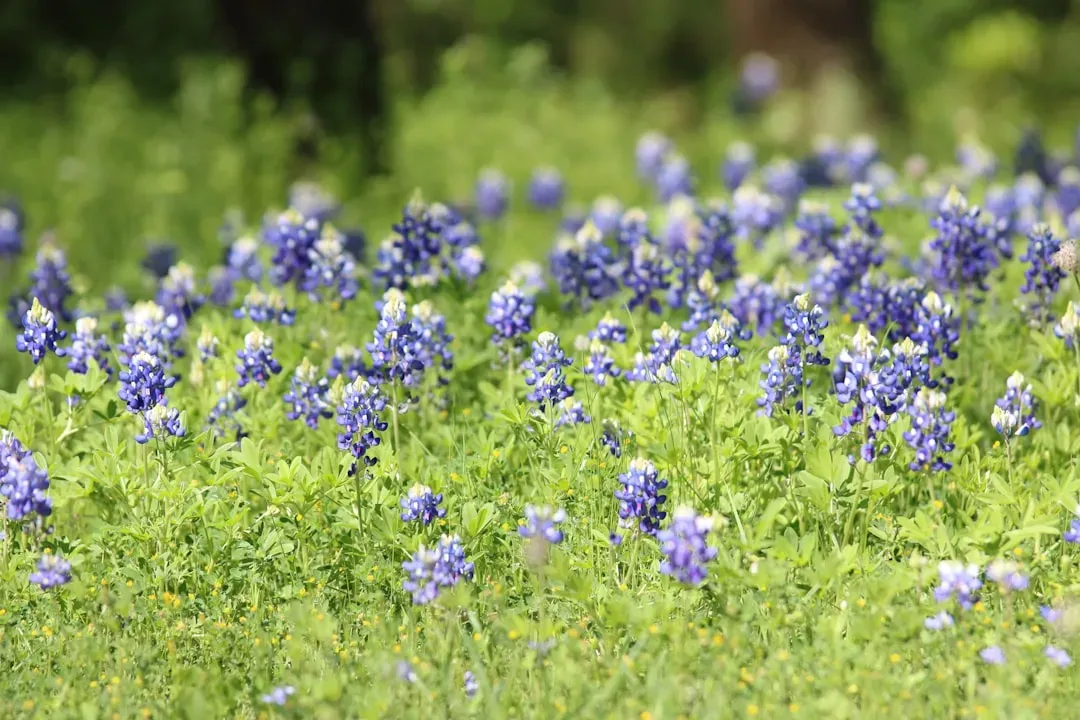
These plants turn your Texas yard into a mosquito-free oasis without harsh chemicals. Mix a few for layers of protection that look great too. Imagine evenings bite-free – what’s stopping you from planting today?
Pick your favorites and get growing. Your backyard deserves it. Share your successes below! [1][2]

- 6 Exotic Bird Species You Can Spot in U.S. National Parks - July 19, 2026
- 11 Iconic American Birds Facing New Challenges and How You Can Help - July 19, 2026
- 10 Friendliest Animals in the World - July 19, 2026