
There’s something quietly unsettling about a place where humans once thrived, and then simply stopped. Streets reclaimed by weeds. Rooftops caved in under years of snow. Trees growing through kitchen floors. Across America, there are hundreds of these places, and they’re not just curiosities for history buffs or urban explorers with a camera.
Scientists have been paying close attention. When people leave, ecosystems reboot. Wildlife returns. Soil heals. Sometimes the findings are hopeful. Other times, they reveal how deeply industry scarred the land. Either way, the story these places tell is richer than crumbling walls and rusted hinges.
#1. Centralia, Pennsylvania – The Town That Burns From Below
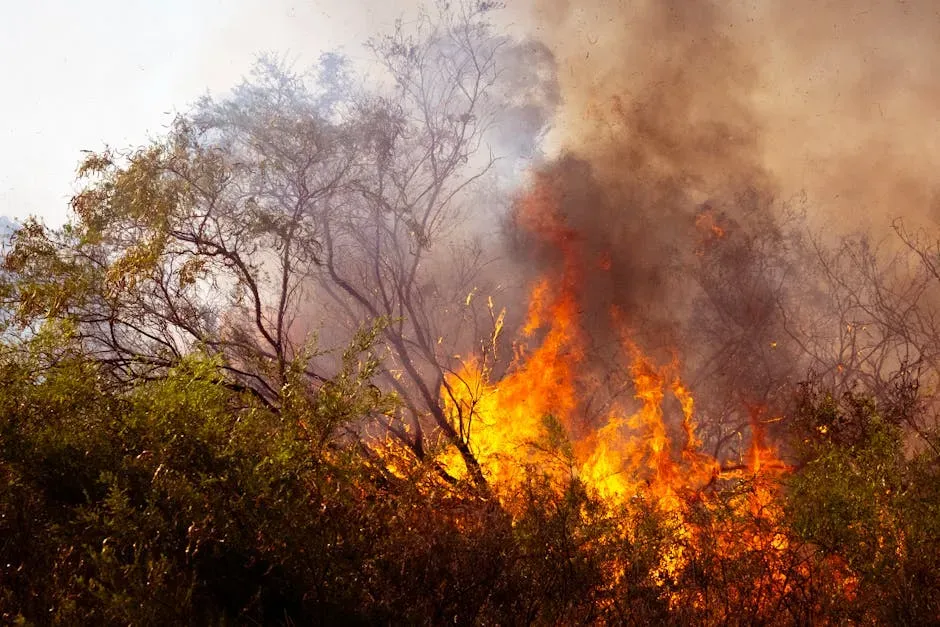
An underground anthracite coal seam was ignited on May 27, 1962, almost certainly by burning trash dumped into an abandoned mine entrance during a Memorial Day cleanup. The fire spread silently through a labyrinth of tunnels, and the town never recovered. The fire has been burning continuously for sixty-four years and has consumed an estimated thousands of tons of coal, expected to keep burning for another century.
Once home to 1,300 residents, Centralia now hosts only five stubborn holdouts amid dangerous sinkholes, toxic gases, and ground temperatures reaching 900°F. Scientists studying the site have found it to be a rare living laboratory for geothermal soil chemistry and combustion ecology. Toxic gases seep from fissures in the ground, creating an eerie scene where the ground itself smokes and the air is tainted with the acrid smell of burning coal. Researchers have documented unusual heat-tolerant microbial communities in the soil, organisms that would normally only exist near volcanic vents. Despite the danger, certain plant species have also adapted to the warmer, sulfur-rich ground, making Centralia an unintentional study in extreme environment botany.
#2. Bodie, California – Gold Rush Ruins Frozen in Time
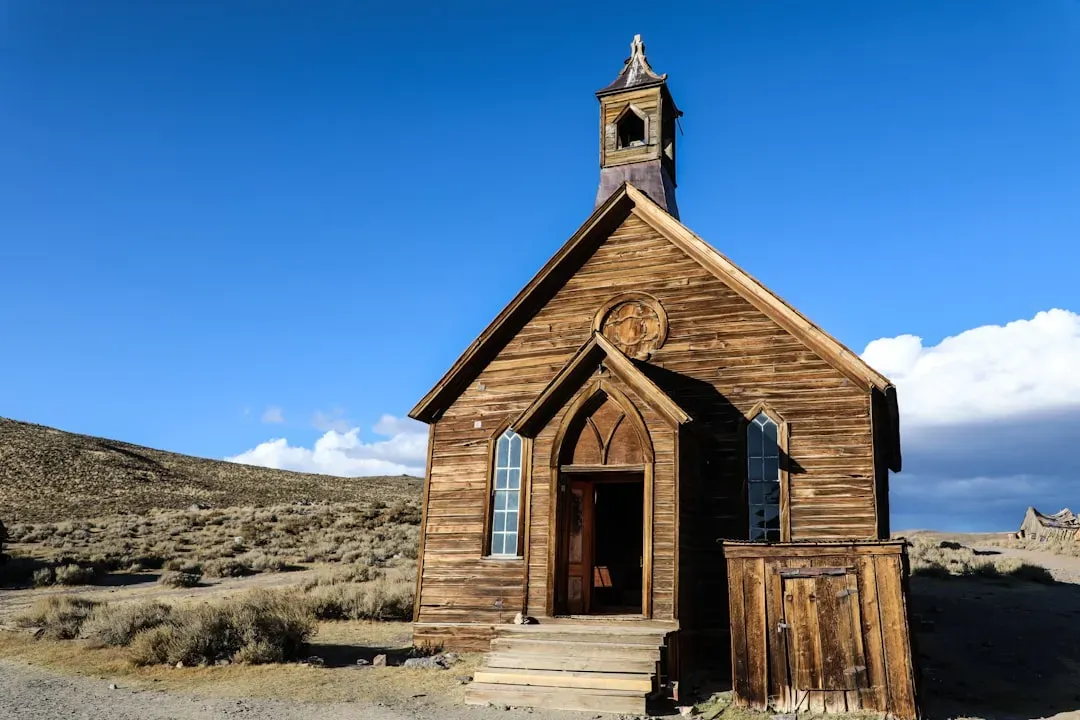
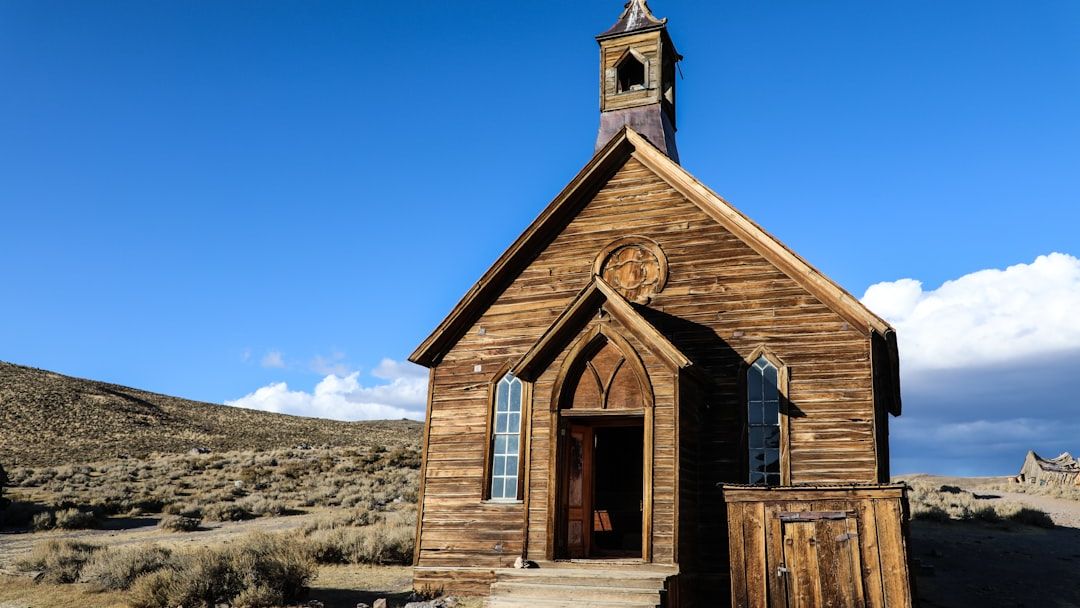
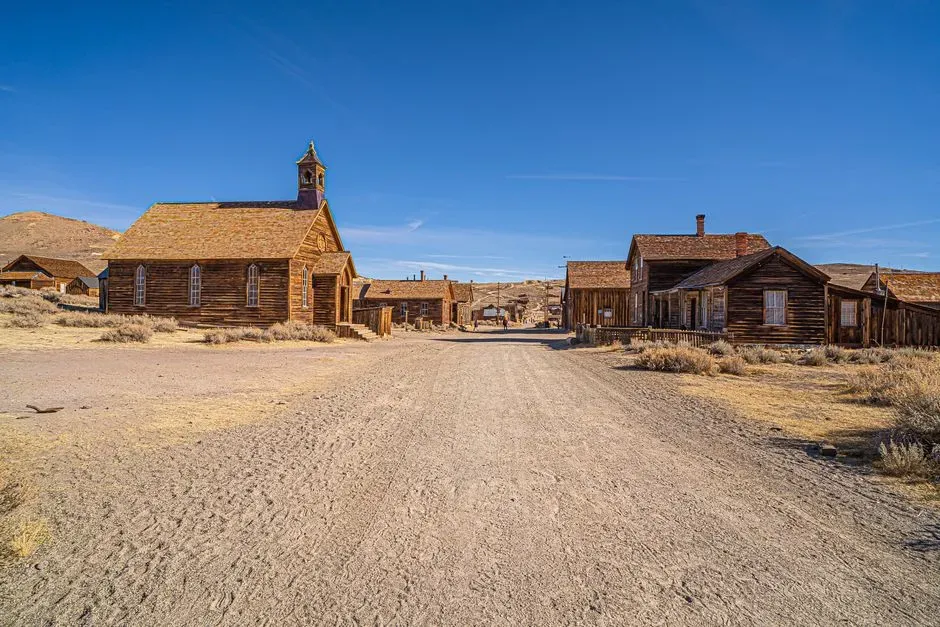
Established as a mining camp in 1859, Bodie boomed after sizable gold discoveries during the 1870s. At its height, it boasted over 10,000 residents, saloons, brothels, and fortune-seekers drawn by the riches buried beneath the earth. The town was in decline by the 1910s; the newspaper ceased publication in 1912, and the last mine closed in 1942 as dynamite and other resources were redirected towards the war effort.
Over 100 original buildings still stand in a state of “arrested decay” since the town’s abandonment in 1942. The dry, high-altitude desert climate has acted as a natural preservative, keeping wooden structures remarkably intact for ecologists and historians alike. Standing in a state of “arrested decay,” this ghost town allows for a detailed peek into Gold Rush life in an unusually harsh climate. Scientists have found that the dry timber in these structures hosts rare lichen colonies and specialized wood-boring insects not commonly found in managed forests. The entire site functions as a slow-motion decomposition study, with researchers documenting how organic material breaks down across generations.
#3. Kennecott, Alaska – Copper Country Reclaimed by Wilderness
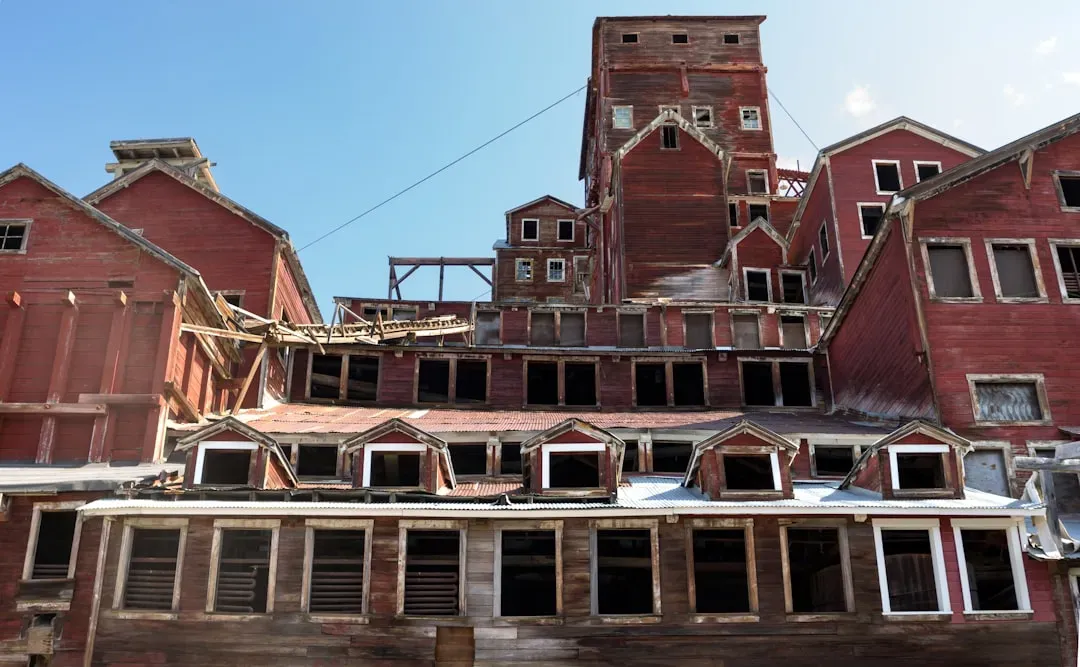
Deep inside Wrangell-St. Elias National Park, at the end of a 60-mile gravel road, Kennecott headlines the abandoned places in Alaska. The Kennecott Copper Corporation extracted 4.6 million tons of ore and 1.18 billion pounds of copper from the site. The mines were depleted by 1938 and the town largely abandoned. Its remoteness meant there was no gradual decline. People simply packed up and left, and nature moved straight back in.
Set against the stark beauty of the Wrangell Mountains, Kennecott was more than just a mining town – it was an industrial marvel. In the early 1900s, this remote Alaskan settlement thrived on copper, its wealth and technological ingenuity unmatched. Today, wildlife ecologists studying the surrounding glacial environment have noted the remarkable recovery of vegetation around former mine waste piles, with native alpine plants slowly colonizing disturbed soils. The glaciers that surround Kennecott add an ethereal quality to the desolate landscape, creating a striking contrast between man-made structures and the raw power of the Alaskan wilderness. Soil scientists have used the site to track heavy metal dispersion from historic mining, contributing to models of long-term industrial contamination and recovery in sub-arctic environments.
#4. Cahawba, Alabama – A Sunken Capital Taken by Roots and Rivers
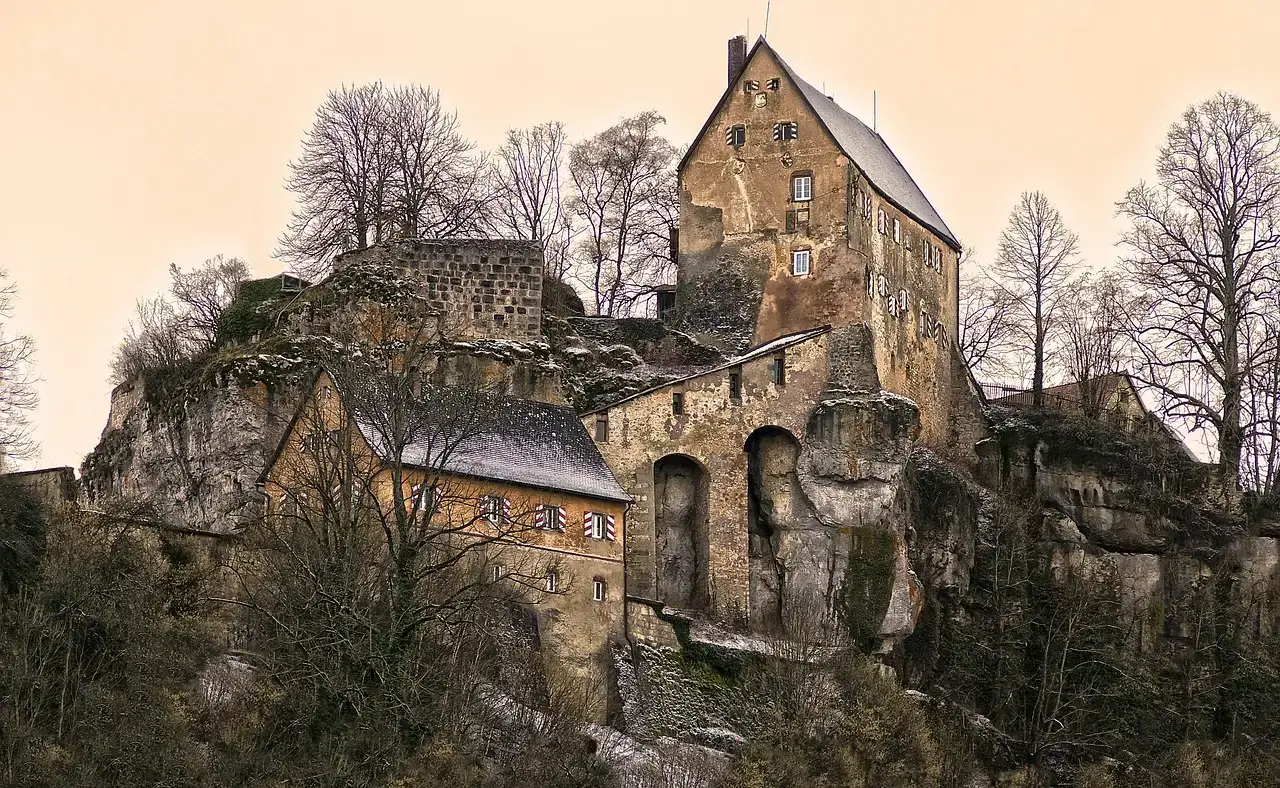
Cahawba’s trajectory is remarkable – from its selection as Alabama’s first state capital in 1818 to its abandonment following the capital’s relocation to Tuscaloosa in 1826. The town experienced a surprising revival as a cotton distribution center in the 1840s and 1850s, with a population exceeding 3,000 before the Civil War devastated the region and catastrophic floods in 1865 submerged much of the once-prosperous settlement.
Nearly two-thirds of Cahawba’s 2,000 residents in 1860 were enslaved people. The site continued serving freedmen through 1957, including 70 former slave families who briefly established a rural community here. During the Civil War, the area housed Castle Morgan prison camp, where over 3,000 Union soldiers endured harsh conditions. The land today is preserved as an archaeological park, and botanists have documented the spontaneous return of bottomland hardwood forest species. Walking through the overgrown streets, visitors encounter crumbling brick walls and Greek Revival columns emerging from wild vegetation, while historic cemeteries chronicle the lives of both free and enslaved residents who once called this ill-fated capital home. Archaeologists continue to uncover artifacts from multiple distinct eras of habitation, finding evidence of layered histories compressed into a single flood plain.
#5. Garnet, Montana – A Gold Town Surrendered to Mountain Wilderness
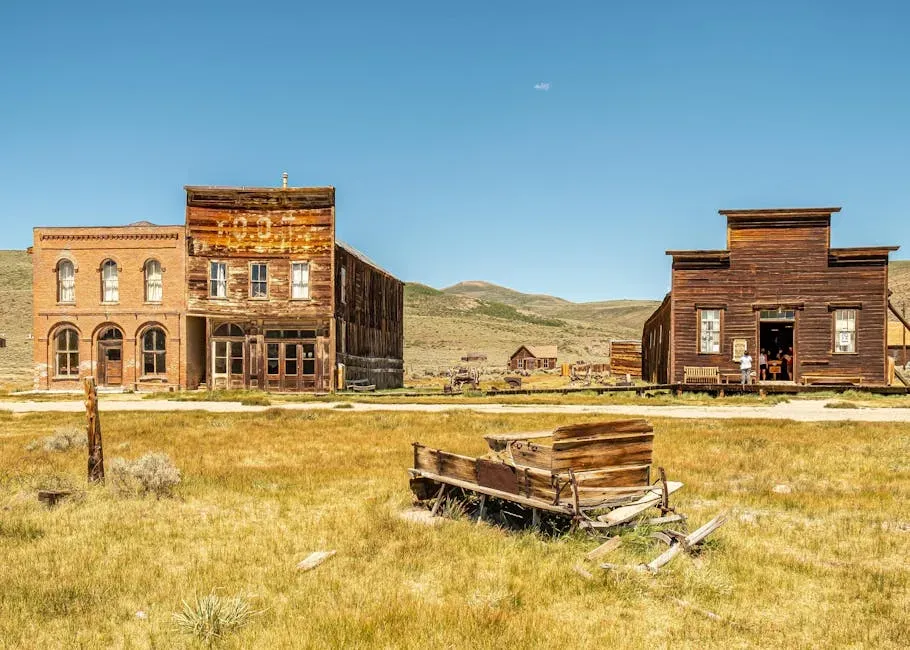
In the remote Garnet Mountains east of Missoula, Montana, Garnet stands as the state’s most meticulously preserved ghost town, offering a window into America’s mining past. Originally named Mitchell, it was renamed in 1897 after the ruby-colored stones found nearby. Garnet’s mining heritage peaked in 1898 when nearly 1,000 residents called it home following a rich strike at the Nancy Hanks mine.
The community emptied as miners left for World War I. A revival of gold mining in the 1930s was halted by World War II, and the town has been abandoned ever since. Today, the Bureau of Land Management maintains the site, and the surrounding mountain terrain has quietly become a corridor for wildlife movement. The scenery is breathtaking and wildlife is often seen in the area. Researchers studying wildlife corridors in Montana have noted that the abandoned town and its surrounding unmanaged forest provide critical transitional habitat for black bears and deer, animals that move between lower valleys and higher alpine zones. Like Bannack, Garnet is preserved, not restored. The buildings don’t transport you back to the peak of their success; instead, they tell stories about their role in the rise of Garnet and what it was like to be left behind.
#6. Terlingua, Texas – Mercury Ghosts in the Chihuahuan Desert
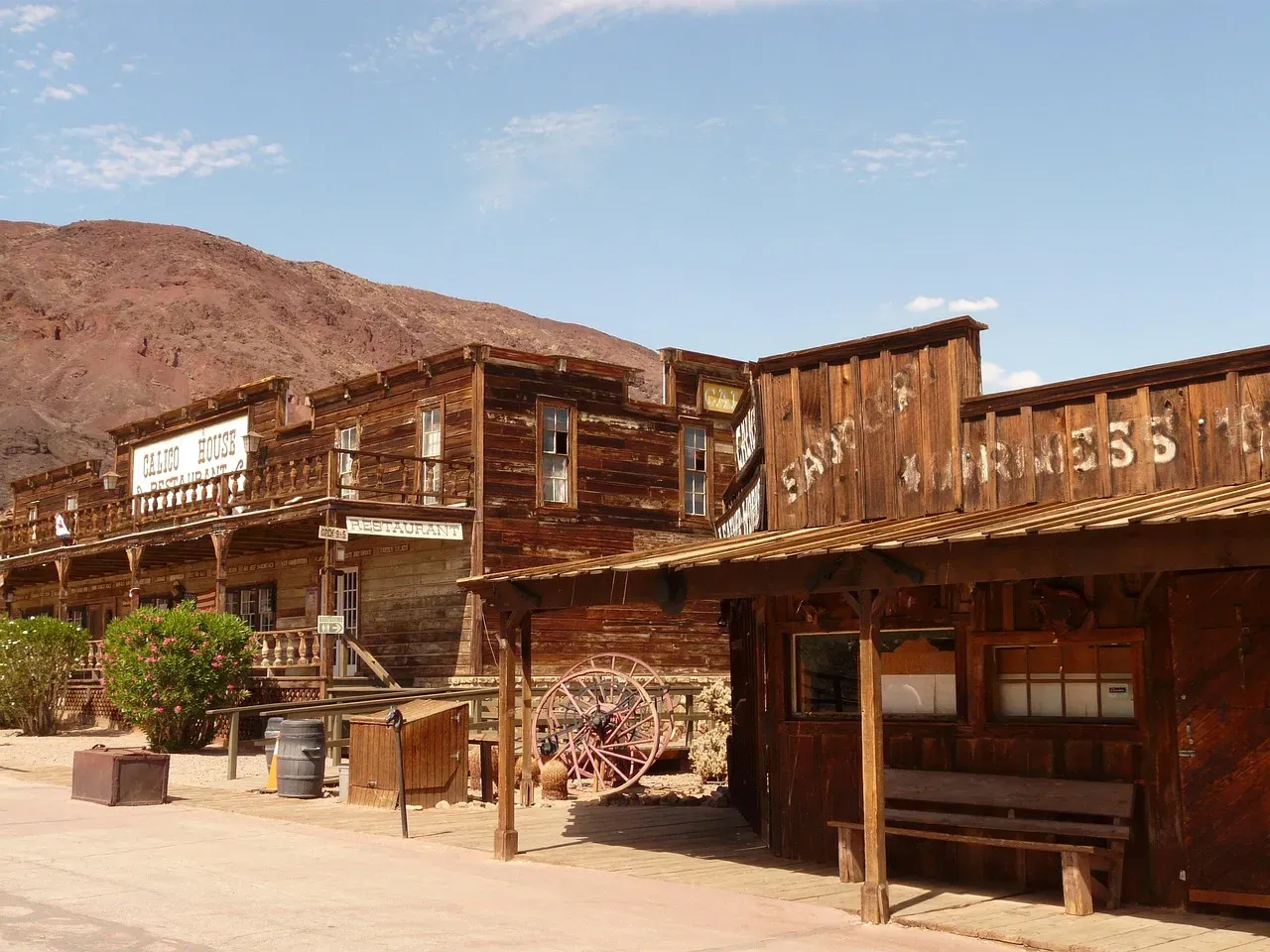
Nestled in the rugged terrain of West Texas, Terlingua transformed from an isolated frontier outpost into a thriving mercury mining settlement in the late 1880s. The arrival of Howard E. Perry and his Chisos Mining Company in 1903 revolutionized Terlingua’s history, turning it into America’s largest mercury producer during World War I. The Great Depression shuttered operations, leaving behind an eerily beautiful ghost town.
What scientists found here turned out to be more troubling than atmospheric. Mercury, or quicksilver, is a persistent neurotoxin, and environmental researchers have traced elevated mercury levels in the surrounding soil and waterways for decades after the mining stopped. Desert conditions in Southwest Texas rapidly reclaimed abandoned structures, turning Terlingua’s mercury mining ruins into wind-scoured monuments. Ecologists studying the site have found that despite the contamination legacy, Chihuahuan Desert plant species have slowly colonized disturbed soils around the former processing areas, demonstrating the resilience of arid-land vegetation. The site serves as a reference point for understanding long-range mercury dispersal in semi-arid environments, particularly as prevailing winds carry fine particles across large distances.
#7. Picher, Oklahoma – The Most Toxic Ghost Town in America
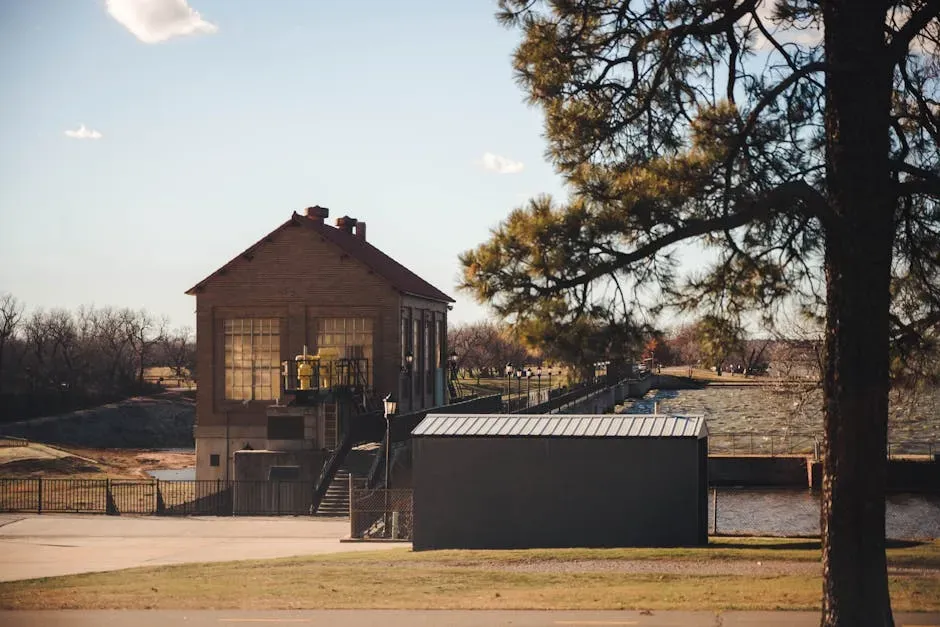
Picher, Oklahoma, warns of industrial aftermath amid nature’s resilience. For decades, Picher was the center of one of America’s largest lead and zinc mining operations. Millions of tons of mining waste, called “chat piles,” were left behind when the ore ran dry. The land was so contaminated that the federal government eventually classified the surrounding area as one of the most hazardous Superfund sites in the country.
Abandoned towns, villages, farmlands, disused railways, mines, quarries, and airfields may be subject to a resurgence in ecological proliferation and rewilding as human presence is reduced. Picher is a complex test of that idea. Scientists studying the site found severely elevated lead levels in the soil and water that persist despite natural weathering processes. Yet native grass species have begun recolonizing the edges of the chat piles over time, and certain wetland birds have returned to waterways near the former town. These abandoned locations serve as important historical case studies for disaster management and urban planning efforts. Picher now contributes to ongoing EPA research on how biological organisms respond to heavy metal contamination across multi-decade timelines.
#8. Thurmond, West Virginia – A Railroad Ghost Wrapped in Forest
Economic shifts led to ghost towns like Thurmond, West Virginia, which thrived as a railroad hub before transportation changes. At its peak in the early twentieth century, Thurmond processed more rail freight than Cincinnati. Then the automobile arrived, coal demand shifted, and the railroad economy collapsed. The population drained away steadily through the mid-1900s until almost nothing remained.
Thurmond today sits inside the New River Gorge National Park, and that designation has made it one of the more studied examples of temperate forest reclamation in the eastern United States. The surrounding gorge supports one of the most botanically rich forest systems in Appalachia, and researchers have documented the spread of native understory species back through the former townsite. What makes urban reclamation unique is the presence of existing structures that create instant habitat niches: buildings become cliff analogues for peregrine falcons, and overgrown gardens transform into food-rich meadows. The old depot building has become a nesting site for several cavity-dwelling bird species, and ecologists have used the town’s gradual vegetative recovery as a baseline for broader forest succession studies in the region.
#9. Rhyolite, Nevada – Desert Ruins and the Return of Silence
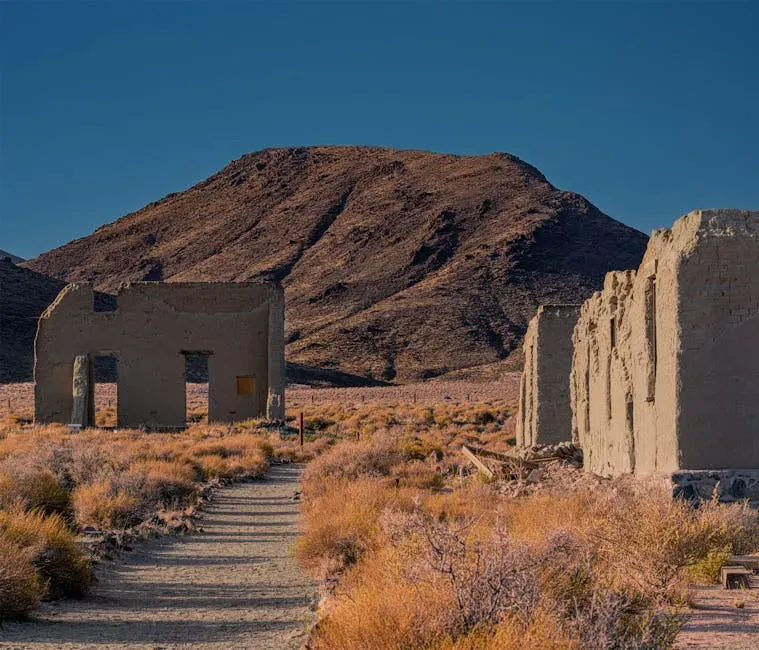
A desert ghost town occupied for only 12 years was once home to more than 500 silver mines. Rhyolite, Nevada, exploded to life after a gold strike in 1904 and collapsed just as fast. Decaying mining town structures create eerie nostalgia on empty streets that were once filled with thousands of residents, banks, and even a stock exchange. The speed of its collapse was almost as remarkable as its rise.
What makes Rhyolite scientifically interesting is its location within the Mojave Desert ecosystem, one of the most sensitive arid environments in North America. Researchers studying desert tortoise habitat have noted that former building foundations now provide shelter and microhabitat for reptiles in the area. Research suggests that abandoned urban spaces can reach surprising biodiversity levels within just 5 to 10 years, sometimes surpassing the ecological complexity of managed parks. In Rhyolite’s case, the low-disturbance environment that followed abandonment allowed native desert vegetation to slowly reestablish itself, and botanists have observed rare Mojave wildflower populations stabilizing in previously disturbed soils around the old townsite.
#10. Bombay Beach, California – The Salton Sea’s Submerged Experiment
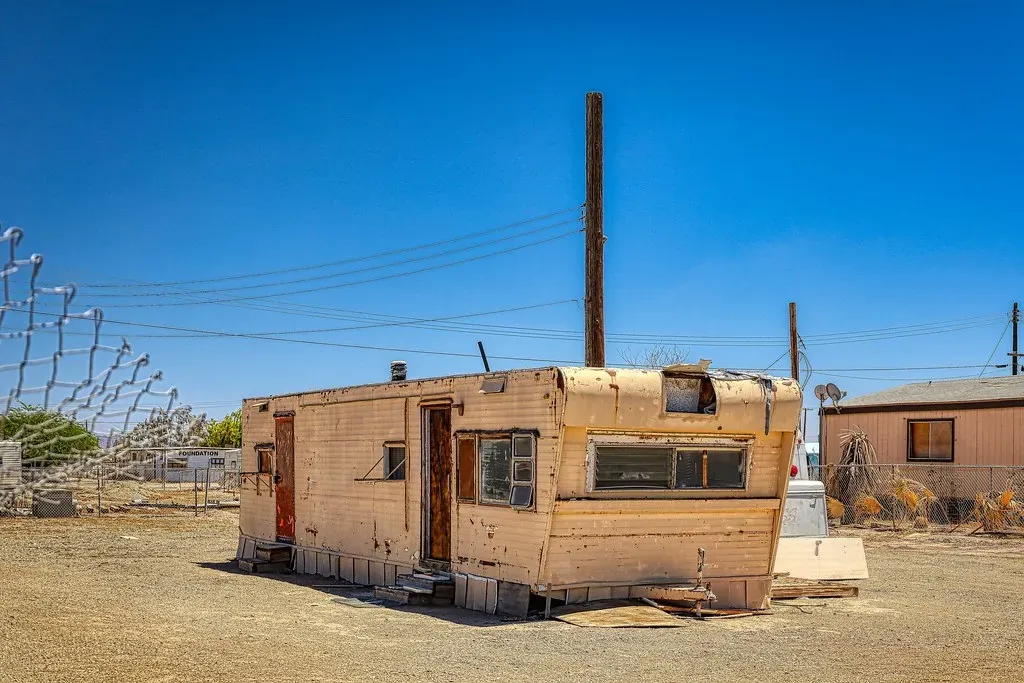
Bombay Beach gained popularity as the Salton Sea became a vacation destination in the 1940s and 1950s. Developers planned for the whole area on the sea’s east shore to be California’s version of the French Riviera. Nature, however, had other plans, and the resort idea remained just that. Increasing salinity in the Salton Sea and a series of floods from tropical storms in the 1970s left most of the area deserted.
The Salton Sea itself has become one of the most intensively studied ecological disaster zones in the American West. As the lake’s salinity and agricultural runoff intensified, scientists documented mass fish die-offs and dramatic declines in migratory bird populations that once stopped here by the millions. Sections of Bombay Beach still partially submerged serve as a visible marker of how rapidly a human-built shoreline community can be swallowed by environmental change. Hydrologists and ecologists continue to use the site to study the relationship between land use, water chemistry, and the collapse of freshwater-dependent ecosystems. The remains of the town, now art-adorned and hauntingly photogenic, offer a surprisingly clear record of decades of shoreline change.
#11. Old Cahawba Archaeological Park, Alabama – Where Archaeology Meets Rewilding
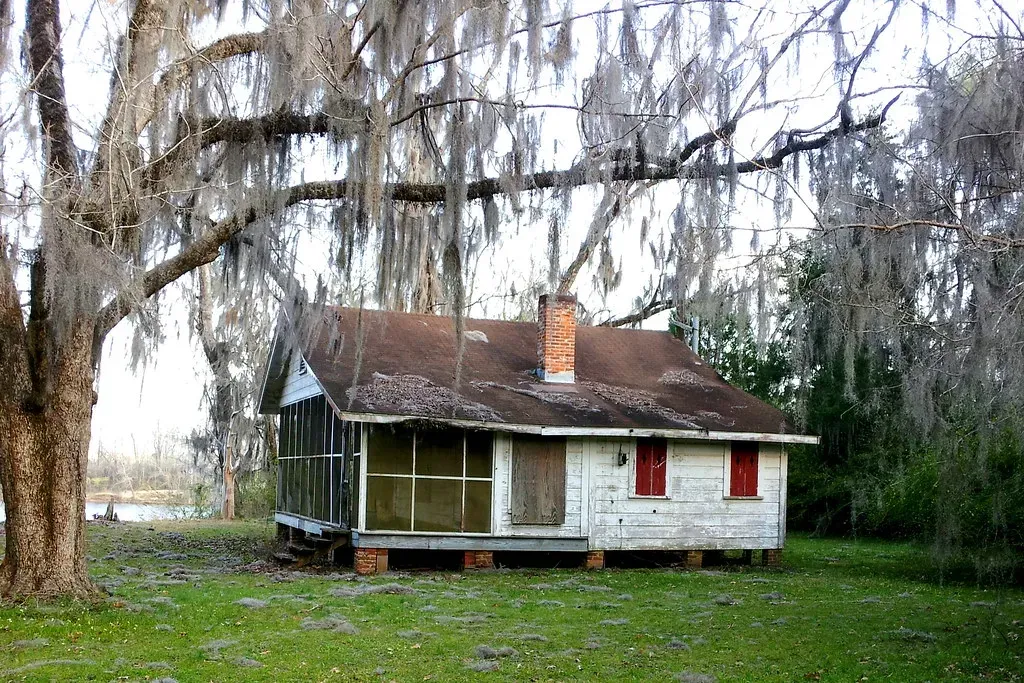
Old Cahawba stands out as the state’s first capital from 1820 to 1825, carved out of wilderness at the confluence of the Alabama and Cahaba rivers. Seasonal flooding pushed the capital to Tuscaloosa in 1826, but the town kept growing into a cotton-wealthy river port through the antebellum decades. Each time the town tried to rebuild, the rivers had the final say. By the early twentieth century, the land had effectively been returned to the floodplain it always was.
What remains is preserved as the Old Cahawba Archaeological Park: empty streets traced by oak alleys, brick chimneys standing alone in fields, the columns of vanished plantation homes, three cemeteries, the courthouse foundation, and the haunted reputation that comes with any antebellum site where Confederate prison camps once stood. Biologists surveying the site have found that the park’s bottomland forest, left largely unmanaged, now supports a diverse community of wading birds, amphibians, and migratory songbirds that depend on intact river floodplain habitat. Some zones inadvertently become nature preserves as human absence allows ecosystem recovery. Cahawba is a textbook example of that principle: the very geographic flaw that destroyed the town ultimately created the conditions for a flourishing riparian ecosystem.
#12. Año Nuevo Island, California – Where Sea Lions Took Over a Lighthouse Station
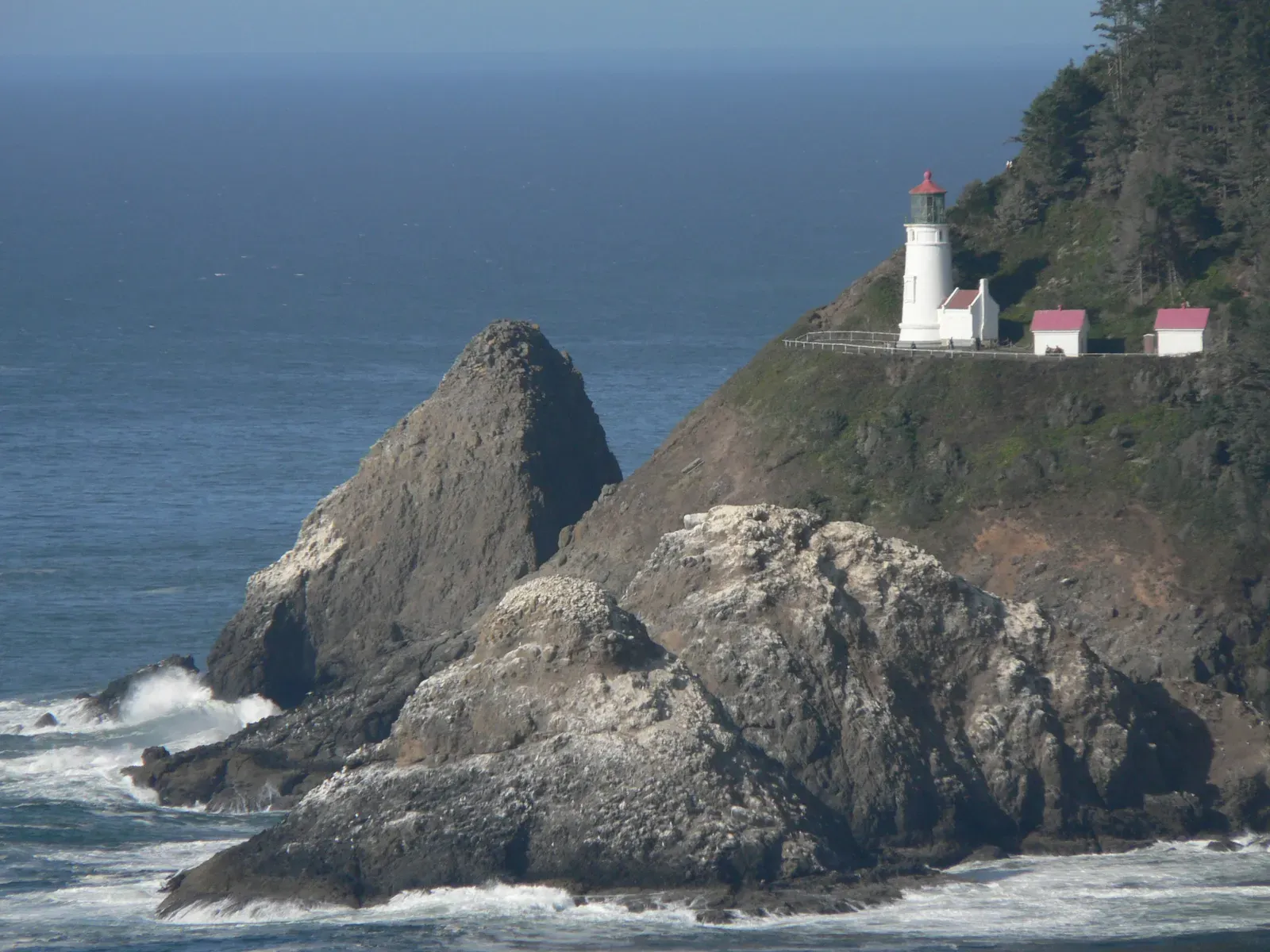
The abandoned buildings on Año Nuevo Island in Northern California are the breeding grounds for northern elephant seals, the endangered Steller’s sea lion, and thousands of seabirds. The island once housed a lighthouse keeper station, but as automation replaced human operators in the mid-twentieth century, the buildings were left behind. What happened next was one of the more dramatic examples of wildlife reclamation anywhere on the Pacific Coast.
Scientists with the California Department of Fish and Wildlife and university research teams have monitored Año Nuevo intensively for decades, using the island as a long-term study site for pinniped population dynamics. The elephant seal colony there has become one of the most-researched marine mammal populations in the world, yielding data on diving behavior, reproductive success, and population recovery. Studies suggest that animals have multiplied in regions now abandoned by humans, despite various pressures that have driven people out. The structural ruins of the old keeper station have themselves become habitat, with nesting seabirds occupying collapsed walls and cavity gaps in the old masonry. The island stands as one of the clearest American examples of what can happen when human footprint contracts and wildlife simply walks, swims, or flies back in.
What These Places Are Quietly Teaching Us
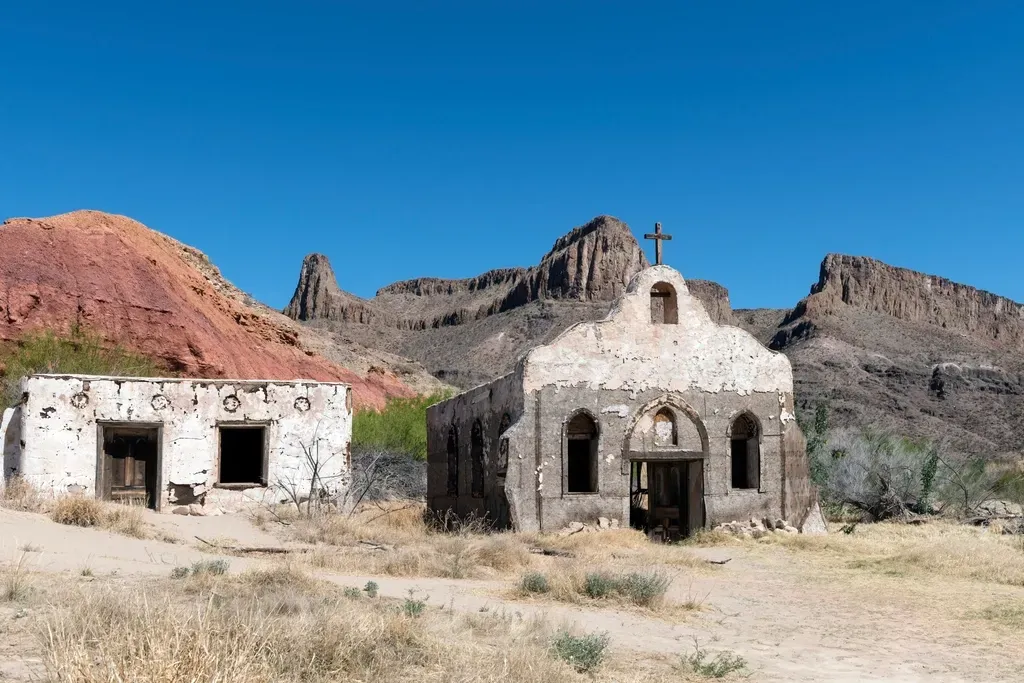
The pattern across all twelve of these places is consistent. When humans withdraw, nature doesn’t wait for an invitation. Abandoned factories, vacant lots, foreclosed neighborhoods, and even entire ghost towns are becoming theaters for an extraordinary ecological performance: the return of wildlife to urban spaces. Sometimes that recovery is swift and striking. Other times, as in Picher or Centralia, contamination slows the process and changes what comes back.
The resurgence of animals when humans are gone shows the importance of setting aside large, contiguous habitats for wildlife and enforcing a certain level of non-interference. These towns weren’t conservation projects. They weren’t wildlife refuges. They were just places people stopped using. And yet, the science coming out of them is reshaping how ecologists think about habitat recovery, contamination thresholds, and resilience.
There’s a quieter lesson too. Each one tells a tale of ambition, tragedy, and change – reminders that no town, no matter how prosperous, is immune to the forces of time. The trees growing through the floorboards aren’t just reclaiming lumber. They’re keeping a record that no archive can replicate.
