
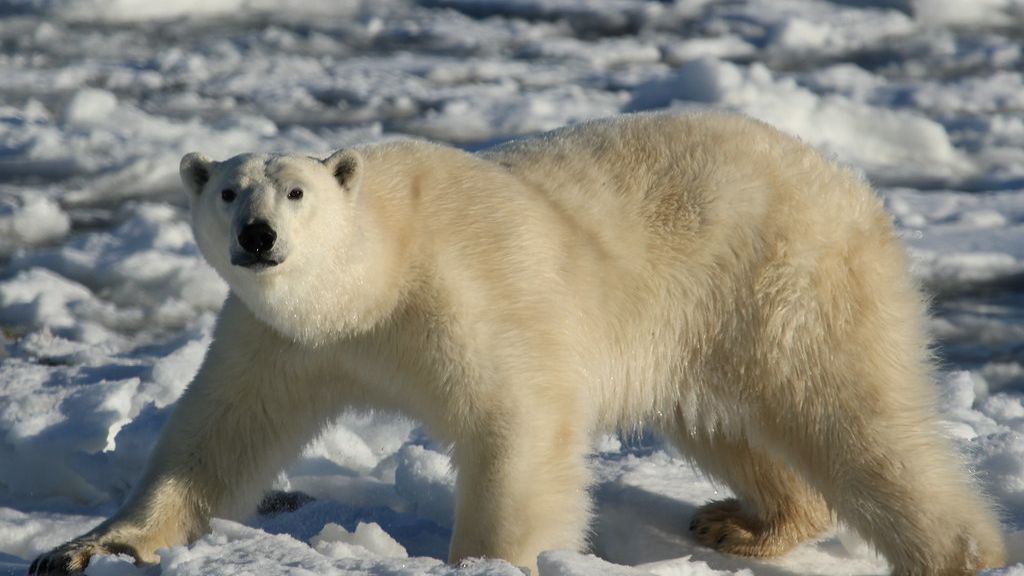
You’ve seen bears in movies and nature documentaries. Maybe you’ve even caught a glimpse at the zoo or during a camping trip. These powerful animals seem like straightforward creatures, right?
Well, here’s the thing. They’re far more complicated and fascinating than you might think. From their incredible intelligence to survival abilities that baffle scientists, bears hold secrets that challenge everything we assume about them. Let’s dive in.
Bears Don’t Actually Hibernate Like You Think They Do
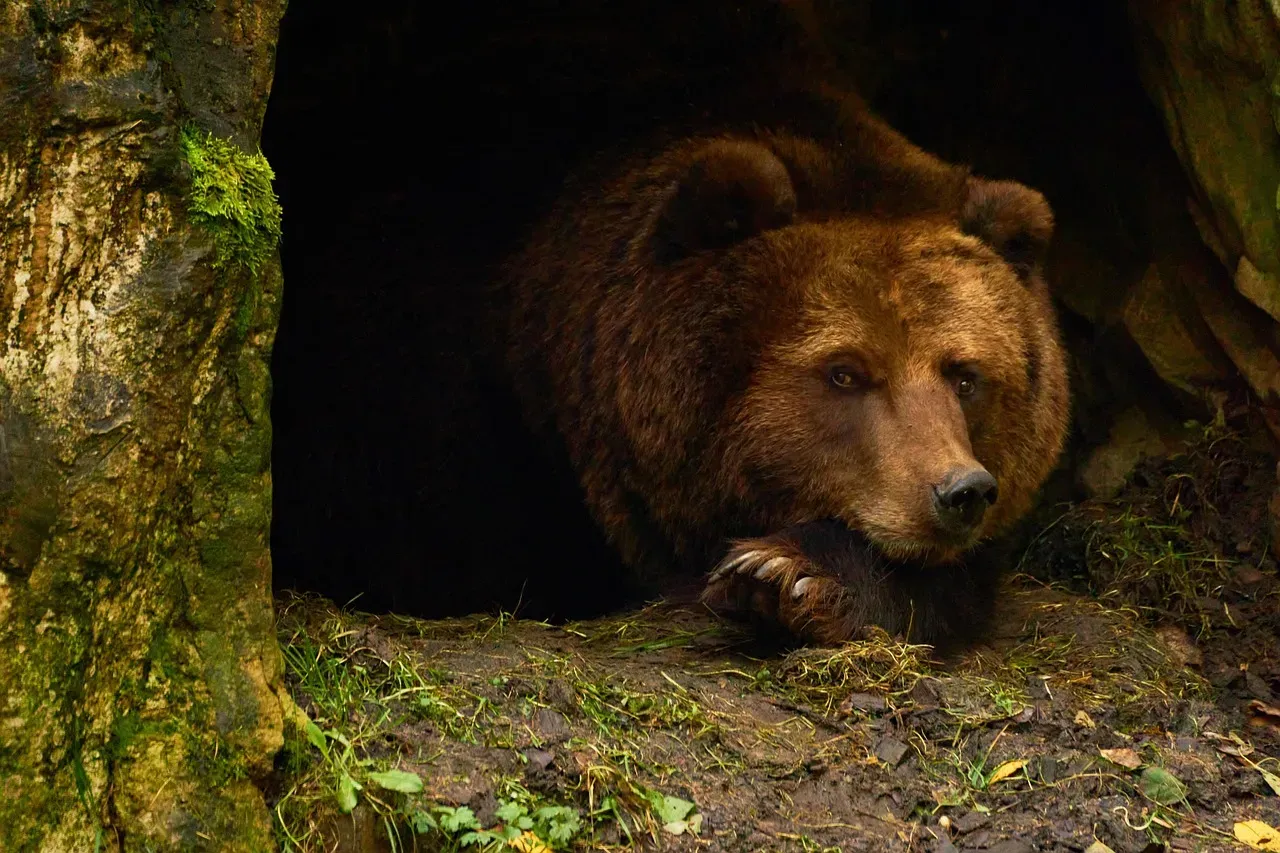
Most people assume bears hibernate, but they actually enter a state called torpor during the colder months, where their heart rate drops to as low as 8 beats per minute and they don’t eat, drink, urinate, or defecate, yet they can wake up if disturbed. This is different from true hibernation.
What makes this truly remarkable is that during this period, which can last up to 7 months, bears lose almost no muscle or bone density, and scientists study this process to understand how to prevent muscle atrophy and osteoporosis in humans. Honestly, if we could bottle that ability, it would revolutionize medicine. NASA is actually using bear research to study long space missions, which sounds crazy but makes perfect sense when you think about it.
Their Sense of Smell Is Beyond What Seems Possible
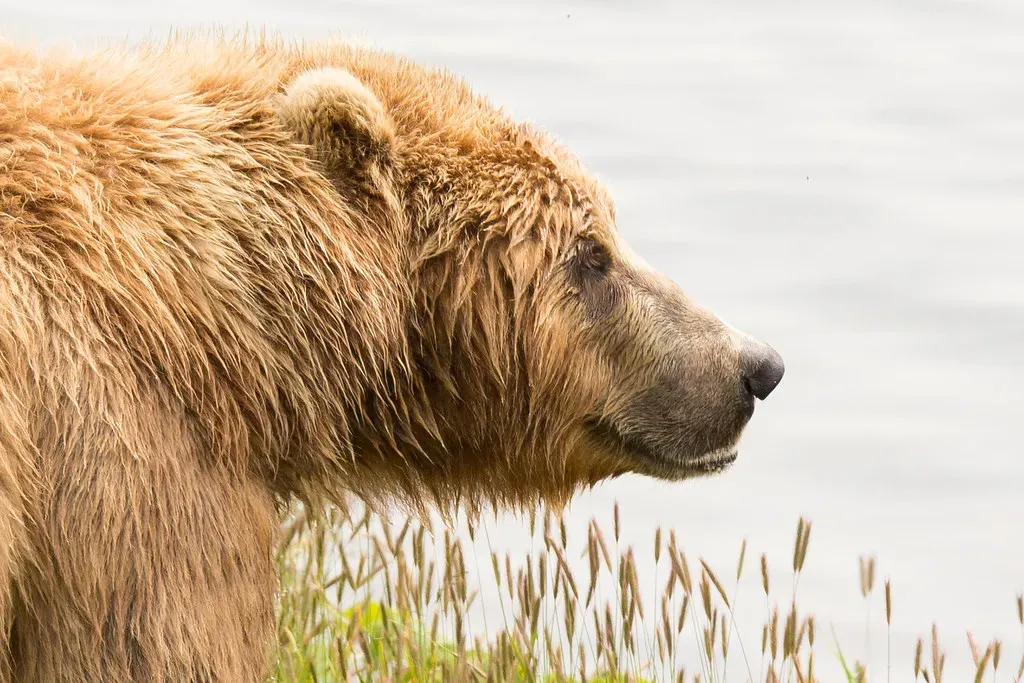
Bears can smell food over 20 miles away, which is better than most dogs and considering how much ground a bear covers in the wild, it’s a pretty handy superpower to have. Think about that for a second. Twenty miles. That’s not just impressive, it’s almost supernatural.
This incredible olfactory ability shapes everything about how bears navigate their world. Bears can navigate huge territories using memory of landmarks and food sources, recognize individual humans and other bears even years later, and solve problems. They’re not just wandering around randomly. They’re mapping their environment with a precision that would make a GPS jealous.
Polar Bears Are Technically Marine Mammals
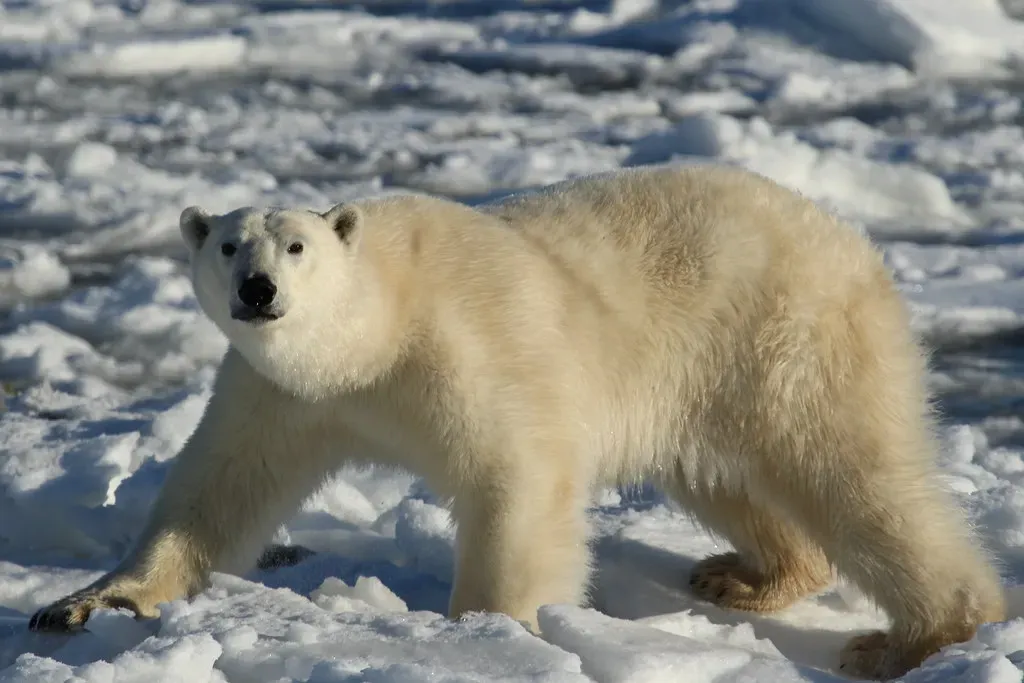
Because they spend most of their lives on sea ice, hunting seals, and swimming long distances (some over 60 miles at once), polar bears are classified as marine mammals, the same category as whales and seals. Let that sink in for a moment. A bear. In the same classification as a whale.
Polar bears are one of the most mobile four-legged animals, if not the most, as they can travel more than 3,000 kilometers per month and can have home ranges that exceed 600,000 square kilometers. The sheer scale of their movements is staggering. These aren’t just animals wandering around their neighborhood. They’re covering distances that rival human road trips.
Each Bear Has a Unique Nose Print, Just Like Your Fingerprint
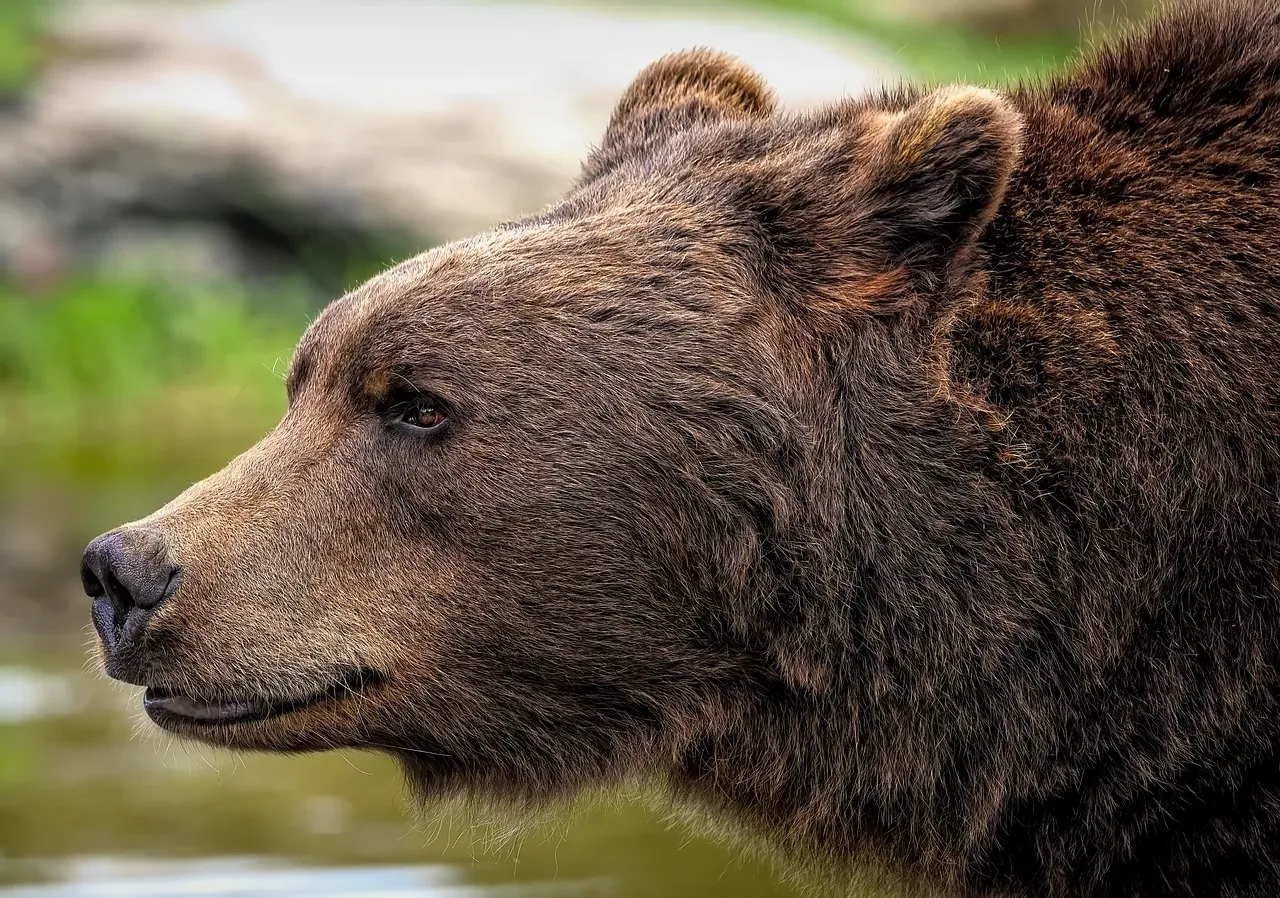
Similar to how humans have unique fingerprints, bears have distinct nose prints, and researchers have found that the patterns and ridges on a bear’s nose are unique to each individual, making it a reliable method for identification. I know it sounds almost too perfect to be true, but it’s a real identification method used by scientists.
This little fact changes how we think about individuality in the animal kingdom. It’s not just about being able to tell one bear from another. It’s about recognizing that each bear is as distinctly unique as any human being walking down the street.
Bear Cubs Must Play to Survive
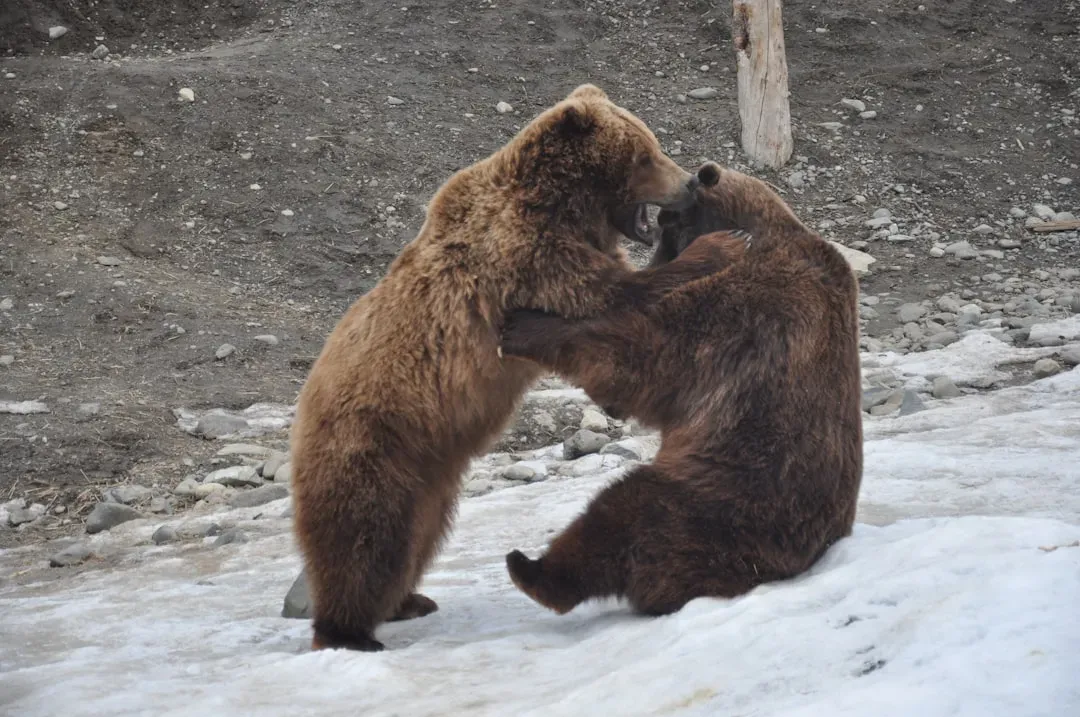
The more that brown bear cubs play, the more likely they are to survive to adult independence, and researchers found that this was unaffected by other factors such as food, maternal characteristics, and health, suggesting that lots of play is essential. Play isn’t just fun for bear cubs. It’s literally life or death.
This discovery flips the script on how we view play in the animal world. We tend to think of it as optional, a luxury. For bear cubs, it’s training, socialization, and survival skill development all rolled into one adorable package. Those wrestling matches and tree-climbing games? They’re preparing for the harsh reality of independent life in the wild.
They Can Run Faster Than You’d Ever Expect
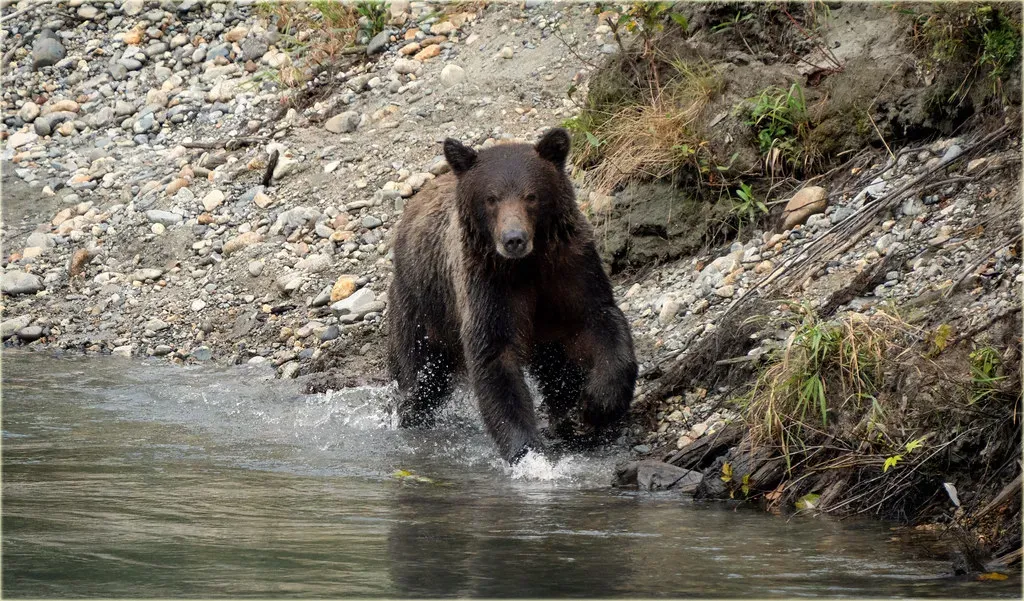
Grizzly bears are the fastest of the species and can reach speeds of 35 miles per hour. Despite their size, grizzly bears are capable of surprising bursts of speed and can reach up to 30 miles per hour in short sprints, thanks in part to the powerful shoulder hump that supports their muscular legs.
If you’ve ever entertained the idea that you could outrun a bear, let me stop you right there. The world’s fastest man, Usain Bolt, could run 27.5 miles per hour, which equates to the speed of some of the slowest bears. So yeah, not happening.
Polar Bear Fur Isn’t Actually White
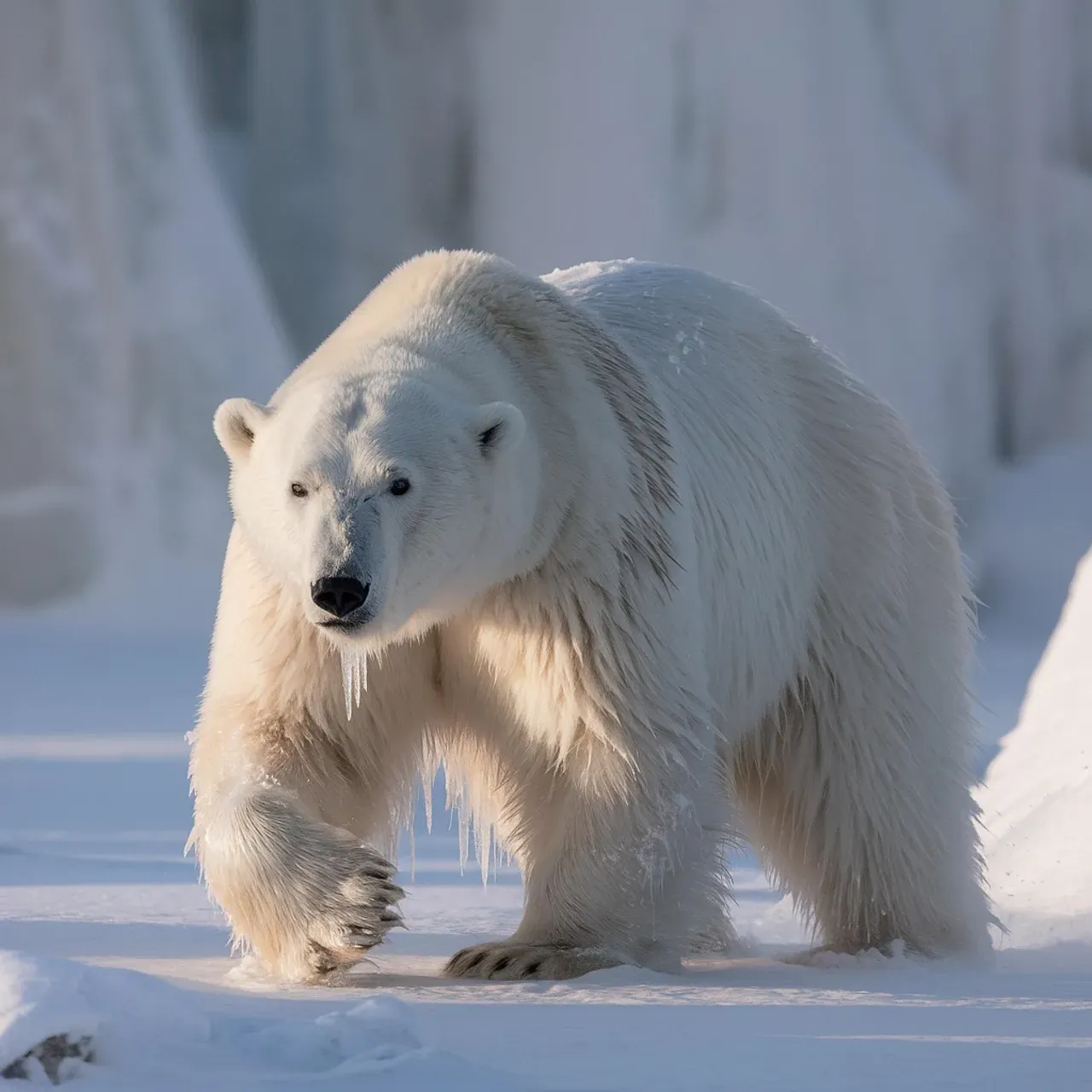
Polar bear fur isn’t actually white, as each hair shaft is pigment-free and transparent with a hollow core that scatters and reflects visible light, and polar bears look white because their fur reflects sunlight. Mind-blowing, right?
This optical illusion serves a crucial purpose in their survival. The transparent fur combined with their black skin underneath creates the perfect Arctic camouflage. Nature’s engineering at its finest, honestly. It’s one of those facts that makes you realize how little we actually understand about the natural world just by looking at it.
A Mother Polar Bear Can Go Eight Months Without Eating
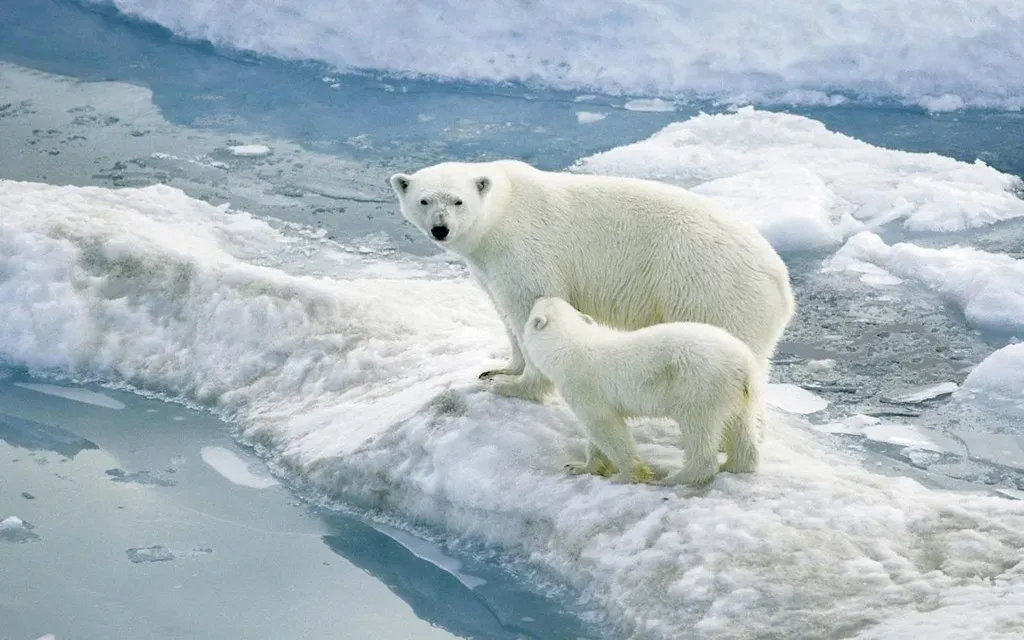
After feeding throughout the winter and spring, a pregnant female polar bear digs a den in the fall where she gives birth to her cubs and nurses them, and the mother bear will emerge with her cubs in the spring, which can mean up to eight months with no meals for mom.
Eight months. No food. While nursing. And yet polar bears only weigh about 500 grams when born but grow more than 20 times their body weight in just a few months. The biological mechanisms that allow this are still being studied, but the dedication and physical endurance required is almost incomprehensible.
Bears Have Been Observed Using Tools
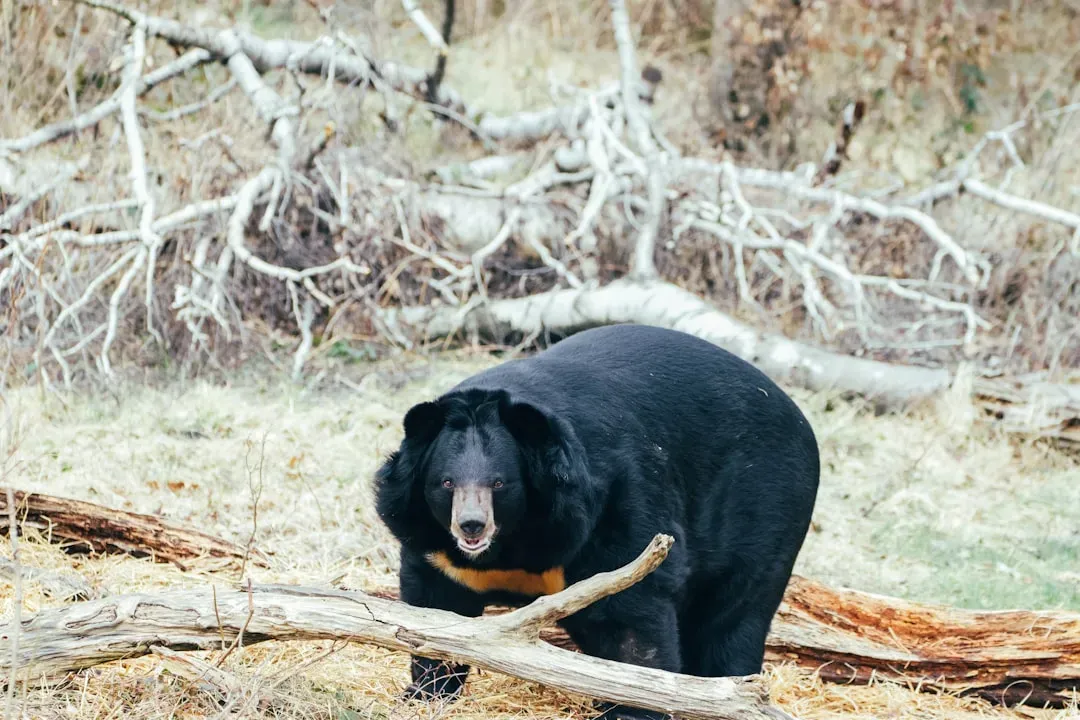
Bears have surprisingly been observed using rocks as tools, with brown bears in particular using rough rocks to scratch themselves, which alone places bears among the smartest mammals alive today. Tool use was once thought to be exclusively human, then exclusively primate. Now we know better.
Bears are extraordinarily intelligent animals with far superior navigation skills to humans, excellent memories, large brain to body ratio, and they use tools in various contexts from play to hunting. They’re not just strong and dangerous. They’re strategic thinkers capable of problem-solving in ways that continue to surprise researchers.
Bears Can Count and Distinguish Numbers
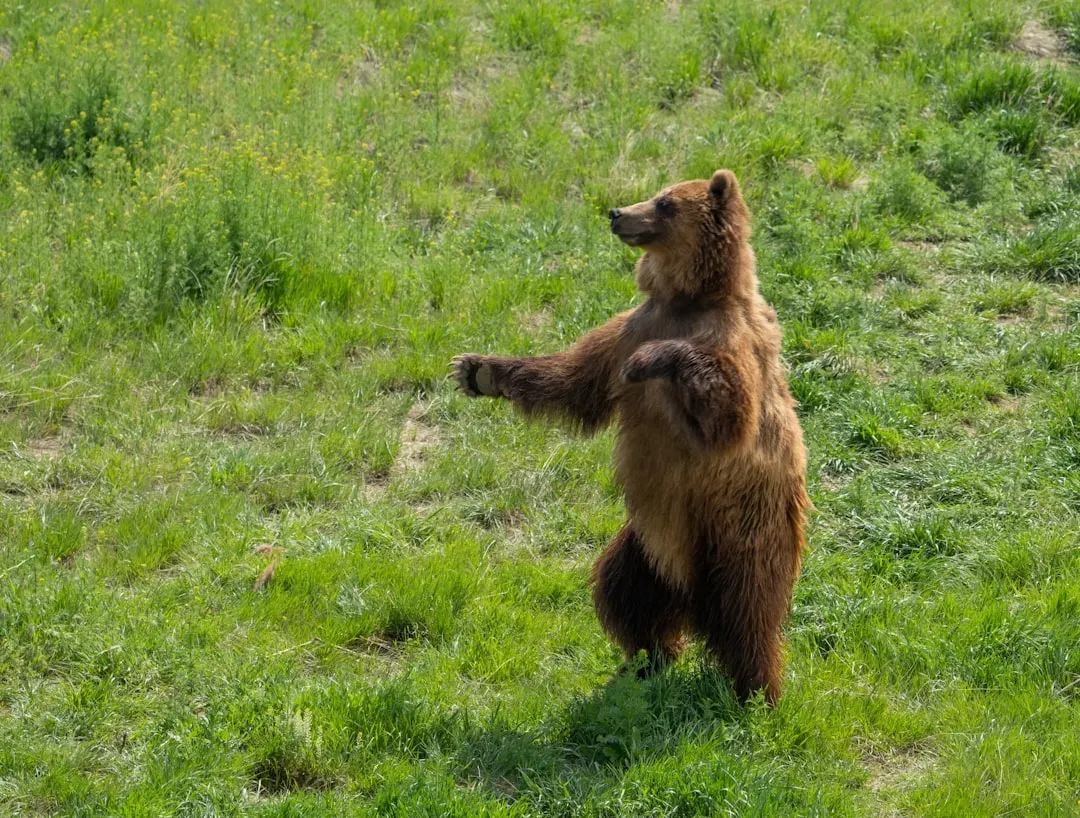
Bears are very intelligent animals, and scientists researching American black bears discovered their counting ability, as they could distinguish large and small numbers of dots as successfully as monkeys. This cognitive ability challenges our assumptions about animal intelligence.
Let’s be real, many people struggle with basic math, yet bears can visually process and compare quantities. Their brains are wired for survival in complex ways we’re only beginning to understand. This isn’t just instinct. This is genuine cognitive processing.
They Form Deep Emotional Bonds and Experience Grief
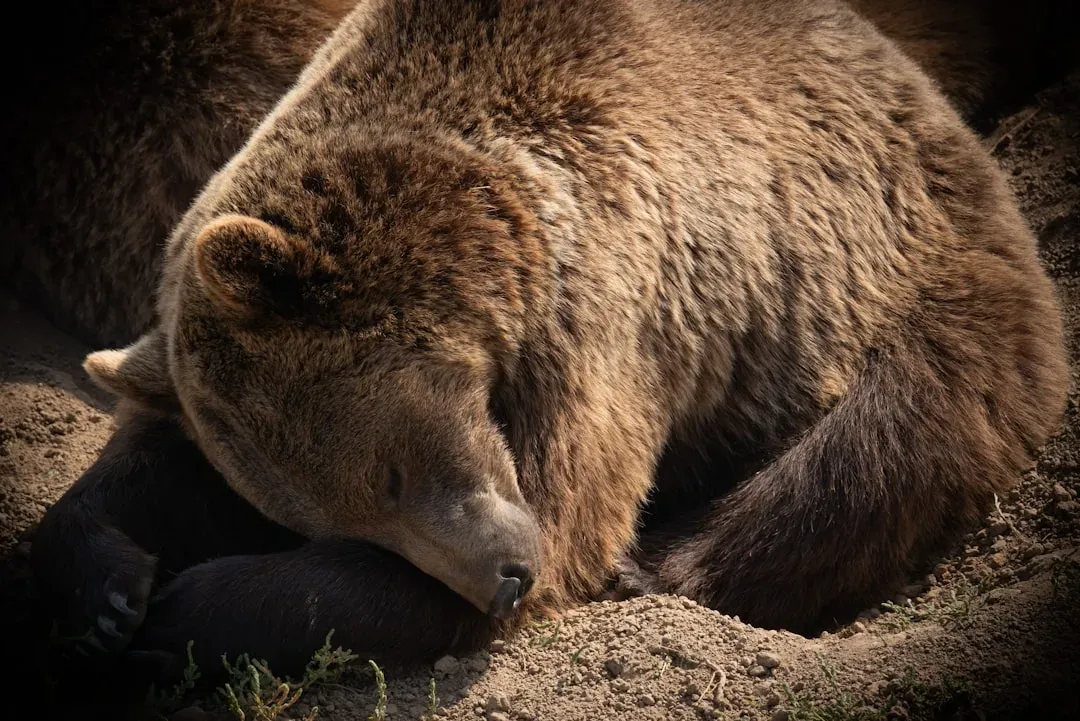
Following the death of his sister, an 18-year-old captive male brown bear only slept for a third of the time he did before, and spent more time inactive compared with when his sister was alive, and it is likely that the two had developed a close bond, and the loss was greatly felt.
This observation changes everything about how we should view these animals. They’re not just biological machines driven by hunger and survival instinct. They experience loss. They mourn. They form relationships that matter deeply to them. It makes you wonder how many other complex emotions bears experience that we simply haven’t documented yet.
A Grizzly Bear’s Bite Can Crush a Bowling Ball
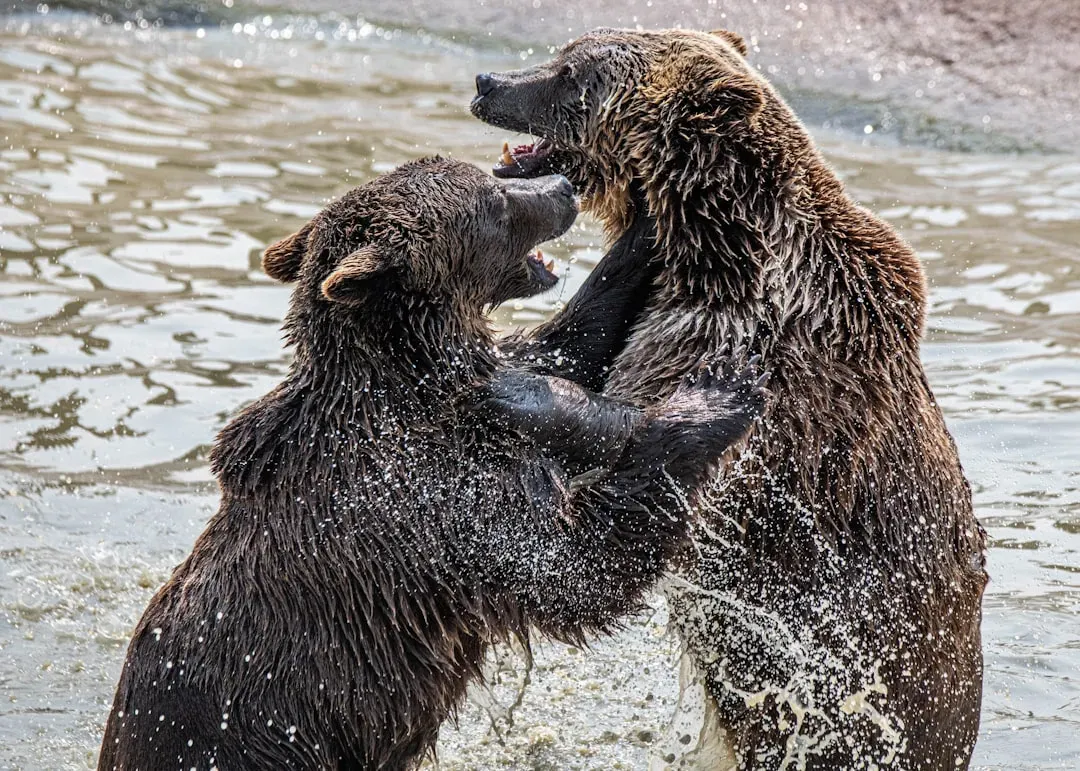
A grizzly bear has one of the most powerful bites in the animal kingdom, strong enough to crush a bowling ball, and that jaw strength helps with everything from cracking bones to foraging for nuts. That’s not hyperbole. That’s actual crushing force.
This incredible power is concentrated in a jaw mechanism evolved over millions of years. Yet despite this destructive capability, most bears aren’t aggressive at all, they’re just cautious, and they’ll usually go out of their way to avoid humans, and only lash out when they feel threatened or are protecting their cubs. Understanding this distinction is crucial for human-bear coexistence.
Conclusion: A New Respect for an Ancient Species
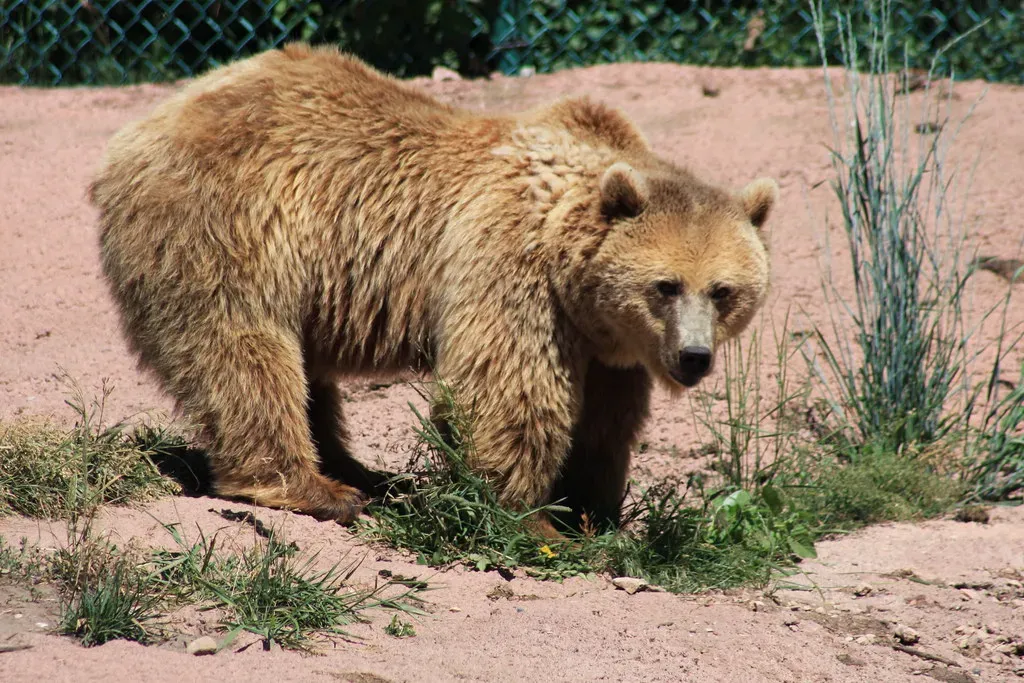
After learning these facts, it’s hard to see bears the same way again. They’re not just powerful predators or cute symbols on nature documentaries. They’re sophisticated, intelligent, emotionally complex beings with abilities that science is still trying to fully understand.
There are eight species of bears: the American black bear, the Asiatic black bear, the brown bear, the giant panda, the polar bear, the sloth bear, the spectacled bear, and the sun bear. Each species has adapted to its environment in remarkable ways, from the Arctic ice to tropical forests. Their survival depends on our willingness to share space and resources on this planet.
The more we learn about bears, the more we realize how much we still don’t know. What do you think is the most surprising fact? Does it change how you view these incredible animals?

- Why Blue Jays Suddenly Vanish From Your Yard in Late Summer (And Where They Actually Go) - June 14, 2026
- 10 Signs a Stray Cat Has Chosen You as Their New Owner - June 14, 2026
- Marine Biology Says the Mantis Shrimp Processes Colour Through 16 Independent Receptor Types – Humans Manage With 3 – and What the Shrimp Perceives That We Cannot Has No Human Instrument Capable of Translating It - June 14, 2026