
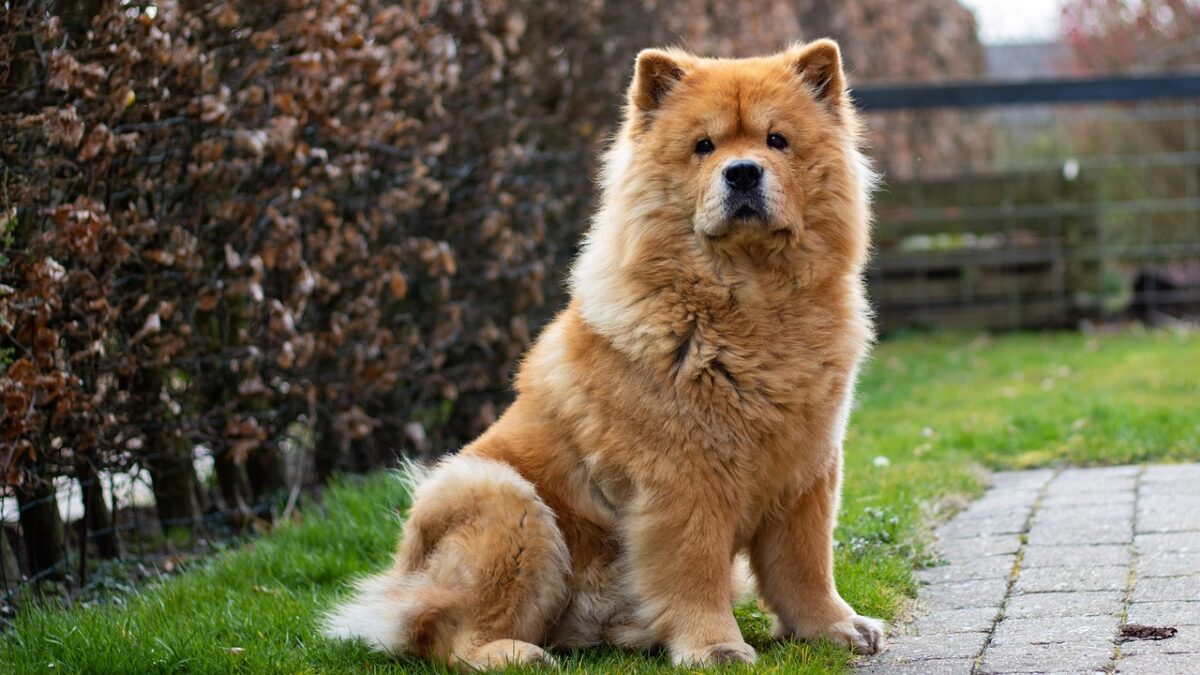
Dogs form attachments quickly, yet some seem to carry the weight of a slight far longer than others. A single harsh word or forgotten walk can linger in their minds, shaping how they interact days or even weeks later. This capacity for memory raises an interesting question about which breeds might nurse those feelings the most.
Akita
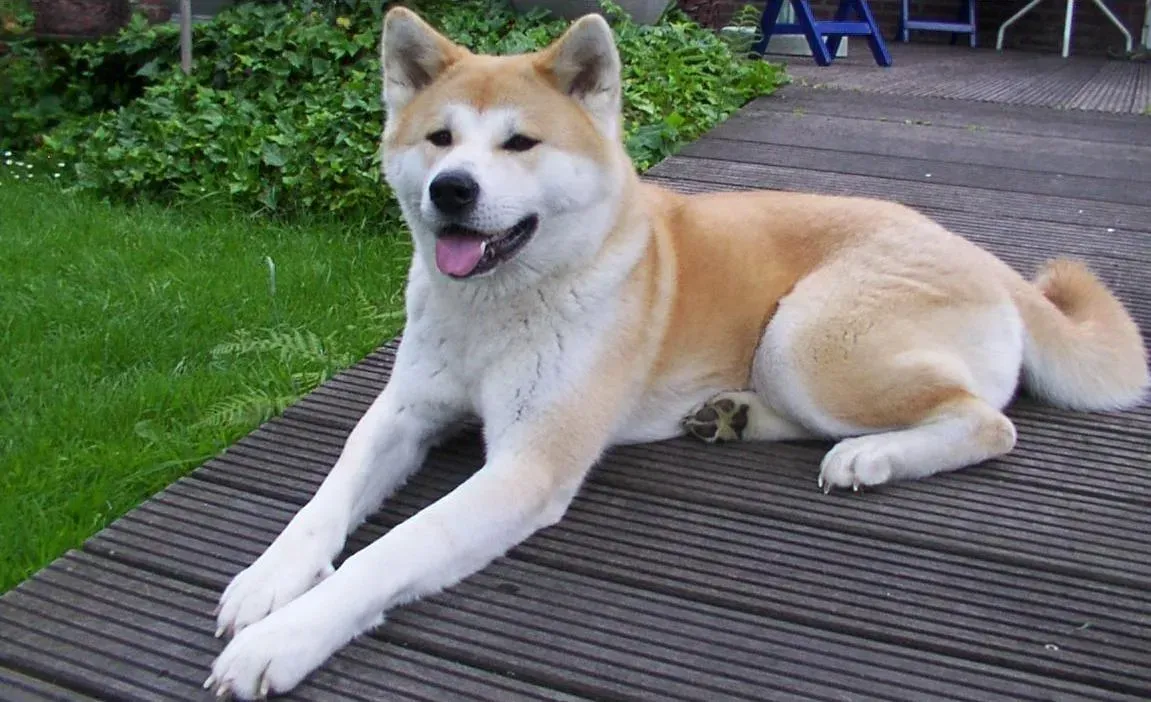
The Akita carries a reputation for deep loyalty paired with a long memory. When something disrupts their sense of fairness, they often withdraw or show subtle signs of distrust that do not fade overnight. Owners frequently notice these dogs avoiding certain people or situations long after the original event.
Their independent streak means they process experiences on their own terms. A negative encounter can imprint strongly because they weigh interactions carefully. Over time this trait turns minor slights into lasting caution rather than quick forgiveness.
Shiba Inu

Shiba Inus approach life with a cat like independence that extends to their emotional responses. They remember who ignored their preferences or interrupted their routines. That memory shows up as deliberate distance or selective affection that lasts well beyond the moment.
Because they value personal space so highly, any perceived overstep feels significant. Trainers often describe these dogs as holding onto associations that other breeds might shrug off. The result is a pet that seems to keep score in quiet but consistent ways.
Chow Chow
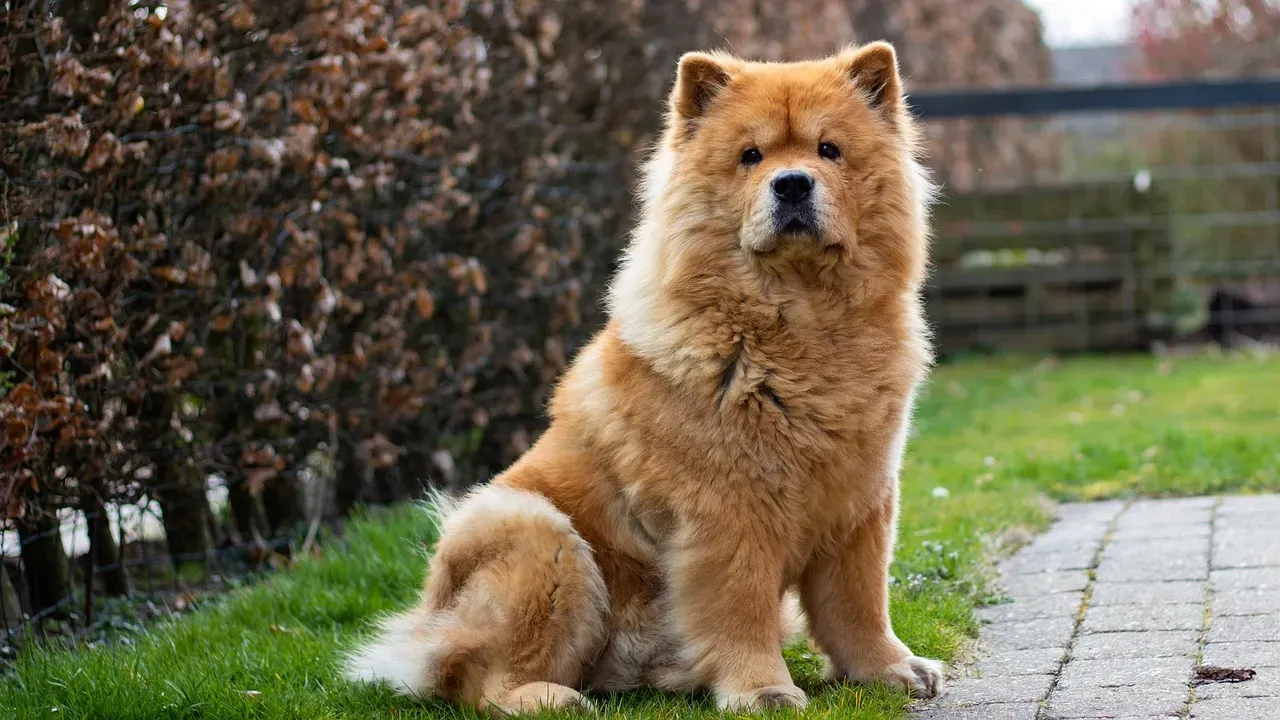
Chow Chows combine a dignified presence with strong protective instincts. When trust breaks, they tend to guard their affection more tightly afterward. Many owners report that these dogs remain wary of specific family members or visitors for extended periods.
Their thick coats and stoic expressions hide a sensitive core. Negative experiences register deeply because they form bonds slowly in the first place. Once formed, those bonds resist easy repair when something goes wrong.
Border Collie
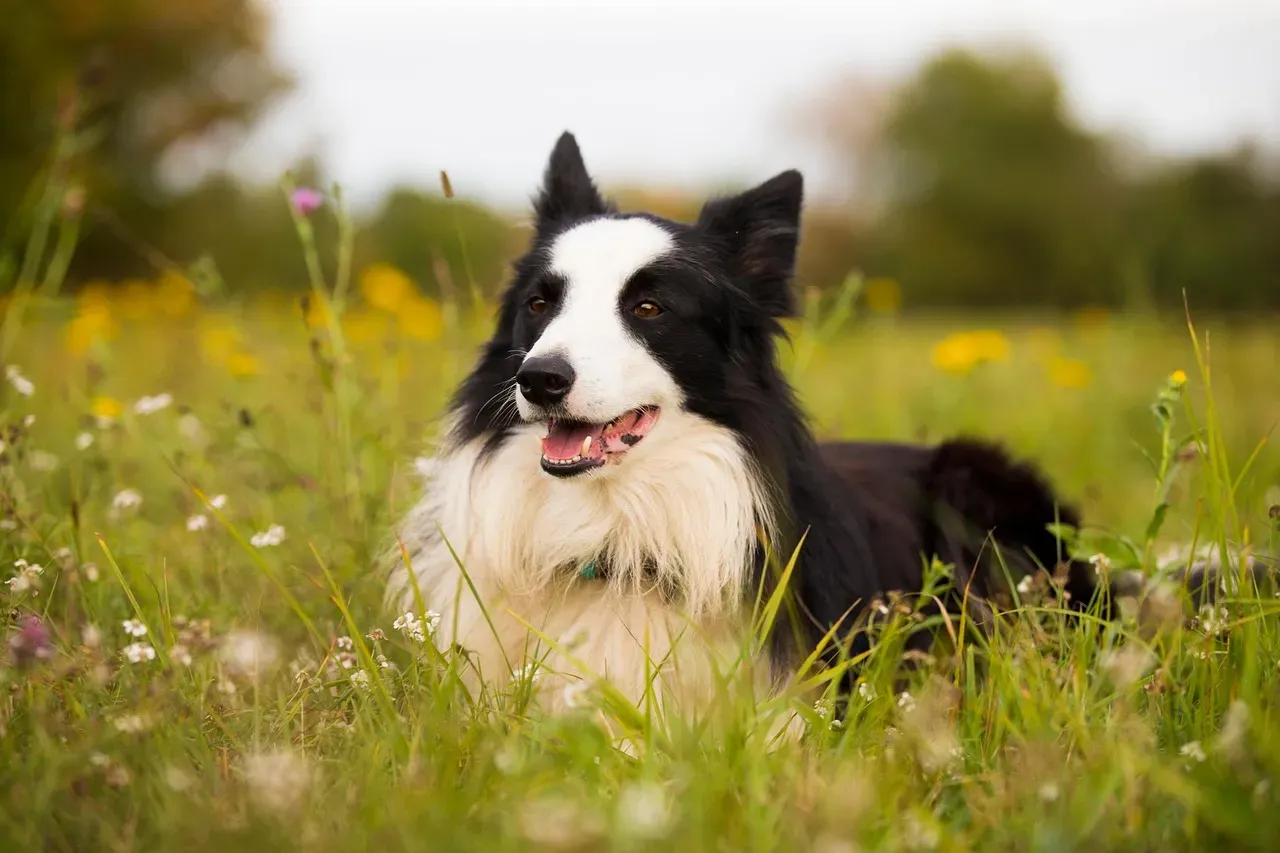
Border Collies possess sharp minds that catalog details others might miss. A single inconsistent command or rough handling can create an association they revisit during similar situations later. Their working heritage makes them especially attuned to patterns of behavior around them.
Because they thrive on mental stimulation, they also replay emotional events internally. This focus turns a brief disappointment into a longer lasting hesitation. Handlers learn to rebuild rapport patiently when these dogs pull back.
Afghan Hound
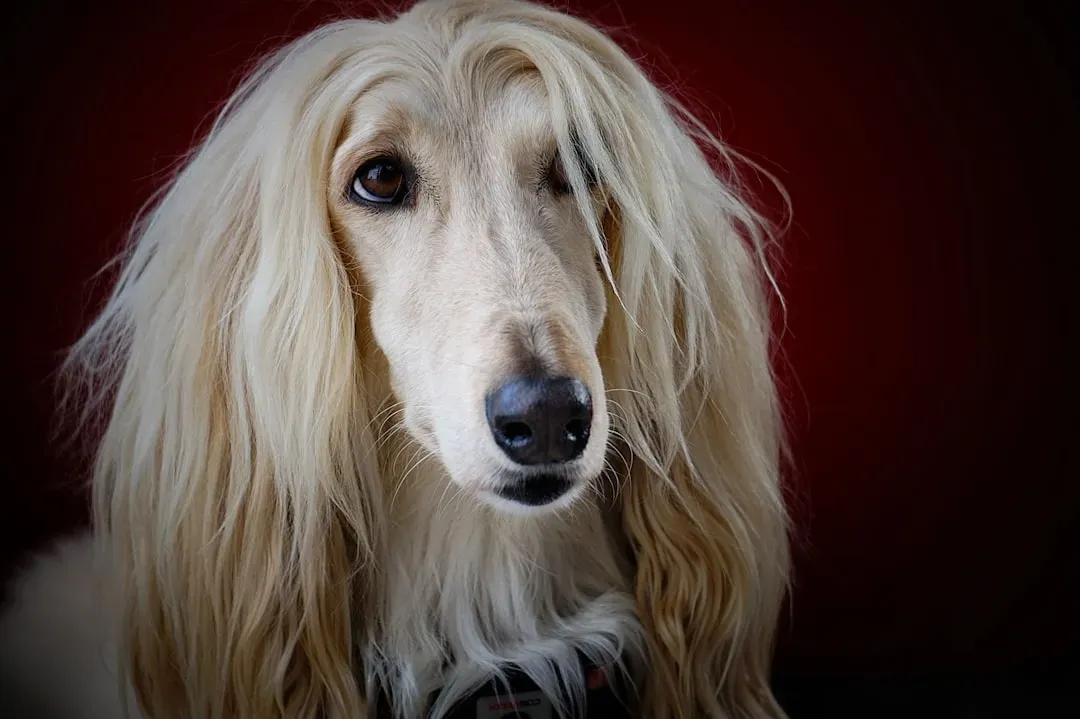
Afghan Hounds bring an aloof elegance that masks a keen awareness of their surroundings. They notice when routines change or when attention shifts away from them. Those observations can translate into cool detachment that persists until balance returns.
Their independent nature means they do not seek constant reassurance. Instead they simply adjust their level of engagement based on past treatment. This quiet accounting makes them appear to hold onto feelings longer than more outgoing breeds.
Basenji
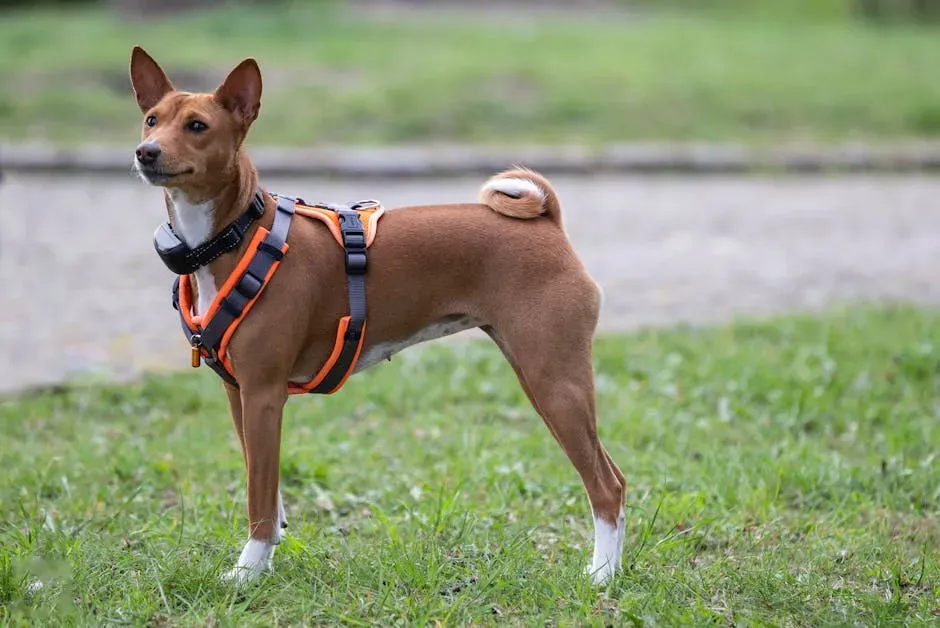
Basenjis stand out for their unique vocalizations and strong willed personalities. They form clear opinions about people and places quickly. When those opinions turn negative, the dogs maintain boundaries that feel deliberate and enduring.
Owners often describe them as selective with affection even under normal circumstances. A single uncomfortable experience can reinforce that selectivity for weeks. The breed’s ancient roots contribute to a self reliant approach that values consistency above all.
Shar Pei
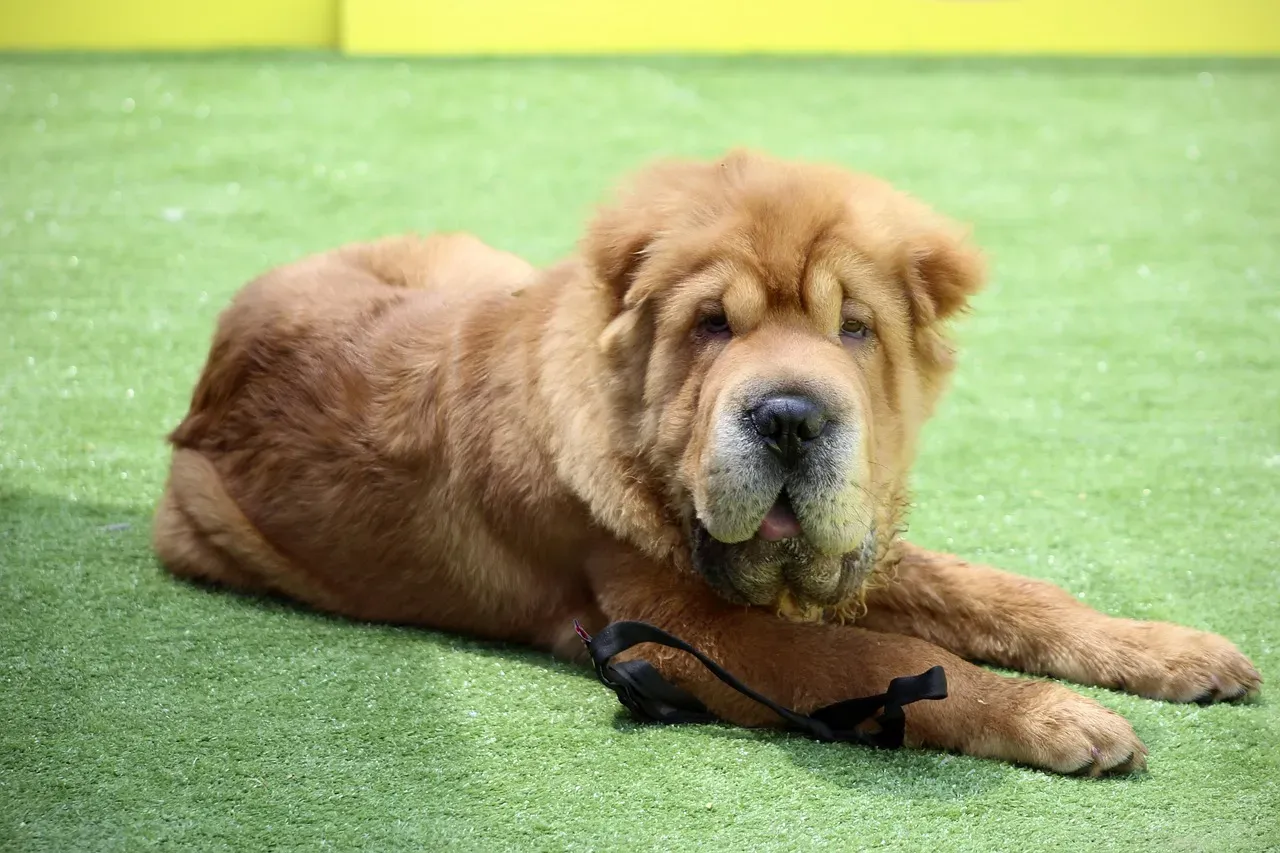
Shar Peis carry a calm exterior that conceals a thoughtful inner life. They bond deeply with their chosen people and notice when that bond feels threatened. Recovery from a perceived slight often requires repeated positive interactions over time.
Their history as guard dogs gives them a natural caution around unfamiliar actions. That caution can linger and color future encounters. Families learn that patience and steady kindness work better than rushing reconciliation with these dogs.
Chihuahua
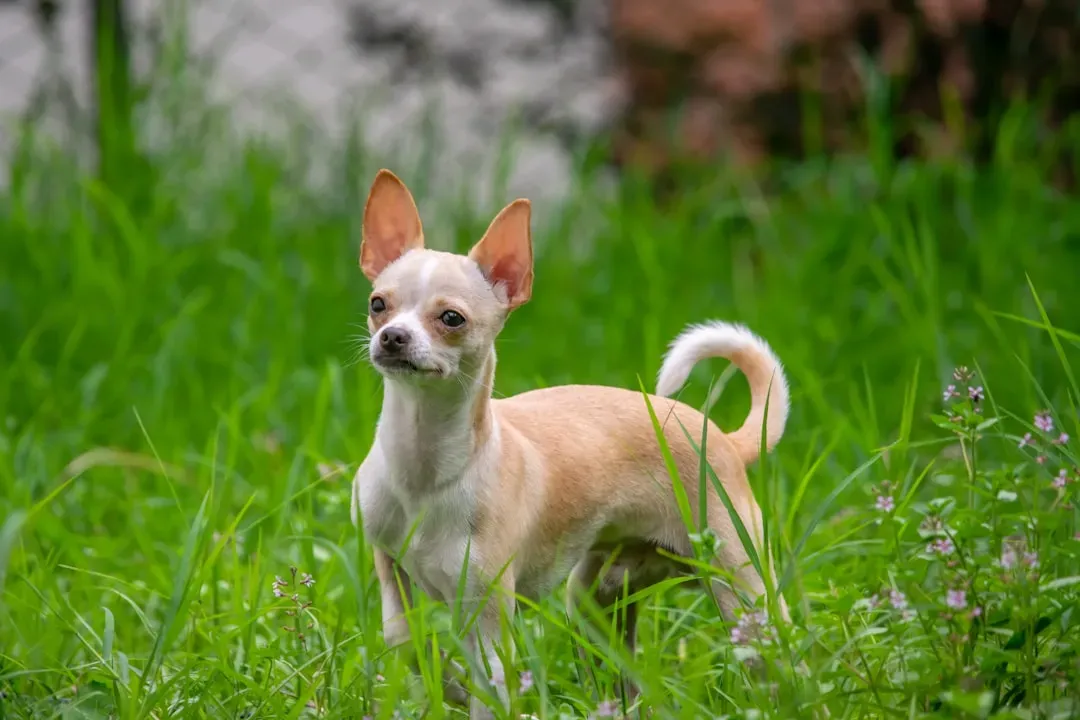
Chihuahuas pack big personalities into small frames and remember slights with surprising clarity. Their size makes them more vulnerable, so they stay alert to any hint of disrespect. Owners frequently see them avoid laps or hands that once caused discomfort.
Because they live so close to their humans, every interaction carries weight. A raised voice or abrupt movement registers strongly and stays with them. This sensitivity turns everyday moments into lasting impressions that shape daily routines.
Breeds like these remind us that canine emotions run deeper than simple reactions. Choosing a dog means accepting their individual way of processing the world around them. In the end the real lesson lies in consistent kindness that prevents those long memories from forming in the first place.

- 15 Animals and Wildlife that Start with B - July 30, 2026
- Virgo, Here’s a Tidy, Low-Maintenance Dog for You - July 30, 2026
- 10 Beautiful US National Parks Where Rare Animals Are Protected - July 30, 2026