
There’s a certain kind of underestimation that only a flat tail and buck teeth can inspire. For most people, the beaver is simply a cartoonish symbol of hard work, the punchline of a nature documentary. Yet few animals on the planet have reshaped landscapes as profoundly, or as quietly, as this stout, semiaquatic rodent. The evidence is mounting in labs, field studies, and restored watersheds across the Northern Hemisphere.
Beavers are widely referred to as nature’s engineers due to their ability to rapidly transform diverse landscapes into dynamic wetland ecosystems, with few other organisms exhibiting the same level of control over local geomorphic, hydrologic, and ecological conditions. What follows are twelve facts that reveal just how remarkable their influence truly is.
#1: Beavers Are True Ecosystem Engineers, Not Just Dam Builders
Most people think of beavers as builders. That’s true, but it vastly undersells what they actually do. Beavers have the ability to modify ecosystems profoundly to meet their ecological needs, with significant associated hydrological, geomorphological, ecological, and societal impacts. They don’t just change a stream. They rewrite the whole landscape around it.
Beavers are powerful ecosystem engineers that transform terrestrial areas into aquatic systems. This distinction matters enormously. Other animals adapt to their environment. Beavers physically redesign it, creating conditions that benefit dozens of other species in the process.
#2: Their Dams Raise Water Tables and Recharge Aquifers
The dammed-up water penetrates into the surrounding soil, causing an increase in the level of groundwater. This is one of the more quietly extraordinary things a beaver does. Without any human infrastructure, it essentially refills underground water reserves just by building a pile of sticks and mud.
The structures they build slow stream flow and create pools, allowing water to permeate the soil and replenish underground water levels, which provides vital moisture for vegetation and wildlife during dry periods. In regions increasingly stressed by drought, this is a service worth paying close attention to.
#3: Beaver Ponds Create Extraordinary Biodiversity Hotspots
Beavers are considered a keystone species because of the disproportionately large impact they have on the entire surrounding ecosystem, establishing critical habitat for a large variety of fish, amphibians, birds, and mammals. Remove the beaver, and the ripple effect runs deep across the food web.
Beaver sites are characterized by a higher species richness and abundance of breeding birds than unmodified watercourses, with roughly a quarter of all recorded bird species occurring exclusively on beaver sites. That’s not a marginal difference. It’s the kind of ecological gap that takes decades to reverse once a beaver population disappears.
#4: Their Influence Extends Well Beyond the Water’s Edge
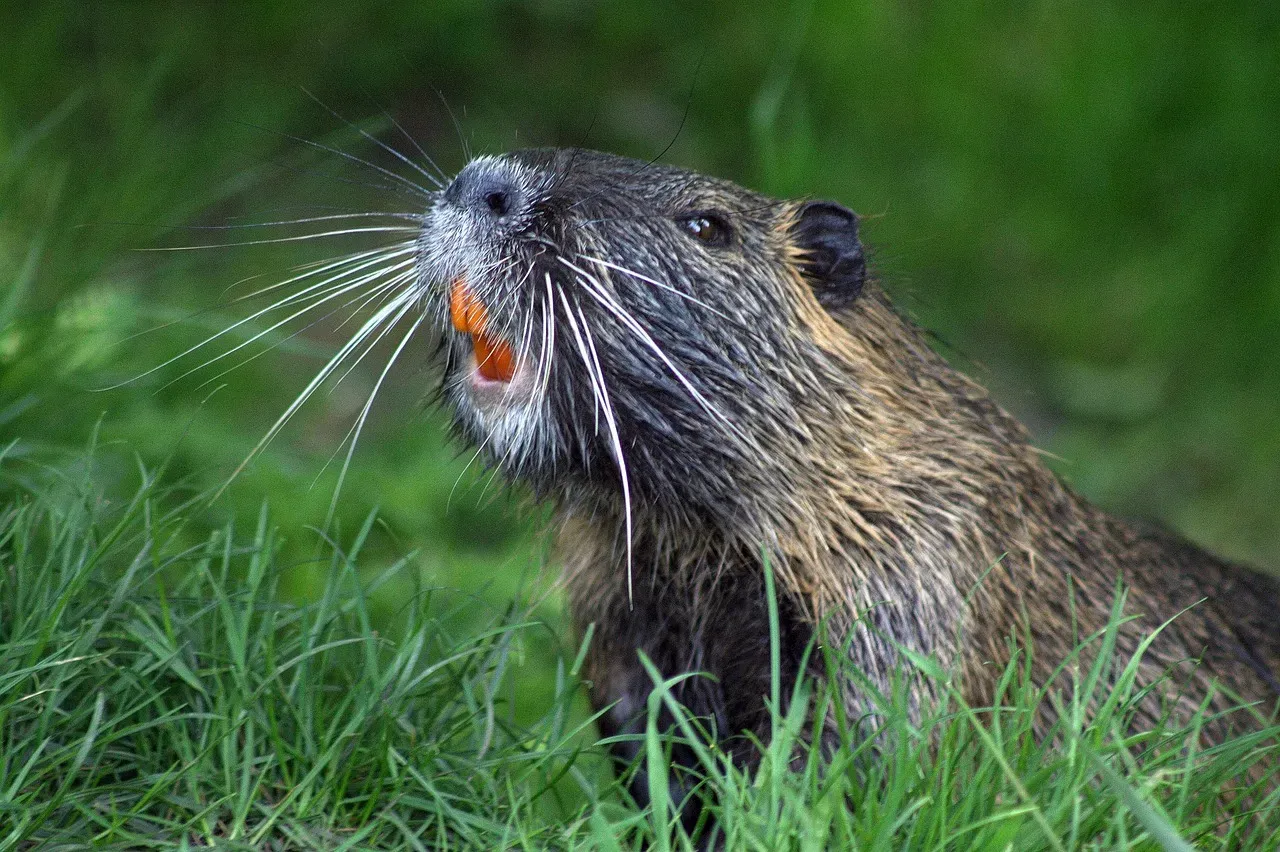
It would be easy to assume beaver impacts stop at the bank of a pond. They don’t, not by a long stretch. The effect of the beaver’s presence on bird assemblages extends to adjacent terrestrial habitats located up to 100 meters from the water’s edge, where species richness and abundance is higher and species composition is substantially modified.
Enhancement of natural processes, floodplain inundation, lateral connectivity, and structural heterogeneity in beaver-impacted environments creates a diverse mosaic of habitats. This mosaic effect is what makes beavers so valuable. They don’t just create one type of habitat. They generate a patchwork that supports a wide range of ecological communities simultaneously.
#5: Beaver Dams Actively Reduce Flooding Downstream
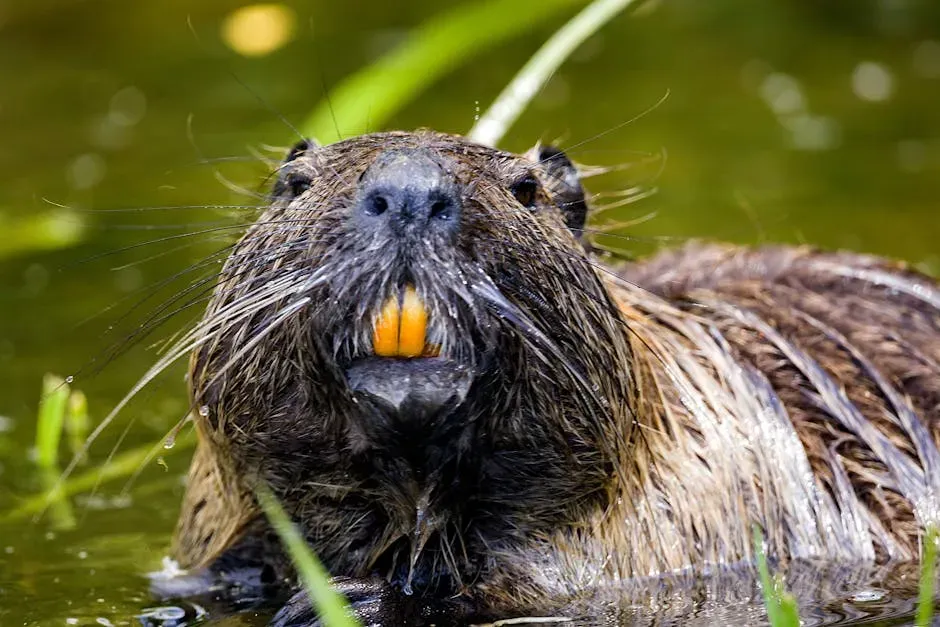
There’s an irony worth noting here. Beavers are often removed from farmland for causing local flooding, yet at the watershed scale, their dams actually protect downstream areas from worse flood events. Beaver dams play a crucial role in water management by altering hydrological regimes and enhancing ecosystem resilience, with dam construction impounding water and increasing surface and subsurface water storage, which can mitigate the effects of drought and reduce flood risks.
During small flood events, beaver dams can deliver significant impacts upon peak flows, with reductions of up to thirteen percent, and notable delays in flood lag and translation times. That’s meaningful flood attenuation delivered entirely for free, powered by an animal that does it for entirely different reasons.
#6: They Improve Water Quality in Ways Science Is Still Uncovering
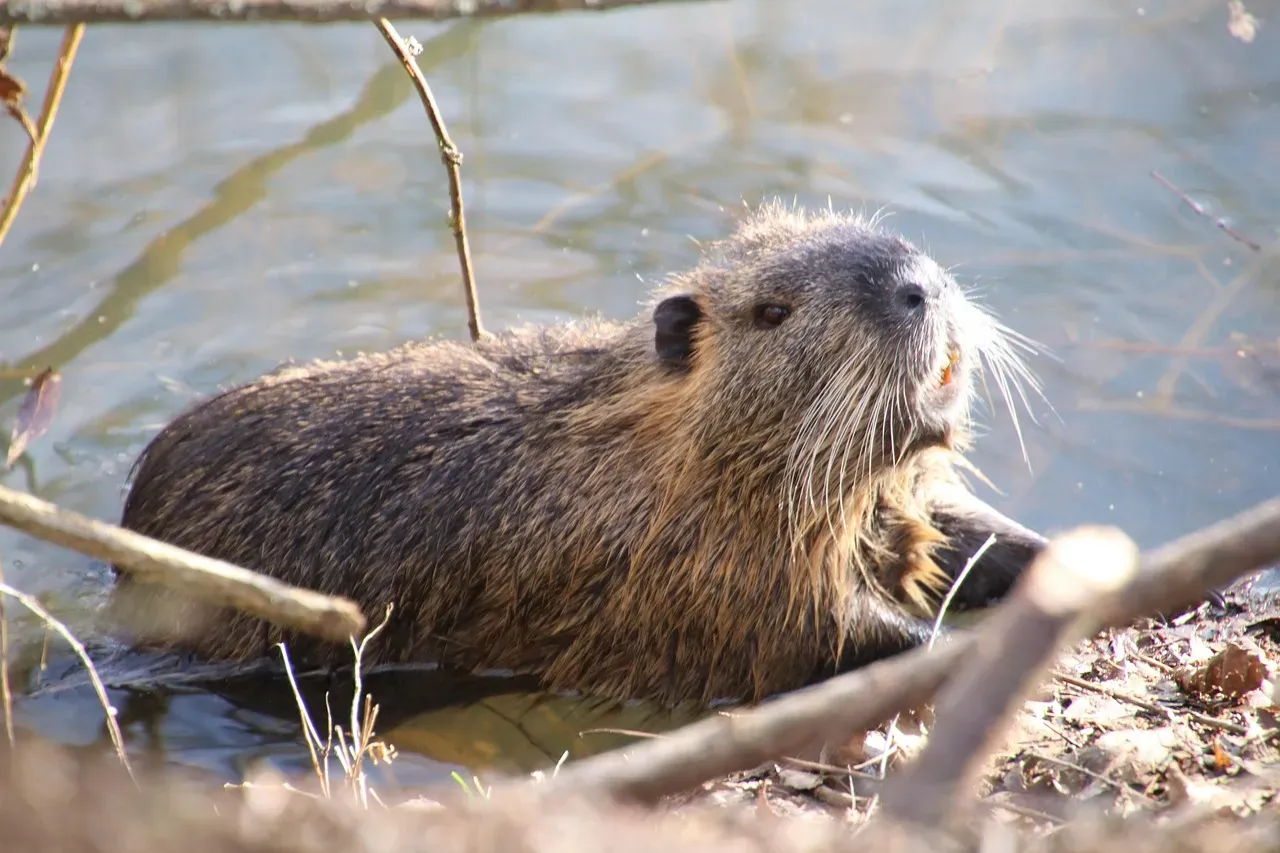
Water laden with sediment, nitrates, or carbon slows down in beaver ponds, allowing particles in it to settle or get consumed by microbes, unlike in a fast-moving stream. The pond acts as a natural filter, quietly cleaning the water before it moves downstream.
By creating ponds and wetlands, beaver dams enhance groundwater retention, reduce stream gradient, and trap sediments, thereby improving water quality and promoting biodiversity. Beaver-restored areas improve the water quality of the river or stream as well as lessen the pollutants that make it to the ocean. That chain of benefit, from mountain stream to coastline, is a remarkable return on nature’s investment.
#7: Beaver Wetlands Are Powerful Carbon Sinks
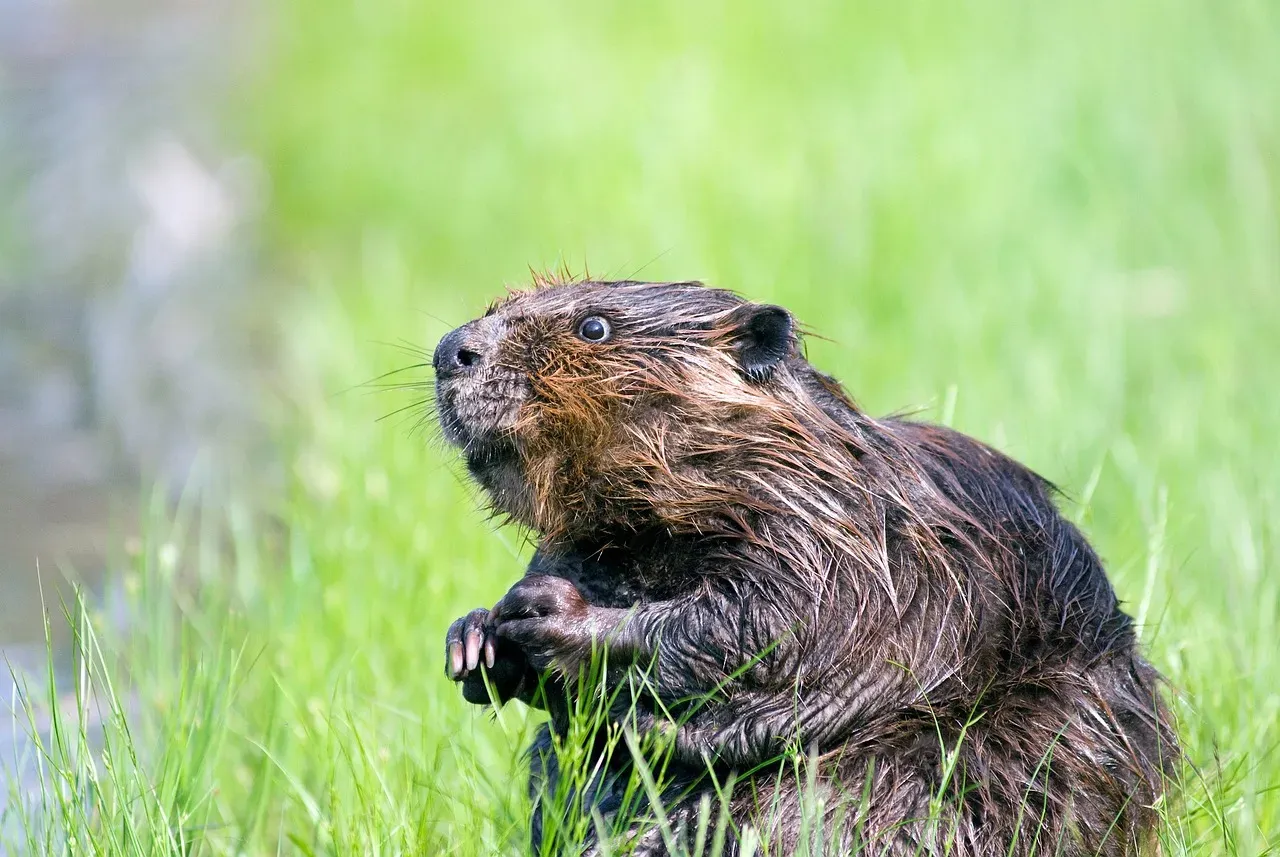
The relationship between beavers and carbon storage has received serious scientific attention in recent years. A study in Switzerland found that beaver-built wetlands can trap and store large amounts of carbon, offering a low-cost boost for restoration and climate resilience. The implications for climate policy are hard to ignore.
The sediments in beaver ponds and the vegetation in beaver meadows both help pull and store carbon from the atmosphere, and some research suggests that beaver-induced peat formation also helps with sequestration by keeping the carbon absorbed by plants within peat soils as they decay. Active beaver complexes hold on average ten to thirty times more carbon than grasslands. That’s a staggering difference for an animal that requires no budget, no staff, and no maintenance contract.
#8: They Create Natural Firebreaks in Wildfire-Prone Landscapes
This one tends to surprise people. Even in areas completely ravaged by wildfire, where tree trunks are scorched into blackened toothpicks and soil is left gray and ashen, beaver complexes survive unscathed, as the wet earth and thriving greenery resist burning, leaving oases of green in the middle of the lifeless moonscapes left behind by wildfire.
Beaver-engineered landscapes create oases during wildfires, and recent research demonstrates that freshwater ecosystems with beaver activity are significantly more fire-tolerant, in fact suffering only about one-third of the fire damage compared to similar areas without beaver presence. With megafires becoming more frequent across the western United States and other regions, this function is becoming one of the most practically urgent on this list.
#9: Beavers Support Fish Populations, Including Threatened Salmon
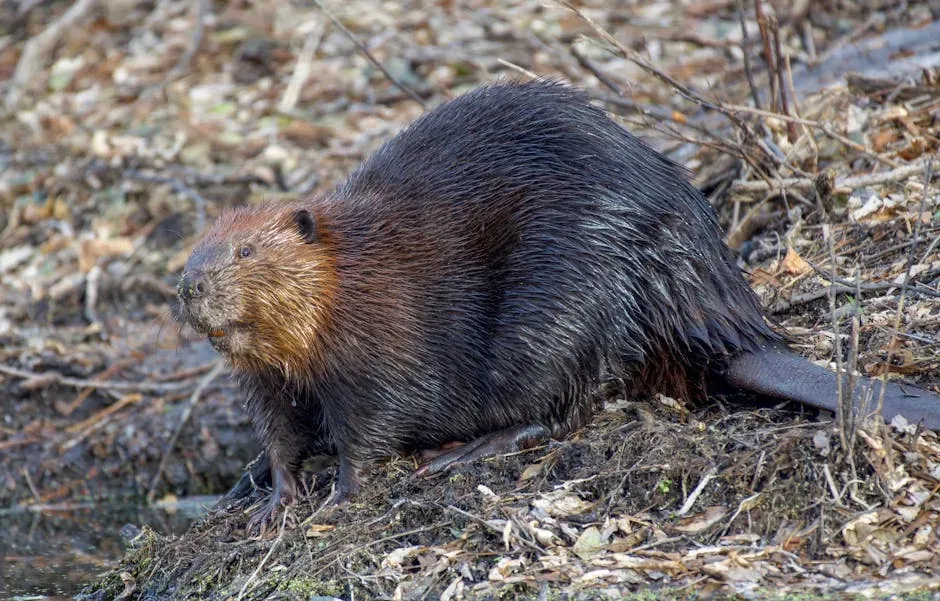
Salmon recovery and beaver reintroduction are now increasingly linked in conservation planning, and for good reason. By slowing waters down, beavers create fantastic salmon habitat, which is particularly important for Native American tribes in the Pacific Northwest who have historically been dependent on salmon.
It is well established that fish can navigate beaver dams, though a greater understanding is required to quantify the importance of any reduced longitudinal movement of fish alongside the known benefits, including an increase in food availability and greater habitat diversity. The science is still developing, but the direction it’s pointing is clear. Bring back the beaver, and the fish tend to follow.
#10: They Drove Human History More Than Most People Realize
The fur trade is usually taught as a chapter of economic history. It was also an ecological catastrophe. In North America, when the first European traders and trappers arrived, there were as many as 400 million beavers. By 1900, there were perhaps 100,000, as for three centuries they were trapped for their pelts.
As eastern beaver populations were depleted, English, French, and American trappers pushed west, and much of the westward expansion and exploration of North America was driven by the quest for this animal’s fur. It’s a humbling thought. The fur hat fashions of European aristocracy reshaped an entire continent’s river systems and helped trigger one of the most dramatic ecological collapses in North American history.
#11: Beaver Reintroductions Are Delivering Measurable Results
The conservation story around beavers has quietly become one of the more hopeful ones in wildlife biology. Their population plummeted from tens of millions of individuals to as few as 100,000 individuals by the early 1900s, but thanks to reintroduction and conservation efforts and recognition of the species’ importance, the beaver population has rebounded, and the species is no longer at risk of extinction.
Once beavers return, they restore wetlands without human intervention. That autonomy is part of what makes them so appealing to conservation planners. Beavers are ecosystem engineers capable of converting free-flowing habitats into a series of lentic ponds, and process-based riverscape restoration using beaver reintroductions and mimicry are increasingly used to restore functions, improve ecosystem services, and build the resiliency of ecosystems across North America and Europe.
#12: The Economic Value of What Beavers Do for Free Is Enormous
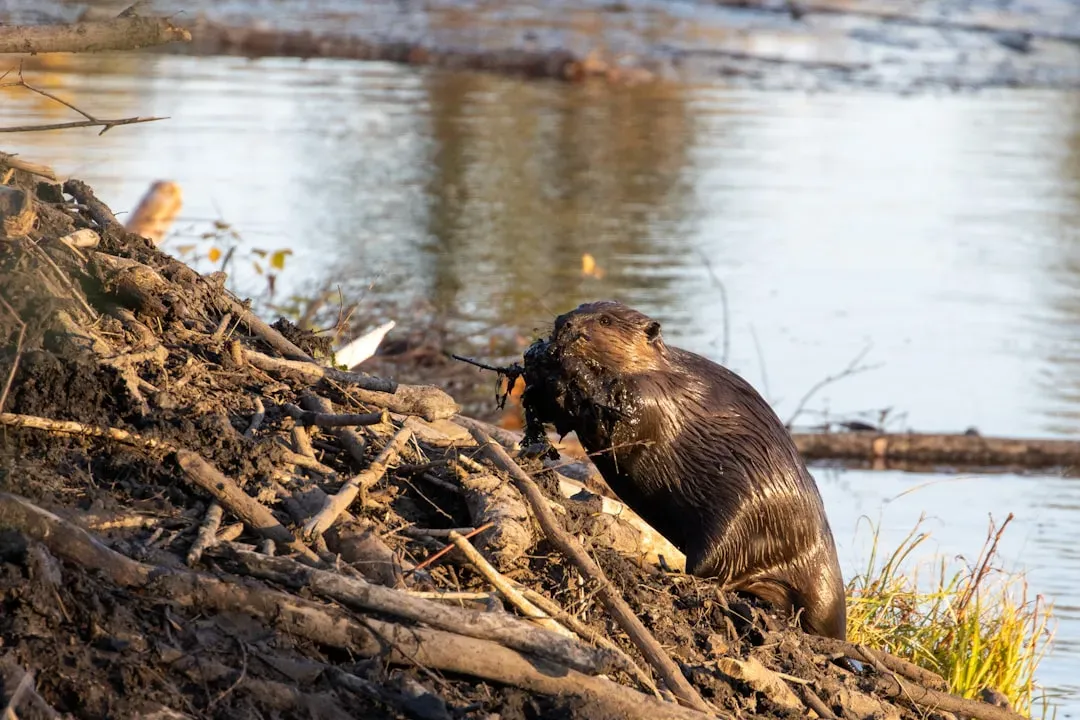
Translate beaver activity into dollars, and the numbers become genuinely striking. Some research suggests that beaver landscapes may sequester up to 470,000 tons of carbon annually, and it has been estimated that the ecosystem services beavers provide in the US are worth hundreds of millions of dollars.
One study estimates that beavers save the United States around $133 million in habitat and biodiversity protection and approximately $75 million in greenhouse gas sequestration. No engineering firm, no government program, and no restoration budget has managed to replicate those results at comparable cost. The return of beavers has proven that a single species can reshape entire landscapes, restoring wetlands, stabilizing rivers, preventing droughts, and boosting biodiversity.
What Beavers Tell Us About Ecological Restoration
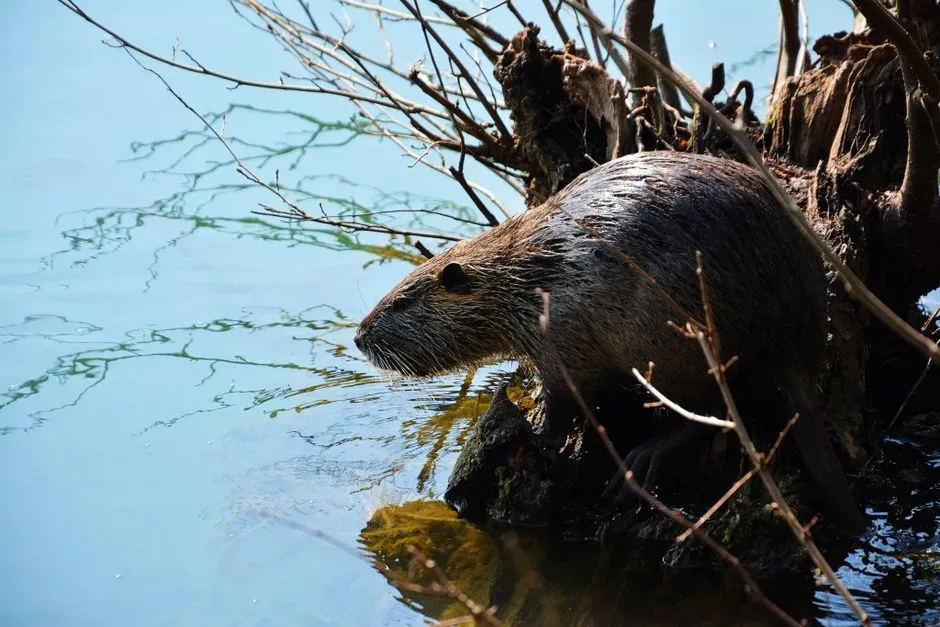
The deeper you look at beavers, the more the logic of their presence becomes impossible to ignore. They filter water, store carbon, slow floods, resist fire, support fish, and create habitat for hundreds of species. They do this continuously, instinctively, and without any cost to the taxpayer.
Although we have commonly called beavers ecosystem engineers, it turned out we had little idea just how important they are for supporting habitat diversity and biodiversity in general, and that many assumptions about their pest traits were unfounded. Luckily, conservation efforts are now allowing us to watch in real-time how beavers modify river lines and forests to create precious microhabitats we have nearly banished.
The beaver’s story is ultimately about what happens when we let a landscape have its own intelligence back. The animal hasn’t changed. Our understanding of what it does has. That shift in perspective, from nuisance to indispensable partner, may be one of the most consequential recalibrations in modern conservation thinking.
